
Knowledge
Sourced guides on how the body stays warm, how patients and clinicians are kept comfortable, how crews work safely in cold and heat, and how warming gear works. Pick the theme closest to your world.
Ready to choose gear? Browse all buyer’s guides →
Free tools: wind chill and frostbite calculator, cold work warm-up schedule, what to wear by temperature, which warmth setup is right for you? and the warmth runtime and cost calculator. All tools and data →
Science of Warmth
For anyone who wants to understand how the body makes, keeps and loses heat.
Start here
Popular
All Science of Warmth articles →
Healthcare
For clinicians, perioperative teams, hospital leaders, and patients before and after surgery.
Start here
- Patient warming and perioperative hypothermia
- Thermal comfort for clinicians
- For patients: surgery and recovery
Popular
- How to stay warm in the operating room
- What is perioperative hypothermia?
- Forced-air vs conductive warming

Work and Duty
For employers, safety leads, crews, service members and EMS.
Start here
Popular
All Work and Duty articles →
Everyday Life and Health
For people who feel the cold, and for daily life outdoors.
Start here
- Cold sensitivity and Raynaud’s
- Staying warm in everyday life
- Staying warm at home and with family
- Staying warm with a health condition or disability
- Medications and feeling cold
Popular
All Everyday Life and Health articles →
Heat and Cooling
For hot jobs, heavy protective gear and personal heat sensitivity.
Start here
Popular
All Heat and Cooling articles →
Technology and Gear
For choosing, using and caring for warming gear.
Start here
Popular
All Technology and Gear articles →All articles
Medications that can make you feel cold: a reference list
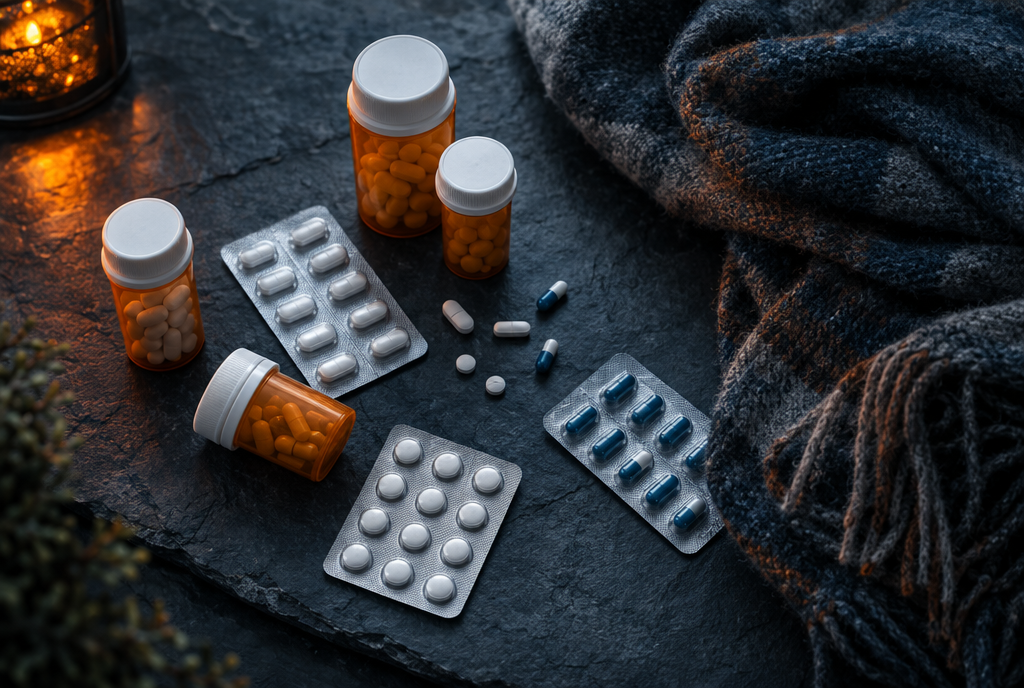
Several medicine classes can make you feel cold. Beta blockers, ADHD stimulants, triptans and ergot drugs can narrow blood flow to the fingers and toes; oxaliplatin causes nerve symptoms triggered by cold; and antipsychotics can occasionally lower core body temperature. A 2016 review identified 12 drug classes linked to Raynaud's phenomenon. Never stop a medicine on your own; talk to your prescriber first.

Hypothyroidism and feeling cold: a deeper guide
Hypothyroidism makes you feel cold because low thyroid hormone slows the body's metabolism, so it produces less heat at rest and less extra heat when you are chilled. In a Swiss study, restoring normal thyroid levels raised the body's heat response to mild cold by about 102%. Most people warm up with proper treatment, but persistent cold deserves a talk with your clinician.

ADHD stimulants and cold hands
Yes, ADHD stimulants can cause cold hands. US labels for amphetamine (Adderall XR) and methylphenidate (Concerta) warn that these medicines are associated with peripheral vasculopathy, including Raynaud's phenomenon: fingers or toes that feel numb, cool or painful and turn pale, blue, then red. Symptoms are usually mild and intermittent. Tell the prescriber, and do not change the dose on your own.
Beta blockers and cold hands and feet
Yes. Cold hands and feet are a recognized side effect of beta blockers. The NHS lists them among common side effects, and US labels for metoprolol and propranolol list cold extremities or arterial insufficiency of the Raynaud type. Beta blockers lower the heart's output and can block signals that widen small blood vessels. Never stop one suddenly; talk to your prescriber.
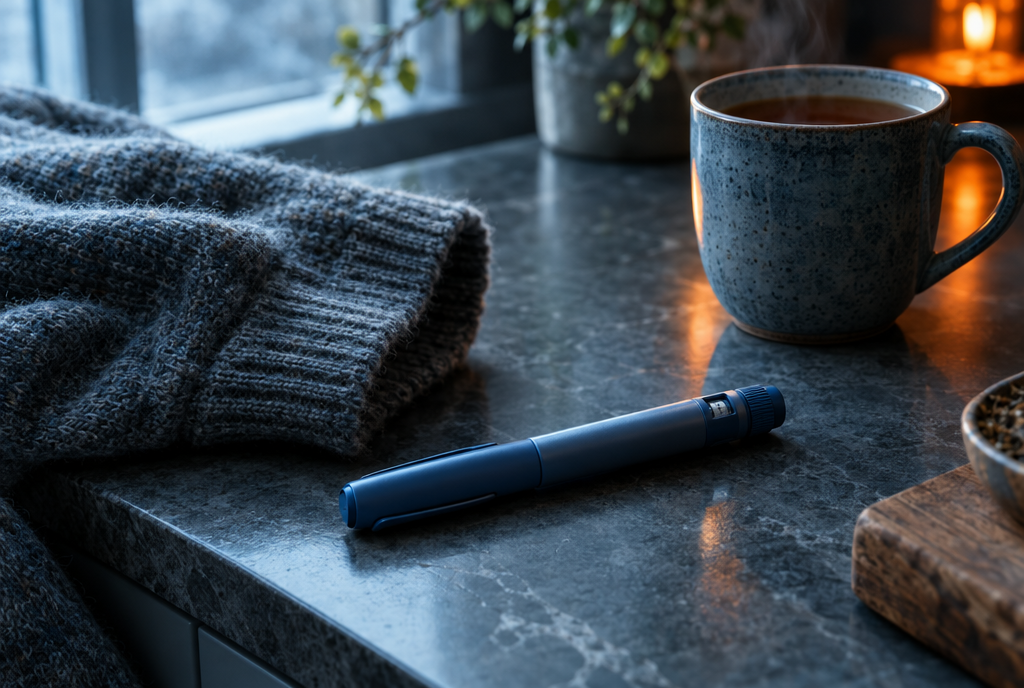
Feeling cold on Mounjaro or Zepbound (tirzepatide)
Feeling cold is not a listed side effect of Zepbound or Mounjaro. Neither US prescribing information lists chills, feeling cold or cold intolerance. The likely reasons are indirect: tirzepatide decreases calorie intake, and weight lost is mostly fat, which insulates. Listed effects such as fatigue, dizziness and low blood pressure can also feel like a chill. Persistent cold deserves a talk with your clinician.

Why losing weight makes you feel colder
Losing weight can make you feel colder because you have less body fat to insulate you and because eating less turns down heat production. In a six-month JAMA trial, people on calorie restriction had lower core body temperature and burned about 135 fewer calories a day while sedentary. Cold that is extreme, long-lasting or comes with unplanned weight loss deserves a clinician's check.