
Gifts for someone with Raynaud's: warmth that fits daily life
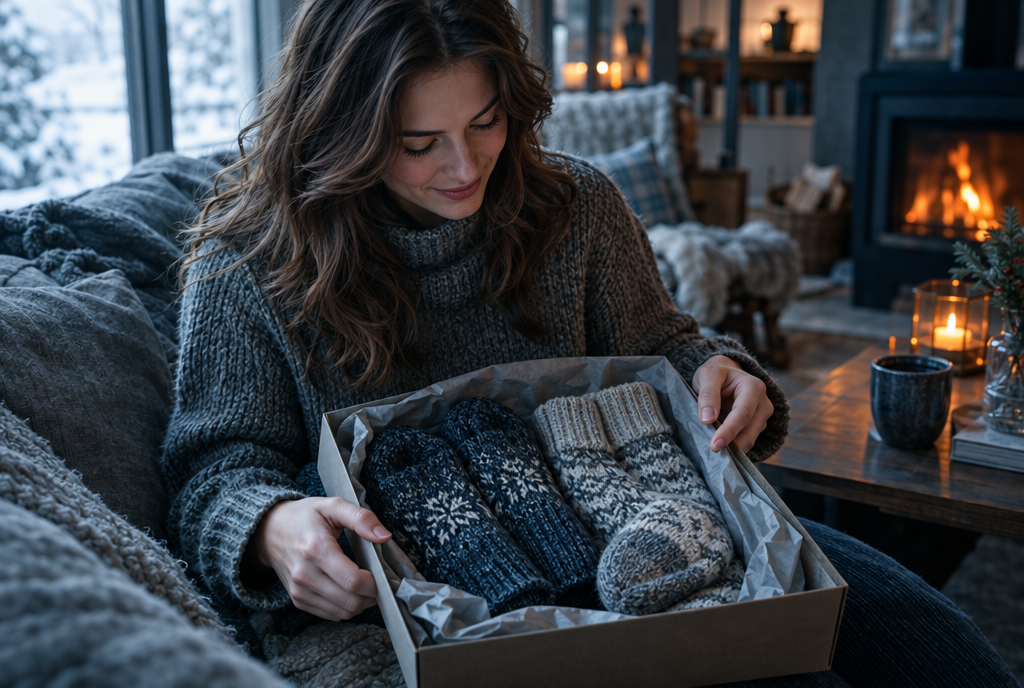
Good gifts for someone with Raynaud's help them stay warm through ordinary moments: a core layer or wrap, mittens with liners, thermal socks, insulated mugs, gloves for the freezer and warm bedtime layers. Raynaud's groups advise keeping the whole body warm, not just the fingers, so layers for the torso and neck are often as welcome as anything for the hands.
What makes a good gift for someone with Raynaud's?
The most useful gifts fit into daily routines rather than sitting in a drawer for the coldest day of the year. NIAMS notes that getting cold is the most common trigger, such as grabbing a glass of ice water or taking something out of the freezer, and that keeping the hands, feet and entire body warm is important. That points toward small, frequent-use items as much as big winter gear.
The Raynaud's Association advises dressing warmly and in layers, protecting the full body, especially the core, wearing a hat outdoors, and choosing mittens over gloves. It estimates that Raynaud's affects as much as 5 to 10 percent of the population, so a thoughtful gift here has a large audience.
| Situation | Gift type | What to look for |
|---|---|---|
| All day, indoors and out | Vest, wrap, shawl or base layer | Covers the torso and back of the neck; easy on and off |
| Hands outdoors | Mittens with thin liner gloves | Windproof shell, long cuffs, room for a warmer |
| Cold feet | Thermal socks, lined slippers | Soft, non-constricting cuffs; non-slip soles |
| Cold drinks | Insulated mug, tumbler or glass | Double wall so the outside is not cold to hold |
| Kitchen and grocery store | Insulated gloves for the freezer | Quick to pull on; kept where they are needed |
| Bedtime | Bed socks, mittens, pre-warmed bedding | Heat devices that switch off before sleep |
Why give core and neck layers?
When the body senses cold, it holds warm blood back from the skin to protect its core, and fingers and toes feel it first. Keeping the torso warm reduces that signal, which is why patient groups stress the whole body. A thin vest, a merino or synthetic base layer, or a large shawl makes a practical everyday gift.
The Raynaud's Association's own gift picks include blanket shawls, noting that warming the back of the neck can help keep the whole body warmer, along with sherpa sweaters and wearable blankets. Pick something that works under a coat and looks right at work, so it gets worn.
What should you look for in gloves and mittens?
Mayo Clinic suggests two sets of mittens or gloves in the cold, and a thin liner under a warm mitten is the classic pairing. The liner keeps fingers covered when the mitten comes off to use a phone or open a door. For a full feature checklist, see our guide to gloves and mittens for Raynaud's.
NIAMS mentions heated gloves and hand warmers as options to consider. Rechargeable hand warmers and warmer-pocket mittens make good gifts, provided the recipient keeps a fabric layer between any warmer and skin.
What gifts help with cold feet?
Mayo Clinic suggests wearing socks indoors and, for some people, socks and mittens to bed in winter. Thermal socks with a soft, non-binding top are an easy, low-risk gift; tight cuffs that dig in are worth avoiding. Lined slippers with a textured sole add warmth on cold floors without adding a slip hazard.
Heated slippers and heated socks exist in rechargeable and microwavable styles. They suit some people well, but anyone with numbness or skin sores should talk to their clinician before using any heated product on the feet.
Which everyday items make thoughtful small gifts?
Small objects that remove a cold touch can matter more than their price suggests. The Raynaud's Association recommends insulated drinking glasses or mugs, and Mayo Clinic suggests gloves when taking things out of the refrigerator or freezer. Both make easy stocking stuffers.
Air conditioning and chilled supermarket aisles are known triggers, so a compact scarf or packable layer that lives in a bag is a useful gift for summer too.
Insulated mug, tumbler or glass for cold and hot drinks
A pair of insulated gloves to keep by the freezer
A packable scarf or light layer for air-conditioned spaces
A warm hat or earmuffs for the commute
A thermos for warm drinks away from home
What about gifts for sleep and heated products?
Evenings and nights can be the hardest time to get warm. Flannel sheets, a heavier duvet and bed socks are simple, safe choices. If you buy a heated throw or mattress pad, look for automatic shut-off. The Electrical Safety Foundation advises that heating appliances should never be used while sleeping and that electric blankets should never be folded or covered while on.
People with reduced sensation, thin skin or finger sores are more vulnerable to burns, so ask before choosing a heated gift and keep any heat source on a low setting.
What should gift givers keep in mind?
Warm gifts support comfort; they are not a substitute for care. Mayo Clinic advises seeing a health care professional right away if someone with severe Raynaud's develops a sore or infection on an affected finger or toe. If the person you are shopping for has new, worsening or one-sided symptoms, encourage them to talk to a clinician.
Where HEATJAC fits
HEATJAC CORE is a low-profile thermal harness platform with integrated heat-reflective thermal inserts and pockets that accept supplemental warming elements such as air-activated warmers (sold separately). It fits the core-layer category above, as a thin layer that sits under everyday clothing. It is a wellness garment, not a treatment for Raynaud's, and it does not replace mittens, socks or a coat.
Key takeaways
Raynaud's groups advise keeping the whole body warm, especially the core, so torso and neck layers make strong gifts.
Mittens with thin liners suit the commute; insulated mugs and freezer gloves suit daily life.
Thermal socks and lined, non-slip slippers help with cold feet at home.
Choose heated products with auto shut-off, and never use them while sleeping.
Warm gifts support comfort; symptoms that change or cause sores need a clinician.
Frequently asked questions
What is a good gift for someone with Raynaud's?
A layer for the torso or neck, mittens with liner gloves, thermal socks or an insulated mug are practical, well-used choices. Raynaud's organizations stress warming the whole body, not only the hands.
Are heated gloves a good gift for Raynaud's?
They can be. NIAMS lists heated gloves and hand warmers among options to consider, and many people like them on very cold days. Check that the recipient is comfortable charging them, and anyone with numbness or sores should ask a clinician first.
Are mittens better than gloves for Raynaud's?
Generally yes for warmth. The Raynaud's Association calls mittens even better protection than gloves, and a thin liner underneath keeps fingers covered when the mitten comes off.
What small gifts help with Raynaud's?
Insulated mugs or glasses, gloves kept by the freezer, a packable scarf for air-conditioned rooms and thermal socks are all useful. They reduce the everyday cold touches that bother many people with Raynaud's.
Can a gift make Raynaud's go away?
No. Warm clothing and accessories help people stay warm and comfortable, but they do not change the condition. Anyone with worsening symptoms or skin sores should talk to a clinician.
Related reading
Sources
Raynaud's Phenomenon, National Institute of Arthritis and Musculoskeletal and Skin Diseases (NIAMS)
Frequently Asked Questions, Raynaud's Association
Best Gifts for Frosties, Raynaud's Association
Raynaud's disease: Symptoms and causes, Mayo Clinic
Heating Pads and Electric Blankets Safety, Electrical Safety Foundation International
About HEATJAC. HEATJAC is a thermal architecture company founded by an anesthesiologist. We design patented garment systems that capture, conduct and broaden warmth across the body, and we publish this knowledge hub because the science of staying warm should be public. HEATJAC products are not medical devices and are not intended to diagnose, treat, cure or prevent any disease.