
Best Gloves for Raynaud's: What to Look For
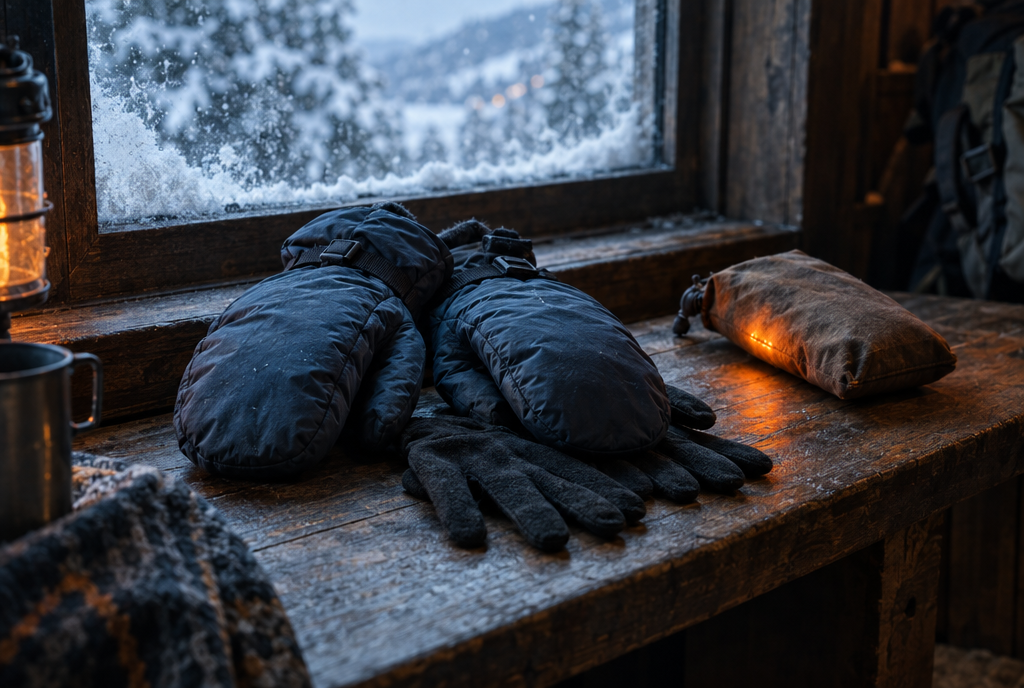
The best gloves for Raynaud's are usually not gloves at all but insulated, windproof mittens, because fingers share heat inside one space. Wear a thin liner glove underneath for tasks, and choose a long cuff and room for a hand warmer. Heated gloves suit some people on very cold days, but no glove works well if your core is cold.
Are mittens or gloves better for Raynaud's?
Mittens win on warmth. Cleveland Clinic advises wearing several layers of loose clothing and not forgetting mittens, which it describes as warmer than gloves. The Raynaud's Association calls mittens even better protection than gloves, and the Lupus Foundation of America makes the same point for people with lupus-related Raynaud's.
The reason is simple physics. Four fingers together in one pocket lose less heat through less surface area than four fingers in separate sleeves. Gloves still have a place when you need dexterity, which is why layering is so useful.
Which types of hand protection work for Raynaud's?
Each type has trade-offs. Many people own two or three and choose by activity and temperature.
| Type | Strengths | Limitations | Best for |
|---|---|---|---|
| Insulated mitten | Warmest passive option | Low dexterity | Walking, waiting, commuting |
| Liner glove | Thin, keeps fingers covered during tasks | Little warmth alone | Under mittens; indoors in cold offices |
| Convertible mitten (flip top) | Mitten warmth with quick finger access | Gaps can let cold air in | Phones, keys, errands |
| Insulated glove | Good dexterity | Fingers cool faster | Driving, light tasks |
| Mitten with warmer pocket | Holds an air-activated or rechargeable warmer | Warmer needs replacing or charging | Long outdoor exposure |
| Battery-heated glove or mitten | Adjustable active heat | Weight, charging, burn risk if sensation is reduced | Very cold days, outdoor work |
What features should you look for in Raynaud's gloves?
Warmth depends on more than thickness. Look for these features when comparing options.
Windproof and water-resistant outer fabric, because wind and damp strip heat quickly.
Insulation that stays warm when compressed around a grip, such as synthetic fill or dense fleece.
A relaxed fit: tight gloves squeeze the fingers and leave no insulating air layer.
Long cuffs that overlap your sleeves so cold air cannot reach the wrists.
A lining that feels warm to the touch when you first put it on, which helps avoid a cold shock.
Room inside for a thin liner and, if you use one, a warmer packet on the back of the hand.
Touchscreen fingertips on liners, so you can use a phone without exposing skin.
How should you layer gloves for Raynaud's?
Mayo Clinic suggests wearing two sets of mittens or gloves in the cold. A common approach is a thin liner glove under a warm mitten. The liner keeps fingers covered when you take the mitten off to open a door, pay or use a phone, which avoids the sudden exposure that often starts an episode.
Put gloves on before you go outside, not once your hands are already cold. Warm them first in an inside pocket, and keep a spare pair where you need it most, such as in the car or by the freezer at home.
Do heated gloves help with Raynaud's?
Heated gloves and hand warmers add warmth that insulation alone cannot provide, and the Scleroderma Research Foundation lists chemical or battery-operated hand and foot warmers among its practical tips. Many people find them helpful on very cold days.
They need thought. Rechargeable gloves add weight and bulk and need charging. If you have numbness, thin skin or finger sores, talk to your clinician before using any heat source, start on the lowest setting, and never place a warmer packet directly against bare skin.
What about gloves for everyday tasks?
Many Raynaud's episodes start indoors. NIAMS notes that the most common trigger is getting cold, such as grabbing a glass of ice water or taking something out of the freezer. Keep a pair of insulated gloves by the freezer, and use an insulated cup sleeve for cold drinks.
For typing in a cool office, thin liner gloves or fingerless gloves over a warm base layer keep hands functional. The Scleroderma Research Foundation suggests mittens and warm socks when the temperature drops below 65 degrees Fahrenheit, which is a useful reminder that indoor settings count too.
Why do my hands stay cold even in good gloves?
If your core is cool, your body limits blood flow to the hands no matter how good your gloves are. The Raynaud's Association stresses warming the full body, especially the core, not just the extremities. A warm hat, a base layer and an insulating layer over the torso often do as much for your fingers as a better glove.
Talk to your clinician if your fingers stay white or blue after warming, develop sores, or if symptoms are getting worse despite good protection.
Key takeaways
Mittens are warmer than gloves; a liner glove under a mitten combines warmth and dexterity.
Look for windproof shells, relaxed fit, long cuffs and room for a warmer.
Heated gloves and warmers can help on very cold days but need care if sensation is reduced.
Gloves matter indoors too, especially for freezers, cold drinks and cool offices.
Hand protection works best when the whole body, especially the core, is warm.
Frequently asked questions
What are the warmest gloves for Raynaud's?
Insulated, windproof mittens are generally the warmest passive option, especially with a thin liner underneath. Adding an air-activated or rechargeable warmer, or choosing a battery-heated mitten, adds more warmth on very cold days.
Are compression gloves good for Raynaud's?
Tight gloves can squeeze the fingers and reduce the insulating air layer, which works against warmth. If you use compression gloves for another reason, such as arthritis, ask your clinician how to combine them with warm, loose outer layers.
Can I wear gloves for typing with Raynaud's?
Yes. Thin liner gloves or fingerless gloves work for typing, especially with a warm layer over your torso. Keeping the room and your body warm makes the biggest difference.
Should I buy heated gloves for Raynaud's?
They suit many people on very cold days or for outdoor work. If you have numbness, finger sores or thin skin, ask your clinician first, and always start on a low setting.
How many pairs of gloves do I need for Raynaud's?
Many people keep several: warm mittens for outdoors, liners for tasks, and a pair by the freezer or in the car. Having gloves where cold exposure happens matters more than owning one perfect pair.
Do compression gloves help with Raynaud's?
They are not part of the usual warmth advice, and a tight fit can work against warmth by squeezing out the insulating air layer. Cleveland Clinic advises loose layers, and Mayo Clinic suggests two sets of mittens or gloves in the cold. If a clinician has recommended compression gloves for another condition, ask how to wear warm, loose layers over them.
What are the best indoor gloves for Raynaud's?
Thin liner gloves or fingerless gloves let you type and handle objects while keeping skin covered. Keep an insulated pair by the freezer, since NIAMS notes that reaching into a freezer or holding a cold drink is a common trigger. A warm torso layer often matters as much as the gloves themselves.
Are heated gloves safe for Raynaud's?
They are a reasonable option for many people when used with care. Start on the lowest setting, check your skin, and do not use them on numb skin, open sores or thin, fragile skin without asking your clinician first, because heat you cannot feel can burn. Never place a warmer packet directly against bare skin.
What are the best mittens for Raynaud's?
Look for an insulated mitten with a windproof, water-resistant shell, a relaxed fit with room for a liner, and a long cuff that overlaps your sleeve. A pocket for an air-activated or rechargeable warmer adds heat on long outings. Convertible flip-top mittens are useful if you often need your fingers.
What are the best hand warmers for Raynaud's?
Air-activated packets and rechargeable warmers both work; the Scleroderma Research Foundation lists chemical and battery-operated hand and foot warmers among its practical tips. Place them in a mitten pocket or on the back of the hand over a liner, never on bare skin. Rechargeable warmers suit frequent use; packets are lighter for occasional days.
From HEATJAC
We design low-profile thermal garments: a heat-reflective vest and a thermal harness with pockets for warmers or cold packs. If you have reduced sensation or a health condition, check with your clinician before adding heat.
Choosing gear? Warmth that fits daily life with Raynaud's · Before you buy: a checklist for any warming garment
Related reading
Sources
Raynaud's Syndrome, Cleveland Clinic
Frequently Asked Questions, Raynaud's Association
About Raynaud's Disease, Lupus Foundation of America, Lone Star Chapter
Raynaud's disease: Symptoms and causes, Mayo Clinic
Raynaud's Phenomenon: Complications and Treatments, Scleroderma Research Foundation
Raynaud's Phenomenon, National Institute of Arthritis and Musculoskeletal and Skin Diseases (NIAMS), NIH
About HEATJAC. HEATJAC is a thermal architecture company founded by an anesthesiologist. We design patented garment systems that capture, conduct and broaden warmth across the body, and we publish this knowledge hub because the science of staying warm should be public. HEATJAC products are not medical devices and are not intended to diagnose, treat, cure or prevent any disease.