
Are hand warmers safe? Skin, sleep, kids and pregnancy
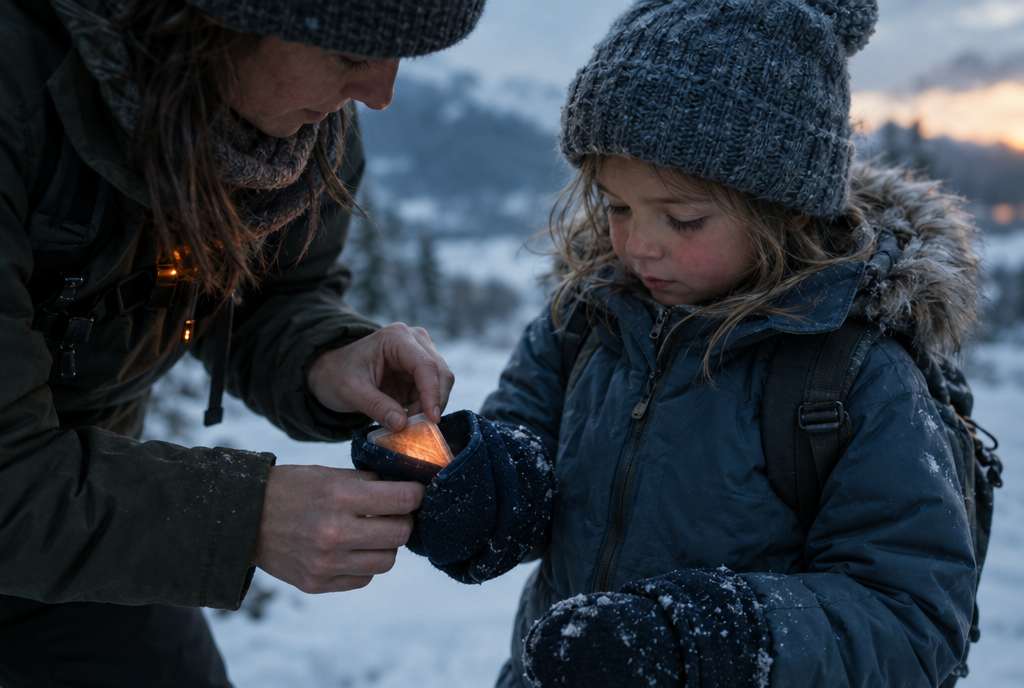
Hand warmers are safe for most people when used as directed: inside a glove, pocket or over a layer of clothing, never directly on bare skin for long periods and never while asleep. They can reach temperatures well above the point where skin is injured, so children, older adults, people with diabetes or reduced sensation, and pregnant people need extra care.
How hot do hand warmers get?
Air-activated warmers contain iron powder that oxidizes when the packet is opened to air, releasing heat. One leading manufacturer states that its range of hand, toe and body warmers produces heat from 100°F to 180°F (about 38°C to 82°C) for 1 to 18 or more hours depending on the product, with its standard hand warmer lasting up to 10 hours.
For comparison, a review of burns from body heating devices places the lowest burn-causing temperature at about 44°C (111°F), with damage roughly doubling for each 1°C rise between 44°C and 51°C. Much of a warmer's range sits above that threshold. That does not make warmers dangerous in a glove, but it explains why direct, prolonged skin contact is the main risk.
Can hand warmers burn your skin?
Yes. The typical injury is a low-temperature burn: moderate heat held against one spot for a long time. It can develop without much pain, especially where pressure squeezes the warmer against the skin, such as under a waistband, a tight boot or a strap, because pressure concentrates heat and slows the blood flow that normally carries it away.
Manufacturers advise against applying warmers directly to skin. The same maker notes that some people, especially young children, people with diabetes and older adults, may have reduced sensation to heat and should read the instructions carefully.
Keep a layer of fabric between the warmer and your skin
Do not hold a warmer under tight clothing, straps or bandages
Move it periodically and check the skin underneath
Remove it at once if the area becomes painful, red or blistered
Is it safe to sleep with hand warmers?
No. The integrative review of burns from body heating devices found that many burns happened while the person was asleep, particularly in people with reduced sensation. During sleep you cannot notice or respond to rising discomfort, and warmers tend to end up trapped under your body.
For a cold bed, warm the bedding before you get in and remove the heat source, or rely on layers, socks and a warmer sleep system.
Are hand warmers safe for kids and pets?
Children feel cold quickly and may not say when something is too hot. Supervise use, place the warmer inside a mitten or pocket rather than against the skin, and check hands often. Do not use warmers on infants.
The contents are also a concern for small children and pets who chew packets. If a child swallows the contents or gets them in the eyes, call Poison Control at 1-800-222-1222, available 24 hours a day. For a pet, call your veterinarian or an animal poison line.
Are hand warmers safe during pregnancy?
A hand warmer in a glove or pocket is unlikely to change core body temperature, which is the main thermal concern in pregnancy. MotherToBaby notes a small increased chance of neural tube defects with fever or hyperthermia before the sixth week, and advises limiting hot tub and sauna use.
Reasonable precautions are to use warmers for hands and feet rather than large body warmers on the abdomen or lower back for long periods, and to ask your obstetric clinician if you have questions.
Are hand warmers safe for diabetics?
Extra caution is warranted. The National Institute of Diabetes and Digestive and Kidney Diseases warns that people with diabetic nerve damage may burn their feet without knowing it, and advises against putting a hot water bottle or heating pad on the feet. Toe warmers inside shoes deserve the same caution.
If you have diabetes or neuropathy, talk to your care team before using warmers, keep them off bare skin, and check your feet and hands after every use.
What is the safest way to use hand warmers?
A few habits cover most of the risk for every age group.
Open packets only when needed, and read the instructions for that specific product
Place warmers in glove backs, pockets or over a sock, not against bare skin
Use products made for the body area, such as toe warmers for feet
Check skin every hour or two, and more often for children and older adults
Remove warmers before bed, before a nap and before anyone is left unsupervised
Keep unopened and used packets out of reach of small children and pets
Are rechargeable hand warmers safer?
Rechargeable warmers can often be set to a lower, steadier temperature, but they add a lithium-ion battery with its own rules for charging, damage and air travel. Neither type is safe on bare skin during sleep. Choose based on how you use them, then follow the same skin precautions.
Key takeaways
Air-activated warmers can reach temperatures well above the roughly 44°C (111°F) point where skin injury begins.
Use them over clothing or inside gloves and pockets, never directly on bare skin for long periods.
Never sleep with a hand warmer, and supervise children closely.
People with diabetes, neuropathy or reduced sensation, and pregnant people, should ask a clinician first.
Talk to a clinician about any skin changes, numbness or cold symptoms that concern you.
Frequently asked questions
Can you put hand warmers directly on your skin?
It is not recommended. Keep a layer of fabric between the warmer and your skin, and move it periodically to avoid a low-temperature burn.
What happens if a hand warmer leaks or a child eats the contents?
Wash any contents off skin, and call Poison Control at 1-800-222-1222 if a child swallows them or gets them in the eyes. Keep packets away from small children and pets.
Can I put a hand warmer in my sock or boot?
Use products designed for feet, placed over a sock rather than against bare skin, and avoid tight boots that press the warmer into the skin. People with diabetes or neuropathy should check with their care team first.
How do you dispose of air-activated hand warmers?
One major manufacturer states that used warmers can go in ordinary household garbage. Let them cool completely first.
Are hand warmers safe for older adults?
They can be, with care. Older skin and reduced sensation raise burn risk, so use warmers over clothing, avoid use in bed, and have a caregiver check the skin if needed.
From HEATJAC
We design low-profile thermal garments: a heat-reflective vest and a thermal harness with pockets for warmers or cold packs.
Choosing gear? Heated vest vs heat-reflective vest · What warmth costs per shift
Related reading
Sources
HotHands FAQs, Kobayashi Americas
Burns Sustained From Body Heating Devices: An Integrative Review (Kornhaber et al., Wounds, 2020), Wounds / HMP Global
Diabetes and Foot Problems, National Institute of Diabetes and Digestive and Kidney Diseases (NIH)
Fever/Hyperthermia in Pregnancy fact sheet, MotherToBaby (Organization of Teratology Information Specialists)
Need immediate assistance?, Poison Control (National Capital Poison Center)
About HEATJAC. HEATJAC is a thermal architecture company founded by an anesthesiologist. We design patented garment systems that capture, conduct and broaden warmth across the body, and we publish this knowledge hub because the science of staying warm should be public. HEATJAC products are not medical devices and are not intended to diagnose, treat, cure or prevent any disease.