
Knowledge
Sourced guides on how the body stays warm, how patients and clinicians are kept comfortable, how crews work safely in cold and heat, and how warming gear works. Pick the theme closest to your world.
Ready to choose gear? Browse all buyer’s guides →
Free tools: wind chill and frostbite calculator, cold work warm-up schedule, what to wear by temperature, which warmth setup is right for you? and the warmth runtime and cost calculator. All tools and data →

Science of Warmth
For anyone who wants to understand how the body makes, keeps and loses heat.
Start here
Popular
All Science of Warmth articles →
Healthcare
For clinicians, perioperative teams, hospital leaders, and patients before and after surgery.
Start here
- Patient warming and perioperative hypothermia
- Thermal comfort for clinicians
- For patients: surgery and recovery
Popular
- How to stay warm in the operating room
- What is perioperative hypothermia?
- Forced-air vs conductive warming

Work and Duty
For employers, safety leads, crews, service members and EMS.
Start here
Popular
All Work and Duty articles →
Everyday Life and Health
For people who feel the cold, and for daily life outdoors.
Start here
- Cold sensitivity and Raynaud’s
- Staying warm in everyday life
- Staying warm at home and with family
- Staying warm with a health condition or disability
- Medications and feeling cold
Popular
All Everyday Life and Health articles →
Heat and Cooling
For hot jobs, heavy protective gear and personal heat sensitivity.
Start here
Popular
All Heat and Cooling articles →
Technology and Gear
For choosing, using and caring for warming gear.
Start here
Popular
All Technology and Gear articles →All articles

Shivering after a C-section or childbirth
Shivering after a C-section or childbirth is very common and usually harmless. Research reviews report that up to 85% of people shiver after spinal anesthesia for a cesarean, and many shake after a vaginal birth too. It usually settles within an hour or two with blankets and warming. Shaking with a fever of 100.4 °F (38 °C) or heavy bleeding needs prompt attention.
Feeling cold during and after a blood transfusion
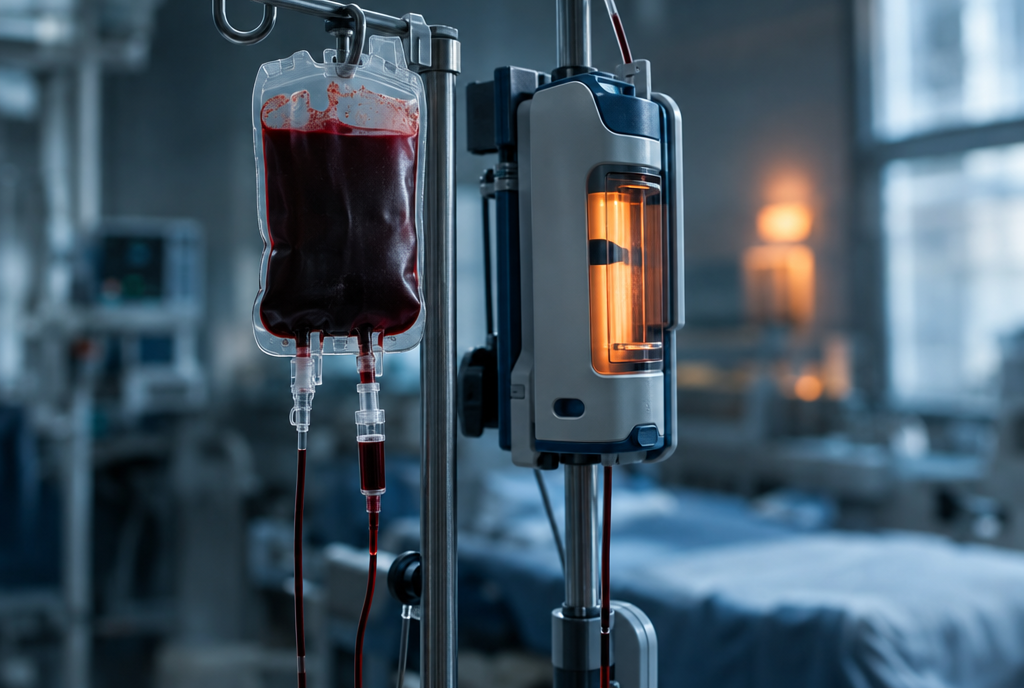
Feeling cold during a blood transfusion can come from the blood itself, since red cells are refrigerated at about 43 °F (6 °C), or from a reaction. Chills with a fever are one of the most common reactions, occurring in about 1% of transfusions. Because chills can also signal a rarer, serious reaction, tell your nurse the moment you feel chilled or shaky.
Why hospital rooms feel cold: patient rooms, the ER and imaging
Hospitals feel cold mostly because of the person, not the thermostat. CDC infection-control guidance lists a design range of 70 to 75 °F (21 to 24 °C) for patient rooms, an ordinary indoor range. Patients feel colder because they lie still in a thin gown, may be ill or fasting, and may receive room-temperature IV fluids. Imaging and equipment rooms can run cooler.

Staying warm while recovering at home after surgery
Feeling cold for weeks after surgery is common and usually reflects recovery itself: blood loss and anemia, eating less, moving less, poor sleep and some medicines all reduce the heat your body makes. In an Australian and New Zealand study of major abdominal surgery, 59% of patients checked before discharge were anemic. Cold with fever, wound changes or breathlessness needs a clinician.
What to bring to the hospital to stay warm: a patient packing list
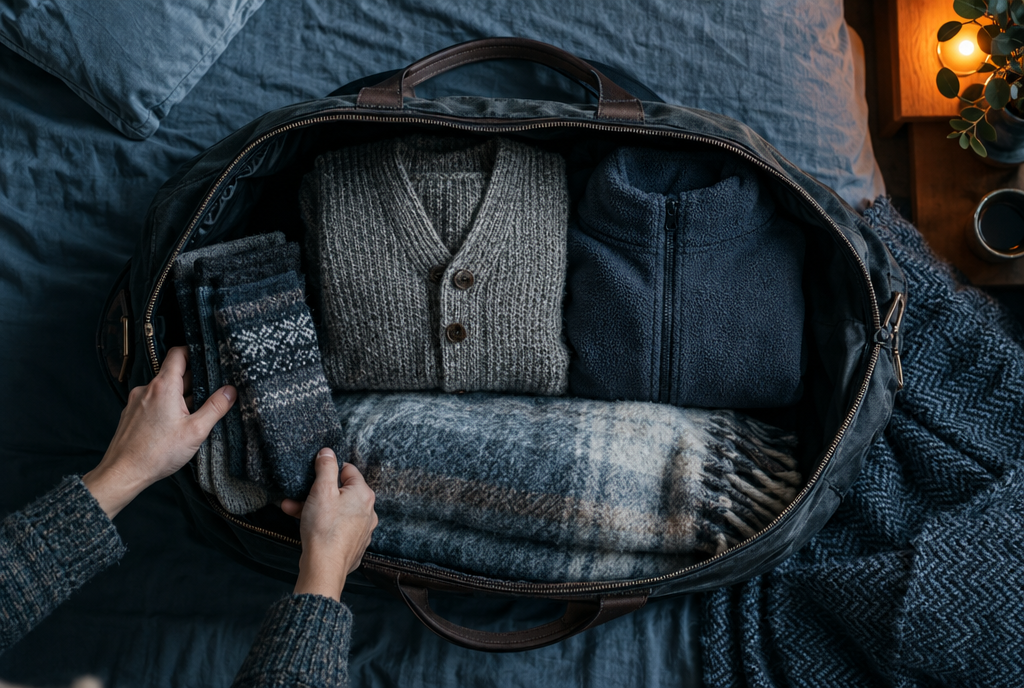
To stay warm in the hospital, pack layers you control: a robe, a front-opening sweater or zip top that clears IV lines and monitors, warm socks, slippers with non-slip soles and a firm fit, and a soft hat. Leave heating pads and electric blankets at home; many hospitals do not allow them, and nurses can bring warmed blankets instead.

Chills after surgery without a fever: what is normal and when to call
Chills after surgery without a fever are common, especially in the first day or two, when anesthesia, inflammation, pain, a cool room and blood loss can all make you shiver. Chills can also come just before a fever rises, so recheck your temperature. Call your surgeon for a reading above 100.4 °F (38 °C), shaking chills, or chills that start several days after surgery.

Why IV fluids make you feel cold
IV fluids make you feel cold because they are usually given at room temperature, well below your body's average of 98.6 °F (37 °C), so your body has to warm every milliliter. Anesthesia teaching material estimates that each liter of room-temperature fluid lowers average body temperature by about 0.45 °F (0.25 °C). The arm with the IV usually feels coldest first.