
Shivering after a C-section or childbirth
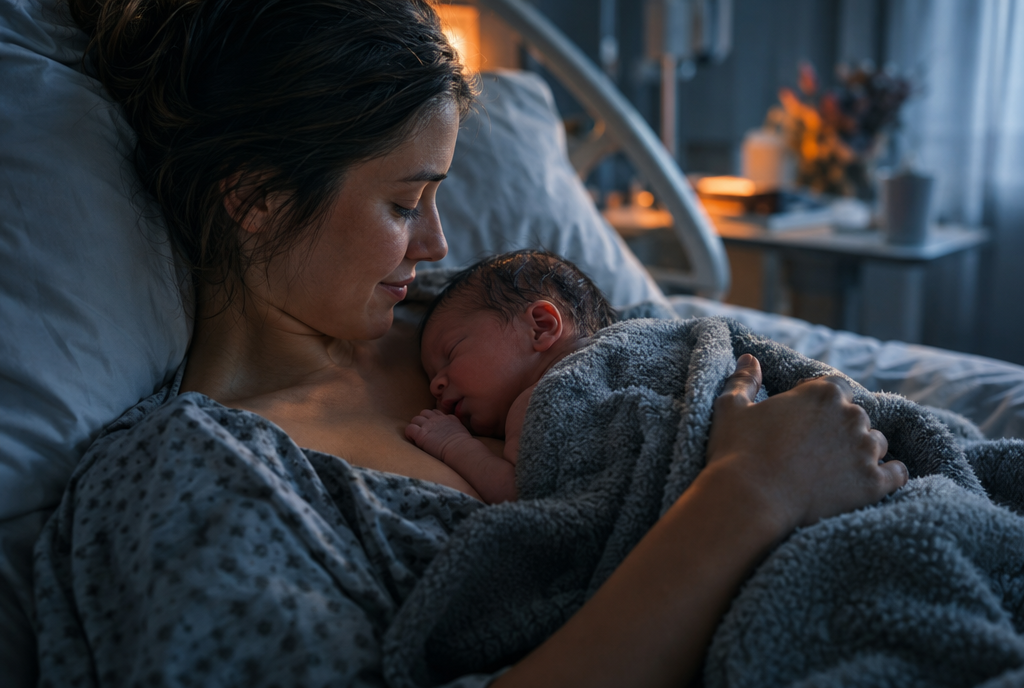
Shivering after a C-section or childbirth is very common and usually harmless. Research reviews report that up to 85% of people shiver after spinal anesthesia for a cesarean, and many shake after a vaginal birth too. It usually settles within an hour or two with blankets and warming. Shaking with a fever of 100.4 °F (38 °C) or heavy bleeding needs prompt attention.
Is it normal to shake after giving birth?
Yes. Cleveland Clinic describes postpartum chills as fairly common. They usually happen within a couple of hours after delivery and can begin toward the end of labor. Teeth may chatter and your whole body may shake, even though you feel otherwise well.
The cause is not fully understood. Cleveland Clinic points to fluid and heat loss and the large hormonal shifts of birth. An obstetrician quoted there says it is rare for the shaking to last longer than an hour after delivery.
Why do you shiver after a C-section?
Most cesareans are done under spinal or epidural anesthesia, and these change how your body manages heat. A 2020 review in BMC Anesthesiology reports that up to 85% of people having a cesarean may shiver after spinal anesthesia. A 2019 pooled review in the World Journal of Clinical Cases puts the range at 29% to 54% under neuraxial anesthesia, with differences reflecting how studies counted it.
The BMC review explains the mechanisms. The anesthetic block relaxes blood vessels in the lower body, so warm blood moves from your core to your skin and loses heat. Pregnancy hormones, especially progesterone, may also lower the temperature at which your body starts to shiver.
Not all shaking after a C-section is about cold. Some people shake while their temperature is normal, and the team can tell the difference by checking it. Our page on why you feel cold after surgery covers the general mechanism of shivering after anesthesia.
| Situation | What is likely going on | What usually helps |
|---|---|---|
| Shaking soon after a vaginal birth | Postpartum chills from heat and fluid loss and hormonal shifts | Warm blankets, time; usually settles within an hour |
| Shivering during or after a C-section | Spinal or epidural block shifting heat to the skin; lower shivering threshold | Warmed fluids, forced-air warming, blankets |
| Feeling cold in recovery | Heat lost during surgery, cool room, lying still | Warming blankets, covering shoulders and head, skin-to-skin with blankets over both |
| Chills with fever hours or days later | Possible infection that needs checking | Tell your nurse or call your clinician now |
How do hospital teams keep you warm during a cesarean?
In the UK, the NICE guideline on caesarean birth recommends warming IV fluids of 500 mL or more, and blood products, to 98.6 °F (37 °C). It recommends warming irrigation fluids used during surgery to 100.4 to 104 °F (38 to 40 °C).
For anyone who shivers, feels cold or has a temperature below 96.8 °F (36 °C), NICE advises considering forced-air warming, a blanket that blows warm air over you. Our page on forced-air warming explains how it works. US hospitals use similar tools, and practices vary, so ask your anesthesia team what they use.
Shivering can be uncomfortable and raises the body's oxygen use, according to the BMC review. Your anesthesia team has several options and will choose based on your situation. Tell them early if you feel cold or start to shake.
Can you hold your baby while you are shaking?
Often yes, with help. NICE recommends offering early skin-to-skin contact after a caesarean birth. If you are shaking hard, ask your partner or nurse to support the baby on your chest or to hold the baby until it eases. Blankets over both of you keep you and the baby warm.
NICE also notes that babies born by caesarean are more likely to have a lower temperature, so the team watches the baby's warmth too.
What can you do to feel warmer?
Ask for warmed blankets as soon as you feel cold, and cover your shoulders, neck and head.
Let the shaking happen. A Cleveland Clinic obstetrician advises against trying to control it, especially after a C-section, because straining can pull on the incision.
Breathe slowly and let your support person tuck blankets around you.
Wear warm socks in recovery, and keep layers that open at the front for feeding and checks.
Do not use heat packs, hand warmers or heating pads on legs or skin that are still numb from a spinal or epidural. Skin you cannot feel can burn without warning; ask the nurse first.
When to call a clinician or emergency services
Shaking that settles with blankets is expected. Flu-like chills with aching, as Cleveland Clinic describes, can mean a fever and possible infection, so ask the nurse to check your temperature. At home, the CDC's Hear Her campaign lists urgent maternal warning signs that apply for a year after delivery; get care right away if you notice them.
Temperature of 100.4 °F (38 °C) or higher
Heavy bleeding that soaks one or more pads in an hour, or clots bigger than an egg
Chest pain, a fast or pounding heartbeat, or trouble breathing: call 911
Severe headache, vision changes, dizziness or fainting
Severe belly pain that does not go away, or foul-smelling discharge
Severe swelling, redness or pain in a leg or arm
Key takeaways
Shivering after birth is common: up to 85% of people shiver after spinal anesthesia for a cesarean, and many shake after a vaginal birth.
Spinal and epidural blocks move heat from the core to the skin, and pregnancy hormones may lower the shivering threshold.
NICE recommends warmed IV fluids and considering forced-air warming for anyone who shivers or feels cold during a cesarean.
Postpartum chills usually ease within an hour; let the shaking happen and ask for warm blankets.
Chills with a fever of 100.4 °F (38 °C) or heavy bleeding need prompt medical attention.
Frequently asked questions
How long do postpartum chills last?
Cleveland Clinic says they usually happen within a couple of hours of delivery and rarely last longer than an hour after it. Shaking that continues, returns later or comes with a fever should be checked.
Why am I shaking after my epidural?
An epidural or spinal block relaxes blood vessels in the lower body, so heat moves from your core to your skin. Hormones and the stress of labor may add to it. Tell the team; warming and other options can help.
Is shivering after a C-section a sign of infection?
Usually not in the first hours, when it is most often caused by anesthesia and heat loss. Chills with a fever, especially days later, can signal infection. Ask for your temperature to be checked and call your clinician if you are home.
Can I have postpartum chills without a fever?
Yes. Most postpartum chills happen with a normal temperature and pass on their own. A thermometer is the simple way to tell, so let your nurse check if you are unsure.
Does shivering after a C-section hurt the incision?
Shaking can make the area sore. A Cleveland Clinic obstetrician advises against trying to hold the shaking back, because straining can pull on the incision. Warm blankets and support from your team are the better approach.
From HEATJAC
We design low-profile thermal garments: a heat-reflective vest and a thermal harness with pockets for warmers or cold packs. If you have reduced sensation or a health condition, check with your clinician before adding heat.
Choosing gear? Before you buy: a checklist for any warming garment · Are heated vests safe?
Related reading
Sources
Intense Shivering After Your Baby's Born? You've Got Postpartum Chills, Cleveland Clinic
Effect of intrathecal lipophilic opioids on the incidence of shivering in women undergoing cesarean delivery after spinal anesthesia (Subramani et al., 2020), BMC Anesthesiology
Neuraxial adjuvants for prevention of perioperative shivering during cesarean section: a network meta-analysis (Zhang et al., 2019), World Journal of Clinical Cases
Caesarean birth (NG192): Recommendations, National Institute for Health and Care Excellence
Urgent Maternal Warning Signs, Centers for Disease Control and Prevention, Hear Her
About HEATJAC. HEATJAC is a thermal architecture company founded by an anesthesiologist. We design patented garment systems that capture, conduct and broaden warmth across the body, and we publish this knowledge hub because the science of staying warm should be public. HEATJAC products are not medical devices and are not intended to diagnose, treat, cure or prevent any disease.