
Why hospital rooms feel cold: patient rooms, the ER and imaging
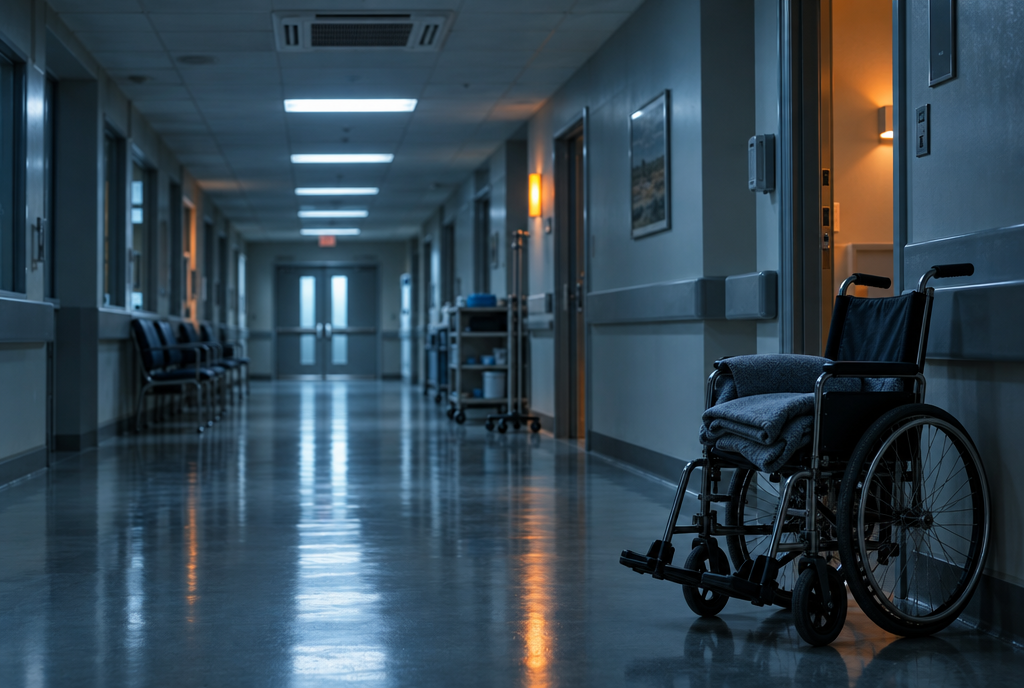
Hospitals feel cold mostly because of the person, not the thermostat. CDC infection-control guidance lists a design range of 70 to 75 °F (21 to 24 °C) for patient rooms, an ordinary indoor range. Patients feel colder because they lie still in a thin gown, may be ill or fasting, and may receive room-temperature IV fluids. Imaging and equipment rooms can run cooler.
Why are hospitals so cold?
Hospital air is engineered, not just heated. Temperature, humidity and airflow are set to protect patients, keep sensitive equipment working and let staff do physical work, often in layers of protective gear. The Canadian Medical Association notes that rooms with heavy machinery, such as MRI suites and labs, are kept cooler so equipment does not overheat.
A shared room, a hallway and a staff area may share one air system, set for an average person who is dressed and moving. That is rarely the person in the bed.
Many people assume hospitals stay cold mainly to stop germs. Infection-control guidance relies far more on air changes, filtration and pressure, and its temperature ranges are close to typical home settings.
What temperature are hospital rooms kept at?
The CDC's Guidelines for Environmental Infection Control in Health-Care Facilities reproduce design ranges from the American Institute of Architects' 2001 hospital design guidelines. A range means the system must be able to hold any point within it. A single number means the system must be able to reach at least that temperature. Individual hospitals set their own targets within local rules.
| Area | Design temperature (CDC Table B.2) | Why it can still feel cold |
|---|---|---|
| Patient room | 70 to 75 °F (21 to 24 °C) | Gown, bed rest, illness, IV fluids |
| Critical and intensive care | 70 to 75 °F (21 to 24 °C) | Little movement, many lines and monitors, light covers |
| Trauma room (emergency surgery space) | 70 to 75 °F (21 to 24 °C) | Clothing removed for assessment, wet or cold on arrival |
| Emergency treatment room | At least 75 °F (24 °C) capacity | Hallway beds, doors to the outside, long waits |
| Recovery room | 70 to 75 °F (21 to 24 °C) | After-effects of anesthesia and surgery |
| Diagnostic X-ray and treatment | At least 75 °F (24 °C) capacity | Thin gown on a firm table, equipment cooling |
| Newborn nursery | 72 to 78 °F (22 to 26 °C) | Kept warmer because newborns lose heat quickly |
| Operating room | 68 to 73 °F (20 to 23 °C) | Covered on its own page |
Why do patients feel colder than staff?
Staff are walking, lifting and wearing several layers. Patients are lying still, which means less heat from working muscles, and they are often dressed in a cotton gown that opens at the back. The same 72 °F (22 °C) room can feel fine to a nurse and chilly to the person in bed.
Illness adds to the gap. MedlinePlus lists anemia, an underactive thyroid, chronic serious illness and very low body fat among the causes of cold intolerance. Many people are also fasting before a test or procedure, so they have had little food or warm drink for hours.
IV fluids matter too. Fluids kept at room temperature are cooler than your blood, and a steady drip into one arm can leave that arm and the rest of you feeling chilled. Our page on why IV fluids make you cold explains this in detail.
Why is the ER so cold?
In emergency departments, beds may sit in hallways near entrances, doors open often to ambulance bays, and waits in light clothing can be long. Clothing is often removed so the team can examine you, and you may arrive already cold or wet.
Feeling cold in the ER can also be part of why you came. Shaking chills often travel with a fever, so tell the triage nurse if you feel shivery rather than assuming it is the room.
Why are MRI, CT and X-ray rooms cold?
Imaging equipment produces heat and works best in a controlled environment, so these rooms are often kept on the cool side. You will usually lie still on a firm table in a gown for several minutes or longer, and a hard surface draws heat from your back faster than a mattress.
Ask the technologist for a blanket before the scan starts. Many imaging teams can offer one as long as it does not interfere with the images or the equipment. Do not bring hand warmers, heat packs or anything with metal or a battery into an MRI room unless staff have checked and approved it.
How can you stay warm in the hospital?
Ask. Nurses often have options they will not offer unless you mention you are cold.
Ask whether warmed blankets are available, and ask for a second one over the first rather than a heavier single layer.
Wear warm socks with slippers that have non-slip soles and, if allowed, a robe or cardigan that opens at the front so it does not block IV lines or monitors.
Cover your shoulders, neck and head; a light hat or scarf helps when you are lying flat.
Ask whether the room thermostat can be adjusted, or whether you can move away from a vent or drafty door.
Check before bringing a heating pad, electric blanket or warmer pack. Many hospitals require staff approval for outside electrical items.
If you have numbness from an epidural or spinal anesthetic, nerve damage or diabetes, do not use heat packs or heating pads without staff guidance. Skin you cannot feel can burn without warning.
When to call a clinician or emergency services
Feeling chilly in a cool room is common. Some cold feelings are signs that need attention, and in the hospital the fastest route is your call button. At home, MedlinePlus advises calling 911 anytime you suspect someone has hypothermia, which it defines as a body temperature below 95 °F (35 °C).
Uncontrollable shivering, confusion or unusual drowsiness: tell your nurse now.
Pale, cold skin with slowed breathing or weakness and loss of coordination: these are hypothermia warning signs.
New shaking chills, especially with a hot or flushed feeling, which can signal a fever.
Chills that start during an IV infusion or blood transfusion: tell staff straight away.
Long-lasting or extreme cold intolerance after you go home: book a visit with your clinician.
Key takeaways
CDC guidance lists 70 to 75 °F (21 to 24 °C) as the design range for patient rooms; operating rooms run slightly cooler.
Patients feel colder than staff because they lie still in thin gowns, may be ill or fasting, and may receive room-temperature IV fluids.
Imaging rooms are often cool to protect equipment; ask for a blanket before the scan.
Ask for warmed blankets and wear front-opening layers, warm socks and non-slip slippers; check before using any heating device.
Tell staff about new shaking chills, which can signal a fever or a reaction rather than a cold room.
Frequently asked questions
Why do hospitals keep it so cold?
Hospitals balance patient safety, equipment needs and staff who work hard in protective layers. Typical design ranges for patient rooms are 70 to 75 °F (21 to 24 °C), which is not unusually cold. It feels colder because patients are still, lightly dressed and often unwell.
Is it the cold that stops germs spreading in hospitals?
Not mainly. Infection-control guidance relies on ventilation, air changes, filtration and air pressure between rooms. The design temperatures it lists for patient rooms are close to ordinary indoor temperatures.
Can I bring my own blanket to the hospital?
Many hospitals allow a personal blanket or robe, but policies vary and some units limit outside items. Ask the ward before you arrive. Our packing list for staying warm in the hospital covers what usually works.
Can I use a heating pad in the hospital?
Only with staff approval. Many hospitals restrict outside electrical items, and heat can burn skin that is numb from anesthesia, nerve damage or medicines. Your nurse may be able to offer a warmed blanket or another approved option.
Why am I freezing during an MRI?
MRI rooms are kept cool so the equipment works properly, and you lie still on a firm table in a gown. Ask for a blanket before the scan begins, and never bring warmers or anything with metal or a battery into the room without staff approval.
Why am I cold in the hospital when the room feels fine to my family?
Illness, fasting, blood loss, IV fluids and bed rest all reduce how much heat your body makes or holds. Visitors are dressed and moving. If the cold feels extreme or comes with shaking chills, tell your nurse so they can check your temperature.
From HEATJAC
We design low-profile thermal garments: a heat-reflective vest and a thermal harness with pockets for warmers or cold packs. If you have reduced sensation or a health condition, check with your clinician before adding heat.
Choosing gear? Before you buy: a checklist for any warming garment · Are heated vests safe?
Related reading
Sources
Guidelines for Environmental Infection Control in Health-Care Facilities: Appendix B. Air (Table B.2), Centers for Disease Control and Prevention
Why are hospitals so cold?, Canadian Medical Association
Cold intolerance, MedlinePlus, US National Library of Medicine
Hypothermia, MedlinePlus, US National Library of Medicine
About HEATJAC. HEATJAC is a thermal architecture company founded by an anesthesiologist. We design patented garment systems that capture, conduct and broaden warmth across the body, and we publish this knowledge hub because the science of staying warm should be public. HEATJAC products are not medical devices and are not intended to diagnose, treat, cure or prevent any disease.