
Warm layers and OR attire: infection-control rules explained
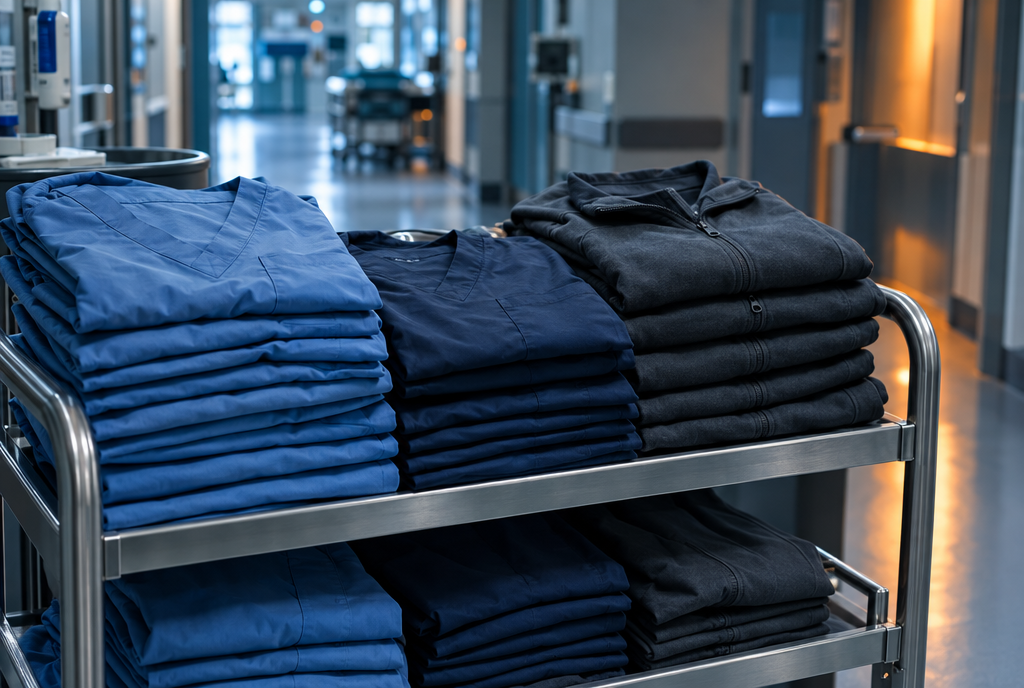
AORN's surgical attire guideline allows a long-sleeve scrub jacket, or warm-up jacket, as part of surgical attire and says arms may be covered during patient skin antisepsis. It makes no recommendation on personal clothing under scrubs, leaving fabric and laundering rules to each facility. Scrub attire should be low linting and laundered at a health care-accredited laundry, per state rules, or per CDC recommendations.
What is the AORN Guideline for Surgical Attire?
The Association of periOperative Registered Nurses publishes evidence-rated guidelines that most US facilities use to write perioperative policy. The Guideline for Surgical Attire covers scrub apparel, head coverings, shoes, jewelry, personal items and laundering. It was substantially revised in 2019, summarized for members in 2024, and updated again in 2025.
AORN guidelines are recommendations, not regulations. Each facility turns them into its own policy, often with input from infection prevention. That is why two hospitals can apply the same guideline differently to warm layers.
What does AORN say about warm-up jackets and long sleeves?
AORN's 2024 summary describes surgical attire as a scrub top, pants or dress, with or without a long-sleeve scrub jacket, also known as a warm-up jacket. The 2019 guideline gives a conditional recommendation that arms may be covered during preoperative patient skin antisepsis.
For other times, the 2019 guideline made no recommendation for or against long sleeves in semi-restricted and restricted areas. It cited one analysis in which requiring cover jackets added about $1,000 per month in laundry costs without a statistically significant change in surgical site infections. The result is that jacket use outside skin antisepsis is a local policy decision.
If cover apparel such as a lab coat is worn, AORN recommends that it be clean.
Can you wear personal clothing under scrubs?
AORN made no recommendation regarding personal clothing worn under scrub attire. Instead, it gives a conditional recommendation that organizations establish a process addressing the type of fabric, such as nonlinting, the laundering frequency, such as daily, and the laundering method, such as facility or home laundering. AORN's 2024 summary adds that the team should decide how much fabric may extend beyond the surgical attire.
One rule is firm. Personal clothing contaminated with blood, body fluids or other potentially infectious materials must remain at the health care facility for laundering. The 2025 update restates that contaminated attire must be removed and left at the facility, and that it should be bagged or containerized at the point of use rather than rinsed or sorted.
Why does AORN prefer accredited laundering over home washing?
The 2019 guideline recommends laundering scrub attire after each daily use at a health care-accredited laundry facility, according to state regulatory requirements, or according to CDC recommendations. Its rationale is that home washing machines may not reach the temperatures used to reduce microbial levels. The guideline cites studies in which home machines did not exceed about 110°F (43°C), compared with a recommended 160°F (71°C).
For warm layers, this is the most common sticking point. A facility-issued warm-up jacket usually satisfies policy. A personal fleece or thermal layer that goes home to be washed may not, particularly in restricted areas.
Which fabrics are acceptable?
AORN recommends selecting tightly woven, low-linting fabrics for scrub attire. The 2019 guideline cites research in which tightly woven attire decreased bacterial contamination more than conventional weaves. It made no recommendation on antimicrobial fabrics, citing conflicting evidence.
For staff looking for warmth, this points toward smooth, dense fabrics rather than fleece or loose knits, and toward layers that stay fully covered by scrubs where policy requires it.
How the rules apply to common warm layers
The table summarizes how AORN guidance typically affects each option. Your facility's written policy is the final word.
| Warm layer | Relevant AORN point | Common facility approach |
|---|---|---|
| Facility warm-up jacket | Recognized as surgical attire; clean and laundered | Allowed |
| Personal jacket washed at home | Laundering method left to facility policy | Varies by area |
| Long-sleeve base layer | Personal clothing and visible fabric set by policy | Often allowed if covered or low lint |
| Fleece layer | Low-linting fabrics recommended | Often restricted in the OR |
| Vest under scrubs | Personal clothing set by policy | Varies; check fabric and laundering |
What about devices and personal items?
AORN recommends cleaning cell phones, tablets and other personal hand-held electronics according to the manufacturer's instructions before bringing them into the OR, and performing hand hygiene. It also recommends a process for containing or cleaning personal items such as backpacks. Any heated garment with a battery or controller falls into this territory and may need separate approval.
How should staff and managers use this?
Staff should read the current facility policy and ask educators about warm layers before buying. Managers can reduce conflict by naming approved warm-layer options, stating laundering expectations and addressing cold complaints directly. If cold symptoms go beyond ordinary discomfort, such as color changes or numbness in the fingers, staff should talk to a clinician.
Key takeaways
AORN recognizes the warm-up jacket as surgical attire and says arms may be covered during skin antisepsis.
Long sleeves at other times and personal clothing under scrubs are left to facility policy.
Scrub attire should be low linting and laundered at an accredited facility, per state rules or per CDC.
Contaminated clothing, personal or not, must stay at the facility for laundering.
Check your facility's current policy, since AORN revised the guideline in 2019 and again in 2025.
Frequently asked questions
Does AORN require long sleeves in the OR?
No. AORN says arms may be covered during preoperative patient skin antisepsis and made no recommendation for long sleeves at other times. Facilities set their own policies.
Can I wear a thermal shirt under my scrubs per AORN?
AORN makes no recommendation on personal clothing under scrubs and asks facilities to set rules on fabric, laundering frequency and method. Many allow close-fitting, low-lint layers, sometimes only if fully covered.
Why can't I wash my OR jacket at home?
AORN recommends accredited laundering because home machines may not reach the temperatures used to reduce microbes on soiled attire. Some facilities still allow home laundering in certain areas, so follow your policy.
Are fleece jackets allowed under AORN guidelines?
AORN recommends tightly woven, low-linting fabrics for scrub attire. Fleece can shed fibers, so many facilities do not permit it in restricted areas.
What changed in the 2025 AORN attire update?
Coverage of the update highlights stronger language on removing contaminated attire and leaving it at the facility, along with guidance on head coverings, personal devices and shoe covers. Members can review the full text through AORN's eGuidelines.
From HEATJAC
We design low-profile thermal garments: a heat-reflective vest and a thermal harness with pockets for warmers or cold packs.
Choosing gear? What nurses and OR staff should look for in thermal gear · Getting a thermal vest approved for clinical areas
Related reading
Sources
Surgical Attire, Stethoscopes and Personal Items, AORN Periop Today
AORN's Updated Surgical Attire Guideline Strengthens Infection Prevention in Every Care Space, Infection Control Today, 2025
4 Evidence-Based Answers to Common Surgical Attire Questions, AORN
About HEATJAC. HEATJAC is a thermal architecture company founded by an anesthesiologist. We design patented garment systems that capture, conduct and broaden warmth across the body, and we publish this knowledge hub because the science of staying warm should be public. HEATJAC products are not medical devices and are not intended to diagnose, treat, cure or prevent any disease.