
Cold stress and frostbite at work: injury statistics
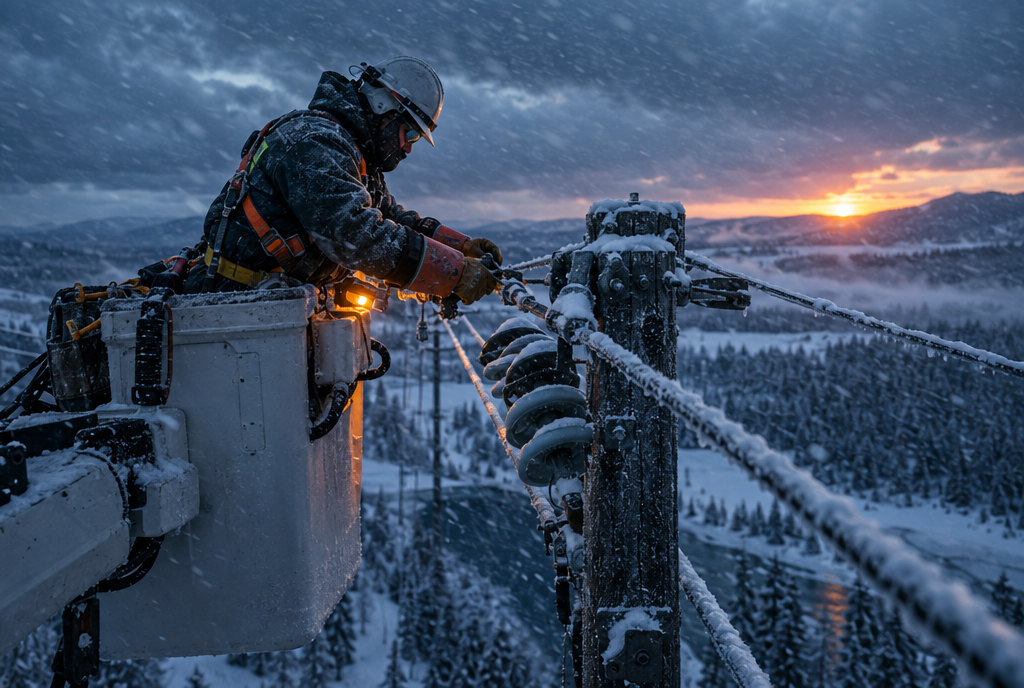
Federal data record relatively few direct cold injuries at work. In 2020, private employers reported 190 cases of exposure to environmental cold, such as frostbite or hypothermia, that caused at least one day away from work, compared with 1,940 for environmental heat. Winter's larger toll is indirect: in 2014, 42,480 days-away cases involved ice, sleet or snow.
Key numbers at a glance
These are the most recent published Bureau of Labor Statistics (BLS) figures we could open for each measure. Each keeps its source's data year and definition.
| Figure | Data year | Measure | Source |
|---|---|---|---|
| 190 cases | 2020 | Private industry cases of exposure to environmental cold with at least one day away from work | BLS SOII, via BLS blog, 2023 |
| 1,940 cases | 2020 | Same measure for exposure to environmental heat | BLS SOII, via BLS blog, 2023 |
| About 13,000 cases | 2020 | All temperature-extreme exposures with days away, private industry (10,790 were contact with hot objects or substances) | BLS blog, 2023 |
| 53 deaths (48 from environmental heat) | 2024 | Fatal work injuries from exposure to temperature extremes; environmental cold not shown separately | BLS Census of Fatal Occupational Injuries |
| 42,480 cases | 2014 | Private industry days-away cases involving ice, sleet or snow | BLS, The Economics Daily, 2016 |
| 33.0% of workers | 2023 | Share of workers exposed to the outdoors as a regular part of the job | BLS Occupational Requirements Survey, via The Economics Daily, 2024 |
How many workers get frostbite or hypothermia each year?
The BLS Survey of Occupational Injuries and Illnesses (SOII) classifies frostbite, hypothermia and similar cases under the event "exposure to environmental cold." In 2020, private industry employers reported 190 such cases that resulted in at least one day away from work.
For comparison, employers reported 1,940 environmental heat cases the same year, within the roughly 13,000 temperature-extreme cases overall, most of which (10,790) involved contact with hot objects or substances. Newer BLS tables for 2021 to 2024 are published as spreadsheets by industry; we cite only the figures we could open directly.
How many workers die from cold exposure?
Very few, in official counts. The BLS Census of Fatal Occupational Injuries (CFOI) recorded 53 deaths from exposure to temperature extremes in 2024 and 56 in 2023. In the 2024 breakdown, 48 of the 53 were from environmental heat, and BLS shows no separate published figure for environmental cold.
Across 2012 to 2021, BLS reports about 45 temperature-extreme deaths a year, with environmental heat accounting for the majority. Cold can also contribute to deaths recorded under other events, such as vehicle crashes or falls on ice, which are not counted as cold exposure.
Why are slips on ice the biggest winter injury at work?
Direct cold injuries are dwarfed by winter slips. In 2014, BLS counted 42,480 private industry injuries and illnesses involving ice, sleet or snow that required at least one day away from work. Of these, 34,860, or 82 percent, were falls on the same level.
The burden was uneven. New York had the most cases (4,470), followed by Pennsylvania (2,390) and Michigan (2,040). Montana had the highest incidence rate, 12.2 cases per 10,000 full-time workers against a national rate of 3.2. The national median was 9 days away from work.
Which industries and jobs face the most cold stress?
Exposure starts outdoors. In 2023, 33.0 percent of workers were exposed to the outdoors as a regular part of their job, according to the BLS Occupational Requirements Survey, and some occupations, including firefighters, landscaping workers and construction laborers, were at 99.5 percent or higher.
OSHA names recreational workers, snow cleanup crews, construction workers, police officers, firefighters, baggage handlers and workers in water transportation, landscaping services and oil and gas support among those at risk. NIOSH adds that workers both indoors and outdoors, in services, transportation, agriculture, construction and other industries, can be affected, including in poorly insulated or unheated areas.
Outdoor construction, utility and snow removal crews
Police, firefighters and emergency responders
Airport ramp and baggage handlers
Agriculture, landscaping and oil and gas support
Indoor cold rooms, freezers and unheated warehouses
Is there an OSHA cold stress standard?
No. OSHA states that it does not have a specific standard for working in cold environments, but under the OSH Act employers have a duty to protect workers from recognized hazards, including cold stress, that are causing or likely to cause death or serious physical harm. OSHA defines hypothermia as body temperature falling below 95°F.
How we compiled these numbers
We drew on BLS SOII (employer-reported nonfatal cases with days away from work, private industry), the BLS CFOI (fatal work injuries), the BLS Occupational Requirements Survey, and OSHA and NIOSH guidance for context. Cases are classified by the event that caused them, so a fall on ice counts as a fall, not as cold exposure. We did not estimate figures BLS does not publish, and where only older data could be opened we name the year. This page is updated each winter.
When to get help
Numbness, pale or waxy skin, intense shivering or confusion during cold work are warning signs. Move the worker somewhere warm, call for emergency help for suspected hypothermia, and have a clinician assess any frostbite.
Key takeaways
In 2020, private employers reported 190 days-away cases of exposure to environmental cold and 1,940 of environmental heat.
BLS recorded 53 fatal work injuries from temperature extremes in 2024, 48 of them from environmental heat.
Winter slips outnumber direct cold injuries: 42,480 days-away cases involved ice, sleet or snow in 2014, 82 percent of them falls on the same level.
About a third of US workers (33.0 percent in 2023) are exposed to the outdoors as a regular part of their job.
OSHA has no specific cold standard; its general duty clause covers recognized cold stress hazards.
Frequently asked questions
How many workers get frostbite on the job each year?
BLS groups frostbite and hypothermia under exposure to environmental cold. In 2020, private industry employers reported 190 such cases that caused at least one day away from work. Cases treated without lost workdays are not in that count.
How many workers die from cold at work?
BLS recorded 53 deaths from exposure to temperature extremes in 2024, and 48 of those were from environmental heat. The BLS breakdown for that year shows no separate published count for environmental cold.
What is the most common winter injury at work?
Slips and falls on ice and snow. In 2014, 42,480 private industry cases with days away from work involved ice, sleet or snow, and 82 percent of them were falls on the same level.
Which workers are most at risk of cold stress?
OSHA lists snow cleanup crews, construction workers, police officers, firefighters, baggage handlers, recreational workers and workers in water transportation, landscaping and oil and gas support. Workers in unheated or poorly insulated indoor areas are also at risk.
Is there a legal temperature limit for outdoor work?
There is no federal OSHA standard that sets a cold temperature limit. Employers still have a general duty to protect workers from recognized cold stress hazards, and many use warm-up schedules and wind chill guidance to plan work.
From HEATJAC
We design low-profile thermal garments: a heat-reflective vest and a thermal harness with pockets for warmers or cold packs.
Choosing gear? The thermal gear buying, safety and care guide · What warmth costs per shift
Related reading
Sources
Fire and ice: What do we know about jobs involving exposure to outdoor elements?, US Bureau of Labor Statistics, Commissioner's Corner blog
Fatal occupational injuries by event or exposure, 2024 (chart), US Bureau of Labor Statistics, CFOI
Table 2. Fatal occupational injuries for selected events or exposures, 2023-24, US Bureau of Labor Statistics
42,480 work injuries involved ice, sleet, or snow in 2014, US Bureau of Labor Statistics, The Economics Daily
It's summer and it's hot on the job, US Bureau of Labor Statistics, The Economics Daily
Preventing Cold-related Illness, Injury, and Death among Workers (DHHS NIOSH 2019-113), NIOSH, CDC
About HEATJAC. HEATJAC is a thermal architecture company founded by an anesthesiologist. We design patented garment systems that capture, conduct and broaden warmth across the body, and we publish this knowledge hub because the science of staying warm should be public. HEATJAC products are not medical devices and are not intended to diagnose, treat, cure or prevent any disease.