
Cold stress symptoms and first aid: hypothermia, frostbite, trench foot
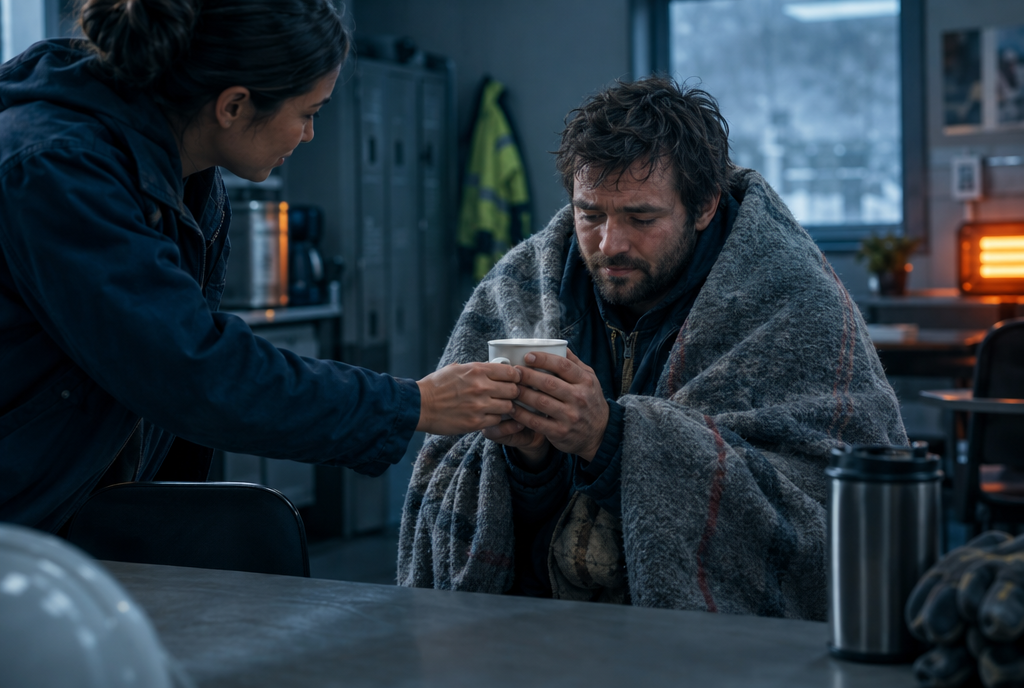
Cold stress shows up as shivering, fatigue, clumsiness and confusion (hypothermia), numb, tingling, pale or waxy skin (frostbite), and red, swollen, numb feet after wet cold (trench foot). First aid starts the same way: get the person out of the cold, remove wet clothing, warm them gently and call for medical help. Never rub frostbitten skin or use direct high heat.
What are the symptoms of cold stress?
Cold stress is the umbrella term for what happens when the body loses heat faster than it can replace it. NIOSH groups the resulting illnesses into four conditions: hypothermia, frostbite, trench foot and chilblains. They can occur alone or together, and trench foot and chilblains can develop well above freezing.
This page is educational and follows public guidance from OSHA, NIOSH and CCOHS. It is not a substitute for medical care. Anyone with symptoms of a cold injury should be assessed by a clinician, and severe symptoms are an emergency.
| Condition | Key symptoms | First aid priority |
|---|---|---|
| Hypothermia (early) | Shivering, fatigue, loss of coordination, confusion | Move to warmth, remove wet clothing, warm the body, call for help |
| Hypothermia (late) | No shivering, blue skin, slowed pulse and breathing, loss of consciousness | Call 911, warm gently, begin CPR if there is no pulse |
| Frostbite | Numbness, tingling or stinging, aching, pale or waxy skin | Warm room, warm (not hot) water or body heat, no rubbing |
| Trench foot | Red skin, numbness, swelling, leg cramps, blisters | Remove wet boots and socks, dry feet, avoid walking |
| Chilblains | Redness, itching, possible blistering and inflammation | Warm slowly, avoid scratching, keep blisters clean |
What are the signs of hypothermia at work?
Hypothermia occurs when core body temperature drops below 95°F (35°C); normal is about 98.6°F (37°C). NIOSH lists early symptoms as shivering, fatigue, loss of coordination, and confusion and disorientation. Late symptoms include no shivering, blue skin, dilated pupils, slowed pulse and breathing, and loss of consciousness.
The loss of shivering is a warning sign, not a sign of recovery. CCOHS also notes complaints of nausea, fatigue, dizziness, irritability or euphoria, and pain in the hands, feet and ears. Because confusion is an early symptom, the affected worker is often the last to notice, which is why buddy systems matter.
What is the first aid for hypothermia?
NIOSH advises alerting a supervisor and requesting medical assistance, then moving the person into a warm room or shelter and removing wet clothing. Warm them with an electric blanket or skin-to-skin contact, and give warm beverages only if the person is conscious. Do not give alcohol.
Once they have warmed up, keep them dry and wrapped in a blanket. If the person has no pulse, begin CPR. OSHA's guidance adds calling 911 for moderate or severe symptoms and offering warm, sweetened drinks only to an alert person.
Call for help and alert a supervisor
Move the person to a warm, dry place
Replace wet clothing with dry layers or blankets
Warm the body with blankets, an electric blanket or skin-to-skin contact
Offer warm, non-alcoholic drinks only if fully alert
Start CPR if there is no pulse and continue until help arrives
How do you recognize and treat frostbite?
Frostbite is a freezing injury that causes loss of feeling and color, most often in the fingers, toes, nose, ears and cheeks. NIOSH lists numbness, tingling or stinging, aching and bluish or pale, waxy skin. CCOHS explains that it occurs when tissue temperature falls below 0°C (32°F) and can cause permanent damage.
For first aid, NIOSH advises getting into a warm room as soon as possible, not walking on frostbitten feet or toes, and warming the area in warm (not hot) water or with body heat. Do not rub or massage the area, and do not use a heating pad, heat lamp, stove, fireplace or radiator, because numb skin burns easily. OSHA's guide is more cautious on one point: it advises not breaking blisters and leaving rewarming to medical care where that care can be reached. Supervisors should follow whichever protocol their site's first aid provider has adopted.
The mildest form, frostnip, affects only the surface of the skin. Our guide to frostbite, frostnip and chilblains explains how to tell them apart.
What are the symptoms of trench foot?
Trench foot, also called immersion foot, is a non-freezing injury caused by prolonged exposure to wet and cold conditions. NIOSH notes it can occur at temperatures as high as 60°F if the feet are constantly wet, because wet feet lose heat 25 times faster than dry feet.
Symptoms include reddening of the skin, numbness or tingling pain, leg cramps, swelling, blisters or ulcers, bleeding under the skin and, in severe cases, gangrene. First aid is to remove boots and wet socks, dry the feet and avoid walking on them. Anyone with these symptoms should see a clinician.
What about chilblains?
Chilblains are painful inflammation of small blood vessels in the skin caused by repeated exposure to temperatures just above freezing up to 60°F. NIOSH lists redness, itching, possible blistering, inflammation and, in severe cases, ulceration. First aid includes avoiding scratching, warming the skin slowly and keeping any blisters clean and covered.
What should supervisors do after a cold injury?
Treat every cold injury as a signal that controls need review. Record what the person was doing, how long they had been exposed, whether clothing was wet, and when their last warm-up break was. Then adjust schedules, clothing or engineering controls before the next shift.
Workers returning after a cold injury may be more sensitive to cold for some time and should follow the advice of their treating clinician before resuming full exposure.
Key takeaways
Hypothermia means a core temperature below 95°F; shivering, clumsiness and confusion are early signs.
Frostbite causes numb, pale or waxy skin; warm it gently and never rub it or use direct high heat.
Trench foot can occur at up to 60°F when feet stay wet; dry the feet and get medical care.
Call for medical help early, and treat each cold injury as a reason to review controls.
Frequently asked questions
What are the first signs of cold stress?
Early signs include shivering, cold or numb fingers and toes, fatigue, clumsiness and irritability. Confusion can appear early in hypothermia, so coworkers should watch each other. Report symptoms to a supervisor and get out of the cold.
What should you not do for frostbite?
Do not rub or massage the area, and do not warm it with a heating pad, heat lamp, stove or radiator. Avoid walking on frostbitten feet and do not break blisters. OSHA advises leaving rewarming to medical care where that care is available.
Why do people with hypothermia stop shivering?
As hypothermia becomes more severe, the body's ability to shiver fails. NIOSH lists no shivering as a late symptom, alongside blue skin and slowed breathing. It is an emergency that needs immediate medical help.
How long does trench foot take to develop?
It depends on temperature, wetness and circulation, and public health guidance does not give a single time. The key risk is feet that stay wet and cold over a long period, even at temperatures up to 60°F.
Can you get frostbite without freezing temperatures?
Frostbite requires tissue to freeze, which CCOHS places below 0°C (32°F). Wind can make exposed skin freeze faster at a given air temperature. Non-freezing injuries such as trench foot and chilblains occur above freezing.
From HEATJAC
We design low-profile thermal garments: a heat-reflective vest and a thermal harness with pockets for warmers or cold packs.
Choosing gear? Cold storage and freezer gear by zone · Winter gear for construction and utility crews
Related reading
Sources
Cold-related Illnesses in Workers, CDC, National Institute for Occupational Safety and Health
Cold Stress Guide, Occupational Safety and Health Administration
Cold Environments: Health Effects and First Aid, Canadian Centre for Occupational Health and Safety
Cold Environments: Overview, Canadian Centre for Occupational Health and Safety
Protecting Workers from Cold Stress (Quick Card, OSHA 3156), Occupational Safety and Health Administration
About HEATJAC. HEATJAC is a thermal architecture company founded by an anesthesiologist. We design patented garment systems that capture, conduct and broaden warmth across the body, and we publish this knowledge hub because the science of staying warm should be public. HEATJAC products are not medical devices and are not intended to diagnose, treat, cure or prevent any disease.