
Frostbite vs frostnip vs chilblains: how to tell them apart
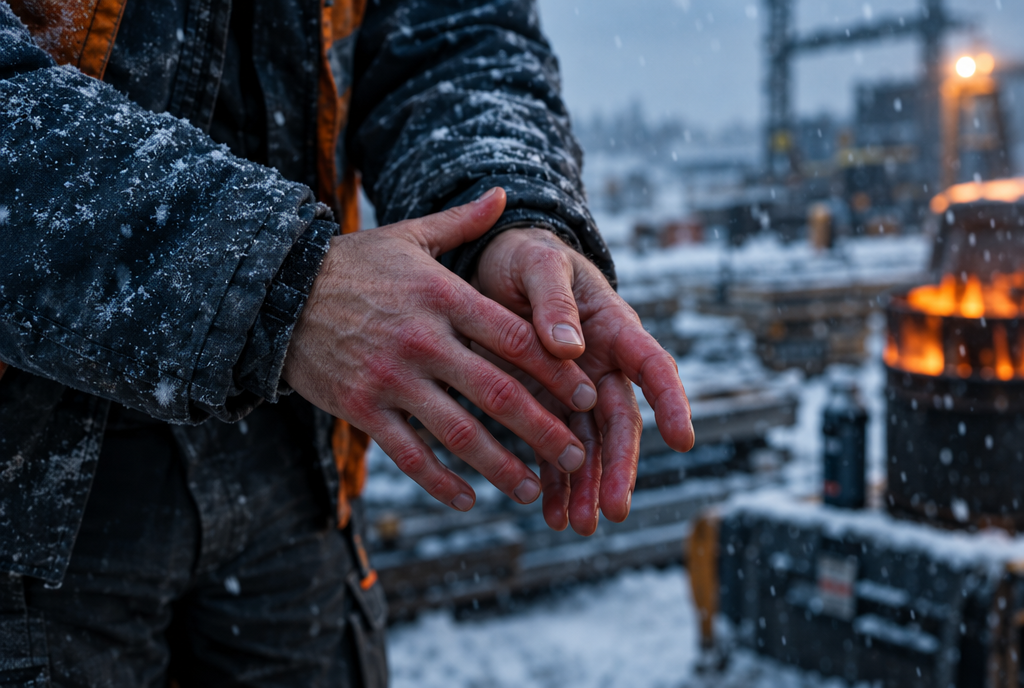
Frostnip and frostbite are freezing injuries: frostnip is the mild, temporary surface stage, while frostbite freezes skin and deeper tissue below 0°C (32°F) and can cause permanent damage. Chilblains are not freezing injuries; they are itchy, red or purple patches that appear hours after repeated exposure to cold, damp air above freezing, and usually clear in 2 to 3 weeks.
What is the difference between chilblains and frostbite?
The simplest dividing line is freezing. Cleveland Clinic explains that frostbite is caused by freezing temperatures below 32°F (0°C) and needs immediate medical attention, while chilblains are caused by cool or cold temperatures above freezing. Frostnip sits at the start of the frostbite spectrum.
They also differ in timing. Frostnip and frostbite develop during exposure, often without the person noticing because the skin goes numb. Chilblains usually appear a few hours after being in the cold, when skin rewarms, according to the NHS.
| Feature | Frostnip | Frostbite | Chilblains |
|---|---|---|---|
| Tissue freezing | Surface only, temporary | Yes, skin and deeper tissue | No |
| Typical temperatures | At or below freezing | Tissue below 0°C (32°F) | Just above freezing to about 60°F, often damp |
| When it appears | During exposure | During exposure | Hours after exposure, on rewarming |
| How skin looks | Red to purple or paler than usual; surface may feel hard | Numb, pale or waxy; may blister; can blacken when deep | Red or purple patches, sometimes blistered |
| How it feels | Cold, slightly painful | Numb, tingling, stinging, aching | Itching, burning, tender |
| Usual outcome | No lasting damage | Can cause permanent tissue damage | Usually clears in 2 to 3 weeks |
| Care | Rewarm gently | Urgent medical care | Warm slowly, avoid scratching, see a doctor if persistent |
What is frostnip?
CCOHS describes frostnip as the mildest form of freezing cold injury, usually on exposed areas such as the ears and nose. The top layer of skin may feel hard, but the deeper tissue still feels soft and normal. Cleveland Clinic calls it the warning stage, when skin damage is only temporary.
Frostnip deserves attention because it signals that conditions are already cold enough to freeze skin. On a job site, it is a cue to get out of the wind, cover exposed skin and rewarm gently before it progresses.
What are the stages of frostbite?
Cleveland Clinic describes three stages. After frostnip comes superficial frostbite, when ice crystals begin to form in the skin, causing a pins and needles sensation, stinging and swelling, with possible blisters after rewarming. Deep frostbite follows, when the lower layers of skin freeze, total numbness sets in, and skin may turn black as cells die.
Wind speeds the process. Cleveland Clinic notes that at a wind chill of -15°F or lower, exposed skin can be damaged in 30 minutes or less. CCOHS warns that frostbite can permanently damage blood vessels and stop circulation in the affected tissue.
What are chilblains, and why do they happen?
Chilblains are small, itchy patches that appear on the skin after cold exposure, most often on the toes and fingers, and sometimes on the face or legs. The NHS explains the mechanism: cold narrows small blood vessels, and when skin warms, the surface vessels widen while deeper vessels stay constricted, which leads to pain, itching and color change.
NIOSH notes that chilblains come from repeated exposure to temperatures just above freezing up to 60°F. CCOHS describes them as the result of prolonged, repeated exposure for several hours to cold but not freezing air. Damp conditions and rapid rewarming make them more likely.
Chilblains can resemble other conditions, including Raynaud's phenomenon, and some people get them repeatedly. Anyone with recurrent chilblains, chilblains that do not clear, or chilblains alongside diabetes or other health conditions should talk to a clinician.
What is the first aid for each?
For frostnip, move out of the cold and rewarm the area gently with body heat or warm, not hot, water. For frostbite, NIOSH advises getting to a warm room, not walking on frostbitten feet, warming with warm water or body heat, and never rubbing the area or using heating pads, heat lamps, stoves or radiators. OSHA advises not breaking blisters and getting medical care.
For chilblains, the NHS advises not putting hands or feet on a radiator or under hot water to warm them, and not scratching. NIOSH recommends warming the skin slowly and keeping blisters clean and covered. Most cases clear on their own in 2 to 3 weeks.
Never rub cold-injured skin
Never use direct high heat on numb skin
Keep blisters intact, clean and covered
Get urgent care for suspected frostbite
See a doctor for chilblains that persist, recur or show signs of infection
Which workers are most likely to see each injury?
Frostnip and frostbite are most common where skin meets freezing air and wind: lineworkers, road crews, roofers and anyone handling frozen product or cold metal with thin or wet gloves. Exposed cheeks, ears and fingertips are usually affected first, and numbness means the worker may not notice until a coworker points out pale or waxy skin.
Chilblains are more likely in cool, damp work that never reaches freezing, such as chilled food processing, cooler rooms, fishing and outdoor work in wet shoulder seasons. Because they appear hours later, often at home, workers may not connect them to the job. Supervisors who hear about itchy, discolored toes or fingers after cold, damp shifts should review glove and sock changes and warm-up access.
How can workers reduce the risk of all three?
Keeping skin covered, dry and out of the wind addresses all three injuries. OSHA recommends layered clothing, a hat, insulated gloves and waterproof boots. The NHS adds warm, waterproof clothing, gloves and thick socks for damp cold, and drying and slowly warming skin after exposure.
Moisture is the common thread. Wet gloves and socks raise frostbite risk in freezing conditions and chilblain risk above freezing, so spare dry layers and warm, dry break areas are among the most useful controls an employer can provide.
Key takeaways
Frostnip and frostbite are freezing injuries; chilblains occur above freezing.
Frostnip is temporary, but frostbite can permanently damage tissue and needs urgent medical care.
Chilblains appear hours after cold exposure and usually clear in 2 to 3 weeks.
For all three, avoid rubbing and direct high heat, and keep skin dry and covered.
Frequently asked questions
How do I know if it is chilblains or frostbite?
Ask whether the skin was exposed to freezing conditions and when the symptoms appeared. Frostbite follows freezing exposure and causes numb, pale or waxy skin during exposure. Chilblains appear hours later as itchy red or purple patches after cold, damp exposure above freezing. When in doubt, see a clinician.
Can frostnip turn into frostbite?
Yes. Frostnip is the warning stage, and continued exposure can progress to superficial and then deep frostbite. Get out of the cold and rewarm gently at the first signs.
Are chilblains on toes serious?
Usually not, and most clear in 2 to 3 weeks. See a doctor if they do not improve, keep coming back, show pus or come with a fever, or if you have diabetes.
Can you get chilblains at work indoors?
Yes, if skin is repeatedly exposed to cold, damp conditions above freezing, such as in chilled food processing or cooler rooms. Warm, dry gloves and socks and gradual rewarming help reduce risk.
From HEATJAC
We design low-profile thermal garments: a heat-reflective vest and a thermal harness with pockets for warmers or cold packs.
Choosing gear? Cold storage and freezer gear by zone · Winter gear for construction and utility crews
Related reading
Sources
Frostbite: Signs and Symptoms, Stages, Treatment and Prevention, Cleveland Clinic
Chilblains, NHS
Cold Environments: Health Effects and First Aid, Canadian Centre for Occupational Health and Safety
Cold-related Illnesses in Workers, CDC, National Institute for Occupational Safety and Health
Cold Stress Guide, Occupational Safety and Health Administration
About HEATJAC. HEATJAC is a thermal architecture company founded by an anesthesiologist. We design patented garment systems that capture, conduct and broaden warmth across the body, and we publish this knowledge hub because the science of staying warm should be public. HEATJAC products are not medical devices and are not intended to diagnose, treat, cure or prevent any disease.