
Does cold weather make arthritis and fibromyalgia pain worse?
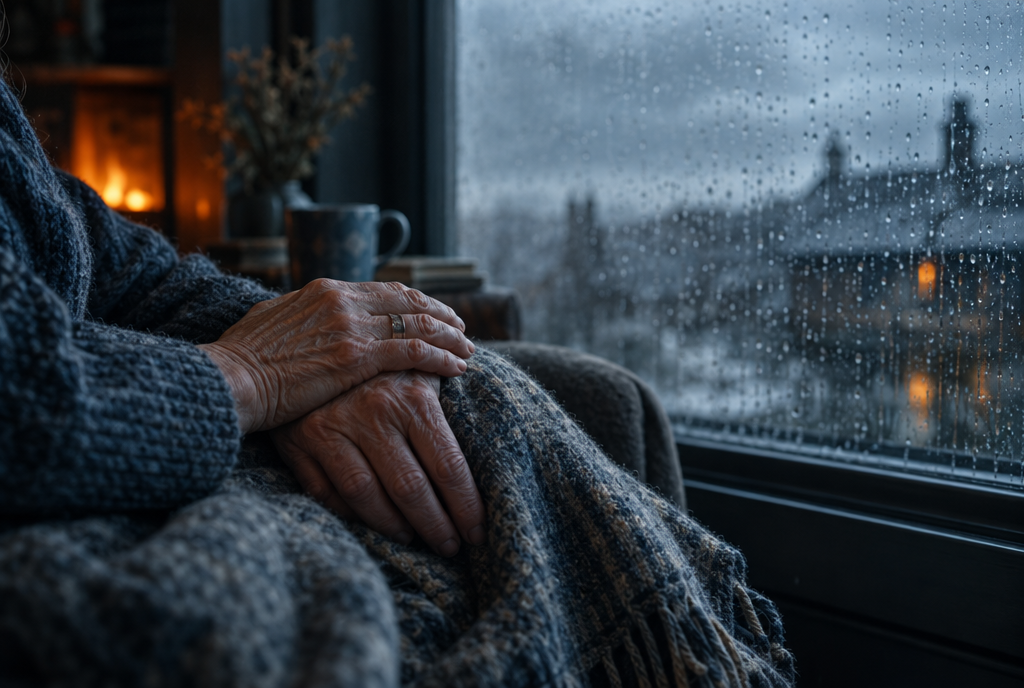
Partly. Many people with arthritis or fibromyalgia say cold, damp weather makes their pain worse, and some studies find a real but modest link with humidity, wind and low air pressure. Temperature itself shows little consistent effect, and several large studies found no link at all. Your own pattern matters more than the average, and staying warm and active can help comfort.
What does the research say about weather and joint pain?
A large smartphone study, Cloudy with a Chance of Pain, followed 2,658 people in the United Kingdom with chronic pain, most of them with arthritis, for 15 months. Pain was more likely on days with higher relative humidity and stronger wind, and less likely when atmospheric pressure was higher. Temperature did not have a significant association with pain.
The size of the effect was modest. The researchers estimated that the worst combination of weather raised the odds of a painful day by just over 20% compared with an average day. That is real enough to notice, but it is not the dramatic effect many people describe, and it came from humidity, wind and pressure rather than cold alone.
Which studies found little or no link?
A Harvard team published in the BMJ looked at more than 11 million primary care visits by older Americans on Medicare between 2008 and 2012. On rainy days, 6.35% of visits included joint or back pain, compared with 6.39% on dry days after adjustment, which is essentially no difference.
Fibromyalgia research points the same way. A Dutch study of 333 women with fibromyalgia tracked symptoms for 28 days and found that weather showed a significant but small effect in only 10% of the comparisons it ran. The authors concluded the data gave more evidence against than in support of a daily weather effect, even though up to 92% of people with fibromyalgia report that weather worsens their symptoms.
The Arthritis Foundation notes that earlier studies often struggled with small numbers of participants, short follow-up and wrong assumptions about where people actually were during the study. That helps explain why results conflict.
Why do so many people feel worse when it's cold?
Individual differences are one answer. In a Norwegian study of 48 people with fibromyalgia who reported pain three times a day for 30 days, lower barometric pressure was linked with more pain in most participants, and lower pressure with colder temperatures was linked with more unpleasant pain. The authors judged the effect modest at group level but potentially meaningful for individuals, and stress shaped how strongly people responded.
Behavior may matter too. A rheumatologist quoted by the Arthritis Foundation suggests the link may be indirect: gray, cloudy stretches can lower mood and focus attention on pain, and rainy or windy days often mean less movement, which can leave joints stiffer. Cold hands and feet also feel stiff and clumsy for reasons unrelated to arthritis.
How do the main studies compare?
The table summarizes the studies above. None of them shows cold temperature alone as a strong driver of pain.
| Study | Who and how long | What it found |
|---|---|---|
| Cloudy with a Chance of Pain (npj Digital Medicine, 2019) | 2,658 UK adults with chronic pain, 15 months | Humidity, wind and low pressure linked to modestly more pain; temperature not significant |
| Jena and colleagues (BMJ, 2017) | More than 11 million Medicare visits, 2008 to 2012 | No meaningful difference in joint or back pain visits on rainy vs dry days |
| Dutch fibromyalgia study (2013) | 333 women, 28 days | Small effects in 10% of comparisons; more evidence against than for |
| Norwegian fibromyalgia study (PLOS One) | 48 people, 30 days | Low pressure linked to more pain in most people, varying by individual |
What helps joint and fibromyalgia pain in cold weather?
Because the evidence points to individual patterns, a simple pain and weather diary for a few weeks can show whether you are one of the people who respond. Share it with your clinician rather than changing any medication on your own.
Staying warm and moving remain sensible whatever the weather does. The NHS advises not to stop moving a painful joint completely and to keep exercising regularly, so indoor walking, stretching or a stationary bike can stand in for outdoor activity on wet, windy days.
Dress in layers and keep hands, feet and knees covered so stiff, cold joints are not the first thing you notice.
Plan indoor movement for days when rain, wind or ice keep you in.
If you use a heating pad or electric blanket for comfort, use a timer, never sleep on a heating pad, and keep a layer between the device and your skin.
Track pain, sleep, mood and activity along with the weather, since stress and sleep can shift how pain feels.
When to call a clinician or emergency services
Weather can nudge pain, but it should not cause new swelling, heat or fever. Talk to a clinician about any change in your usual pattern, and use these NHS warning signs as a guide.
See a clinician if joint pain stops normal activities or disturbs sleep, keeps getting worse, has not improved after 2 weeks of self-care, or morning stiffness lasts more than 30 minutes.
Get urgent help the same day if a painful joint is swollen and the skin over it feels hot, or you feel generally unwell, feverish or shivery.
Call emergency services or go to the emergency department for severe joint pain after a fall or injury, being unable to walk or bear weight, a joint that looks out of place, or tingling or numbness around the joint after an injury.
Key takeaways
The honest answer is partly: weather effects on joint and fibromyalgia pain are real for some people but small on average.
Humidity, wind and low air pressure show more consistent links than cold temperature itself.
Large studies of rainfall and of fibromyalgia found little or no daily weather effect.
A personal pain and weather diary tells you more than population averages.
Keep moving indoors, dress warmly and bring new swelling, heat or fever to a clinician.
Frequently asked questions
Can your joints really predict the weather?
Some people do notice more pain before or during humid, windy, low pressure weather, and one large UK study found a modest link. Other large studies found no link with rainfall. Joints are not reliable forecasters for most people, though individual patterns can be real.
Does barometric pressure affect arthritis pain?
In the Cloudy with a Chance of Pain study, higher atmospheric pressure was linked with lower odds of pain. A Norwegian fibromyalgia study also found more pain with lower pressure in most participants. The effects were modest and varied from person to person.
Is fibromyalgia worse in winter?
Many people with fibromyalgia report weather sensitivity, but a study of 333 Dutch women found only small daily weather effects in 10% of its comparisons. Winter can still affect sleep, mood and activity, which all influence pain. Talk to your clinician if symptoms change with the seasons.
Why do my knees hurt more when it is cold and damp?
Research links humidity more strongly with pain than temperature. Less activity on wet days and stiffness in cold tissues may add to it. Keeping knees warm and moving indoors are low risk ways to stay comfortable.
Would moving to a warmer climate help my arthritis?
The evidence does not show that temperature alone drives arthritis pain, so a warmer climate is no guarantee. Humidity, activity levels and personal response vary. Discuss the decision with your clinician before making major changes for your joints.
From HEATJAC
We design low-profile thermal garments: a heat-reflective vest and a thermal harness with pockets for warmers or cold packs. If you have reduced sensation or a health condition, check with your clinician before adding heat.
Choosing gear? Before you buy: a checklist for any warming garment · Are heated vests safe?
Related reading
Sources
Weather-Arthritis Connection, Arthritis Foundation
How the weather affects the pain of citizen scientists using a smartphone app, npj Digital Medicine
Association between rainfall and diagnoses of joint or back pain: retrospective claims analysis (Jena et al., 2017), The BMJ (via PMC)
Weather conditions do not affect fibromyalgia pain or fatigue (Bossema et al., Arthritis Care and Research, 2013), EurekAlert (AAAS)
Joint pain, NHS
About HEATJAC. HEATJAC is a thermal architecture company founded by an anesthesiologist. We design patented garment systems that capture, conduct and broaden warmth across the body, and we publish this knowledge hub because the science of staying warm should be public. HEATJAC products are not medical devices and are not intended to diagnose, treat, cure or prevent any disease.