
POTS cold hands and feet: why it happens
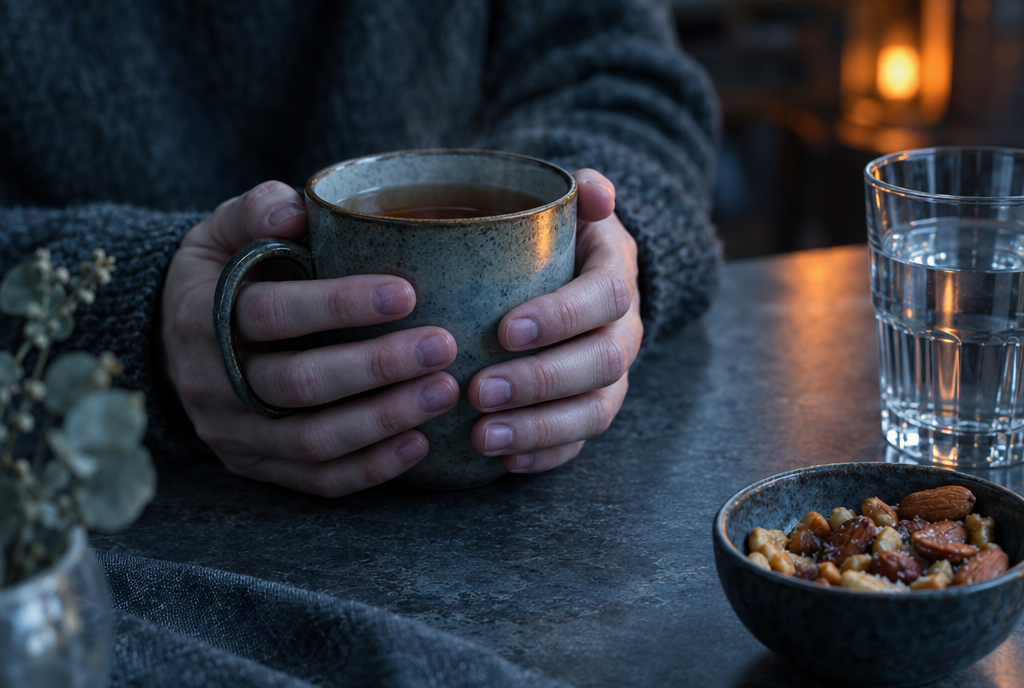
Yes, POTS can cause cold hands and cold feet, because the autonomic nervous system that controls blood vessels and body temperature does not adjust normally. Blood pools in the lower body when you stand, so less warm blood reaches the hands and feet, which can look pale or purple. Many people also swing between hot and cold, so gentle, adjustable warmth works best.
Why does POTS cause cold hands and feet?
POTS (postural orthostatic tachycardia syndrome) is a form of dysautonomia. Johns Hopkins Medicine defines it as a heart rate rise of at least 30 beats per minute in adults, or at least 40 in adolescents, within the first 10 minutes of standing. PoTS UK explains that the autonomic nervous system, which is abnormal in POTS, also controls body temperature.
When you stand, blood is pulled toward the legs. In POTS the body does not compensate well, and less warm blood reaches the hands and feet. Johns Hopkins notes a pale face and purple discoloration of the hands and feet when the limbs are lower than the heart.
Why do my legs and feet turn purple when I stand?
This is called dependent acrocyanosis. A 2019 review in the Cleveland Clinic Journal of Medicine describes it as a dark red-blue discoloration of the lower legs that is cold to the touch, occurring in about half of people with POTS on standing. It is linked with joint hypermobility and Ehlers-Danlos syndrome.
The NHS lists hands and feet looking purple among POTS symptoms and notes the color change may be harder to see on darker skin. Coolness to the touch and a change after lying down can be more useful signs than color alone.
Why do I swing between hot and cold with dysautonomia?
PoTS UK says some people struggle to keep cool, others struggle to keep warm, and some swing between the two, often on the same day. Heat makes blood vessels widen, which raises heart rate and worsens other POTS symptoms.
That creates a real tension in winter. Cold hands push you to add heat, but heating the whole body, as in a hot bath or shower or an overheated room, is a known trigger. Johns Hopkins lists hot baths and showers, hot rooms and hot days among situations that make symptoms worse.
| Approach | Why it suits POTS | Watch out for |
|---|---|---|
| Thin, adjustable layers | Lets you respond to swings in both directions | Too many layers indoors can cause overheating |
| Mittens and warm socks | Warms hands and feet without heating the whole body | Damp socks or gloves chill quickly; change them |
| Warm drink while seated | Gentle warmth with fluids | Check with your team about caffeine |
| Hot bath or long hot shower | Feels warming | Known trigger for dizziness and fainting |
| Compression garments | Your care team may suggest them to reduce blood pooling | Fit and pressure level are a clinical decision |
How can you warm cold hands with POTS without triggering symptoms?
Focus warmth on the hands and feet and keep the core comfortable rather than hot. These steps draw on NHS and PoTS UK self-care advice.
Dress in layers you can add or remove quickly as your temperature changes through the day.
Wear mittens (warmer than gloves) and warm, dry socks outdoors and in cold rooms.
Sit down rather than standing still for long; the NHS advises against standing up for too long and suggests sitting for a while before getting up after lying down.
Drink plenty of fluids, as the NHS advises, since low fluid volume makes pooling worse.
Ask your care team whether support tights or compression garments suit you; the NHS lists support tights as a self-care step.
Keep showers warm rather than hot, and sit on a shower seat if you feel lightheaded.
If you use hand warmers or a heating pad, wrap them, keep them off bare skin, and remove them if you start to feel hot or dizzy.
Is it POTS or Raynaud's?
They can look similar, and the pattern helps tell them apart. POTS discoloration is typically tied to posture and improves when you lie down or raise the limbs. Raynaud's, as the NHS describes it, causes fingers and toes to change color with cold or stress, with pain, numbness or pins and needles lasting minutes to hours.
The NHS advises seeing a doctor if Raynaud's symptoms are only on one side of the body, come with joint pain, skin rashes or muscle weakness, or start for the first time after age 30. Talk to your clinician about either pattern, since they can have different causes.
When to call a clinician or emergency services
Fainting is part of POTS for some people, but certain signs call for urgent help. The NHS advises calling emergency services if someone who fainted has any of the following.
| Warning sign | What to do |
|---|---|
| Chest pain, or a pounding, fluttering or irregular heartbeat with fainting | Call emergency services |
| Not breathing, cannot be woken within 1 minute, or has trouble with speech or movement after fainting | Call emergency services |
| Fainted while exercising or while lying down, or had a seizure | Call emergency services |
| Serious injury from a faint | Call emergency services |
| Color change or coldness on only one side of the body, or with joint pain, rashes or muscle weakness | Book a clinician visit |
Key takeaways
POTS affects the autonomic control of blood vessels and temperature, so cold, pale or purple hands and feet are common.
Dependent acrocyanosis, cold red-blue lower legs on standing, affects about half of people with POTS.
Many people swing between hot and cold; adjustable layers work better than one heavy layer.
Warm the hands and feet, not the whole body; hot baths and hot rooms are common triggers.
Fainting with chest pain, irregular heartbeat, injury or slow recovery needs emergency help.
Frequently asked questions
Why are my hands always cold with POTS?
In POTS the autonomic nervous system does not regulate blood vessels normally, and blood pools in the lower body when you are upright. Less warm blood reaches the hands and feet, so they feel cold and may look pale or purple. Mention persistent changes to your clinician.
Is purple feet when standing a sign of POTS?
It can be. Dependent acrocyanosis, a red-blue, cold discoloration of the lower legs on standing, occurs in about half of people with POTS. It has other possible causes too, so it should be assessed by a clinician rather than self-diagnosed.
Does cold weather make POTS worse?
Heat is the better-known trigger, but many people with POTS also struggle to stay warm, and some swing between the two in one day. Cold hands and feet are uncomfortable, so gentle, targeted warmth and adjustable layers are the usual approach.
Can I take a hot bath to warm up with POTS?
Hot baths and showers are a common POTS trigger because heat widens blood vessels, which raises heart rate and worsens other symptoms. A warm, not hot, shower with a seat and warm layers afterward is usually a gentler option. Ask your care team what suits you.
Do compression socks help cold feet in POTS?
Compression garments are used in POTS to reduce blood pooling in the legs, and some people find their feet feel better with them. Whether they suit you, and at what pressure, is a decision for your clinician.
Does POTS cause cold hands and feet?
It can. POTS affects the autonomic nervous system, which controls blood vessels and body temperature, and blood tends to pool in the legs when you are upright. The NHS lists hands and feet looking purple among POTS symptoms. Talk to your clinician if the coldness is new, one-sided or getting worse.
Do people with POTS get cold easily?
Many do. PoTS UK says some people with POTS struggle to keep warm, others struggle to keep cool, and some swing through a range of temperatures on the same day. Layers you can add or remove quickly are its main suggestion.
Can POTS cause chills or shaking?
The NHS lists shaking and sweating among POTS symptoms that happen on standing and can ease when you sit or lie down. That is different from chills with a fever, which point to an infection or other illness. If you have a fever with shaking chills, contact your clinician.
Is cold feet a symptom of POTS?
Cold feet are common in POTS but are not specific to it. A 2019 review in the Cleveland Clinic Journal of Medicine describes cold, red-blue lower legs on standing in about half of people with POTS. Raynaud's, nerve problems and blood vessel disease can also cause cold feet, so a clinician should assess the cause.
From HEATJAC
We design low-profile thermal garments: a heat-reflective vest and a thermal harness with pockets for warmers or cold packs. If you have reduced sensation or a health condition, check with your clinician before adding heat.
Choosing gear? Before you buy: a checklist for any warming garment · Are heated vests safe?
Related reading
Sources
Postural Orthostatic Tachycardia Syndrome (POTS), Johns Hopkins Medicine
Evaluating and managing postural tachycardia syndrome (Lei, Chew, Sheldon, Raj, 2019), Cleveland Clinic Journal of Medicine
Temperature Regulation, PoTS UK
Fainting, NHS
Raynaud's, NHS
About HEATJAC. HEATJAC is a thermal architecture company founded by an anesthesiologist. We design patented garment systems that capture, conduct and broaden warmth across the body, and we publish this knowledge hub because the science of staying warm should be public. HEATJAC products are not medical devices and are not intended to diagnose, treat, cure or prevent any disease.