
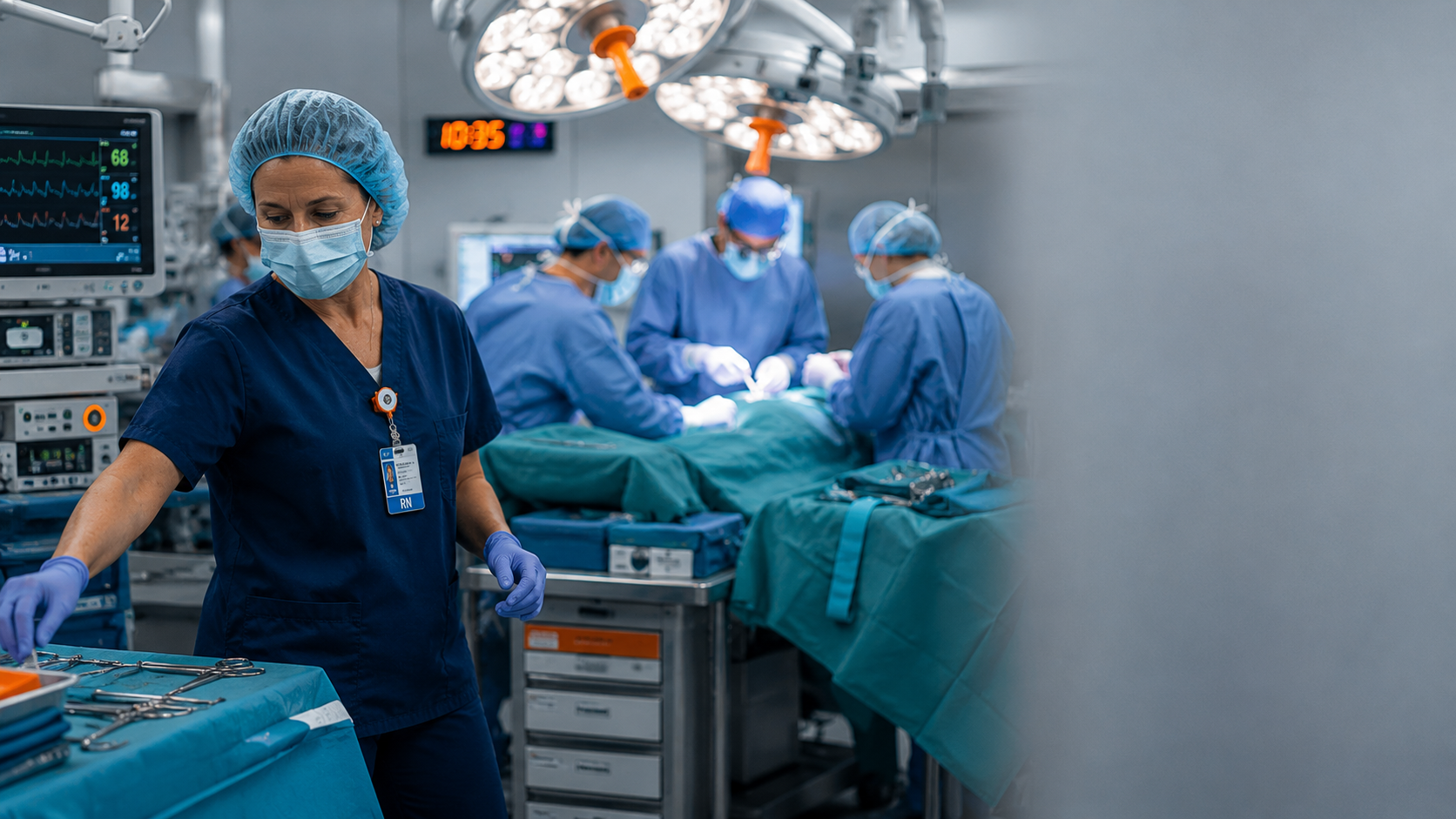
Why are operating rooms so cold?
Operating rooms are kept at 68 to 75°F by standards, and often at the cool end. Why ORs run cold, who it affects, and how surgical staff cope.
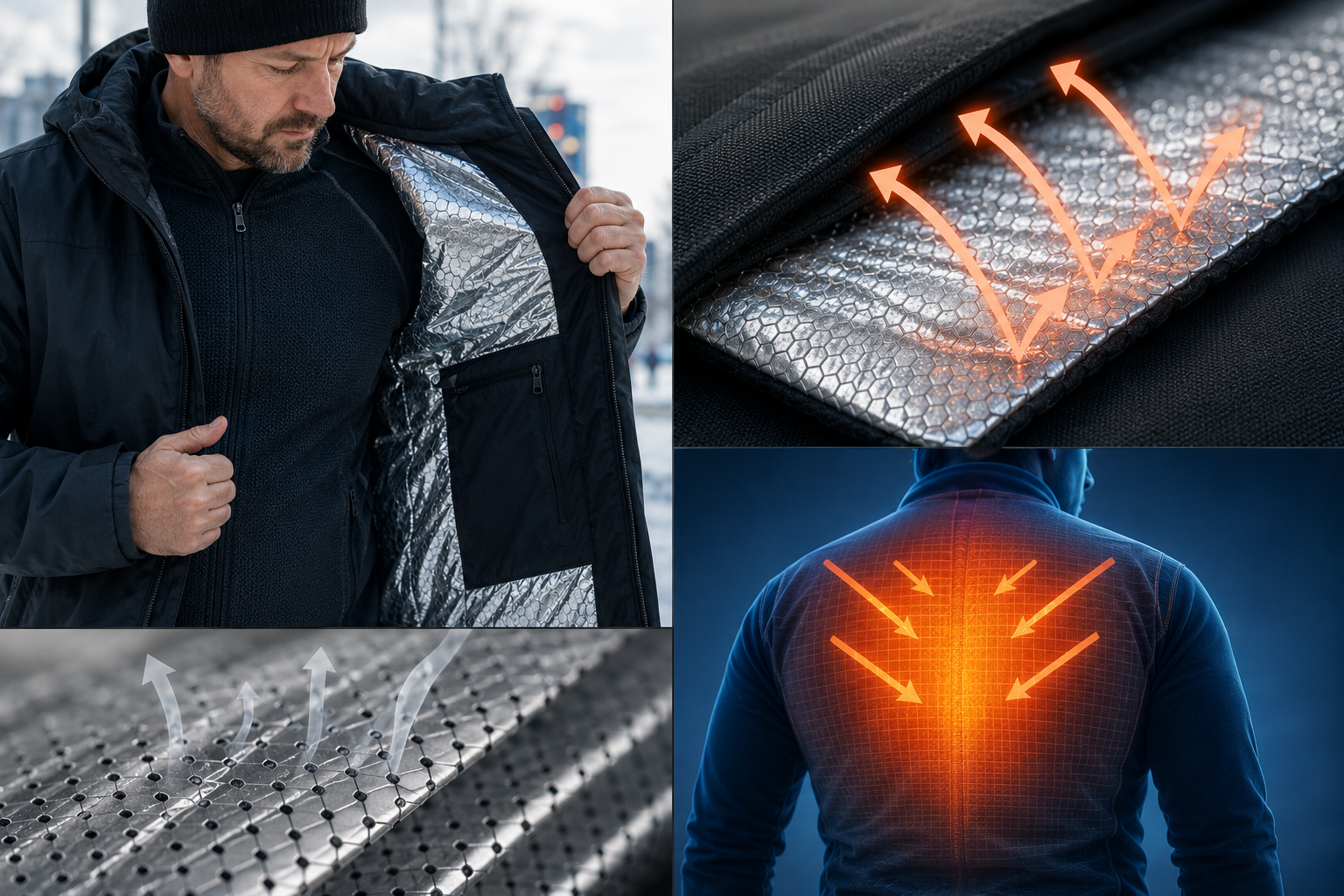
How Heat Reflective Lining Works
Heat-reflective linings are wearable radiant barriers: low-emissivity surfaces that return radiant body heat to the wearer. The science, the ASTM C1371 test, and the limits.
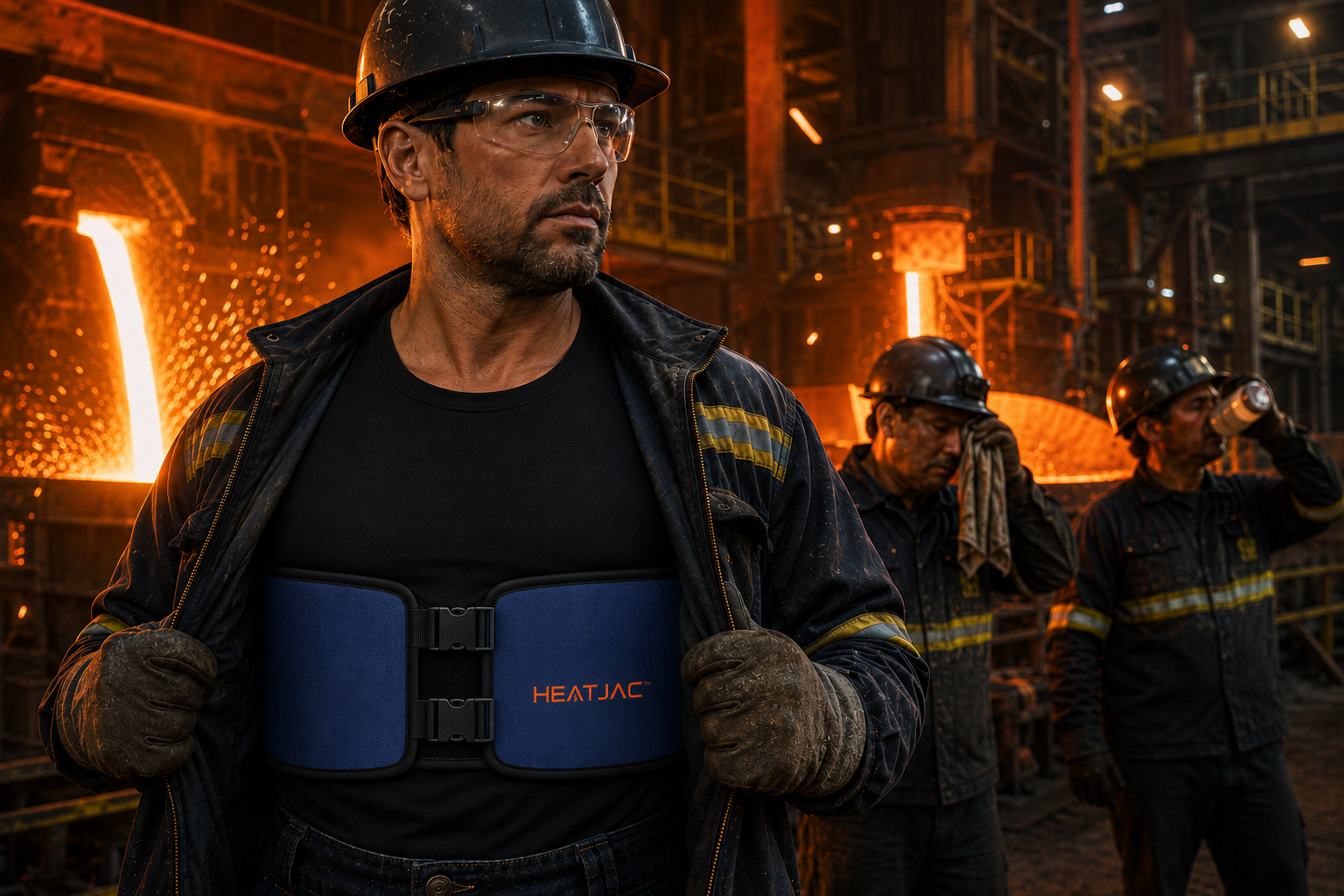
Cooling The Body
Cold stress affects cold-storage, utility, construction, and outdoor crews. The risk factors, warning signs, and the controls that actually work.
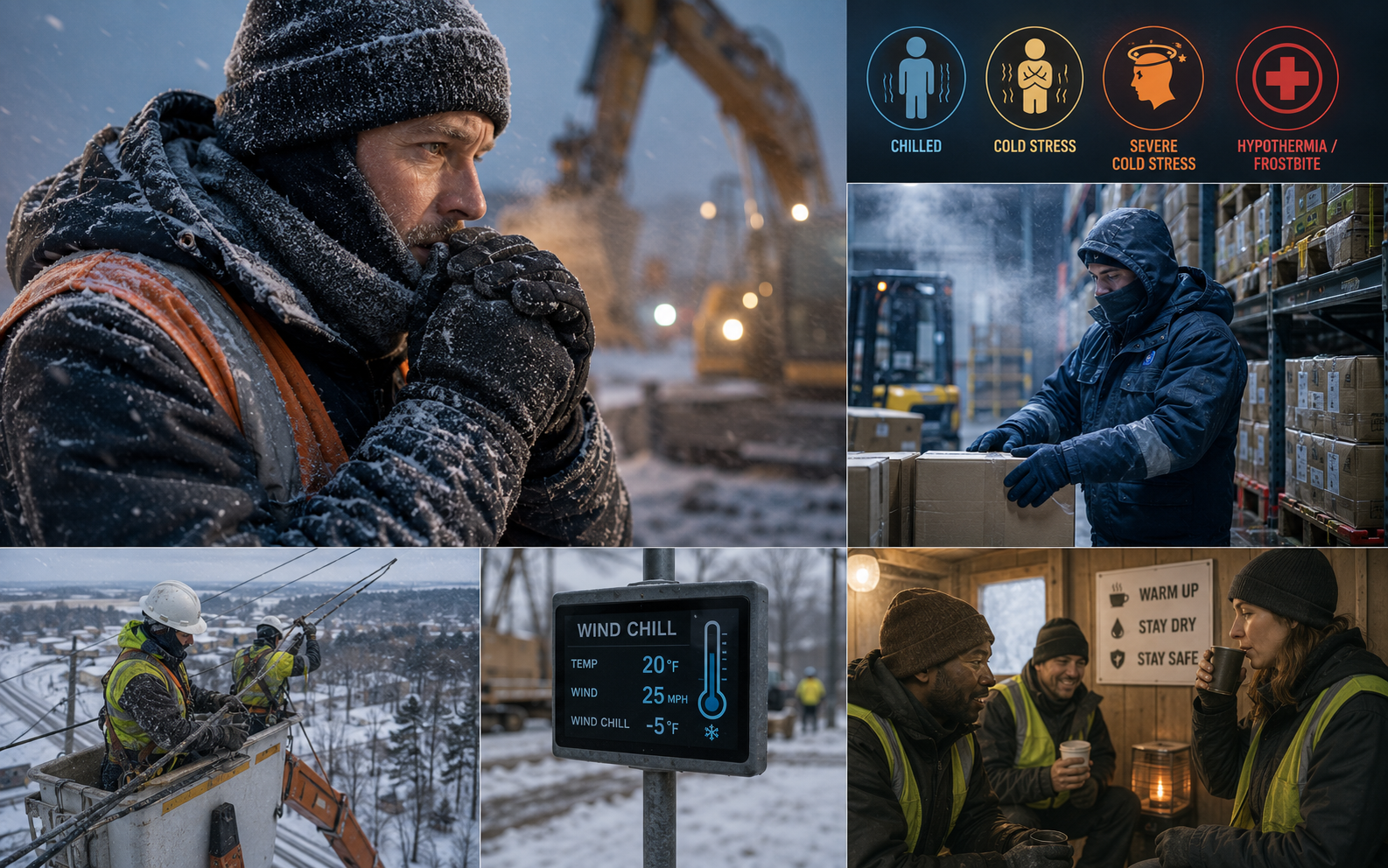
Cold Stress At Work
Cold stress affects cold-storage, utility, construction, and outdoor crews. The risk factors, warning signs, and the controls that actually work.
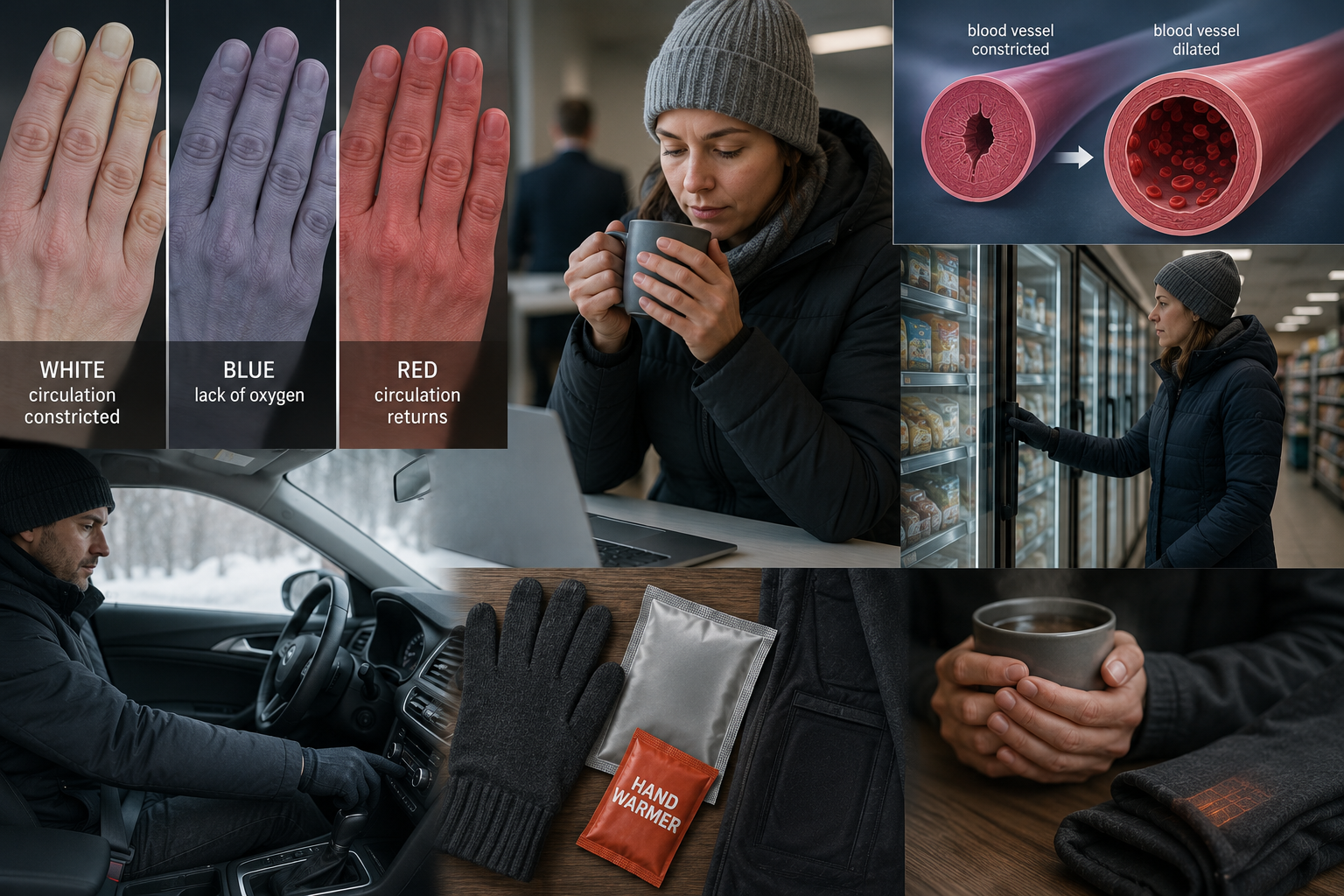
Raynaud’s, A Practical Guide To Staying Warm
What Raynaud’s phenomenon is, what triggers episodes, and practical, everyday strategies people use to stay warm. Medically reviewed. Not medical advice.
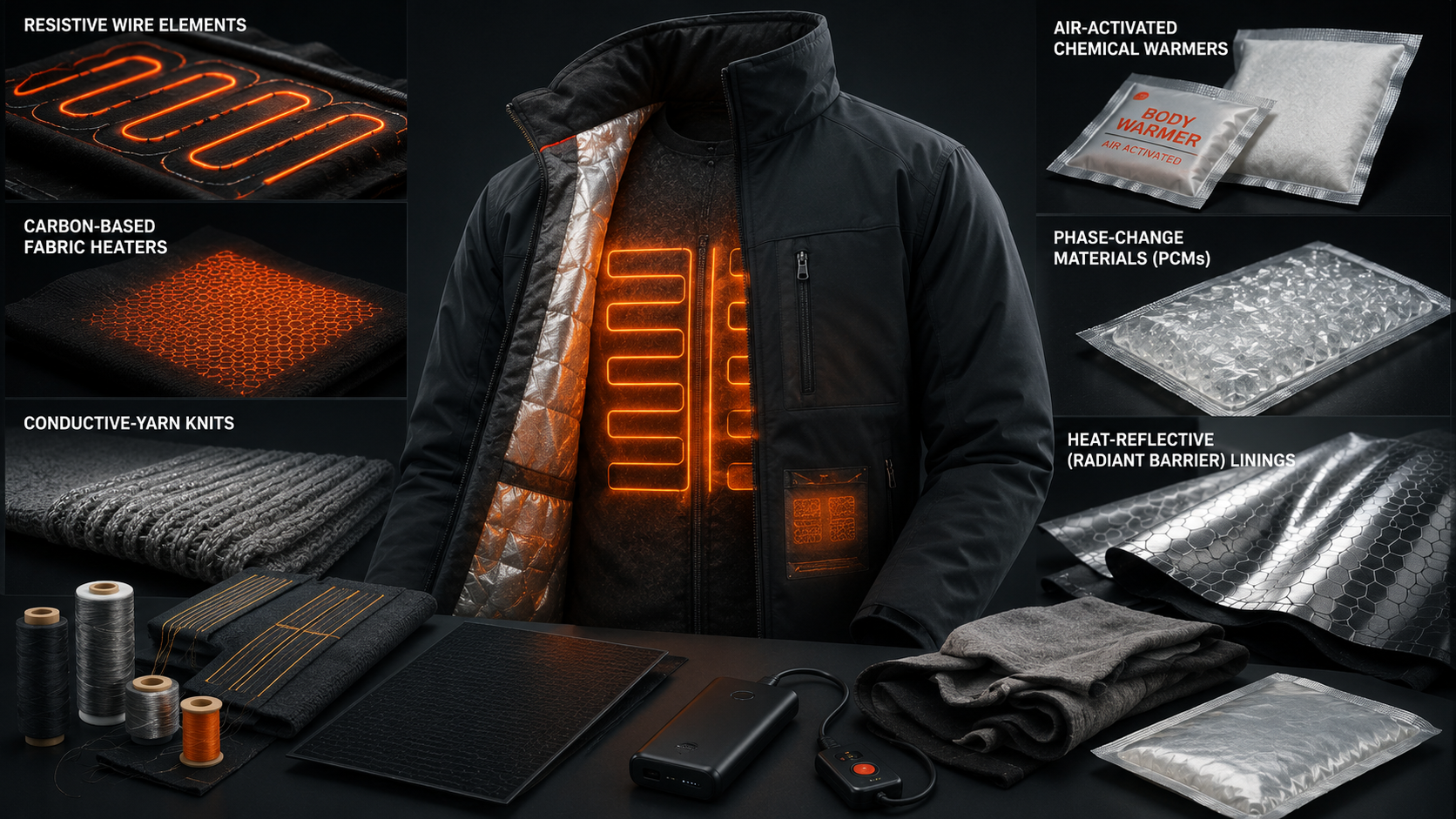
Heated-garment technologies, explained.
Resistive wire, carbon and PTC fabric heaters, conductive knits, chemical warmers, phase-change materials, and radiant barriers: how each heated-garment technology works
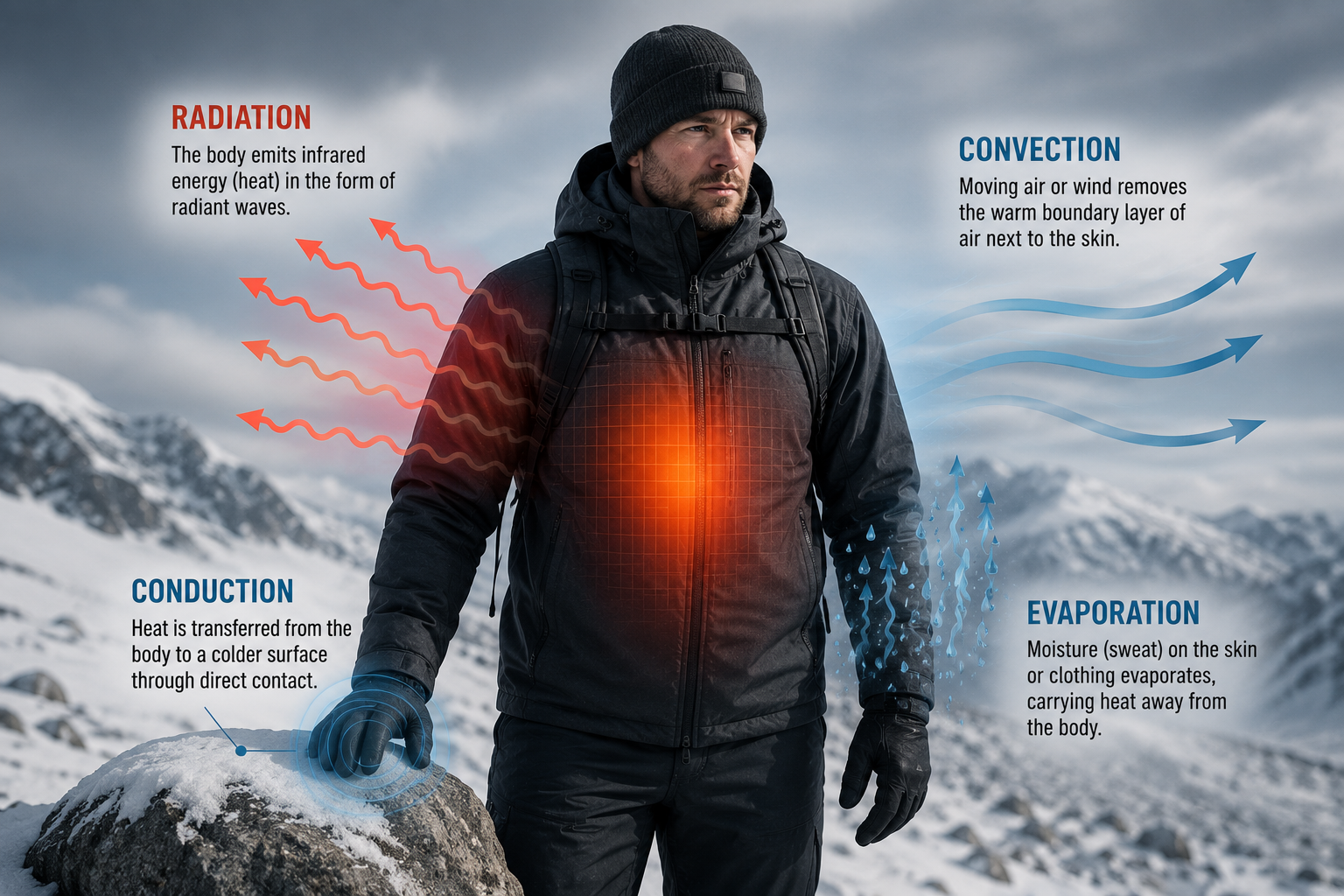
The Four Ways Your Body Loses Heat
How the Body Loses Heat: The 4 Mechanisms | HEATJAC™
The body loses heat four ways: radiation, convection, conduction, and evaporation. Here is how each works, and why protecting the core matters most.
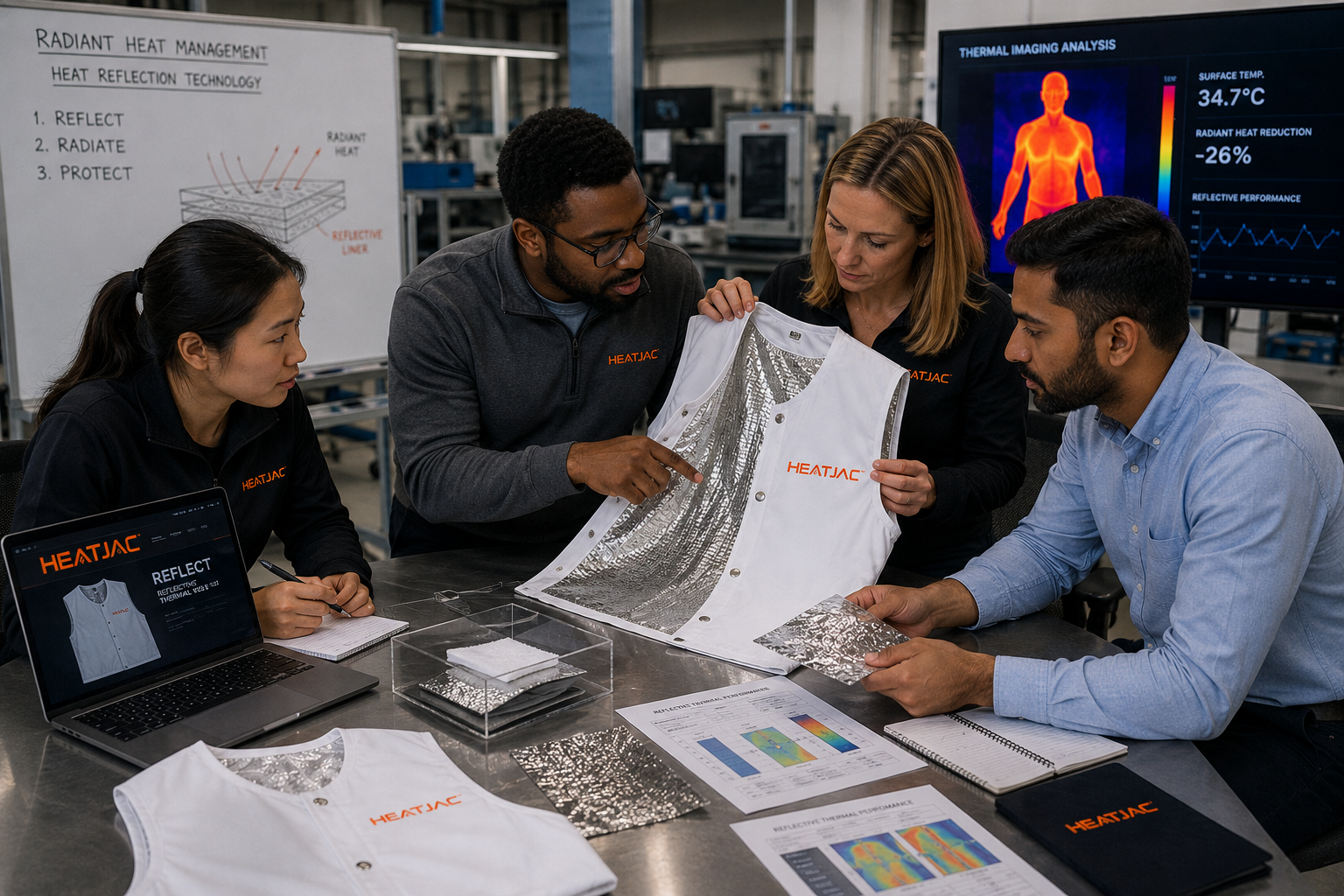
The Science of Reflective Thermal Technology: How Heat Reflection Supports Thermal Comfort
Reflective thermal technology helps manage radiant heat transfer through advanced material science. Explore how thermal reflection, radiant heat loss, and reflective liners are influencing the future of thermal comfort solutions and wearable innovation.