
Knowledge
Sourced guides on how the body stays warm, how patients and clinicians are kept comfortable, how crews work safely in cold and heat, and how warming gear works. Pick the theme closest to your world.
Ready to choose gear? Browse all buyer’s guides →
Free tools: wind chill and frostbite calculator, cold work warm-up schedule, what to wear by temperature, which warmth setup is right for you? and the warmth runtime and cost calculator. All tools and data →

Science of Warmth
For anyone who wants to understand how the body makes, keeps and loses heat.
Start here
Popular
All Science of Warmth articles →
Healthcare
For clinicians, perioperative teams, hospital leaders, and patients before and after surgery.
Start here
- Patient warming and perioperative hypothermia
- Thermal comfort for clinicians
- For patients: surgery and recovery
Popular
- How to stay warm in the operating room
- What is perioperative hypothermia?
- Forced-air vs conductive warming

Work and Duty
For employers, safety leads, crews, service members and EMS.
Start here
Popular
All Work and Duty articles →
Everyday Life and Health
For people who feel the cold, and for daily life outdoors.
Start here
- Cold sensitivity and Raynaud’s
- Staying warm in everyday life
- Staying warm at home and with family
- Staying warm with a health condition or disability
- Medications and feeling cold
Popular
All Everyday Life and Health articles →
Heat and Cooling
For hot jobs, heavy protective gear and personal heat sensitivity.
Start here
Popular
All Heat and Cooling articles →
Technology and Gear
For choosing, using and caring for warming gear.
Start here
Popular
All Technology and Gear articles →All articles
Hand warmers for Raynaud's: what helps and what to avoid
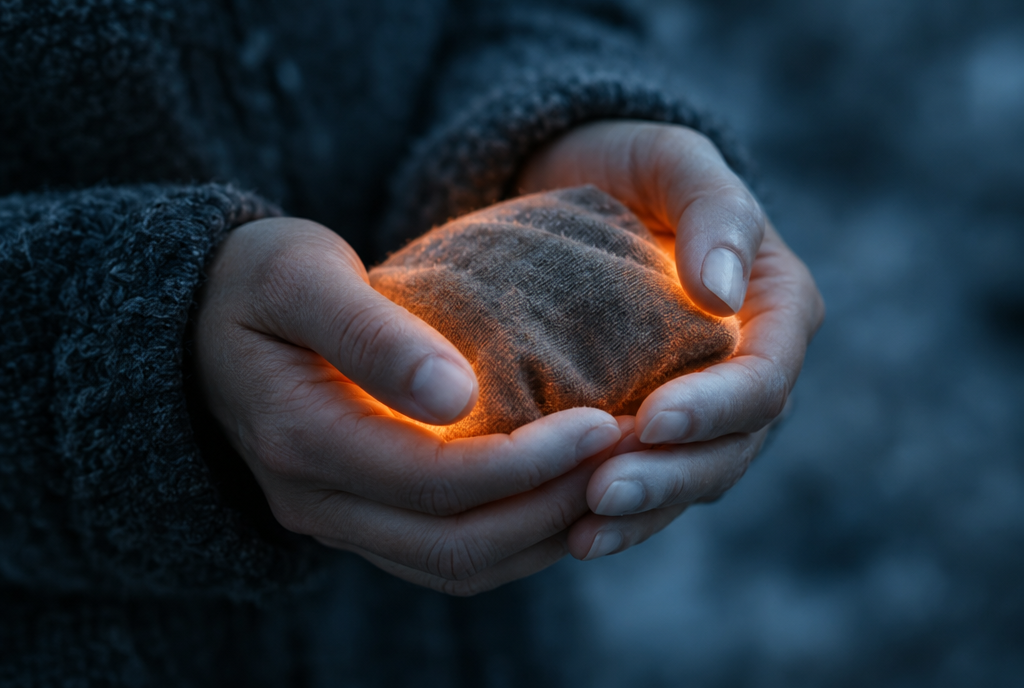
The best hand warmers for Raynaud's give gentle, steady heat you can start before your fingers get cold: rechargeable warmers with adjustable settings, air-activated packets inside mittens, or click warmers for a quick boost. The National Institutes of Health lists hand warmers and heated gloves among Raynaud's self-care steps. Pair them with a warm core, and never press a hot warmer against numb skin.
Toe warmers, body warmers and insoles: which warmer goes where
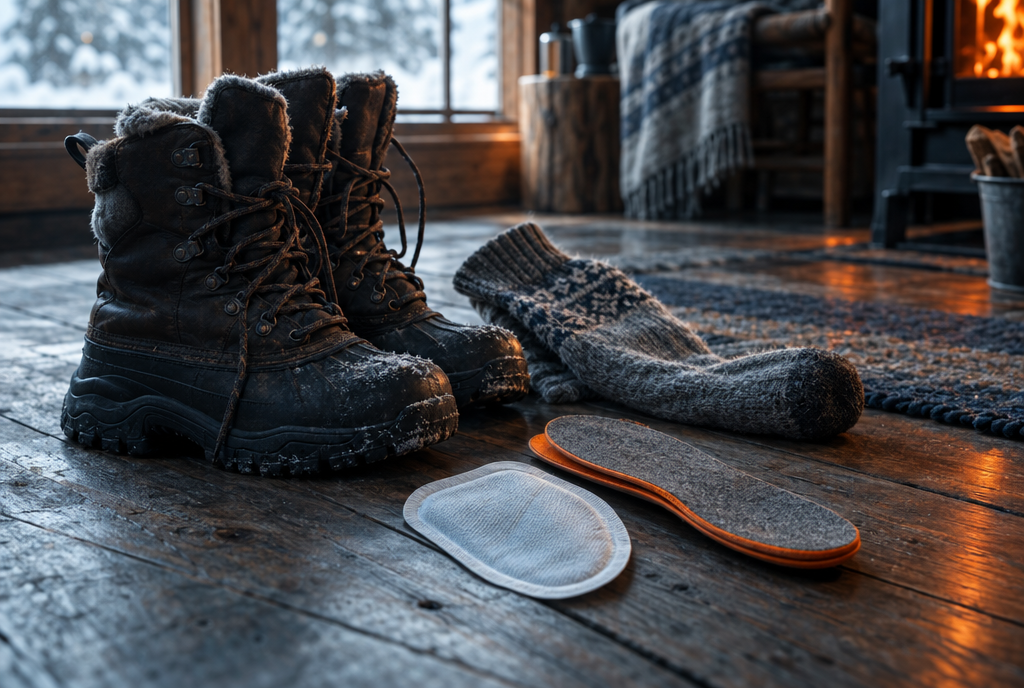
Disposable toe warmers are rated to last up to 7 to 8 hours, and stick-on body warmers up to 12 to 18 hours. Toe warmers are built to run cooler, around 102 to 113 °F (39 to 45 °C), because they sit inside a boot against the foot. Each type is shaped for one place, so match the warmer to the spot.
Rechargeable vs disposable hand warmers: which is better?
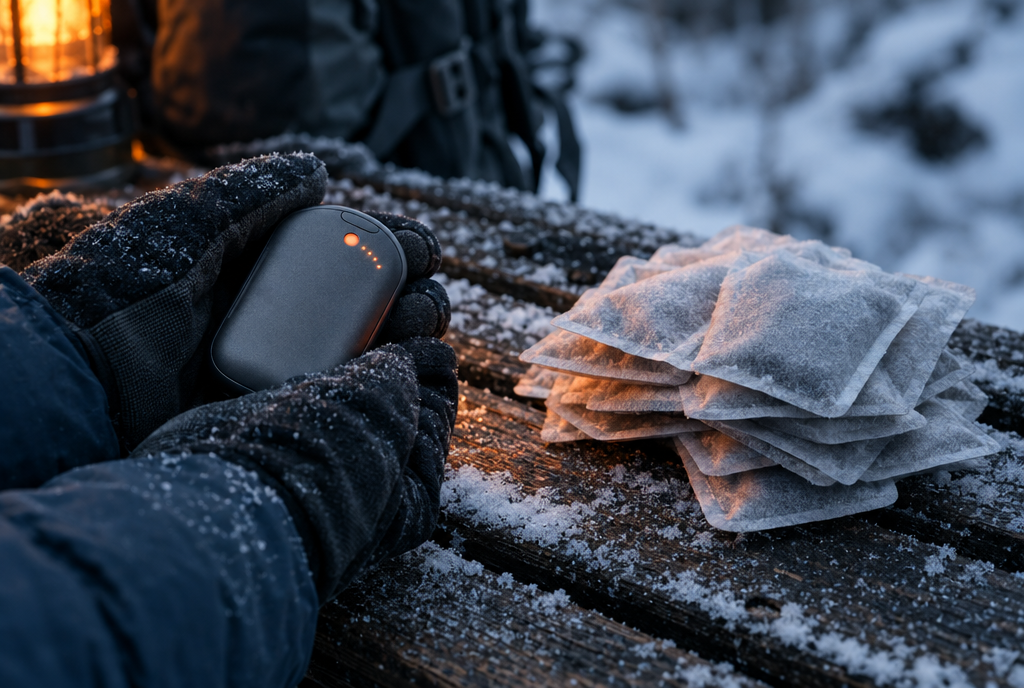
Neither wins everywhere. Disposable air-activated warmers run longer per use, often rated at up to 10 hours, need no charging and suit occasional use. Rechargeable warmers are often rated for up to about 6 hours per charge on low, offer adjustable heat and cost less over many uses, but they carry lithium-ion battery risks and follow FAA battery rules when you fly.
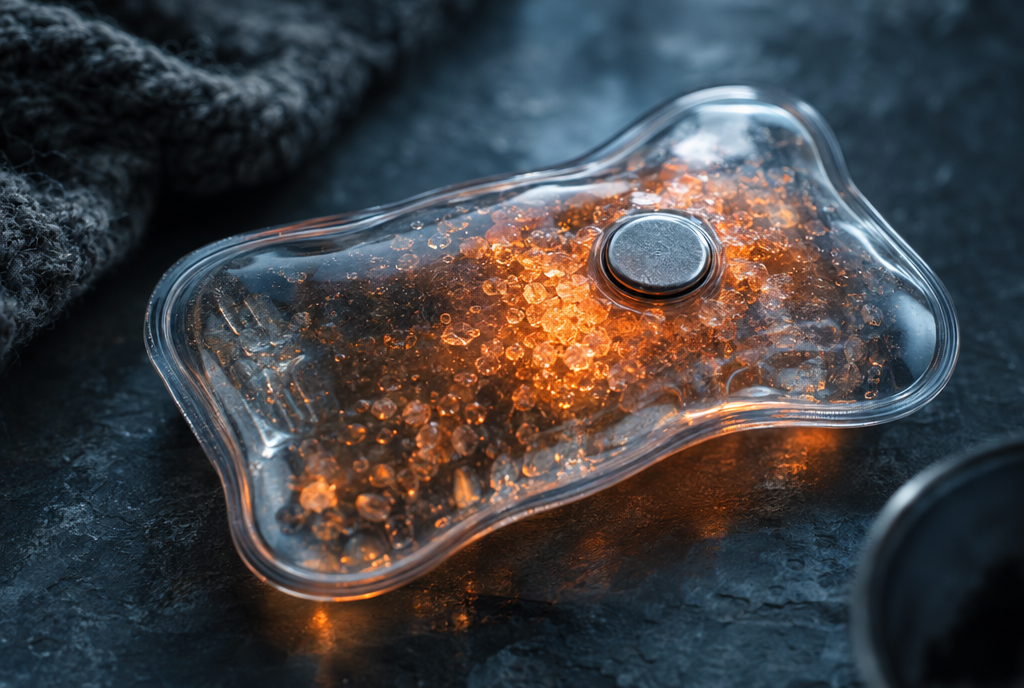
Reusable click hand warmers (sodium acetate): how they work
Reusable click hand warmers hold a supersaturated solution of sodium acetate in water. Flexing the small metal disc starts crystallization, and as the liquid turns solid it releases stored heat, reaching about 129 °F (54 °C). The heat lasts minutes rather than hours. Boiling the pad in water redissolves the crystals so it is ready to use again.
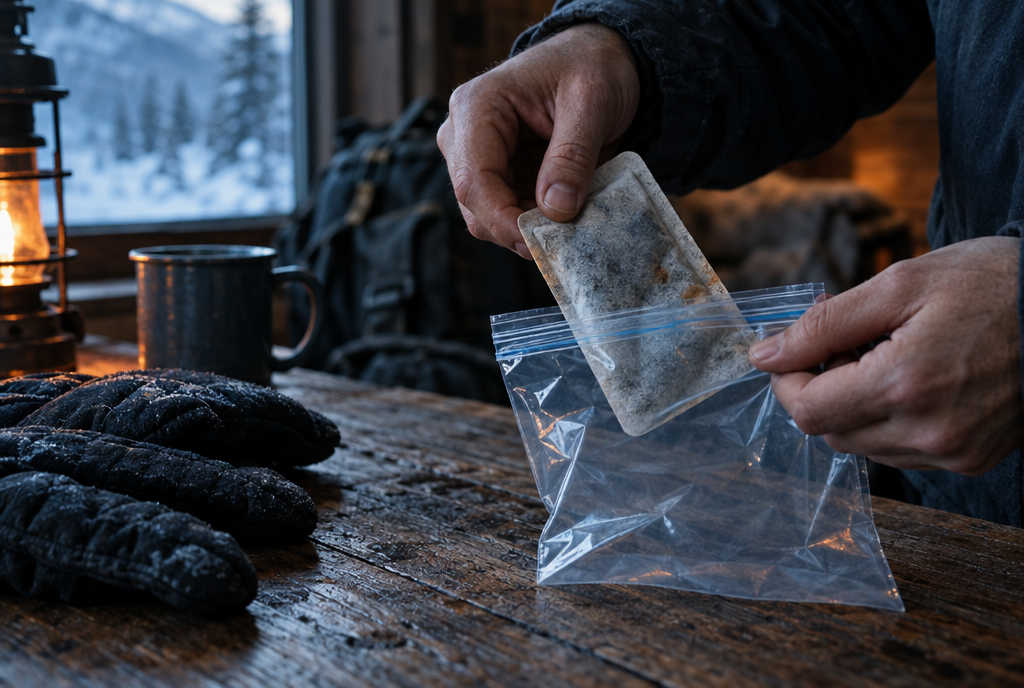
Can you reuse a disposable hand warmer?
Not fully. A disposable air-activated hand warmer cannot be recharged once its iron has oxidized, but you can pause a partly used one. Seal it in an airtight zip-top or freezer bag with the air pressed out, and the reaction slows to a stop. Open the bag later and it heats again, using only the energy that was left.
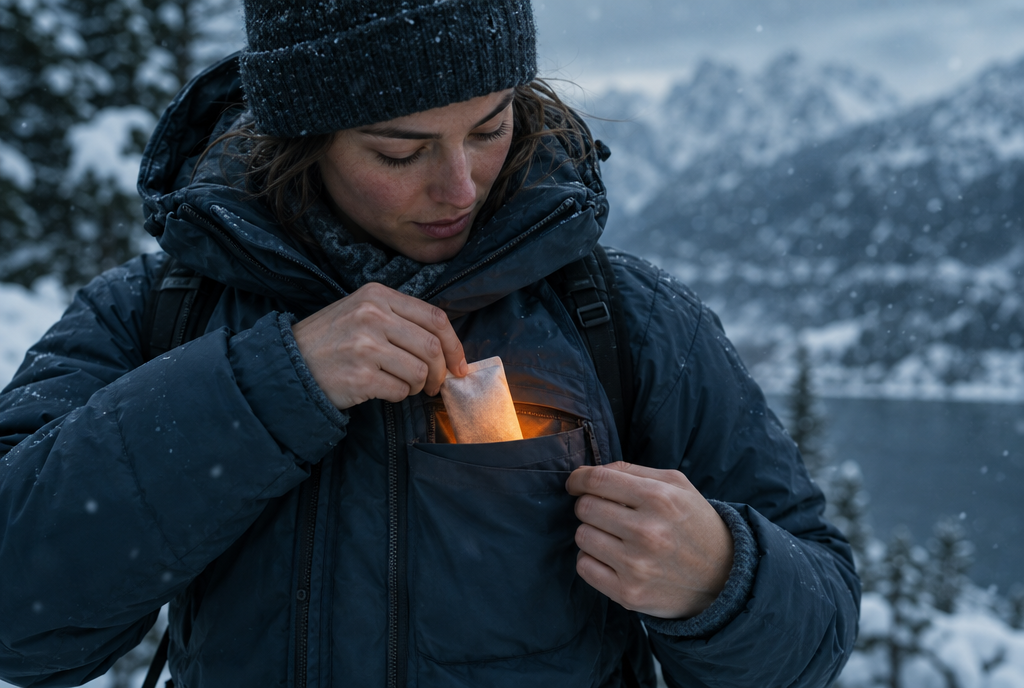
Where to put hand warmers on your body to stay warmest
Put warmers in two places: on your core and where you feel cold. An adhesive body warmer stuck to your base layer over the upper back or chest keeps blood flowing to your hands, while hand warmers go in mittens, glove pockets or jacket pockets. In a Canadian defense research study at -13 °F (-25 °C), heating the torso kept fingers more dexterous than heating the hands directly.