
How cold affects worker dexterity, safety and productivity
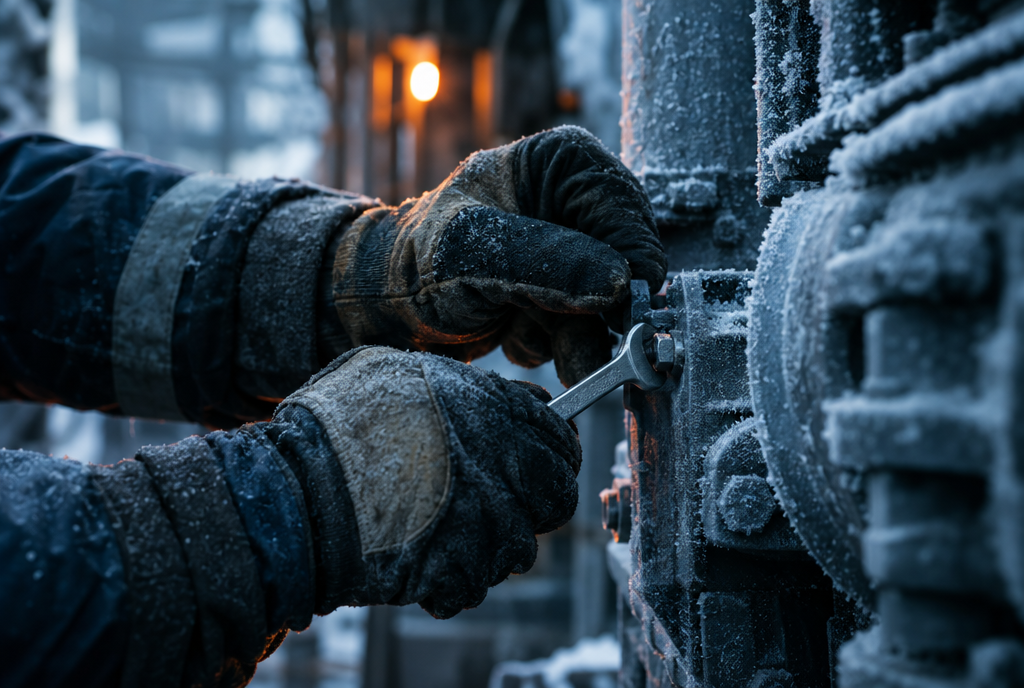
Cold slows work long before it causes injury. As hands cool, finger sensitivity, grip and fine motor control fall, and muscles and joints stiffen. A 2025 study found sharp drops in manual dexterity once finger skin cooled to about 23°C, and a nationwide Italian study linked cold days to roughly 6,000 extra occupational injuries a year. Keeping hands and core warm protects both safety and output.
How does cold weather affect productivity at work?
The body protects its core in the cold by narrowing blood vessels in the skin and extremities. That conserves heat but lets the hands, feet and face cool quickly. CCOHS notes that manual tasks are impaired because the sensitivity and dexterity of the fingers are reduced in the cold, and that reduced muscle strength and stiffening joints increase incident risk.
For employers, the result is a slow drag on output that rarely shows up in incident reports: fumbled fasteners, slower scanning and picking, more rework, and time lost to warming hands. Bulky clothing and gloves add their own penalty, so the cold costs productivity twice, once through the body and once through the protection.
At what temperature do hands lose dexterity?
Dexterity depends on skin and tissue temperature in the hands, not just air temperature. A 2025 exploratory study in Physiological Reports by Chapman and colleagues looked for the skin temperatures at which precipitous reductions in dexterity occur. Before rewarming, the thresholds were about 22.9°C at the fingers, 24.9°C at the hand and 22.4°C at the forearm.
Those numbers matter because they are well above the temperatures at which skin feels painfully cold. A worker can feel fine and still have measurably worse hand function. The same study found that after rewarming the finger threshold rose to about 25.7°C, suggesting that once hands have been cooled and rewarmed, they may lose dexterity sooner on the next exposure. The authors note that dexterity losses can raise the risk of adverse health and safety outcomes for military personnel, first responders, utility workers and other cold-exposed occupations.
| Site | Dexterity threshold before rewarming | After rewarming |
|---|---|---|
| Fingers | About 22.9°C | About 25.7°C |
| Hand | About 24.9°C | About 27.1°C |
| Forearm | About 22.4°C | No clear threshold |
Does cold weather increase workplace injuries?
Large population studies suggest it does. A nationwide study in Environment International analyzed 2,277,432 occupational injuries in Italy from 2006 to 2010. It found higher injury risk on cold days, with a relative risk of 1.23 for cold temperatures overall, and estimated about 5,976 cold-related injuries per year, including about 1,600 linked to extreme cold events.
The mechanisms are intuitive: ice and snow create slip hazards, cold hands fumble tools and controls, stiff muscles are more prone to strain, and discomfort distracts attention. The authors concluded that preventing occupational exposure to extreme temperatures should be a concern for occupational health and safety policy.
How does cold affect workers in cold storage?
Refrigerated warehouses show the effect in a concentrated form. In a study of cold storage forklift operators, more than 60% reported hand coldness or pain, and core body temperature declined measurably over the shift. Repeated moves between cold and warm zones add time for dressing and undressing and create condensation that dampens gloves.
Our article on the health risks of working in a freezer looks at those findings in more detail.
What can employers do to protect dexterity and output?
Warm hands depend on a warm body. When the core is warm, the body is more willing to send blood to the hands, which is why insulating the torso can help fingers as well as gloves can. Heated or insulated vests, dry base layers and warm breaks all work on that principle.
CCOHS recommends practical controls that directly protect hand function: insulating metal handles used below freezing, gloves suited to temperature and task, and shielding workstations from drafts. Work and warm-up schedules keep exposure periods short enough that hands can recover.
Shield workstations from wind and drafts, and use radiant heaters where feasible
Insulate metal tool and equipment handles
Match gloves to the task; use liners for fine work and swap to dry pairs often
Keep the torso warm with insulated, heated or reflective layers
Schedule fine-motor tasks for the warmest part of the day or in heated areas
Build warm-up breaks into the plan instead of relying on workers to ask
How should you measure the cost of cold?
Most sites do not track cold as a productivity factor, so the cost stays invisible. Simple measures help: compare picks per hour, rework or near-miss rates across temperature bands, record how much time crews spend warming up, and ask workers where their hands slow them down.
Those numbers make a clearer case for investments such as warming shelters, better gloves or heated PPE, and they show whether a change actually helped. Workers who notice persistent numbness, color changes or pain in their hands should also talk to a clinician, since some health conditions make hands more sensitive to cold.
Key takeaways
Cold reduces finger sensitivity, grip and fine motor control, and stiffens muscles and joints.
Research found sharp dexterity drops once finger skin cooled to about 23°C, well before pain.
A study of more than 2.2 million Italian occupational injuries estimated about 6,000 cold-related injuries a year.
Warm cores, insulated handles, suitable gloves and planned warm-up breaks protect both safety and output.
Frequently asked questions
Why do my hands stop working in the cold?
In the cold, the body narrows blood vessels in the skin to protect core temperature, so hands cool quickly. Cooler nerves, muscles and tendons respond more slowly, which reduces sensitivity, grip and fine control. Research shows measurable losses well before hands feel painfully cold.
Does cold weather make workers less productive?
Yes, for tasks that depend on hand function, attention and mobility. Cold reduces dexterity, and bulky clothing and gloves add further limits. Studies also link cold days with higher occupational injury rates.
Do warm gloves solve cold hands at work?
Gloves help, but they trade insulation for dexterity, and damp gloves lose much of their value. Keeping the core warm, insulating tool handles and taking warm-up breaks all support hand temperature alongside good gloves.
Can rewarming breaks make things worse?
Rewarming is essential, but one 2025 study found that after a cold exposure and rewarming, hand dexterity began to fall at slightly warmer skin temperatures on re-exposure. That argues for keeping hands warm during work, not only during breaks.
From HEATJAC
We design low-profile thermal garments: a heat-reflective vest and a thermal harness with pockets for warmers or cold packs.
Choosing gear? Cold storage and freezer gear by zone · Winter gear for construction and utility crews
Related reading
Sources
Cold Environments: Overview, Canadian Centre for Occupational Health and Safety
Cold Environments: Control Measures, Canadian Centre for Occupational Health and Safety
An occupational health study on workers exposed to a cold environment in a cold storage warehouse (Morioka et al., 2005), ScienceDirect
About HEATJAC. HEATJAC is a thermal architecture company founded by an anesthesiologist. We design patented garment systems that capture, conduct and broaden warmth across the body, and we publish this knowledge hub because the science of staying warm should be public. HEATJAC products are not medical devices and are not intended to diagnose, treat, cure or prevent any disease.