
Cold sensitivity after chemotherapy (oxaliplatin): how long it lasts and what helps
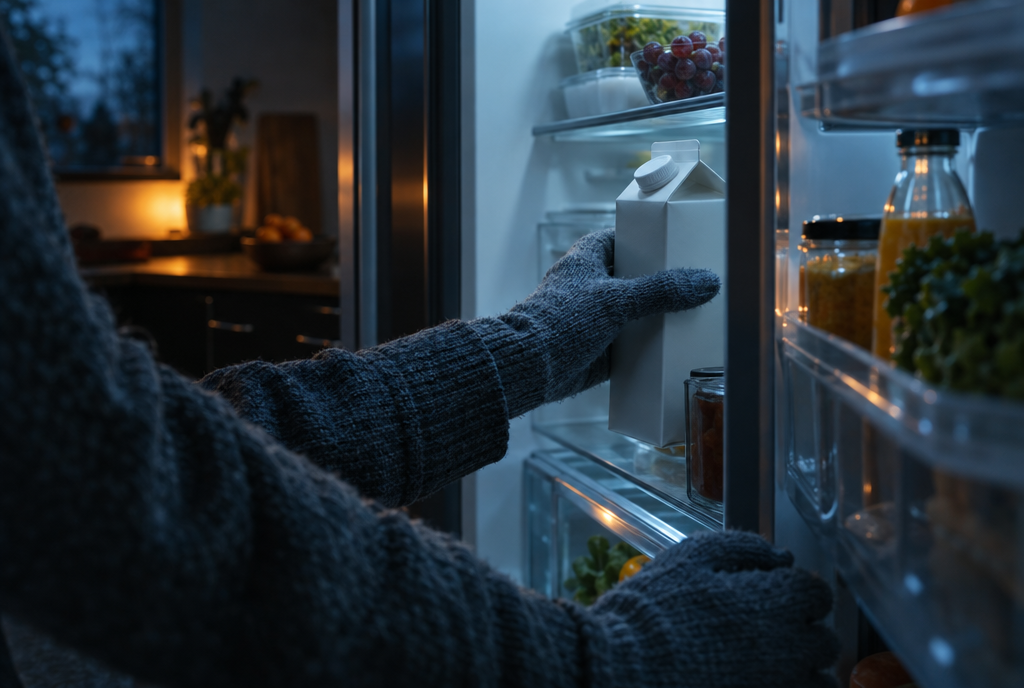
Oxaliplatin cold sensitivity usually starts within hours to 2 days after a dose and fades within 14 days, according to the FDA label, but it often returns with each dose and can last longer as cycles add up. Cold drinks, cold air and cold metal are the usual triggers. Room temperature drinks, gloves and a scarf help, and fever during chemotherapy needs an immediate call.
Why does oxaliplatin cause cold sensitivity?
Platinum chemotherapy drugs, including cisplatin, carboplatin and oxaliplatin, can damage peripheral nerves. MD Anderson Cancer Center notes that oxaliplatin is the one known for extreme sensitivity to cold, sometimes called cold dysesthesia: abnormal tingling, burning or numbness that for some people is strong enough to be painful.
The trigger is contact with cold. The Oncology Nursing Society lists refrigerated items, freezers, cold water, cold floor tiles, metal railings and frigid outdoor air as common culprits. A reaction to cold is a known effect of the drug, not a sign that you are doing something wrong, and your oncology team expects to hear about it.
What does oxaliplatin cold sensitivity feel like?
In the hands and feet it usually feels like numbness, tingling, stiffness or cramping after touching something cold. The mouth and throat can react too. The Oncology Nursing Society describes tingling of the lips and tongue, jaw spasm, difficulty swallowing and spasm in the throat after cold drinks.
Huntsman Cancer Institute says throat tightness and a feeling of breathing difficulty or chest pressure can be frightening but are not dangerous in this setting. Even so, tell your care team about every episode. If you truly cannot breathe or swallow, or the feeling does not ease once you are warm, call emergency services.
How long does cold sensitivity last after oxaliplatin?
Timing varies from person to person and tends to change over a course of treatment. The table summarizes what cancer centers and oncology nurses describe.
| Question | What the sources say |
|---|---|
| When does it start? | Often within hours of an infusion (ONS); some people do not notice it for several days (MD Anderson) |
| How long does each episode last? | Individual sensations usually last moments, while the sensitive period can run during the infusion and for 5 to 7 days afterward (Huntsman) |
| Does it change with more cycles? | Yes. Symptoms tend to take longer to fade as the number of cycles increases (ONS); after months of treatment they may last several days or even weeks after an infusion (MD Anderson) |
| Does it go away? | Cold sensitivity usually goes away once chemotherapy is finished (MD Anderson) |
| When should I call? | If it lasts more than 7 days after an infusion or gets in the way of daily activities (Huntsman) |
How can I stay warm and avoid cold triggers during treatment?
Most advice from cancer centers is about avoiding sudden cold contact, not about adding heat. These habits come from MD Anderson, Huntsman Cancer Institute and the Oncology Nursing Society.
Drink water and other drinks at room temperature or warmer, skip ice, and avoid smoothies, ice pops, ice cream and other frozen desserts.
Choose warm drinks such as tea, coffee or cocoa if they suit you.
Wear gloves or oven mitts to take items out of the refrigerator or freezer, and skip ice packs.
Wear socks indoors and protective clothing, gloves and a scarf outside; Huntsman advises covering up when it is below 50°F.
Cover your nose and mouth with a scarf and avoid deep breaths of cold air.
Sit away from drafty doors, air conditioning and air vents, at home, at work and in the infusion chair.
Is it safe to use heating pads or hand warmers with chemo neuropathy?
Be careful. The National Cancer Institute explains that nerve damage from cancer treatment can cause numbness and the inability to feel hot or cold, such as a hot stove. It advises using potholders, asking someone to check bath water temperature and checking your arms, legs and feet for injuries every day.
Heating pads, electric blankets, hot water bottles, air-activated hand warmers and heated clothing can burn skin you cannot feel properly. Never place a heat source directly on skin, use the lowest setting and a timer, never sleep with one switched on, and look at the skin afterward. Holding in your own body heat with layers, socks, gloves and a hat is the safer first choice.
When to call a clinician or emergency services
The CDC says fever may be the only sign of an infection, and an infection during chemotherapy can be life-threatening. Take your temperature whenever you feel warm, flushed, chilled or unwell, keep your care team's daytime and after-hours numbers handy, and if you go to an emergency room, tell staff right away that you are getting chemotherapy. Only your oncology team can decide whether any change to your treatment is needed, so talk to your clinician before changing anything.
Call your care team immediately: a temperature of 100.4°F (38°C) or higher (CDC).
Call emergency services: you cannot breathe or swallow, or chest or throat symptoms do not settle when you warm up, or you have hives, swelling of the face or lips, or wheezing, which can signal an allergic reaction (during an infusion, tell the nurse at once).
Call your care team soon: cold sensitivity lasting more than 7 days after an infusion, or symptoms that interfere with daily life (Huntsman).
Tell your care team: new or worsening numbness, tingling or trouble feeling hot and cold in your hands or feet (NCI).
Get the skin checked: any blister, burn or wound on a numb hand or foot.
Key takeaways
Oxaliplatin is the chemotherapy drug best known for cold sensitivity in the hands, feet, mouth and throat.
Episodes often start within hours of an infusion, can last days, and tend to lengthen over more cycles.
Room temperature drinks, gloves, scarves and avoiding drafts are the core habits.
Numb skin burns easily, so favor layers over direct heat.
A fever of 100.4°F (38°C) or higher during chemotherapy means call your care team now.
Frequently asked questions
Is oxaliplatin cold sensitivity permanent?
MD Anderson notes that cold sensitivity usually goes away once chemotherapy is finished. Numbness and tingling from nerve damage can behave differently, so tell your care team about any symptoms that continue after treatment.
Can I drink cold water while on oxaliplatin?
Cancer centers advise room temperature or warm drinks and no ice, because cold liquids can trigger throat tightness, jaw spasm or tingling in the mouth. Ask the infusion staff for room temperature water.
Why does my throat feel tight when I drink something cold during chemo?
Oxaliplatin can make nerves in the mouth and throat overreact to cold, which can feel like tightness or trouble swallowing. Huntsman Cancer Institute describes it as frightening but not dangerous; call emergency services if you truly cannot breathe or swallow.
Should I use a heating pad on numb feet during chemotherapy?
Only with great care, because nerve damage can stop you feeling heat until skin is burned. Warm socks and layers are safer; if you use any heat source, keep it off bare skin, on low, on a timer, and check the skin afterward.
Why do I feel so cold during a chemo infusion?
Sitting still for hours, room temperature fluids and cool treatment rooms all add up, and oxaliplatin adds its own cold sensitivity. Ask for a blanket, but if the chills come with feeling feverish or unwell, check your temperature and tell the nurse.
How long does cold sensitivity last after chemo?
Cold sensitivity from oxaliplatin usually lasts a few days after each infusion early on, and can stretch to several days or even weeks after an infusion a few months into treatment, according to MD Anderson. It usually goes away once chemotherapy is finished. Numbness and tingling from nerve damage can last longer, so tell your care team about anything that persists.
Does carboplatin cause cold sensitivity?
Cold sensitivity is mainly an oxaliplatin effect. MD Anderson describes cold dysesthesia as unique to oxaliplatin, while carboplatin and cisplatin are better known for nerve damage in the hands and feet. That nerve damage can change how you feel hot and cold, so report any new numbness, tingling or cold-triggered pain to your oncology team.
Why are you not allowed cold drinks during chemo?
With oxaliplatin, cold drinks can trigger tingling in the mouth, jaw spasm or a tight feeling in the throat, so cancer centers advise room temperature or warm drinks and no ice. Most other chemotherapy drugs do not carry this rule. Ask your infusion team whether it applies to your treatment.
Why are cancer patients always cold?
Several things can stack up: anemia from cancer or its treatment, weight and appetite loss, less activity, cool infusion rooms and nerve changes from chemotherapy. OncoLink, from Penn Medicine, lists feeling cold, particularly in the hands and feet, among the symptoms of a low red blood cell count. Tell your care team, and check your temperature if chills come with feeling unwell, since fever during chemotherapy needs an immediate call.
What is cold dysesthesia?
Cold dysesthesia is an abnormal tingling, burning or numb feeling triggered by cold, sometimes painful, that MD Anderson describes as unique to oxaliplatin. It can affect the hands, feet, mouth and throat after touching or swallowing something cold. It usually fades after treatment ends.
How long does oxaliplatin cold sensitivity last after each dose?
The FDA prescribing information describes the acute cold-triggered symptoms as starting within hours or 2 days of a dose, resolving within 14 days and frequently coming back with further doses. Symptoms that last longer than 14 days are classed as a different, persistent type of neuropathy. Tell your oncology team how long each episode lasts, because they track it from cycle to cycle.
Can I breathe cold air on oxaliplatin?
Breathe gently and cover up. The FDA-approved patient information advises not breathing deeply in cold air and covering your mouth and nose with a scarf or a pull-down ski cap to warm the air you breathe. If you truly cannot breathe, or you have wheezing or swelling of the face, eyelids or lips, call 911.
Why do my hands hurt in cold air on oxaliplatin?
Cold air and cold surfaces can set off the same nerve reaction in the hands and feet as cold drinks do in the mouth. The patient information warns that most metals feel cold, including car doors and mailboxes, and advises gloves outdoors and when taking things from the refrigerator or freezer. If your hands get cold, it suggests warming them with warm water; check the water temperature first, since numb skin burns easily. Report new numbness or tingling to your oncology team.
From HEATJAC
We design low-profile thermal garments: a heat-reflective vest and a thermal harness with pockets for warmers or cold packs. If you have reduced sensation or a health condition, check with your clinician before adding heat.
Choosing gear? Before you buy: a checklist for any warming garment · Are heated vests safe?
Related reading
Sources
How to cope with cold sensitivity due to chemotherapy, MD Anderson Cancer Center
Outpatient Oncology Drug Series: Oxaliplatin Hates the Cold, Oncology Nursing Society
Cold Sensitivity from Oxaliplatin (patient fact sheet), Huntsman Cancer Institute, University of Utah
Nerve Problems (Peripheral Neuropathy) and Cancer Treatment, National Cancer Institute
Watch Out for Fever: Preventing Infections in Cancer Patients, Centers for Disease Control and Prevention
Low Red Blood Cell Count (Anemia), OncoLink (Penn Medicine)
Oxaliplatin injection: prescribing information and patient information (Hospira), DailyMed, US National Library of Medicine
About HEATJAC. HEATJAC is a thermal architecture company founded by an anesthesiologist. We design patented garment systems that capture, conduct and broaden warmth across the body, and we publish this knowledge hub because the science of staying warm should be public. HEATJAC products are not medical devices and are not intended to diagnose, treat, cure or prevent any disease.