
Staying warm skiing and snowboarding without overheating
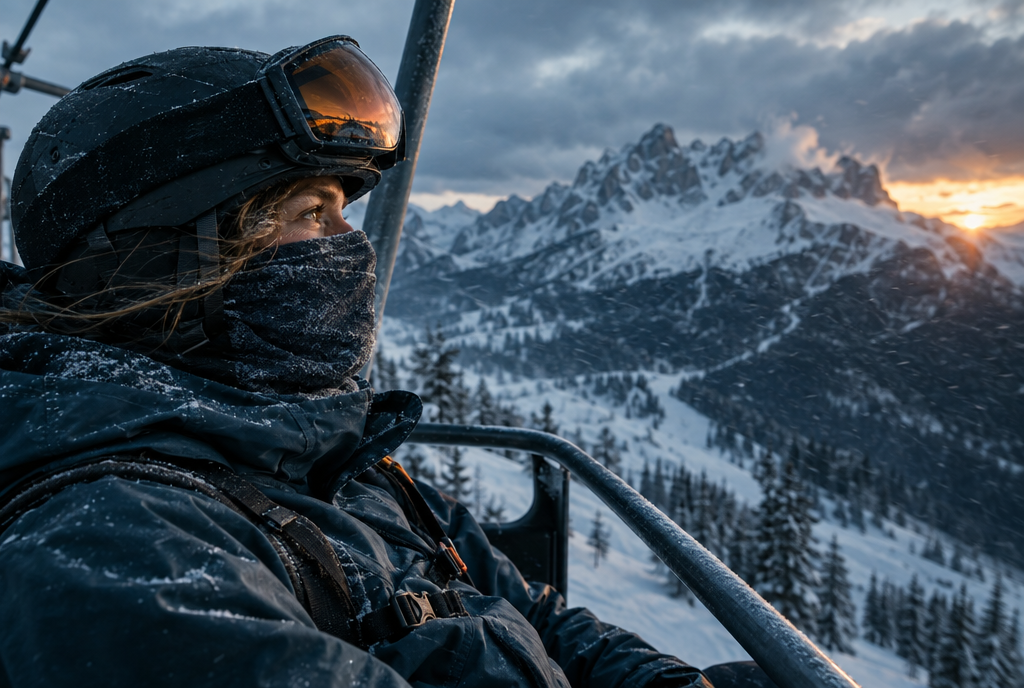
To stay warm skiing without overheating, wear a wicking merino or synthetic base layer, a light insulating mid layer, and a waterproof shell with vents, then adjust with zippers rather than extra bulk. Open vents on hard runs and close everything plus a neck gaiter for the lift. Wear one pair of thin ski socks, mittens on cold days, and never cotton.
Why do skiers get cold and sweaty on the same day?
Skiing alternates bursts of hard work with long, still, windy rides. A steep mogul run or a hike to a bowl makes you sweat, and minutes later you are sitting on a chairlift moving through cold air. If sweat soaks your base layer on the way down, the lift ride feels far colder than the thermometer suggests.
The goal is a system you can open and close, not a single thick jacket.
What layers should you wear skiing?
REI's ski clothing guide recommends a base layer, mid layer and outer layer any time you ski or ride. The table suggests how to scale them to the day.
| Conditions | Base layer | Mid layer | Outer layer |
|---|---|---|---|
| Mild spring day | Lightweight synthetic or merino | None or a light fleece | Shell with vents open |
| Typical winter day | Lightweight or midweight merino or synthetic | Fleece or light synthetic insulated jacket | Waterproof breathable shell |
| Very cold or windy | Midweight merino or synthetic | Warmer synthetic or down jacket, or a vest plus fleece | Insulated jacket or shell over a puffy, plus face protection |
Which base layer is best for skiing?
REI's ski guide highlights merino wool for its light weight, wicking and odor resistance, and synthetic base layers work well for hard-charging skiers who sweat heavily. The guide is blunt about cotton: it absorbs sweat, dries slowly and loses insulation, increasing chill and blister risk.
Wear base layers snug. On the legs, a thin layer avoids bunching inside ski boots.
How do you avoid overheating on the slopes?
Use ventilation before you need it. REI points to pit or core vents on jackets and thigh vents on pants as the main way to dump heat while riding.
Open pit zips and thigh vents before a long or steep run.
Loosen your neck gaiter and unzip your collar when climbing or hiking.
Carry a light packable layer in a pocket instead of wearing it all day.
Swap a heavy puffy for a vest if your arms run warm.
Take a mid-morning break to change a sweaty base layer if you brought a spare.
How do you stay warm on the chairlift?
The lift is where wind does its work. The National Weather Service calculates wind chill with a published formula; applying it to 20°F air and a 20 mph wind gives a wind chill of about 4°F. Exposed skin is what feels that difference, so close vents, zip up, and pull a neck gaiter over your face.
Keep your hands moving and your core covered. Most skiers carry a neck gaiter, according to REI, and many ride with one every time. Watch for early frostbite signs described by the CDC: redness or pain, then white or grayish-yellow skin that feels firm or waxy, often on the nose, cheeks, chin and ears. Go inside and warm up if you notice them.
How do you keep hands and feet warm skiing?
REI notes that mittens tend to be warmer than gloves, with split-finger designs as a compromise. On very cold days, a thin liner glove inside a mitten lets you adjust bindings without exposing bare skin.
For feet, wear one pair of thin, knee-length ski socks. REI describes ski socks as taller and thinner than hiking socks so they fit smoothly inside boots. Doubling up or wearing thick socks compresses the foot inside a stiff boot and can make toes colder. Buckle boots snugly but not tight, and loosen them on the lift.
Heated socks or heated insoles can help riders whose toes chill quickly, and REI suggests air-activated hand and foot warmers as an insurance policy for frigid days. Talk to a clinician if your fingers or toes regularly turn white or numb in the cold.
Do food, breaks and lodge time matter?
Yes. Cold days burn more energy, and skiers who skip breakfast or lunch often feel the cold sooner in the afternoon. Keep a snack in a pocket and drink water through the day; a hydration pack tube can freeze, so keep it under your jacket.
Plan a warm-up stop before you are miserable rather than after. Use it to dry gloves near a heater, change a damp base layer or socks, and let chilled fingers and toes rewarm gently. Short, regular breaks usually keep a group skiing longer than one long lunch.
What about your head and eyes?
REI calls a ski helmet nonnegotiable for protection, and it also keeps your head warm. Goggles protect your eyes from wind, snow and glare, and they cover skin around the eyes that a gaiter misses. A thin helmet liner or balaclava adds warmth on the coldest days without affecting helmet fit much, but check fit with it on.
Key takeaways
Use base, mid and shell layers you can vent, not one thick jacket.
Choose merino or synthetic base layers; skip cotton.
Open vents on hard runs, close up and cover your face on the lift.
Wear one pair of thin ski socks and mittens on cold days.
Watch exposed skin for early frostbite signs and go inside to warm up.
Frequently asked questions
How many layers should I wear skiing in cold weather?
Usually three: a base layer, an insulating mid layer and a shell. On very cold days, add a vest or swap to a warmer mid layer, and add face protection for the lift.
Should I wear two pairs of socks skiing?
No. One thin ski sock fits the boot better. Two pairs or thick socks can compress your foot inside a stiff boot and make your toes colder.
Are heated insoles good for ski boots?
Many skiers with cold feet find heated insoles or socks helpful. Make sure the insole fits your boot without crowding your toes, and check battery life in the temperatures you ski.
How do I stop sweating while snowboarding?
Wear a wicking base layer, open pit and thigh vents before hard runs, and carry a packable layer rather than wearing it. Snowboarders who hike or strap in often should dress slightly cooler at the start.
Is a neck gaiter necessary for skiing?
It is one of the simplest ways to stay warm on the lift. It protects the face and neck from wind and can be pulled down when you are working hard.
From HEATJAC
We design low-profile thermal garments: a heat-reflective vest and a thermal harness with pockets for warmers or cold packs.
Choosing gear? Heated vest vs heat-reflective vest · A hunter's guide to staying warm in the stand
Related reading
Sources
What to Wear Skiing and Snowboarding, REI Expert Advice
Layering Basics, REI Expert Advice
How to Choose Base Layers, REI Expert Advice
Wind Chill Chart, National Weather Service (NOAA)
Preventing Frostbite, Centers for Disease Control and Prevention
About HEATJAC. HEATJAC is a thermal architecture company founded by an anesthesiologist. We design patented garment systems that capture, conduct and broaden warmth across the body, and we publish this knowledge hub because the science of staying warm should be public. HEATJAC products are not medical devices and are not intended to diagnose, treat, cure or prevent any disease.