
Staying warm outdoors and at home: the complete layering and warmth guide
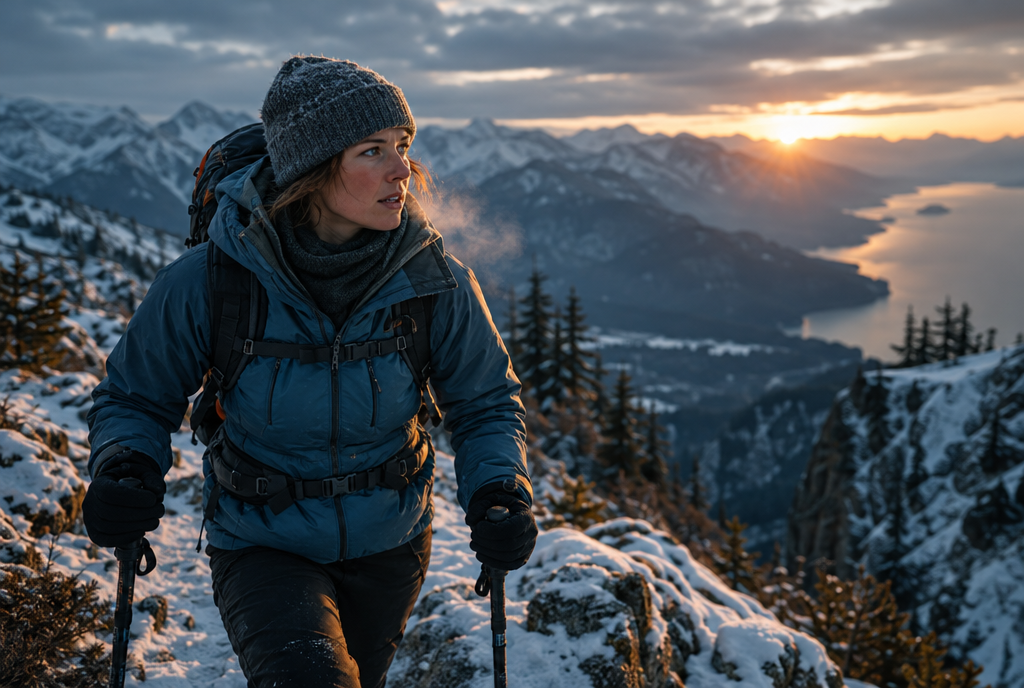
The best way to stay warm outside is to layer: a wicking base layer, an insulating mid layer and a wind- and water-resistant shell, plus a hat, mittens and warm socks. Stay dry by venting before you sweat, block wind, insulate yourself from cold ground, and eat and drink regularly. Indoors, keep living spaces warm, especially for older adults, and use heaters and heated products carefully.
How does your body lose heat in the cold?
Hypothermia, in the National Weather Service's plain definition, happens when the body loses heat faster than it can produce it. Every practical warmth strategy works on one side of that balance: reduce the heat you lose, or increase the heat you make or add.
Heat leaves the body in four main ways. Wind and moving air carry it off your skin and clothing. Cold surfaces such as ice, snow, metal seats and floors pull it away by direct contact. Your skin radiates heat to colder surroundings. And evaporating sweat and wet clothing draw heat away quickly. Good cold-weather habits address all four at once: block the wind, insulate from the ground, trap warm air, and stay dry.
The extremities are the weak point. The NWS notes that uncovered skin and the hands and feet are most vulnerable, and that mittens are warmer than gloves. When your core gets cold, the body keeps warm blood in the trunk, and fingers and toes suffer first.
Why do staying dry and eating well matter so much?
Moisture is the quiet reason people get cold. Sweat soaked into a base layer, snow melting into gloves, or rain working through a jacket all reduce insulation and speed heat loss. That is why cold-weather guidance keeps returning to wicking fabrics, waterproof shells, spare socks and gloves, and the habit of venting before you sweat.
Heat also has to come from somewhere. Your body makes it by burning food, and movement multiplies the output. Regular meals, snacks and fluids keep the furnace running, and short bouts of movement during long still periods help more than another thin layer.
What is the layering system and why does it work?
Layering gives each piece of clothing one job and lets you adjust as conditions change. REI describes the system in three parts: a base layer that wicks sweat off your skin, a middle layer that retains body heat, and an outer layer that shields you from wind and rain. The CDC similarly advises several layers of loose-fitting clothing along with a hat, mittens or gloves, and water-resistant coat and boots.
Our guide on how to layer for cold weather walks through choosing and adjusting each layer, including the most common mistake: dressing warm at the start and sweating through your clothes within minutes. The base layer comparison covers merino, synthetic, silk and cotton in detail. The short version is that Mayo Clinic notes wool, silk or polypropylene inner layers hold body heat better than cotton, which absorbs sweat and dries slowly.
| Layer | Job | Good choices | Avoid |
|---|---|---|---|
| Base | Move sweat away from skin | Merino, polyester, nylon, silk | Cotton for long days |
| Mid | Trap warm air | Fleece, down, synthetic insulation, insulated vest | Anything that compresses under the shell |
| Shell | Block wind and precipitation | Waterproof or water-resistant breathable jacket, soft shell | Non-breathable coats during exertion |
| Extremities | Protect hands, feet, head, face | Mittens, liner gloves, wool socks, hat, neck gaiter | Tight boots and gloves that restrict blood flow |
How do you stay warm for different outdoor activities?
The same principles apply everywhere, but each activity has its own problem to solve. The table summarizes the main challenge and the tactic that matters most, and each spoke article goes deeper.
| Activity | Main challenge | Most important tactic |
|---|---|---|
| Hunting | Sweaty walk in, then hours of stillness | Carry insulation in and layer up at the stand |
| Ice fishing | Sitting still on a frozen surface in wind | Insulate from the ice and heat shelters safely |
| Skiing and snowboarding | Hard runs followed by cold, windy lift rides | Vent on the way down, seal up on the lift |
| Motorcycle riding | Speed creates constant wind chill | Block wind completely and add heated gear |
| Winter hiking and camping | Sweat by day, ground cold by night | Stay dry on the trail and insulate the sleep system |
How do you stay warm while hunting?
Hunters sweat on the approach and then sit motionless, and the CDC lists hunters among groups at higher hypothermia risk. The fix is to walk in cool with heavy layers in a pack, layer up at the stand with a windproof outer layer, and protect hands and feet early with muffs, roomy boots and warmers. Our hunting guide also covers treestand harness safety, which matters more when cold makes hands clumsy.
How do you stay warm ice fishing?
Ice anglers lose heat to wind, to the frozen surface under their boots, and through wet hands. Insulated rubber-soled boots, wool socks, a pad underfoot and a windproof shelter make the biggest difference. Heated shelters need an indoor-rated heater, top and bottom vents and a carbon monoxide detector. Our ice fishing guide includes Minnesota DNR's ice thickness guidelines and safety gear list.
How do skiers and snowboarders stay warm without overheating?
Resort days alternate bursts of effort with still, windy chairlift rides. A merino or synthetic base, a light mid layer and a vented shell handle most days. Open pit and thigh vents before hard runs, then close up and pull a neck gaiter over your face on the lift. One pair of thin ski socks keeps feet warmer than two thick ones.
How do motorcyclists stay warm in the cold?
Speed makes its own wind. Applying the NWS wind chill formula to 40°F air at 60 mph gives a wind chill of about 25°F. Riders need a complete wind barrier, sealed gaps at neck and wrists, and insulation under protective gear. Heated grips, gloves and vests, powered by the bike or by batteries, extend the season. Cold also lengthens reaction time, so our riding guide explains when to stop and warm up.
How do you stay warm winter hiking and camping?
By day, stay dry and add insulation the moment you stop. By night, the ground is the main heat thief. REI suggests pads with an R-value of 5.5 or more for extremely cold conditions, notes that stacked pad R-values add together, and recommends a bag rated 10 to 15 degrees below the expected low. Never run a fuel-burning stove or heater in a closed tent.
How do you stay warm at work and at home?
Cold is not only an outdoor problem. Many people feel cold in offices, in part because common comfort models use an average male metabolic rate. OSHA recommends office temperatures of 68 to 76°F but has no regulation requiring them. Our office guide covers discreet layers, warm hands for typing, and space heater rules.
At home, the stakes are highest for older adults. The National Institute on Aging has warned that even mildly cool homes at 60 to 65°F can trigger hypothermia in older people and has advised keeping the thermostat at least 68 to 70°F. Our guide to keeping an elderly person warm covers warning signs, medications that affect temperature regulation, and burn risk from heating pads and electric blankets.
When should you add heated, heat-reflective or chemical warmth?
Added warmth helps most when you are still for long periods, when your hands or feet chill quickly, or when you cannot add more bulk. Air-activated warmers are light and battery-free. Battery-heated vests, socks and gloves give adjustable heat but need charging, and cold shortens their runtime. Reflective linings aim to return some radiant heat toward the body.
Some garments combine approaches. HEATJAC CORE, for example, is a low-profile harness with a reflective insert system and pockets that accept air-activated warmers, battery heating inserts or cold packs. Whatever you choose, keep heat sources off bare skin, use the lowest setting that keeps you comfortable, and be extra cautious for anyone with reduced sensation.
What are the warning signs that someone is too cold?
The CDC lists shivering, exhaustion, confusion, fumbling hands, memory loss, slurred speech and drowsiness as warning signs of hypothermia in adults, and advises getting medical attention immediately for a body temperature below 95°F. Mayo Clinic adds that alcohol creates a false sense of warmth while increasing heat loss.
Frostbite most often affects the nose, ears, cheeks, chin, fingers and toes. Early signs include redness or pain, then white or grayish-yellow skin that feels firm or waxy. Get indoors and warm the area gently, and seek care for anything more than mild, short-lived numbness.
Fuel-burning heaters, stoves and generators add a separate hazard. The CDC estimates that more than 400 Americans die each year from unintentional carbon monoxide poisoning not linked to fires. Use carbon monoxide detectors wherever fuel is burned for heat. Talk to a clinician if you have symptoms of cold intolerance or a condition that affects circulation or sensation before relying on any warming product.
Key takeaways
Layer with a wicking base, an insulating mid layer and a protective shell, and adjust as you go.
Stay dry: start slightly cool, vent before you sweat, and change out of damp layers.
Block wind, insulate from cold ground and surfaces, and protect hands, feet and head.
Match your tactics to the activity, especially long still periods like hunting and ice fishing.
Keep homes warm for older adults and use heaters and heated products with care.
Frequently asked questions
What is the best way to stay warm outside?
Wear layers you can adjust, keep dry, block the wind, and protect your hands, feet and head. Eat and drink regularly so your body can keep producing heat, and add insulation as soon as you stop moving.
What should I wear to stay warm in cold weather?
A merino or synthetic base layer, a fleece or insulated jacket, a wind- and water-resistant shell, a hat, mittens or gloves, and wool or synthetic socks in boots with room for your toes. Avoid cotton next to the skin for long periods outside.
Why do my hands and feet get cold first?
When your core cools, the body narrows blood vessels in the hands and feet to keep warm blood in the trunk. Keeping your core warm, wearing mittens and roomy boots, and staying dry all help. Talk to a clinician if your fingers or toes often turn white or numb.
Can you get hypothermia above freezing?
Yes. Wet clothing, wind and long periods of inactivity can drain body heat even when the air is above freezing. Older adults can develop hypothermia indoors in cool homes.
Is a heated vest better than more layers?
Not better, but different. A heated vest adds adjustable warmth to your core without much bulk, which helps during long still periods. It works best as part of a layering system, not as a replacement for insulation and wind protection.
How warm should I keep my house in winter?
For older adults, the National Institute on Aging has advised at least 68 to 70°F. Younger, healthy adults may be comfortable lower, but watch for anyone who is ill, very young or elderly.
From HEATJAC
We design low-profile thermal garments: a heat-reflective vest and a thermal harness with pockets for warmers or cold packs.
Choosing gear? Heated vest vs heat-reflective vest · A hunter's guide to staying warm in the stand
Related reading
Staying warm on short trips outside: dog walks, chores and errands
How to stay warm on a winter commute without overheating indoors
heated and thermal gear for motorcycle riders: a buying guide
warm gifts for an older parent: comfortable and safe choices
staying warm at home and with family: the complete winter guide
Sources
Extreme Cold: During, National Weather Service (NOAA)
Wind Chill Chart, National Weather Service (NOAA)
Preventing Hypothermia, Centers for Disease Control and Prevention
Hypothermia: Symptoms and causes, Mayo Clinic
Layering Basics, REI Expert Advice
Hypothermia: A Cold Weather Hazard for Seniors (news release, 2006), National Institutes of Health, National Institute on Aging
Reiteration of Existing OSHA Policy on Indoor Air Quality: Office Temperature/Humidity (2003), Occupational Safety and Health Administration
Carbon Monoxide Poisoning Basics, Centers for Disease Control and Prevention
About HEATJAC. HEATJAC is a thermal architecture company founded by an anesthesiologist. We design patented garment systems that capture, conduct and broaden warmth across the body, and we publish this knowledge hub because the science of staying warm should be public. HEATJAC products are not medical devices and are not intended to diagnose, treat, cure or prevent any disease.