
How to keep an elderly person warm safely
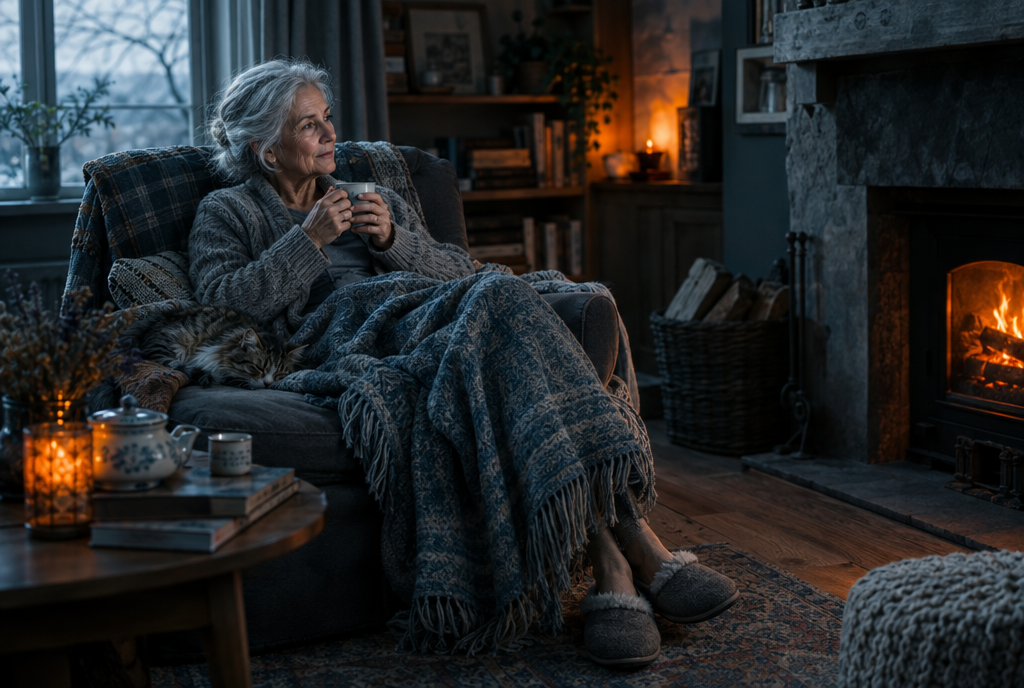
To keep an elderly person warm safely, keep the home heated to at least 68 to 70°F, dress them in loose layers with socks, slippers and a hat, and offer warm meals and drinks. Check on them often, because older adults can develop hypothermia indoors without noticing. Use heating pads, electric blankets and heaters cautiously, since reduced sensation and some medications raise the risk of burns.
Why are older adults more at risk from the cold?
Mayo Clinic explains that the body's ability to regulate temperature and to sense cold may lessen with age, and that some older adults may not be able to tell anyone they are cold or move somewhere warmer. A 2006 National Institute on Aging release noted that with advancing age the body's ability to endure long periods of cold is lowered, and that conditions such as diabetes can weaken the body's response to cold.
Less physical activity also means less body heat. Someone who sits for most of the day in a chair produces far less heat than someone moving around the house.
Can an elderly person get hypothermia indoors?
Yes, and this is the risk families most often miss. The National Institute on Aging has warned that even mildly cool homes, with temperatures of 60 to 65°F, can trigger hypothermia in older people. The CDC lists older adults with inadequate food, clothing or heating among the groups at higher risk.
Hypothermia means the body loses heat faster than it can make it. Mayo Clinic and the CDC define it as a core temperature below 95°F. It can develop slowly, and because it affects thinking, the person may not realize anything is wrong.
What are the warning signs of hypothermia in older adults?
The National Institute on Aging has listed these signs: confusion or sleepiness, slowed or slurred speech, shivering or stiffness in the arms and legs, weak pulse or low blood pressure, and poor control over body movements or slow reactions. Do not rely on shivering alone; most of the signs on that list involve thinking, speech and movement.
NIA advised calling 911 if an older person's temperature is 96°F or lower. The CDC advises getting medical attention immediately for a temperature below 95°F. While waiting for help, move the person to a warm room, replace any damp clothing, and wrap them in blankets, warming the center of the body first. Do not use a heating pad or hot water directly on the skin.
Which medications and conditions increase cold risk?
Mayo Clinic lists certain antidepressants, antipsychotics, narcotic pain medicines and sedatives as drugs that can affect the body's ability to regulate temperature. The 2006 NIA release also mentioned some over-the-counter cold remedies.
Dementia and other conditions that affect judgment can lead someone to dress too lightly or wander outside. Alcohol creates a false sense of warmth while increasing heat loss from the skin. Ask a pharmacist or clinician to review the person's medication list with cold weather in mind; do not stop or change any medicine without their advice.
How warm should an older person's home be?
The National Institute on Aging advised setting the thermostat to at least 68 to 70°F. If heating costs are a concern, keep at least the main living room and bedroom at that level, close vents and doors to unused rooms, and use draft stoppers at doors and windows.
Place a room thermometer where the person spends the most time, not just at the thermostat. Bedrooms, bathrooms and rooms over garages can run colder than the spot where the thermostat sits.
How do you dress an elderly person to stay warm?
Several loose layers are warmer than one tight garment. Choose clothing that is easy to put on and take off, since arthritis or limited mobility can make fiddly fastenings a barrier to adding a layer.
A thin wool, silk or synthetic undershirt and long underwear; Mayo Clinic notes these hold body heat better than cotton.
A sweater, cardigan or vest over the top.
Warm socks and non-slip slippers, since cold floors draw heat from the feet.
A hat or cap indoors if the house is cool, and a blanket or throw over the legs when sitting.
Bed socks and extra blankets at night, when many homes are set cooler.
Are heating pads, electric blankets and heated clothing safe for seniors?
They can be used safely by many people, but older adults face higher risk of burns. Reduced skin sensation, diabetes-related neuropathy, some medications and cognitive changes can all mean a person does not feel heat building or cannot turn a device off. The Oklahoma State Department of Health notes that people with diabetic neuropathy have been burned warming their feet on heating pads or blankets or near heaters because they could not feel the injury, and advises avoiding heating pads and hot water bottles.
If you use heated products, choose low settings, automatic shut-off and simple controls. Keep heat sources off bare skin, never let the person fall asleep on a heating pad, and check skin for redness after use. Heated vests and battery warmers carry the same cautions. The CDC also warns against using heating pads or electric blankets to rewarm frostbitten skin. Talk to the person's clinician before using any heated product if they have diabetes, neuropathy, circulation problems or dementia.
How do you use space heaters safely around older adults?
The U.S. Fire Administration advises keeping anything that can burn at least 3 feet from all heat sources, including space heaters, and turning heaters off when leaving the room or going to bed. Look for tip-over and overheat protection, and keep walkways clear so cords are not a fall hazard.
Fuel-burning heaters, stoves and generators produce carbon monoxide. Make sure the home has working carbon monoxide and smoke alarms, and never use an oven, grill or generator to heat a home.
Key takeaways
Older adults can develop hypothermia indoors; NIA warned that homes at 60 to 65°F can be enough.
NIA has advised keeping the thermostat at least 68 to 70°F.
Watch for confusion, sleepiness, slurred speech and stiffness, not just shivering.
Some antidepressants, antipsychotics, narcotic pain medicines and sedatives affect temperature regulation.
Use heating pads, electric blankets and heated clothing cautiously; reduced sensation raises burn risk.
Frequently asked questions
What is the best way to warm up an elderly person who is cold?
Move them to a warm room, replace any damp clothing, wrap them in blankets, and offer a warm, nonalcoholic drink if they are alert and can swallow safely. If they are confused, very sleepy or their temperature is low, call 911.
What room temperature is too cold for an elderly person?
The National Institute on Aging has warned that homes at 60 to 65°F can trigger hypothermia in older people and has advised keeping the thermostat at least 68 to 70°F. Some people who are ill may need it warmer.
Are heated vests safe for the elderly?
Many older adults can use them, but reduced sensation, neuropathy, some medications and dementia raise the risk of burns. Use low settings, keep heat off bare skin, check skin often, and ask the person's clinician first if any of these apply.
Should elderly people use electric blankets?
Only with care. Choose a model with automatic shut-off and simple controls, preheat the bed and then switch it off or to low, and avoid use if the person cannot sense heat or operate the control.
Why does my elderly parent always feel cold?
Aging can reduce the body's ability to regulate temperature and sense cold, and low activity, low body weight, medications or conditions such as thyroid problems can contribute. Talk to their clinician about persistent cold intolerance.
From HEATJAC
We design low-profile thermal garments: a heat-reflective vest and a thermal harness with pockets for warmers or cold packs.
Choosing gear? Heated vest vs heat-reflective vest · A hunter's guide to staying warm in the stand
Related reading
staying warm at home and with family: the complete winter guide
Keeping a person with dementia warm and safe in cold weather
Sources
Hypothermia: A Cold Weather Hazard for Seniors (news release, 2006), National Institutes of Health, National Institute on Aging
Hypothermia: Symptoms and causes, Mayo Clinic
Preventing Hypothermia, Centers for Disease Control and Prevention
Preventing Frostbite, Centers for Disease Control and Prevention
Heating Fire Safety, U.S. Fire Administration (FEMA)
Burn Prevention and Diabetic Neuropathy, Oklahoma State Department of Health
About HEATJAC. HEATJAC is a thermal architecture company founded by an anesthesiologist. We design patented garment systems that capture, conduct and broaden warmth across the body, and we publish this knowledge hub because the science of staying warm should be public. HEATJAC products are not medical devices and are not intended to diagnose, treat, cure or prevent any disease.