
Staying warm at home and with family: a complete winter guide
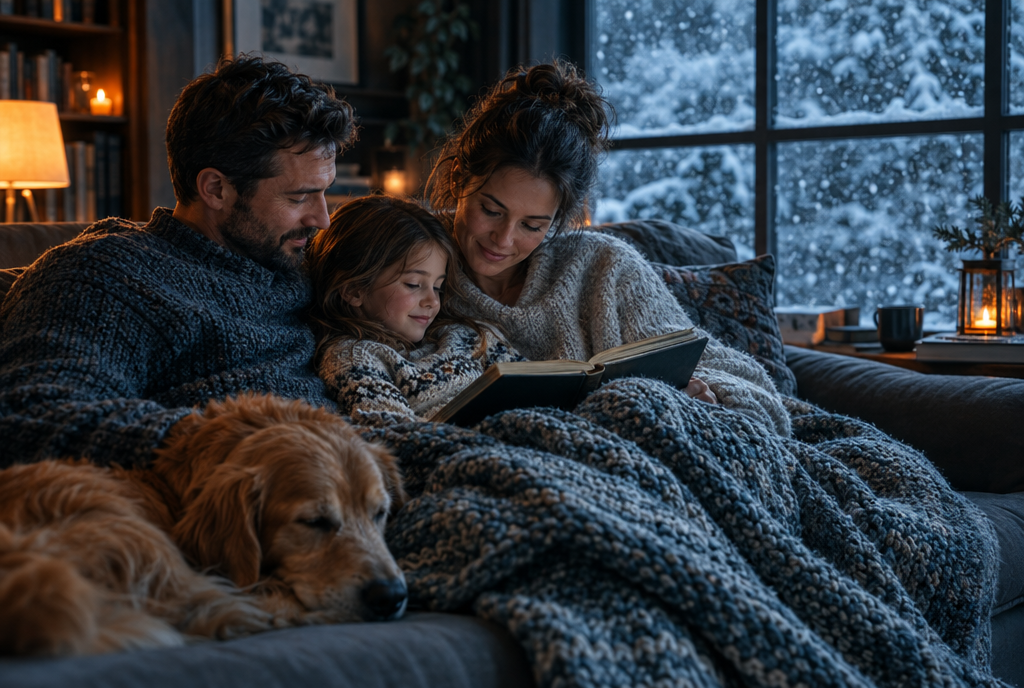
To stay warm in winter at home, keep living spaces heated to a safe level, dress everyone in layers, and use every heat source carefully. Keep space heaters away from anything that can burn, never run generators or grills indoors, and install carbon monoxide alarms. Give babies one more layer than adults, keep bulky coats out of car seats, and plan ahead for outages and travel.
How do you stay warm in winter at home?
Staying warm at home comes down to three things: keeping rooms warm enough, wearing enough, and adding heat safely. The Department of Energy's Energy Saver guidance uses 68°F as the example thermostat setting while a household is home and awake, and notes that turning the thermostat back 10 to 15 degrees for eight hours can save 5% to 15% a year on heating.
Those savings are not worth it for everyone. NIH News in Health advises keeping the heat at 68°F or higher during cold weather, because older adults, young children, and people with certain health conditions or medications are more vulnerable to hypothermia. The CDC suggests older adults keep an easy-to-read thermometer where they will see it, since aging can dull the sense of how cold a room is.
The table below maps the rest of this guide. Each topic has its own article, and the sections that follow summarize what each one covers.
| Topic | Guide | The question it answers |
|---|---|---|
| At home | Staying warm when the power goes out | How to keep a household warm and safe without electricity |
| At home | Staying warm at home without heating | Low-cost ways to stay warm when heat is off or limited |
| At home | Space heater safety | How to use portable heaters without fire or CO risk |
| At home | Electric blanket and heating pad safety | How to use heated bedding and pads without burns or fires |
| Sleep | Best bedroom temperature for sleep | What room temperature supports good sleep |
| Sleep | Cold feet at night | Why feet stay cold in bed and what helps |
| Kids and babies | Keeping kids warm outdoors | How to dress children for winter play |
| Kids and babies | How to dress a baby for cold weather | How many layers a baby needs indoors and out |
| Kids and babies | Winter coats and car seats | Why puffy coats and harnesses do not mix |
| Getting around | Winter car emergency kit | What to keep in the car in winter |
| Getting around | Winter running and walking layers | How to dress for exercise in the cold |
| Getting around | Extreme cold warnings explained | What National Weather Service cold alerts mean |
| Myths | Do you lose heat through your head? | Whether hats matter more than other layers |
| Myths | Does alcohol warm you up? | Why a drink can feel warming |
| Myths | Do hot drinks warm you? | What a hot drink does to body heat |
| Myths | Can you catch a cold from being cold? | How cold weather relates to catching colds |
How do you keep your house warm and safe in winter?
Heat at home is where comfort and risk meet. The CDC recommends a smoke detector and a battery-operated carbon monoxide detector near any area heated by a fireplace, wood stove or kerosene heater, tested monthly.
Carbon monoxide is the hazard you cannot see or smell. The CDC estimates that each year more than 400 Americans die from unintentional carbon monoxide poisoning not linked to fires, more than 100,000 visit an emergency department, and more than 14,000 are hospitalized. Never use a generator, grill, camp stove or charcoal inside a home or garage, even with doors and windows open, and never warm up a car in a closed garage.
| Heat source | Main risk | Key rule |
|---|---|---|
| Space heater | Fire | Keep all sides at least 3 feet from beds, clothes and curtains; plug into a wall outlet |
| Portable generator | Carbon monoxide | Run outside only, at least 20 feet from the house, exhaust pointed away |
| Fireplace, wood or kerosene stove | Fire and carbon monoxide | Annual inspection plus smoke and CO alarms nearby |
| Candles | Fire | Use flashlights or battery candles instead |
| Heating pad or electric blanket | Burns and fire | Follow the maker's instructions and see our safety guide |
How do you stay warm when the power goes out?
An outage turns a warm house cold within hours and pushes people toward risky shortcuts. Our guide to staying warm when the power goes out covers how to gather the household into one room, how to hold heat in, what to wear, and when to leave for a warming center or a friend's home.
It also covers generators. The Consumer Product Safety Commission reports that an average of about 100 consumers die in the US each year from carbon monoxide poisoning from portable generators, and advises running them outside only, at least 20 feet from the house.
How can you stay warm at home without heating?
When the heat is off, broken or simply too expensive to run, the goal is to keep your body warm rather than the whole house. Our guide to staying warm at home without heating walks through layering indoors, blocking drafts, using sunlight, warm food and movement, and which shortcuts to avoid.
How do you use space heaters, electric blankets and heating pads safely?
Portable heaters are useful and unforgiving. CPSC advises keeping all sides of a portable heater at least 3 feet from beds, clothes and curtains, placing it on a stable, level surface, plugging it into a wall outlet rather than a power strip, and never leaving it running unattended in a confined space. Our space heater safety guide explains why each rule matters.
Electric blankets and heating pads put heat directly against the body, so the risks shift toward burns as well as fire. Our electric blanket and heating pad safety guide covers who should be careful, how to use them overnight, and when to retire an old one.
What is the best bedroom temperature for sleep, and how do you warm cold feet?
Sleep brings its own warmth questions. Our article on the best bedroom temperature for sleep looks at what research and sleep organizations say about room temperature, and how bedding and sleepwear change the answer.
Cold feet are one of the most common reasons people cannot fall asleep in winter. Our guide to cold feet at night explains why feet chill first and which simple fixes are worth trying. If cold feet come with numbness, color changes or pain, talk to a clinician.
How do you keep kids and babies warm in winter?
Children often will not stop playing to say they are cold. The American Academy of Pediatrics advises several thin layers for winter play, plus insulated boots, mittens or gloves and a hat. Our guide to keeping kids warm outdoors covers what to wear, how long to stay out, and how to check hands and feet during play.
For babies, the AAP's rule of thumb is that infants should wear one more layer than adults. Our guide to dressing a baby for cold weather covers indoor and outdoor layers, strollers and carriers, and how to tell whether a baby is too cold or too warm. Sleep follows AAP safe sleep guidance, so keep that in mind before adding any bedding.
Car seats are the trap many parents miss. The AAP states that bulky clothing, including winter coats and snowsuits, should not be worn under a car seat harness, because the padding flattens in a crash and leaves the straps loose. Our winter coats and car seats guide explains the pinch test and warm alternatives such as a blanket or coat placed over the buckled harness.
Call your pediatrician or emergency services right away if a child shows warning signs such as intense shivering, unusual sleepiness, confusion, or pale or waxy skin on fingers, toes, ears or nose.
How do you stay warm and safe getting around in winter?
Winter travel can strand you in the cold. The CDC lists a phone and charger, extra blankets, hats, coats and mittens, a shovel and scraper, a first aid kit, jumper cables, sand or cat litter for traction, a battery radio and flashlight, water and snacks as car kit basics. Our winter car emergency kit guide turns that into a checklist and explains what to do if you get stuck.
Our guide to winter running and walking layers explains how to dress so you start slightly cool, stay dry, and keep hands, ears and face protected.
Before any of it, check the forecast. The National Weather Service issues an Extreme Cold Warning when extremely dangerous cold or wind chill values are expected or occurring, an Extreme Cold Watch when they are possible, and a Cold Weather Advisory for dangerous cold that falls short of warning criteria. Our guide to extreme cold warnings explains each alert and what to do when one is issued.
Which winter warmth myths are true?
Our myth guides each give a direct verdict, then the evidence.
Do you lose most of your heat through your head? The article looks at where the idea came from and whether a hat matters more than any other layer. Does alcohol warm you up? It explains the difference between feeling warm and staying warm. Do hot drinks warm you? It weighs the heat in the cup against how the body responds. Can you catch a cold from being cold? It separates viruses from temperature and explains why colds rise in winter.
Who is most at risk from cold at home, and what are the warning signs?
Older adults, babies and young children, and people with certain medical conditions or medications face the greatest risk. NIH News in Health lists early hypothermia signs as cold hands and feet, shivering, a puffy or swollen face, pale skin, sleepiness and clumsiness, progressing to slurred speech, trouble walking and stiff movements. Our guide to keeping an elderly person warm covers home checks, medications and heated product safety for older relatives.
The National Weather Service advises seeing a doctor immediately if your temperature is 95°F or less, you feel cold and sluggish, or you are having trouble thinking clearly. Talk to a clinician about any persistent cold symptoms, and call 911 for suspected hypothermia. For layering and outdoor warmth beyond the home, see our complete staying warm guide.
Key takeaways
Keep homes at 68°F or higher when older adults, young children or vulnerable people live there.
Keep space heaters 3 feet from anything that burns, and never run generators, grills or cars indoors.
Install and test carbon monoxide and smoke alarms, especially near sleeping areas.
Dress babies in one more layer than adults, and keep bulky coats out from under car seat harnesses.
Check National Weather Service cold alerts and keep an emergency kit in the car.
Frequently asked questions
What temperature should I keep my house in winter?
The Department of Energy uses 68°F while you are home and awake as its example setting. NIH News in Health advises at least 68°F during cold weather for older adults and others at higher risk. Avoid deep nighttime setbacks if a baby, older adult or ill person is in the home.
How can I keep warm at home without turning up the heat?
Wear layers indoors, including warm socks and a hat, close off unused rooms, block drafts, and eat warm meals. Use blankets and move around regularly. Our guide to staying warm at home without heating covers each step.
Is it safe to leave a space heater on overnight?
CPSC advises never leaving a portable heater running unattended in a confined space. Keep it at least 3 feet from bedding and curtains and plug it directly into a wall outlet. Working smoke and carbon monoxide alarms add another layer of protection.
Should my child wear a winter coat in a car seat?
No. The AAP says bulky coats and snowsuits should not be worn under a car seat harness because the padding compresses in a crash. Buckle the child in snugly, then put a blanket or the coat on backwards over the straps.
How do I keep my family warm during a winter power outage?
Gather everyone in one room, close doors, add layers and blankets, and keep warm with food and drinks. Run generators only outdoors, at least 20 feet from the house, and never use grills or camp stoves inside. If the home gets too cold, go to a warming center or another heated home.
What are the first signs of hypothermia?
Early signs include shivering, cold hands and feet, pale skin, sleepiness and clumsiness. Confusion, slurred speech and trouble walking mean it is getting worse. Call 911 and start warming the person gently.
From HEATJAC
We design low-profile thermal garments: a heat-reflective vest and a thermal harness with pockets for warmers or cold packs.
Choosing gear? What actually helps someone who is always cold · Warm, safe gifts for an older parent
Related reading
Sources
Winter Weather: Safety Guidelines, Centers for Disease Control and Prevention
Carbon Monoxide Poisoning Basics, Centers for Disease Control and Prevention
As Winter Storms Threaten Millions in the U.S., CPSC Issues Safety Tips to Help Families Prevent Carbon Monoxide Poisoning and Fires (2026), US Consumer Product Safety Commission
During Extremely Cold Weather, National Weather Service (NOAA)
Understanding Cold Weather Alerts, National Weather Service (NOAA)
Winter Car Seat Safety Tips, American Academy of Pediatrics, HealthyChildren.org
Program Your Thermostat for Fall and Winter Savings, US Department of Energy, Energy Saver
The Hazards of Hypothermia, NIH News in Health, National Institutes of Health
About HEATJAC. HEATJAC is a thermal architecture company founded by an anesthesiologist. We design patented garment systems that capture, conduct and broaden warmth across the body, and we publish this knowledge hub because the science of staying warm should be public. HEATJAC products are not medical devices and are not intended to diagnose, treat, cure or prevent any disease.