
How to stay warm when the power goes out in winter
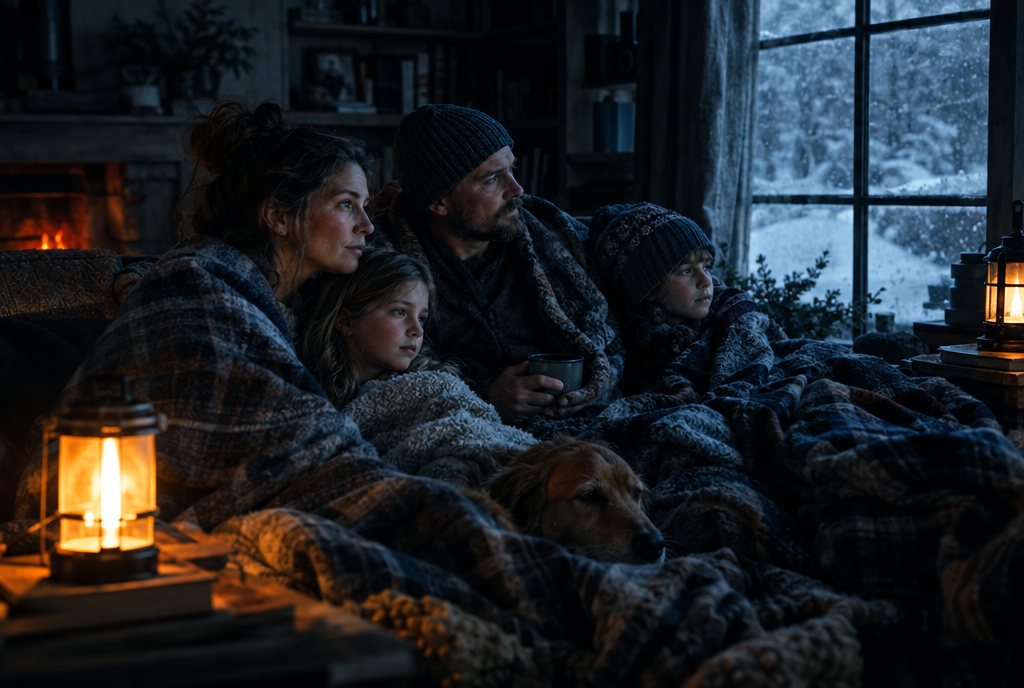
To stay warm without power, move everyone into one small room, close it off, and dress in loose layers with hats, socks and blankets. Eat regular meals, sip warm nonalcoholic drinks and keep moving. Never heat your home with a gas oven, grill, camp stove or generator indoors, because they produce deadly carbon monoxide. If the house keeps getting colder, go to a warming center.
How do you stay warm when the power goes out in winter?
Work in this order: guard against carbon monoxide, concentrate people and heat in one space, then warm bodies with clothing, food and movement. Decide early where you will go if the home gets too cold.
FEMA advises making a plan to stay warm before winter outages happen and considering spending the coldest parts of the day in a location with heat.
Step 1: Confirm that no fuel-burning device is running indoors and that a battery-powered carbon monoxide alarm is working.
Step 2: Pick one room, close it off and gather blankets, sleeping bags and coats there.
Step 3: Dress everyone in dry layers, including hats and socks, and sleep in them.
Step 4: Eat regular meals and drink warm, nonalcoholic fluids.
Step 5: Check indoor temperature and each person's condition every few hours.
Step 6: Leave for a warming center or another warm home if the room keeps cooling or anyone shows warning signs.
How do you keep one room warm without electricity?
Choose a small room with few windows, ideally on the sunny side of the house or in the middle of it, away from exterior walls. The CDC advises closing off unneeded rooms and stuffing towels or rags in cracks under doors. The Department of Energy notes that opening curtains during the day lets in sunlight and closing them at night helps trap heat.
Hang heavy blankets over windows after dark, cover bare floors with rugs, and keep everyone in the same space. Body heat adds up in a small, closed room. A tent inside the room makes an even smaller warm pocket for sleeping.
What should you wear to stay warm without heat?
Wear several loose layers rather than one heavy one, since trapped air does most of the insulating. Cover the head, hands and feet, and change out of anything damp right away.
The CDC lists extra blankets, sleeping bags and warm winter coats as backup heat sources for outages. It also advises eating well-balanced meals and drinking warm, sweet beverages or broth, and avoiding alcohol and caffeine, which it says cause the body to lose heat faster. Light activity adds warmth; avoid working up a sweat.
Is it safe to use a gas stove, oven or grill for heat?
No. The CDC says never use a gas range or oven to heat a home, and never use a charcoal grill, hibachi, lantern or portable camping stove inside a home, tent or camper. FEMA adds the stovetop and clothes dryer to that list and warns against leaving a vehicle running in a garage, even with the door open.
These devices release carbon monoxide, a gas you cannot see or smell. The CDC lists headache, dizziness, weakness, nausea, vomiting, chest pain and confusion as the most common symptoms. If anyone feels sick or an alarm sounds, get everyone into fresh air and call 911 or Poison Control at 1-800-222-1222. The CDC also advises installing a battery-operated CO detector.
Where should a generator go during a power outage?
Outside, and well away from the house. The CDC says never run a generator inside a home, basement or garage, or less than 20 feet from any window, door or vent, and suggests an extension cord longer than 20 feet to keep that distance. The Consumer Product Safety Commission adds that the exhaust should point away from any building.
The risk is real. CPSC estimates that from 2012 to 2022, about 750 people died from carbon monoxide poisoning associated with generators. Let the engine cool before refueling.
Can you use a fireplace, kerosene heater or space heater instead?
The CDC lists a fireplace that is up to code, a gas log fireplace, and portable space heaters or kerosene heaters as possible alternatives. Any fuel-burning heater needs the ventilation its maker specifies and a working carbon monoxide alarm nearby. Keep heat sources at least 3 feet from drapes, furniture and bedding, as the CDC advises, and never leave them running while everyone sleeps.
When should you go to a warming center?
Go when the room you are using keeps getting colder, when you cannot heat it safely, or when someone in the household is at higher risk. The American Red Cross suggests a public library, shopping mall or warming center if your home becomes too cold, and the CDC advises making temporary arrangements to stay elsewhere if you cannot keep your home warm.
Leave early for babies, older adults and anyone who relies on powered medical equipment. The CDC says infants less than one year old should never sleep in a cold room, and FEMA advises talking to your doctor ahead of time about powering medical devices and storing medications during an outage. Local government websites list warming centers when they open.
What are the signs of hypothermia during a power outage?
Hypothermia can build slowly in a cold house, especially overnight. The CDC lists shivering, exhaustion, confusion, fumbling hands, memory loss, slurred speech and drowsiness in adults, and bright red, cold skin and very low energy in infants. It advises getting medical attention immediately if a person's temperature is below 95°F. Talk to a clinician about any symptoms that worry you, and call a pediatrician or 911 for warning signs in a baby.
| Warning sign | What it may mean | What to do |
|---|---|---|
| Headache, dizziness, nausea or confusion in several people | Possible carbon monoxide poisoning | Get to fresh air, then call 911 or Poison Control |
| Shivering, fumbling hands, drowsiness | Early hypothermia | Move to the warmest space, replace damp clothes, add blankets |
| Slurred speech, memory loss, temperature below 95°F | Hypothermia needing care | Call 911 and warm the chest, neck, head and groin first |
| Baby with bright red, cold skin or very low energy | Hypothermia in an infant | Call 911 or a pediatrician and warm the baby now |
| Room temperature keeps falling | Home can no longer be kept safe | Go to a warming center or another heated home |
Key takeaways
Gather everyone in one small, closed room and seal gaps under doors.
Never use a gas oven, stove, grill, camp stove or generator indoors; carbon monoxide kills.
Keep generators outside and at least 20 feet from windows, doors and vents.
Dress in dry layers, eat regular meals and skip alcohol and caffeine.
Go to a warming center early for babies, older adults or anyone who shows signs of hypothermia.
Frequently asked questions
How long will my house stay warm without power?
It depends on insulation, outdoor temperature, wind and how many people are inside. A tight, well-insulated home cools over many hours, while a drafty one can become unsafe overnight. Keep a thermometer in the room you are using and act on the trend, not the clock.
Can I warm up in my car during a power outage?
Only with the car outdoors in open air. FEMA warns never to leave a vehicle running inside a garage, even with the door open, because exhaust contains carbon monoxide. If you sit in a running car, make sure snow is not blocking the tailpipe.
Is it safe to use a gas fireplace when the power is out?
The CDC lists a fireplace that is up to code, including a gas log fireplace, as a backup heat source. Use it only as the manufacturer directs, keep the flue or vent clear, and run a battery-powered carbon monoxide alarm in the home.
How do I keep a baby warm during a power outage?
Dress the baby in warm layers and keep them in the warmest room, but follow safe sleep guidance for bedding. The CDC says infants under one year should never sleep in a cold room, so move to a warm location if you cannot heat one. Call a pediatrician or 911 if the baby has bright red, cold skin or very low energy.
Do candles help heat a room?
Candles give off very little heat and add a fire risk in a dark, crowded room. Use battery-powered flashlights and lanterns for light, and rely on layers, blankets and a closed-off room for warmth.
From HEATJAC
We design low-profile thermal garments: a heat-reflective vest and a thermal harness with pockets for warmers or cold packs.
Choosing gear? What actually helps someone who is always cold · Warm, safe gifts for an older parent
Related reading
Sources
What to Do to Protect Yourself During a Power Outage, Centers for Disease Control and Prevention
Safety Guidelines: During and After a Winter Storm, Centers for Disease Control and Prevention
Preventing Hypothermia, Centers for Disease Control and Prevention
Be Prepared for a Power Outage (FEMA V-1008), FEMA, Ready.gov
Keep Warm and Safe This Winter: Tips for Using Generators, Furnaces and Space Heaters (2026), U.S. Consumer Product Safety Commission
Winter Storm Preparedness and Blizzard Safety, American Red Cross
About HEATJAC. HEATJAC is a thermal architecture company founded by an anesthesiologist. We design patented garment systems that capture, conduct and broaden warmth across the body, and we publish this knowledge hub because the science of staying warm should be public. HEATJAC products are not medical devices and are not intended to diagnose, treat, cure or prevent any disease.