
Can you catch a cold (or get a cold) from being cold?
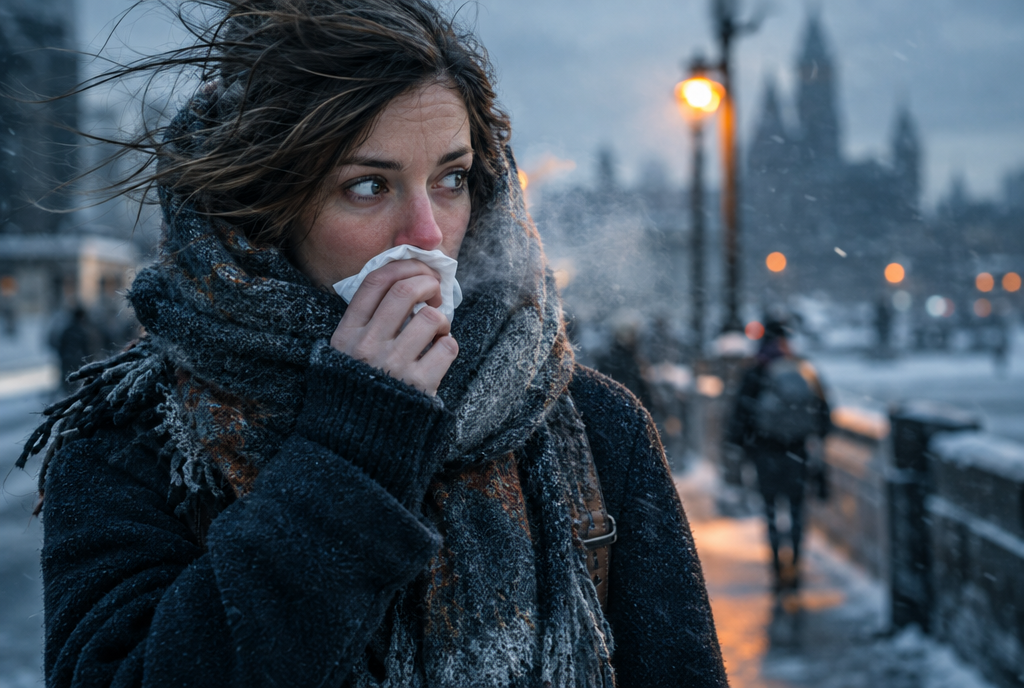
You cannot get a cold from being cold alone, because colds are caused by viruses, most often rhinoviruses. Being chilled may still matter. Research suggests that cooling the body or the inside of the nose can weaken local defenses, making it easier for a virus you have already picked up to take hold and cause symptoms.
What actually causes a cold?
Viruses. According to the CDC, more than 200 respiratory viruses can cause colds, and rhinoviruses are the most frequent cause in the United States. They spread through respiratory droplets from coughs and sneezes, close contact, and touching contaminated surfaces and then your face.
The CDC notes that adults average two to three colds a year, and children get them more often. Without exposure to a virus, no amount of cold weather, wet hair or bare feet will produce a cold.
Does cold exposure weaken the immune system in your nose?
Laboratory research points that way. In a 2022 study in the Journal of Allergy and Clinical Immunology, researchers at Mass Eye and Ear and Northeastern University found that when healthy volunteers moved into 4.4 degree Celsius (39.9 degree Fahrenheit) air for 15 minutes, the temperature inside the nose fell by about 5 degrees Celsius (9 degrees Fahrenheit).
Nasal cells release tiny fluid-filled sacs called extracellular vesicles that act as decoys, catching viruses before they reach the cells. When the team cooled nasal tissue by a similar amount in the lab, vesicle release fell by nearly 42 percent and their antiviral contents were impaired. The tissue work was done outside the body with one coronavirus and two rhinoviruses, so it shows a plausible mechanism rather than proof that cold air causes infections in people.
Earlier work fits the same pattern. A 2015 PNAS study led by Ellen Foxman and Akiko Iwasaki at Yale found that in mouse airway cells, the innate immune response to rhinovirus was weaker at 33 degrees Celsius, close to nasal temperature, than at core body temperature of 37 degrees Celsius.
Can getting chilled bring on cold symptoms?
A 2005 randomized study by researchers at Cardiff University tested this directly. In 180 healthy volunteers, half sat with their feet in cold water for 20 minutes and half did not. Over the next four to five days, 13 of 90 chilled volunteers reported a cold, compared with 5 of 90 controls, a statistically significant difference.
The authors proposed that chilling narrows blood vessels in the nose, reducing the warm blood supply that supports local defenses, so that a mild infection already present can become a symptomatic cold. The study had limits: colds were self-reported and no viral testing was done, and the authors called for further research.
| Claim | What the evidence says |
|---|---|
| Cold weather causes colds | False. Viruses cause colds; you need exposure to one |
| Being chilled can make a cold more likely | Plausible. A randomized foot-chilling study found more self-reported colds after chilling |
| Cold air weakens nasal defenses | Supported in the lab. Cooled nasal tissue released about 42 percent fewer antiviral vesicles |
| Going out with wet hair gives you a cold | Not directly. It can chill you, but no virus means no cold |
| Colds peak in winter only because of cold | Partly. Indoor crowding and other seasonal factors also play a role |
Why are colds more common in winter?
Several factors likely overlap. People spend more time indoors and close together, which helps viruses spread. The nasal findings above add a biological piece: cooler airways may defend less well. Researchers note that the 2022 study did not address other seasonal factors such as humidity, crowding or vitamin D, so no single explanation covers everything.
What can you do to lower your risk?
Because the CDC notes that colds spread through droplets, close contact and contaminated surfaces, the core steps focus on the virus: wash your hands, avoid touching your face, and keep your distance from people who are sick. Staying comfortably warm is a reasonable extra step, and it costs nothing.
If you have a high fever, trouble breathing, symptoms that keep getting worse, or you are at higher risk of complications, talk to a clinician about your symptoms. The CDC notes that flu and COVID-19 can look like a cold at first, and testing and antiviral options work best when started early.
Key takeaways
Colds are caused by viruses, most often rhinoviruses, not by cold temperatures alone.
A 2022 lab study found cooler nasal tissue released nearly 42 percent fewer antiviral vesicles.
A 2005 randomized study linked foot chilling to more self-reported colds in the following days.
Winter colds likely reflect indoor crowding plus weaker airway defenses in the cold.
Hand washing and avoiding sick contacts come first; staying warm is a sensible addition.
Frequently asked questions
Can you get sick from going outside with wet hair?
Not without a virus. Wet hair can chill you, and chilling may make it easier for a virus you already carry to cause symptoms, but the virus is the cause.
Does cold weather lower your immune system?
Research suggests cold can weaken local defenses in the nose, the first place many respiratory viruses land. That does not mean cold weather shuts down your immune system overall.
Why do I always get a cold after being cold?
You may have been exposed to a virus already, and chilling may have tipped a mild infection into symptoms. Winter also brings more indoor time with other people, which raises exposure.
Should I wear a scarf over my nose to prevent colds?
Covering your nose and mouth keeps the airway warmer and is a reasonable comfort step. There is no direct trial showing it prevents colds, so hand washing and avoiding sick contacts remain the core advice.
When should I see a doctor for a cold?
Talk to a clinician if you have trouble breathing, a high or persistent fever, symptoms that keep getting worse, or a condition that raises your risk of complications. Flu and COVID-19 can start like a cold and may need testing.
Does being cold cause a cold?
No, a virus causes it, and without exposure to one you will not develop a cold however chilled you get. Being cold may make it easier for a virus already in your nose to cause symptoms. That is why the answer is a partial yes rather than a flat no.
Can you catch a cold from being wet and cold?
Not without a virus, but getting wet and chilled may tip the balance. In a 2005 randomized study, volunteers who sat with their feet in cold water for 20 minutes reported more colds over the next four to five days than those who did not. Colds were self-reported and no viral tests were done, so the finding is suggestive rather than proof.
Can you catch a chill from being cold?
You can certainly get chilled, which means cold skin, goosebumps and shivering, and that passes once you warm up. Chills with a fever are different: they are a sign that your body is fighting an infection. If chills come with a high or persistent fever, talk to a clinician.
Can you get a cold any time of year?
Yes. The CDC notes that you can get a cold at any time of year, and symptoms usually peak within 2 to 3 days of infection. Colds are more common in winter, likely because of indoor crowding and possibly weaker nasal defenses in cold air.
From HEATJAC
We design low-profile thermal garments: a heat-reflective vest and a thermal harness with pockets for warmers or cold packs.
Choosing gear? What actually helps someone who is always cold · Warm, safe gifts for an older parent
Related reading
Sources
About Common Cold, Centers for Disease Control and Prevention
Cold exposure impairs extracellular vesicle swarm-mediated nasal antiviral immunity, Journal of Allergy and Clinical Immunology, 2022
Why Upper Respiratory Infections Are More Common in Colder Temperatures, Harvard Medical School
Acute cooling of the feet and the onset of common cold symptoms, Family Practice (Oxford Academic), 2005
About HEATJAC. HEATJAC is a thermal architecture company founded by an anesthesiologist. We design patented garment systems that capture, conduct and broaden warmth across the body, and we publish this knowledge hub because the science of staying warm should be public. HEATJAC products are not medical devices and are not intended to diagnose, treat, cure or prevent any disease.