
Why your hands and feet get cold first
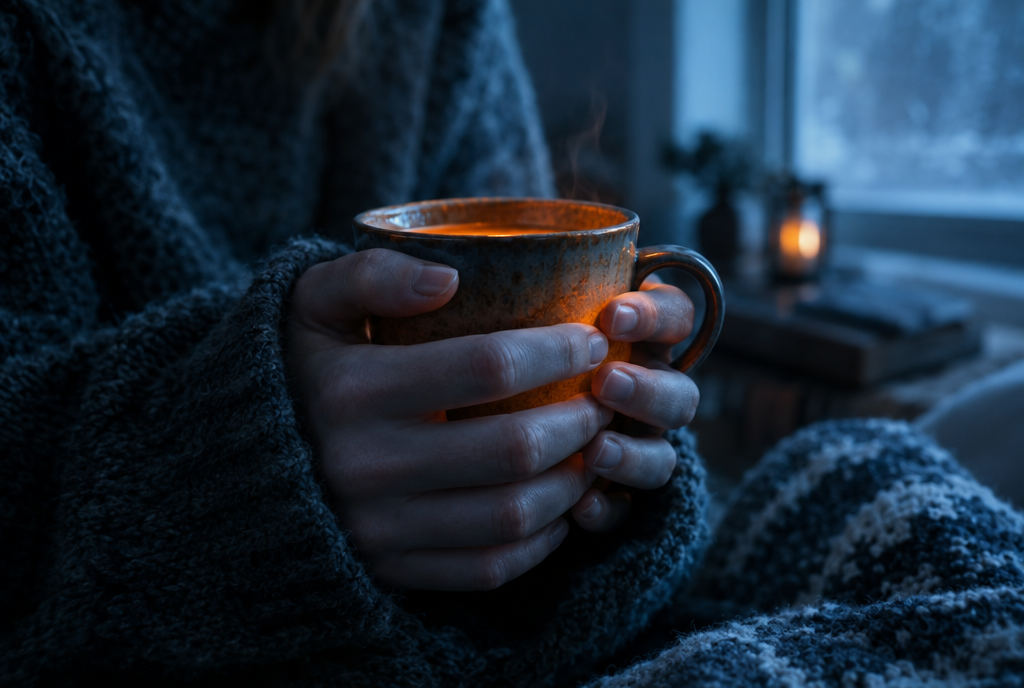
Hands and feet get cold first because, when the body senses cold, it narrows blood vessels in the skin of the extremities to keep warm blood near the vital organs. Fingers and toes also have a large surface area for their small volume and sit far from the core, so they lose heat quickly once warm blood flow drops.
Why do my hands and feet get cold first?
Your body puts core temperature first. The brain, heart and other organs work best in a narrow temperature range, so when heat loss rises the body gives up warmth at the edges to protect the center. Hands and feet are the first place that trade-off shows.
The response is automatic. The hypothalamus, the brain's temperature control center, acts through the sympathetic nervous system to constrict small arteries in the skin. Less warm blood reaches the skin surface, so less heat escapes, and the skin of the fingers and toes cools.
What makes hands and feet different from the rest of the body?
Hands, feet and ears contain specialized vessels called arteriovenous anastomoses. These muscular shunts connect small arteries directly to the network of veins under the skin, bypassing the capillaries. When they open, they deliver large volumes of warm blood to the skin to shed heat. When they close, skin blood flow in these areas can drop sharply.
This makes the extremities the body's main radiator. It is useful in heat, and it is why fingers can go from warm to cold in minutes when you step outside.
Geometry adds to the effect. Fingers and toes are thin, with a lot of skin surface relative to the tissue inside them, and they sit at the end of long limbs. With little internal heat of their own, they cool quickly once warm blood slows.
Why do cold hands and feet feel worse than the thermometer suggests?
Skin has both warmth and cold receptors, and temperature sensing in the periphery is tuned mainly to detect cool and cold. Cold fingers therefore feel uncomfortable long before core temperature changes at all.
Contact makes it worse. Holding a cold tool, standing on a cold floor or wearing damp gloves or socks adds conductive loss on top of reduced blood flow. Tight boots or gloves can also squeeze out insulating air.
What is cold-induced vasodilation?
During prolonged cold exposure, many people notice their fingers periodically warm, flush or tingle. This is cold-induced vasodilation, a temporary reopening of vessels in cold fingers that researchers have studied as a protective response against cold injury.
The response varies widely between individuals and tends to weaken as the whole body cools. It is not something to rely on in place of good gloves and warm layers.
Which body parts are most at risk in the cold?
According to Mayo Clinic, frostbite is most common on the fingers, toes, ears, cheeks, chin and tip of the nose. These are the same thin, exposed or far-from-core areas that cool first. Wet and windy conditions speed up heat loss, and tight clothing can restrict blood flow.
| Factor | Why it cools hands and feet first |
|---|---|
| Vasoconstriction | Skin vessels narrow to keep warm blood in the core |
| Arteriovenous anastomoses | Shunts in hands, feet and ears can close and cut skin blood flow sharply |
| Surface area to volume | Thin fingers and toes lose heat quickly and store little |
| Distance from core | Blood cools on the way to the ends of the limbs |
| Contact and moisture | Cold tools, floors and damp gloves or socks add conductive loss |
When are cold hands a sign of something else?
Cold hands in cold weather are normal. Some patterns deserve attention. In Raynaud's, fingers or toes can turn pale and then bluish in response to cold or stress, then change color and throb or tingle as they rewarm. Mayo Clinic notes that primary Raynaud's is more common in women, while secondary Raynaud's can accompany conditions such as scleroderma or lupus.
Conditions that affect blood flow or nerves, such as diabetes, can also change how hands and feet handle cold and how well you can feel injury. If your fingers or toes change color, stay numb, develop sores, or feel cold far more than others around you, talk to a clinician about your symptoms.
What helps keep hands and feet warmer?
Keep the core and head warm, which reduces one of the signals that tells the body to limit blood flow to the skin.
Choose mittens or gloves with insulated palms and fingers, and keep a dry spare pair.
Wear socks and boots with room for trapped air rather than tight layers, and use insulated insoles on cold floors.
Limit direct contact with cold metal and wet surfaces, and use insulated grips where you can.
Stay dry and change damp gloves or socks promptly.
Key takeaways
When you are cold, the body narrows skin blood vessels in the extremities to protect core temperature.
Hands, feet and ears contain arteriovenous anastomoses that can sharply cut skin blood flow when they close.
Thin fingers and toes lose heat quickly because they have a lot of surface for little volume.
Frostbite most often affects fingers, toes, ears, cheeks, chin and nose.
Color changes, persistent numbness or sores are reasons to talk to a clinician.
Frequently asked questions
Why do my hands get cold but my body is warm?
Your body can feel warm while it is still limiting skin blood flow to the hands, especially if you were recently cold or are sitting still. Fingers also lose heat quickly because of their shape. Warming your core and head and wearing insulated gloves usually helps.
Why are my feet always cold?
Feet are far from the core, have vessels that constrict readily in cold, and are often in contact with cold floors. Damp socks and tight footwear add to it. If cold feet come with numbness, color change or slow-healing sores, talk to a clinician.
Do women have colder hands than men?
Many women report colder hands, and primary Raynaud's is more common in women according to Mayo Clinic. Individual differences in body size, muscle mass and vascular responses all play a part.
Is it bad if my fingers turn white in the cold?
Fingers that turn white or blue and then red as they rewarm may indicate Raynaud's. It is worth discussing with a clinician, especially if episodes are frequent, painful or new later in life.
Does keeping your core warm help cold hands?
Keeping the torso and head warm removes one of the body's reasons to restrict blood flow to the skin, so many people find their hands stay more comfortable. Gloves are still needed because hands also lose heat directly.
Which part of the body gets cold first?
The fingers and toes usually get cold first, followed by the ears, nose and cheeks. When you are exposed to cold, the body narrows blood vessels in the skin of the extremities to keep warm blood around the vital organs, and these thin, exposed parts lose heat fastest. They are also where frostbite is most common.
Why do feet get cold first?
Feet sit farthest from the heart and core, have vessels in the skin that close down readily in the cold, and are often in direct contact with cold floors or ground. Damp socks and tight footwear add conductive heat loss and squeeze out insulating air. Insulated insoles, dry socks and roomy boots help.
Why do my ears and nose get cold so fast?
Ears and the tip of the nose are thin, stick out from the head and have little tissue to store heat, so they cool quickly in wind. Like the hands and feet, the ears contain special shunt vessels that can sharply cut skin blood flow in the cold. Cover them in windy or very cold weather, since they are common frostbite sites.
From HEATJAC
We design low-profile thermal garments: a heat-reflective vest and a thermal harness with pockets for warmers or cold packs.
Choosing gear? Heated vest vs heat-reflective vest · The thermal gear buying, safety and care guide
Related reading
Sources
Physiology, Thermal Regulation (StatPearls), NCBI Bookshelf, National Library of Medicine
Physiology, Temperature Regulation (StatPearls), NCBI Bookshelf, National Library of Medicine
Arterio-venous anastomoses in the human skin and their role in temperature control, Temperature (Taylor and Francis), 2015
Relation between finger cold-induced vasodilation and rewarming speed after cold exposure, PubMed Central
Frostbite: Symptoms and causes, Mayo Clinic
Raynaud's disease: Symptoms and causes, Mayo Clinic
About HEATJAC. HEATJAC is a thermal architecture company founded by an anesthesiologist. We design patented garment systems that capture, conduct and broaden warmth across the body, and we publish this knowledge hub because the science of staying warm should be public. HEATJAC products are not medical devices and are not intended to diagnose, treat, cure or prevent any disease.