
Does alcohol warm you up? What drinking does to body heat
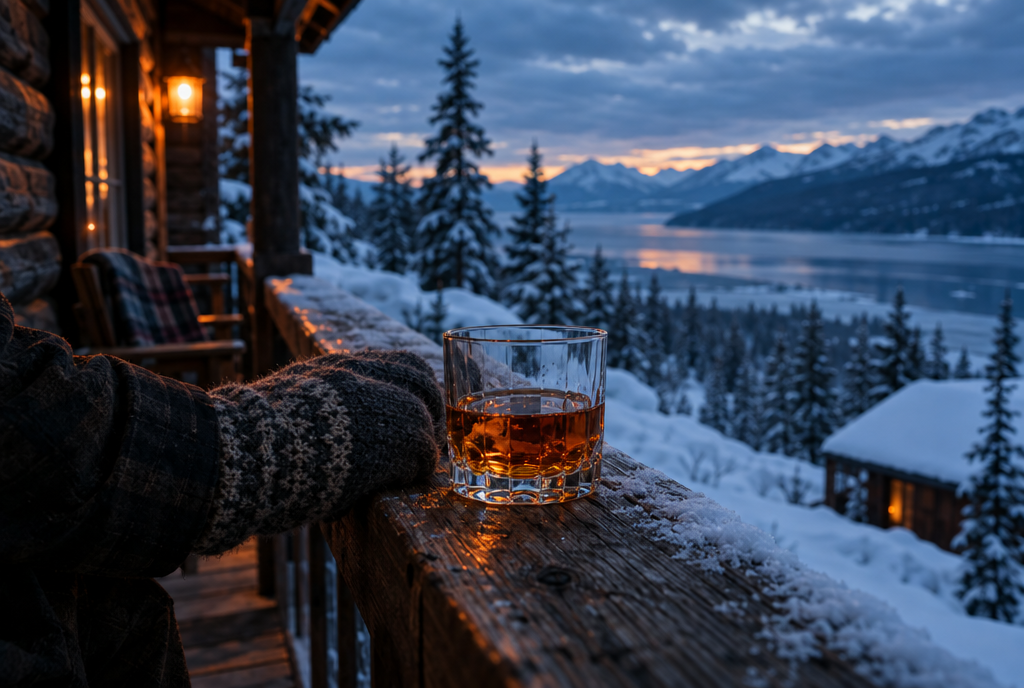
No. Alcohol makes you feel warmer, but it does not warm you up. It widens blood vessels in the skin, which brings warm blood to the surface and creates a flush of warmth while your core loses heat faster. It also dulls the brain's temperature control and can weaken shivering, which raises the risk of hypothermia in the cold.
Why does alcohol make you feel warm?
Alcohol is a vasodilator. The National Institute on Alcohol Abuse and Alcoholism (NIAAA) explains that it widens the tiny blood vessels just under the skin, so they fill with warm blood. That is why drinking can bring a flushed face, a feeling of heat and even sweating.
The warmth you feel is warmth on the move. Your skin temperature sensors detect warm blood near the surface and report comfort, while heat is being carried away from the core toward the skin, where it escapes into cold air.
Does alcohol lower your body temperature?
Yes, in the cold it tends to. NIAAA notes that while alcohol pulls warmth from the core to the skin, it also depresses the part of the brain that regulates temperature. In cold environments, the combination can lead to hypothermia.
Normally, cold triggers vasoconstriction, a narrowing of skin blood vessels that keeps warm blood near the vital organs. A CDC report on hypothermia deaths describes how alcohol causes vasodilation that produces a brief warming sensation but interferes with this vasoconstriction, the body's main physiological defense against cold.
How does alcohol affect shivering?
Shivering is the body's heat generator. A 1994 review in the Journal of Wilderness Medicine by Freund, O'Brien and Young concluded that the main way alcohol worsens the fall in core temperature during cold exposure appears to be impaired shivering, linked to alcohol-induced low blood sugar. The effect grew with blood alcohol level and was worse when blood sugar was low.
The review also noted that body composition, the severity of the cold, nutrition and tolerance to alcohol all change the response. The direction, however, is consistent: alcohol weakens the defenses you rely on to stay warm.
| Claim | What the evidence says |
|---|---|
| A drink warms you up | False. It moves heat to the skin, where it is lost, while you feel warmer |
| Alcohol lowers core temperature in the cold | True. NIAAA and CDC describe increased heat loss and a blunted cold response |
| It only matters at high doses | Partly. Effects grow with blood alcohol level, and low blood sugar makes them worse |
| A hot toddy is safer than a cold drink | No. The alcohol has the same effect regardless of the drink's temperature |
| Give brandy to someone who is very cold | False. NHS, CDC and Mayo Clinic all say not to give alcohol to someone with hypothermia |
Why is alcohol a hypothermia risk?
The physiological effects stack with behavioral ones. Alcohol affects judgment, so people may underdress, stay out longer, ignore shivering or fall asleep outdoors. The CDC report on hypothermia-related deaths described hypothermia as an important cause of preventable deaths in the United States, especially among people who misuse alcohol.
Older adults, people with low body weight and anyone who has not eaten are more vulnerable, because they have fewer reserves for generating heat.
What should you do if someone who has been drinking gets very cold?
Warning signs of hypothermia include shivering, pale or cold skin, slurred speech, slow breathing, drowsiness and confusion. Shivering may stop as body temperature falls further, which is a sign things are getting worse. Alcohol can mask or mimic several of these signs, so do not assume someone is just drunk.
Call emergency services for suspected hypothermia. While you wait, NHS and CDC guidance is to move the person to shelter, remove wet clothing, wrap them in blankets, and offer a warm non-alcoholic drink only if they are fully awake. Do not give alcohol. If you have questions about how alcohol interacts with your own health or medications, talk to a clinician.
Key takeaways
Alcohol makes you feel warm but increases heat loss from the core.
It widens skin blood vessels and blunts the brain's temperature control.
It can impair shivering, especially when blood sugar is low.
Alcohol raises hypothermia risk through both physiology and poor judgment in the cold.
Never give alcohol to someone who is very cold; call for help and offer a warm non-alcoholic drink only if they are fully alert.
Frequently asked questions
Does alcohol keep you warm in winter?
No. It creates a feeling of warmth by sending blood to the skin, but that speeds heat loss from the core. In cold conditions it raises the risk of hypothermia.
Why do I feel hot after drinking?
Alcohol widens the small blood vessels under the skin, so warm blood reaches the surface. Your skin senses that warmth, and some people flush or sweat.
Does a hot toddy or mulled wine warm you up?
The warm liquid feels comforting, but the alcohol still widens skin blood vessels and adds to heat loss. A warm non-alcoholic drink gives the comfort without that effect.
Is it safe to drink alcohol at an outdoor winter event?
If you drink, dress for the cold, eat, and plan a warm place and a safe ride home. Alcohol makes it harder to notice you are getting too cold, so check on the people you are with.
Should you give brandy to someone with hypothermia?
No. NHS, CDC and Mayo Clinic guidance all say not to give alcohol to someone with hypothermia. Call emergency services and offer a warm, sweet non-alcoholic drink only if the person is fully awake.
From HEATJAC
We design low-profile thermal garments: a heat-reflective vest and a thermal harness with pockets for warmers or cold packs.
Choosing gear? What actually helps someone who is always cold · Warm, safe gifts for an older parent
Related reading
Sources
The Truth About Holiday Spirits, National Institute on Alcohol Abuse and Alcoholism (NIH)
Hypothermia-Related Deaths, Philadelphia, 2001, and United States, 1999 (MMWR), Centers for Disease Control and Prevention
Alcohol ingestion and temperature regulation during cold exposure, Journal of Wilderness Medicine, 1994
Hypothermia, NHS
Hypothermia: First aid, Mayo Clinic
Cold-related Illnesses in Workers, CDC / NIOSH
About HEATJAC. HEATJAC is a thermal architecture company founded by an anesthesiologist. We design patented garment systems that capture, conduct and broaden warmth across the body, and we publish this knowledge hub because the science of staying warm should be public. HEATJAC products are not medical devices and are not intended to diagnose, treat, cure or prevent any disease.