
How to stay warm ice fishing
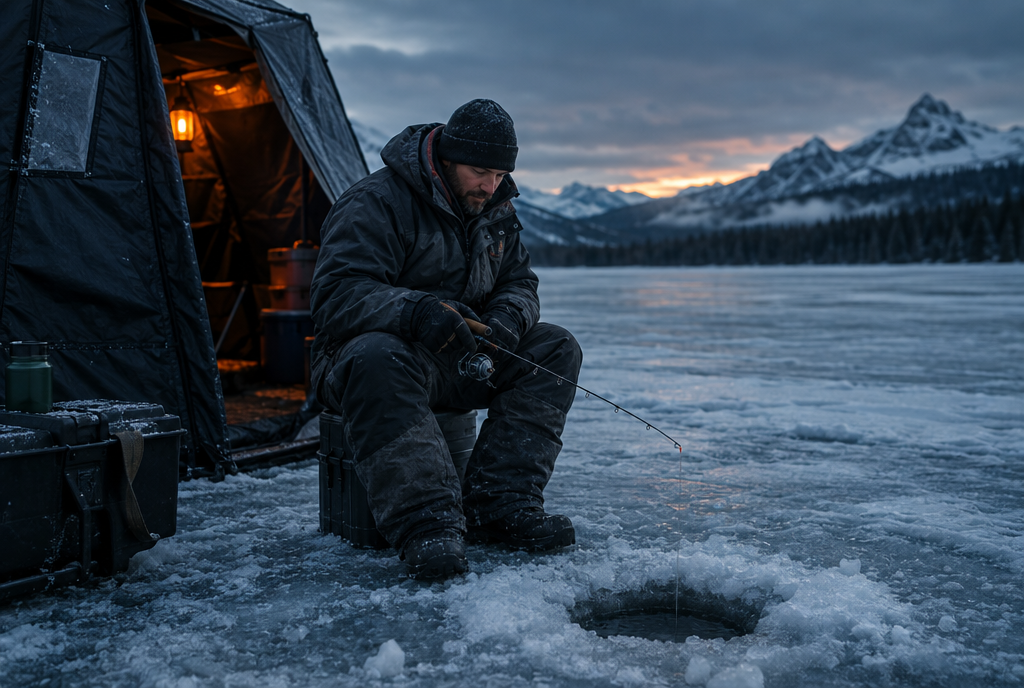
To stay warm ice fishing, dress in wicking, insulating and windproof layers, wear insulated rubber-soled boots with wool socks, and get off the ice surface by standing or sitting on insulation. Block the wind with a shelter, keep your hands dry, and eat and drink regularly. If you use a heater, choose one rated for indoor use, ventilate, and run a carbon monoxide detector.
Why does ice fishing feel so cold?
Ice fishing combines almost every way the body loses heat. You sit still for hours, so your body produces little heat. Open ice gives wind a free run at you. Your boots rest on a frozen surface that pulls heat from your feet, and your hands go in and out of cold water while you handle line, bait and fish.
Dressing well means addressing each of these: insulation for the sit, a windproof outer layer, insulation under your feet, and a plan for wet hands.
What should you wear ice fishing?
Minnesota DNR's ice fishing curriculum explains that layers of clothing trap body heat between them and can be added or removed as the weather and your activity change. The first layer should wick moisture away from the skin, and wool and fleece retain some insulating value when wet.
Base: midweight or heavyweight merino or synthetic long underwear.
Insulation: fleece or a puffy jacket, plus insulated bibs.
Outer: a windproof, water-resistant shell or a flotation-style ice suit.
Head and face: warm hat, neck gaiter or balaclava for wind.
Hands: waterproof insulated mittens for travel, thinner gloves for fishing, and a spare dry pair.
How do you keep your feet warm on the ice?
Minnesota DNR recommends boots that are insulated and rubber-soled, noting that rubber soles keep feet dry and give some traction, along with thick wool socks. Leave room in the boot; a tight fit squeezes out insulation and restricts blood flow.
Put something between you and the ice. A foam pad or piece of carpet under your feet, and an insulated seat rather than a bare bucket lid, cut conductive heat loss noticeably. Change into dry socks if your feet sweat during the walk or auger work.
How do you keep your hands warm while fishing?
Wet hands chill fast. Keep a small towel in a pocket and dry your hands every time they touch water. Rotate between a thin fishing glove and a warm mitten, and keep an air-activated warmer in the mitten or a jacket pocket so you can rewarm quickly.
Warm hands depend on a warm core. If your torso is cold, add a layer rather than only adding hand warmers.
Tip-ups and hole skimming keep hands in contact with water and slush more than jigging does. Set up so the most wet work happens early, while you are still warm from the walk out, and keep your warmest mittens reserved for the trip back across the ice.
Are heaters safe in an ice fishing shelter?
Heaters make shelters comfortable, but fuel-burning heaters produce carbon monoxide, an odorless gas. CDC estimates that more than 400 Americans die from unintentional carbon monoxide poisoning not linked to fires each year, and more than 100,000 visit an emergency department.
Minnesota DNR's shelter guidance is specific:
Every ice shelter should have a carbon monoxide detector; sensors have an average life span of about five years.
A propane-heated shelter needs a vent near the top and another within one foot of the ground.
Keep vents clear, because snow can block them and let carbon monoxide build up.
Keep propane cylinders outside the shelter, except small one-pound cylinders on portable heaters.
Use only heaters designed for indoor use; never use sunflower-type heaters inside.
Headache, nausea, dizziness, fatigue, shortness of breath or confusion mean fresh air immediately.
How thick does ice need to be, and what safety gear should you carry?
Minnesota DNR's general guideline is at least 4 inches of new, clear ice for fishing or other activities on foot. White or snow ice is only about half as strong, so double that figure. The agency stresses that ice can be two feet thick in one spot and an inch thick a few yards away, so check as you go.
Its recommended gear list starts with a foam life jacket or flotation suit, followed by ice picks, because pulling yourself onto slick, wet ice with numb fingers is extremely difficult. Add a whistle, ice cleats, a chisel or auger and tape measure for checking thickness, a rope, and a phone in a waterproof case.
How do you recognize and respond to hypothermia on the ice?
CDC lists shivering, exhaustion, confusion, fumbling hands, memory loss, slurred speech and drowsiness as warning signs in adults. A body temperature below 95°F calls for medical attention immediately. Minnesota DNR's curriculum adds a dazed expression, stumbling and difficulty speaking.
If a partner shows these signs, get them into a heated shelter or vehicle, replace wet clothing with dry layers, and get help. Talk to a clinician before winter trips if you have a heart condition or a condition that affects circulation or sensation in your hands and feet.
Key takeaways
Layer for a long sit: wicking base, warm insulation, windproof shell.
Get off the ice: insulated rubber-soled boots, wool socks, and a pad underfoot.
Keep hands dry and rotate between fishing gloves and warm mittens.
Heat shelters only with indoor-rated heaters, two vents and a carbon monoxide detector.
Check ice thickness as you go and carry a flotation layer and ice picks.
Frequently asked questions
What is the warmest way to ice fish?
Fishing from a windproof shelter with an indoor-rated heater, proper ventilation and a carbon monoxide detector is the warmest setup. Add insulated clothing, insulation under your feet and seat, and a dry spare set of gloves and socks.
What boots are best for ice fishing?
Insulated, waterproof boots with rubber soles and enough room for thick wool socks. Minnesota DNR notes rubber soles keep feet dry and add traction. Ice cleats over the boots help on slick ice.
Can I use a propane heater in an ice shelter?
Only a heater designed for indoor use, with a vent near the top and one near the floor, and a working carbon monoxide detector. Minnesota DNR advises keeping larger propane cylinders outside and never using sunflower-type heaters inside.
How do I keep my hands warm when handling fish?
Dry your hands every time they get wet, switch between thin gloves and warm mittens, and keep a warmer in a pocket. A warm core also helps your hands stay warm.
Is 4 inches of ice safe?
Minnesota DNR's guideline is 4 inches of new, clear ice for travel on foot, doubled for white ice. It also warns that no ice is completely safe and thickness varies across a lake, so check repeatedly.
From HEATJAC
We design low-profile thermal garments: a heat-reflective vest and a thermal harness with pockets for warmers or cold packs.
Choosing gear? Heated vest vs heat-reflective vest · A hunter's guide to staying warm in the stand
Related reading
Sources
Ice Fishing and Winter Safety (MinnAqua Leader's Guide), Minnesota Department of Natural Resources
General Ice Thickness Guidelines, Minnesota Department of Natural Resources
Ice Safety Gear, Minnesota Department of Natural Resources
Carbon Monoxide Poisoning in Ice Shelters, Minnesota Department of Natural Resources
Carbon Monoxide Poisoning Basics, Centers for Disease Control and Prevention
Preventing Hypothermia, Centers for Disease Control and Prevention
About HEATJAC. HEATJAC is a thermal architecture company founded by an anesthesiologist. We design patented garment systems that capture, conduct and broaden warmth across the body, and we publish this knowledge hub because the science of staying warm should be public. HEATJAC products are not medical devices and are not intended to diagnose, treat, cure or prevent any disease.