
What is perioperative hypothermia? Definition, causes and risks
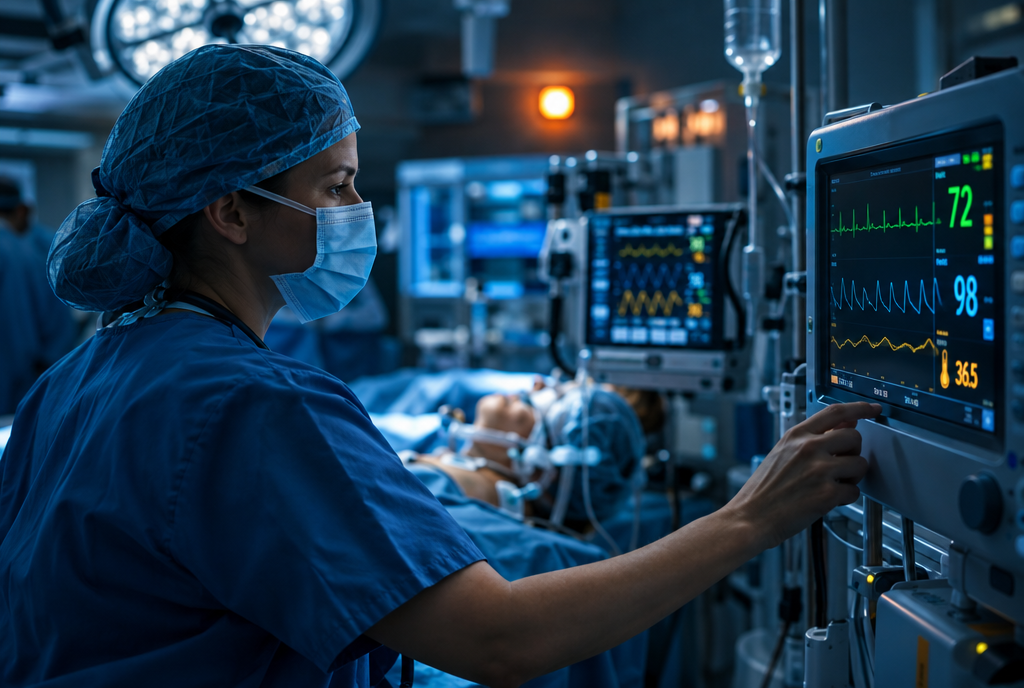
Perioperative hypothermia is a core body temperature below 36.0°C (96.8°F) in the period around surgery. It is common because anesthesia impairs the body's temperature control and moves heat from the core to the skin, while patients lie exposed in a cool room. Even mild hypothermia is linked to more bleeding, wound infection, cardiac events and patient discomfort.
How is perioperative hypothermia defined?
NICE clinical guideline CG65 defines hypothermia in surgical patients as a core temperature below 36.0°C. AORN uses the same threshold, a core temperature below 36°C (96.8°F), and applies it to a defined window that runs from one hour before induction of anesthesia to 24 hours after the patient enters the postanesthesia care unit.
The word "inadvertent" is often added because the drop is unplanned. That separates it from therapeutic cooling, which is deliberate, and from accidental hypothermia in the community, which StatPearls defines at a lower threshold of 35°C. The perioperative definition is stricter because small drops already change outcomes in surgical patients.
The practical goal in surgery is normothermia: keeping the patient at or above that threshold continuously, from the ward through the operating room to recovery, rather than rewarming after the fact.
How common is hypothermia during surgery?
Very common. An AORN clinical article reports that hypothermia occurs in 50 to 70 percent of patients undergoing general anesthesia, and that induction alone can lower core temperature by up to 1.6°C.
Active warming reduces the problem but does not remove it. In a 2015 Anesthesiology analysis of nearly 59,000 surgical patients, all of whom were warmed with forced air, the American Society of Anesthesiologists reported that 64 percent fell below 36°C in the first hour and nearly half stayed below that level for more than an hour.
Why does anesthesia make patients cold?
Anesthesia does not simply remove a blanket. It resets the thermostat. OpenAnesthesia notes that the threshold for protective vasoconstriction falls to roughly 34.5°C under general anesthesia, and the shivering threshold falls about 1°C lower still. The body stops defending its core until it is already hypothermic.
The temperature drop follows a recognizable three-phase pattern:
Redistribution phase: in the first hour, vasodilation lets warm core blood flow into cooler arms and legs, and core temperature falls by about 1 to 1.5°C. Little heat has left the body yet; it has only moved.
Linear phase: heat loss to the room exceeds metabolic heat production, and core temperature keeps falling slowly.
Plateau phase: core temperature stabilizes, often near 34.5°C, once vasoconstriction finally switches on or losses match production.
Where does the heat go in the operating room?
OpenAnesthesia identifies radiation as the main route of heat loss during surgery, followed by convection, with smaller amounts lost through conduction and evaporation. A patient's warm skin radiates to cooler walls, ceilings and equipment, and room air moving across exposed skin carries more heat away.
Surgical factors add to this. Open body cavities expose large, moist surfaces, skin preparation solutions evaporate, and fluids cool the body: OpenAnesthesia estimates that each liter of intravenous fluid given at room temperature lowers mean body temperature in an adult by about 0.25°C. The operating room itself is usually kept cool for staff comfort and ventilation performance.
The practical lesson is that heat loss starts the moment the patient is undressed in pre-op holding and continues through transport to recovery. Protection has to cover every phase, not only the time on the operating table.
Who is at highest risk?
NICE CG65 lists five risk factors and treats a patient as higher risk when any two apply:
ASA physical status grade II to V, with risk rising as the grade rises
Preoperative temperature below 36.0°C
Combined general and regional anesthesia
Major or intermediate surgery
Risk of cardiovascular complications
| Risk factor | Why it matters |
|---|---|
| Low body mass index | Less insulating tissue and a smaller heat reserve (named by AORN) |
| Advanced age | Weaker thermoregulatory responses (named by AORN) |
| Procedures longer than two hours | More time in the linear phase of heat loss (named by AORN) |
| Combined general and regional anesthesia | Both central and peripheral vasoconstriction are blunted (named by NICE) |
What are the consequences of perioperative hypothermia?
Mild hypothermia is not a harmless side effect. OpenAnesthesia and AORN describe a consistent set of complications: impaired platelet function and more blood loss, higher surgical site infection risk from reduced tissue perfusion and immune function, prolonged action of neuromuscular blockers and other anesthetic drugs, and shivering that raises myocardial oxygen demand in patients with heart disease.
Two landmark randomized trials from the 1990s, Kurz and colleagues on wound infection (1996) and Frank and colleagues on morbid cardiac events (1997), shaped modern practice, and they are still cited in current trials. Recent trials also list patient discomfort and longer hospital stays among the consequences, and AORN names delayed wound healing and prolonged recovery.
How is perioperative hypothermia prevented?
Prevention is a bundle rather than a single device. NICE recommends measuring temperature before surgery, active prewarming for at least 30 minutes, active warming during surgery, warmed fluids, an ambient room temperature of at least 21°C while the patient is exposed, and continued monitoring in recovery. Each element is covered in detail across this cluster.
Patients who are worried about feeling cold, or who have conditions that make them sensitive to cold, should tell their surgical and anesthesia team before the day of surgery. Anyone with questions about their own care should talk to a clinician.
Key takeaways
Perioperative hypothermia is a core temperature below 36.0°C (96.8°F), per NICE and AORN.
Anesthesia lowers the thresholds for vasoconstriction and shivering, so the body stops defending its core.
Most early heat loss is redistribution from core to limbs, about 1 to 1.5°C in the first hour.
It remains common even with active warming, and it is linked to bleeding, infection and cardiac stress.
Prevention combines prewarming, active warming, warmed fluids, room temperature and monitoring.
Frequently asked questions
What temperature is considered hypothermia during surgery?
NICE and AORN both define perioperative hypothermia as a core temperature below 36.0°C (96.8°F). This is higher than the 35°C threshold used for accidental hypothermia outside the hospital because small drops already affect surgical outcomes.
Why do patients get cold under anesthesia?
Anesthetic drugs lower the temperature at which the body triggers vasoconstriction and shivering. At the same time, vasodilation moves warm blood from the core to the limbs, so core temperature falls in the first hour even before much heat leaves the body.
What is redistribution hypothermia?
It is the first phase of perioperative cooling, when heat shifts from the core to the cooler periphery after induction. OpenAnesthesia puts the drop at about 1 to 1.5°C in the first hour, which is why prewarming the periphery before induction helps.
Is perioperative hypothermia dangerous?
It is associated with more blood loss, higher infection risk, slower drug clearance, cardiac stress from shivering and significant discomfort. The risk depends on the patient and the procedure, which is why guidelines call for routine monitoring and active warming.
Does regional anesthesia cause hypothermia too?
Yes. Spinal and epidural anesthesia block vasoconstriction in the affected area, and NICE lists combined general and regional anesthesia as a specific risk factor. Temperature should be monitored during major procedures under neuraxial anesthesia as well.
From HEATJAC
We design low-profile thermal garments: a heat-reflective vest and a thermal harness with pockets for warmers or cold packs.
Choosing gear? What nurses and OR staff should look for in thermal gear · Getting a thermal vest approved for clinical areas
Related reading
Sources
Hypothermia: prevention and management in adults having surgery (CG65), Recommendations, National Institute for Health and Care Excellence (NICE)
Mastering Temperature Control: A Perioperative Nurse's Guide to Preventing Hypothermia, AORN
Intraoperative Hypothermia, OpenAnesthesia (International Anesthesia Research Society)
Many surgical patients experience hypothermia despite active warming (news release on Sessler et al., Anesthesiology, 2015), American Society of Anesthesiologists
Hypothermia (StatPearls), NCBI Bookshelf
About HEATJAC. HEATJAC is a thermal architecture company founded by an anesthesiologist. We design patented garment systems that capture, conduct and broaden warmth across the body, and we publish this knowledge hub because the science of staying warm should be public. HEATJAC products are not medical devices and are not intended to diagnose, treat, cure or prevent any disease.