
Knowledge
Sourced guides on how the body stays warm, how patients and clinicians are kept comfortable, how crews work safely in cold and heat, and how warming gear works. Pick the theme closest to your world.
Ready to choose gear? Browse all buyer’s guides →
Free tools: wind chill and frostbite calculator, cold work warm-up schedule, what to wear by temperature, which warmth setup is right for you? and the warmth runtime and cost calculator. All tools and data →

Science of Warmth
For anyone who wants to understand how the body makes, keeps and loses heat.
Start here
Popular
All Science of Warmth articles →
Healthcare
For clinicians, perioperative teams and hospital leaders.
Start here
Popular
- How to stay warm in the operating room
- What is perioperative hypothermia?
- Forced-air vs conductive warming

Work and Duty
For employers, safety leads, crews, service members and EMS.
Start here
Popular
All Work and Duty articles →
Everyday Life and Health
For people who feel the cold, and for daily life outdoors.
Start here
- Cold sensitivity and Raynaud’s
- Staying warm in everyday life
- Staying warm at home and with family
- Staying warm with a health condition or disability
Popular
All Everyday Life and Health articles →
Heat and Cooling
For hot jobs, heavy protective gear and personal heat sensitivity.
Start here
Popular
All Heat and Cooling articles →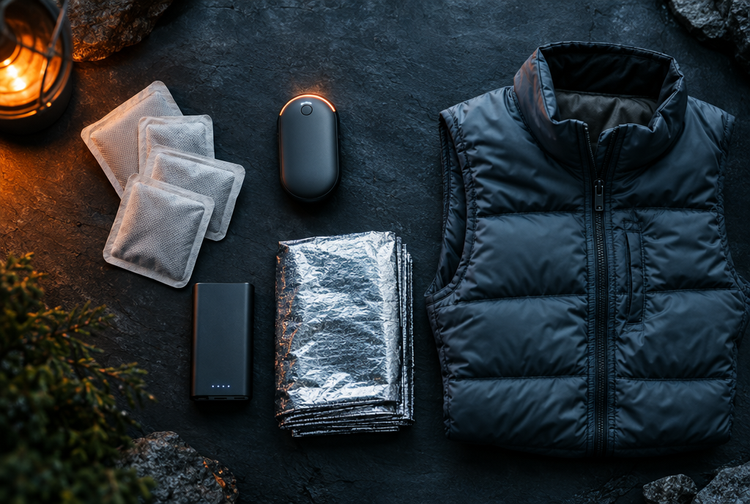
Technology and Gear
For choosing, using and caring for warming gear.
Start here
Popular
All Technology and Gear articles →All articles

Primary vs secondary Raynaud's: what the difference means
Primary Raynaud's happens on its own, usually starts in the teens or twenties, and is generally mild. Secondary Raynaud's is caused by another condition, medicine or exposure, often begins later in adulthood, and is more likely to cause finger sores. Clinicians tell them apart with a history, an exam, a look at the nailfold capillaries and blood tests such as ANA.
Cold hands and feet: causes, patterns and practical fixes
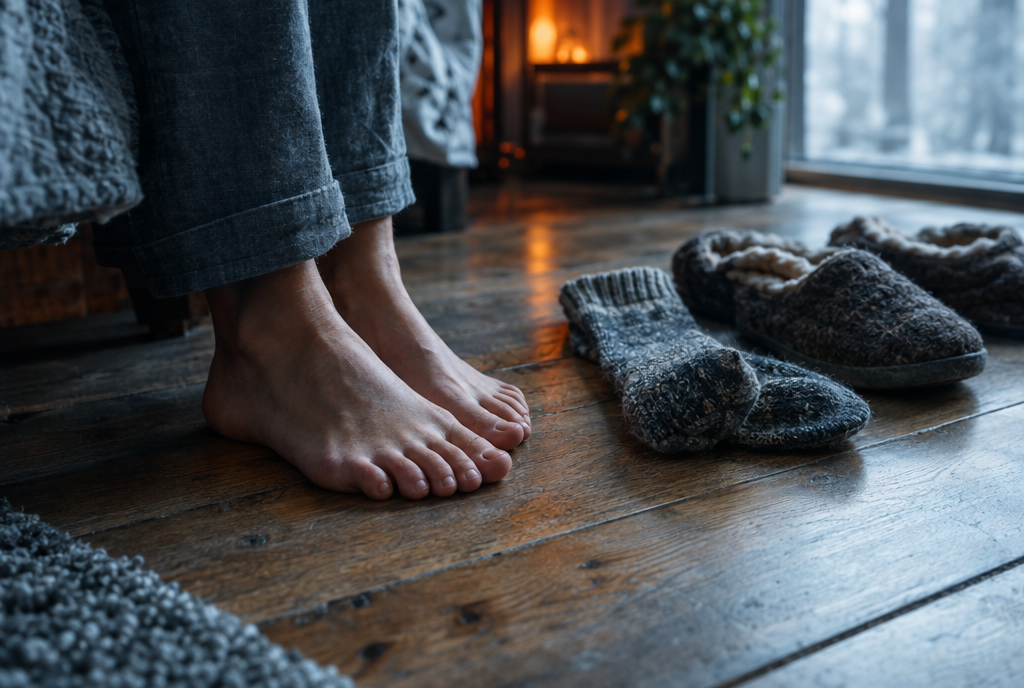
Cold hands and feet are usually the body's normal way of protecting core temperature by narrowing blood vessels in the skin. The pattern tells you more than the coldness itself: episodes of white or blue fingers suggest Raynaud's, one-sided coldness can point to blocked arteries, and numbness with cold feet may reflect nerve damage. Most people improve by warming the whole body.

Why am I always cold? Common causes and when to see a doctor
Feeling cold all the time is often a normal difference in how your body conserves heat, shaped by body size, activity and clothing. Persistent or worsening cold can also come from hypothyroidism, anemia, very low body weight, Raynaud's phenomenon or other blood vessel problems. If cold intolerance is long-term, extreme or comes with fatigue or other new symptoms, see a clinician.
Raynaud’s, A Practical Guide To Staying Warm
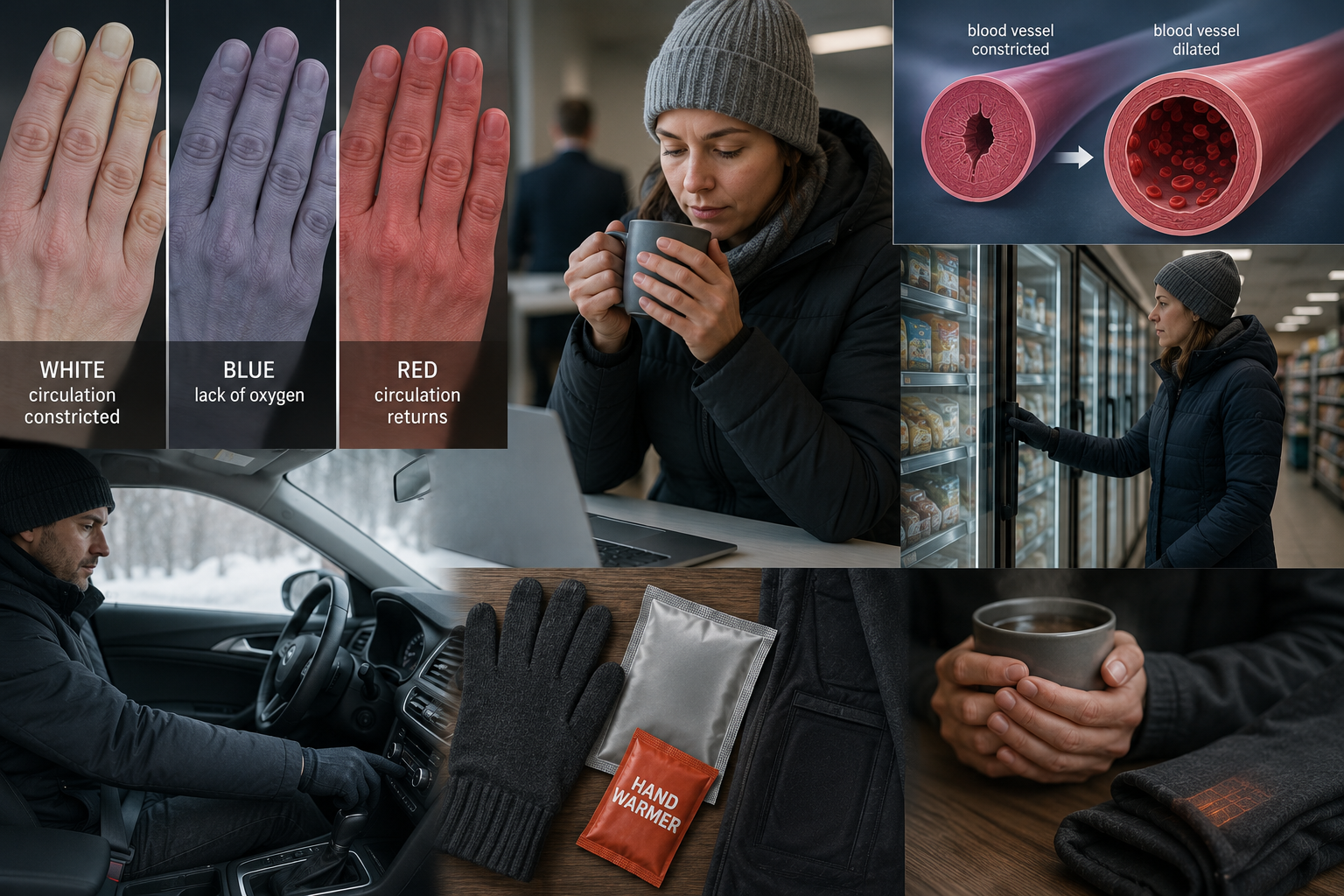
What Raynaud’s phenomenon is, what triggers episodes, and practical, everyday strategies people use to stay warm. Medically reviewed. Not medical advice.

Staying warm outdoors and at home: the complete layering and warmth guide
The best way to stay warm outside is to layer: a wicking base layer, an insulating mid layer and a wind- and water-resistant shell, plus a hat, mittens and warm socks. Stay dry by venting before you sweat, block wind, insulate yourself from cold ground, and eat and drink regularly. Indoors, keep living spaces warm, especially for older adults, and use heaters and heated products carefully.

Cold sensitivity and Raynaud's: a practical guide to staying warm
Feeling colder than the people around you is common and often harmless, but it can also point to Raynaud's phenomenon, an underactive thyroid, anemia or nerve changes. A practical plan has two parts: notice the pattern of your symptoms so a clinician can look for a cause, and build a warmth routine that keeps your whole body, especially your core, comfortably warm.