
Knowledge
Sourced guides on how the body stays warm, how patients and clinicians are kept comfortable, how crews work safely in cold and heat, and how warming gear works. Pick the theme closest to your world.
Ready to choose gear? Browse all buyer’s guides →
Free tools: wind chill and frostbite calculator, cold work warm-up schedule, what to wear by temperature, which warmth setup is right for you? and the warmth runtime and cost calculator. All tools and data →
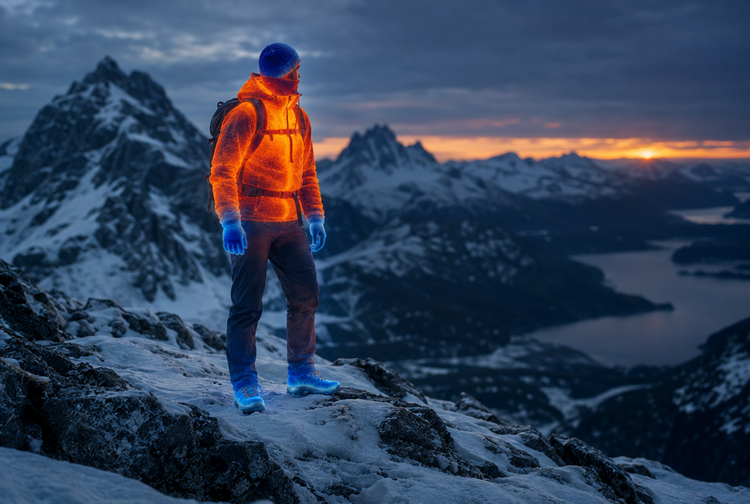
Science of Warmth
For anyone who wants to understand how the body makes, keeps and loses heat.
Start here
Popular
All Science of Warmth articles →
Healthcare
For clinicians, perioperative teams and hospital leaders.
Start here
Popular
- How to stay warm in the operating room
- What is perioperative hypothermia?
- Forced-air vs conductive warming
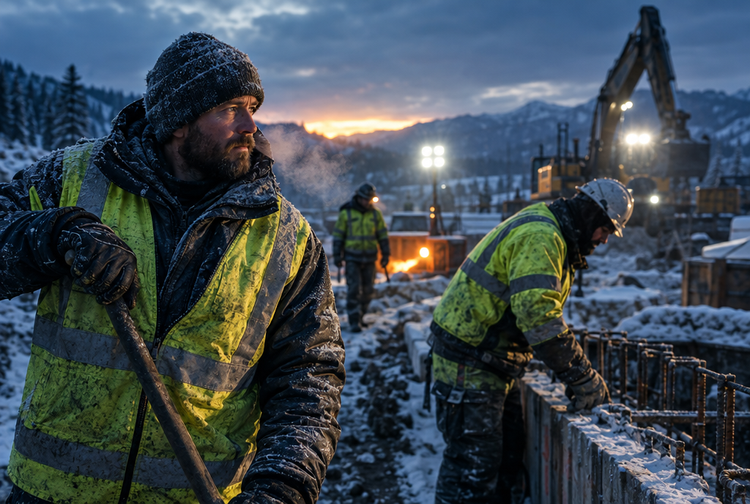
Work and Duty
For employers, safety leads, crews, service members and EMS.
Start here
Popular
All Work and Duty articles →
Everyday Life and Health
For people who feel the cold, and for daily life outdoors.
Start here
- Cold sensitivity and Raynaud’s
- Staying warm in everyday life
- Staying warm at home and with family
- Staying warm with a health condition or disability
Popular
All Everyday Life and Health articles →
Heat and Cooling
For hot jobs, heavy protective gear and personal heat sensitivity.
Start here
Popular
All Heat and Cooling articles →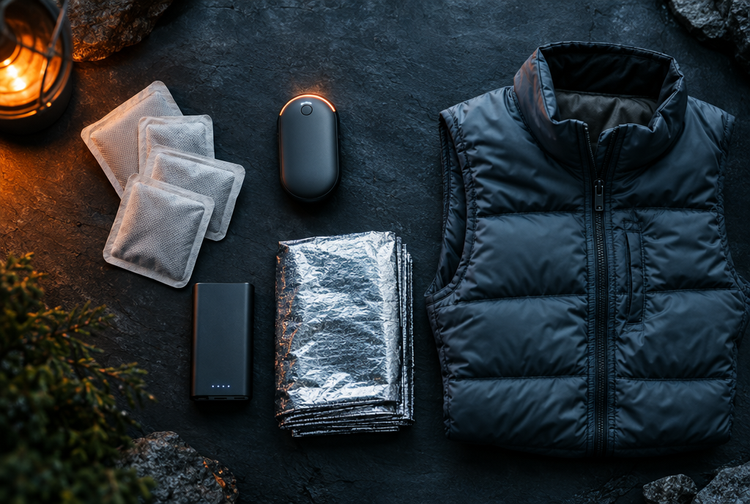
Technology and Gear
For choosing, using and caring for warming gear.
Start here
Popular
All Technology and Gear articles →All articles

Personal cooling and heat stress: a complete guide
A cooling vest is a garment that draws heat away from the torso using evaporating water, ice, phase-change packs, or circulating liquid or air. Research shows cooling vests can lower skin temperature and make heat feel more tolerable, but they supplement rather than replace the basics of heat stress prevention: water, rest, shade, acclimatization and recognizing heat illness early.
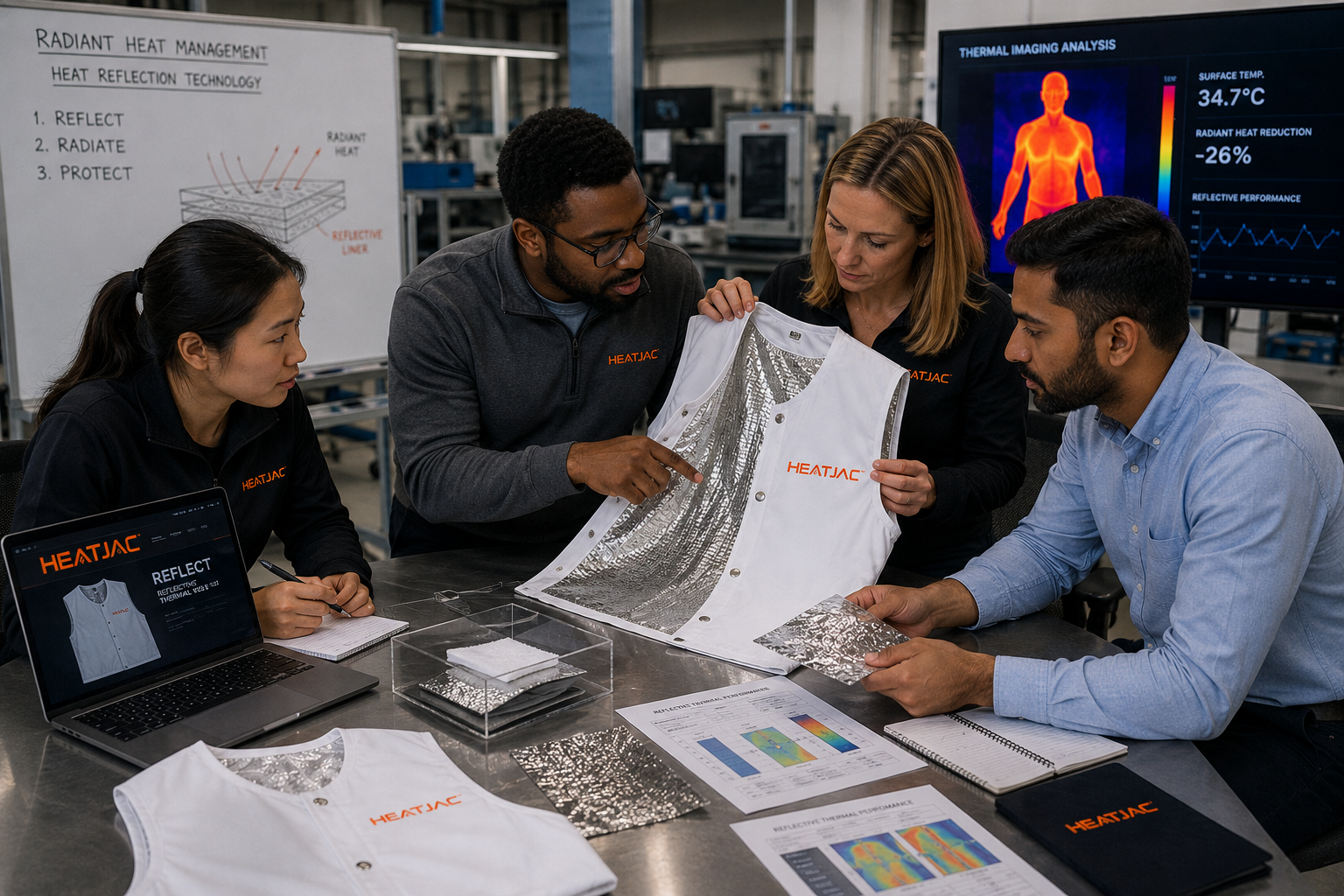
The Science of Heat-Reflective Thermal Technology: How Heat Reflection Supports Thermal Comfort
Heat-reflective thermal technology helps manage radiant heat transfer through advanced material science. Explore how thermal reflection, radiant heat loss, and heat-reflective liners are influencing the future of thermal comfort solutions and wearable innovation.
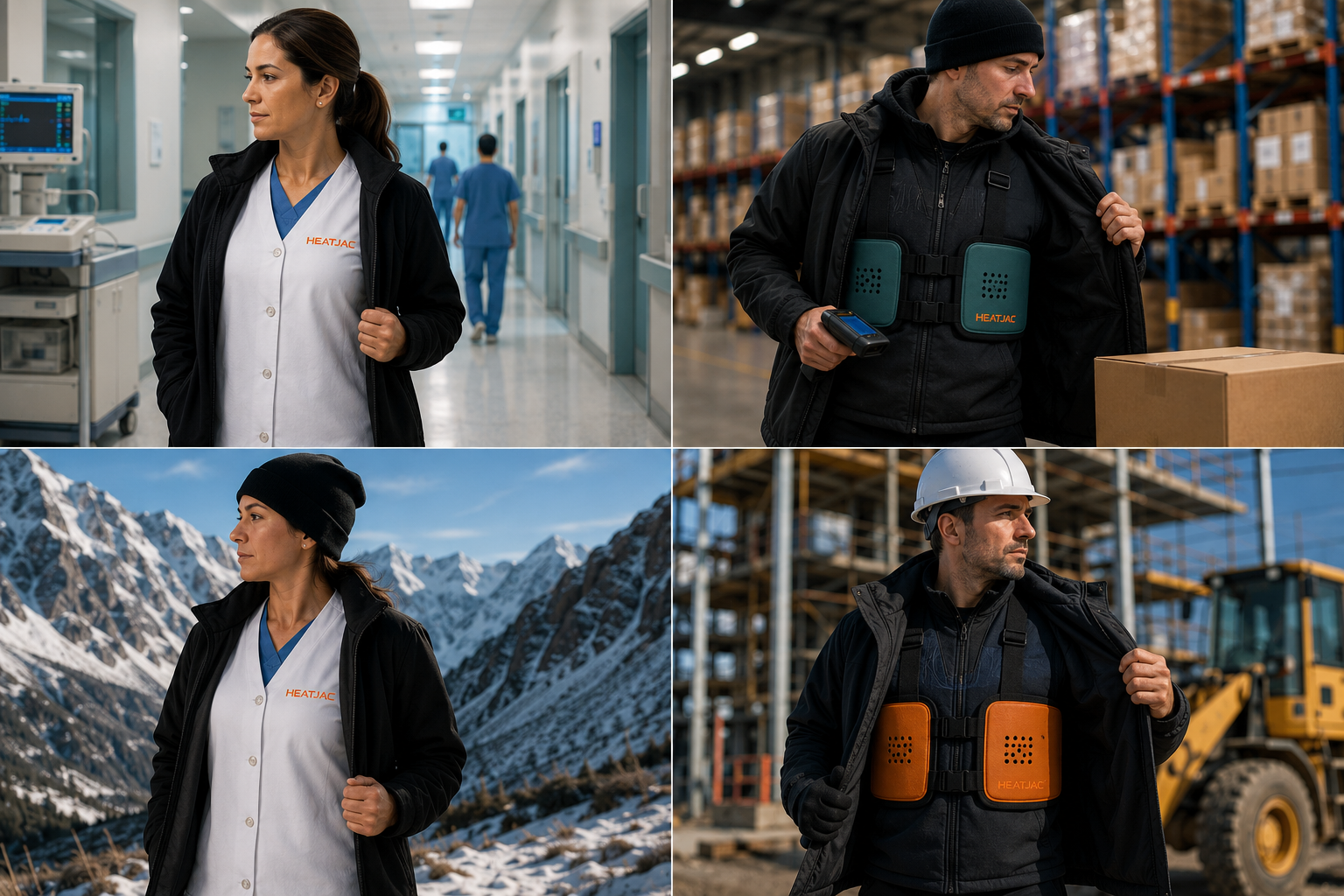
Wearable Thermal Technology: The Next Frontier in Personal Comfort for Professionals
Wearable thermal technology is creating new ways to support comfort, mobility, readiness, and environmental adaptability across professional and personal use cases.
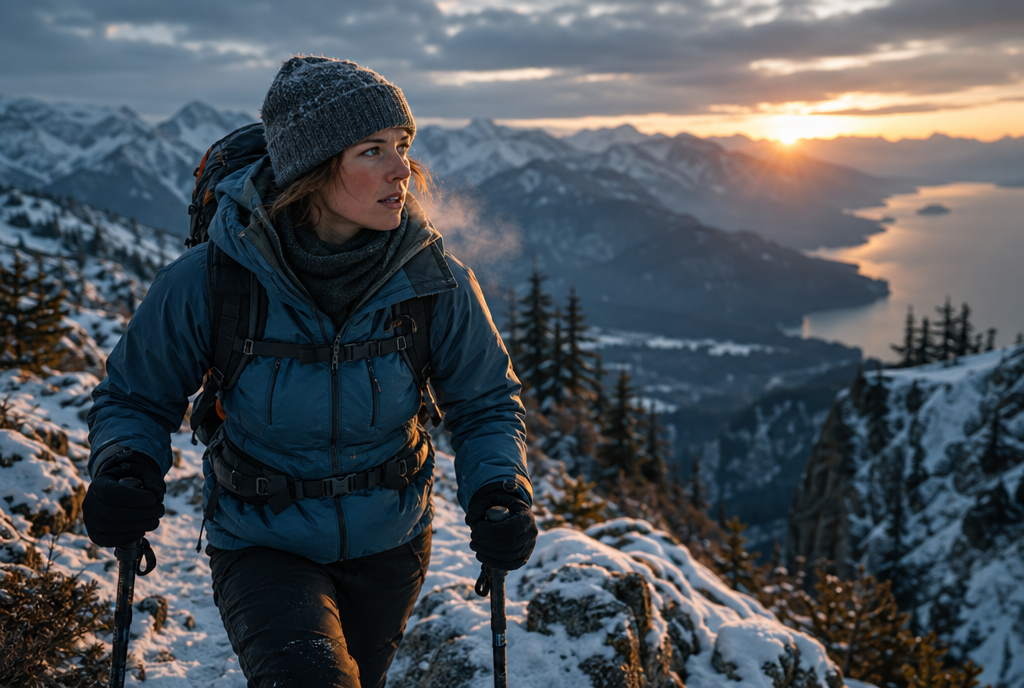
Staying warm outdoors and at home: the complete layering and warmth guide
The best way to stay warm outside is to layer: a wicking base layer, an insulating mid layer and a wind- and water-resistant shell, plus a hat, mittens and warm socks. Stay dry by venting before you sweat, block wind, insulate yourself from cold ground, and eat and drink regularly. Indoors, keep living spaces warm, especially for older adults, and use heaters and heated products carefully.
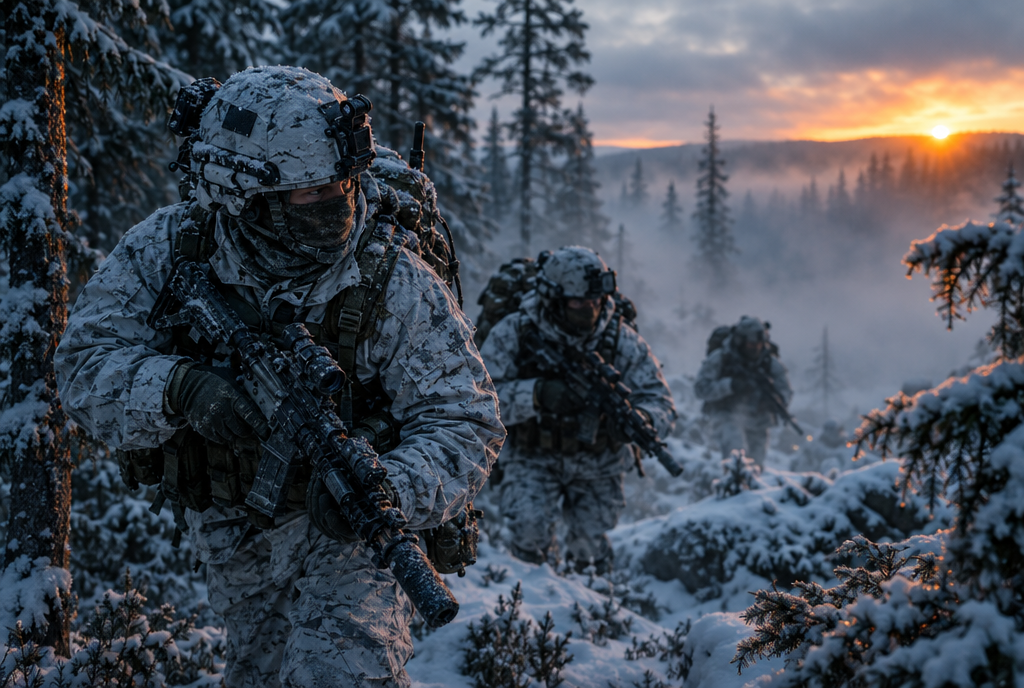
Cold-weather readiness: thermal systems for military, tactical and EMS teams
Cold-weather readiness means solving two thermal problems at once: keeping the team warm, dry and able to use their hands, and keeping casualties from losing heat. Military practice relies on adjustable layering such as the Army's seven-level ECWCS, strict moisture control to avoid cold injuries, and casualty warming kits like the HPMK. Batteries, body armor and procurement rules shape every choice.
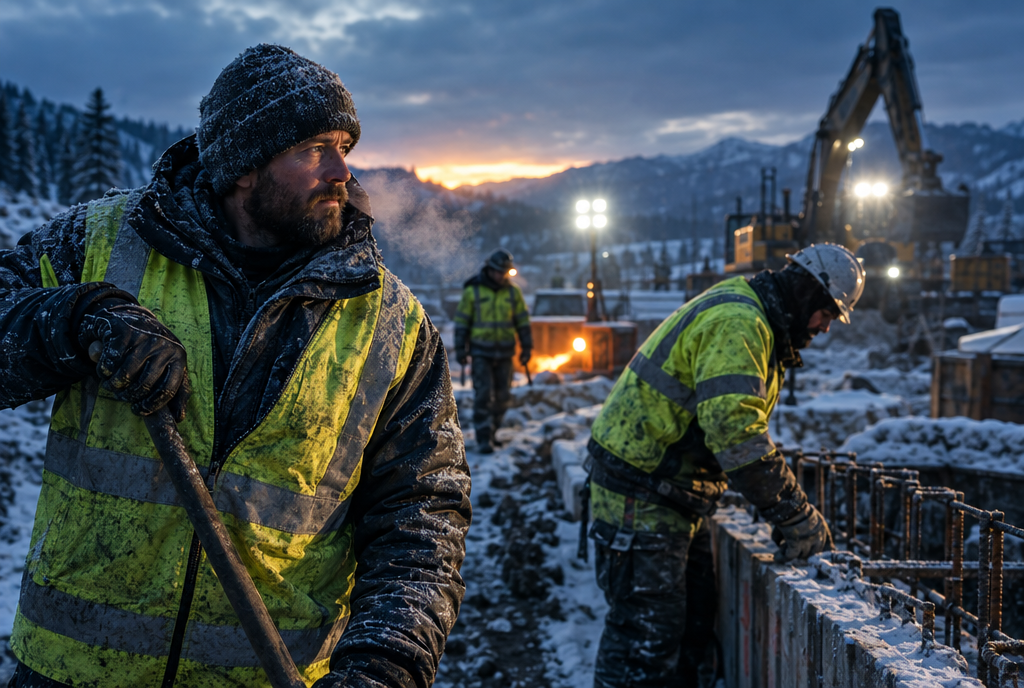
Working in the cold: a guide for employers and crews
Cold stress happens when the body loses heat faster than it can replace it, cooling the skin, the hands and feet, and eventually the core. Low temperature, wind and wetness all drive it. In the United States OSHA has no specific cold standard, so employers manage the hazard under the General Duty Clause with engineering controls, warm-up breaks, training and suitable clothing.

Cold sensitivity and Raynaud's: a practical guide to staying warm
Feeling colder than the people around you is common and often harmless, but it can also point to Raynaud's phenomenon, an underactive thyroid, anemia or nerve changes. A practical plan has two parts: notice the pattern of your symptoms so a clinician can look for a cause, and build a warmth routine that keeps your whole body, especially your core, comfortably warm.

Cold on shift: a clinician's guide to thermal comfort in hospitals
Operating rooms are designed to run between 68°F and 75°F (20°C to 24°C), and many sit near the cool end to protect gowned surgeons and control humidity. That leaves circulating nurses, anesthesia staff and other less active team members cold. The practical answer is layered, policy-compliant attire: a clean warm-up jacket, a low-lint under layer and added core warmth, all within your facility's attire and device rules.

Perioperative hypothermia and patient warming: the complete guide
Patient warming is the set of practices that keep surgical patients at or above 36.0°C, the threshold for perioperative hypothermia. Anesthesia disables normal temperature control and operating rooms are cool, so most patients lose heat without help. Effective programs combine prewarming, active warming with forced-air or conductive devices, warmed fluids, sensible room settings and accurate core temperature monitoring.
Every way to warm the human body: warming technologies compared
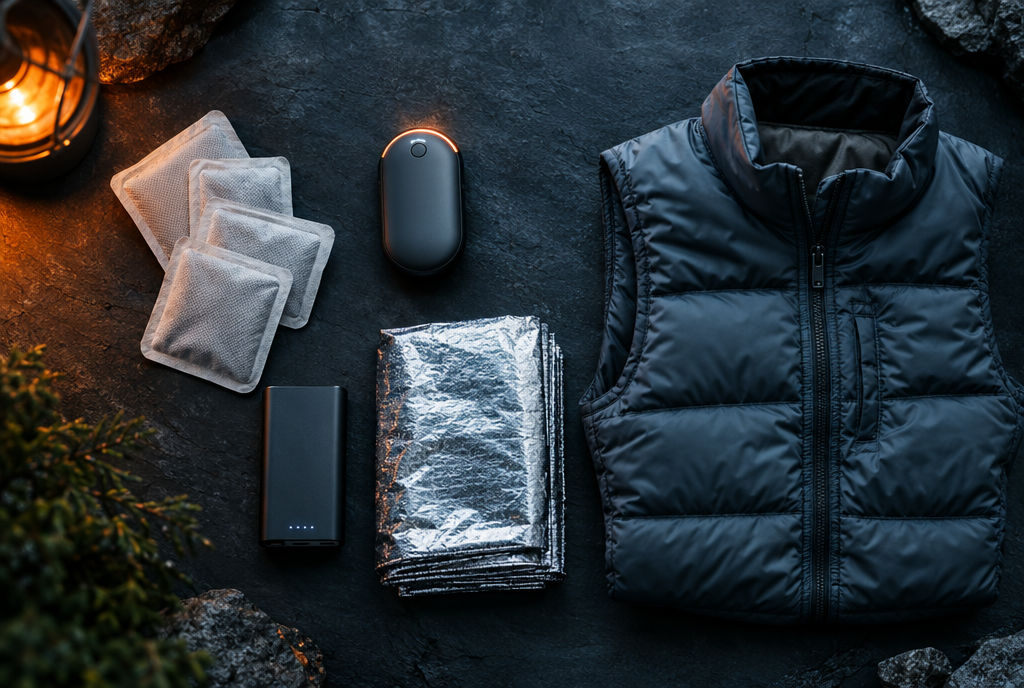
Every warming technology does one of two things: it adds heat to the body or it slows the heat the body loses. Chemical warmers and battery heaters add heat. Insulation, heat-reflective linings, space blankets and aerogel slow loss. Phase-change fabrics only store and return heat briefly, and far-infrared textiles only redirect it. The warmest systems combine a heat source with insulation and reflection.
The thermal science of the human body: a complete guide
The body stays warm by balancing heat production against heat loss. Metabolism generates heat continuously, and the hypothalamus defends a core temperature of about 37°C by narrowing skin blood vessels and, if needed, triggering shivering. Clothing helps by trapping still air and slowing the four routes of heat loss: radiation, conduction, convection and evaporation. Wind, water and cold surfaces speed those losses.