
Knowledge
Sourced guides on how the body stays warm, how patients and clinicians are kept comfortable, how crews work safely in cold and heat, and how warming gear works. Pick the theme closest to your world.
Ready to choose gear? Browse all buyer’s guides →
Free tools: wind chill and frostbite calculator, cold work warm-up schedule, what to wear by temperature, which warmth setup is right for you? and the warmth runtime and cost calculator. All tools and data →

Science of Warmth
For anyone who wants to understand how the body makes, keeps and loses heat.
Start here
Popular
All Science of Warmth articles →
Healthcare
For clinicians, perioperative teams, hospital leaders, and patients before and after surgery.
Start here
- Patient warming and perioperative hypothermia
- Thermal comfort for clinicians
- For patients: surgery and recovery
Popular
- How to stay warm in the operating room
- What is perioperative hypothermia?
- Forced-air vs conductive warming

Work and Duty
For employers, safety leads, crews, service members and EMS.
Start here
Popular
All Work and Duty articles →
Everyday Life and Health
For people who feel the cold, and for daily life outdoors.
Start here
- Cold sensitivity and Raynaud’s
- Staying warm in everyday life
- Staying warm at home and with family
- Staying warm with a health condition or disability
- Medications and feeling cold
Popular
All Everyday Life and Health articles →
Heat and Cooling
For hot jobs, heavy protective gear and personal heat sensitivity.
Start here
Popular
All Heat and Cooling articles →
Technology and Gear
For choosing, using and caring for warming gear.
Start here
Popular
All Technology and Gear articles →All articles
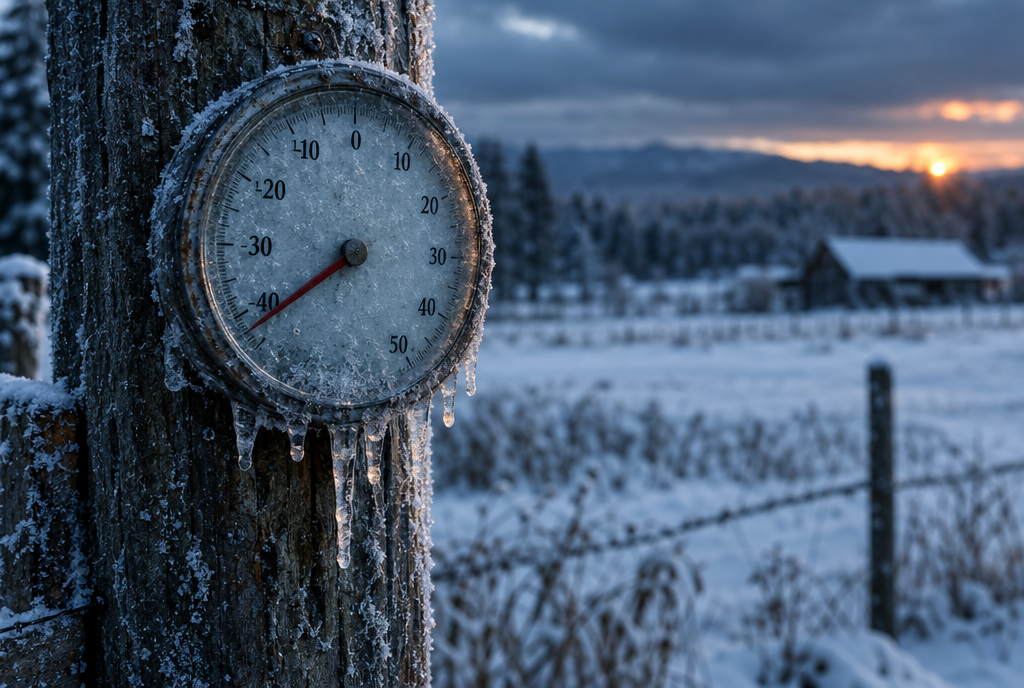
Key cold numbers: hypothermia, frostbite and warning thresholds on one page
Hypothermia is a core body temperature below 35°C (95°F): mild from 32 to 35°C (90 to 95°F), moderate from 28 to 32°C (82 to 90°F) and severe below 28°C (82°F). Skin freezes in air below about -3°C (26.6°F), and at wind chills of -28 or colder, exposed skin can freeze in 30 minutes or less.
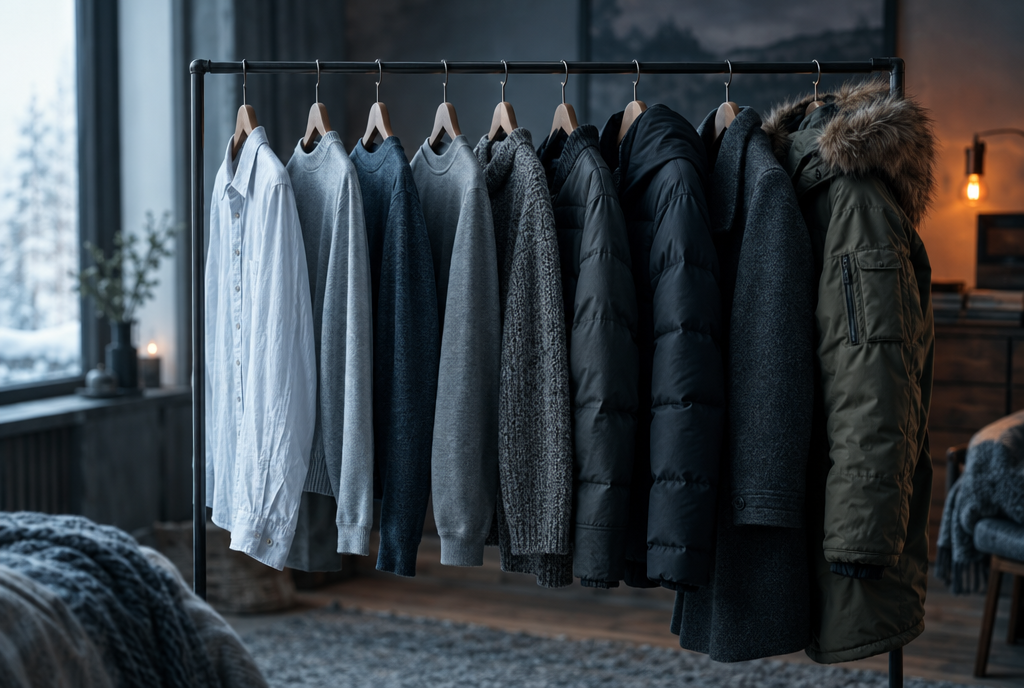
Clo values of common clothing: a reference table
One clo equals 0.155 m²·K/W of clothing insulation. In ASHRAE Standard 55-2013, trousers with a short-sleeve shirt rate 0.57 clo, trousers, long-sleeve shirt and suit jacket 0.96 clo, and insulated coveralls over thermal underwear 1.37 clo. To estimate any outfit, add the garment values; ISO 9920 refines that sum as 0.161 + 0.835 × the total.

Thermal comfort glossary: warmth, cold and clothing terms defined
Thermal comfort is the condition of mind that expresses satisfaction with the thermal environment, as ASHRAE Standard 55 defines it. This glossary defines 80 terms across body heat, heat transfer, clothing, weather indexes, standards and clinical warming. The two core units: 1 clo of clothing insulation equals 0.155 m²·°C/W, and 1 met of metabolic heat equals 58.2 W/m².

Wind chill and frostbite time calculator
Enter air temperature and wind speed, and the calculator applies the 2001 wind chill index used by the US National Weather Service and Environment Canada. At 0°F with a 15 mph wind, wind chill is -19°F (about -29°C). Environment Canada rates wind chills from -28 to -39 as high risk: exposed skin can freeze in 10 to 30 minutes.

How clothing warmth is tested: hot plates, manikins and emittance
Clothing warmth is tested at three levels. Fabrics are measured on sweating guarded hotplates (ISO 11092) for thermal and vapor resistance. Complete outfits are measured on heated thermal manikins (ASTM F1291, ISO 15831), with results in clo. Heat-reflective surfaces are rated for emittance with instruments such as portable emissometers (ASTM C1371). Each test answers a different question.
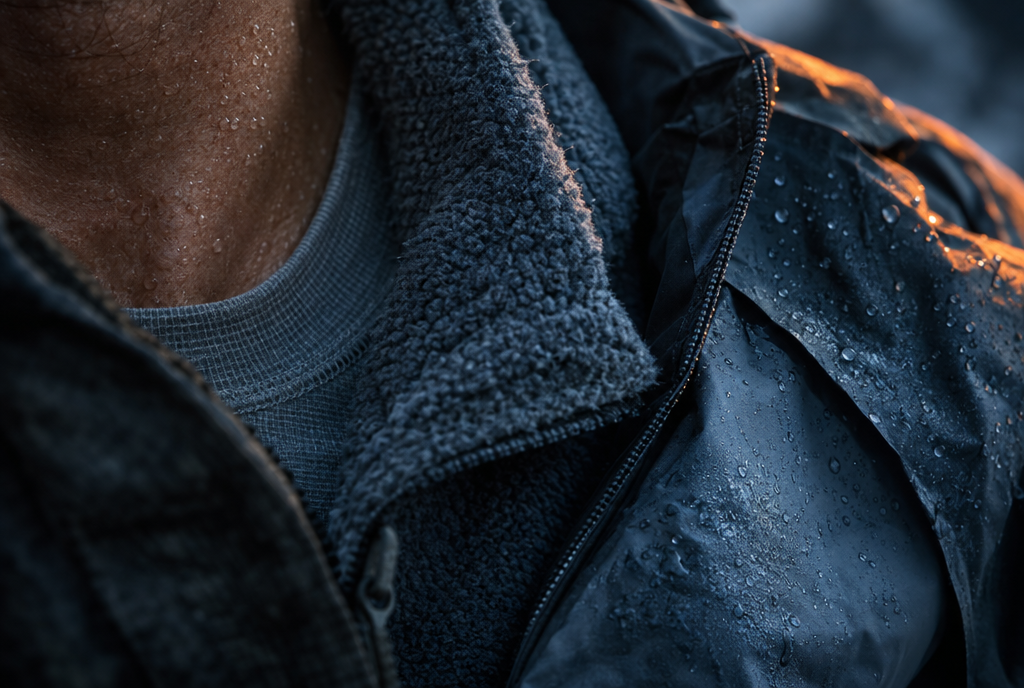
The clothing microclimate: the air layer that decides how warm you feel
The clothing microclimate is the thin layer of air trapped between your skin and your clothing. Its temperature, humidity and thickness largely decide how warm and dry you feel. Comfortable conditions are often described as about 32°C and 50% relative humidity. Still air in gaps of up to about a centimeter insulates well; wind, movement and moisture disrupt it.
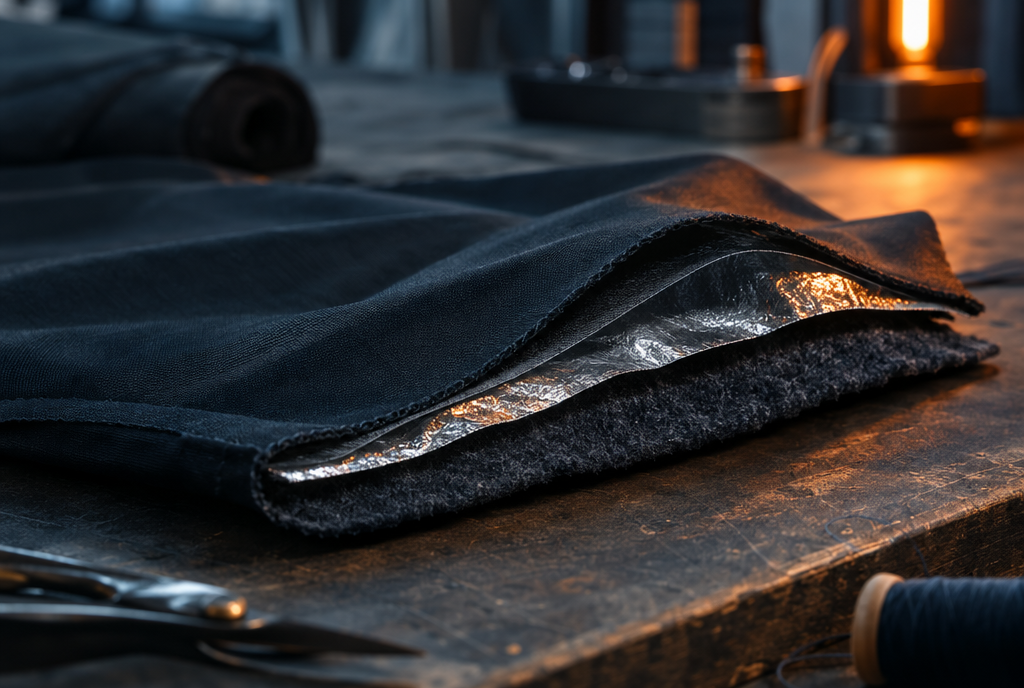
Radiant barriers in clothing: how they work and when they matter
A radiant barrier in clothing is a thin, low-emissivity metallic layer that reflects infrared heat radiated by your body back toward you and radiates little heat outward itself. It works only when it faces an air space, and it addresses radiant heat loss, not conduction, wind or evaporation. It matters most in still, cold conditions and in low-bulk layers.

Wind chill explained: what the number really means
Wind chill is the temperature it feels like on exposed skin when wind and cold combine. Wind strips away the thin layer of warm air around your skin, so skin cools faster than it would in still air. The U.S. National Weather Service index, in use since November 2001, models heat loss from a face at walking pace and estimates how quickly frostbite can occur.

Normal body temperature by age and method (°F and °C)
Normal adult body temperature is a range, roughly 97 to 99 °F (36.1 to 37.2 °C), not a single number. It is lowest in the early morning, around 4 AM, and highest in the late afternoon. Rectal readings run a little higher than oral ones, and armpit readings lower. Below 95 °F (35 °C) is hypothermia; above 100.4 °F (38 °C) generally means fever.

Why your hands and feet get cold first
Hands and feet get cold first because, when the body senses cold, it narrows blood vessels in the skin of the extremities to keep warm blood near the vital organs. Fingers and toes also have a large surface area for their small volume and sit far from the core, so they lose heat quickly once warm blood flow drops.
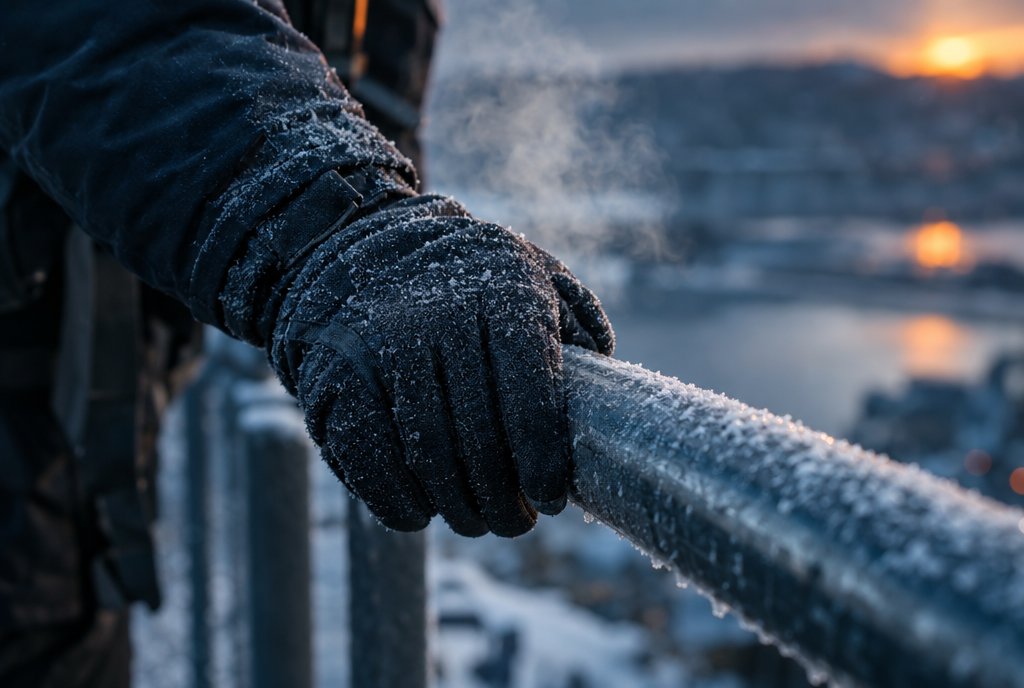
Conductive heat loss: why cold surfaces drain warmth so fast
Conductive heat loss is the transfer of body heat directly into a colder object you touch, such as a metal tool, cold ground, a wet shirt or water. Its rate depends on the temperature difference, contact area and the material's thermal conductivity. Water conducts heat roughly 25 times better than air, and metals conduct far more, which is why they drain warmth so quickly.
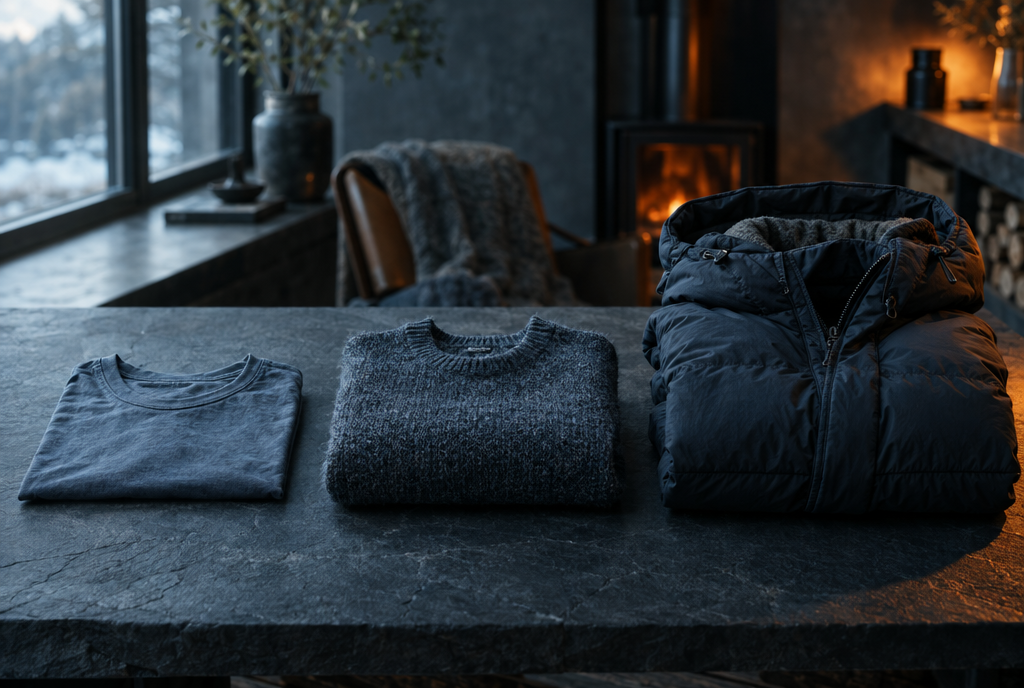
What is a clo? Clothing warmth ratings explained
A clo is the standard unit of clothing insulation. One clo equals a thermal resistance of 0.155 square meter kelvin per watt, roughly the insulation of a typical business suit, and a nude body is 0 clo. Higher clo means more resistance to dry heat loss. Values are measured on heated manikins and are used in comfort standards such as ASHRAE 55.
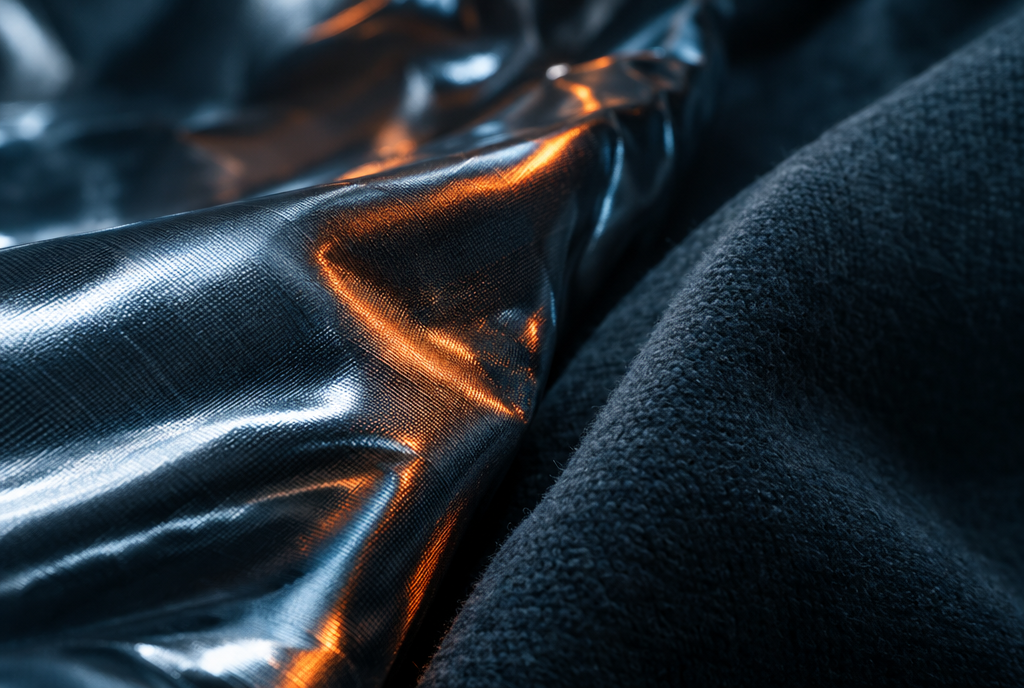
Emissivity, reflectance and absorptance explained
Emissivity is a number from 0 to 1 that describes how efficiently a surface gives off thermal (infrared) radiation compared with a perfect emitter at the same temperature. For opaque materials, emissivity and reflectance add up to 1, so a surface with low emissivity reflects most incoming infrared. Human skin sits near 0.98, while bright aluminum can be as low as 0.02 to 0.03.
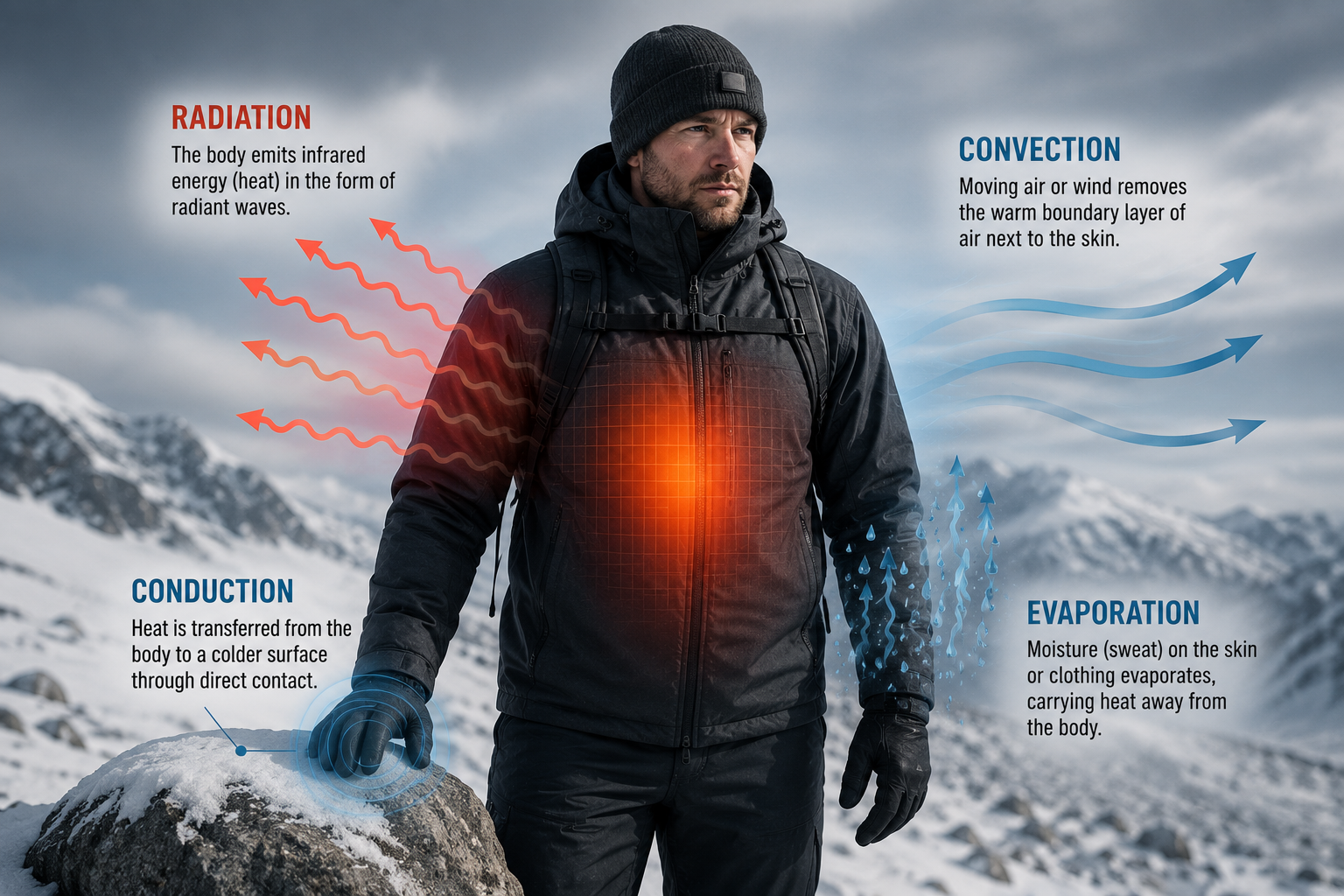
The 4 ways the body loses heat: radiation, convection, conduction and evaporation
The body loses heat in four ways. Radiation sends infrared energy from skin to cooler surfaces nearby. Convection carries heat away in moving air or water. Conduction passes heat into anything cooler you touch. Evaporation removes heat as sweat and moisture turn to vapor. At rest in a cool room, radiation is the largest route, at about 60 percent.

The thermal science of the human body: a complete guide
The body stays warm by balancing heat production against heat loss. Metabolism generates heat continuously, and the hypothalamus defends a core temperature of about 37°C by narrowing skin blood vessels and, if needed, triggering shivering. Clothing helps by trapping still air and slowing the four routes of heat loss: radiation, conduction, convection and evaporation. Wind, water and cold surfaces speed those losses.