
Knowledge
Sourced guides on how the body stays warm, how patients and clinicians are kept comfortable, how crews work safely in cold and heat, and how warming gear works. Pick the theme closest to your world.
Ready to choose gear? Browse all buyer’s guides →
Free tools: wind chill and frostbite calculator, cold work warm-up schedule, what to wear by temperature, which warmth setup is right for you? and the warmth runtime and cost calculator. All tools and data →
Science of Warmth
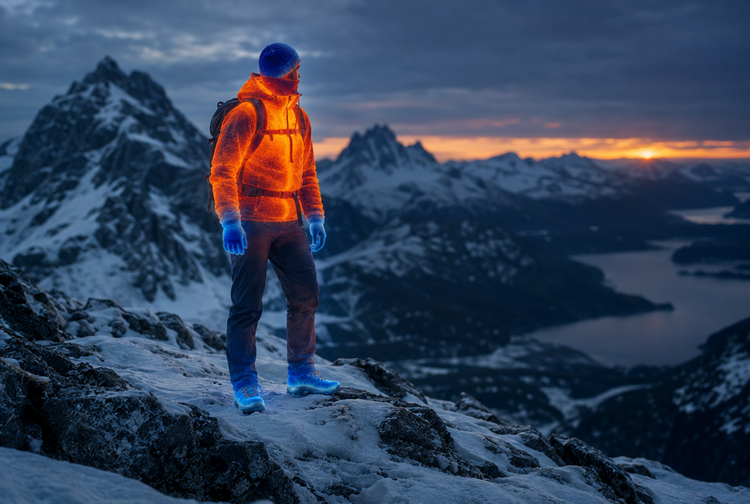
For anyone who wants to understand how the body makes, keeps and loses heat.
Start here
Popular
All Science of Warmth articles →
Healthcare
For clinicians, perioperative teams, hospital leaders, and patients before and after surgery.
Start here
- Patient warming and perioperative hypothermia
- Thermal comfort for clinicians
- For patients: surgery and recovery
Popular
- How to stay warm in the operating room
- What is perioperative hypothermia?
- Forced-air vs conductive warming
Work and Duty
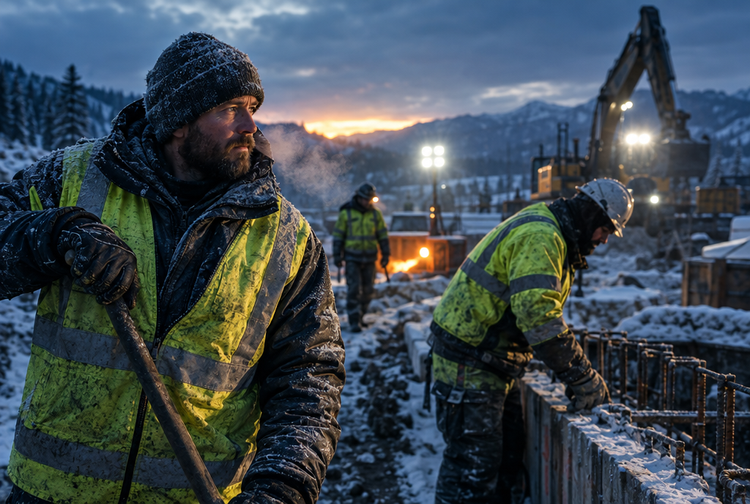
For employers, safety leads, crews, service members and EMS.
Start here
Popular
All Work and Duty articles →
Everyday Life and Health
For people who feel the cold, and for daily life outdoors.
Start here
- Cold sensitivity and Raynaud’s
- Staying warm in everyday life
- Staying warm at home and with family
- Staying warm with a health condition or disability
- Medications and feeling cold
Popular
All Everyday Life and Health articles →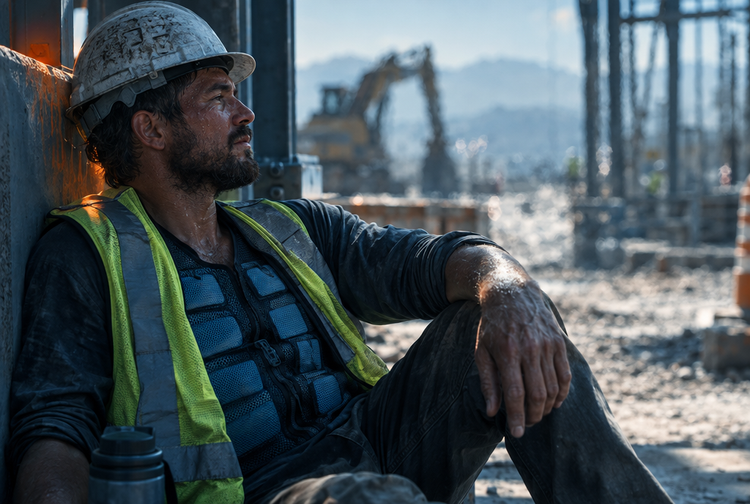
Heat and Cooling
For hot jobs, heavy protective gear and personal heat sensitivity.
Start here
Popular
All Heat and Cooling articles →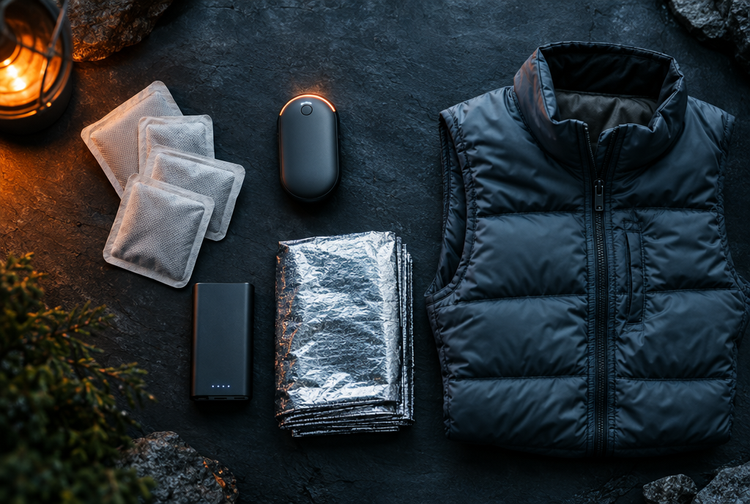
Technology and Gear
For choosing, using and caring for warming gear.
Start here
Popular
All Technology and Gear articles →All articles

Cooling under PPE, gowns and body armor
Body armor, surgical gowns and protective suits trap heat because they block sweat evaporation and add weight. Cooling under them works best with phase-change, ice or liquid-cooled vests, which cool by conduction rather than evaporation. Studies show these vests improve comfort and cut heat storage, but packs can run out in under an hour under heavy gear, so planned swaps matter.
One garment, two seasons: modular heating and cooling explained
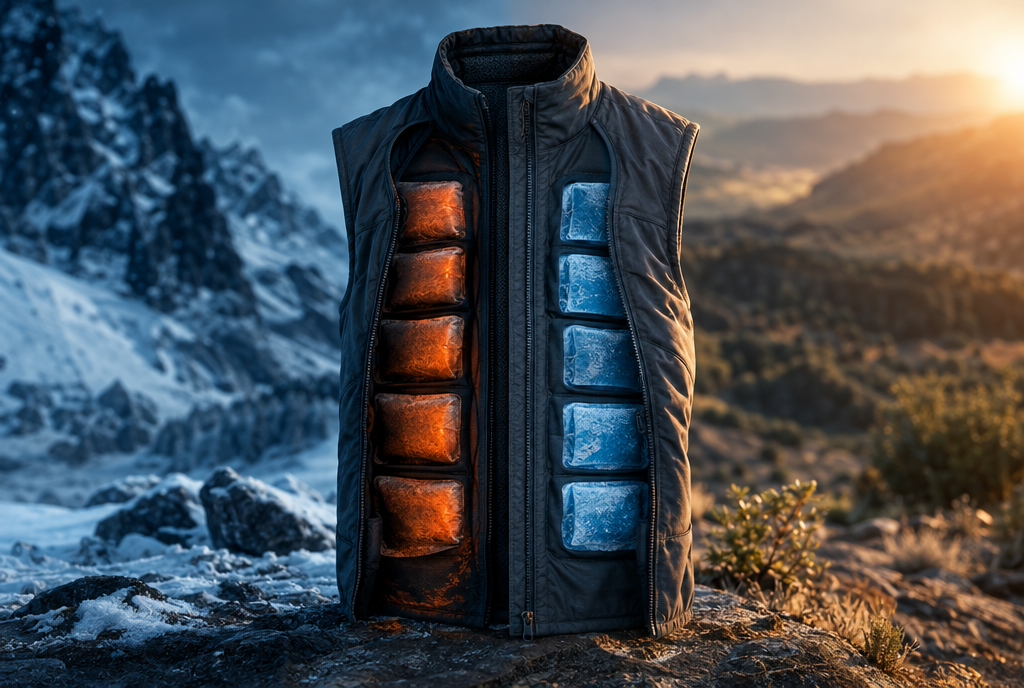
A modular heating and cooling garment is an insulated vest or harness with interior pockets that accept either warming inserts, such as air-activated warmers or battery heaters, or cooling inserts, such as ice or phase-change packs. Insulation slows heat flow in both directions, so the same shell can hold warmth in during winter and keep a cold pack's cooling directed at the body in summer.
Hot flashes and personal cooling: what helps
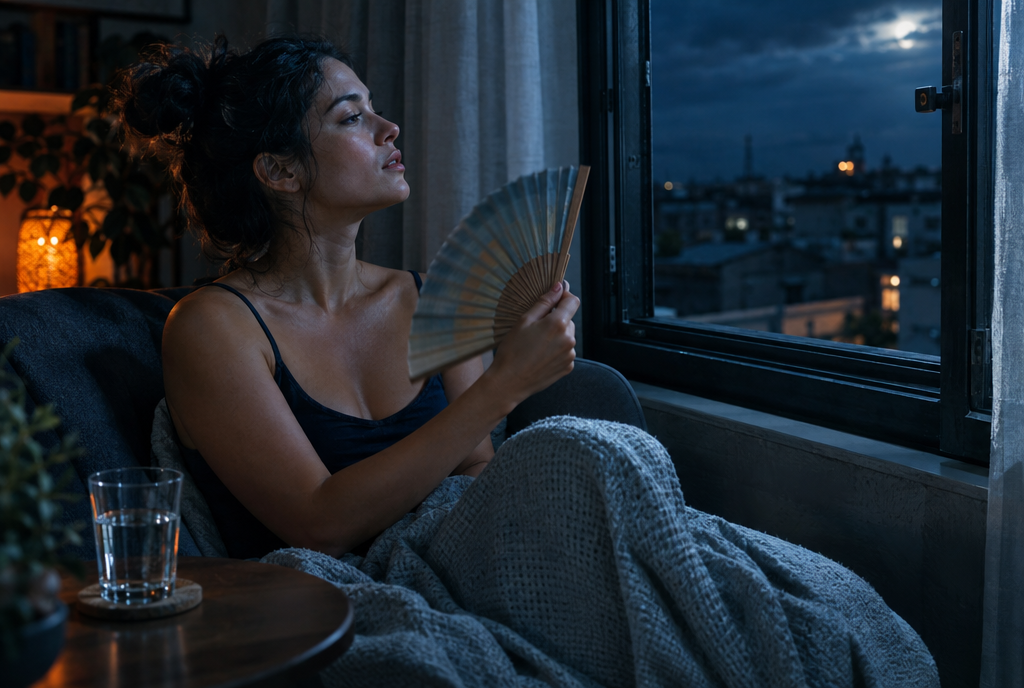
Hot flashes happen when falling estrogen makes the brain's temperature control more sensitive, triggering sudden flushing and sweating. Fans, layers, a cool bedroom and wearable cooling can make episodes more comfortable. The evidence is clear on one point, though: The Menopause Society does not recommend cooling techniques as a treatment for hot flashes, and effective treatments exist, so bothersome symptoms deserve a clinician's input.
Cooling vests for construction and industrial workers
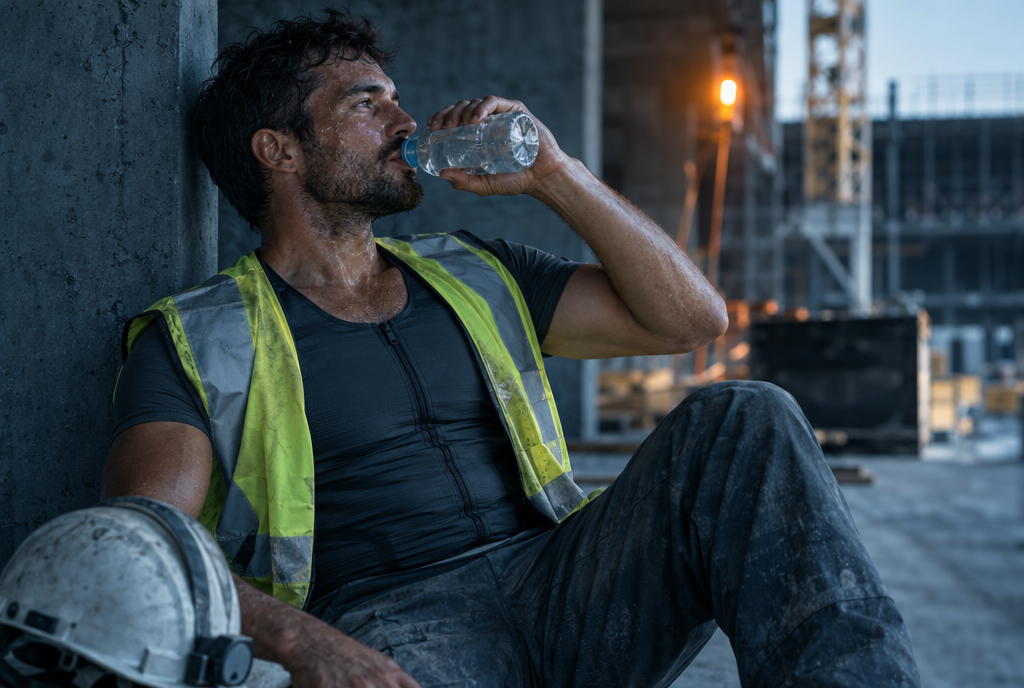
On construction and industrial sites, the most practical cooling vests are phase-change or hybrid designs with swappable packs, because they work in humid heat and under protective gear. Evaporative vests suit dry climates and light tasks. Research on construction workers suggests cooling vests are most useful during rest breaks, helping crews unload heat before the next work bout, alongside water, shade and acclimatization.
Preventing heat stress at work: guidance for employers
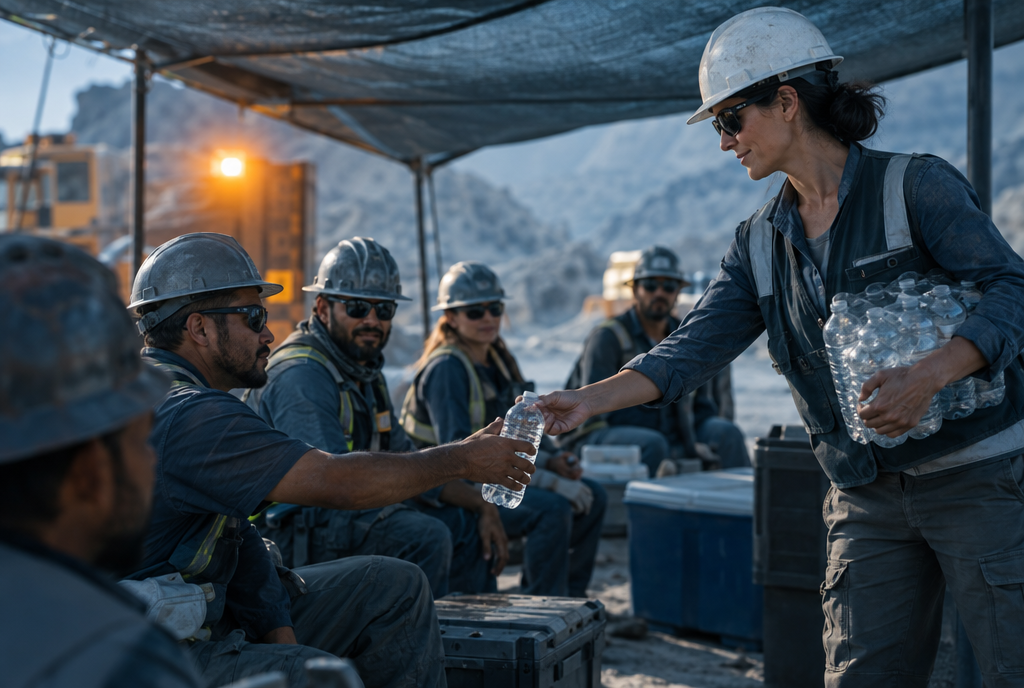
Employers prevent heat stress with a written plan built on water, rest, shade, gradual acclimatization, training and a ready emergency response, backed by engineering controls such as ventilation and shade. As of September 2026, OSHA's proposed federal heat rule is not final, but employers remain responsible for heat hazards under the General Duty Clause and a revised National Emphasis Program.
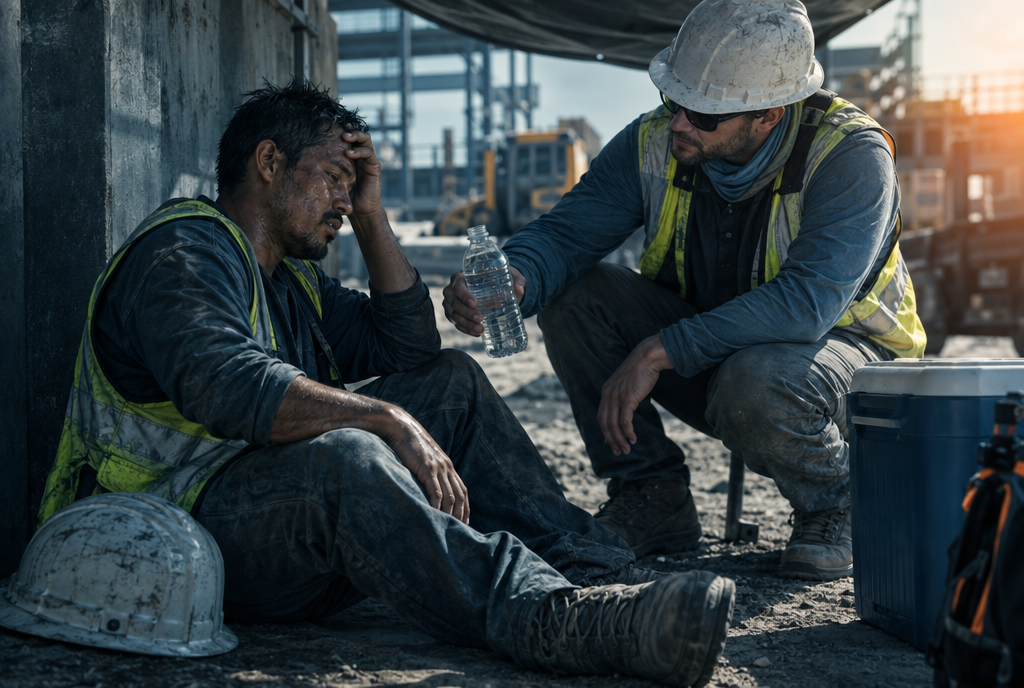
Heat stress vs heat exhaustion vs heat stroke
Heat stress is the total heat load from weather, work and clothing. Heat exhaustion is an illness it can cause, with heavy sweating, headache, nausea, dizziness and weakness. Heat stroke is a medical emergency: the body's temperature control fails, core temperature can exceed 106°F, and confusion, slurred speech, seizures or collapse follow. Suspected heat stroke means calling 911 and cooling the person immediately.
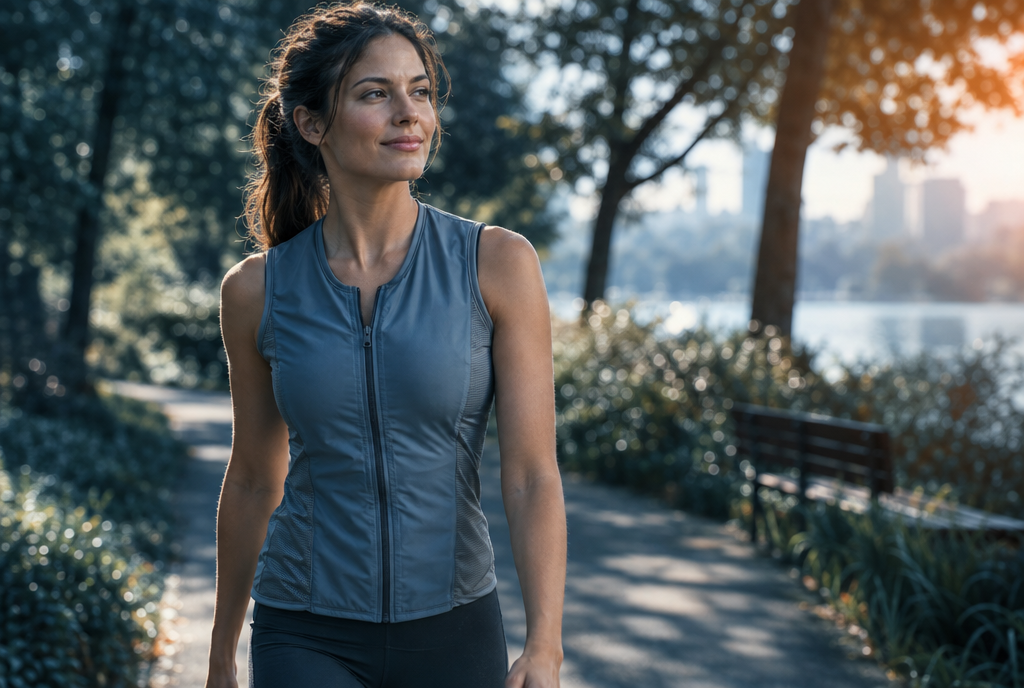
Cooling vests and heat sensitivity in multiple sclerosis
Many people with multiple sclerosis find that heat temporarily worsens their symptoms, a response called Uhthoff's phenomenon. Cooling vests help keep body temperature down and support comfort in hot weather and during exercise. A 2023 review of 13 studies found cooling garments improved walking and mobility in people with MS. Cooling supports comfort; it is not a treatment for MS itself.
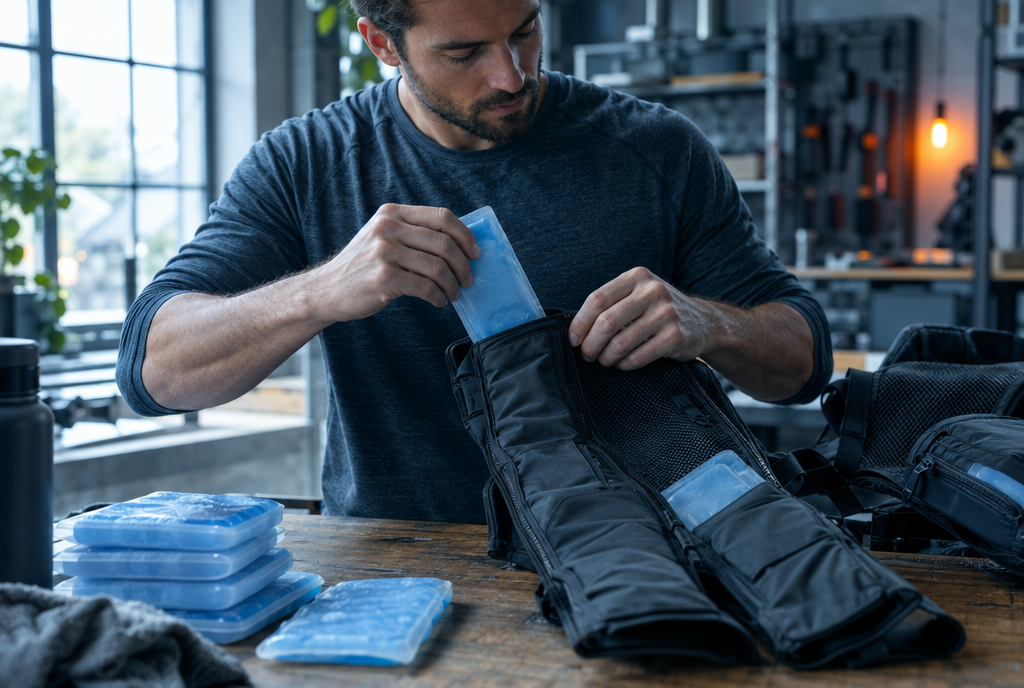
Phase-change cooling vests: how they work and how long they last
A phase-change cooling vest holds packs of a material that absorbs heat as it melts, staying at a fixed temperature, often in the 20s Celsius, until it has fully liquefied. That gives steady, comfortable cooling instead of the harsh cold of ice. Runtime depends on pack mass and heat load: in one study under a heavy protective suit at 40°C, packs lasted about 50 minutes.
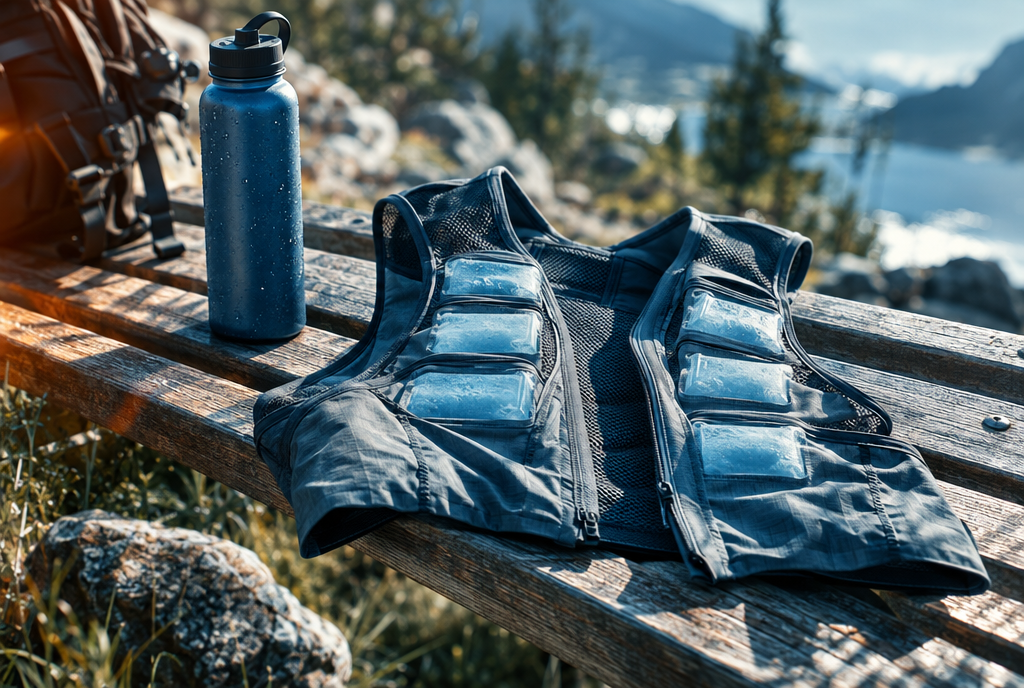
How cooling vests work: evaporative, ice, phase-change and active
Cooling vests move heat out of the torso in one of four ways. Evaporative vests cool as soaked fabric dries. Ice and gel vests pull heat into frozen packs. Phase-change vests use packs that absorb heat while melting at a set temperature. Active vests pump chilled liquid or air through the garment. Each type trades cooling power against runtime, weight and humidity tolerance.
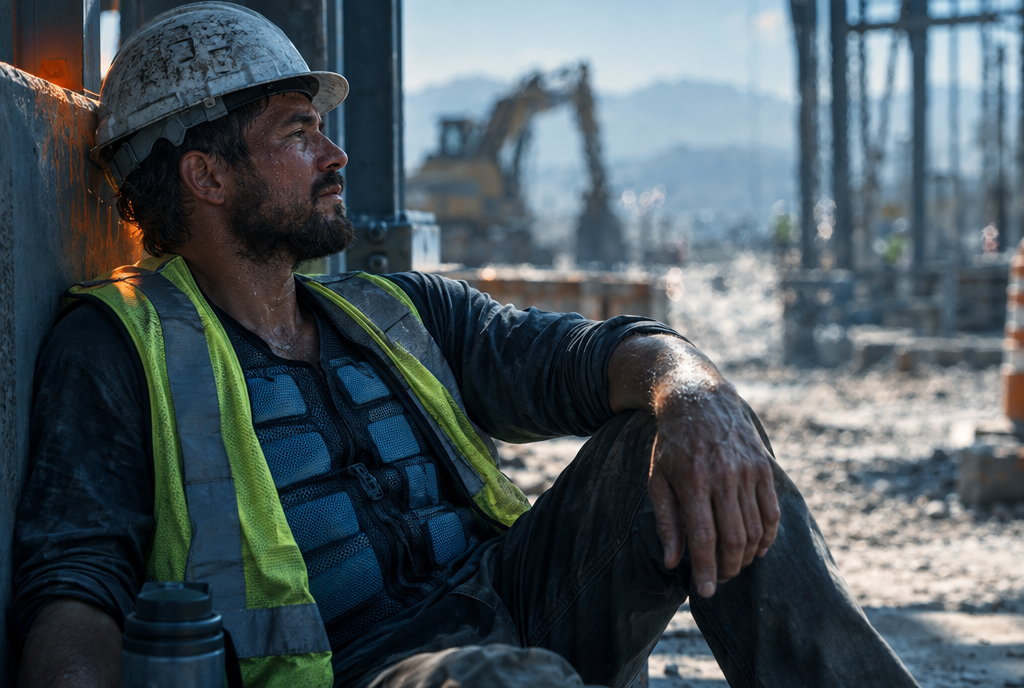
Personal cooling and heat stress: a complete guide
A cooling vest is a garment that draws heat away from the torso using evaporating water, ice, phase-change packs, or circulating liquid or air. Research shows cooling vests can lower skin temperature and make heat feel more tolerable, but they supplement rather than replace the basics of heat stress prevention: water, rest, shade, acclimatization and recognizing heat illness early.