
Knowledge
Sourced guides on how the body stays warm, how patients and clinicians are kept comfortable, how crews work safely in cold and heat, and how warming gear works. Pick the theme closest to your world.
Ready to choose gear? Browse all buyer’s guides →
Free tools: wind chill and frostbite calculator, cold work warm-up schedule, what to wear by temperature, which warmth setup is right for you? and the warmth runtime and cost calculator. All tools and data →

Science of Warmth
For anyone who wants to understand how the body makes, keeps and loses heat.
Start here
Popular
All Science of Warmth articles →
Healthcare
For clinicians, perioperative teams, hospital leaders, and patients before and after surgery.
Start here
- Patient warming and perioperative hypothermia
- Thermal comfort for clinicians
- For patients: surgery and recovery
Popular
- How to stay warm in the operating room
- What is perioperative hypothermia?
- Forced-air vs conductive warming
Work and Duty
For employers, safety leads, crews, service members and EMS.
Start here
Popular
All Work and Duty articles →
Everyday Life and Health
For people who feel the cold, and for daily life outdoors.
Start here
- Cold sensitivity and Raynaud’s
- Staying warm in everyday life
- Staying warm at home and with family
- Staying warm with a health condition or disability
- Medications and feeling cold
Popular
All Everyday Life and Health articles →
Heat and Cooling
For hot jobs, heavy protective gear and personal heat sensitivity.
Start here
Popular
All Heat and Cooling articles →
Technology and Gear
For choosing, using and caring for warming gear.
Start here
Popular
All Technology and Gear articles →All articles

Recommended room temperatures by setting
There is no single ideal room temperature; the right target depends on the setting. The World Health Organization proposes at least 18°C (64°F) in homes during cold seasons. OSHA recommends 68 to 76°F (20 to 24°C) for offices, the NHS advises 16 to 20°C for a baby's room, and refrigerators should stay at 40°F (4°C) or below.
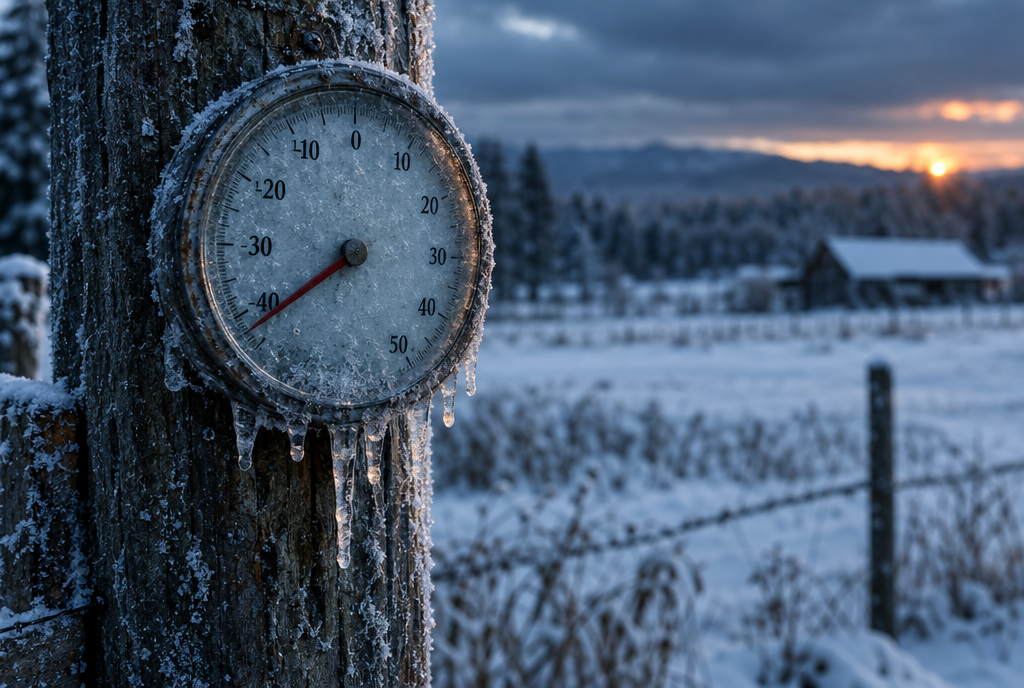
Key cold numbers: hypothermia, frostbite and warning thresholds on one page
Hypothermia is a core body temperature below 35°C (95°F): mild from 32 to 35°C (90 to 95°F), moderate from 28 to 32°C (82 to 90°F) and severe below 28°C (82°F). Skin freezes in air below about -3°C (26.6°F), and at wind chills of -28 or colder, exposed skin can freeze in 30 minutes or less.

Clo values of common clothing: a reference table
One clo equals 0.155 m²·K/W of clothing insulation. In ASHRAE Standard 55-2013, trousers with a short-sleeve shirt rate 0.57 clo, trousers, long-sleeve shirt and suit jacket 0.96 clo, and insulated coveralls over thermal underwear 1.37 clo. To estimate any outfit, add the garment values; ISO 9920 refines that sum as 0.161 + 0.835 × the total.

Thermal comfort glossary: warmth, cold and clothing terms defined
Thermal comfort is the condition of mind that expresses satisfaction with the thermal environment, as ASHRAE Standard 55 defines it. This glossary defines 80 terms across body heat, heat transfer, clothing, weather indexes, standards and clinical warming. The two core units: 1 clo of clothing insulation equals 0.155 m²·°C/W, and 1 met of metabolic heat equals 58.2 W/m².

Heat illness at work: statistics
In 2024, 48 US workers died from exposure to environmental heat, according to the Bureau of Labor Statistics Census of Fatal Occupational Injuries, compared with 43 in 2022 and 36 in 2021. From 1992 to 2022, 986 workers died from heat exposure on the job, an average of 34 a year, and construction accounted for about 34 percent of those deaths.

Raynaud's statistics: how common is it?
Raynaud's is common. The only systematic review of general population studies (Garner and colleagues, BMJ Open, 2015; 33 studies, 33,733 people) put the pooled prevalence of primary Raynaud's at 4.85%, with 5.74% in women and 4.12% in men. Most cases are primary, while about 95% of people with systemic sclerosis have Raynaud's.
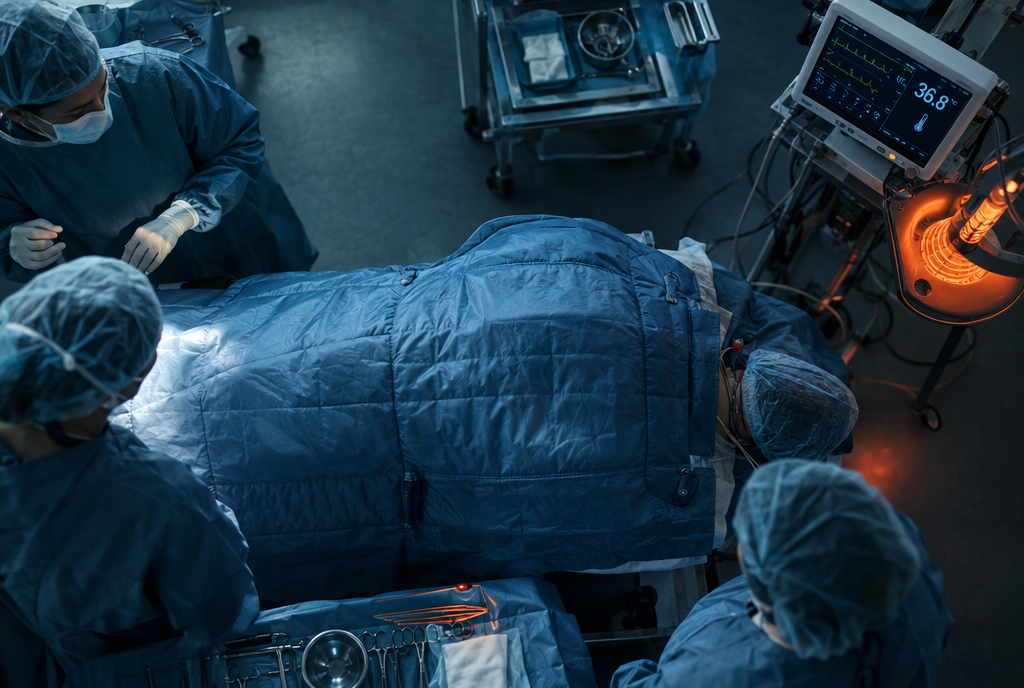
Perioperative hypothermia statistics: how common it is and what the trials show
Perioperative hypothermia, a core temperature below 36.0°C under NICE CG65, is common. In a 2015 Anesthesiology study of nearly 59,000 patients warmed with forced air, 64% fell below 36°C in the first hour. A 2017 national study across 28 Chinese hospitals found 44.3%. Rates vary widely with definition, setting and how actively patients are warmed.
Cold stress and frostbite at work: injury statistics
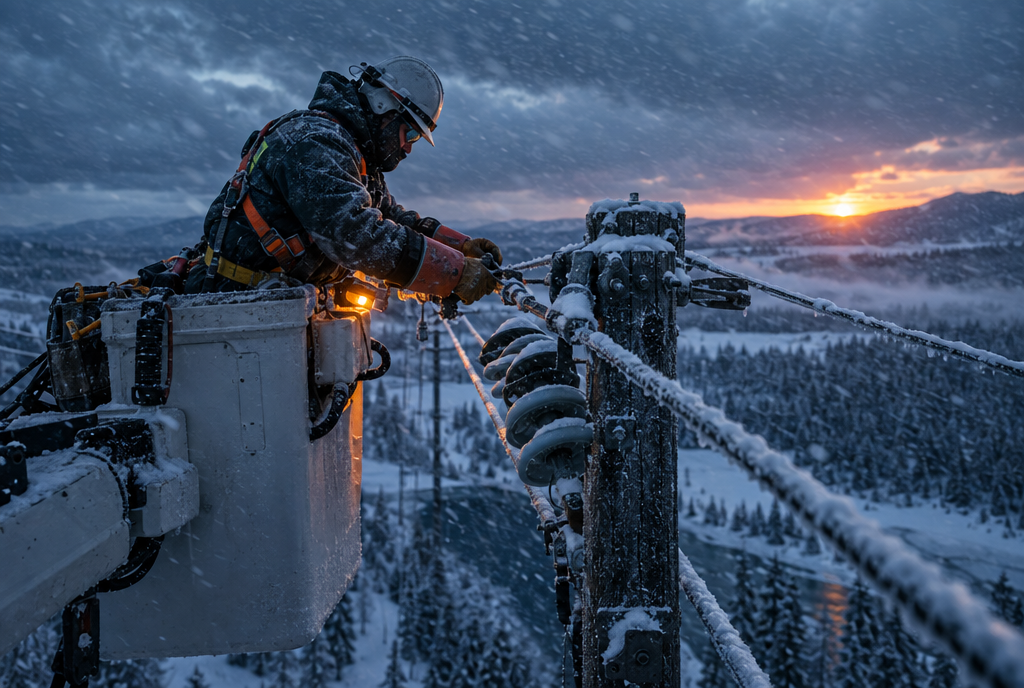
Federal data record relatively few direct cold injuries at work. In 2020, private employers reported 190 cases of exposure to environmental cold, such as frostbite or hypothermia, that caused at least one day away from work, compared with 1,940 for environmental heat. Winter's larger toll is indirect: in 2014, 42,480 days-away cases involved ice, sleet or snow.

Hypothermia and cold-related deaths: statistics for the US and Canada
In 2023, 1,024 deaths in the United States were attributed to excessive cold or hypothermia, according to CDC's National Center for Health Statistics, with January the peak month. In Canada, Statistics Canada vital statistics record 1,678 deaths from exposure to excessive natural cold from 2011 to 2023, an average of 129 a year. Men and older adults account for most deaths.
What to wear by temperature, wind and activity
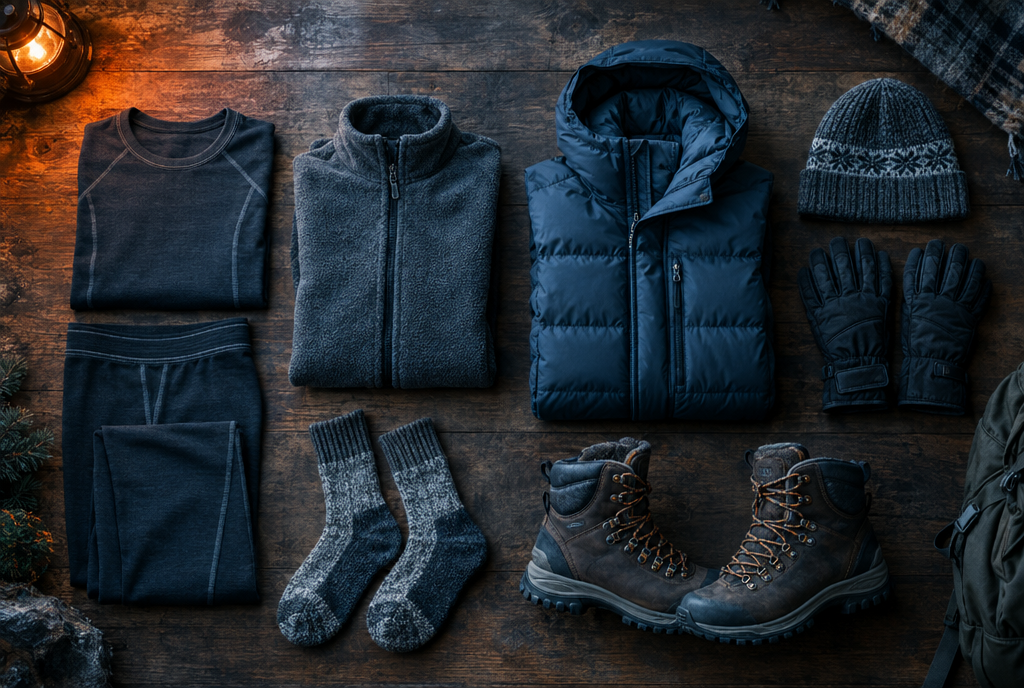
Dress in three loose layers: a wicking base layer (wool or synthetic, not cotton), an insulating middle layer, and an outer layer that blocks wind and water. Add a hat and gloves around 40°F (4°C) and switch to mittens near 0°F (-18°C). Add a windproof shell when windy, dress warmer when standing still, and about 20°F lighter when running.

Cold water survival time chart: the 1-10-1 rule and what charts get wrong
Survival time in cold water is usually decided in the first minutes, not hours. Cold shock peaks in water between 10 and 15°C (50 to 59°F) and can cause drowning within seconds, and arms can fail within minutes. Hypothermia takes at least 30 minutes to develop in adults, even in ice-cold water. Wearing a life jacket is the single biggest factor.
Cold work warm-up schedule: how long can you work in the cold?
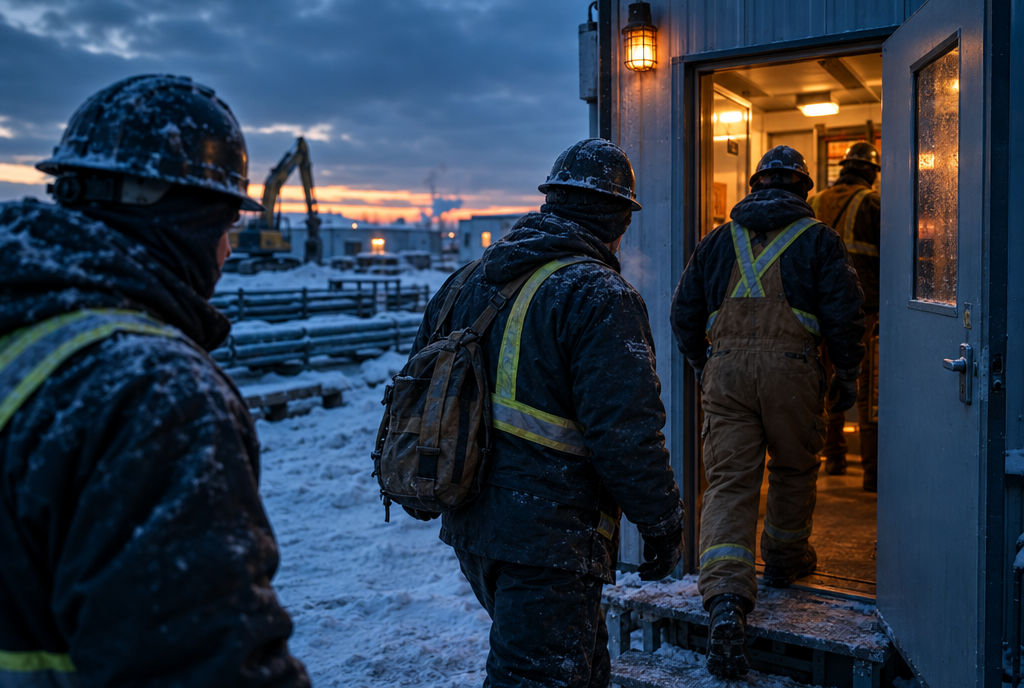
Enter air temperature and wind speed, and the tool returns the ACGIH maximum work period and number of 10-minute warm-up breaks for a 4-hour shift of moderate to heavy work. Extra breaks start at -26°C (-15°F) with a 16 km/h (10 mph) wind; at -43°C (-45°F) and below, non-emergency work should cease in any wind.

Wind chill and frostbite time calculator
Enter air temperature and wind speed, and the calculator applies the 2001 wind chill index used by the US National Weather Service and Environment Canada. At 0°F with a 15 mph wind, wind chill is -19°F (about -29°C). Environment Canada rates wind chills from -28 to -39 as high risk: exposed skin can freeze in 10 to 30 minutes.