
Knowledge
Sourced guides on how the body stays warm, how patients and clinicians are kept comfortable, how crews work safely in cold and heat, and how warming gear works. Pick the theme closest to your world.
Ready to choose gear? Browse all buyer’s guides →
Free tools: wind chill and frostbite calculator, cold work warm-up schedule, what to wear by temperature, which warmth setup is right for you? and the warmth runtime and cost calculator. All tools and data →

Science of Warmth
For anyone who wants to understand how the body makes, keeps and loses heat.
Start here
Popular
All Science of Warmth articles →
Healthcare
For clinicians, perioperative teams, hospital leaders, and patients before and after surgery.
Start here
- Patient warming and perioperative hypothermia
- Thermal comfort for clinicians
- For patients: surgery and recovery
Popular
- How to stay warm in the operating room
- What is perioperative hypothermia?
- Forced-air vs conductive warming
Work and Duty
For employers, safety leads, crews, service members and EMS.
Start here
Popular
All Work and Duty articles →
Everyday Life and Health
For people who feel the cold, and for daily life outdoors.
Start here
- Cold sensitivity and Raynaud’s
- Staying warm in everyday life
- Staying warm at home and with family
- Staying warm with a health condition or disability
- Medications and feeling cold
Popular
All Everyday Life and Health articles →
Heat and Cooling
For hot jobs, heavy protective gear and personal heat sensitivity.
Start here
Popular
All Heat and Cooling articles →
Technology and Gear
For choosing, using and caring for warming gear.
Start here
Popular
All Technology and Gear articles →All articles
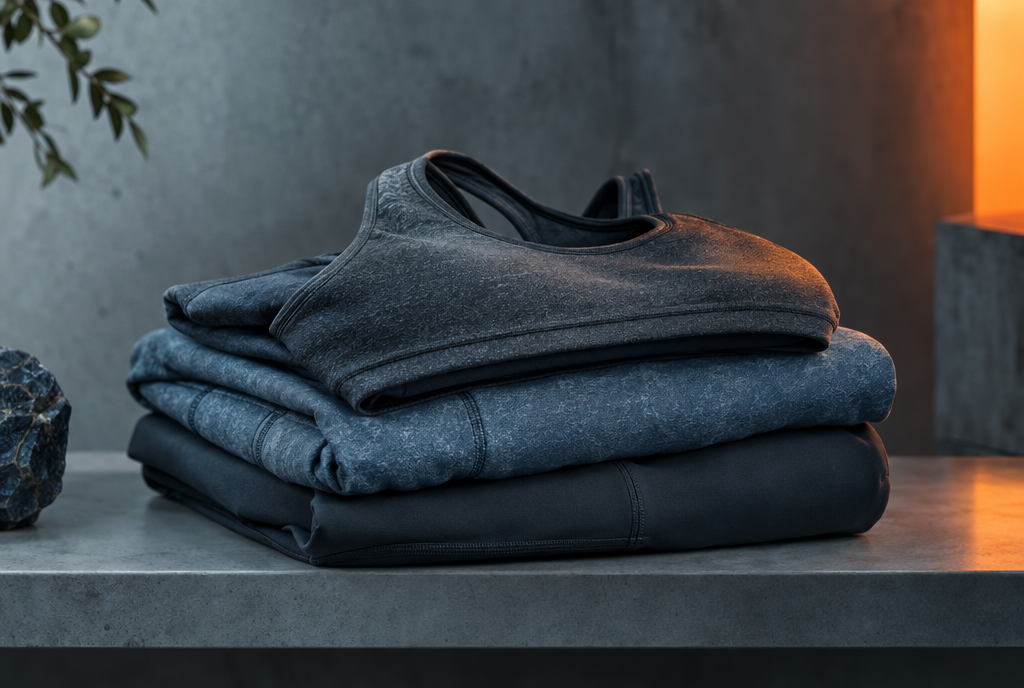
Far-infrared clothing and Celliant: what the evidence says
Far-infrared (FIR) clothing contains mineral particles that absorb body heat and re-emit part of it as infrared energy. Physics allows a small effect on how heat moves, but a passive fabric cannot create energy. Controlled studies are few, small and mixed: some report modest changes in recovery or fatigue measures, and none show large warmth or health benefits. Read bold claims with caution.
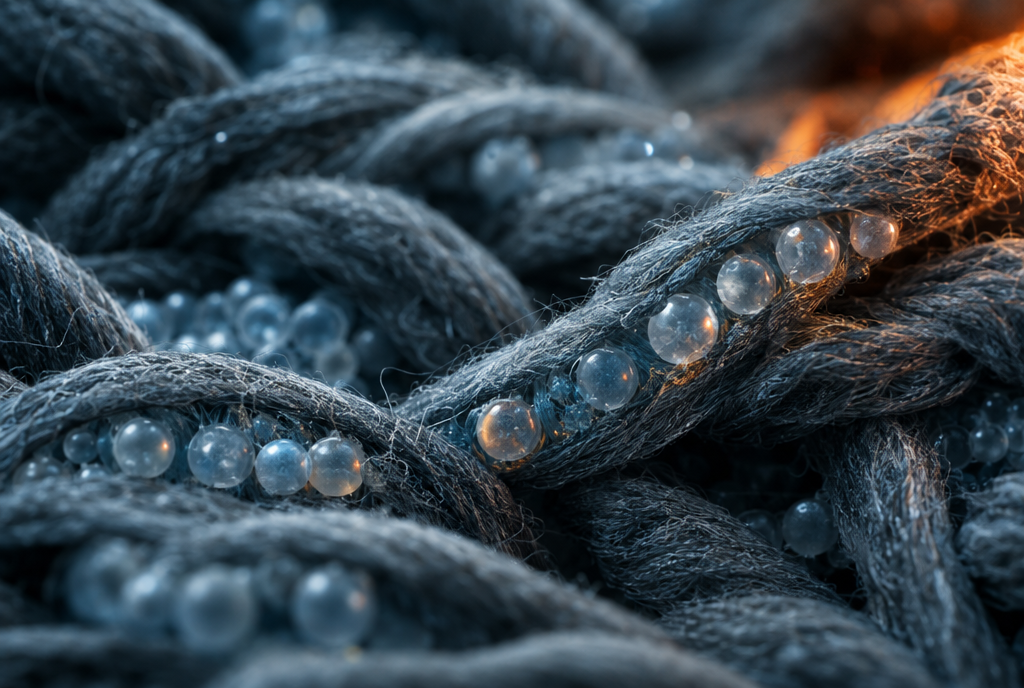
Phase-change materials in clothing, explained
Phase-change materials (PCMs) are substances, often waxes, that melt and solidify near skin temperature. In clothing they are sealed in microcapsules or fibers. When you warm up, they absorb heat as they melt; when you cool down, they release it as they solidify. The effect is real but small and temporary, smoothing temperature swings rather than supplying lasting warmth.
Aerogel in clothing: how the thinnest insulation works
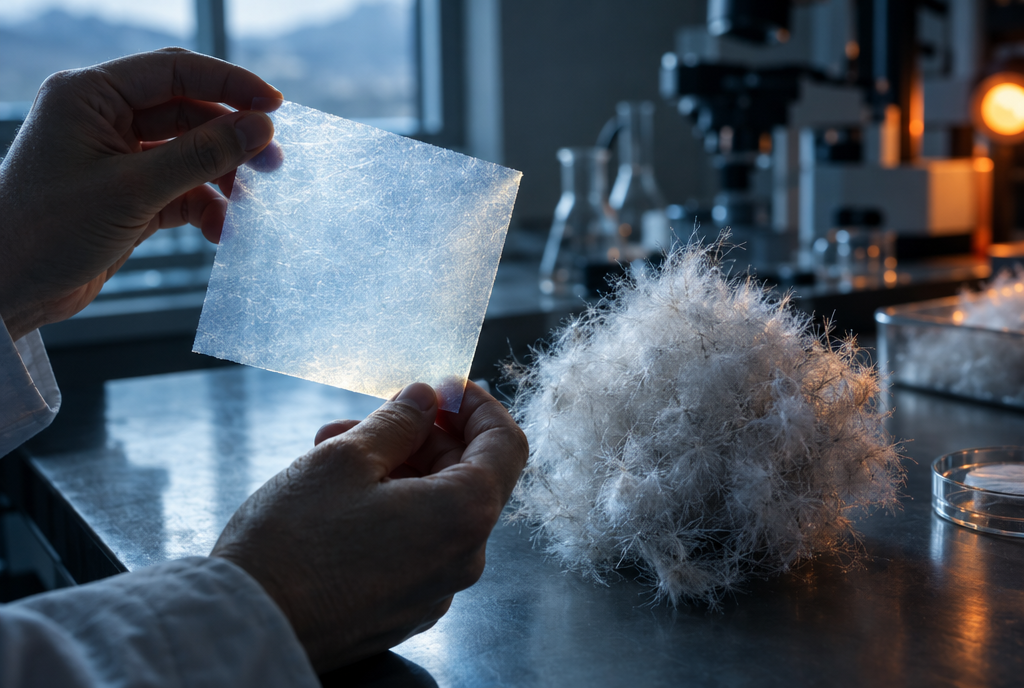
Aerogel is a solid made mostly of air, about 99.8% by volume, locked inside a nanoscale silica network. The tiny pores stop air from moving and carrying heat, so aerogel insulates well in very thin layers. In clothing it is usually bonded into flexible blankets or composites, which suits gloves, boots and slim jackets, though breathability, durability and cost remain trade-offs.
How space blankets work, and what they cannot do
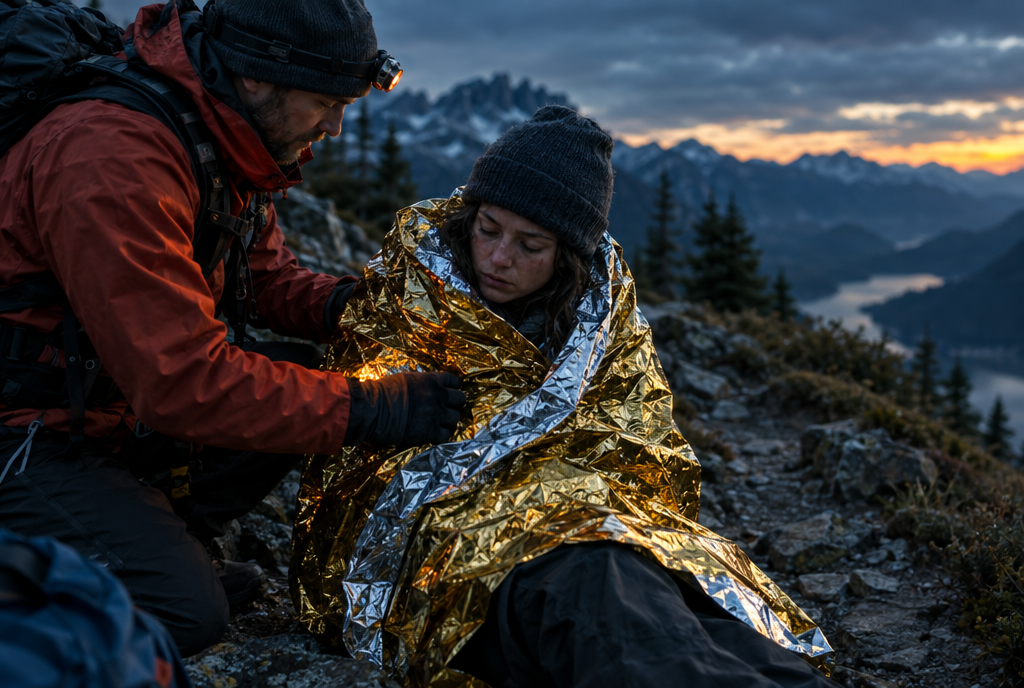
A space blanket is a thin plastic film coated with vaporized aluminum. It works mainly by reflecting the infrared heat your body radiates back toward you, and secondarily by blocking wind and trapping moist air, which cuts convective and evaporative loss. It adds almost no insulation, so it cannot stop heat draining into cold ground and works best combined with a pad and insulating layers.
Do heat-reflective linings like Omni-Heat actually work?
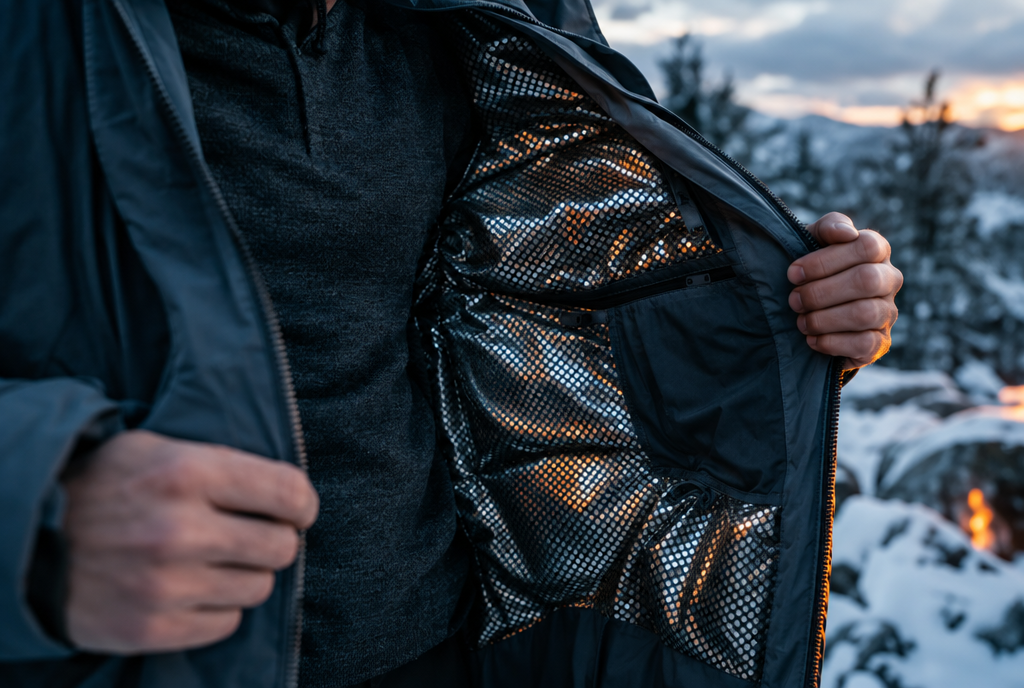
Yes, but modestly and conditionally. A heat-reflective lining such as Omni-Heat reduces the infrared heat your body radiates outward, so less warmth escapes through the jacket. The benefit is real, typically a percentage improvement rather than a dramatic one, and it is largest when radiant loss dominates, when the lining sits over good insulation with an air gap, and when paired with a heat source.
PTC self-regulating heaters in wearables, explained
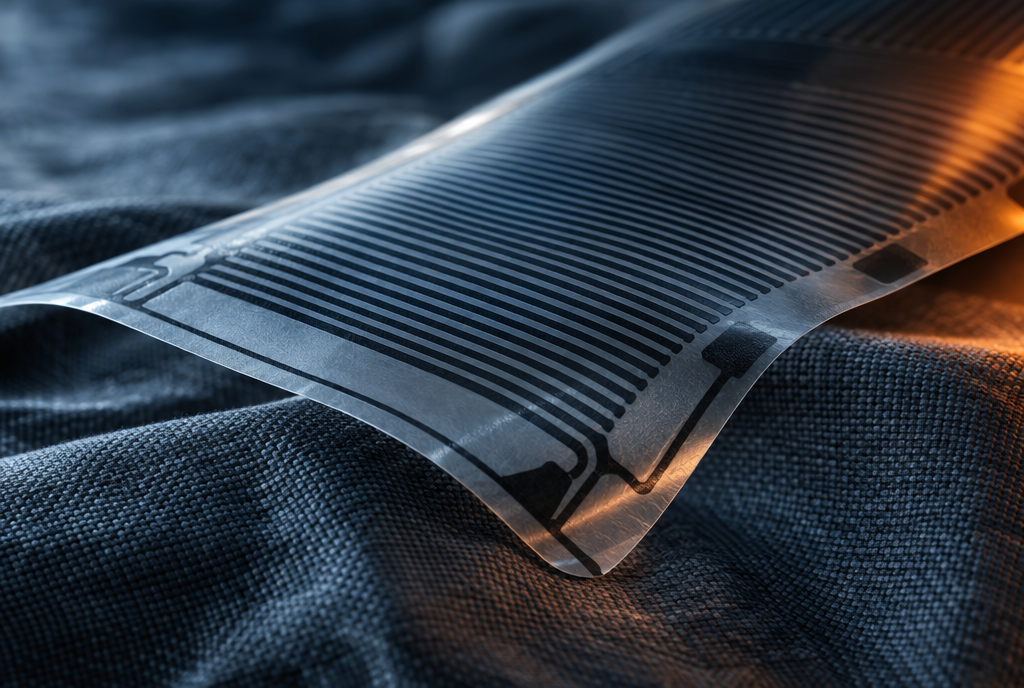
A PTC (positive temperature coefficient) heater is an element whose electrical resistance rises sharply as it warms. As it heats, less current flows, so heat output drops on its own near a designed switching temperature. In wearables, PTC films and inks provide built-in temperature limiting without a separate sensor, but the set point is fixed at manufacture and does not replace good design.
How heated vests work: carbon fiber, wire and batteries
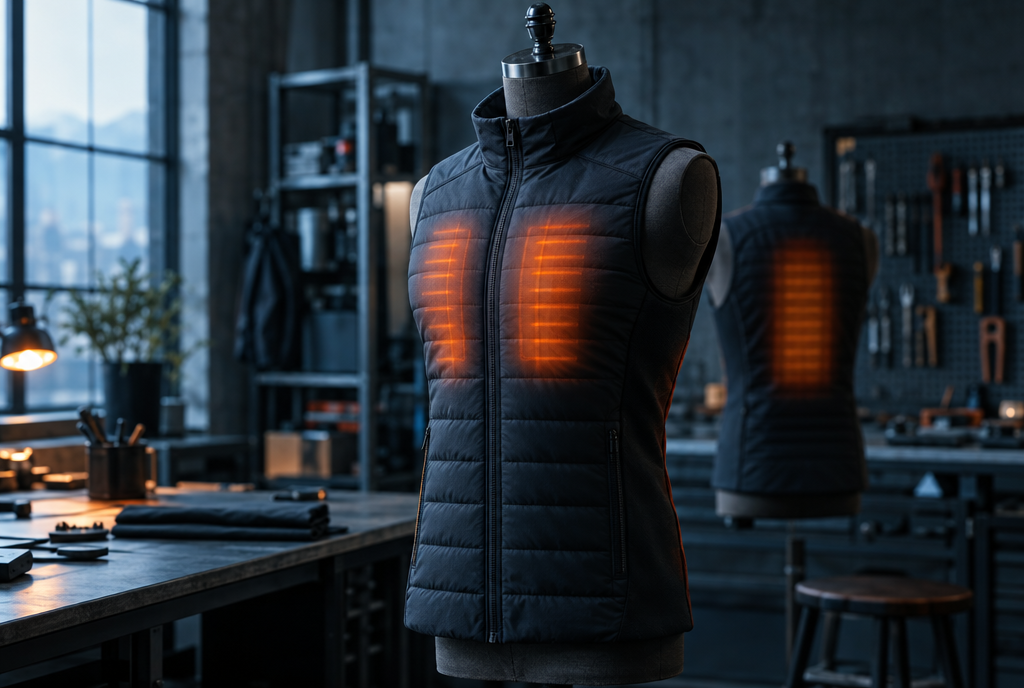
A heated vest works like a small, flexible electric blanket. A rechargeable battery pushes current through thin heating elements, usually carbon fiber or metal alloy wire, sewn into panels at the chest, back or collar. The elements resist the current and turn electrical energy into heat. A controller sets the heat level, and the vest's insulation holds that heat near your core.
How long do hand warmers last, and do they expire?
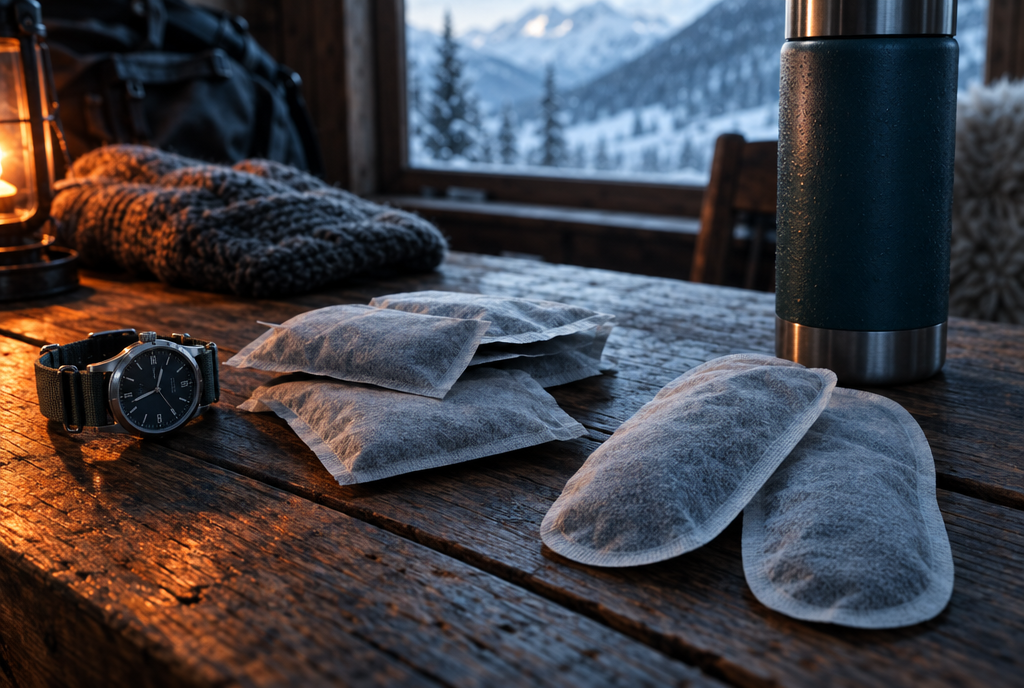
Unopened air-activated hand warmers keep for about 3 to 4 years, and the expiration date is printed on the outer wrapper: HotHands states a four-year shelf life and Ergodyne three years. Once opened, hand warmers are rated for about 7 to 12 hours of heat and body warmers up to 18 hours. Expired but sealed warmers often still work, though they may run shorter.
How hand warmers work: the chemistry of air-activated heat
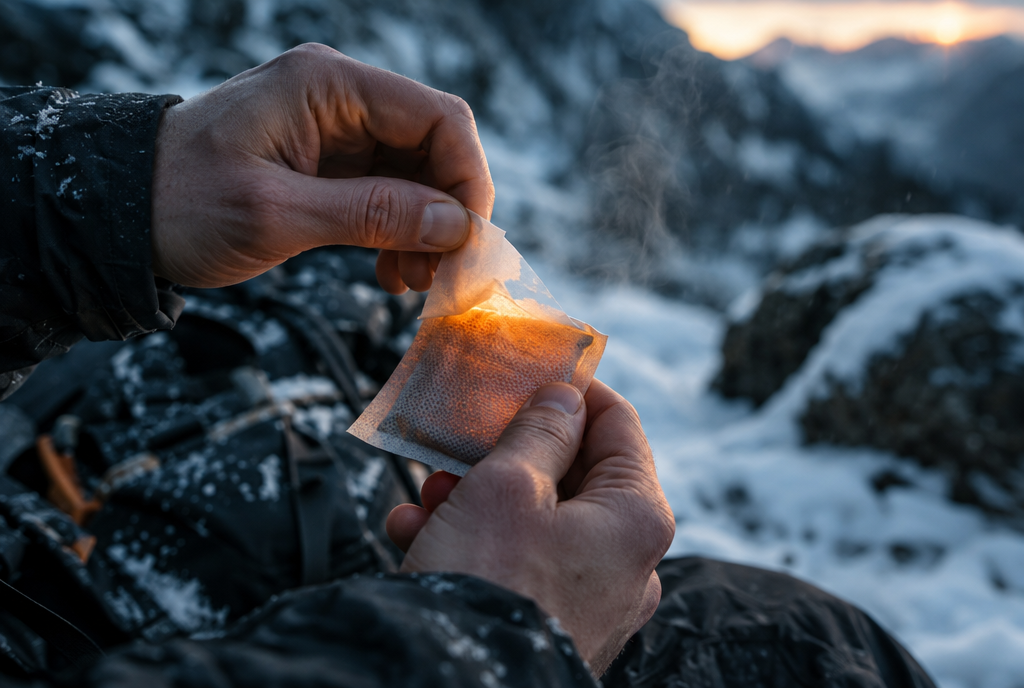
Disposable hand warmers work by controlled rusting. When you open the wrapper, oxygen reaches a mix of iron powder, water, salt, activated carbon and an absorbent filler. The iron oxidizes to iron oxide and releases heat. Salt speeds the reaction, carbon spreads the heat, and the porous pouch limits airflow so warmth lasts for hours instead of minutes.
How heat-reflective clothing linings work
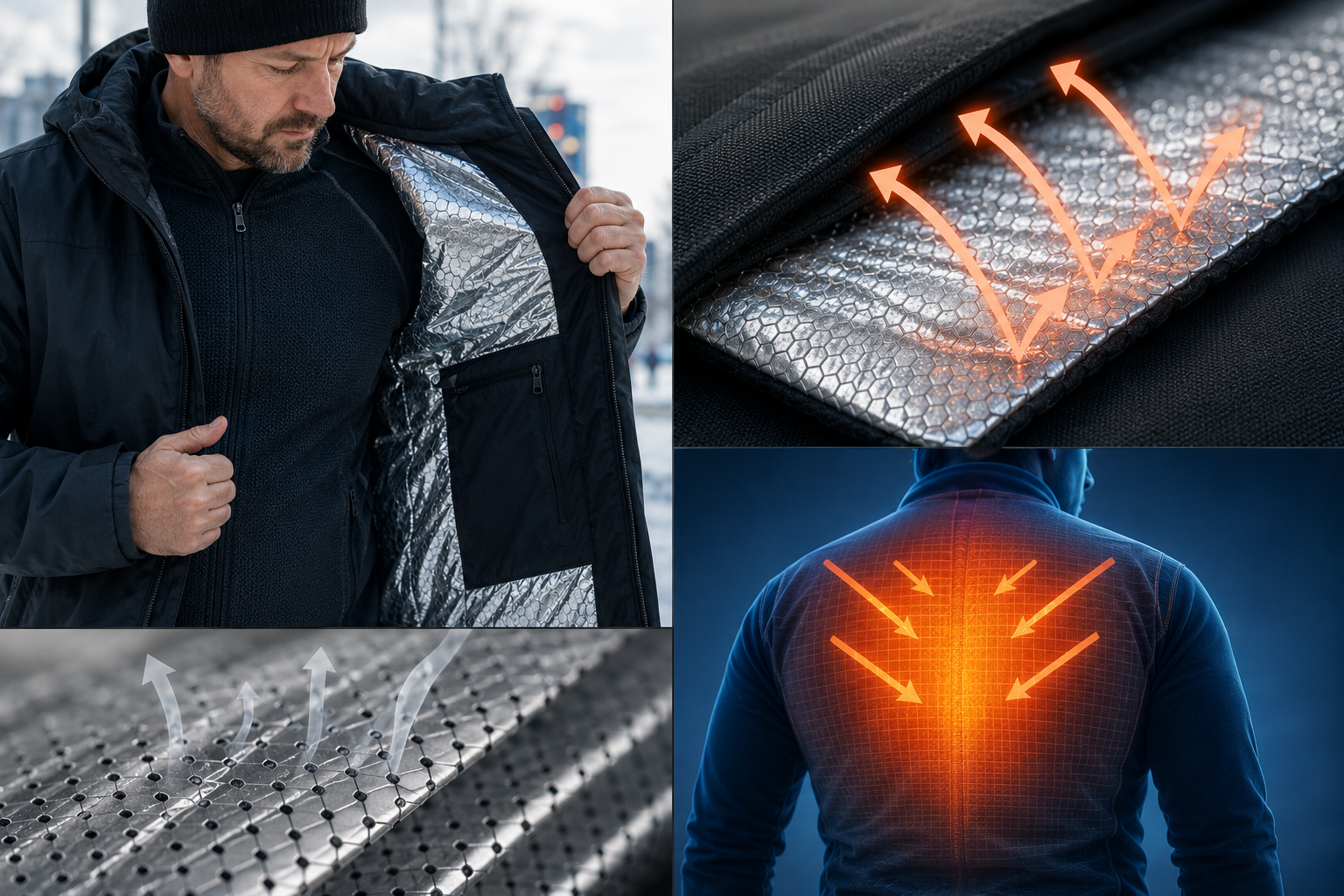
A heat-reflective lining is a thin metallized layer that returns infrared energy from your body instead of absorbing and re-emitting it outward. It works because skin is a strong infrared emitter and radiation is the largest route of heat loss at rest, about 60 percent. It conserves heat you already make; it cannot create heat, block wind or stop conduction.
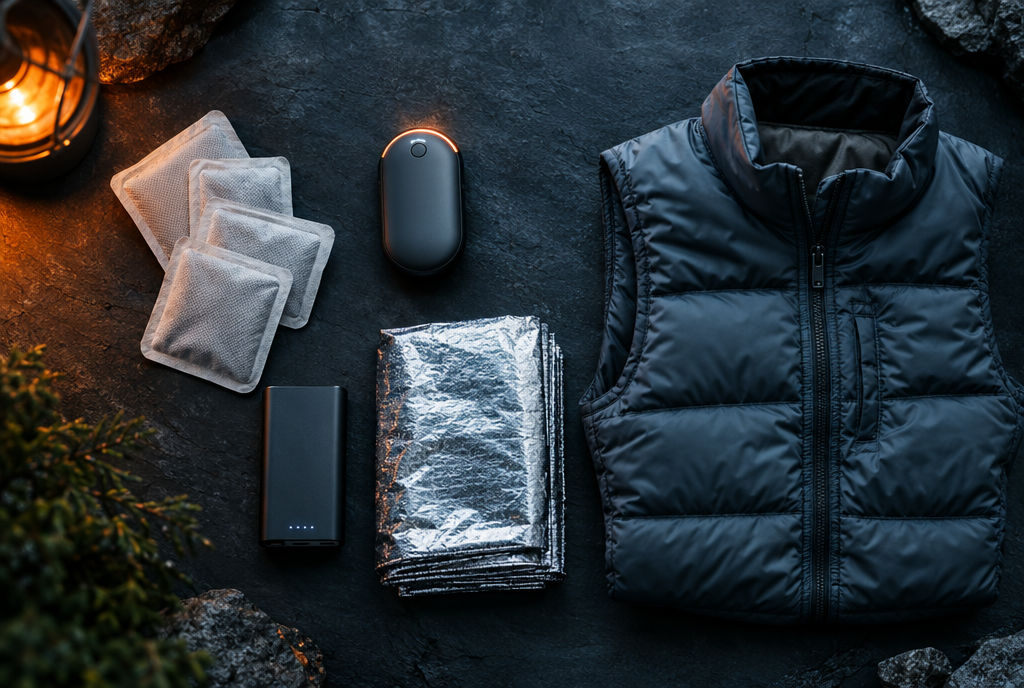
Every way to warm the human body: warming technologies compared
Every warming technology does one of two things: it adds heat to the body or it slows the heat the body loses. Chemical warmers and battery heaters add heat. Insulation, heat-reflective linings, space blankets and aerogel slow loss. Phase-change fabrics only store and return heat briefly, and far-infrared textiles only redirect it. The warmest systems combine a heat source with insulation and reflection.