
Knowledge
Sourced guides on how the body stays warm, how patients and clinicians are kept comfortable, how crews work safely in cold and heat, and how warming gear works. Pick the theme closest to your world.
Ready to choose gear? Browse all buyer’s guides →
Free tools: wind chill and frostbite calculator, cold work warm-up schedule, what to wear by temperature, which warmth setup is right for you? and the warmth runtime and cost calculator. All tools and data →

Science of Warmth
For anyone who wants to understand how the body makes, keeps and loses heat.
Start here
Popular
All Science of Warmth articles →
Healthcare
For clinicians, perioperative teams and hospital leaders.
Start here
Popular
- How to stay warm in the operating room
- What is perioperative hypothermia?
- Forced-air vs conductive warming

Work and Duty
For employers, safety leads, crews, service members and EMS.
Start here
Popular
All Work and Duty articles →
Everyday Life and Health
For people who feel the cold, and for daily life outdoors.
Start here
- Cold sensitivity and Raynaud’s
- Staying warm in everyday life
- Staying warm at home and with family
- Staying warm with a health condition or disability
Popular
All Everyday Life and Health articles →
Heat and Cooling
For hot jobs, heavy protective gear and personal heat sensitivity.
Start here
Popular
All Heat and Cooling articles →
Technology and Gear
For choosing, using and caring for warming gear.
Start here
Popular
All Technology and Gear articles →All articles
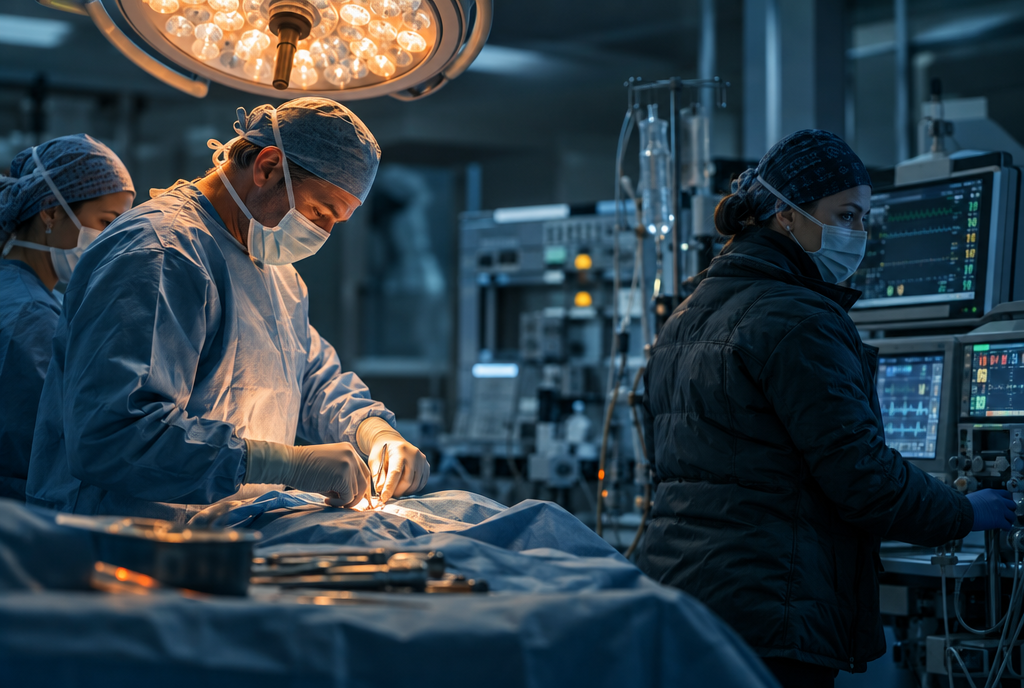
Surgeons are hot, nurses are cold: the OR thermal comfort gap
In the same operating room, gowned surgeons working under lights often feel too warm while less active staff, especially anesthesia clinicians, feel cold. Studies using the ISO 7730 comfort method conclude that no single room temperature can satisfy every role. The most effective fixes are role-specific: cooling for scrubbed surgeons and added insulation or warmth for everyone else, within attire policy.
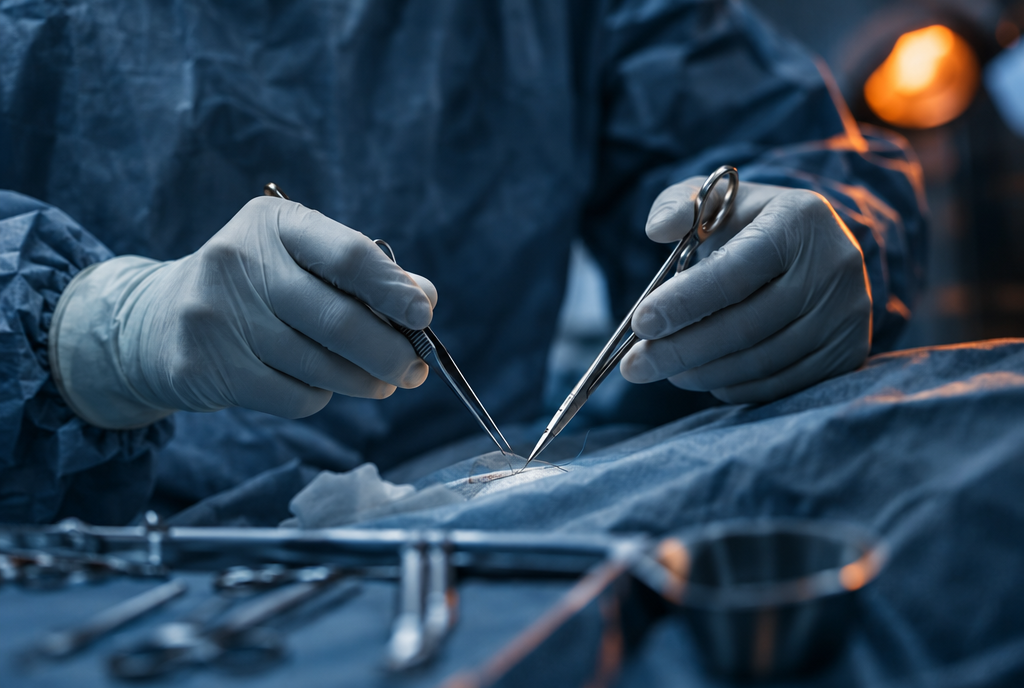
Cold hands and dexterity: what the research shows for clinicians
Cold reduces manual dexterity. A classic review set a finger skin temperature of about 15°C as a minimum for hand function, and newer work shows measurable losses can begin at warmer skin temperatures. Warming the hands, and the whole body, helps preserve performance. Operating rooms are not cold enough to reach those extremes for most staff, but cool, exposed hands can still feel clumsy.
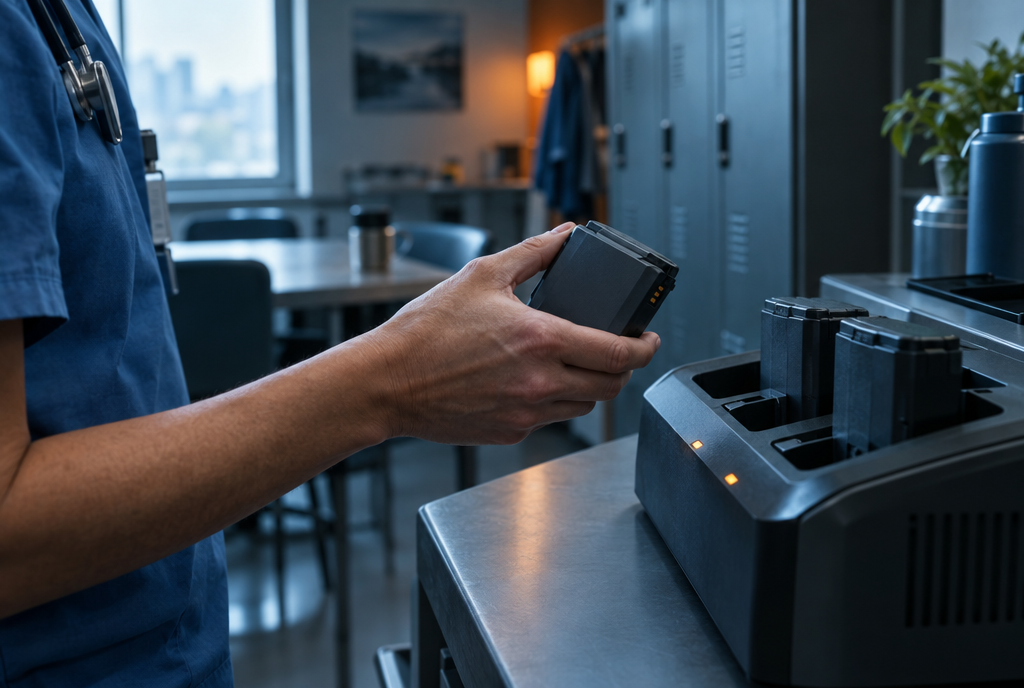
Battery-powered personal devices in clinical areas: safety considerations
Personal battery devices such as phones, earbuds and heated vests are common in hospitals, but clinical areas add risks that homes do not. Operating rooms can have oxygen-enriched zones where any ignition source matters, and lithium-ion packs can overheat if damaged or charged improperly. Use certified products and approved chargers, clean devices before entering the OR, and follow your facility's electrical and fire safety policies.
Warm layers and OR attire: infection-control rules explained
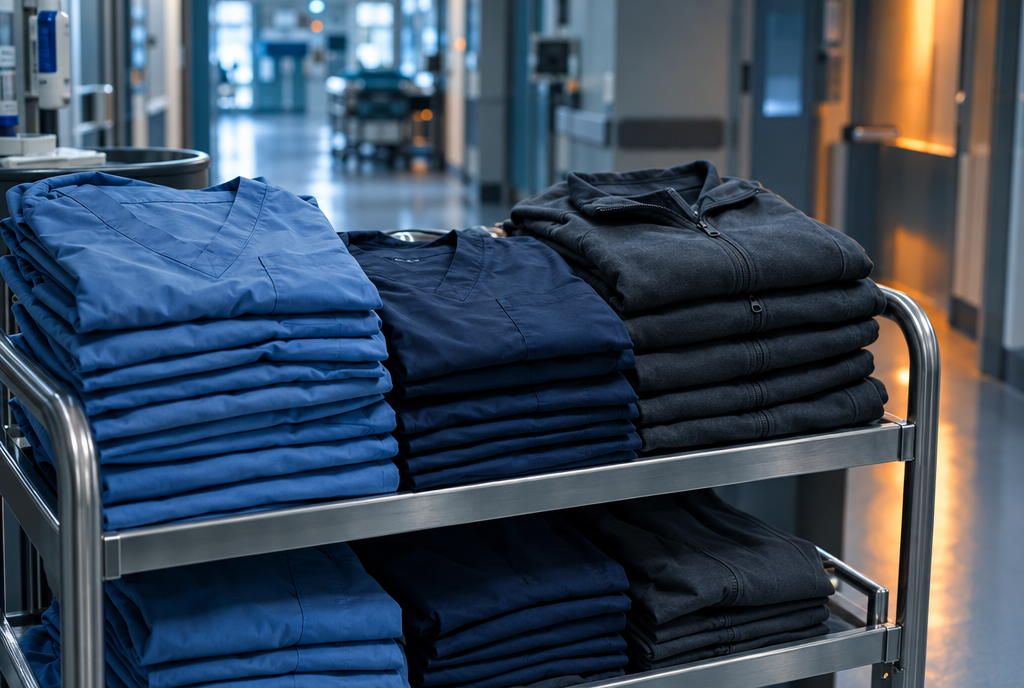
AORN's surgical attire guideline allows a long-sleeve scrub jacket, or warm-up jacket, as part of surgical attire and says arms may be covered during patient skin antisepsis. It makes no recommendation on personal clothing under scrubs, leaving fabric and laundering rules to each facility. Scrub attire should be low linting and laundered at a health care-accredited laundry, per state rules, or per CDC recommendations.
Why are operating rooms so cold?
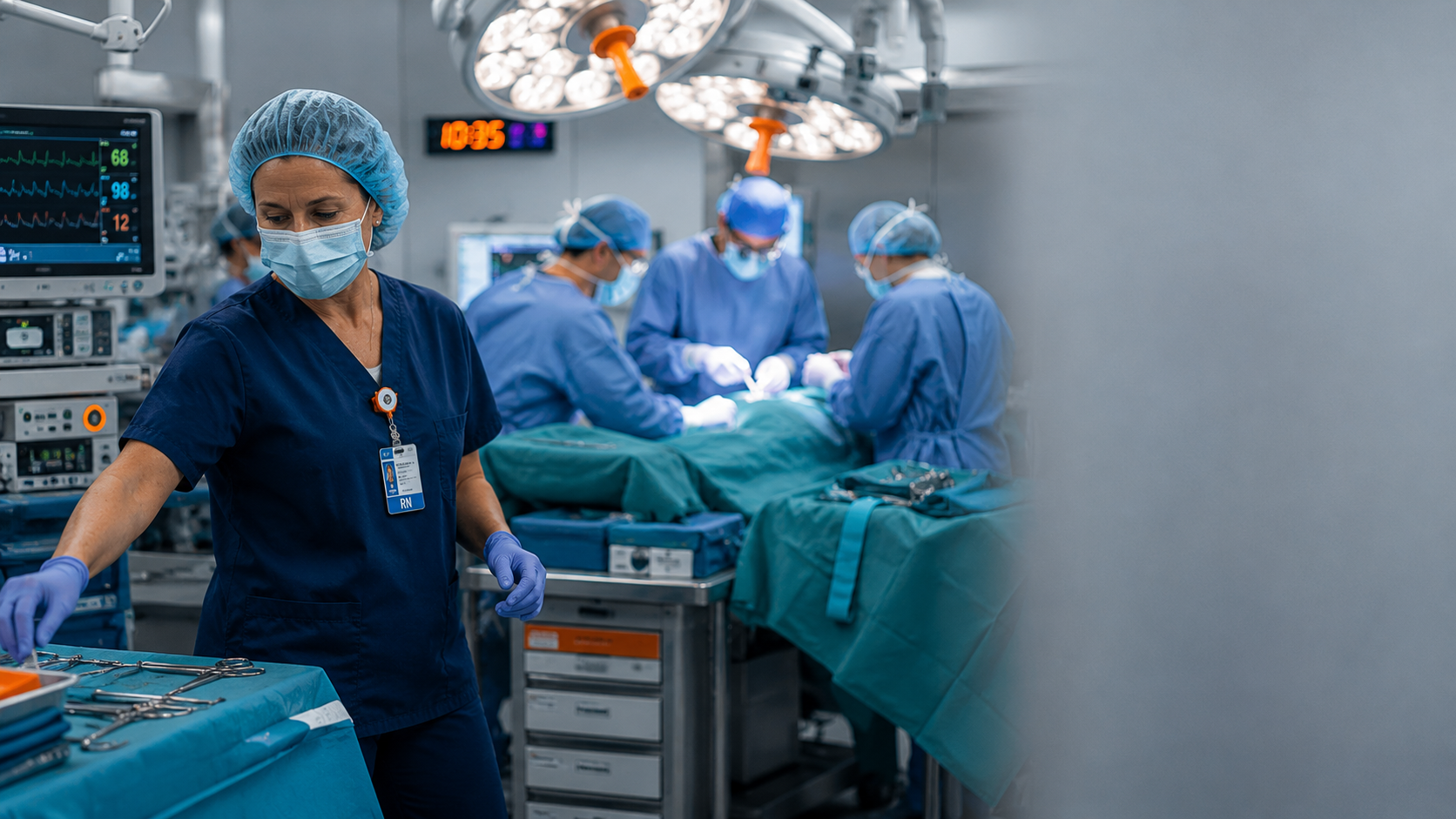
Operating rooms are kept at 68 to 75°F by standards, and often at the cool end. Why ORs run cold, who it affects, and how surgical staff cope.

Scrub jacket, warm-up jacket or thermal vest: which keeps clinicians warmest?
In surgical settings, scrub jacket and warm-up jacket usually mean the same garment: a long-sleeve jacket worn over scrubs. It warms the arms and is widely accepted when clean and laundered per policy. A thermal vest warms the core with arms free. The warmest policy-friendly combination for most cold clinicians is a low-lint base layer, a thin core vest and a facility-laundered warm-up jacket.
Wearing a heated or thermal vest under scrubs: what to know
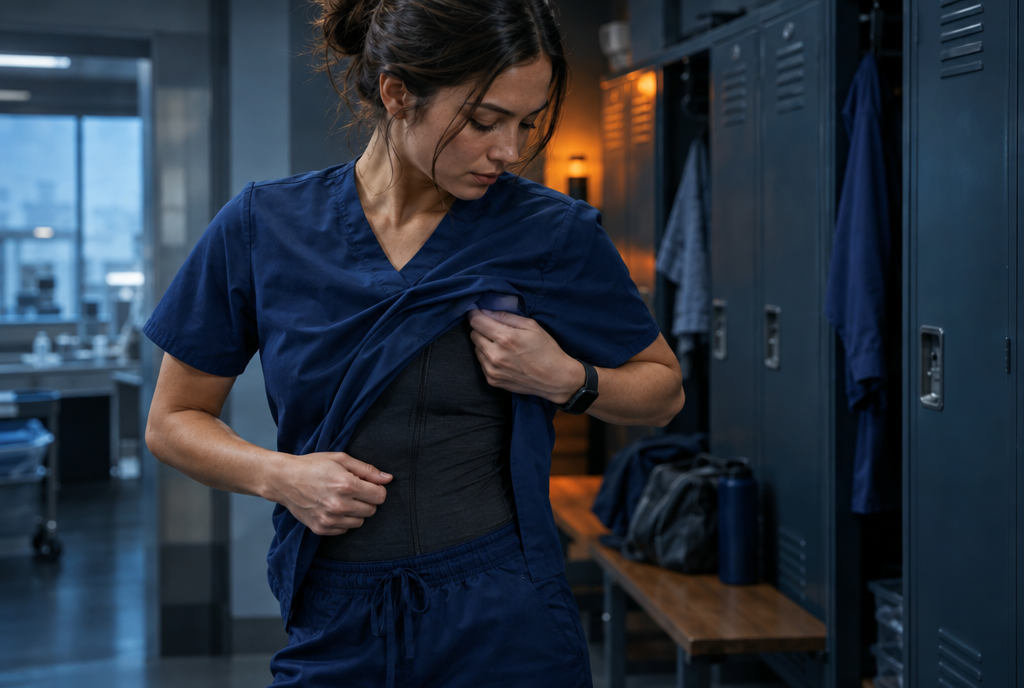
You can often wear a thin heated or thermal vest under scrubs, but whether it is allowed depends on your facility's policy for personal clothing, fabric and electrical devices. Passive insulated or heat-reflective vests and pockets for air-activated warmers raise the fewest questions. Battery-heated vests may need approval, especially in operating rooms, and every option should be clean, low-lint and comfortable against skin.

How to stay warm in the operating room: a practical guide for staff
To stay warm in the operating room, layer from the skin out within your facility's attire policy: a close-fitting, low-lint base layer under scrubs, a clean warm-up jacket when arms may be covered, and added core warmth such as a thin vest. Cover your head and feet, keep moving between tasks, eat and hydrate, and ask about room temperature between cases.

What is perioperative hypothermia? Definition, causes and risks
Perioperative hypothermia is a core body temperature below 36.0°C (96.8°F) in the period around surgery. It is common because anesthesia impairs the body's temperature control and moves heat from the core to the skin, while patients lie exposed in a cool room. Even mild hypothermia is linked to more bleeding, wound infection, cardiac events and patient discomfort.

Cold on shift: a clinician's guide to thermal comfort in hospitals
Operating rooms are designed to run between 68°F and 75°F (20°C to 24°C), and many sit near the cool end to protect gowned surgeons and control humidity. That leaves circulating nurses, anesthesia staff and other less active team members cold. The practical answer is layered, policy-compliant attire: a clean warm-up jacket, a low-lint under layer and added core warmth, all within your facility's attire and device rules.
Perioperative hypothermia and patient warming: the complete guide
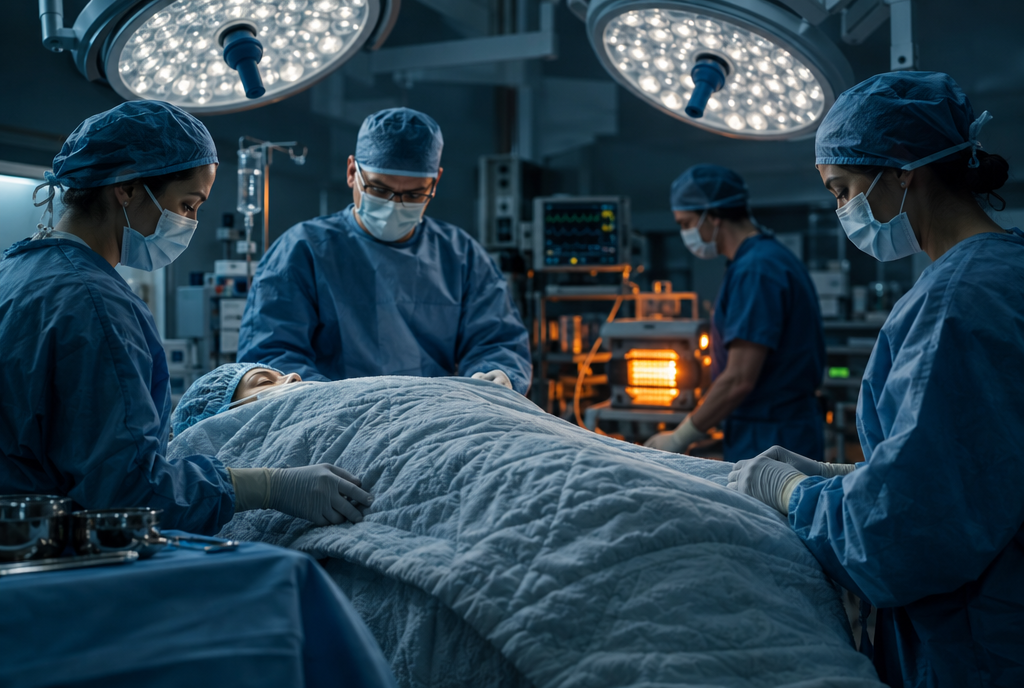
Patient warming is the set of practices that keep surgical patients at or above 36.0°C, the threshold for perioperative hypothermia. Anesthesia disables normal temperature control and operating rooms are cool, so most patients lose heat without help. Effective programs combine prewarming, active warming with forced-air or conductive devices, warmed fluids, sensible room settings and accurate core temperature monitoring.