
Knowledge
Sourced guides on how the body stays warm, how patients and clinicians are kept comfortable, how crews work safely in cold and heat, and how warming gear works. Pick the theme closest to your world.
Ready to choose gear? Browse all buyer’s guides →
Free tools: wind chill and frostbite calculator, cold work warm-up schedule, what to wear by temperature, which warmth setup is right for you? and the warmth runtime and cost calculator. All tools and data →

Science of Warmth
For anyone who wants to understand how the body makes, keeps and loses heat.
Start here
Popular
All Science of Warmth articles →
Healthcare
For clinicians, perioperative teams and hospital leaders.
Start here
Popular
- How to stay warm in the operating room
- What is perioperative hypothermia?
- Forced-air vs conductive warming
Work and Duty
For employers, safety leads, crews, service members and EMS.
Start here
Popular
All Work and Duty articles →
Everyday Life and Health
For people who feel the cold, and for daily life outdoors.
Start here
- Cold sensitivity and Raynaud’s
- Staying warm in everyday life
- Staying warm at home and with family
- Staying warm with a health condition or disability
Popular
All Everyday Life and Health articles →
Heat and Cooling
For hot jobs, heavy protective gear and personal heat sensitivity.
Start here
Popular
All Heat and Cooling articles →
Technology and Gear
For choosing, using and caring for warming gear.
Start here
Popular
All Technology and Gear articles →All articles
PTC self-regulating heaters in wearables, explained
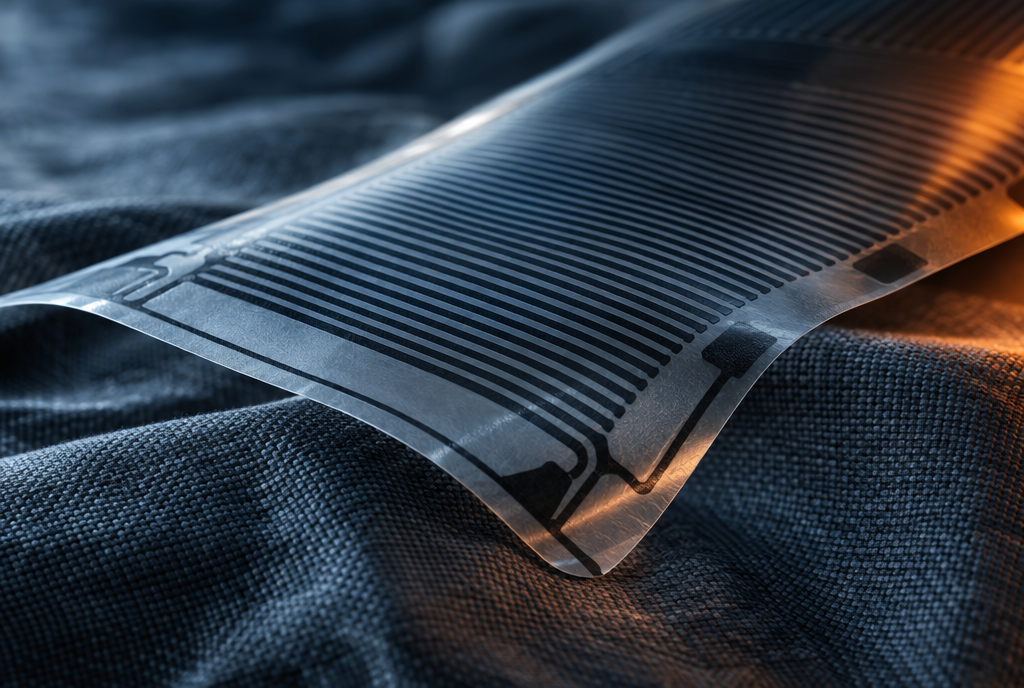
A PTC (positive temperature coefficient) heater is an element whose electrical resistance rises sharply as it warms. As it heats, less current flows, so heat output drops on its own near a designed switching temperature. In wearables, PTC films and inks provide built-in temperature limiting without a separate sensor, but the set point is fixed at manufacture and does not replace good design.
How heated vests work: carbon fiber, wire and batteries
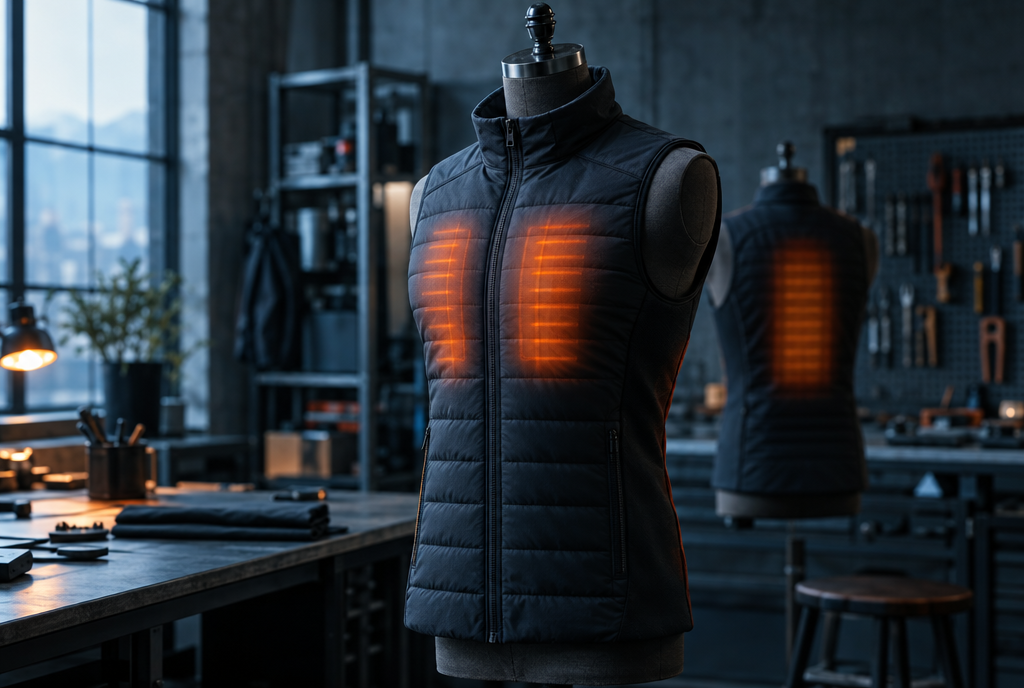
A heated vest works like a small, flexible electric blanket. A rechargeable battery pushes current through thin heating elements, usually carbon fiber or metal alloy wire, sewn into panels at the chest, back or collar. The elements resist the current and turn electrical energy into heat. A controller sets the heat level, and the vest's insulation holds that heat near your core.

How long do hand warmers last? Opened, unopened and expired
Once opened, most air-activated hand warmers are rated for about 7 to 12 hours of heat, while larger body warmers are rated up to 18 hours. Unopened, they typically carry a shelf life of 3 to 4 years. Expired but sealed warmers often still work, though they may run cooler or shorter. Airflow, moisture and storage all change real-world runtime.
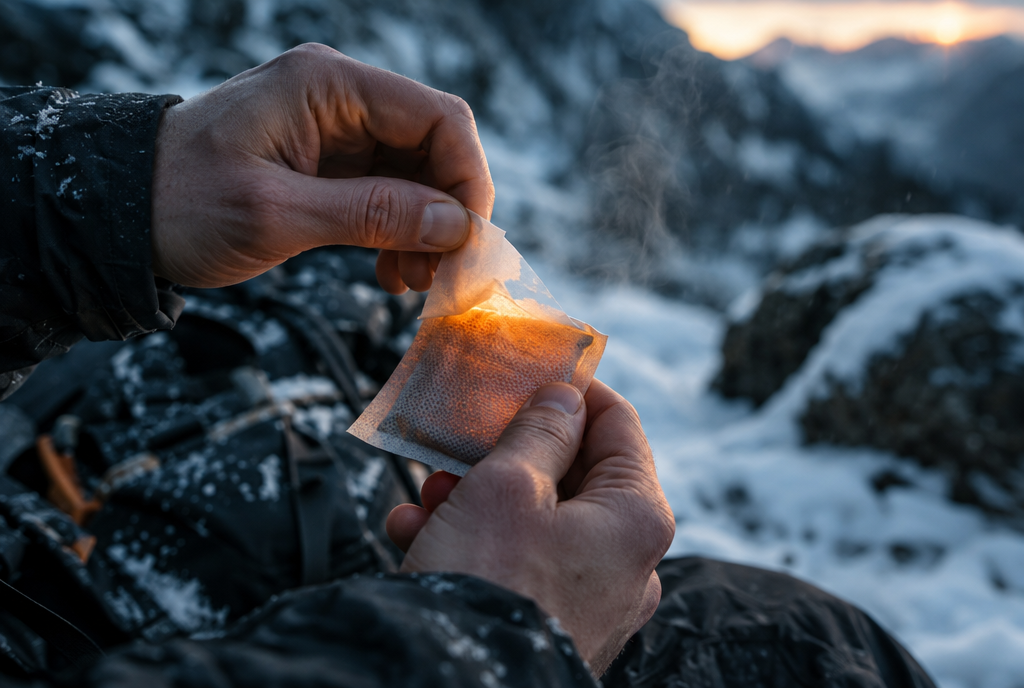
How hand warmers work: the chemistry of air-activated heat
Disposable hand warmers work by controlled rusting. When you open the wrapper, oxygen reaches a mix of iron powder, water, salt, activated carbon and an absorbent filler. The iron oxidizes to iron oxide and releases heat. Salt speeds the reaction, carbon spreads the heat, and the porous pouch limits airflow so warmth lasts for hours instead of minutes.
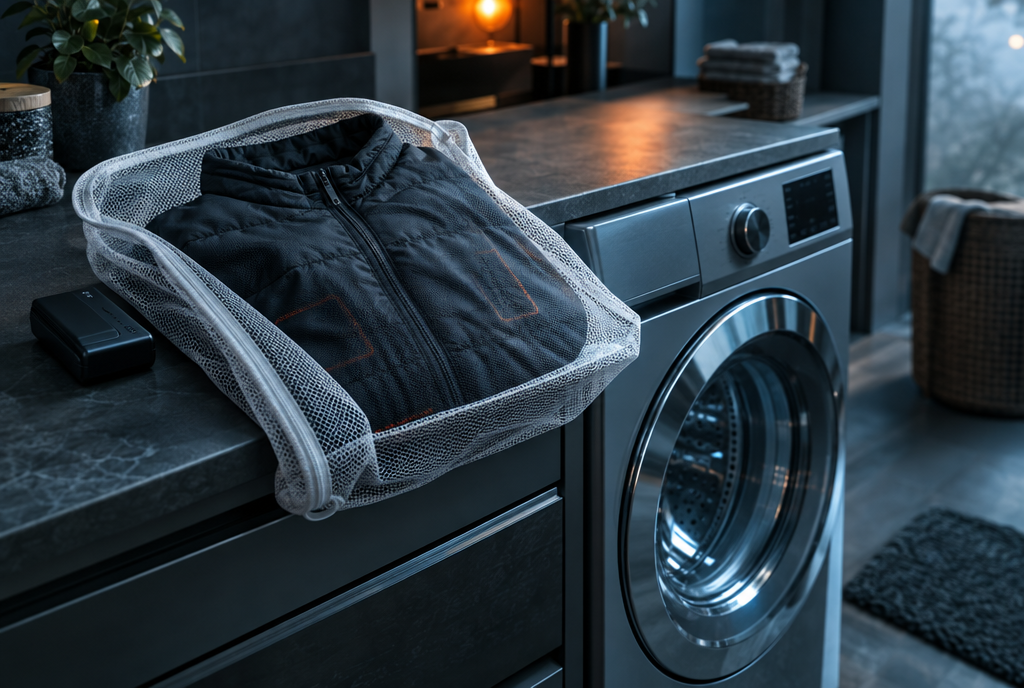
Can you wash a heated vest? Care guide for heated and heat-reflective garments
Most heated vests can be washed, but only after the battery is removed and the connector is secured. Follow the care label first. When it allows machine washing, use a gentle cycle, cold water and mild detergent, then air dry completely before reconnecting power. Never tumble dry, iron, bleach or dry clean a garment with heating elements unless the label allows it.
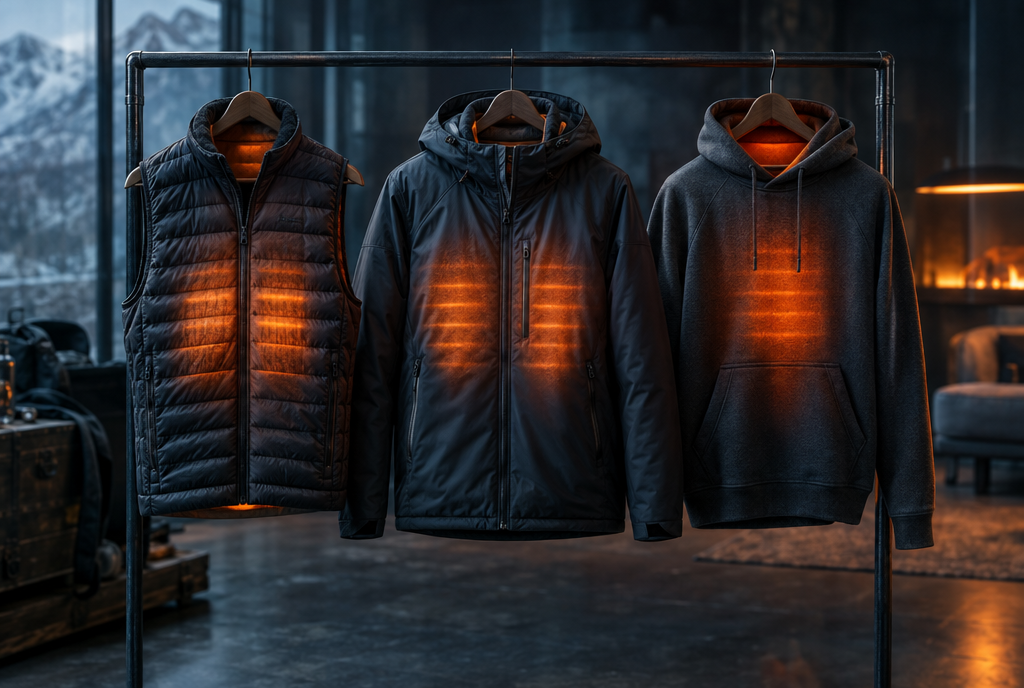
Heated vest vs heated jacket vs heated hoodie
A heated vest warms your torso, layers under almost anything and leaves arms free, which makes it the most versatile choice. A heated jacket adds sleeves and an outer shell, so it suits people who want one garment for wind and weather. A heated hoodie is a casual mid layer for mild cold, commuting and time around home.
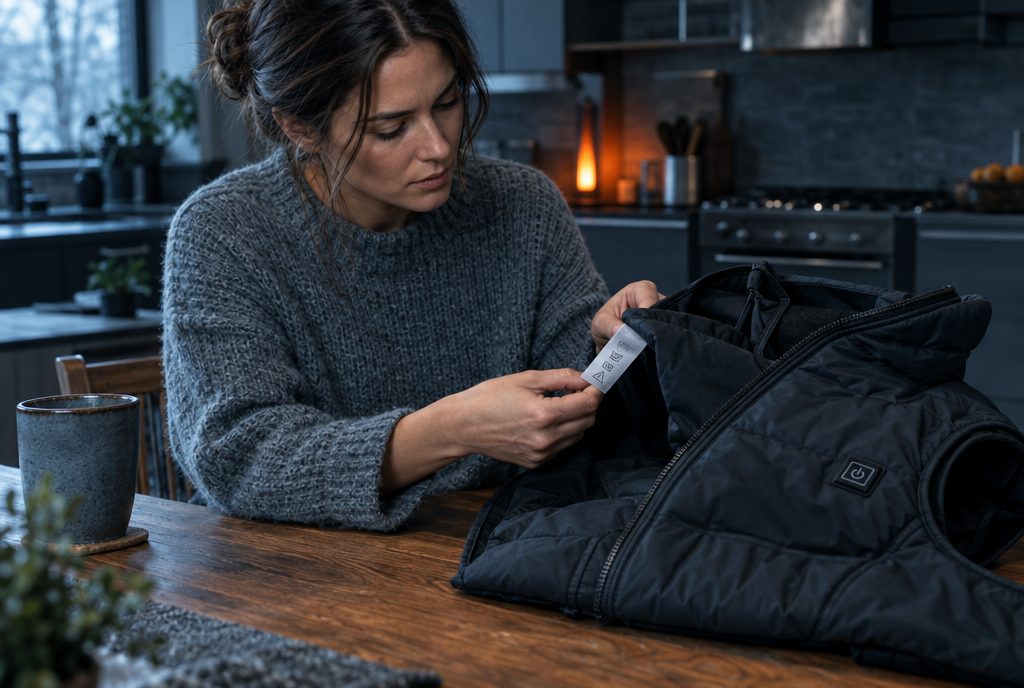
Are heated vests safe? Pacemakers, pregnancy, elderly and more
For most healthy adults, a well-made heated vest used as directed is a low-risk way to stay warm. The real hazards are skin burns from prolonged contact heat and fire from damaged or poorly made lithium batteries. People with reduced sensation, diabetes, implanted cardiac devices, pregnancy, young children and frail older adults need extra caution and a clinician's input.
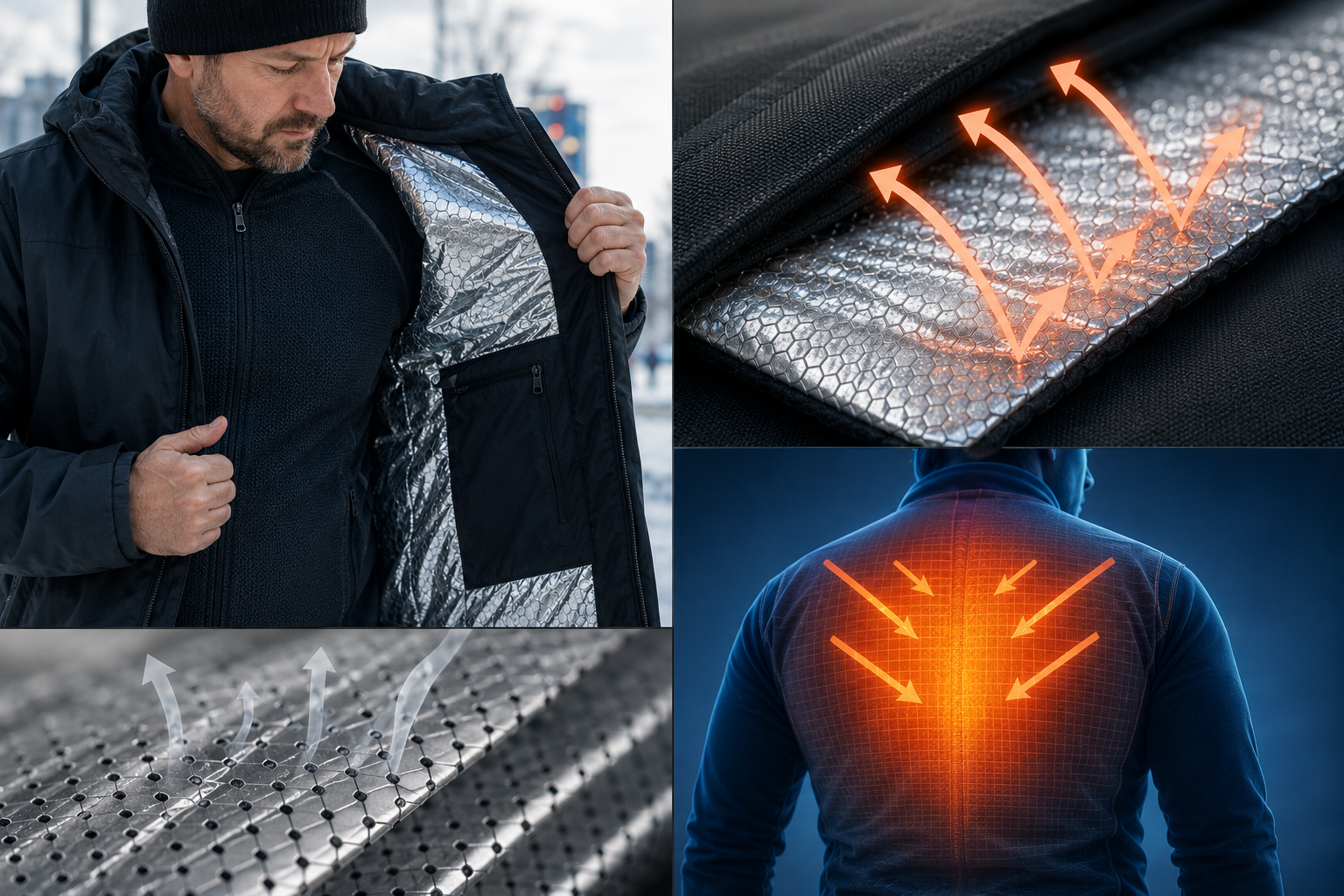
How Heat Reflective Lining Works
Heat-reflective linings are wearable radiant barriers: low-emissivity surfaces that return radiant body heat to the wearer. The science, the ASTM C1371 test, and the limits.
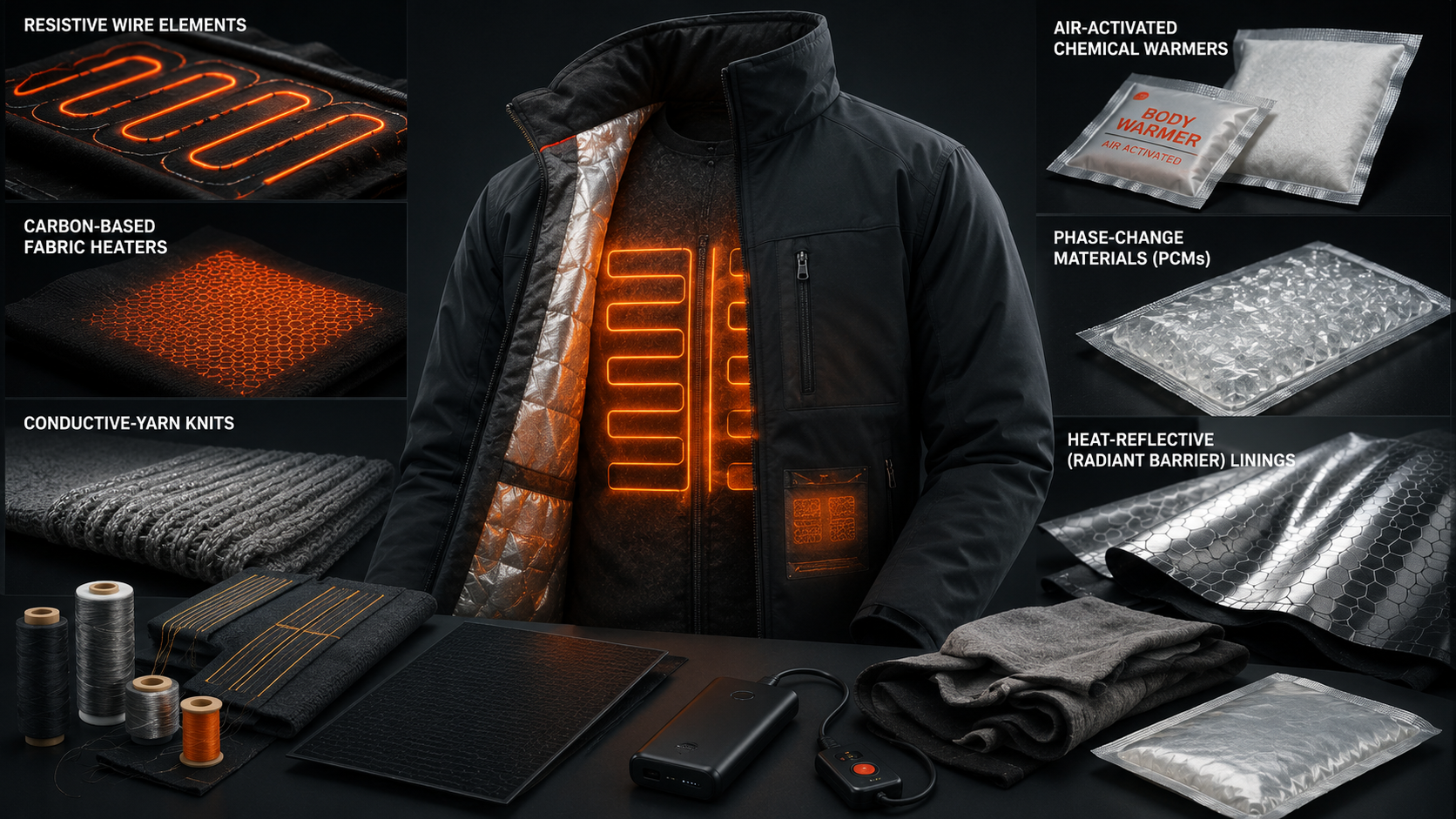
Heated-garment technologies, explained.
Resistive wire, carbon and PTC fabric heaters, conductive knits, chemical warmers, phase-change materials, and radiant barriers: how each heated-garment technology works
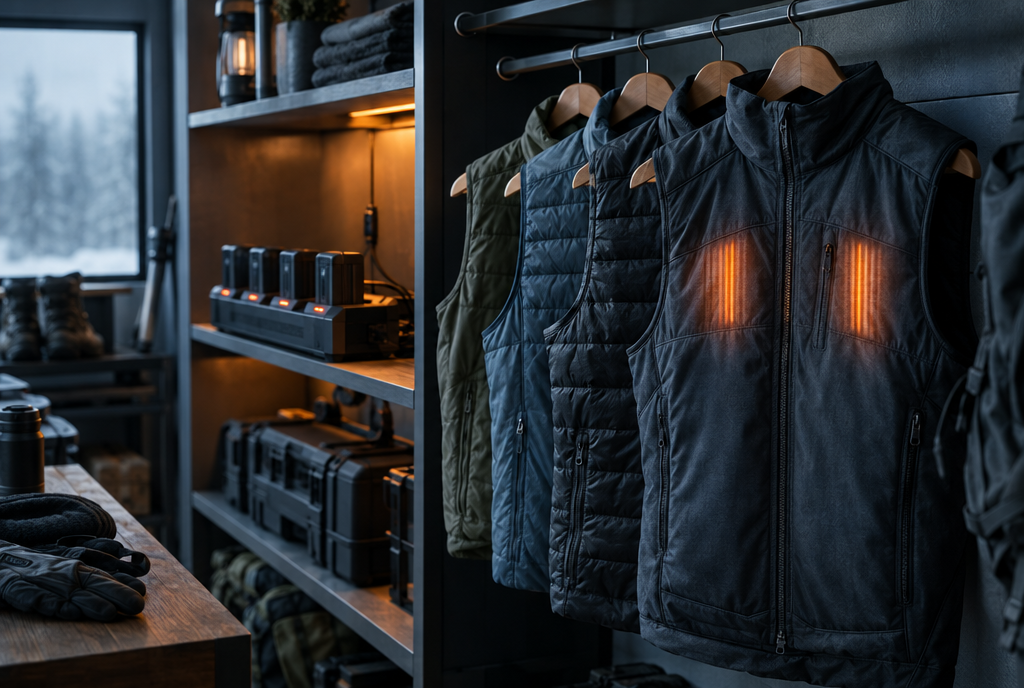
Heated and thermal gear: the buying, safety and care guide
A heated vest is a battery-powered garment with thin heating panels, usually over the back and chest, that adds warmth to your core on demand. Choosing well means matching the format to your use, sizing for your layers, comparing batteries in watt-hours, checking safety testing and recalls, and knowing when battery-free warmth from insulation, heat-reflective linings or air-activated warmers is the better tool.
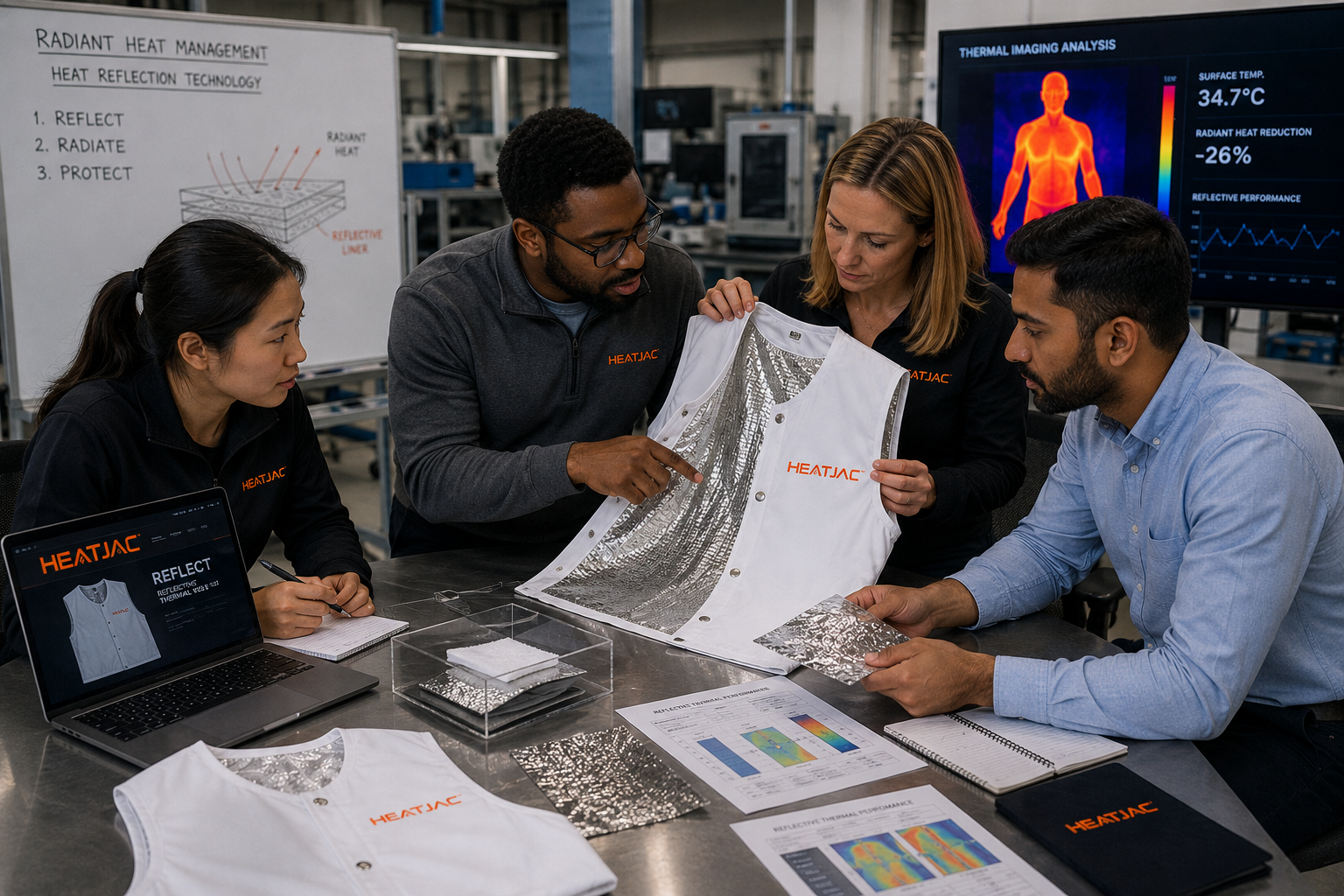
The Science of Heat-Reflective Thermal Technology: How Heat Reflection Supports Thermal Comfort
Heat-reflective thermal technology helps manage radiant heat transfer through advanced material science. Explore how thermal reflection, radiant heat loss, and heat-reflective liners are influencing the future of thermal comfort solutions and wearable innovation.
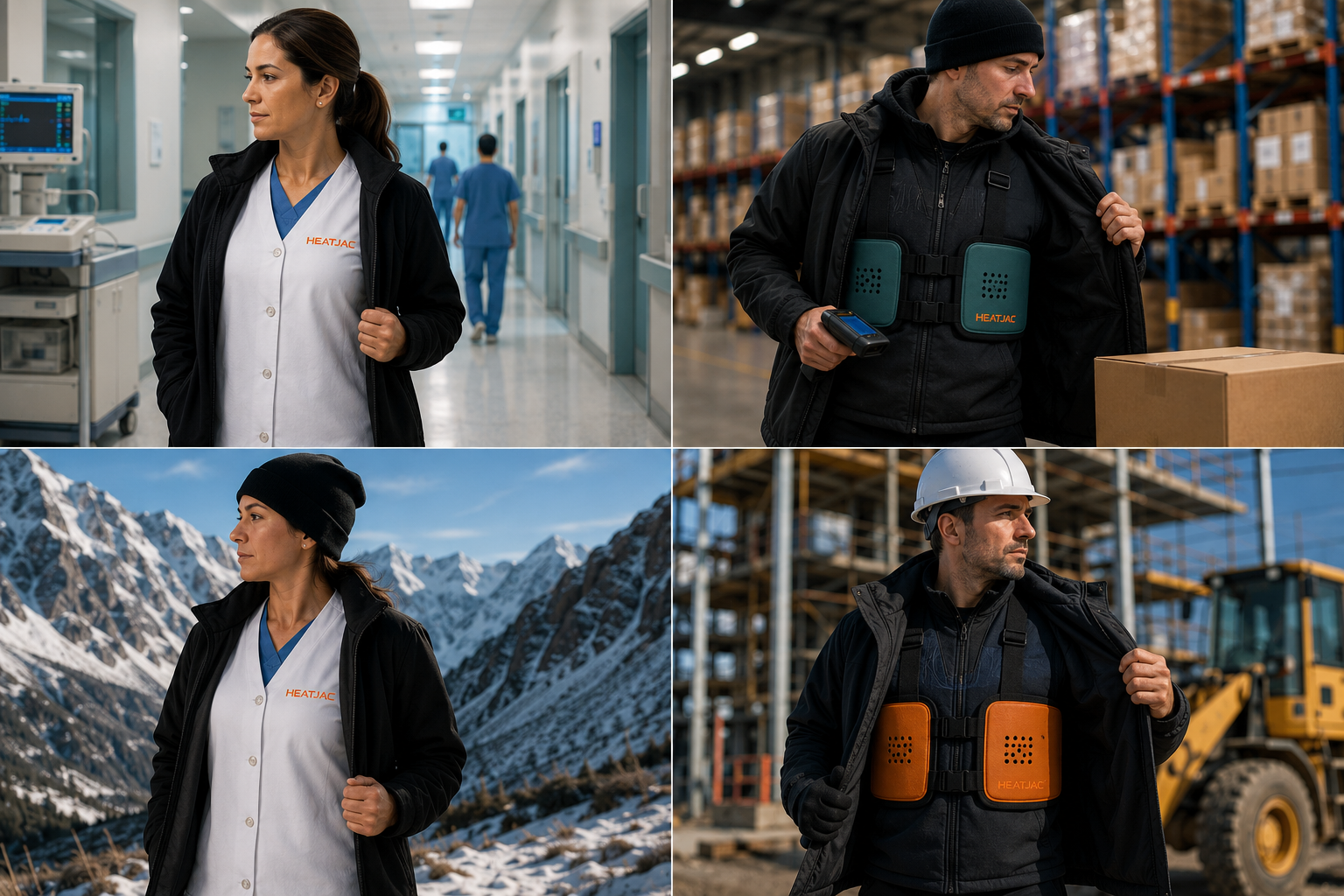
Wearable Thermal Technology: The Next Frontier in Personal Comfort for Professionals
Wearable thermal technology is creating new ways to support comfort, mobility, readiness, and environmental adaptability across professional and personal use cases.
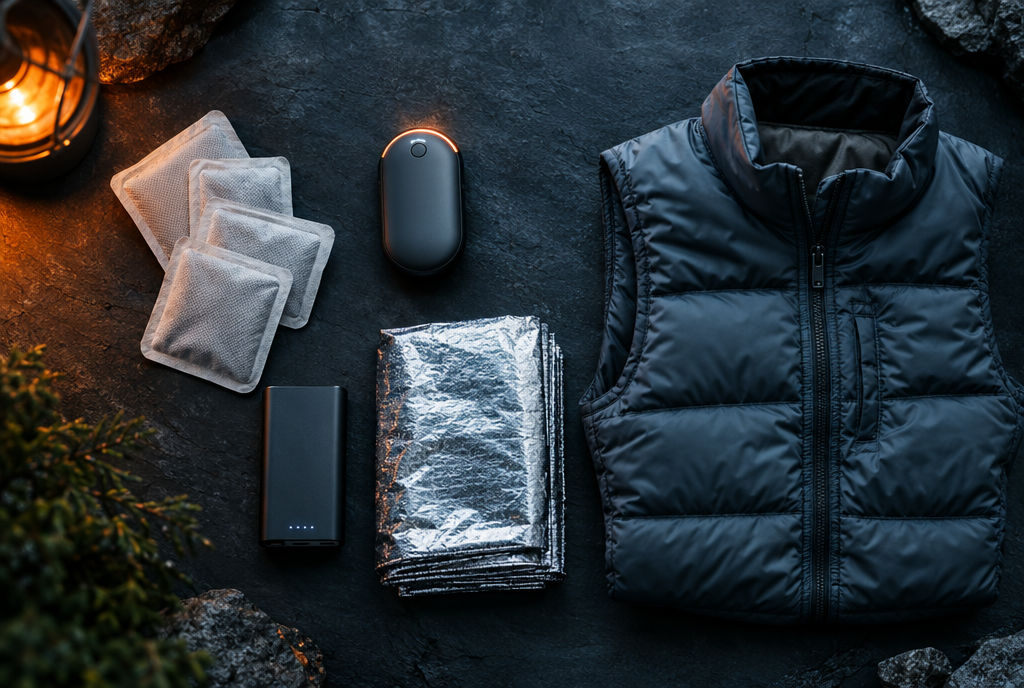
Every way to warm the human body: warming technologies compared
Every warming technology does one of two things: it adds heat to the body or it slows the heat the body loses. Chemical warmers and battery heaters add heat. Insulation, heat-reflective linings, space blankets and aerogel slow loss. Phase-change fabrics only store and return heat briefly, and far-infrared textiles only redirect it. The warmest systems combine a heat source with insulation and reflection.