
Knowledge
Sourced guides on how the body stays warm, how patients and clinicians are kept comfortable, how crews work safely in cold and heat, and how warming gear works. Pick the theme closest to your world.
Ready to choose gear? Browse all buyer’s guides →
Free tools: wind chill and frostbite calculator, cold work warm-up schedule, what to wear by temperature, which warmth setup is right for you? and the warmth runtime and cost calculator. All tools and data →

Science of Warmth
For anyone who wants to understand how the body makes, keeps and loses heat.
Start here
Popular
All Science of Warmth articles →
Healthcare
For clinicians, perioperative teams, hospital leaders, and patients before and after surgery.
Start here
- Patient warming and perioperative hypothermia
- Thermal comfort for clinicians
- For patients: surgery and recovery
Popular
- How to stay warm in the operating room
- What is perioperative hypothermia?
- Forced-air vs conductive warming

Work and Duty
For employers, safety leads, crews, service members and EMS.
Start here
Popular
All Work and Duty articles →
Everyday Life and Health
For people who feel the cold, and for daily life outdoors.
Start here
- Cold sensitivity and Raynaud’s
- Staying warm in everyday life
- Staying warm at home and with family
- Staying warm with a health condition or disability
- Medications and feeling cold
Popular
All Everyday Life and Health articles →
Heat and Cooling
For hot jobs, heavy protective gear and personal heat sensitivity.
Start here
Popular
All Heat and Cooling articles →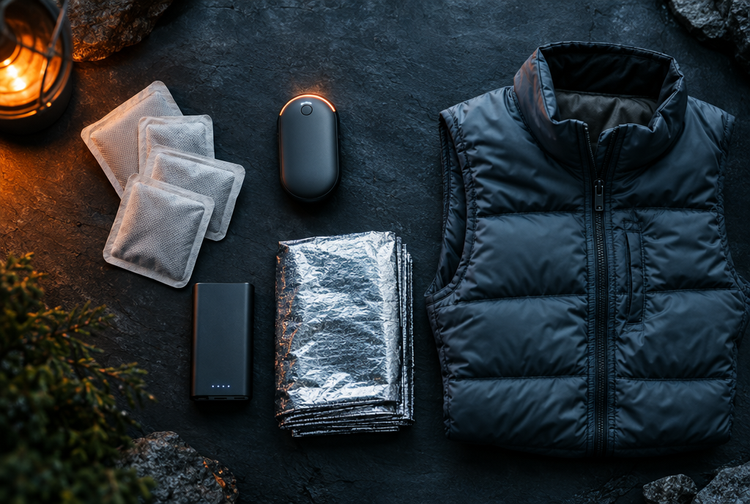
Technology and Gear
For choosing, using and caring for warming gear.
Start here
Popular
All Technology and Gear articles →All articles
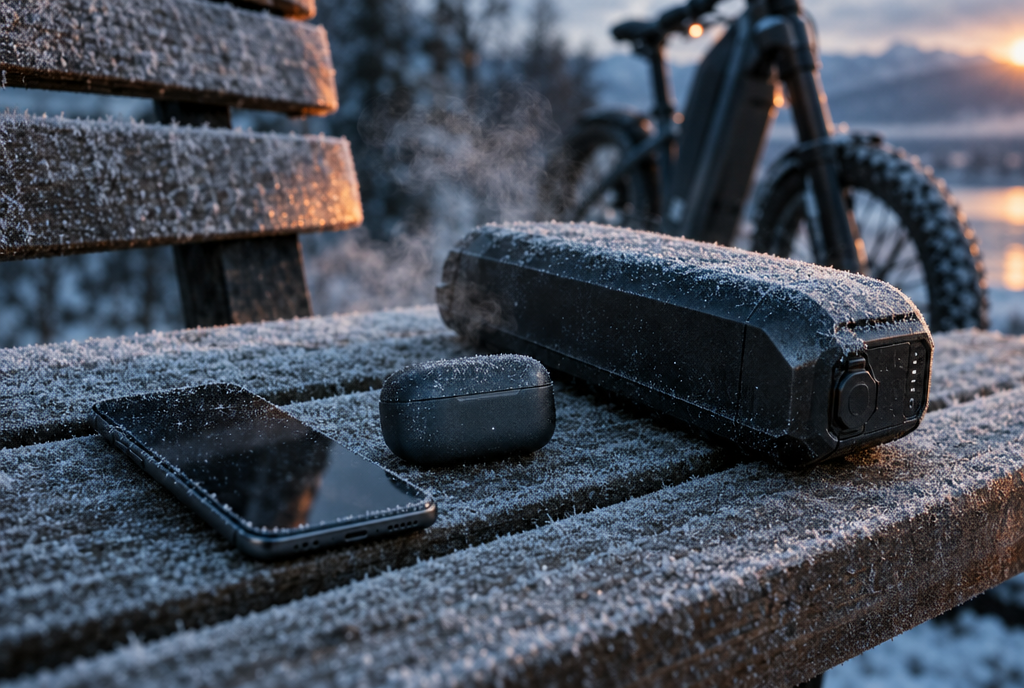
Why batteries die in the cold: phones, vapes, e-bikes and heated gear
Batteries die in the cold because low temperatures slow the chemistry inside lithium-ion cells. The electrolyte thickens, internal resistance rises, and the cell cannot deliver power fast enough, so devices drain quickly or shut off. Apple and Samsung design their phones for 32 to 95 °F (0 to 35 °C). The loss is usually temporary and returns once the battery warms.

How to choose a heated or thermal vest: fit, zones and features
The best heated vest is the one that fits your use: snug enough for the panels to reach your body, heating zones where you feel cold, a battery with enough watt-hours for your day, and evidence of safety testing. Start by deciding whether you need added heat at all, then judge fit, zones, battery, safety and care, in that order.
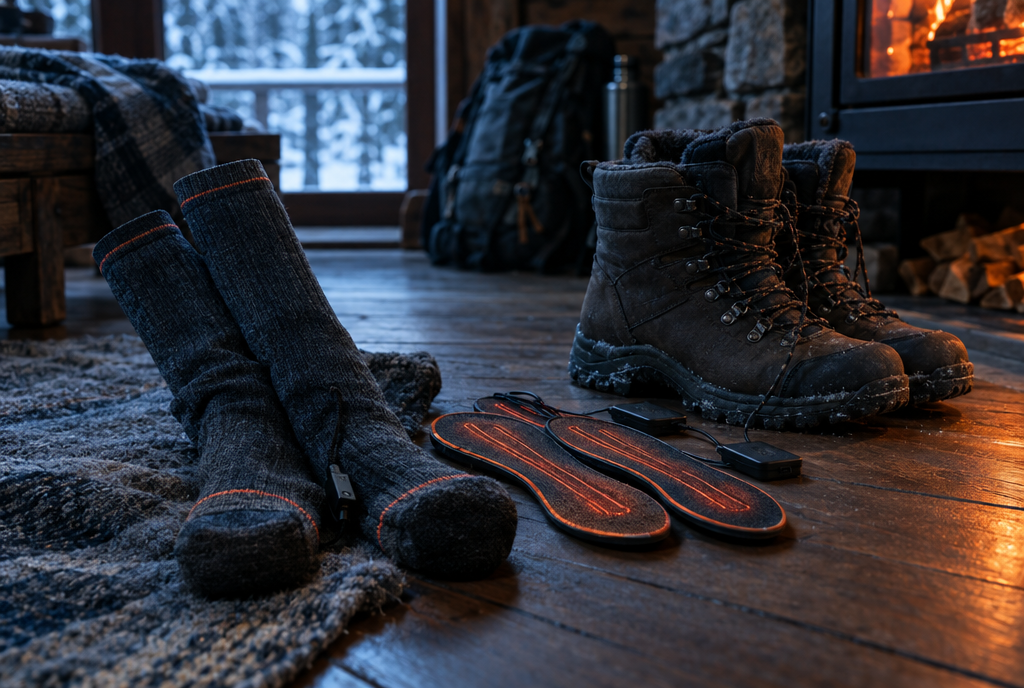
Heated socks vs heated insoles
Heated socks usually warm the toes and top of the foot and work in almost any footwear, but they must be washed with care and carry the battery at the cuff. Heated insoles warm the sole from underneath, move easily between boots and hide the electronics, but take up room in the boot. Both carry burn and battery risks worth checking before you buy.
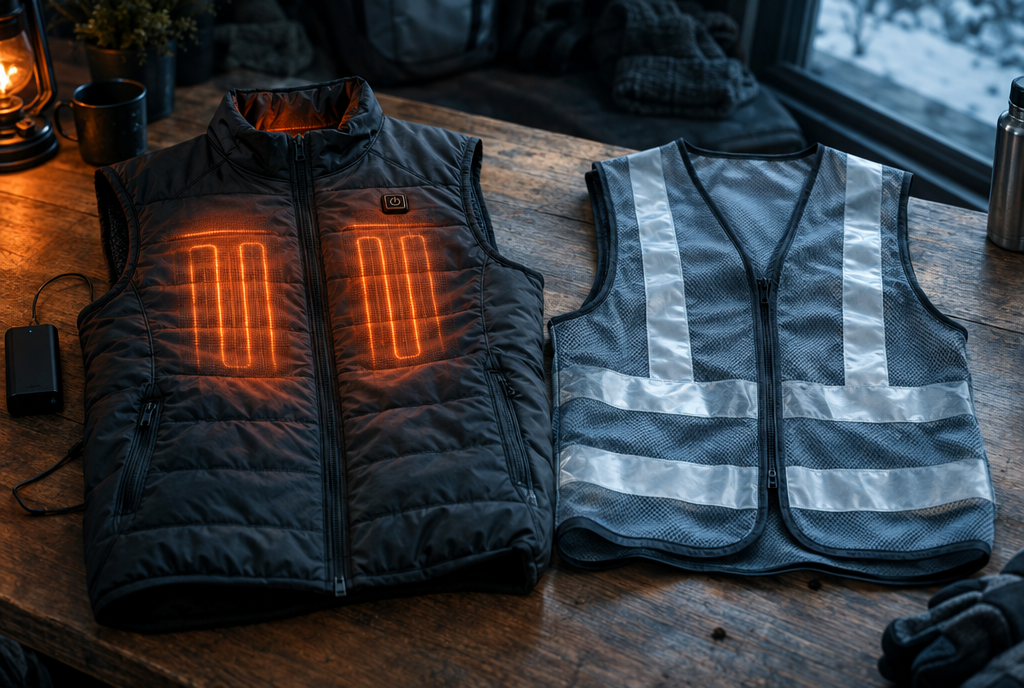
Battery-heated vs battery-free warmth: how to choose
Battery-heated clothing adds heat on demand and is best when you are still for long periods in real cold. Battery-free warmth, from insulation, heat-reflective linings and air-activated warmers, works by slowing heat loss or adding chemical heat, with no charging, less to fail and simpler travel. Many people get the best result by combining them: good layers first, added heat only where needed.

Are hand warmers safe? Skin, sleep, kids and pregnancy
Hand warmers are safe for most people when used as directed: inside a glove, pocket or over a layer of clothing, never directly on bare skin for long periods and never while asleep. They can reach temperatures well above the point where skin is injured, so children, older adults, people with diabetes or reduced sensation, and pregnant people need extra care.
Flying with heated clothing: TSA and airline battery rules
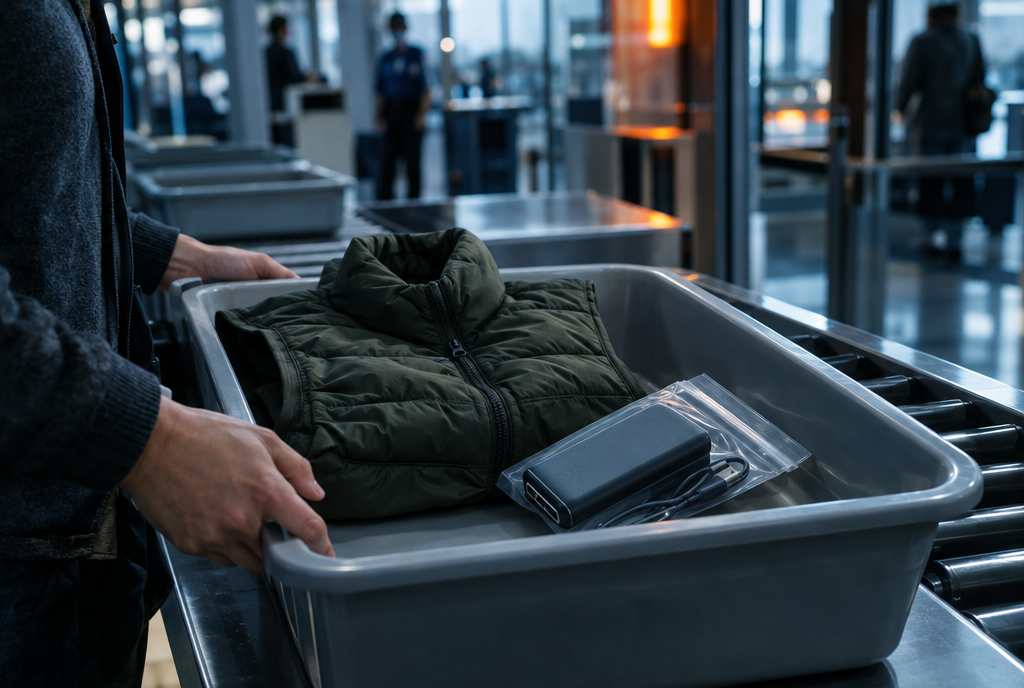
You can fly with a heated vest or jacket, but the lithium-ion battery must travel in the cabin, never in checked baggage when it is a spare. Under FAA rules, packs up to 100 watt-hours need no airline approval, packs from 101 to 160 Wh need airline approval with a limit of two spares, and larger packs are forbidden.
Heated vest batteries explained: volts, mAh, watt-hours and runtime
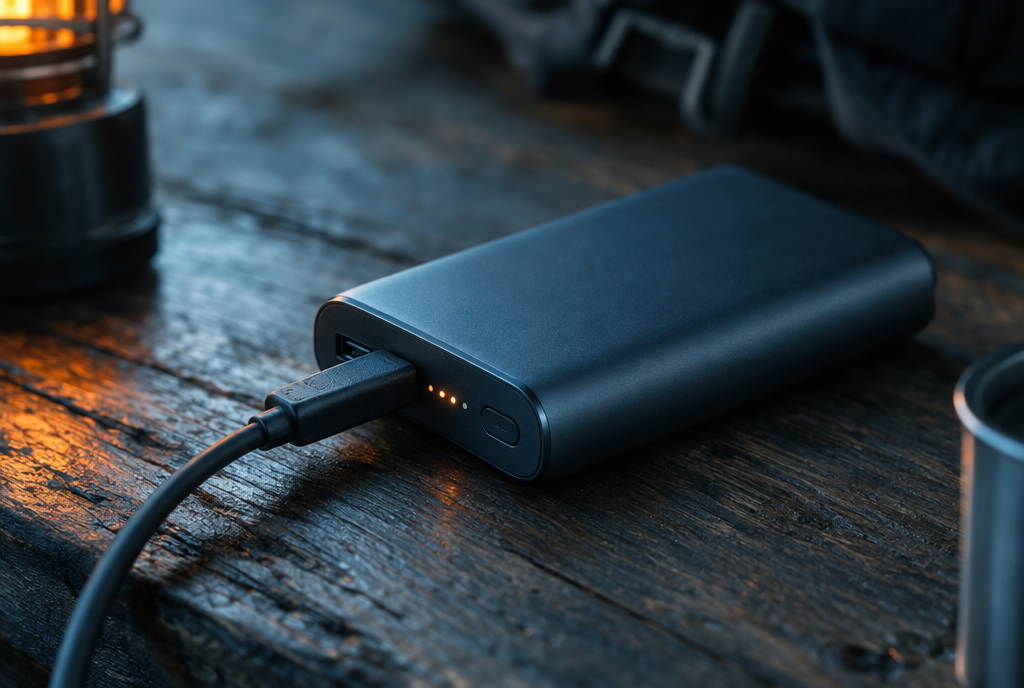
A heated vest battery's real capacity is its watt-hours (Wh), which you get by multiplying volts by amp-hours. Runtime is roughly that energy divided by how many watts the heating panels draw on a given setting. Milliamp-hours (mAh) alone can mislead, because packs run at different voltages, and cold weather temporarily cuts how much energy a lithium-ion pack can deliver.
Can you wash a heated vest? Care guide for heated and heat-reflective garments
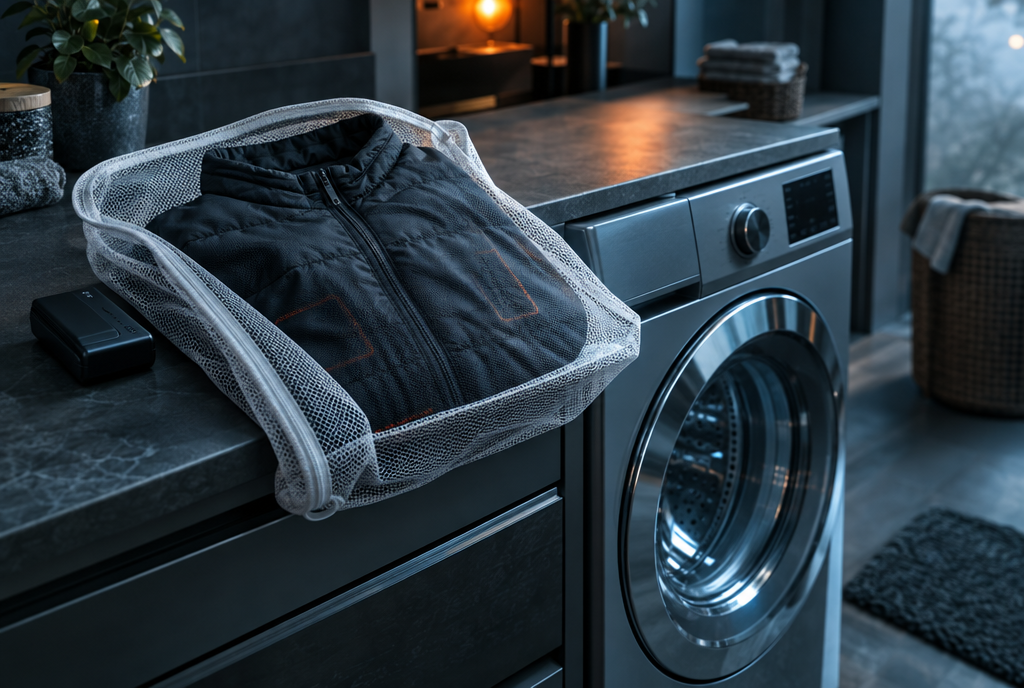
Most heated vests can be washed, but only after the battery is removed and the connector is secured. Follow the care label first. When it allows machine washing, use a gentle cycle, cold water and mild detergent, then air dry completely before reconnecting power. Never tumble dry, iron, bleach or dry clean a garment with heating elements unless the label allows it.
Heated vest vs heated jacket vs heated hoodie
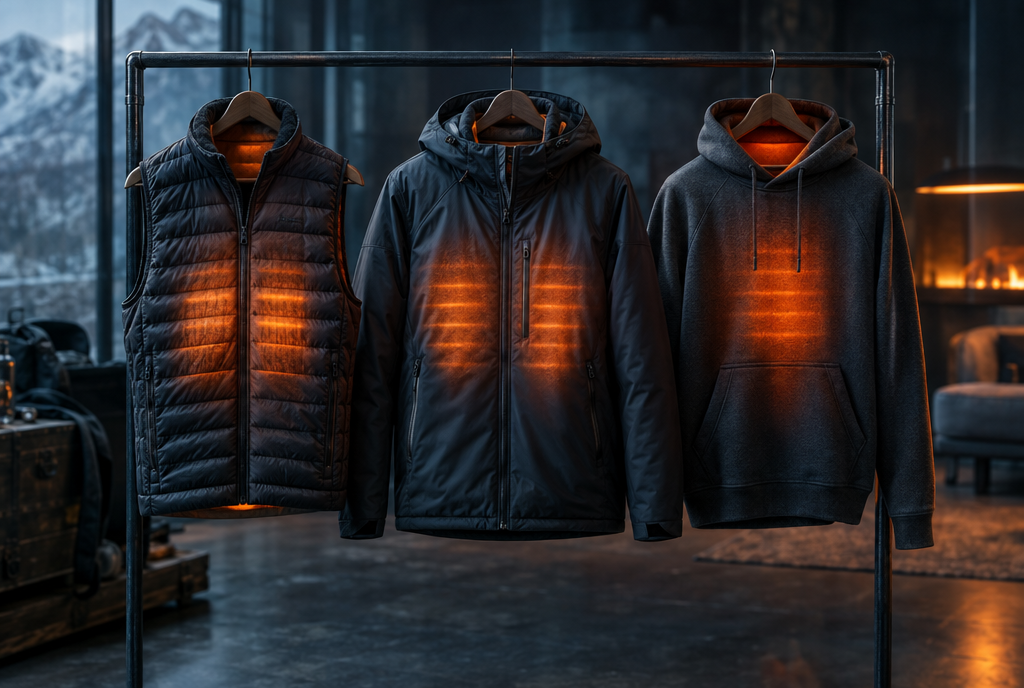
A heated vest warms your torso, layers under almost anything and leaves arms free, which makes it the most versatile choice. A heated jacket adds sleeves and an outer shell, so it suits people who want one garment for wind and weather. A heated hoodie is a casual mid layer for mild cold, commuting and time around home.
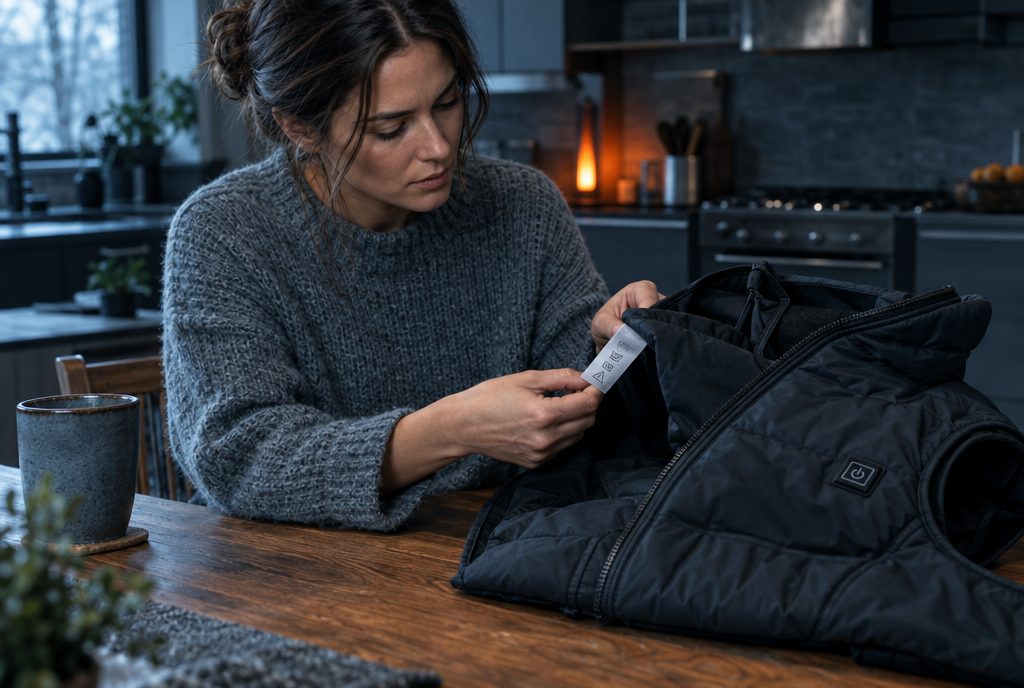
Are heated vests safe? Pacemakers, pregnancy, elderly and more
For most healthy adults, a well-made heated vest used as directed is a low-risk way to stay warm. The real hazards are skin burns from prolonged contact heat and fire from damaged or poorly made lithium batteries. People with reduced sensation, diabetes, implanted cardiac devices, pregnancy, young children and frail older adults need extra caution and a clinician's input.
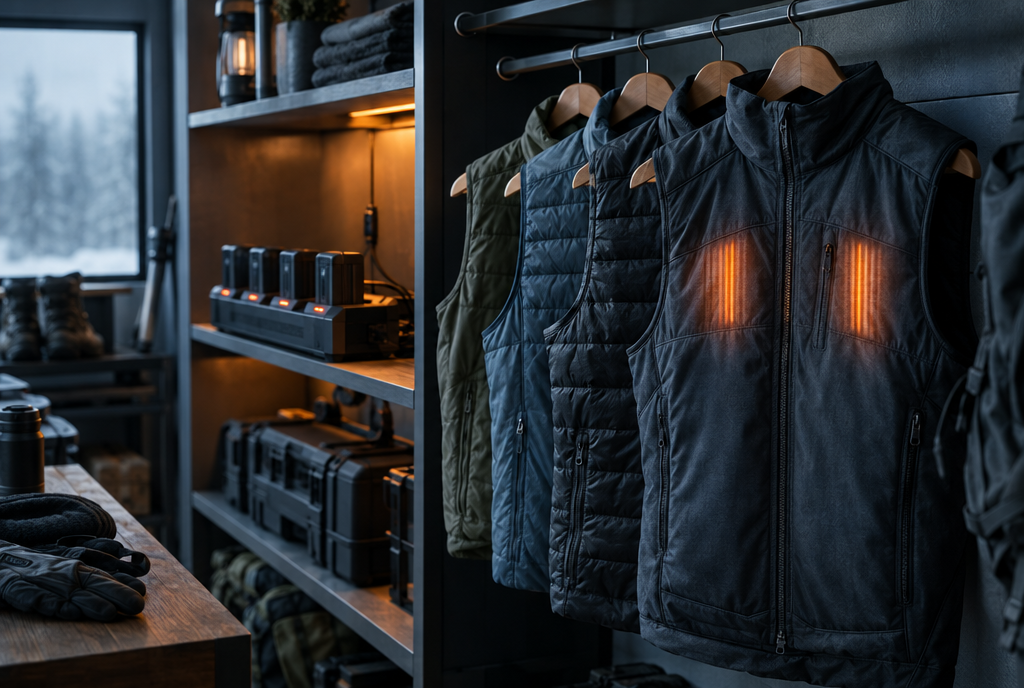
Heated and thermal gear: the buying, safety and care guide
A heated vest is a battery-powered garment with thin heating panels, usually over the back and chest, that adds warmth to your core on demand. Choosing well means matching the format to your use, sizing for your layers, comparing batteries in watt-hours, checking safety testing and recalls, and knowing when battery-free warmth from insulation, heat-reflective linings or air-activated warmers is the better tool.