
Knowledge
Sourced guides on how the body stays warm, how patients and clinicians are kept comfortable, how crews work safely in cold and heat, and how warming gear works. Pick the theme closest to your world.
Ready to choose gear? Browse all buyer’s guides →
Free tools: wind chill and frostbite calculator, cold work warm-up schedule, what to wear by temperature, which warmth setup is right for you? and the warmth runtime and cost calculator. All tools and data →
Science of Warmth
For anyone who wants to understand how the body makes, keeps and loses heat.
Start here
Popular
All Science of Warmth articles →
Healthcare
For clinicians, perioperative teams, hospital leaders, and patients before and after surgery.
Start here
- Patient warming and perioperative hypothermia
- Thermal comfort for clinicians
- For patients: surgery and recovery
Popular
- How to stay warm in the operating room
- What is perioperative hypothermia?
- Forced-air vs conductive warming
Work and Duty
For employers, safety leads, crews, service members and EMS.
Start here
Popular
All Work and Duty articles →
Everyday Life and Health
For people who feel the cold, and for daily life outdoors.
Start here
- Cold sensitivity and Raynaud’s
- Staying warm in everyday life
- Staying warm at home and with family
- Staying warm with a health condition or disability
- Medications and feeling cold
Popular
All Everyday Life and Health articles →
Heat and Cooling
For hot jobs, heavy protective gear and personal heat sensitivity.
Start here
Popular
All Heat and Cooling articles →
Technology and Gear
For choosing, using and caring for warming gear.
Start here
Popular
All Technology and Gear articles →All articles
Keeping a bedbound person warm
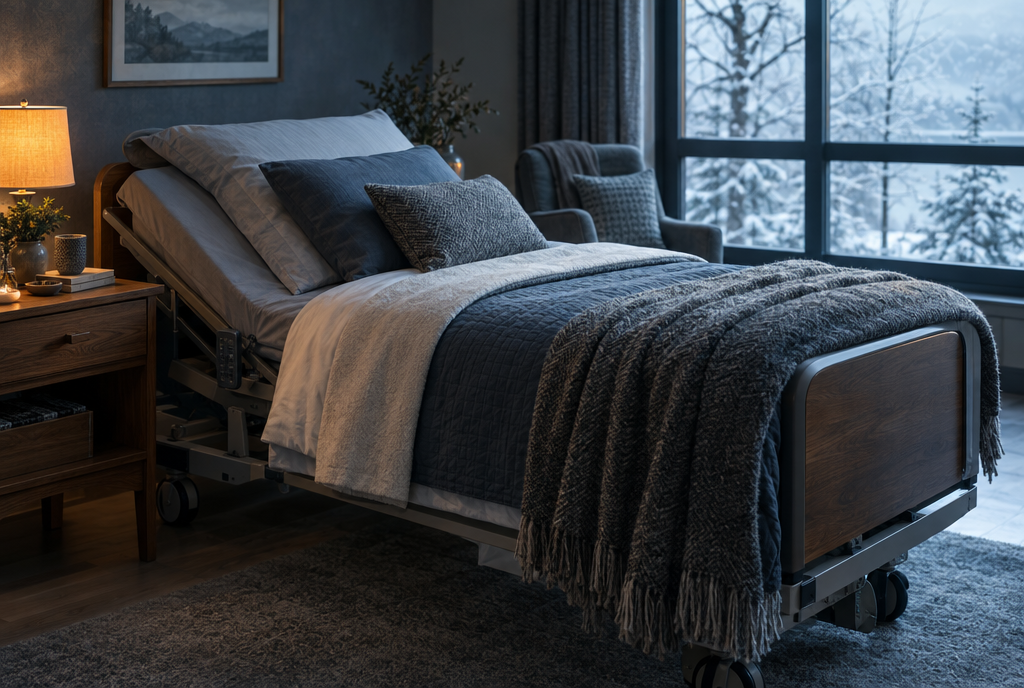
To keep a bedridden person warm, hold in their own body heat rather than adding hot devices. Keep the room at least 68 to 70°F, use several light layers of breathable bedding, cover the head, neck and feet, keep skin and sheets dry, and uncover only one area at a time when repositioning. Use heating devices only to prewarm the bed, never against skin.
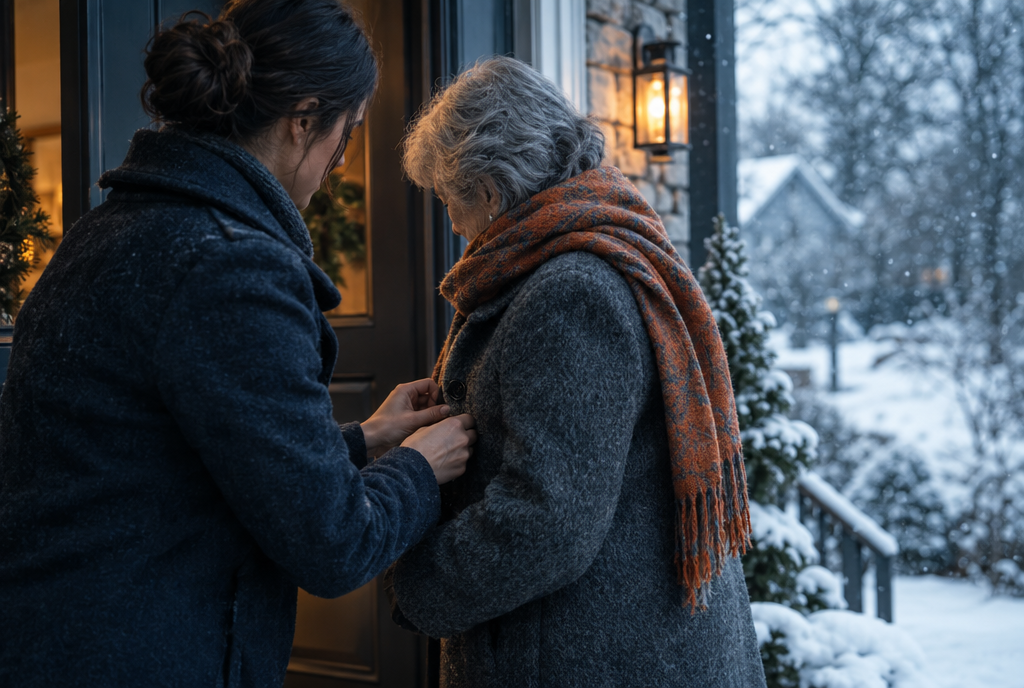
Keeping a person with dementia warm and safe in cold weather
A person with dementia may not notice or say they are cold, may forget to dress for the weather, and may wander outdoors. Keep their main rooms at 64 to 70°F or warmer, dress them in thin layers, check warmth at the back of the neck, supervise any heating device closely, plan for winter wandering and learn the signs of hypothermia.
Why an arm or leg feels cold after a stroke
An arm or leg on the side affected by a stroke often feels cold, and may measure colder, because the stroke disrupts the nerve signals that control blood vessel tone in that limb, reducing skin blood flow. Sensation can also change, so the limb may feel cold yet not sense heat. Warm it gently with layers, and never put direct heat on it.
Does cold weather make arthritis and fibromyalgia pain worse?
Partly. Many people with arthritis or fibromyalgia say cold, damp weather makes their pain worse, and some studies find a real but modest link with humidity, wind and low air pressure. Temperature itself shows little consistent effect, and several large studies found no link at all. Your own pattern matters more than the average, and staying warm and active can help comfort.
POTS cold hands and feet: why it happens
Yes, POTS can cause cold hands and cold feet, because the autonomic nervous system that controls blood vessels and body temperature does not adjust normally. Blood pools in the lower body when you stand, so less warm blood reaches the hands and feet, which can look pale or purple. Many people also swing between hot and cold, so gentle, adjustable warmth works best.
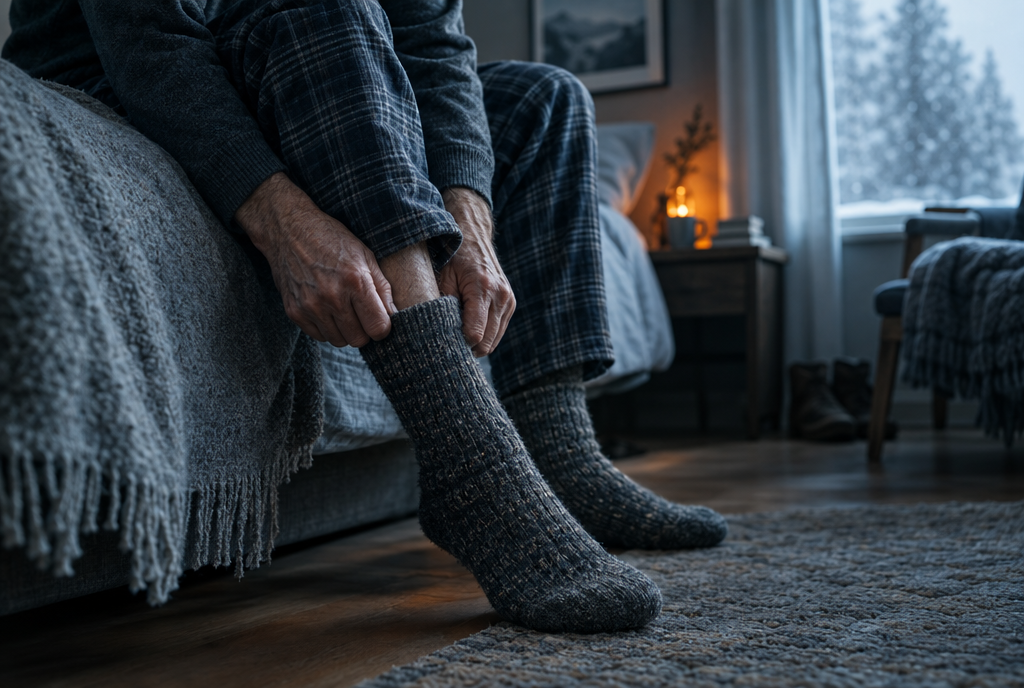
Parkinson's and body temperature
Feeling cold is common with Parkinson's because the disease affects the autonomic nervous system, which controls sweating, blood vessel tone and other parts of temperature regulation. Many people notice cold hands, feet or legs, or feel too cold or too hot when others feel fine. Steady layering, a warm home, movement and careful use of heat sources help most.

MS and cold weather
Cold weather can make some MS symptoms temporarily worse, most often muscle stiffness, spasms, fatigue and walking. Cold sensitivity is less common than heat sensitivity in MS, and the change usually fades once you warm up again. The practical goal is to stay steadily warm with layers and a warm home, while protecting skin that may not feel heat properly.
Does Ozempic make you cold? Feeling cold on GLP-1 medications
Ozempic, Wegovy, Mounjaro and Zepbound do not list feeling cold or chills as a side effect in their US prescribing information, yet many people say they feel colder while taking them. Eating less and losing body fat are the most plausible reasons, since both are linked to lower heat production or less insulation. Persistent or extreme cold deserves a check with your clinician.
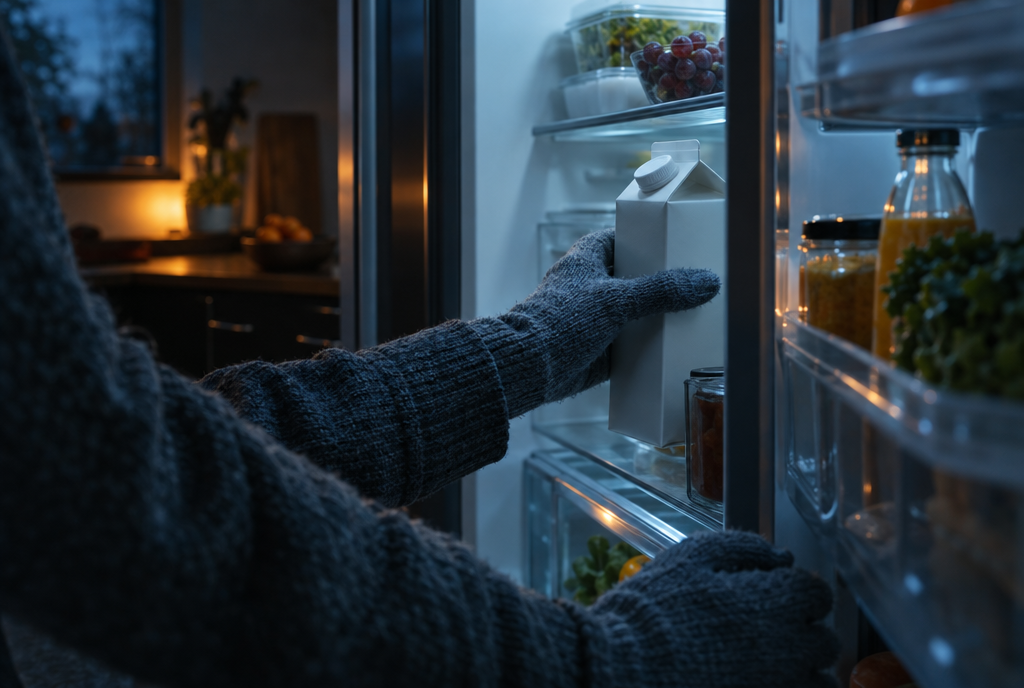
Cold sensitivity after chemotherapy (oxaliplatin): how long it lasts and what helps
Oxaliplatin cold sensitivity usually starts within hours to 2 days after a dose and fades within 14 days, according to the FDA label, but it often returns with each dose and can last longer as cycles add up. Cold drinks, cold air and cold metal are the usual triggers. Room temperature drinks, gloves and a scarf help, and fever during chemotherapy needs an immediate call.
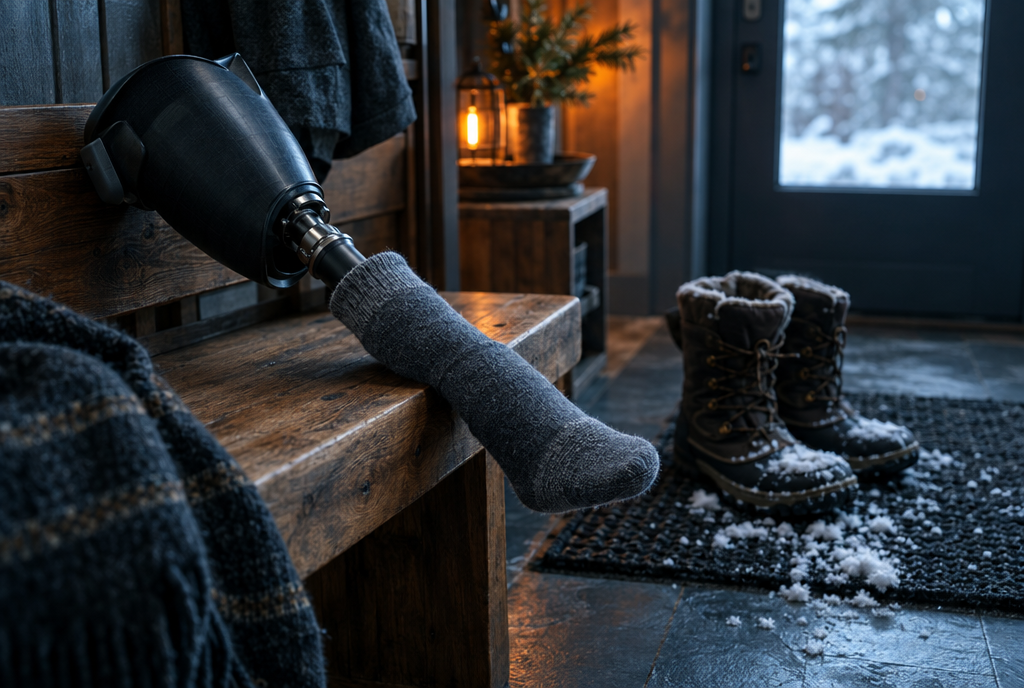
Cold weather with a prosthesis: residual limb, socket and skin
Cold weather can make a residual limb painful, change how the socket fits as limb volume shifts, and trap sweat when you move from the cold into heated rooms. Keep the limb covered and dry, carry extra prosthetic socks, check your skin every morning and night, and keep batteries warm. Never put heat directly on skin with reduced sensation.
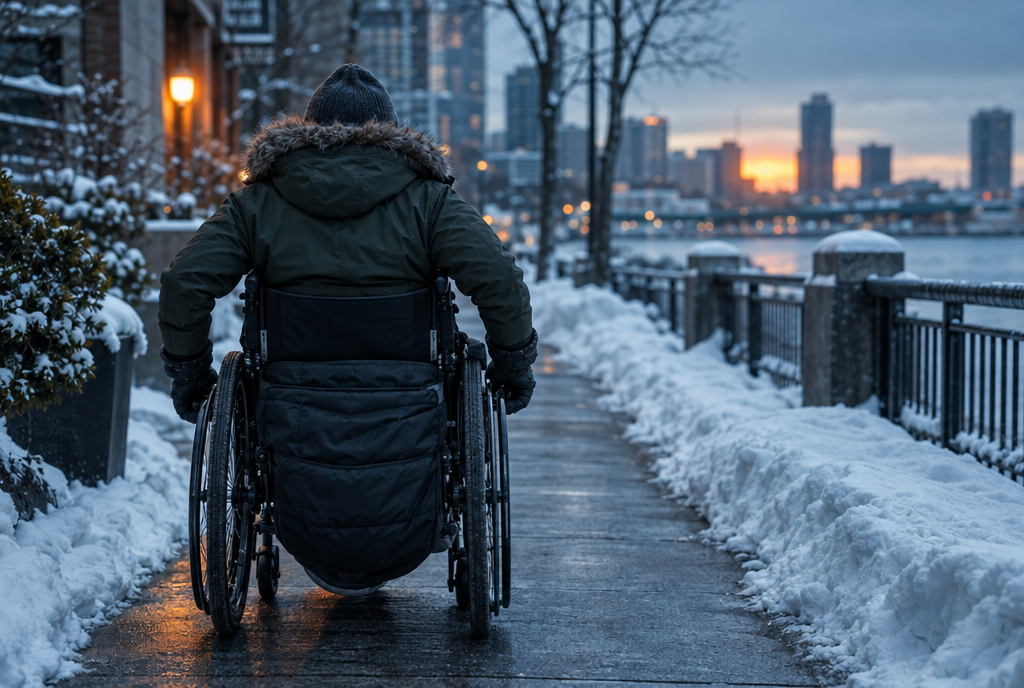
Staying warm in a wheelchair
To stay warm in a wheelchair, wear loose layers of wool or synthetic fabric, add a hat, warm socks and lined waterproof boots, and cover your lap and legs with a wheelchair poncho or zippered blanket. Use gloves that still grip the push rims. Charge power chairs every night, and keep heat sources off skin you cannot feel well.
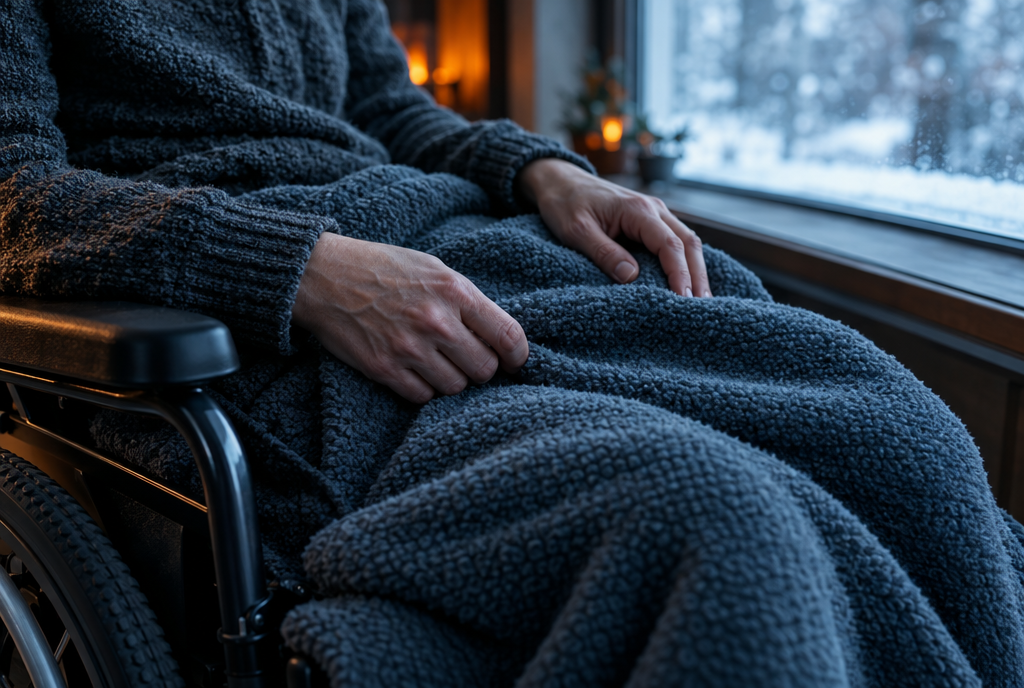
Temperature regulation after spinal cord injury (poikilothermia)
After a spinal cord injury, especially at or above T6, the brain loses much of its connection to the skin, blood vessels and sweat glands below the injury. Shivering and sweating work only above that level, so body temperature tends to drift with the room or the weather. This is called poikilothermia. Managing it means controlling the environment, dressing well and avoiding direct heat sources.
Staying warm with a health condition or disability: start here
Many health conditions and disabilities change how the body makes heat, holds on to it or senses it. Nerve damage, poor circulation, numb skin, some medicines and moving less all play a part. The safest approach is similar across conditions: keep the home warm, hold in body heat with layers, keep direct heat off skin that cannot feel it, eat and drink regularly, and know the signs of hypothermia.