
Knowledge
Sourced guides on how the body stays warm, how patients and clinicians are kept comfortable, how crews work safely in cold and heat, and how warming gear works. Pick the theme closest to your world.
Ready to choose gear? Browse all buyer’s guides →
Free tools: wind chill and frostbite calculator, cold work warm-up schedule, what to wear by temperature, which warmth setup is right for you? and the warmth runtime and cost calculator. All tools and data →
Science of Warmth
For anyone who wants to understand how the body makes, keeps and loses heat.
Start here
Popular
All Science of Warmth articles →
Healthcare
For clinicians, perioperative teams, hospital leaders, and patients before and after surgery.
Start here
- Patient warming and perioperative hypothermia
- Thermal comfort for clinicians
- For patients: surgery and recovery
Popular
- How to stay warm in the operating room
- What is perioperative hypothermia?
- Forced-air vs conductive warming
Work and Duty
For employers, safety leads, crews, service members and EMS.
Start here
Popular
All Work and Duty articles →
Everyday Life and Health
For people who feel the cold, and for daily life outdoors.
Start here
- Cold sensitivity and Raynaud’s
- Staying warm in everyday life
- Staying warm at home and with family
- Staying warm with a health condition or disability
- Medications and feeling cold
Popular
All Everyday Life and Health articles →
Heat and Cooling
For hot jobs, heavy protective gear and personal heat sensitivity.
Start here
Popular
All Heat and Cooling articles →
Technology and Gear
For choosing, using and caring for warming gear.
Start here
Popular
All Technology and Gear articles →All articles
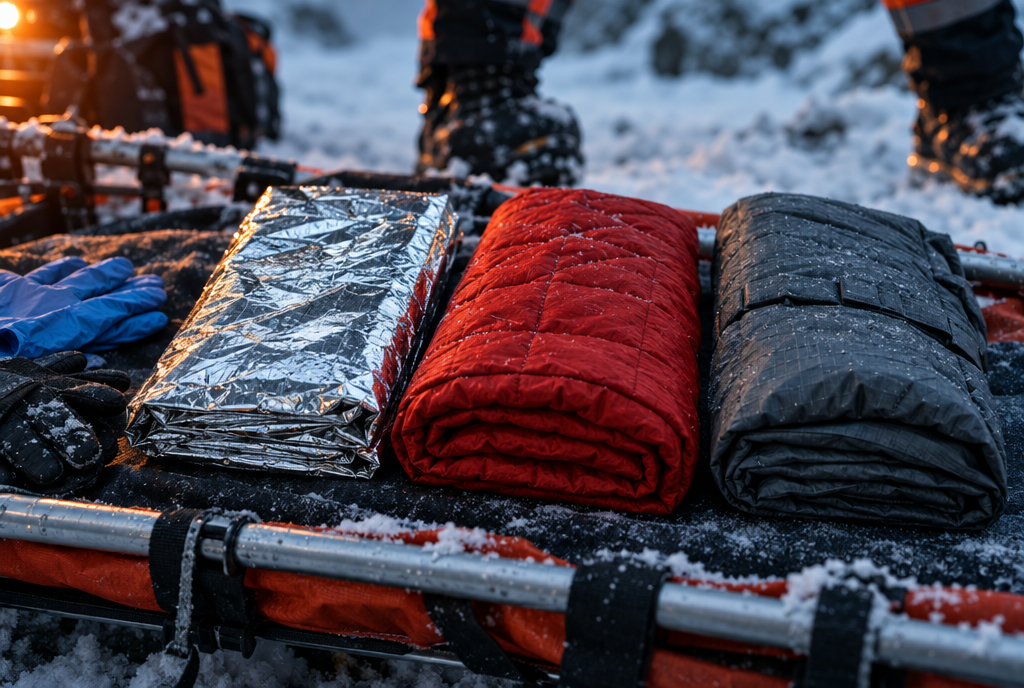
Hypothermia blankets compared: HPMK, Blizzard, Ready-Heat and space blankets
Active systems that add heat, such as the HPMK and Ready-Heat blankets, generally lost the least heat in fluid-model lab studies, and the Blizzard insulated blanket was the best passive option in the Army and UK studies. Plain space blankets and single wool blankets ranked lowest. The military Joint Trauma System recommends an insulated wrap plus an active heat source, kept off bare skin.
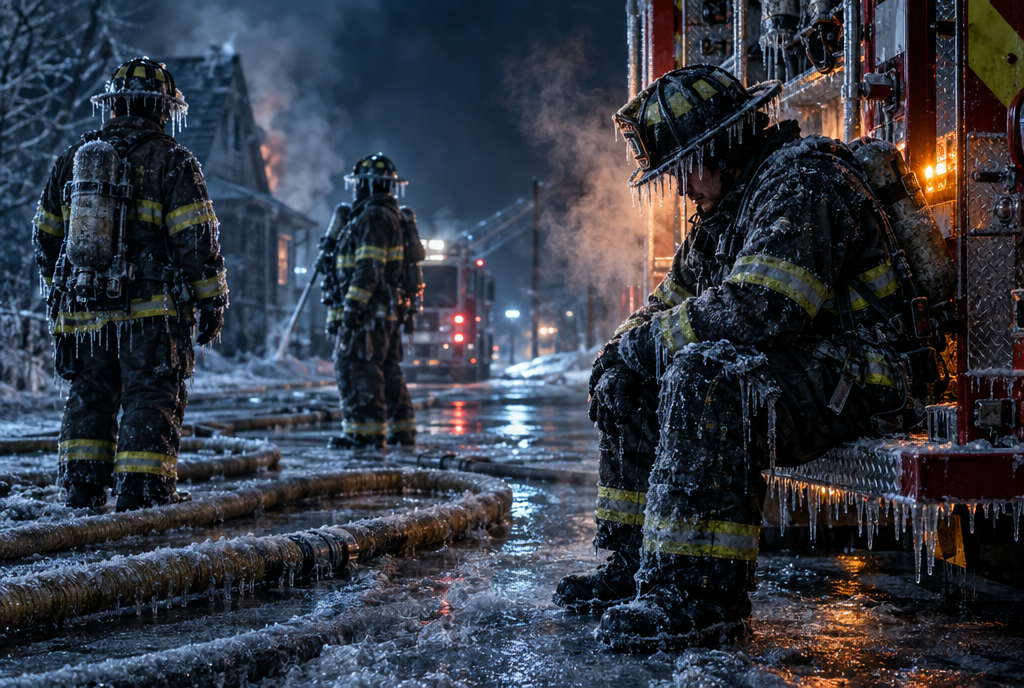
Firefighting in winter: cold, wet gear and rehab
Winter fires combine two opposite threats. Interior work soaks crews in sweat inside heavy turnout gear, then exterior work, water spray and wind chill them fast. Safe cold weather operations rely on early crew rotation, a heated and sheltered rehab area with dry layers and warm fluids, medical monitoring as NFPA 1584 describes, and constant attention to ice underfoot.
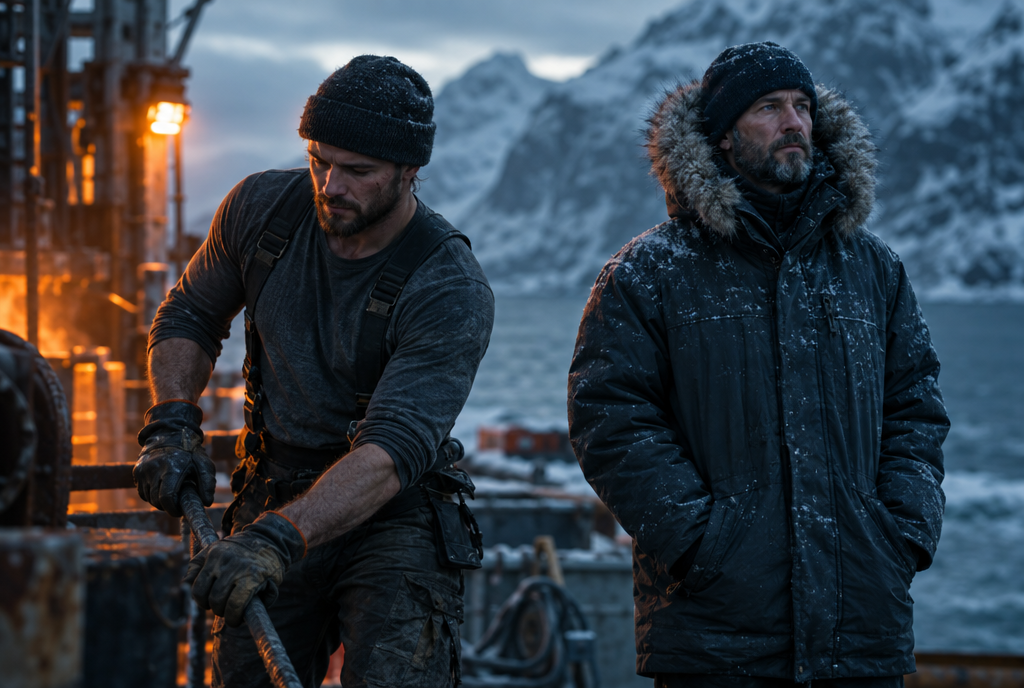
Military cold-weather layering principles for any cold job
Military cold-weather layering rests on one idea: stay warm without getting wet. The Army's COLD rule says keep clothing clean, avoid overheating, wear it loose and in layers, and keep it dry. In practice that means a wicking base, removable insulation, a wind or waterproof shell, and a heavy insulated layer added only when you stop moving.
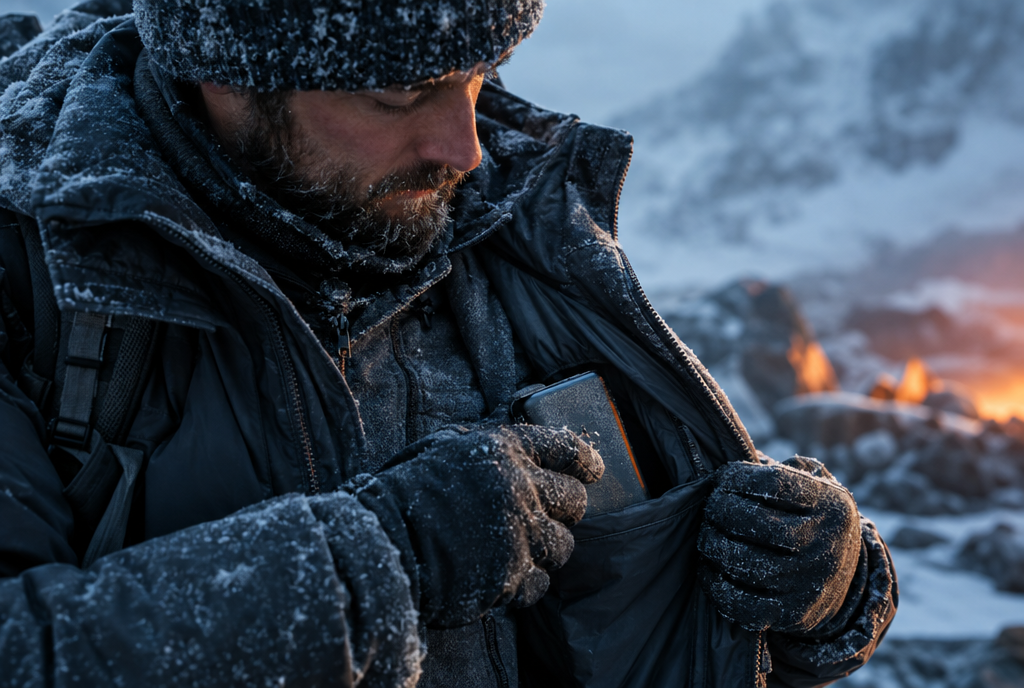
How cold affects batteries in wearables and field gear
Cold slows the chemistry inside a battery, so it delivers less capacity and power until it warms up. Battery University reports that a battery giving full capacity at 27 °C typically gives about half at minus 18 °C. The loss is mostly temporary, but charging lithium-ion cells below freezing can cause permanent damage through lithium plating.
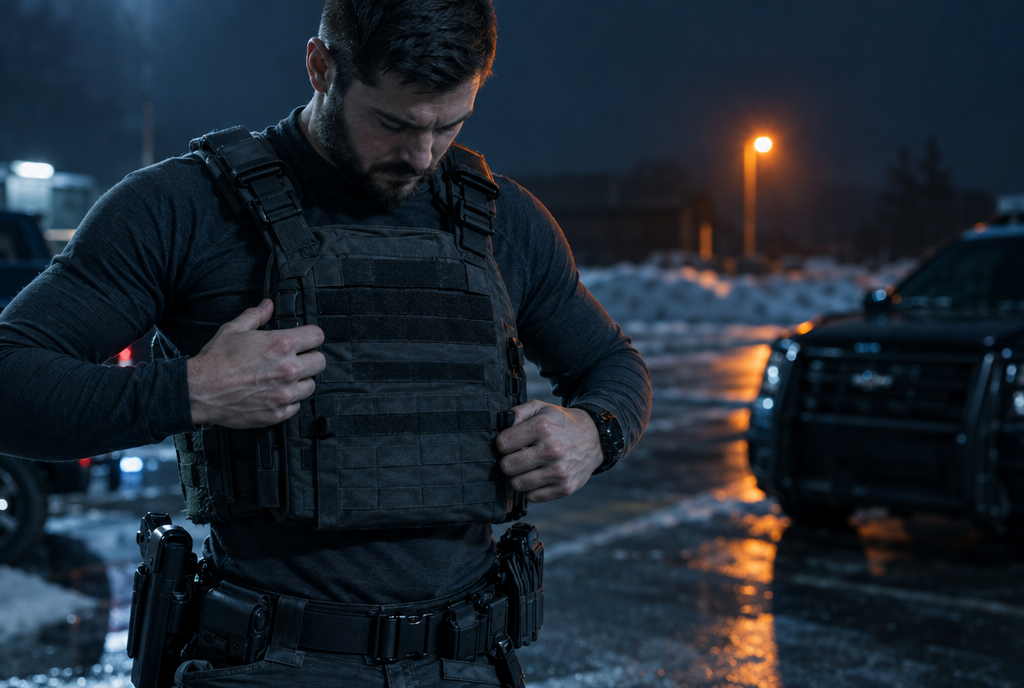
Staying warm under body armor and duty gear
Staying warm under body armor is mostly about managing sweat. A carrier blocks ventilation and presses on anything worn beneath it, so the usual approach is a thin, moisture-managing base layer under the armor, insulation added over the kit when you stop moving, and, where policy allows, low-profile heat sources placed so nothing hot is pressed against bare skin.
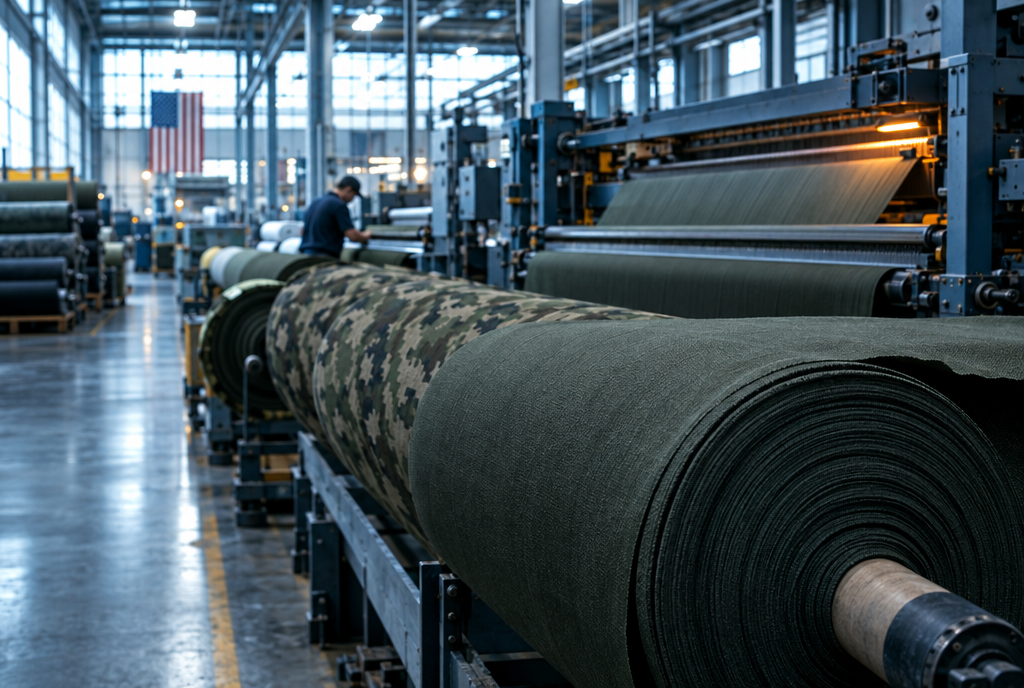
The Berry Amendment and military textiles, explained
The Berry Amendment is a US law that bars the Department of Defense from spending its funds on clothing, textiles, food and certain other items unless they are grown, reprocessed, reused or produced in the United States. For textiles, the requirement reaches back through fabric to fibers and yarns. It is codified at 10 U.S.C. 4862 (formerly 2533a) and implemented through DFARS 252.225-7012.
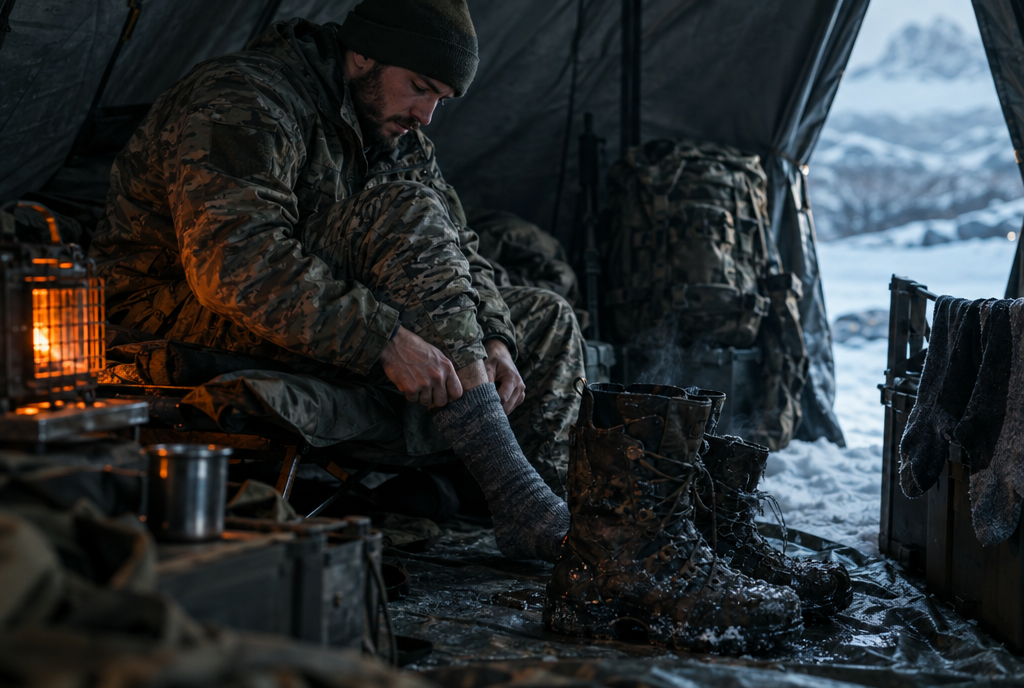
Non-freezing cold injury: the quiet threat to troops and workers
Non-freezing cold injury (NFCI) is damage to nerves, blood vessels and tissue, usually in the feet, caused by hours of cold, wet exposure above freezing. Trench foot and immersion foot are the classic forms. The Army describes risk at air temperatures of 32 to 55 °F, and the CDC notes trench foot can occur up to 60 °F if feet stay wet.
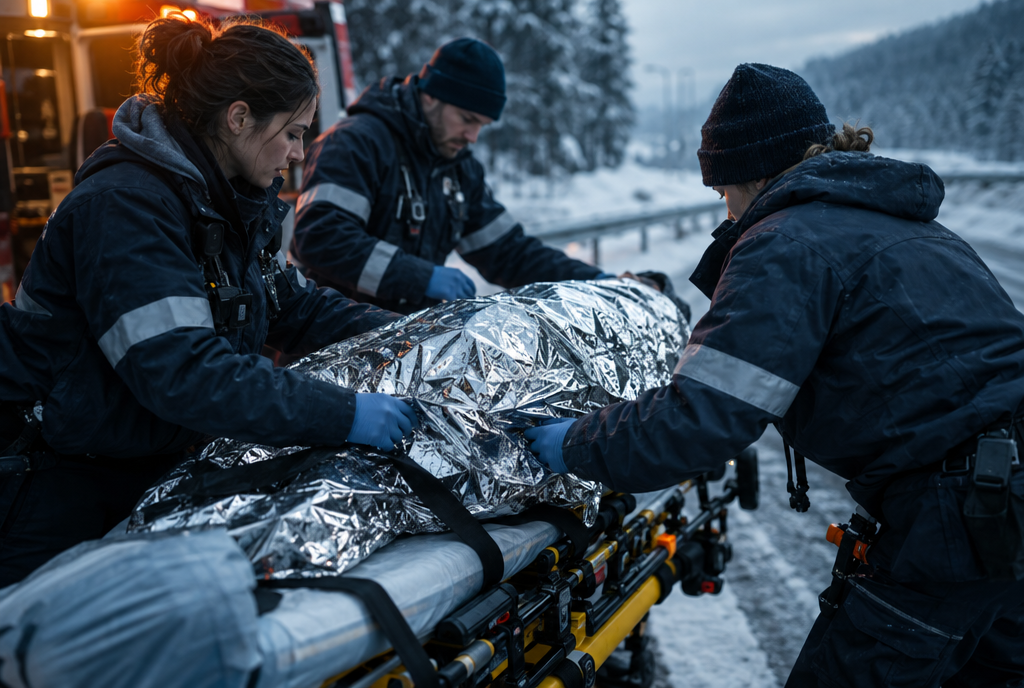
Prehospital hypothermia prevention: blankets, wraps and active warmers
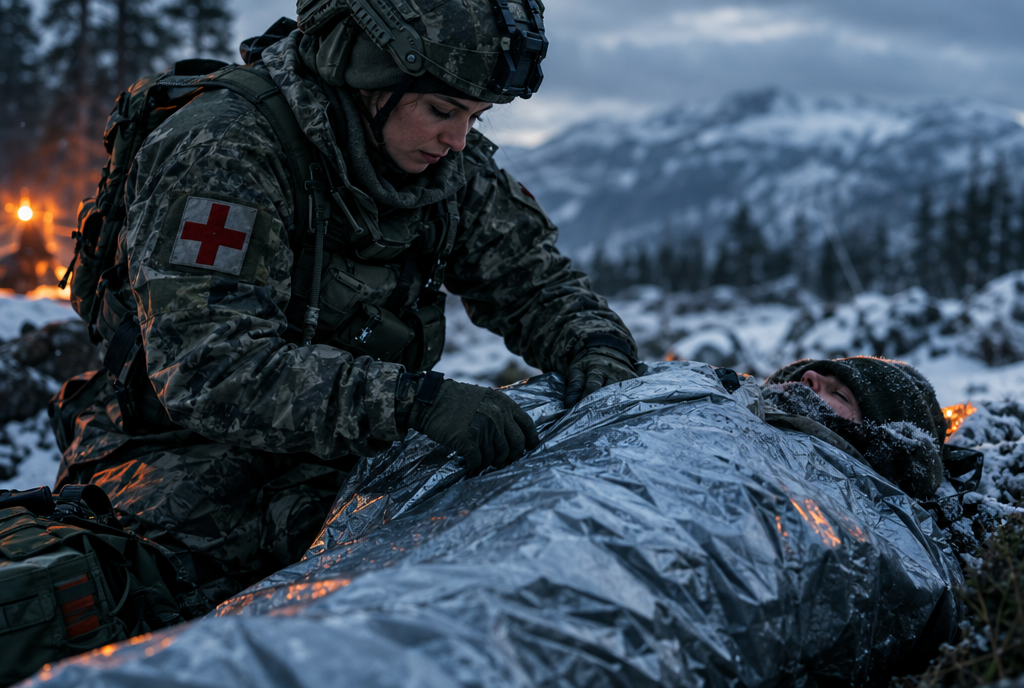
Prehospital hypothermia prevention works in layers: get the patient off cold ground, remove wet clothing, block wind and moisture, add insulation, then add external heat to the torso without direct skin contact. Heat-reflective wraps and vapor barriers limit loss; insulated wraps trap still air; chemical and battery warmers add heat. Military guidance rates simple space blankets as the least effective option on their own.
Hypothermia in trauma and the lethal triad
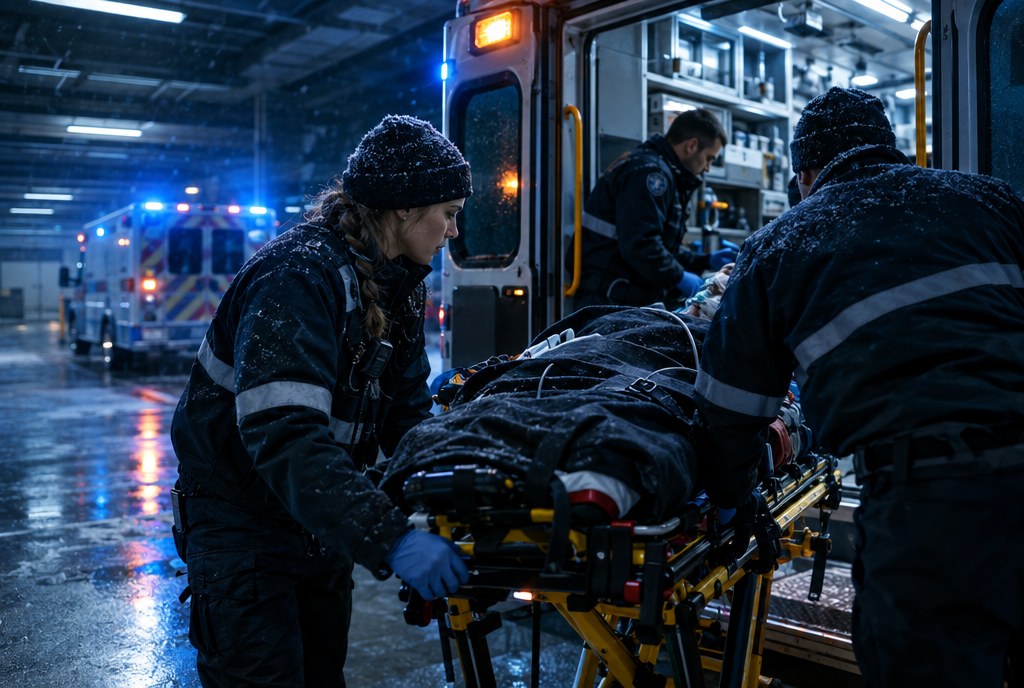
The lethal triad is the combination of hypothermia, acidosis and coagulopathy in severely injured patients. Each worsens the others: cold slows clotting enzymes, poor perfusion causes acidosis, and uncontrolled bleeding deepens both. Military trauma guidance reports that hypothermic trauma patients die at about twice the rate of similarly injured patients with normal temperature, so heat loss is treated as a threat from the point of injury.
The Hypothermia Prevention and Management Kit (HPMK) explained
The Hypothermia Prevention and Management Kit (HPMK) is a compact casualty-warming kit used in military and tactical medicine. It pairs a chemical, air-activated heating liner with a hooded, heat-reflective vapor-barrier shell. Medics use it to limit heat loss in trauma casualties during care and evacuation. It is not insulated, so guidelines treat it as a short-term tool.
ECWCS levels 1 to 7 explained
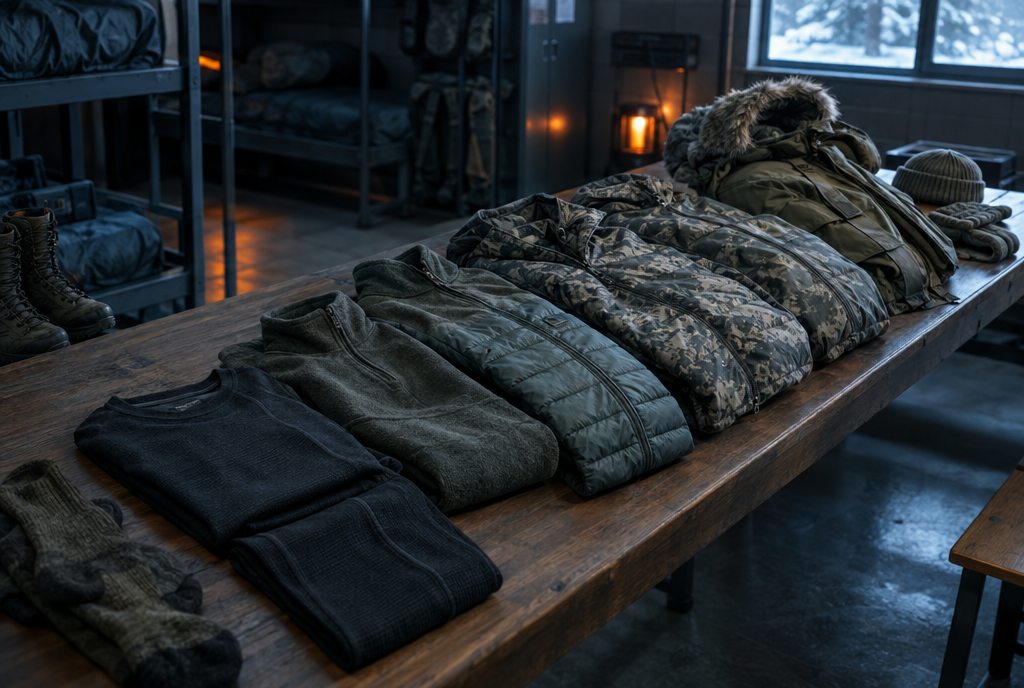
The Extended Cold Weather Clothing System (ECWCS) Generation III is the US Army's 12-piece, seven-level layering system. Levels 1 and 2 are base layers, Level 3 is fleece, Level 4 a wind jacket, Level 5 soft shell, Level 6 a waterproof shell and Level 7 an insulated parka and trousers. The Army rates the full system for about minus 40 to plus 60 °F.
Cold-weather readiness: thermal systems for military, tactical and EMS teams
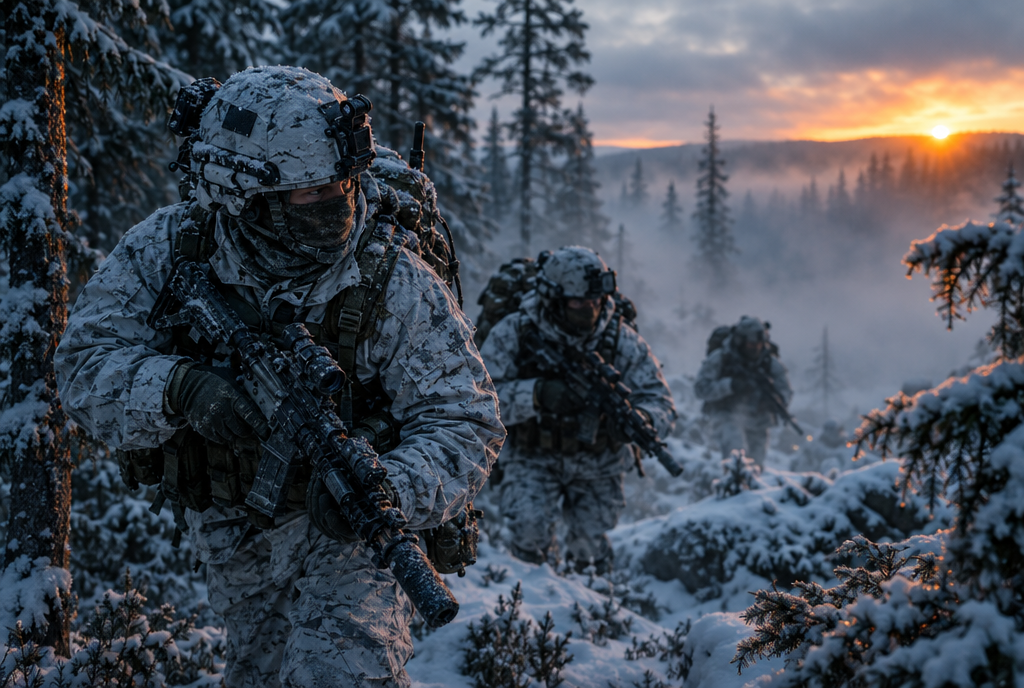
Cold-weather readiness means solving two thermal problems at once: keeping the team warm, dry and able to use their hands, and keeping casualties from losing heat. Military practice relies on adjustable layering such as the Army's seven-level ECWCS, strict moisture control to avoid cold injuries, and casualty warming kits like the HPMK. Batteries, body armor and procurement rules shape every choice.