
Knowledge
Sourced guides on how the body stays warm, how patients and clinicians are kept comfortable, how crews work safely in cold and heat, and how warming gear works. Pick the theme closest to your world.
Ready to choose gear? Browse all buyer’s guides →
Free tools: wind chill and frostbite calculator, cold work warm-up schedule, what to wear by temperature, which warmth setup is right for you? and the warmth runtime and cost calculator. All tools and data →
Science of Warmth
For anyone who wants to understand how the body makes, keeps and loses heat.
Start here
Popular
All Science of Warmth articles →
Healthcare
For clinicians, perioperative teams, hospital leaders, and patients before and after surgery.
Start here
- Patient warming and perioperative hypothermia
- Thermal comfort for clinicians
- For patients: surgery and recovery
Popular
- How to stay warm in the operating room
- What is perioperative hypothermia?
- Forced-air vs conductive warming
Work and Duty
For employers, safety leads, crews, service members and EMS.
Start here
Popular
All Work and Duty articles →
Everyday Life and Health
For people who feel the cold, and for daily life outdoors.
Start here
- Cold sensitivity and Raynaud’s
- Staying warm in everyday life
- Staying warm at home and with family
- Staying warm with a health condition or disability
- Medications and feeling cold
Popular
All Everyday Life and Health articles →
Heat and Cooling
For hot jobs, heavy protective gear and personal heat sensitivity.
Start here
Popular
All Heat and Cooling articles →
Technology and Gear
For choosing, using and caring for warming gear.
Start here
Popular
All Technology and Gear articles →All articles

How to stay warm on a winter commute without overheating indoors
To stay warm on a winter commute without overheating, dress in thin removable layers instead of one heavy coat, choose outer layers with full zippers you can open, and cover your head, hands and neck for the cold stretches. Vent or remove a layer before you start to sweat, especially on crowded trains, because damp clothing chills you once you step back outside.
Staying warm on short trips outside: dog walks, chores and errands
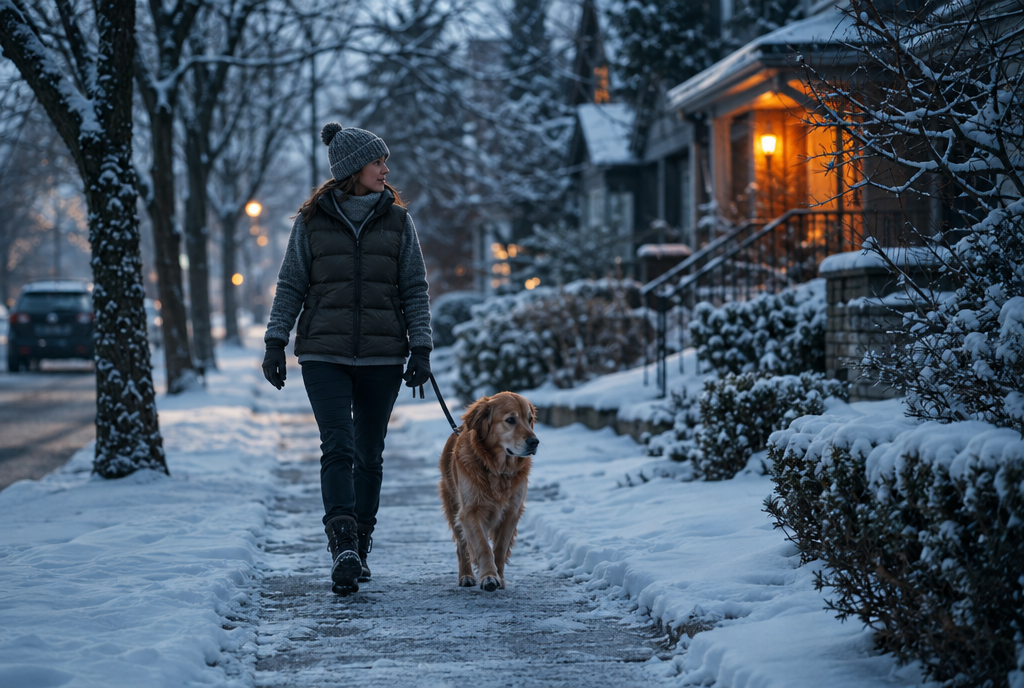
To stay warm on a dog walk or quick chore, dress as if you will be out longer than planned: a warm core layer, a windproof shell, a hat, gloves and a face covering. Wear boots with real traction for ice. Keep a grab-and-go kit by the door, and treat snow shoveling as hard exercise, not a small errand.
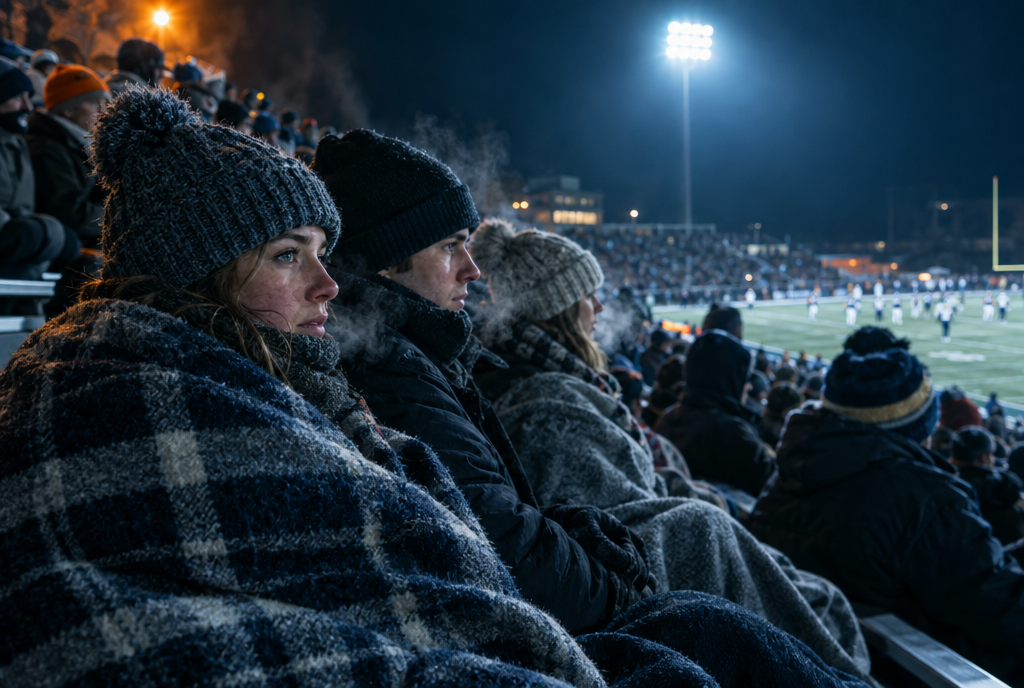
How to stay warm at a football game and other outdoor sporting events
To stay warm at a football game, sit on an insulated seat pad so cold bleachers cannot pull heat from your body, then wear loose layers under a windproof shell. Cover your feet, hands and head and keep them dry, bring warmers if the venue allows them, drink warm non-alcoholic fluids and take short warm-up walks. The same plan works for any outdoor sporting event.
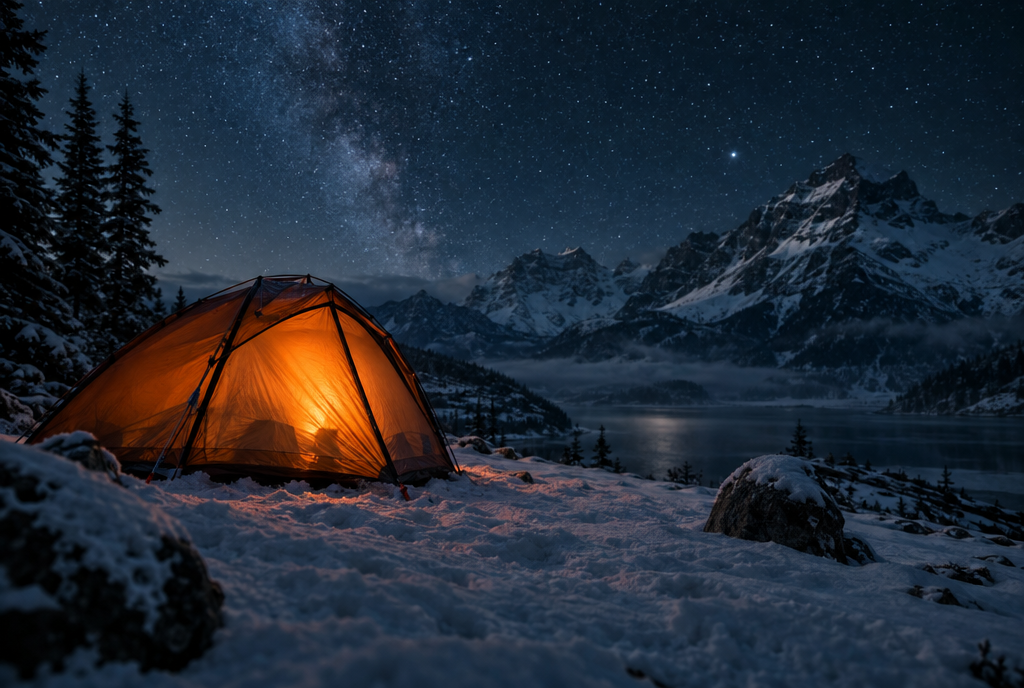
Winter hiking and camping: how to stay warm day and night
To stay warm winter camping, hike in light wicking layers so you do not sweat, then add insulation as soon as you stop. At night, insulate from the ground with sleeping pads totaling an R-value of about 5.5 or more for very cold conditions, choose a bag rated below the expected low, change into dry clothes, eat, and warm up before getting in.
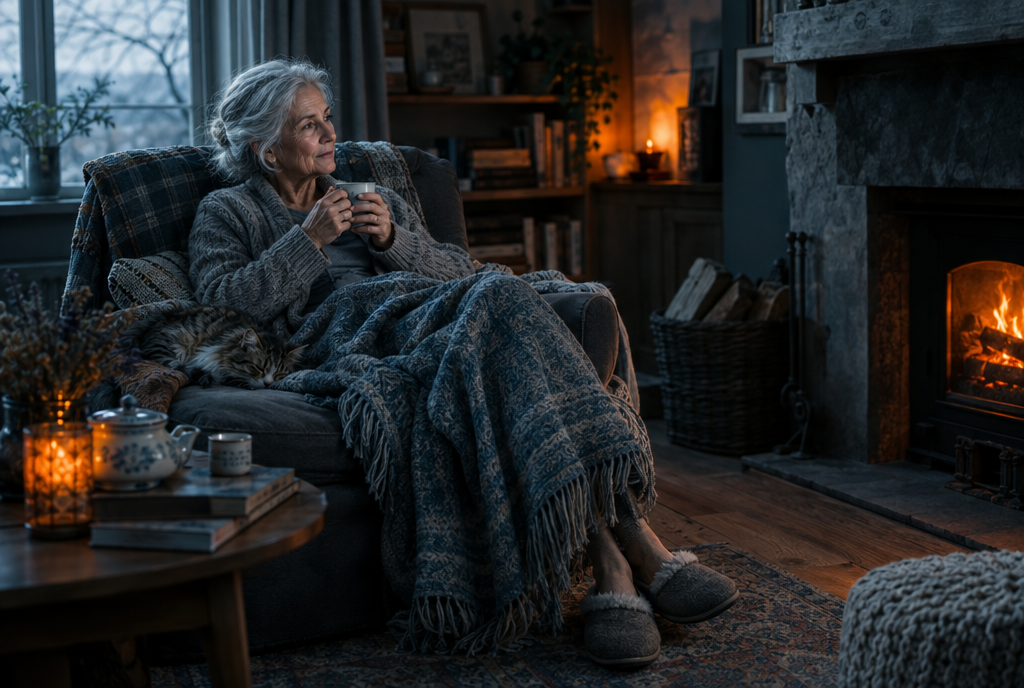
How to keep an elderly person warm safely
To keep an elderly person warm safely, keep the home heated to at least 68 to 70°F, dress them in loose layers with socks, slippers and a hat, and offer warm meals and drinks. Check on them often, because older adults can develop hypothermia indoors without noticing. Use heating pads, electric blankets and heaters cautiously, since reduced sensation and some medications raise the risk of burns.

How to stay warm at work in a cold office
To stay warm in a cold office, add a thin base layer under your work clothes, keep a vest or cardigan at your desk, and wear warm socks and closed shoes. Warm your hands with a hot drink, take short walking breaks, and move away from vents. If you want a space heater, check your workplace rules first, and raise persistent cold with facilities.

Riding a motorcycle in the cold: warmth and heated gear
Riding in the cold is harder than it feels at a standstill because speed creates its own wind chill. Stay warm by blocking wind completely with a windproof outer layer, layering insulation underneath, sealing gaps at the neck and wrists, and adding heated gear for long rides. Cold slows reaction time, so if you start shivering or feel clumsy, get off the road and warm up.
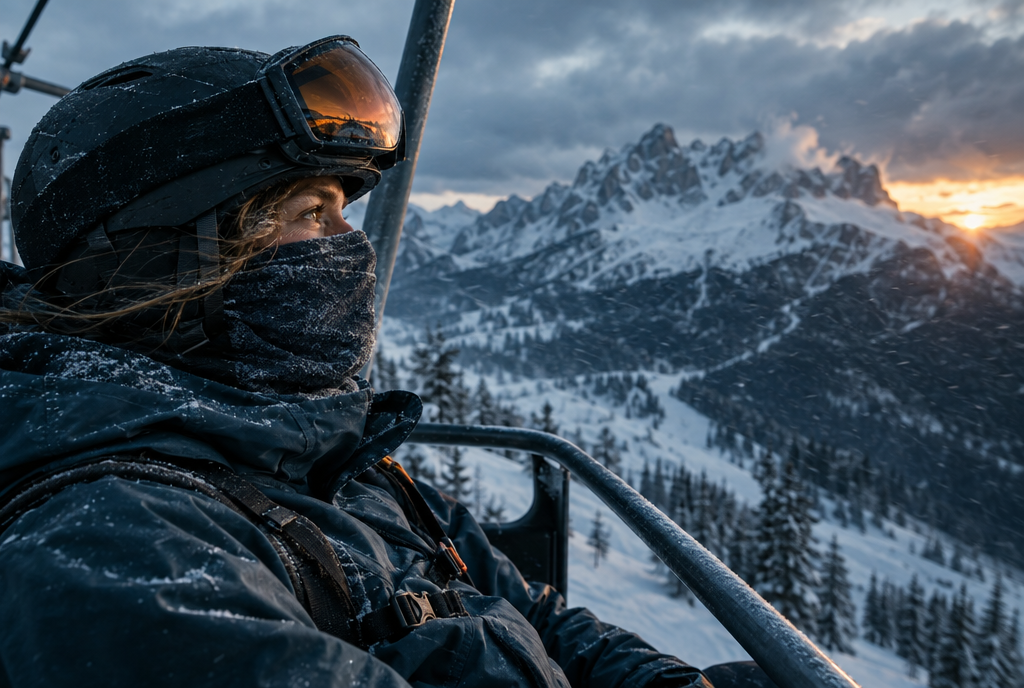
Staying warm skiing and snowboarding without overheating
To stay warm skiing without overheating, wear a wicking merino or synthetic base layer, a light insulating mid layer, and a waterproof shell with vents, then adjust with zippers rather than extra bulk. Open vents on hard runs and close everything plus a neck gaiter for the lift. Wear one pair of thin ski socks, mittens on cold days, and never cotton.
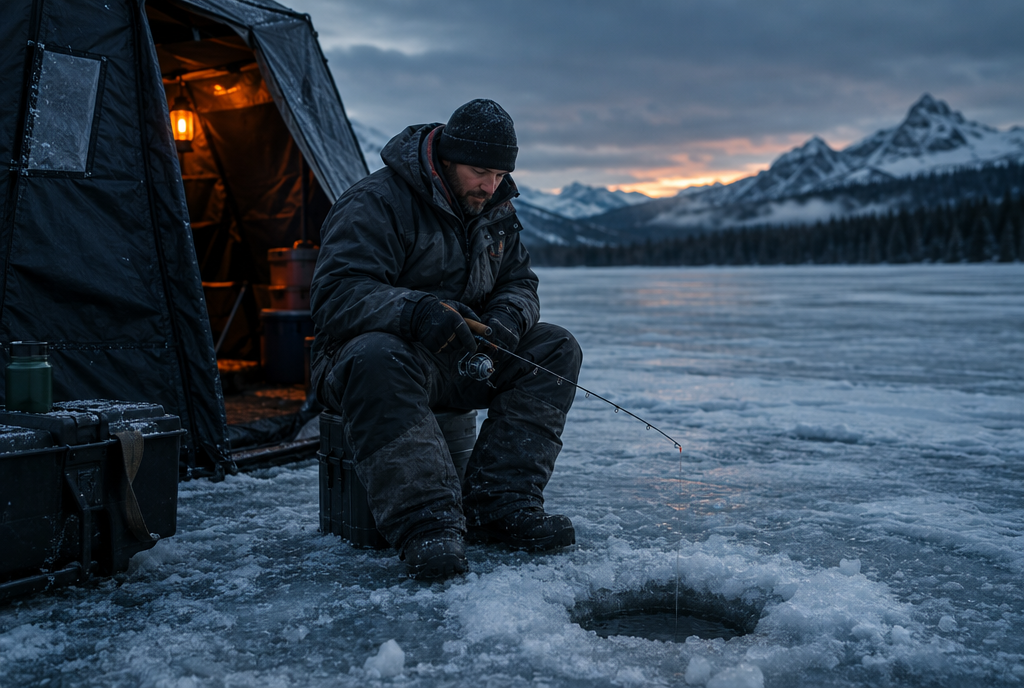
How to stay warm ice fishing
To stay warm ice fishing, dress in wicking, insulating and windproof layers, wear insulated rubber-soled boots with wool socks, and get off the ice surface by standing or sitting on insulation. Block the wind with a shelter, keep your hands dry, and eat and drink regularly. If you use a heater, choose one rated for indoor use, ventilate, and run a carbon monoxide detector.
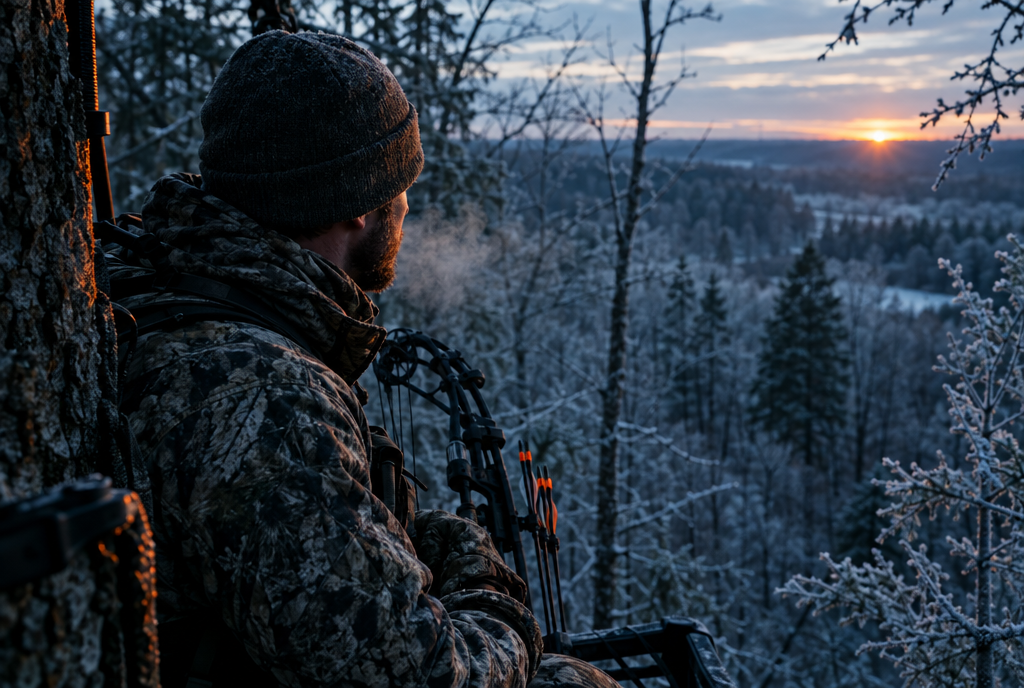
How to stay warm while hunting, from treestand to blind
To stay warm while hunting, walk in cool and carry your insulation, because sweat soaked into clothing on the approach is what chills you later on stand. Once you sit, add a windproof insulated layer, a hat, and warm boots, and use hand and toe warmers before your extremities get cold. Eat, drink, and get up and move if you start shivering hard.
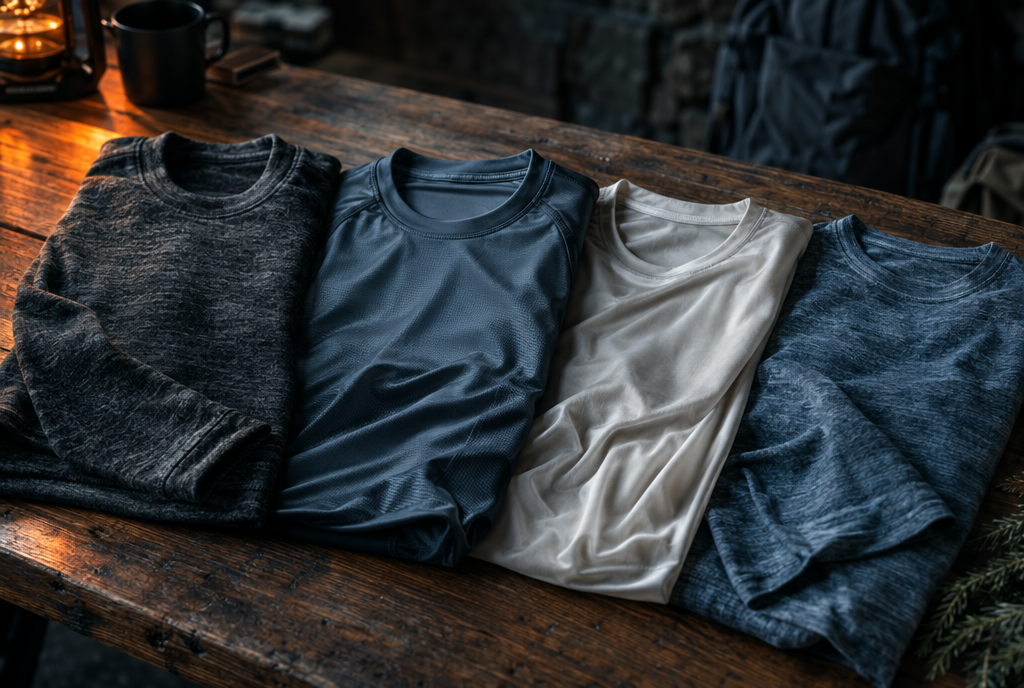
Base layer materials compared: merino, synthetic, silk and cotton
The best base layer for cold weather is merino wool or a synthetic such as polyester, chosen by activity. Synthetics wick sweat fastest and dry quickest, so they suit hard exertion. Merino feels warm when slightly damp and resists odor over several days of wear. Silk is light and soft for low-exertion use. Cotton holds moisture and dries slowly, so avoid it in the cold.
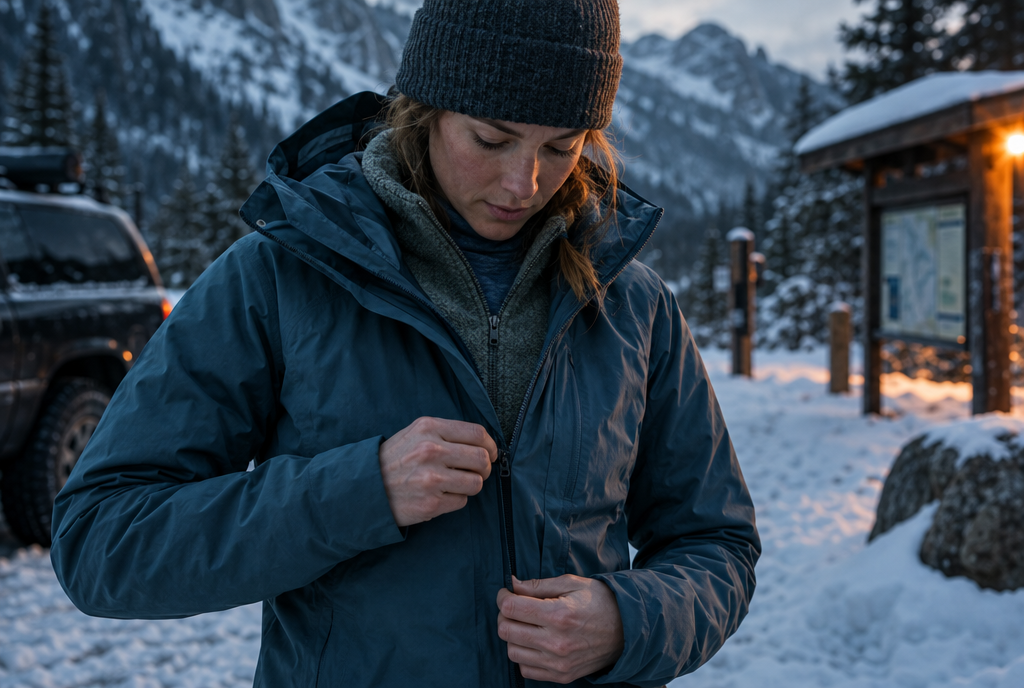
How to layer for cold weather: base, mid and shell
Layering for cold weather means wearing three kinds of clothing that each do one job. A snug base layer moves sweat off your skin, an insulating mid layer such as fleece, down or synthetic fill holds warm air, and an outer shell blocks wind and precipitation. Because each layer comes off or goes on independently, you can stay warm without getting soaked in sweat.
Staying warm outdoors and at home: the complete layering and warmth guide
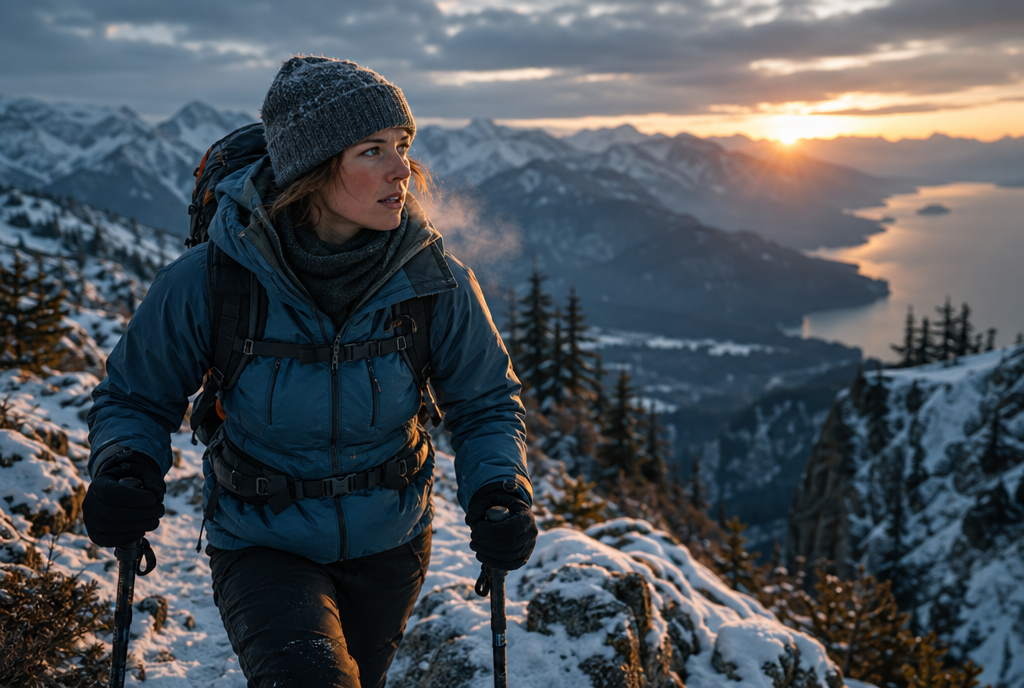
The best way to stay warm outside is to layer: a wicking base layer, an insulating mid layer and a wind- and water-resistant shell, plus a hat, mittens and warm socks. Stay dry by venting before you sweat, block wind, insulate yourself from cold ground, and eat and drink regularly. Indoors, keep living spaces warm, especially for older adults, and use heaters and heated products carefully.