
Knowledge
Sourced guides on how the body stays warm, how patients and clinicians are kept comfortable, how crews work safely in cold and heat, and how warming gear works. Pick the theme closest to your world.
Ready to choose gear? Browse all buyer’s guides →
Free tools: wind chill and frostbite calculator, cold work warm-up schedule, what to wear by temperature, which warmth setup is right for you? and the warmth runtime and cost calculator. All tools and data →

Science of Warmth
For anyone who wants to understand how the body makes, keeps and loses heat.
Start here
Popular
All Science of Warmth articles →
Healthcare
For clinicians, perioperative teams and hospital leaders.
Start here
Popular
- How to stay warm in the operating room
- What is perioperative hypothermia?
- Forced-air vs conductive warming
Work and Duty
For employers, safety leads, crews, service members and EMS.
Start here
Popular
All Work and Duty articles →
Everyday Life and Health
For people who feel the cold, and for daily life outdoors.
Start here
- Cold sensitivity and Raynaud’s
- Staying warm in everyday life
- Staying warm at home and with family
- Staying warm with a health condition or disability
Popular
All Everyday Life and Health articles →
Heat and Cooling
For hot jobs, heavy protective gear and personal heat sensitivity.
Start here
Popular
All Heat and Cooling articles →
Technology and Gear
For choosing, using and caring for warming gear.
Start here
Popular
All Technology and Gear articles →All articles
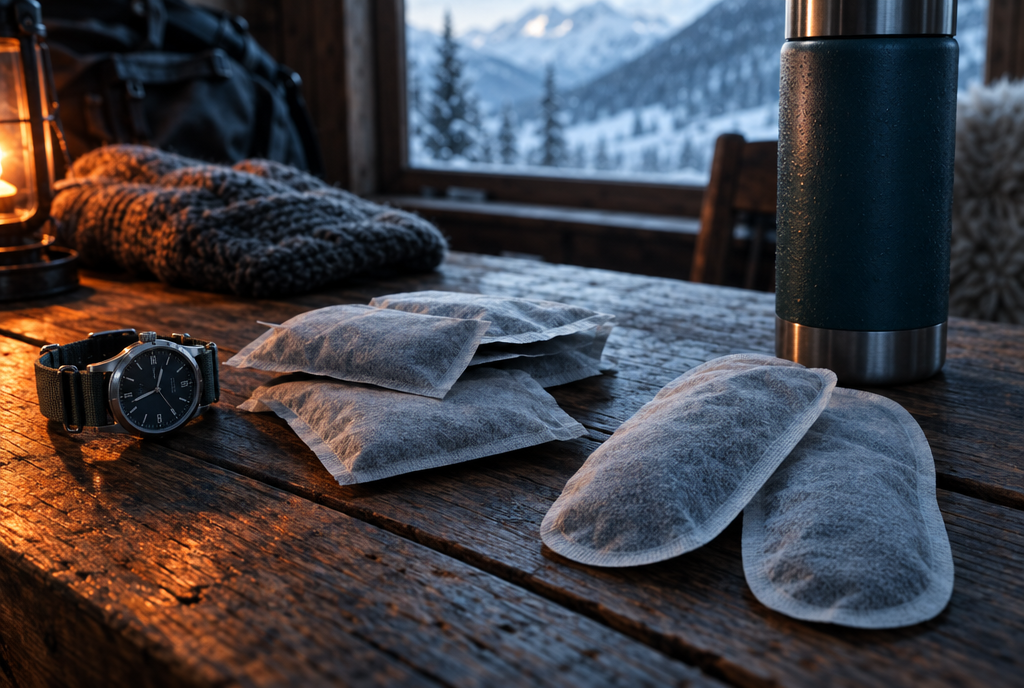
How long do hand warmers last? Opened, unopened and expired
Once opened, most air-activated hand warmers are rated for about 7 to 12 hours of heat, while larger body warmers are rated up to 18 hours. Unopened, they typically carry a shelf life of 3 to 4 years. Expired but sealed warmers often still work, though they may run cooler or shorter. Airflow, moisture and storage all change real-world runtime.
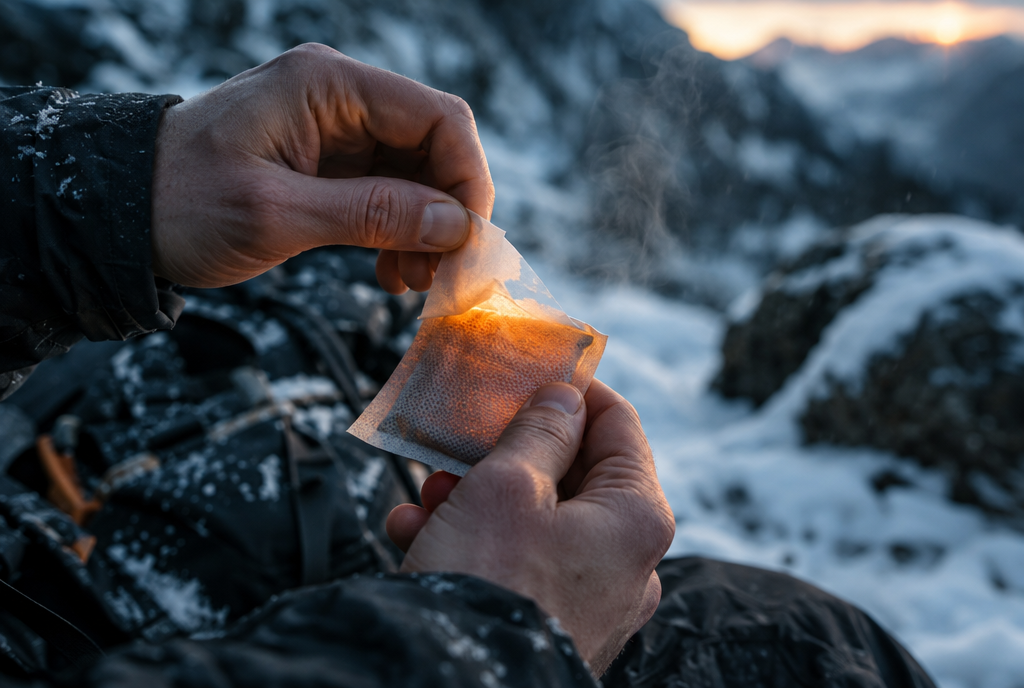
How hand warmers work: the chemistry of air-activated heat
Disposable hand warmers work by controlled rusting. When you open the wrapper, oxygen reaches a mix of iron powder, water, salt, activated carbon and an absorbent filler. The iron oxidizes to iron oxide and releases heat. Salt speeds the reaction, carbon spreads the heat, and the porous pouch limits airflow so warmth lasts for hours instead of minutes.
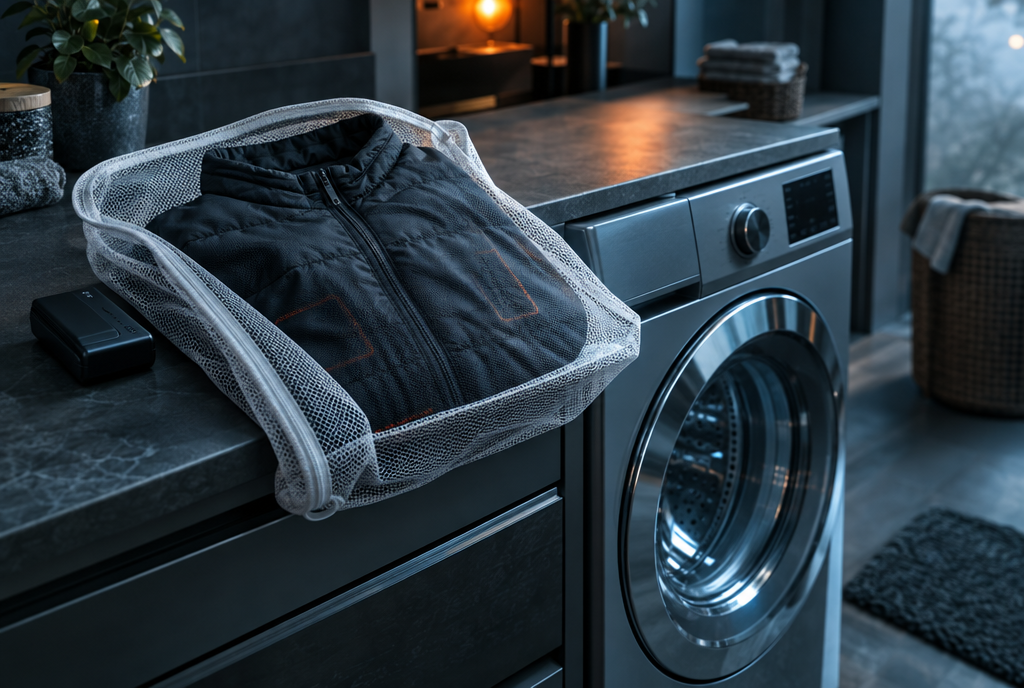
Can you wash a heated vest? Care guide for heated and heat-reflective garments
Most heated vests can be washed, but only after the battery is removed and the connector is secured. Follow the care label first. When it allows machine washing, use a gentle cycle, cold water and mild detergent, then air dry completely before reconnecting power. Never tumble dry, iron, bleach or dry clean a garment with heating elements unless the label allows it.
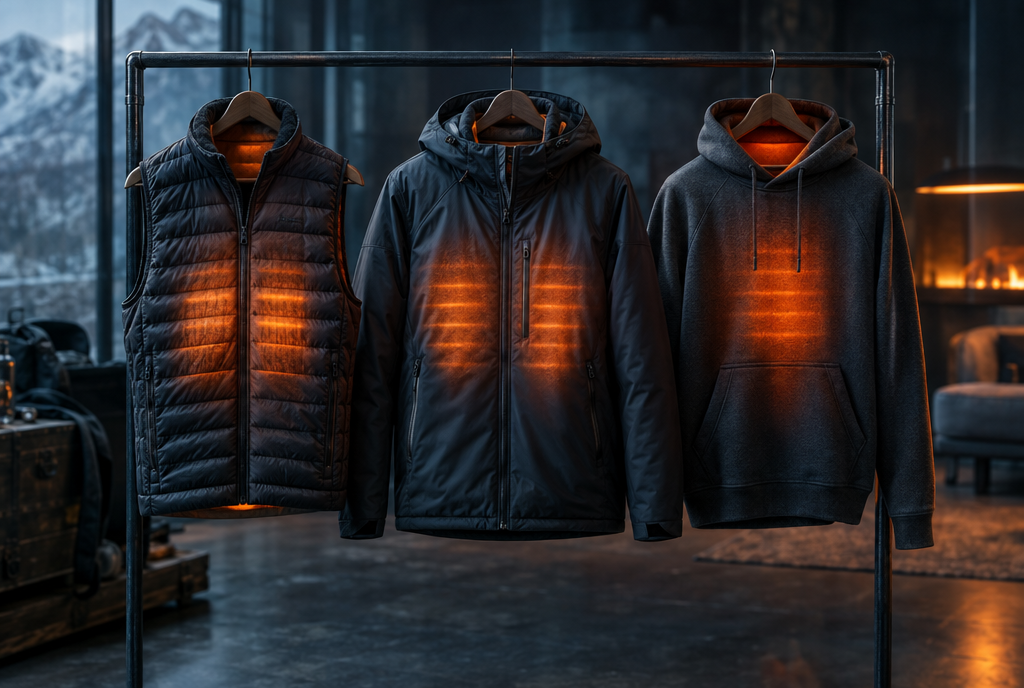
Heated vest vs heated jacket vs heated hoodie
A heated vest warms your torso, layers under almost anything and leaves arms free, which makes it the most versatile choice. A heated jacket adds sleeves and an outer shell, so it suits people who want one garment for wind and weather. A heated hoodie is a casual mid layer for mild cold, commuting and time around home.
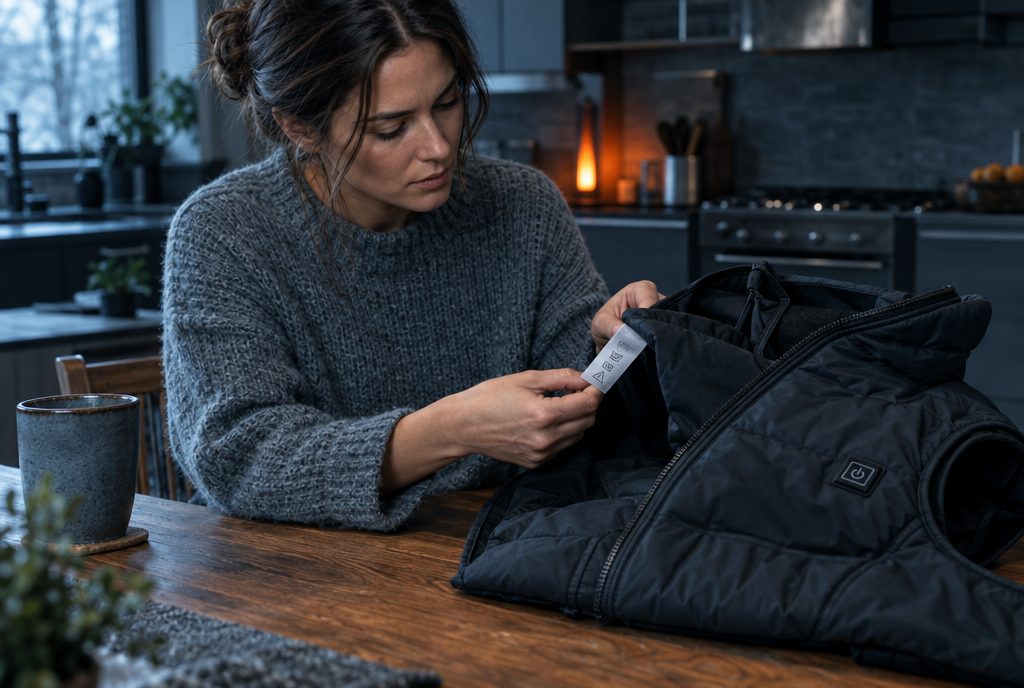
Are heated vests safe? Pacemakers, pregnancy, elderly and more
For most healthy adults, a well-made heated vest used as directed is a low-risk way to stay warm. The real hazards are skin burns from prolonged contact heat and fire from damaged or poorly made lithium batteries. People with reduced sensation, diabetes, implanted cardiac devices, pregnancy, young children and frail older adults need extra caution and a clinician's input.
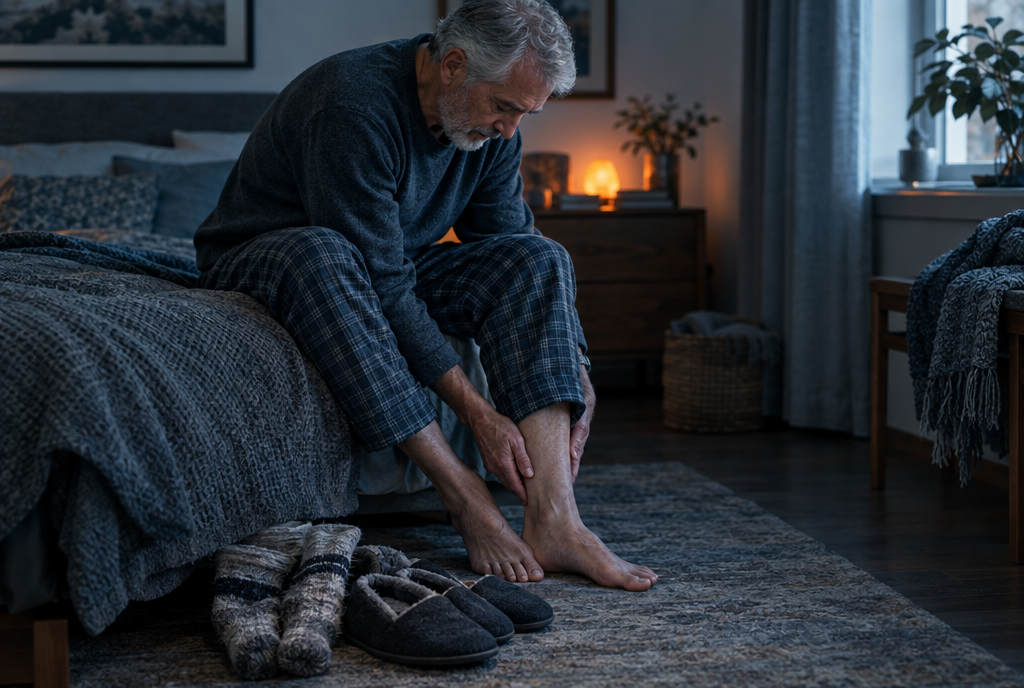
Heated clothing with diabetes or neuropathy: safety first
Heated clothing can be used by many people with diabetes, but neuropathy changes the risk. When nerves cannot sense heat properly, a heated panel, sock or hand warmer can burn skin without warning. Talk to your clinician first, avoid direct heat on numb areas, especially the feet, use the lowest effective setting, keep fabric between heat and skin, and check your skin every time.

Scleroderma, lupus and cold: living well in cold weather
Cold sensitivity is one of the most common experiences in scleroderma and lupus, mostly through secondary Raynaud's. Nearly 90% of people with scleroderma have Raynaud's symptoms, and it affects up to one-third of people with lupus. Living well in the cold means warming the whole body, protecting fragile skin, avoiding sudden temperature changes and reporting sores early to your care team.

Cold intolerance: thyroid, anemia, chemotherapy and other causes
Cold intolerance is an abnormal sensitivity to cold temperatures. MedlinePlus lists its main causes as anemia, hypothyroidism, blood vessel problems such as Raynaud's, anorexia nervosa, problems with the brain's temperature center and chronic severe illness. Some cancer drugs, notably oxaliplatin, also make people very sensitive to cold. A clinician can usually narrow the cause with an exam and blood tests.

Why keeping your core warm helps cold hands
Your body gives up hand warmth first when it senses cold. To protect core temperature, the hypothalamus narrows blood vessels in the skin, and fingers cool quickly. Keeping the torso warm reduces that signal, so the body has less reason to hold warm blood back from the hands. That is why Raynaud's organizations advise warming the whole body, especially the core, not only the fingers.
Gloves and mittens for Raynaud's: what to look for
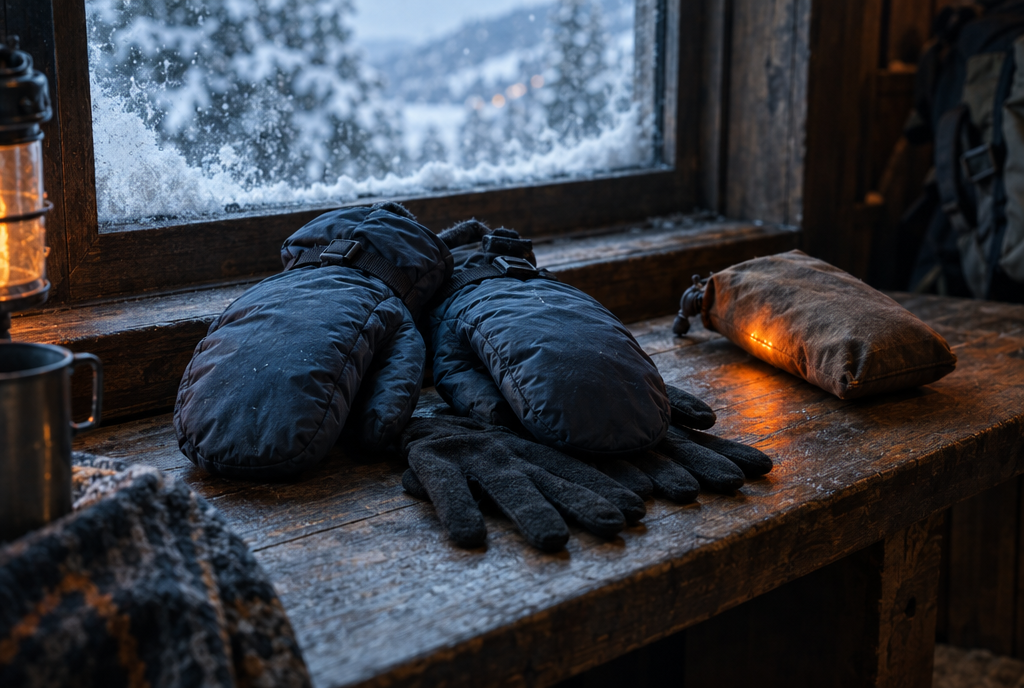
For Raynaud's, mittens are usually warmer than gloves because fingers share heat inside one space. The most practical setup is a thin liner glove under an insulated, windproof mitten, with room for a hand warmer and a long cuff. Heated gloves suit some people, but no glove works well if the rest of the body is cold, so pair hand protection with core warmth.
Raynaud's vs chilblains, acrocyanosis and other look-alikes
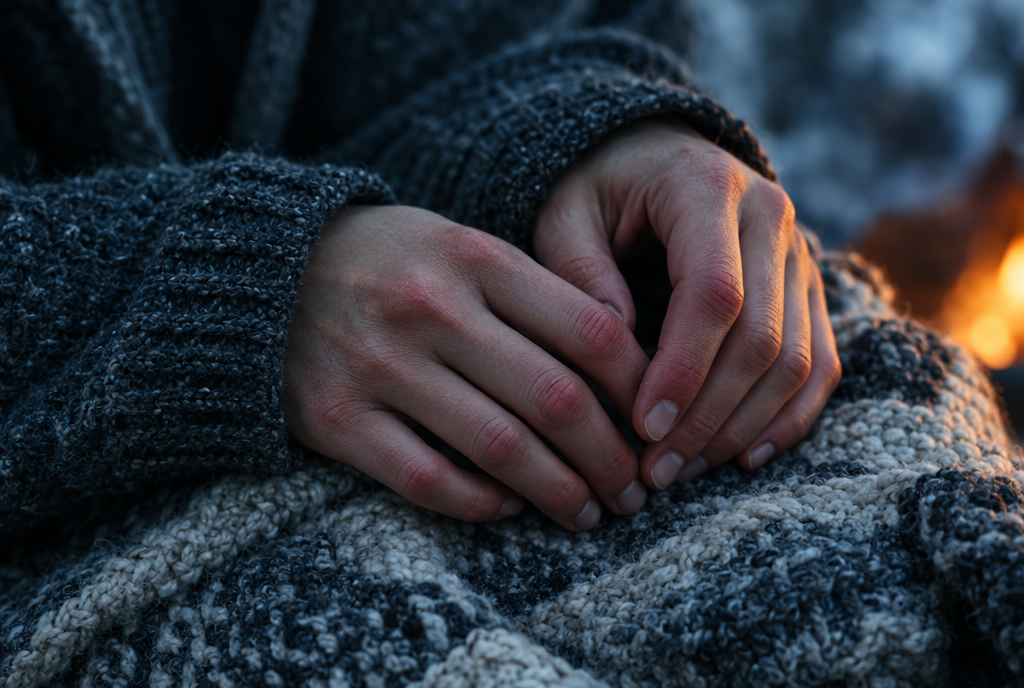
Raynaud's causes short episodes in which fingers or toes turn white, then blue, then red. Chilblains are itchy red or purple patches that appear hours after cold. Acrocyanosis is persistent, usually painless blue discoloration. Erythromelalgia is red, burning skin triggered by warmth. Cold urticaria causes itchy welts within minutes. Buerger's disease is a tobacco-linked artery disease that can mimic Raynaud's.
Primary vs secondary Raynaud's: what the difference means
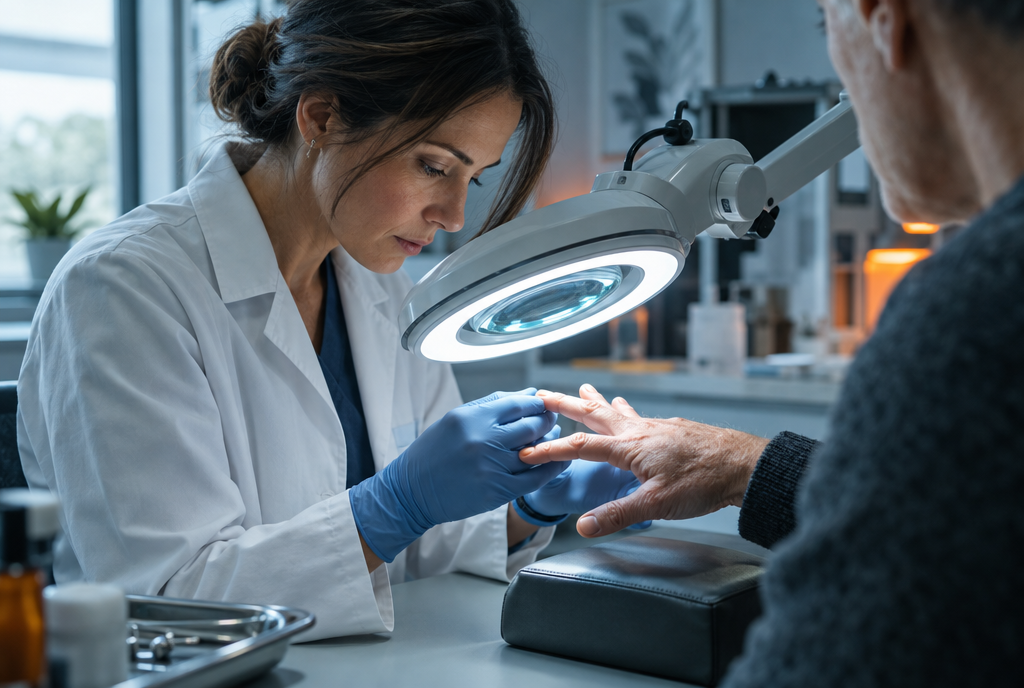
Primary Raynaud's happens on its own, usually starts in the teens or twenties, and is generally mild. Secondary Raynaud's is caused by another condition, medicine or exposure, often begins later in adulthood, and is more likely to cause finger sores. Clinicians tell them apart with a history, an exam, a look at the nailfold capillaries and blood tests such as ANA.
Cold hands and feet: causes, patterns and practical fixes
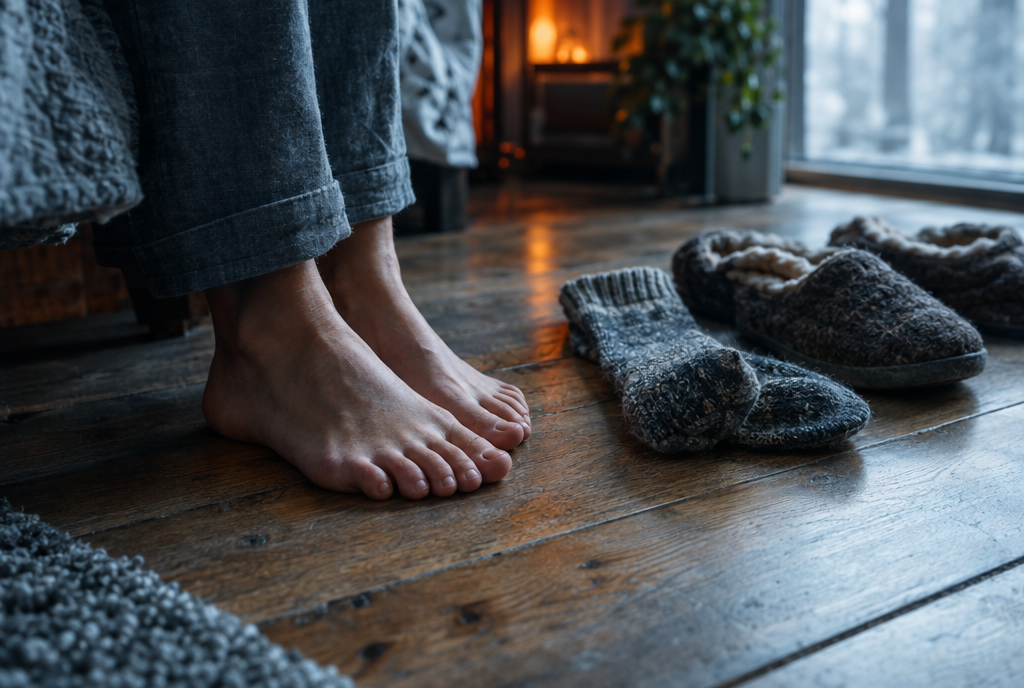
Cold hands and feet are usually the body's normal way of protecting core temperature by narrowing blood vessels in the skin. The pattern tells you more than the coldness itself: episodes of white or blue fingers suggest Raynaud's, one-sided coldness can point to blocked arteries, and numbness with cold feet may reflect nerve damage. Most people improve by warming the whole body.

Why am I always cold? Common causes and when to see a doctor
Feeling cold all the time is often a normal difference in how your body conserves heat, shaped by body size, activity and clothing. Persistent or worsening cold can also come from hypothyroidism, anemia, very low body weight, Raynaud's phenomenon or other blood vessel problems. If cold intolerance is long-term, extreme or comes with fatigue or other new symptoms, see a clinician.
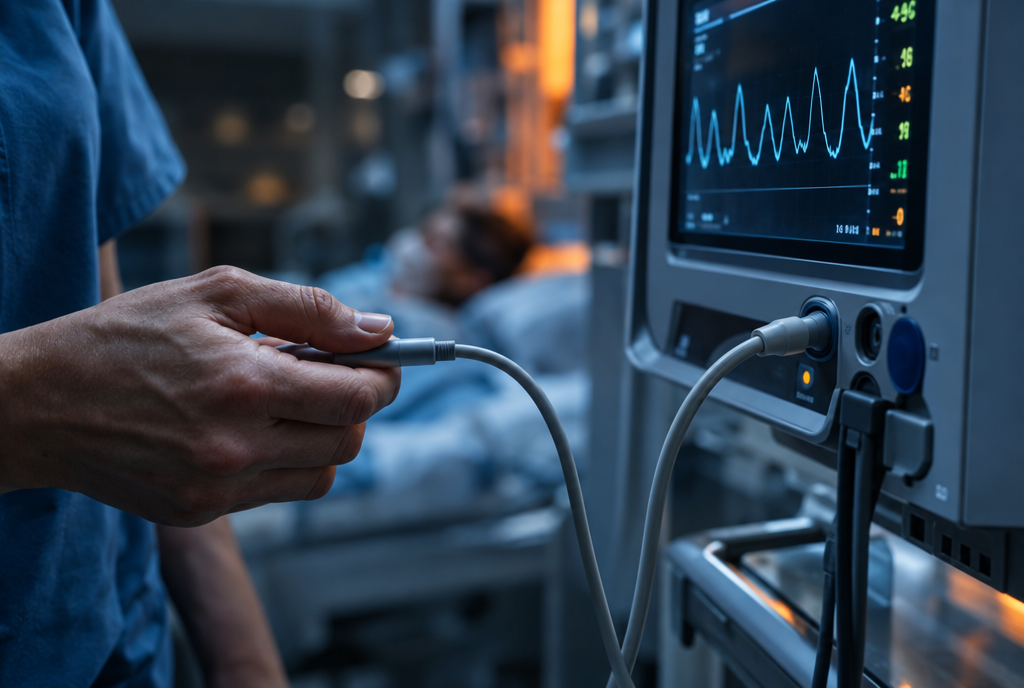
Core temperature monitoring: methods and accuracy
Core temperature is best measured where blood from the body's core is sampled directly or closely: the pulmonary artery, distal esophagus, nasopharynx or tympanic membrane. Bladder, oral, axillary and zero-heat-flux forehead sensors are practical near-core options with known limits. Infrared temporal and ear scanners are not accurate enough to guide perioperative care, and NICE advises against indirect estimates.
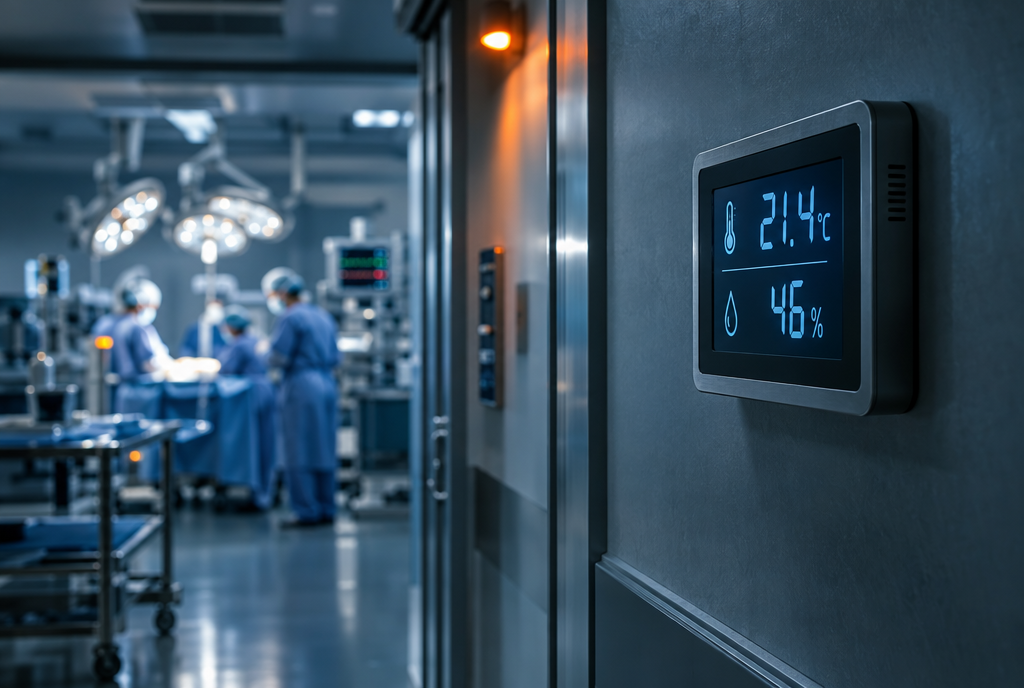
Operating room temperature and humidity standards (ASHRAE 170 and AORN)
In the US, operating room design conditions come from ANSI/ASHRAE/ASHE Standard 170, which sets a temperature range of 68°F to 75°F (20°C to 24°C) and relative humidity of 20 to 60 percent. CMS lowered its minimum humidity from 35 to 20 percent in 2013. The UK's NICE guideline adds a patient-focused rule: at least 21°C (69.8°F) while the patient is exposed.
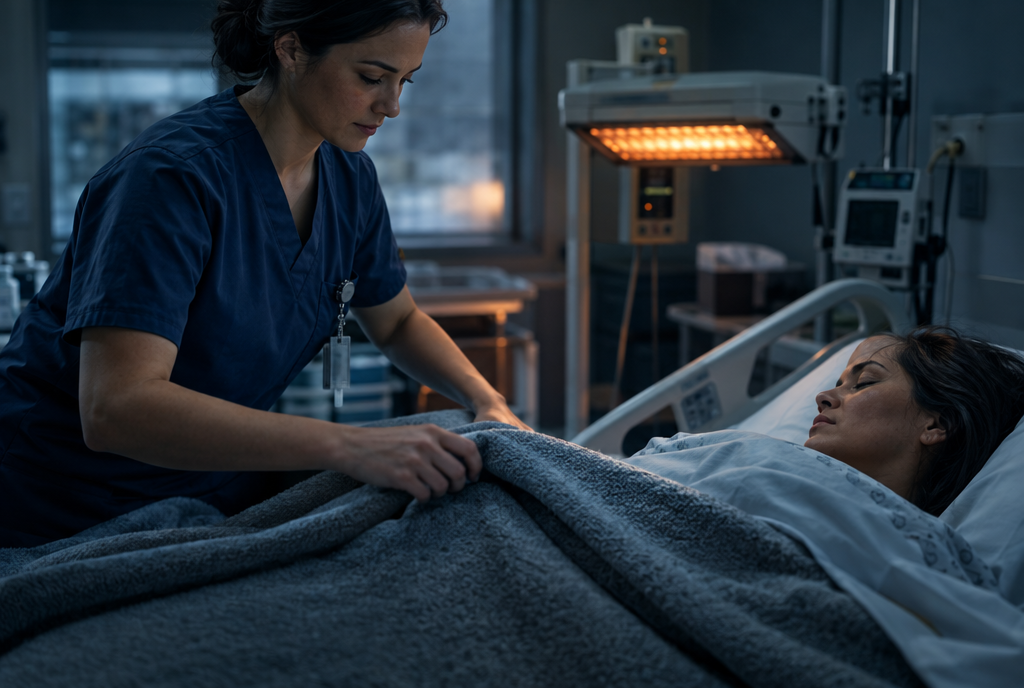
Passive vs active warming: when each is used
Passive warming reduces heat loss by insulating the patient with blankets, heat-reflective layers or clothing, but relies on the body's own heat. Active warming adds external heat through devices such as forced-air, resistive or circulating-water systems. In surgery, anesthesia blunts the body's heat production and defenses, so guidelines favor active warming for most anesthetized patients and use passive measures as support.

Forced-air vs conductive warming: what the evidence shows
Both forced-air and conductive warming reduce perioperative hypothermia, and neither eliminates it. Forced air has the larger evidence base and is NICE's default; some trials find it slightly more effective, while others find conductive warming equivalent or better, especially when combined with prewarming. Timing, coverage and consistent use often matter more than the choice of technology.
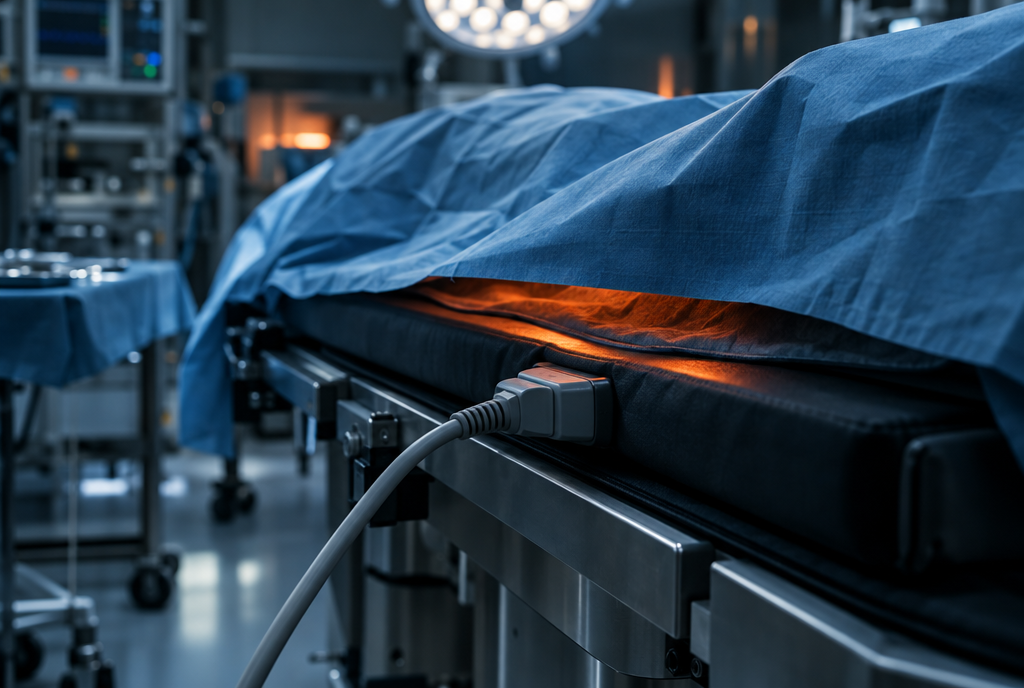
Conductive and resistive patient warming explained
Conductive patient warming transfers heat through direct contact between a warm surface and the patient's skin. The two main forms are electric resistive systems, which pass a low-voltage current through a carbon or polymer fabric in blankets and mattresses, and circulating-water systems, which pump temperature-controlled water through pads or mattresses. NICE recommends considering resistive warming when forced air is unsuitable.
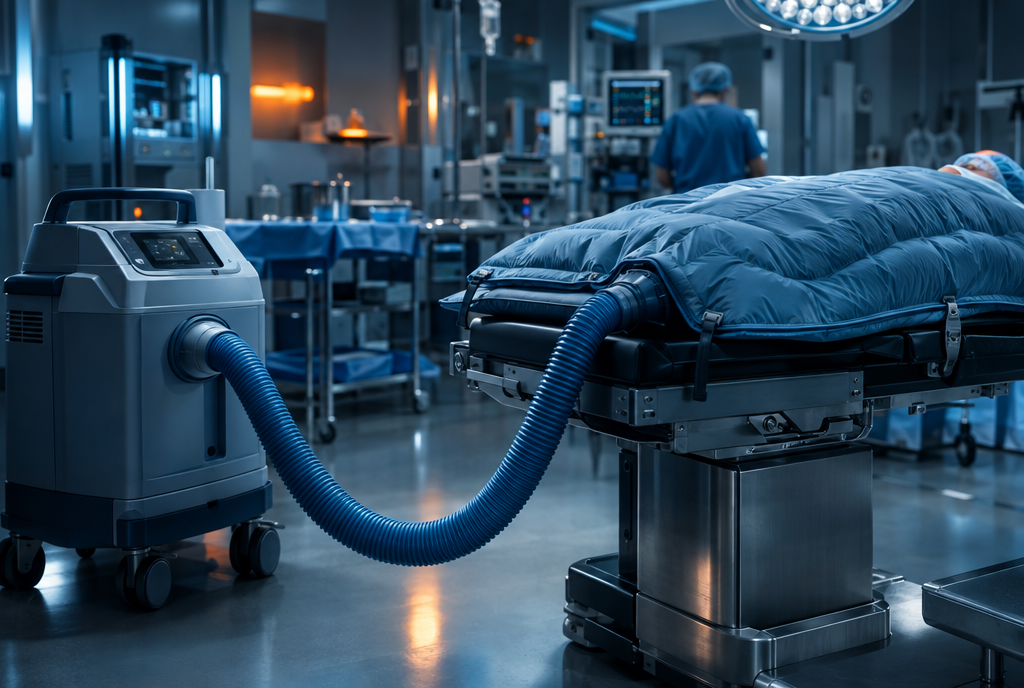
Forced-air warming explained: how convective patient warming works
Forced-air warming blows heated, filtered air from a bedside unit through a hose into a disposable blanket or gown, which releases it through small perforations over the patient's skin. It warms by convection and also blocks radiant loss to the room. It is the most widely used active warming method in surgery and the default recommended by NICE for anesthesia longer than 30 minutes.