
Knowledge
Sourced guides on how the body stays warm, how patients and clinicians are kept comfortable, how crews work safely in cold and heat, and how warming gear works. Pick the theme closest to your world.
Ready to choose gear? Browse all buyer’s guides →
Free tools: wind chill and frostbite calculator, cold work warm-up schedule, what to wear by temperature, which warmth setup is right for you? and the warmth runtime and cost calculator. All tools and data →
Science of Warmth
For anyone who wants to understand how the body makes, keeps and loses heat.
Start here
Popular
All Science of Warmth articles →
Healthcare
For clinicians, perioperative teams, hospital leaders, and patients before and after surgery.
Start here
- Patient warming and perioperative hypothermia
- Thermal comfort for clinicians
- For patients: surgery and recovery
Popular
- How to stay warm in the operating room
- What is perioperative hypothermia?
- Forced-air vs conductive warming

Work and Duty
For employers, safety leads, crews, service members and EMS.
Start here
Popular
All Work and Duty articles →
Everyday Life and Health
For people who feel the cold, and for daily life outdoors.
Start here
- Cold sensitivity and Raynaud’s
- Staying warm in everyday life
- Staying warm at home and with family
- Staying warm with a health condition or disability
- Medications and feeling cold
Popular
All Everyday Life and Health articles →
Heat and Cooling
For hot jobs, heavy protective gear and personal heat sensitivity.
Start here
Popular
All Heat and Cooling articles →
Technology and Gear
For choosing, using and caring for warming gear.
Start here
Popular
All Technology and Gear articles →All articles
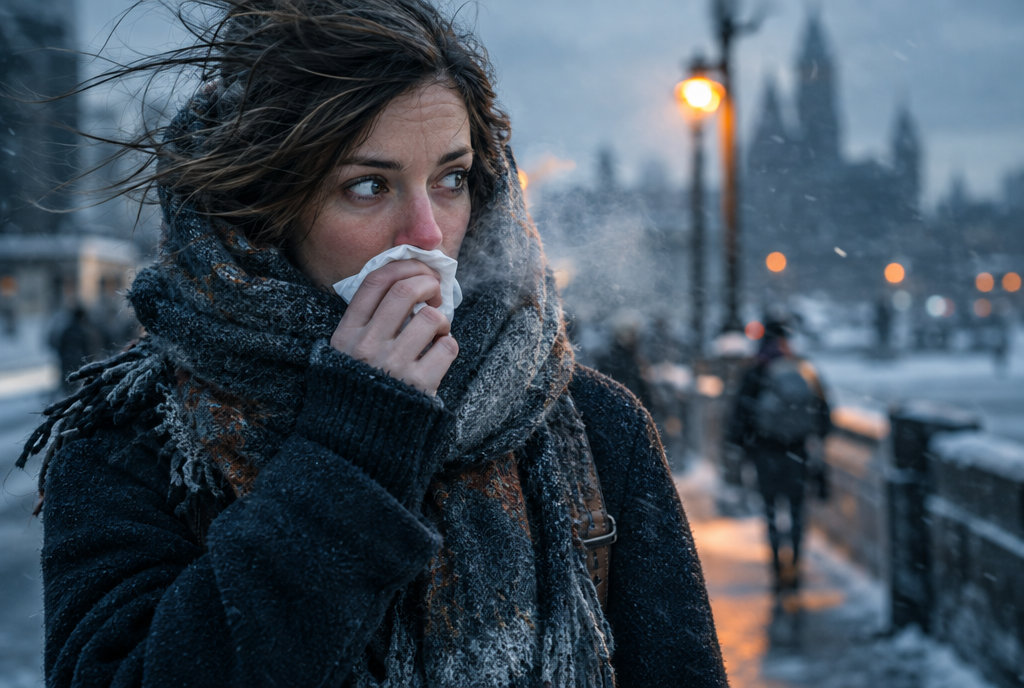
Can you catch a cold (or get a cold) from being cold?
You cannot get a cold from being cold alone, because colds are caused by viruses, most often rhinoviruses. Being chilled may still matter. Research suggests that cooling the body or the inside of the nose can weaken local defenses, making it easier for a virus you have already picked up to take hold and cause symptoms.
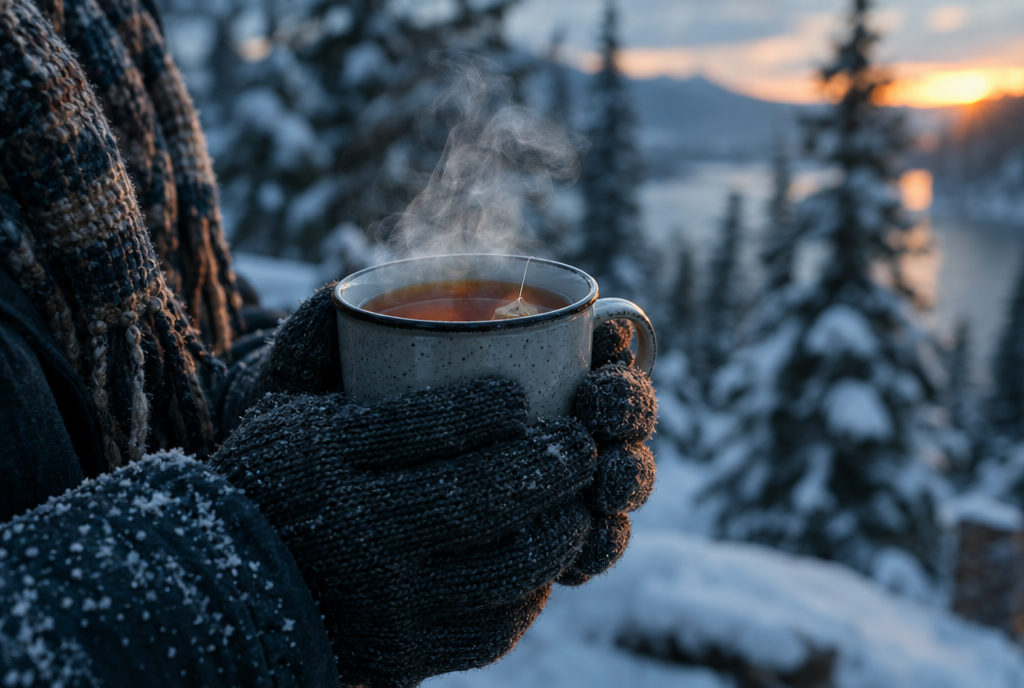
Do hot drinks actually warm you up?
Partly true. A hot drink makes you feel warmer and adds a small amount of heat, but not enough to meaningfully raise core temperature on its own. In the cold, its comfort and, if sweetened, its calories help more than its heat. In hot, dry conditions, research suggests a hot drink can even reduce stored body heat by triggering extra sweating.

Does alcohol warm you up? What drinking does to body heat
No. Alcohol makes you feel warmer, but it does not warm you up. It widens blood vessels in the skin, which brings warm blood to the surface and creates a flush of warmth while your core loses heat faster. It also dulls the brain's temperature control and can weaken shivering, which raises the risk of hypothermia in the cold.
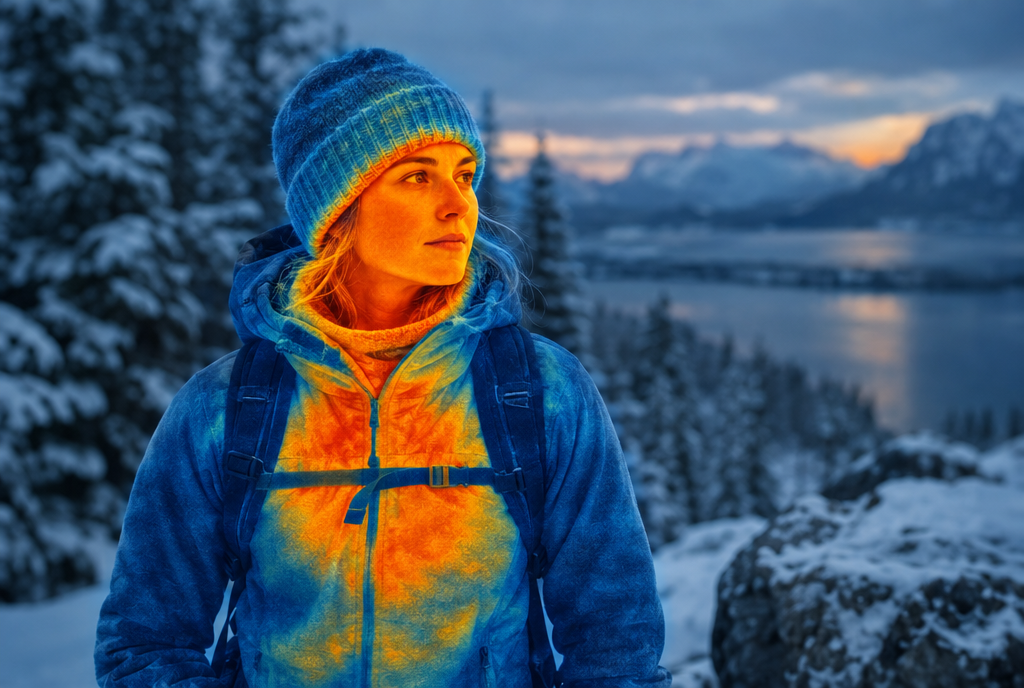
Do you lose most of your body heat through your head?
No. You do not lose most of your body heat through your head. An uncovered head loses heat at roughly the same rate as any other patch of exposed skin, so its share is close to its share of your surface area, often cited as about 7 to 10 percent. A hat still matters when the head is the main part left bare.
Extreme cold warnings explained: what the alerts mean and what to do
An Extreme Cold Warning is the National Weather Service's most serious cold alert. It means dangerously cold air temperatures or wind chills are expected or already happening. Avoid going outside; if you must, dress in layers, cover all exposed skin and tell someone where you are. A watch means the danger is possible, and an advisory means hazardous cold below warning level.
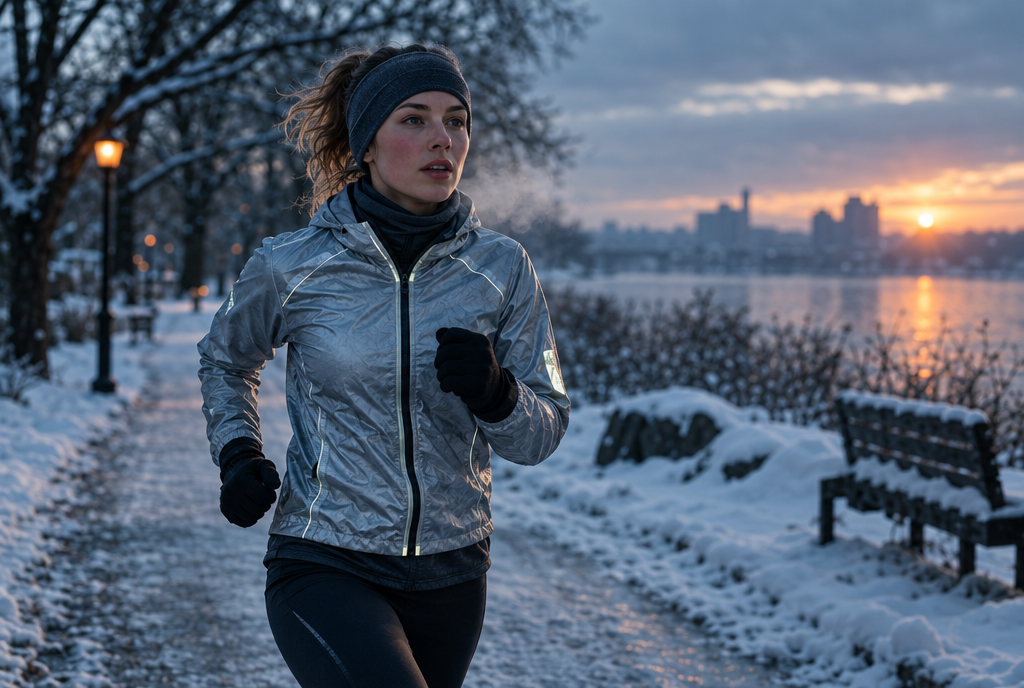
Winter running and walking: how to layer for the cold
For cold-weather running, dress as if it is about 20 degrees warmer than the actual temperature, so you feel slightly chilly at the start. Wear a wicking base layer, an insulating layer as it gets colder, and a wind-resistant shell, plus gloves and a hat below about 40°F. Walkers make less heat, so they need warmer layers than runners.
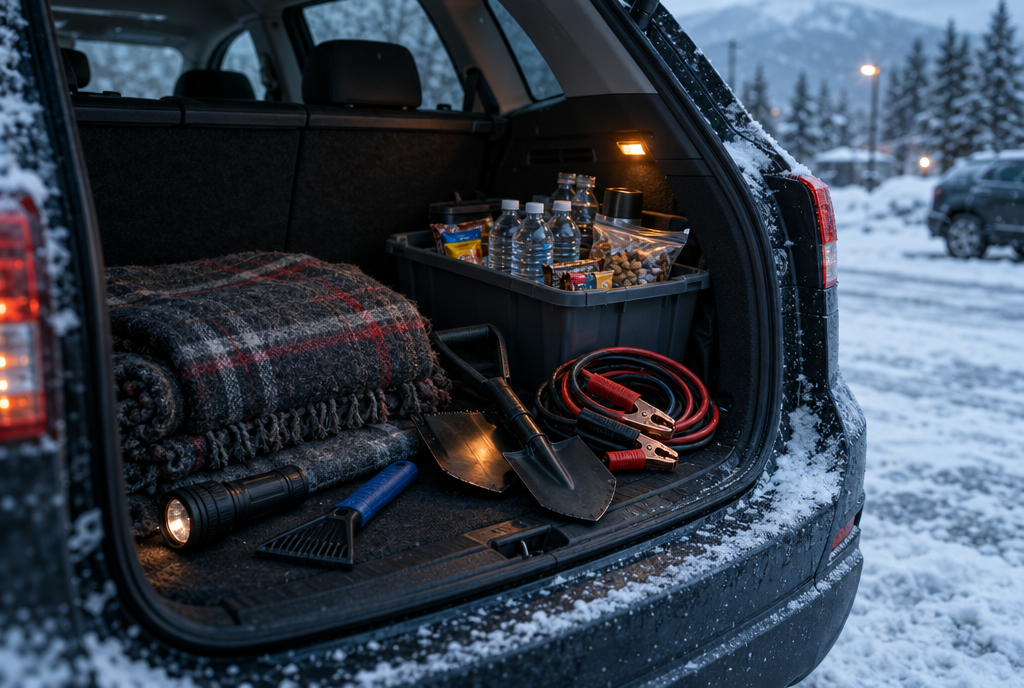
Winter car emergency kit: what to keep in your car
A winter car emergency kit should keep you warm, visible and able to get moving: blankets or a sleeping bag, extra hats, mittens and boots, water and snacks, a flashlight, a phone charger, a first aid kit, a shovel, an ice scraper, sand or kitty litter, jumper cables and flares or reflective triangles. If stranded, stay with the car and keep the tailpipe clear.
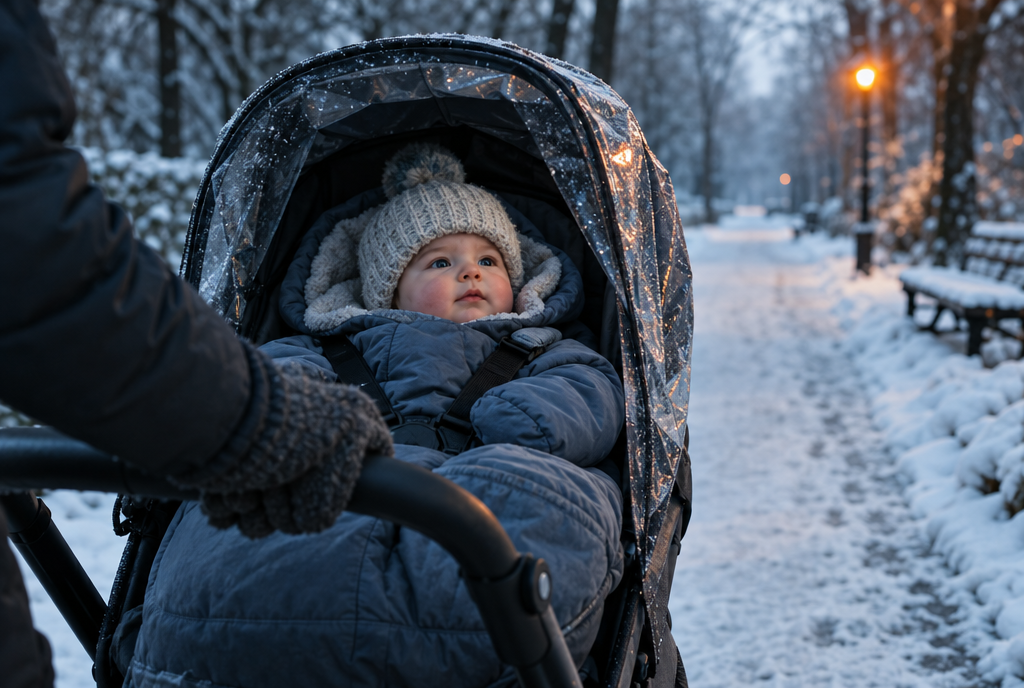
How to dress a baby for cold weather, outdoors and at night
The American Academy of Pediatrics (AAP) says a baby only needs one more layer than you would wear in the same environment. Outdoors, add a hat, mittens and booties. For sleep, use layers or a wearable blanket instead of loose blankets, and do not put a hat on your baby indoors. Watch for sweating, a hot chest or flushed skin, which signal overheating.
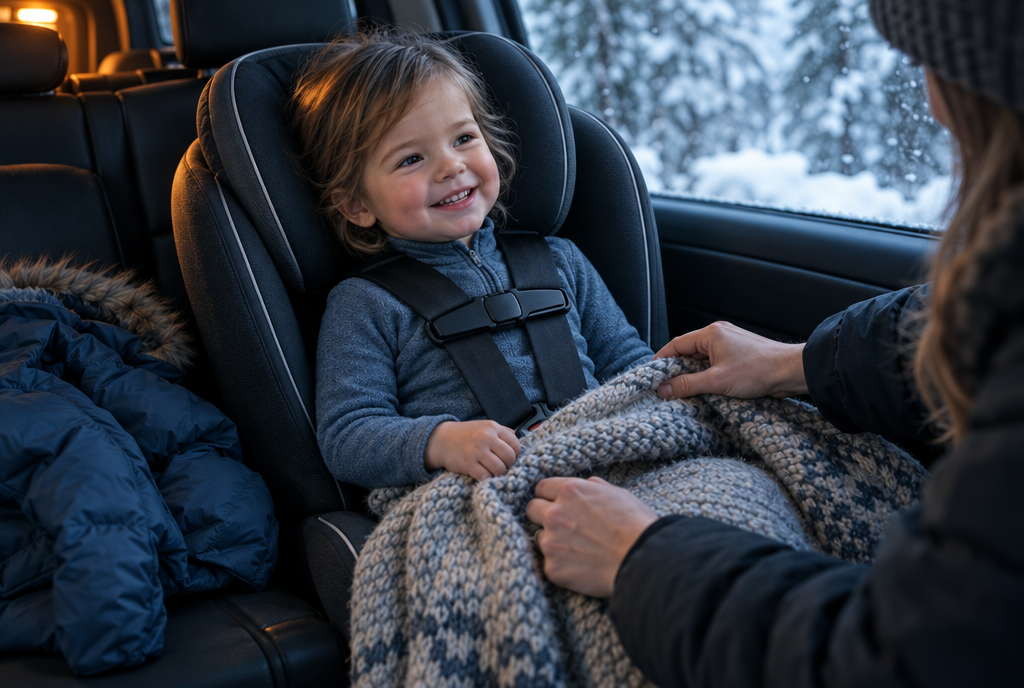
Winter coats and car seats: why puffy coats and harnesses don't mix
Bulky winter coats and snowsuits should not be worn under a car seat harness. In a crash, the padding flattens instantly and leaves slack, so a child can slip through the straps. The AAP and NHTSA recommend thin layers under a snug harness, then a blanket or the coat worn backwards over the buckled straps.
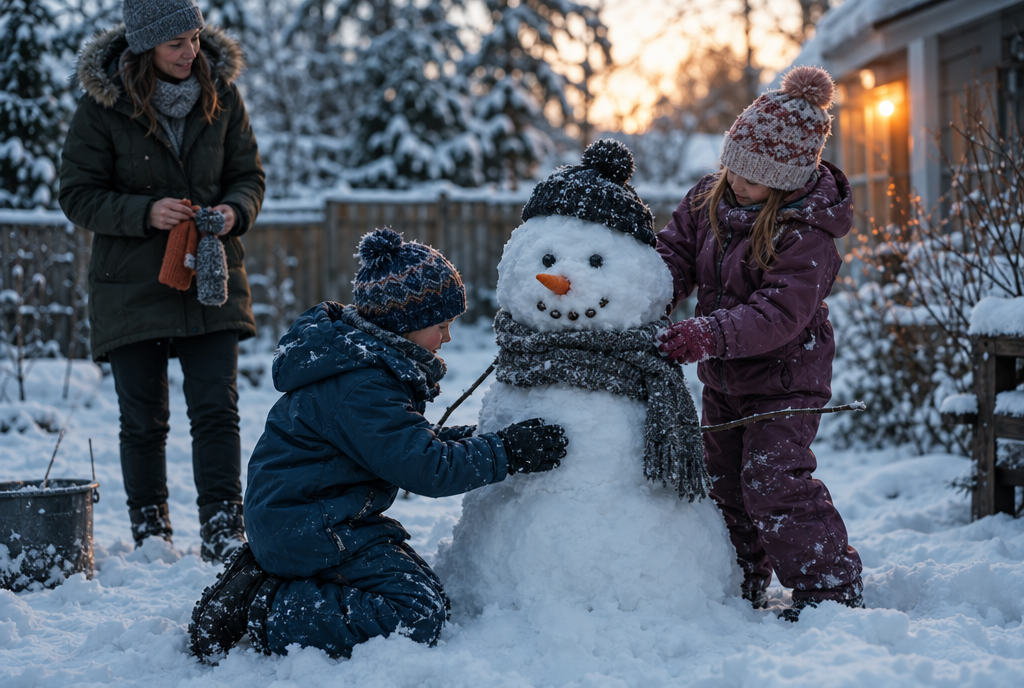
Keeping kids warm outdoors: layers, limits and warning signs
To dress kids for cold weather, the American Academy of Pediatrics (AAP) recommends several thin layers plus insulated boots, mittens or gloves, and a hat. Young children usually need one more layer than an adult in the same conditions. Change wet clothing right away, limit outdoor time with regular indoor breaks, and avoid outdoor play when temperatures or wind chills fall below -15°F.
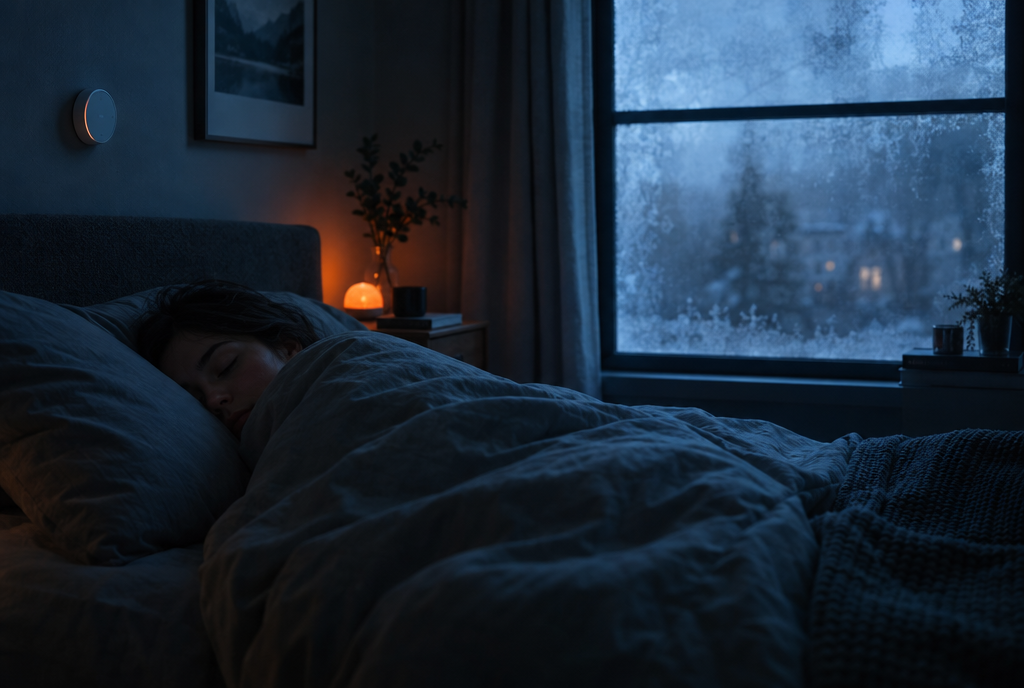
How cold should your bedroom be for sleep?
For most healthy adults, the best temperature for sleep is a cool room of about 60 to 68 degrees Fahrenheit (15 to 20 degrees Celsius), with 65 degrees a common starting point. A cool room supports the natural drop in core temperature that comes with sleep. Older adults often sleep better warmer, and babies have their own safe range.
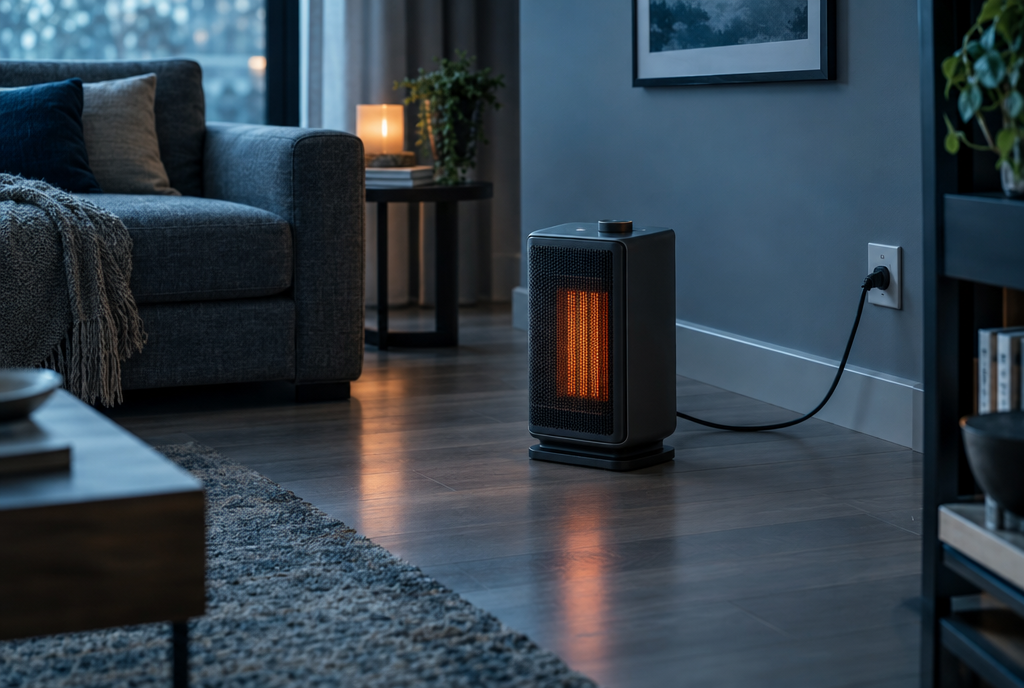
Space heater safety: what to know before you plug one in
Space heater safety comes down to a few rules. Keep the heater at least 3 feet from anything that can burn, plug it directly into a wall outlet, and choose a model with a safety certification mark and automatic shut-off. Turn it off when you leave the room or go to sleep. Fuel-burning heaters also need proper venting and a working carbon monoxide alarm.
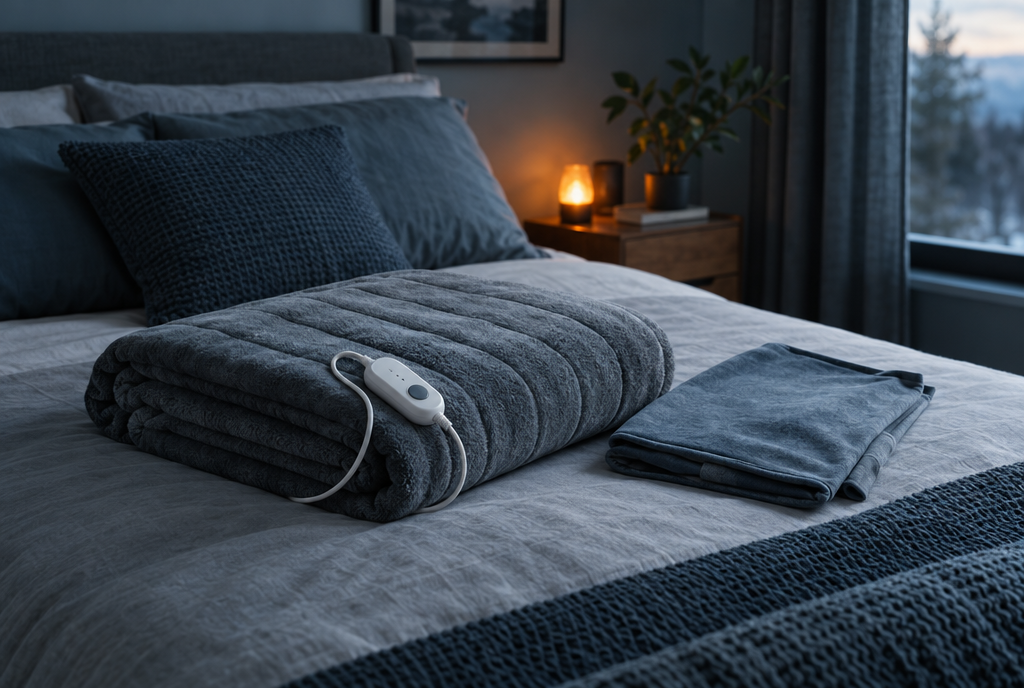
Are electric blankets and heating pads safe?
Electric blankets and heating pads are safe for most adults when the product is in good condition, used flat, and switched off or on a timer before sleep. The main risks are fire, mostly from blankets over ten years old, and burns from long contact with warm surfaces. People who cannot feel heat well, including many with diabetes or neuropathy, and infants should not use them.
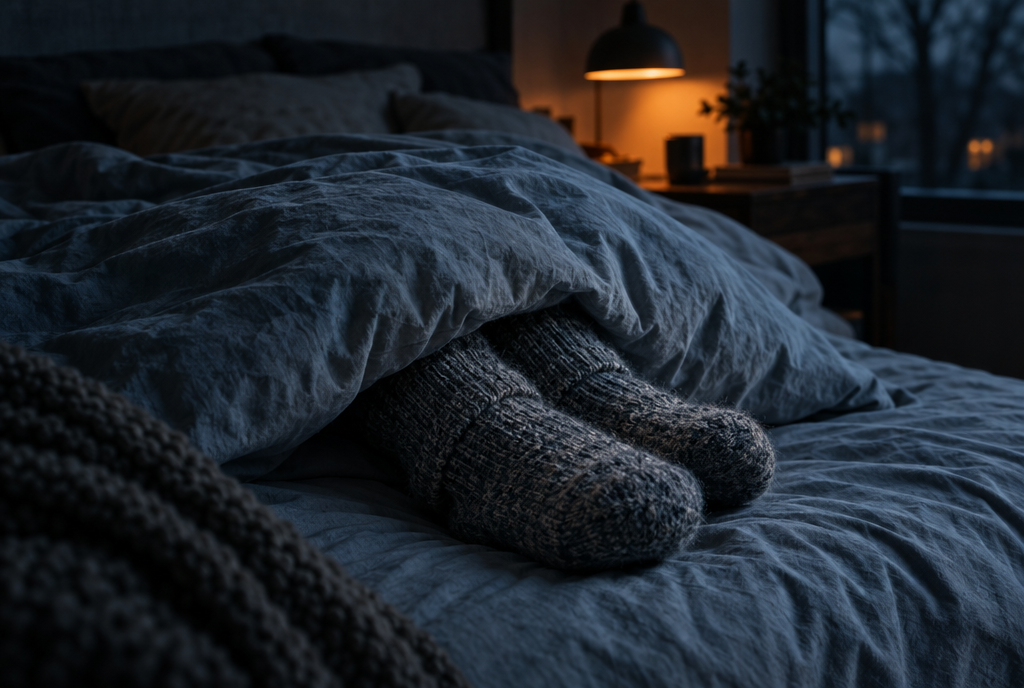
Cold feet at night: why it happens and how to sleep warm
Cold feet at night usually mean the small blood vessels in your feet are still narrowed to hold heat in your core, just when your body wants to release heat through the feet to fall asleep. Loose bed socks, a pre-warmed bed, and a warm bath one to two hours before bed help most people. Numbness, pain or one colder foot deserve a clinician's attention.
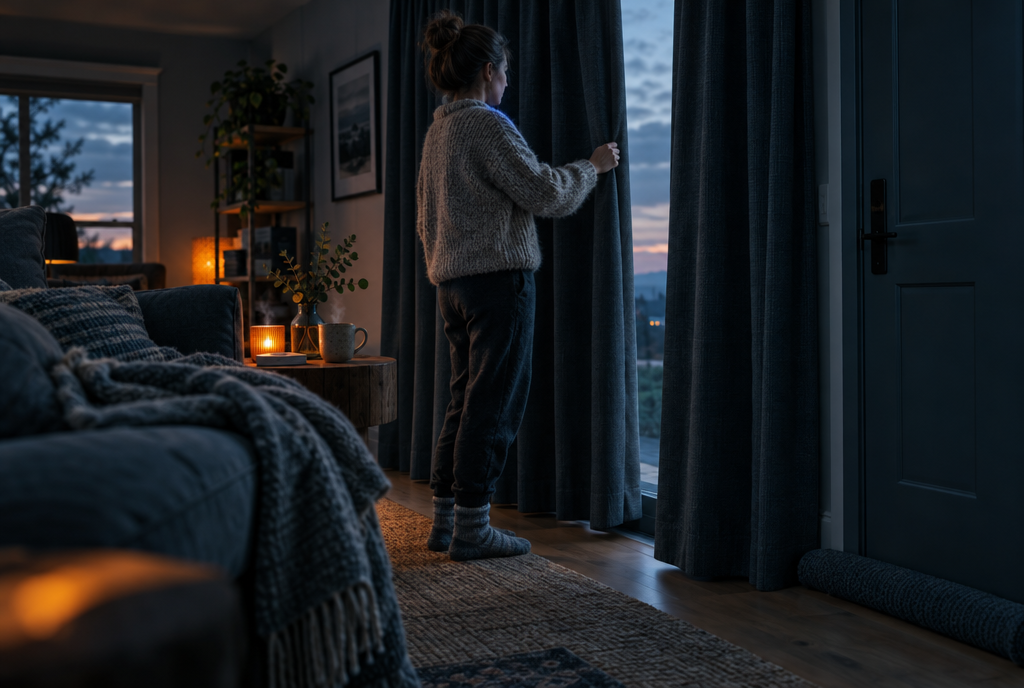
How to stay warm at home without turning up the heat
To stay warm at home without turning up the heat, warm your body first: wear loose layers, keep your core, head and feet covered, eat regular meals and get up to move every hour. Then keep heat in: block drafts, close curtains at night, open sunny ones by day and heat only the room you use. Keep that room warm enough for health, especially for older adults and babies.
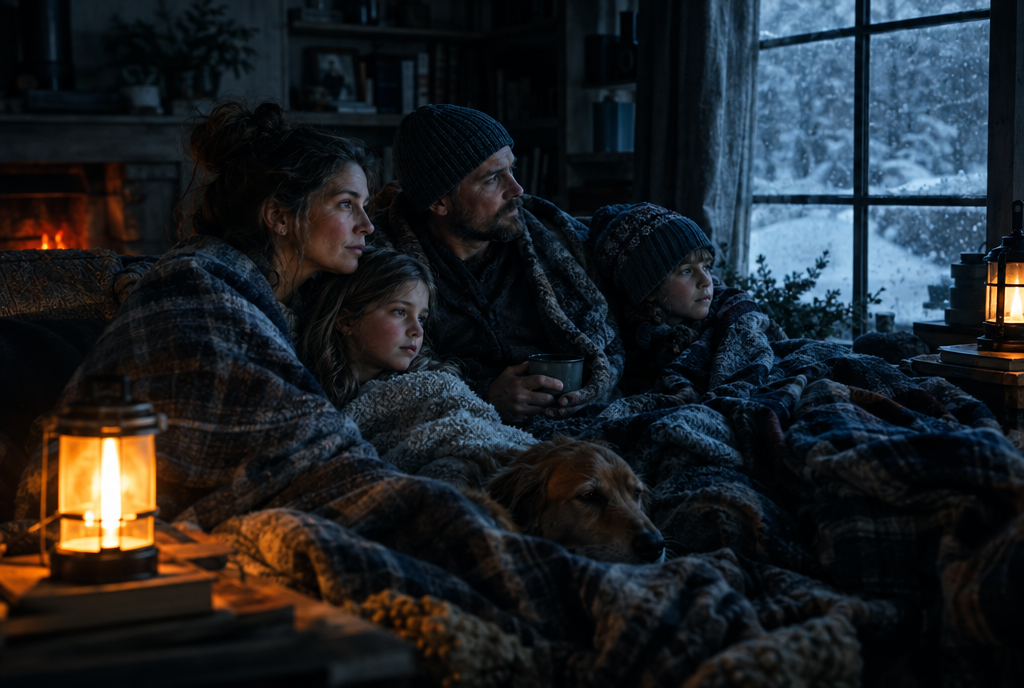
How to stay warm when the power goes out in winter
To stay warm without power, move everyone into one small room, close it off, and dress in loose layers with hats, socks and blankets. Eat regular meals, sip warm nonalcoholic drinks and keep moving. Never heat your home with a gas oven, grill, camp stove or generator indoors, because they produce deadly carbon monoxide. If the house keeps getting colder, go to a warming center.

Staying warm at home and with family: a complete winter guide
To stay warm in winter at home, keep living spaces heated to a safe level, dress everyone in layers, and use every heat source carefully. Keep space heaters away from anything that can burn, never run generators or grills indoors, and install carbon monoxide alarms. Give babies one more layer than adults, keep bulky coats out of car seats, and plan ahead for outages and travel.