
Knowledge
Sourced guides on how the body stays warm, how patients and clinicians are kept comfortable, how crews work safely in cold and heat, and how warming gear works. Pick the theme closest to your world.
Ready to choose gear? Browse all buyer’s guides →
Free tools: wind chill and frostbite calculator, cold work warm-up schedule, what to wear by temperature, which warmth setup is right for you? and the warmth runtime and cost calculator. All tools and data →

Science of Warmth
For anyone who wants to understand how the body makes, keeps and loses heat.
Start here
Popular
All Science of Warmth articles →
Healthcare
For clinicians, perioperative teams, hospital leaders, and patients before and after surgery.
Start here
- Patient warming and perioperative hypothermia
- Thermal comfort for clinicians
- For patients: surgery and recovery
Popular
- How to stay warm in the operating room
- What is perioperative hypothermia?
- Forced-air vs conductive warming
Work and Duty
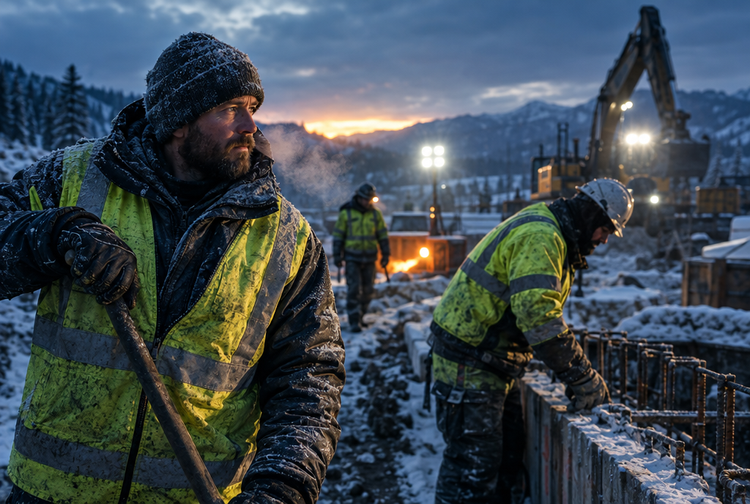
For employers, safety leads, crews, service members and EMS.
Start here
Popular
All Work and Duty articles →
Everyday Life and Health
For people who feel the cold, and for daily life outdoors.
Start here
- Cold sensitivity and Raynaud’s
- Staying warm in everyday life
- Staying warm at home and with family
- Staying warm with a health condition or disability
- Medications and feeling cold
Popular
All Everyday Life and Health articles →
Heat and Cooling
For hot jobs, heavy protective gear and personal heat sensitivity.
Start here
Popular
All Heat and Cooling articles →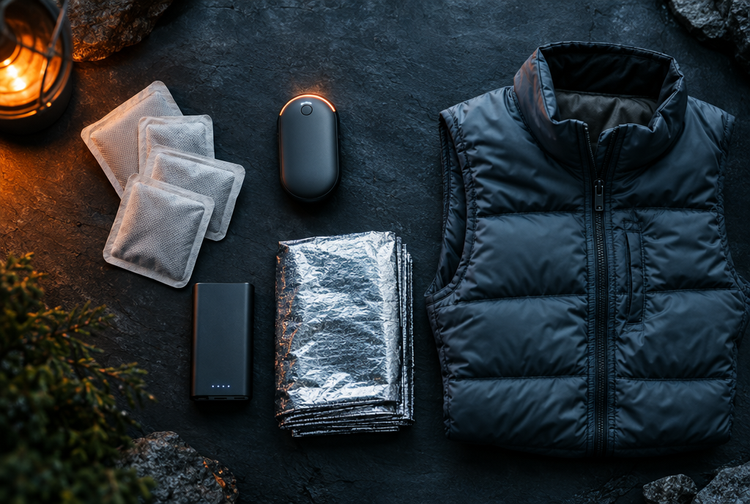
Technology and Gear
For choosing, using and caring for warming gear.
Start here
Popular
All Technology and Gear articles →All articles

Heated scrub jackets and warm OR layers: a buyer's guide
Before buying a heated scrub jacket, check five things: whether your facility's attire policy allows a personal or battery-powered layer in your area, where the battery and cord sit, whether the garment can be laundered the way policy requires, whether it fits under a gown or lead apron, and whether a passive heat-reflective or insulated layer would do the job with fewer approvals.
Gifts for nurses who work cold shifts
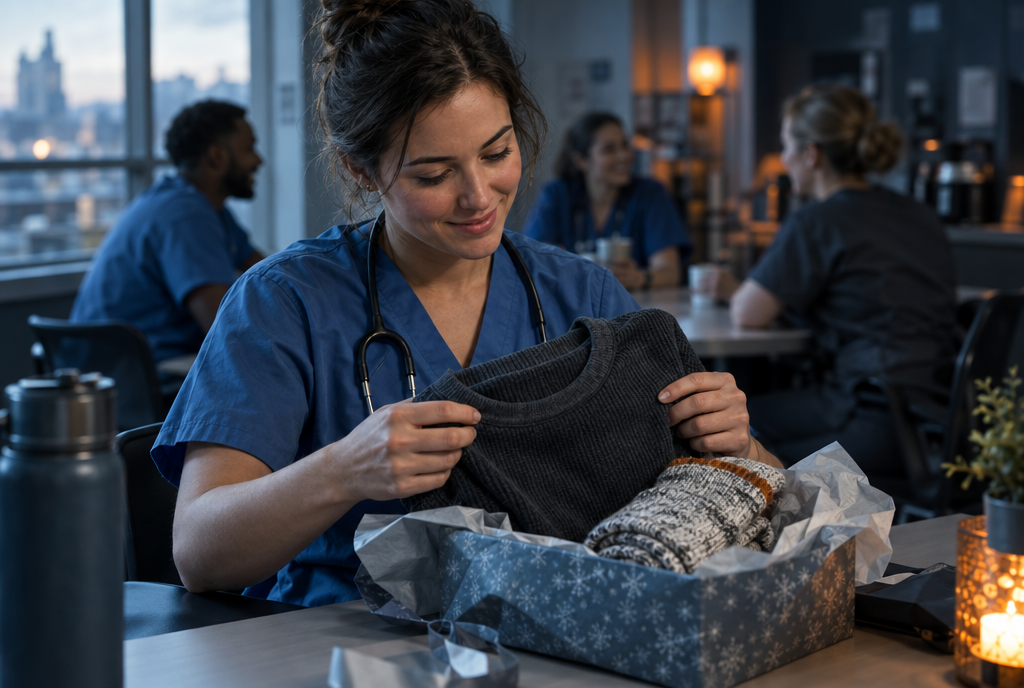
The best warm gifts for nurses split into two groups: items they can actually wear at work within their facility's attire policy, such as a low-lint base layer, warm socks in approved colors or a thin core layer under scrubs, and items for off shift, such as a warm commute layer or bedding for daytime sleep. Avoid bulky, hard-to-launder or battery-powered items unless their unit allows them.
Warm gifts for an older parent: comfortable and safe choices
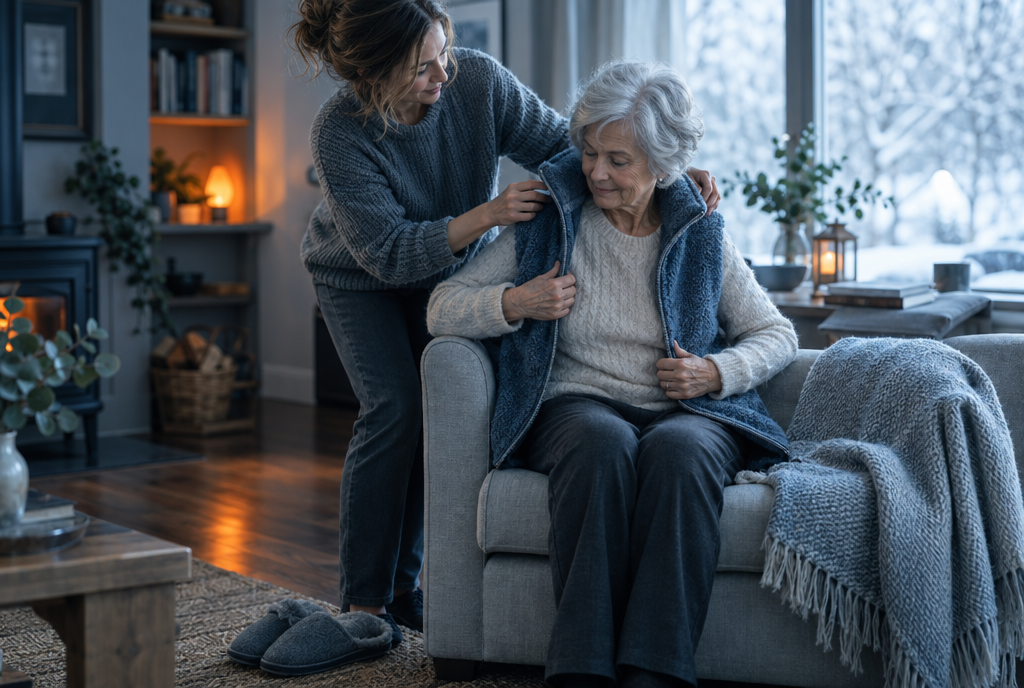
The best warm gifts for an elderly parent are easy to put on, safe to use alone and suited to where they spend the day: soft layers with simple fastenings, a lap throw, warm socks and closed-back slippers with grippy soles, and bedding for cool nights. Anything that heats should have automatic shut-off and simple controls, and should never sit on skin they cannot feel well.
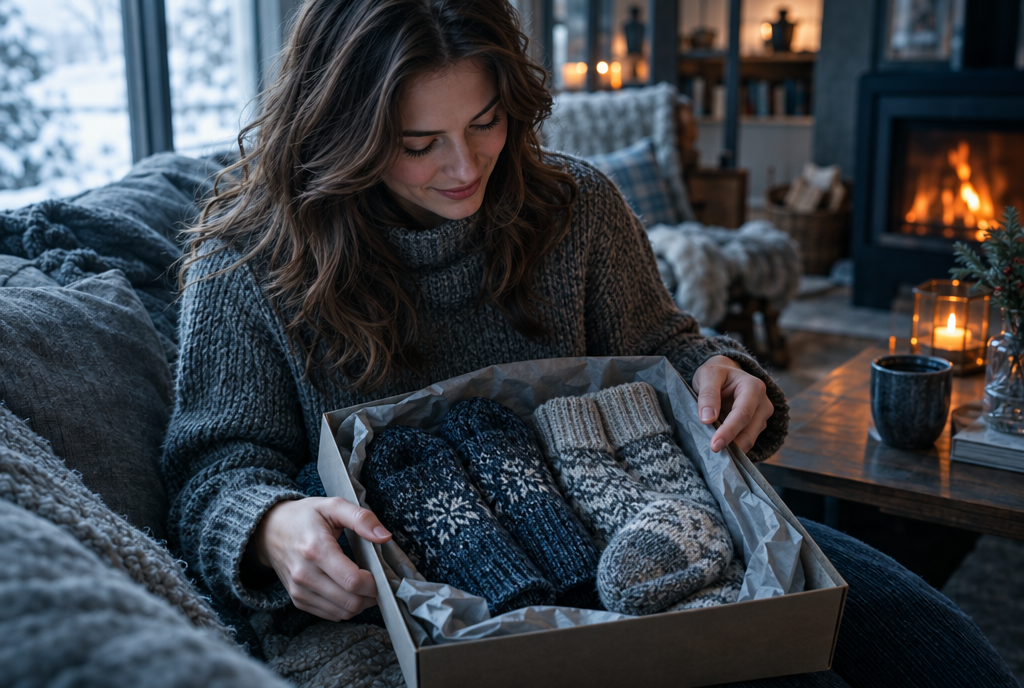
Gifts for someone with Raynaud's: warmth that fits daily life
Good gifts for someone with Raynaud's help them stay warm through ordinary moments: a core layer or wrap, mittens with liners, thermal socks, insulated mugs, gloves for the freezer and warm bedtime layers. Raynaud's groups advise keeping the whole body warm, not just the fingers, so layers for the torso and neck are often as welcome as anything for the hands.
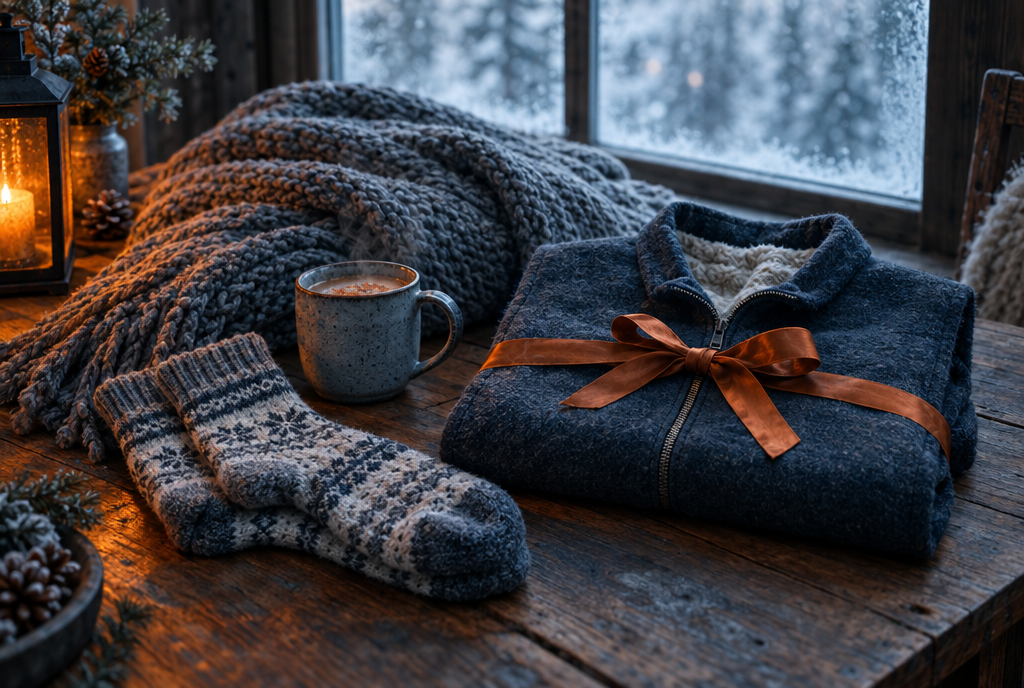
Gifts for someone who is always cold: what actually helps
The best gifts for someone who is always cold match where they feel it: a layer for the torso at home or the office, warm socks and slippers for cold floors, a mitten-and-liner setup for the commute, and safe bedtime warmth. Look for layers they will wear daily, simple controls and auto shut-off on anything that plugs in or heats up.

Buying thermal gear for a team: an employer's bulk purchasing guide
To buy cold weather gear for employees in bulk, start with a needs assessment by job, not a single catalog order. Run a sizing session and a short wear trial, send suppliers a written spec sheet, then negotiate minimum order quantities, warranty, returns and replacement terms. Plan laundering and, for battery-heated items, a controlled charging area before the first box arrives.
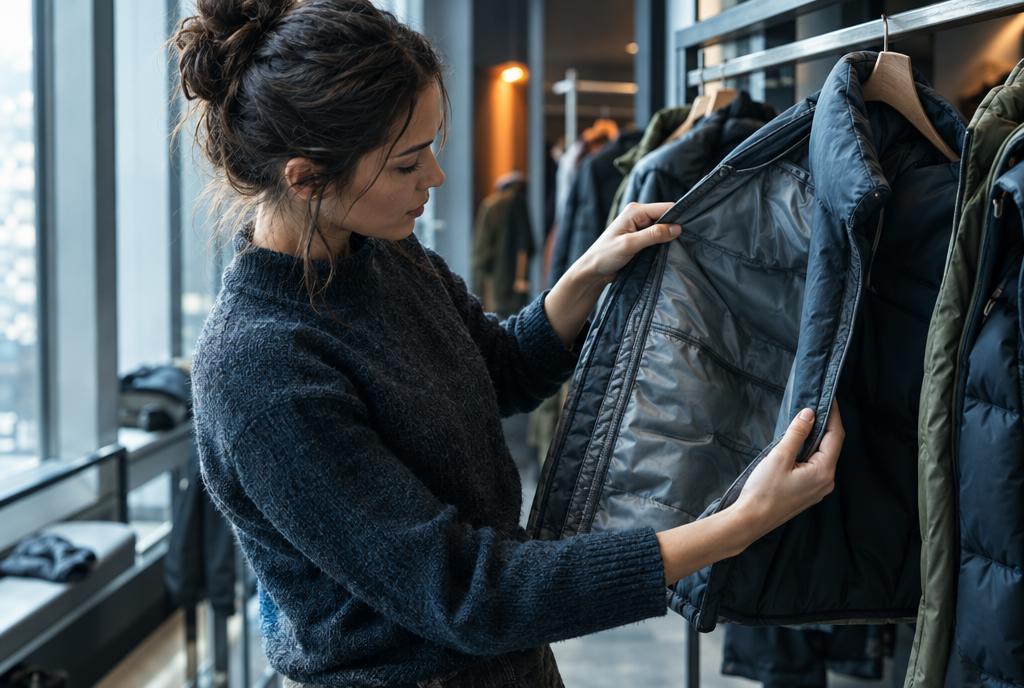
Before you buy: a checklist for any warming garment
Before buying any warming garment, check seven things: the use case, safety marks and recall history, fit over your real layers, the care label, the written warranty and return terms, whether your workplace or airline allows it, and the cost over a full season. The checklist works for heated, heat-reflective, insulated and warmer-pocket garments alike.
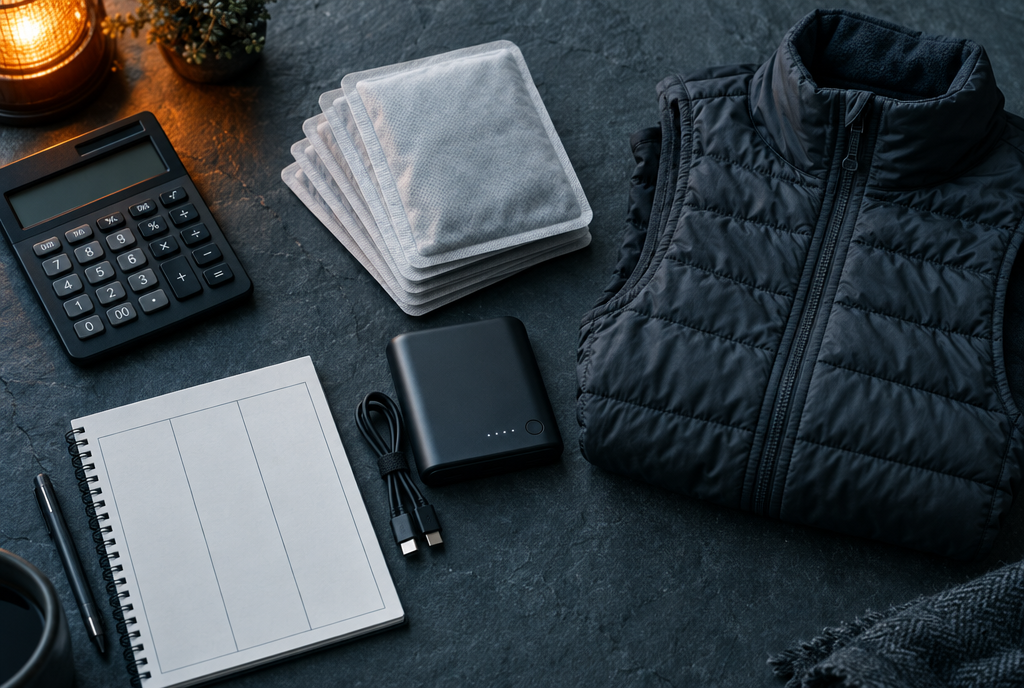
What does warmth cost per shift? Disposable warmers vs battery vs heat-reflective
Over a season, disposable warmers cost little per shift but add up with every shift, while a battery-heated vest costs more up front and very little to run. Using listed prices and a 100-shift illustrative season, one pair of warmers a shift runs about $69 to $149 per worker, and a $180 heated vest pays back in about two to three seasons.

How many hours of warmth do you need? Planning heat by shift length
Plan warmth for the hours you are actually cold, not the length of the shift. As labeled by their makers, air-activated hand warmers run up to about 10 hours and body warmers up to 18, while one 35 Wh heated vest pack is rated at about 3 hours on high and 10 on low. Cold, heat setting and a passive base layer change those numbers.
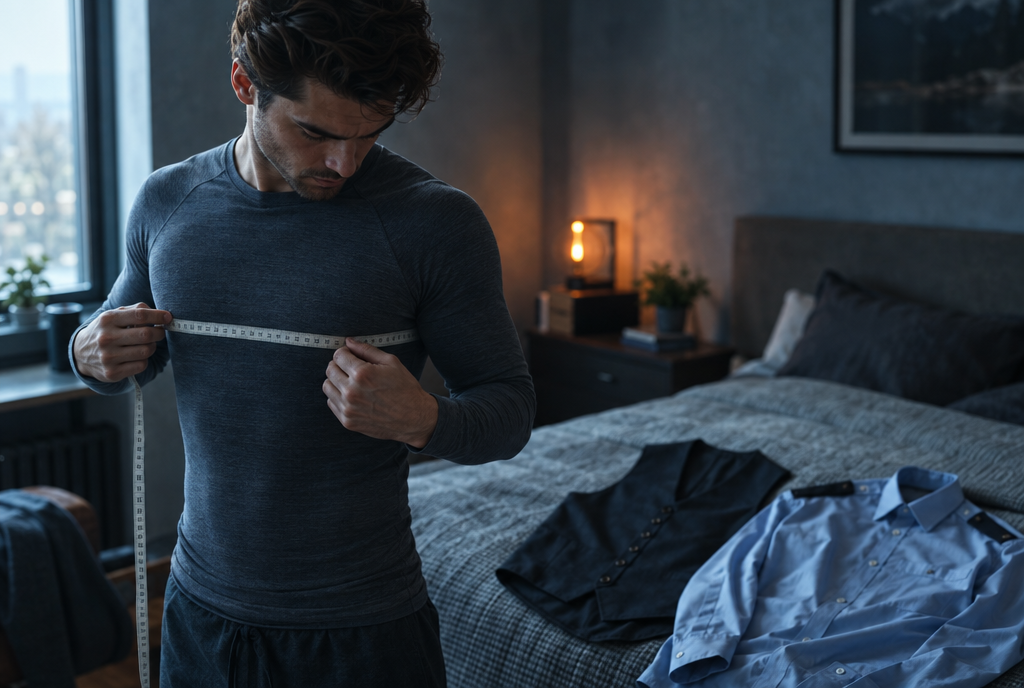
How to size a thermal vest to wear under scrubs, uniforms or body armor
To size a thermal vest for wear under scrubs, a uniform or body armor, measure your chest at its fullest point over the base layer you will actually wear, then compare it with the maker's chart. Aim for close contact without compression, a length that stays tucked under the outer layer, and no added bulk that changes how scrubs or armor fit.

How to get a thermal vest approved for use in the OR or clinical areas
To get a thermal vest approved for the OR or other clinical areas, start with your facility's written attire policy. Then take a short, documented request to the people who own each question: infection prevention for fabric and laundering, perioperative leadership for where it may be worn, value analysis for unit purchases, and biomedical or safety staff for anything with a battery.
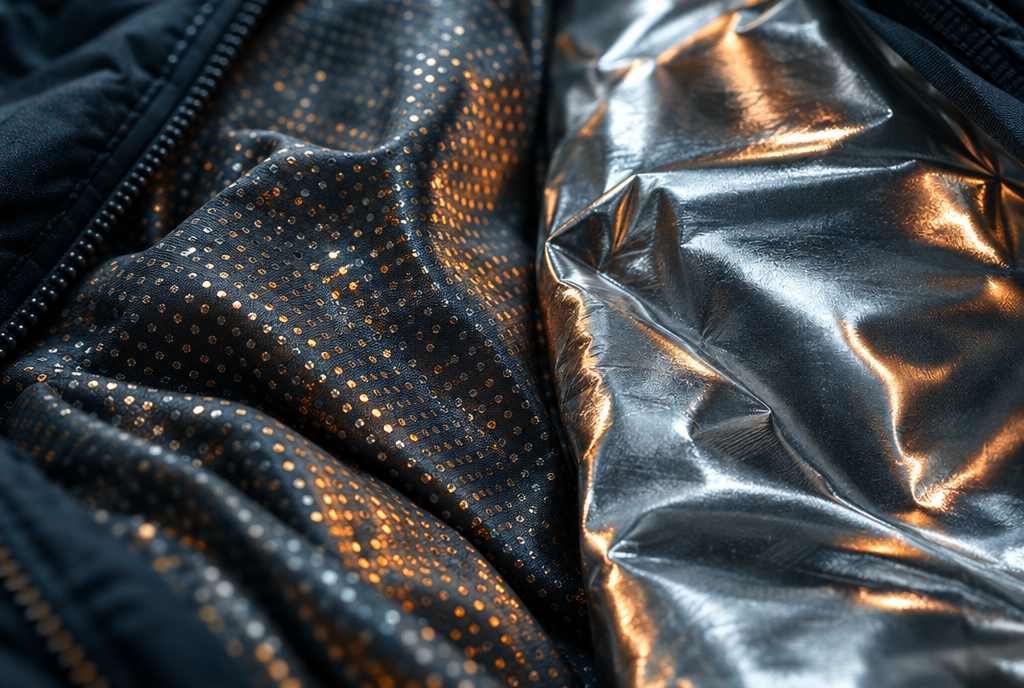
Heat-reflective jacket linings compared: dots, full foil and film
Heat-reflective linings differ mainly in how much of the surface is metal. Dot patterns trade some reflection for breathability, continuous metallized layers reflect more but can trap sweat unless perforated or breathable, and laminated films sit between the two depending on construction. Judge any lining by its metal coverage, a stated emittance measured to a named test method, and how it handles moisture.
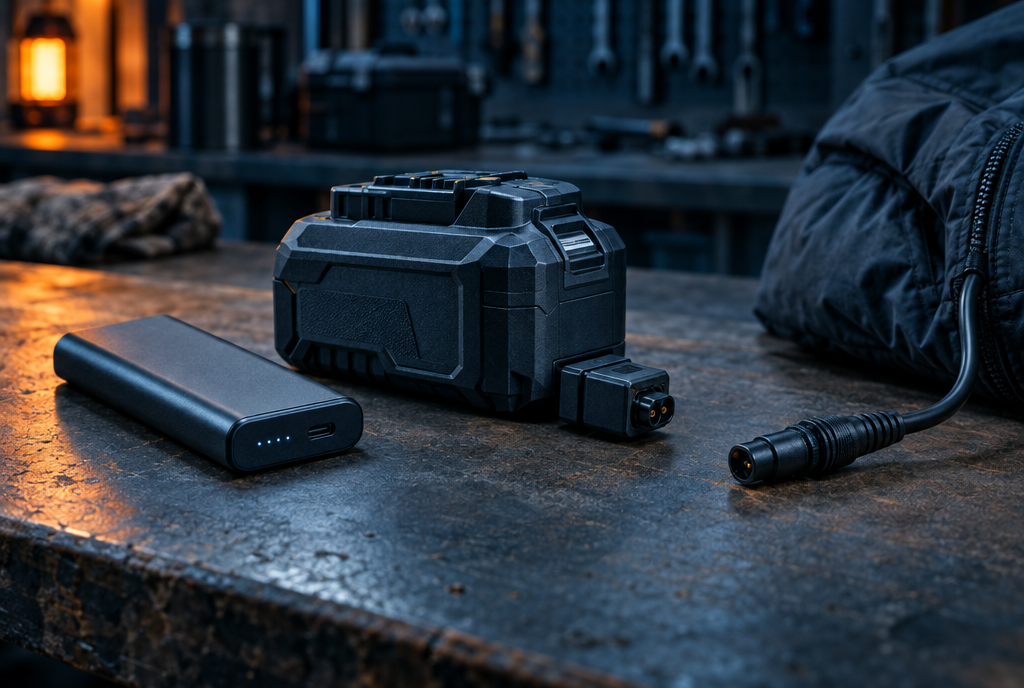
7.4V vs 12V heated gear: is more voltage better?
Not by itself. Heat output depends on watts, which designers can reach at 7.4V or 12V. A 12V system often supports more heating zones or higher peak output, and tool-battery gear lets you share packs, but runtime depends on watt-hours divided by watts, not voltage. Choose on rated watts, pack watt-hours, weight, and the battery ecosystem you already own.
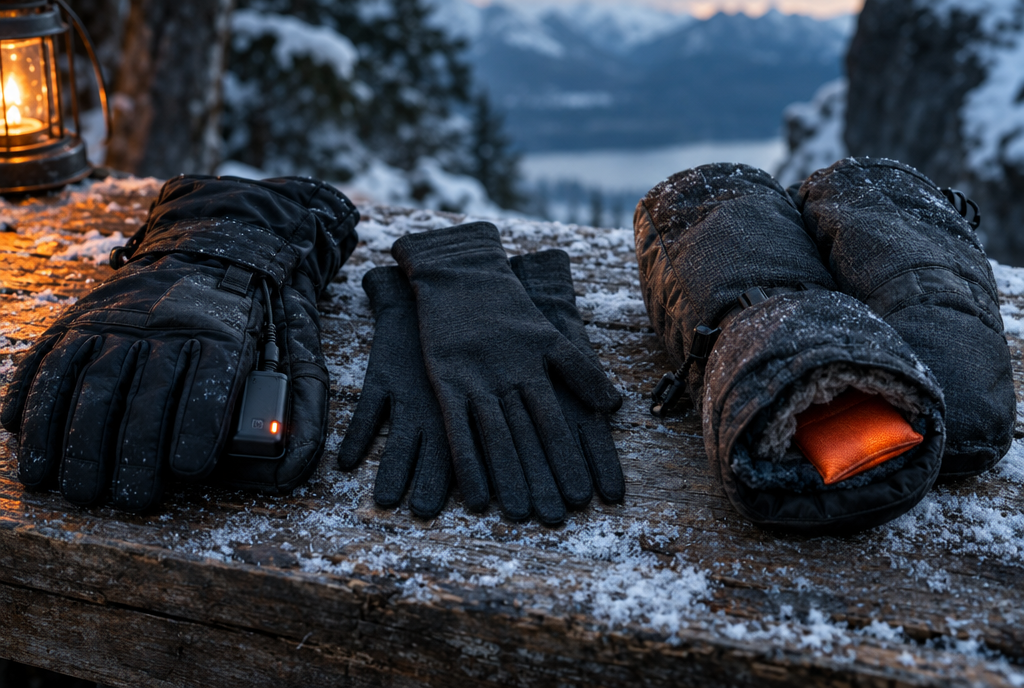
Heated gloves vs glove liners vs mittens with warmer pockets
Choose on how much finger work you do. Heated gloves give adjustable heat with moderate dexterity but add battery weight and cost. Glove liners keep fingers covered for fine tasks but add little warmth alone. Mittens with a warmer pocket are the warmest simple option for waiting and walking, with the least dexterity. Many people use a liner under a mitten and add heat when needed.
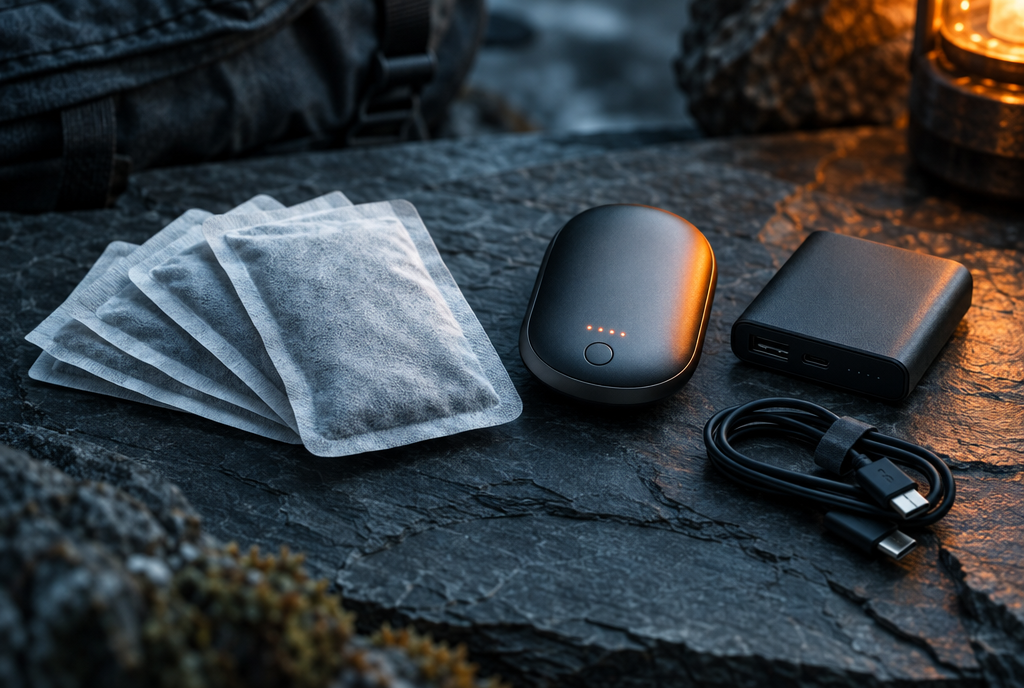
Battery heat vs air-activated warmers: cost and runtime compared
If you use warmers only a few days a year, air-activated packs cost less and need no charging. If you use them most days of the season, rechargeable battery warmers usually pay for themselves within about 50 to 100 days of use, because a charge costs under a cent. The trade-offs are shorter runtime per charge, cold-weather battery loss and battery disposal.
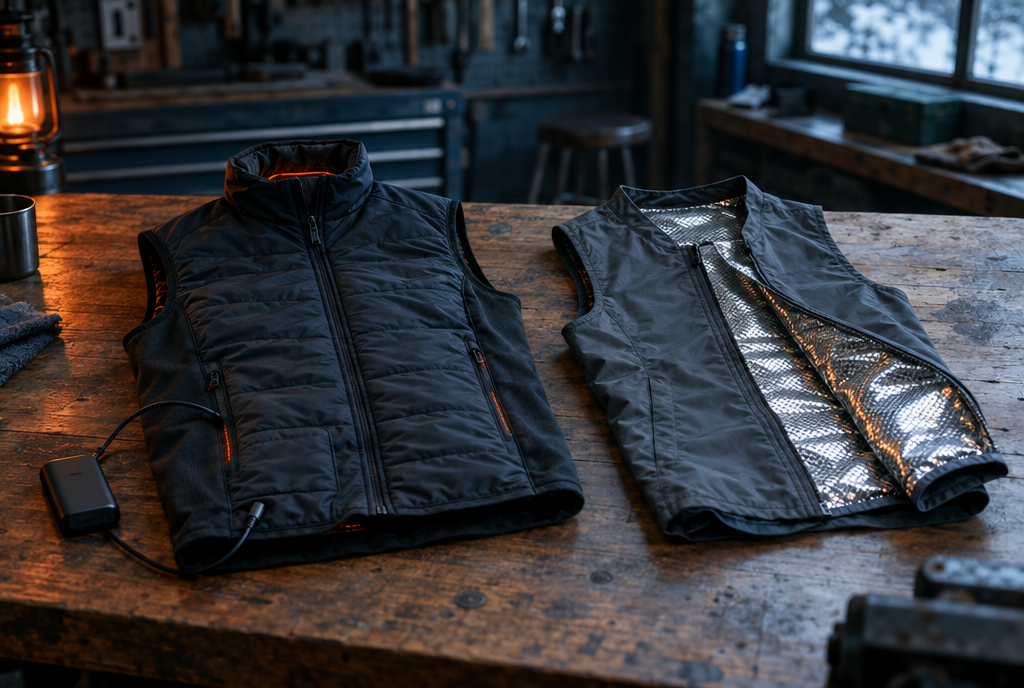
Heated vest vs heat-reflective vest: which to buy for which job
Buy a heated vest when you stand or sit still in real cold for hours and can charge every day. Buy a heat-reflective vest when you move a lot, work where batteries need approval, get wet, or want a layer that never runs down. Many buyers end up with a heat-reflective or insulated vest plus pockets for added heat on the coldest days.
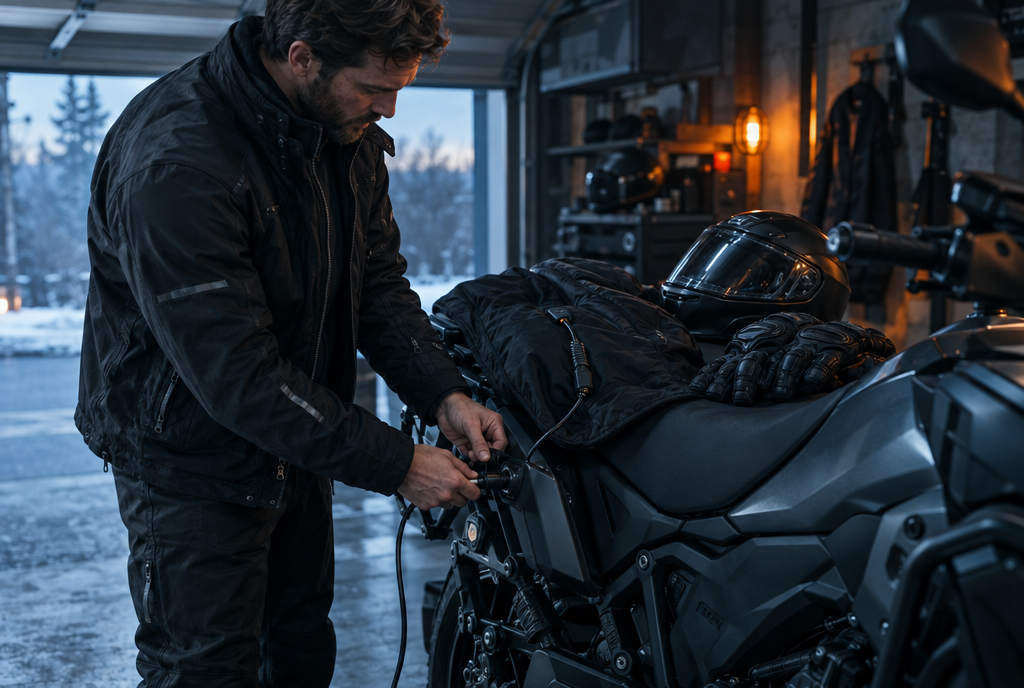
Heated and thermal gear for motorcycle riders: a buying guide
Most riders should start with wind protection and good layers, then add heated gear. Bike-powered 12V gear gives the most heat for as long as you ride, but only if your charging system has spare watts and the harness is fused correctly. Battery-powered gear needs no wiring and works off the bike, with shorter runtime. A controller lets you match heat to speed and temperature.
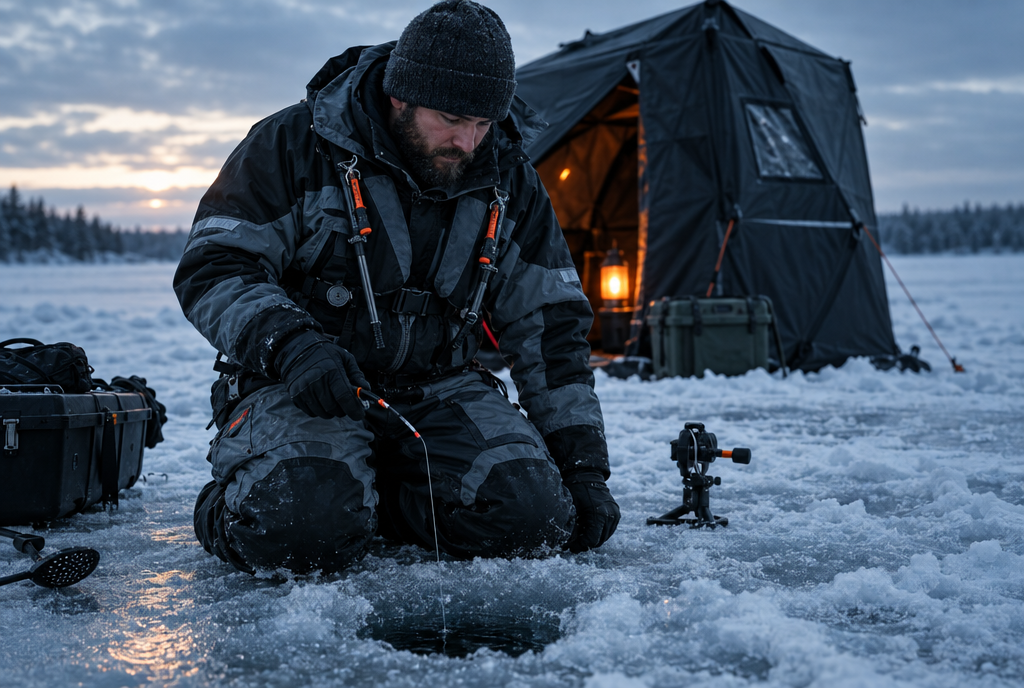
Ice fishing warmth: what to buy for hard water
For ice fishing, buy safety and warmth together: a flotation-assist jacket and bib suit or a foam life jacket, ice picks, cleats and a way to check thickness, then insulated waterproof boots, a two-glove system, and layers underneath. If you heat a shelter, choose a heater rated for indoor use, keep vents open, and run a carbon monoxide detector.
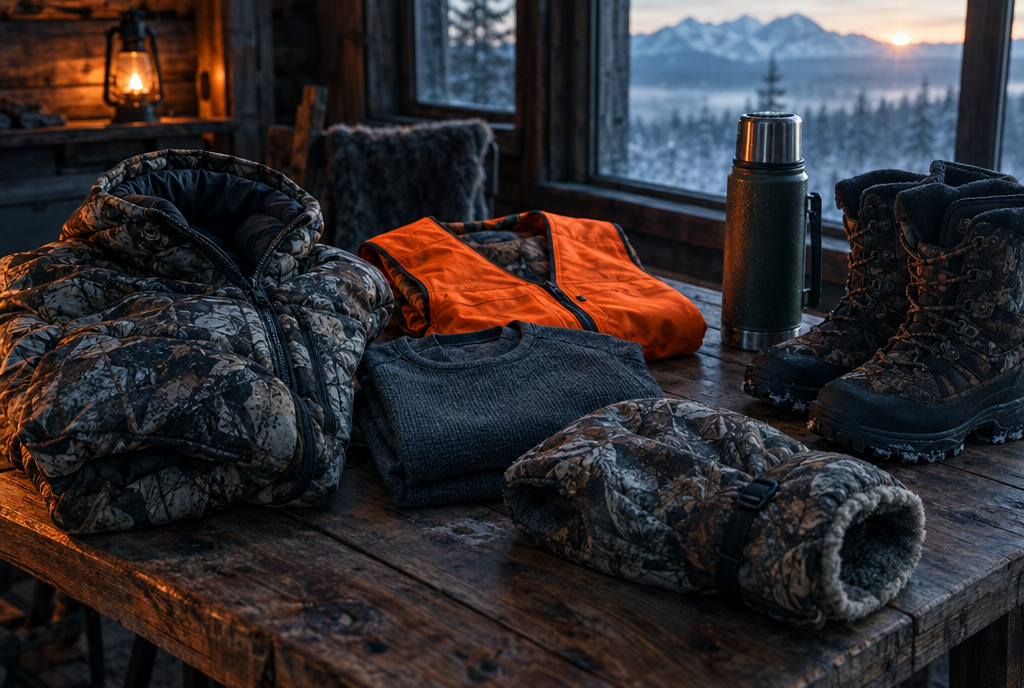
Staying warm in the stand or blind: a hunter's buying guide
For cold hunts, spend first on warm, dry feet and a packable insulating layer you put on at the stand, then on a merino or synthetic base layer, a quiet windproof outer layer, and a hand muff. Heated or warmer-pocket vests are the next upgrade for long sits. Check your state's blaze orange rules before choosing outer layers.
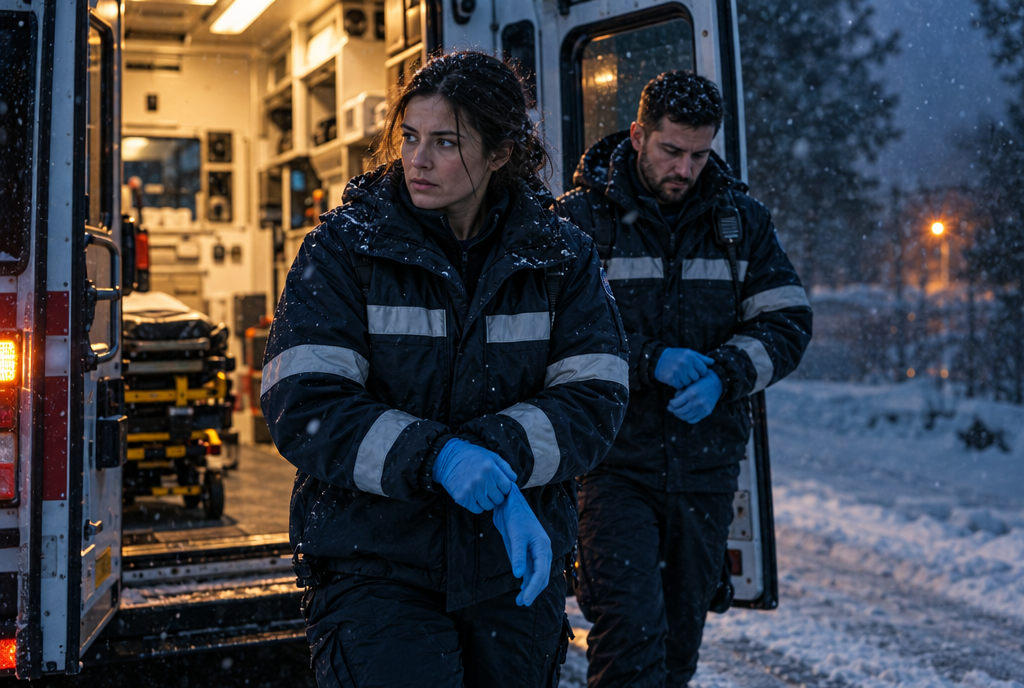
Cold-weather gear for EMS crews: what to buy for winter calls
EMS crews stay warmest with a system built for constant transitions: a wicking base layer, a light insulating mid layer that comes off easily in the heated rig, a fluid-resistant outer shell that can be cleaned or laundered after contamination, sturdy insulated boots, and a glove system that separates exam gloves for patient care from insulated gloves for scene work.