
Knowledge
Sourced guides on how the body stays warm, how patients and clinicians are kept comfortable, how crews work safely in cold and heat, and how warming gear works. Pick the theme closest to your world.
Ready to choose gear? Browse all buyer’s guides →
Free tools: wind chill and frostbite calculator, cold work warm-up schedule, what to wear by temperature, which warmth setup is right for you? and the warmth runtime and cost calculator. All tools and data →
Science of Warmth
For anyone who wants to understand how the body makes, keeps and loses heat.
Start here
Popular
All Science of Warmth articles →
Healthcare
For clinicians, perioperative teams and hospital leaders.
Start here
Popular
- How to stay warm in the operating room
- What is perioperative hypothermia?
- Forced-air vs conductive warming
Work and Duty
For employers, safety leads, crews, service members and EMS.
Start here
Popular
All Work and Duty articles →
Everyday Life and Health
For people who feel the cold, and for daily life outdoors.
Start here
- Cold sensitivity and Raynaud’s
- Staying warm in everyday life
- Staying warm at home and with family
- Staying warm with a health condition or disability
Popular
All Everyday Life and Health articles →
Heat and Cooling
For hot jobs, heavy protective gear and personal heat sensitivity.
Start here
Popular
All Heat and Cooling articles →
Technology and Gear
For choosing, using and caring for warming gear.
Start here
Popular
All Technology and Gear articles →All articles
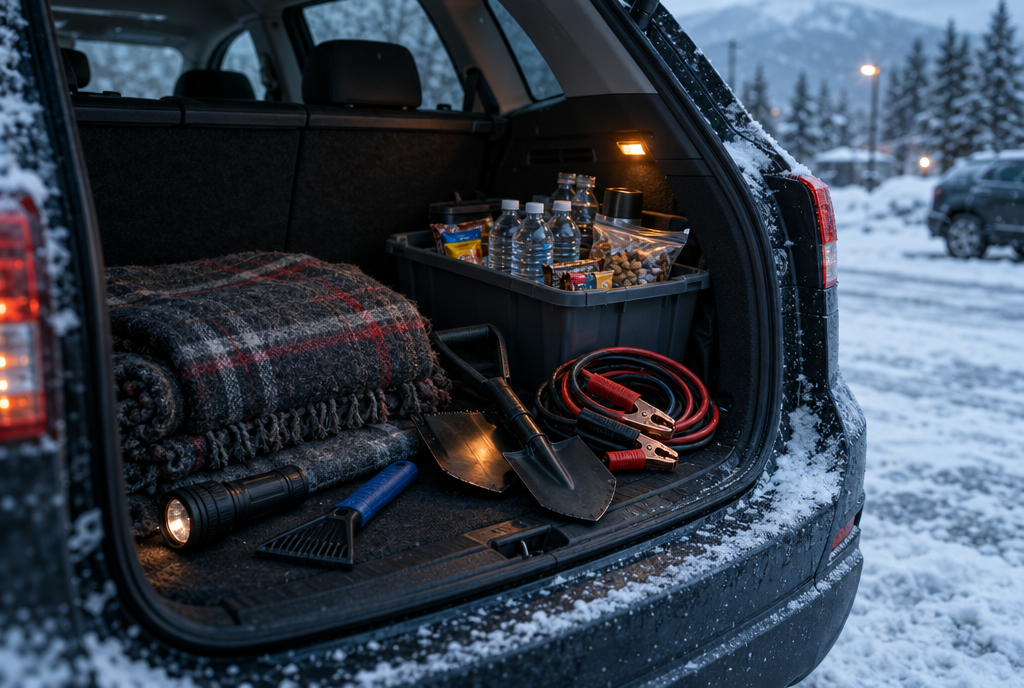
Winter car emergency kit: what to keep in your car
A winter car emergency kit should keep you warm, visible and able to get moving: blankets or a sleeping bag, extra hats, mittens and boots, water and snacks, a flashlight, a phone charger, a first aid kit, a shovel, an ice scraper, sand or kitty litter, jumper cables and flares or reflective triangles. If stranded, stay with the car and keep the tailpipe clear.
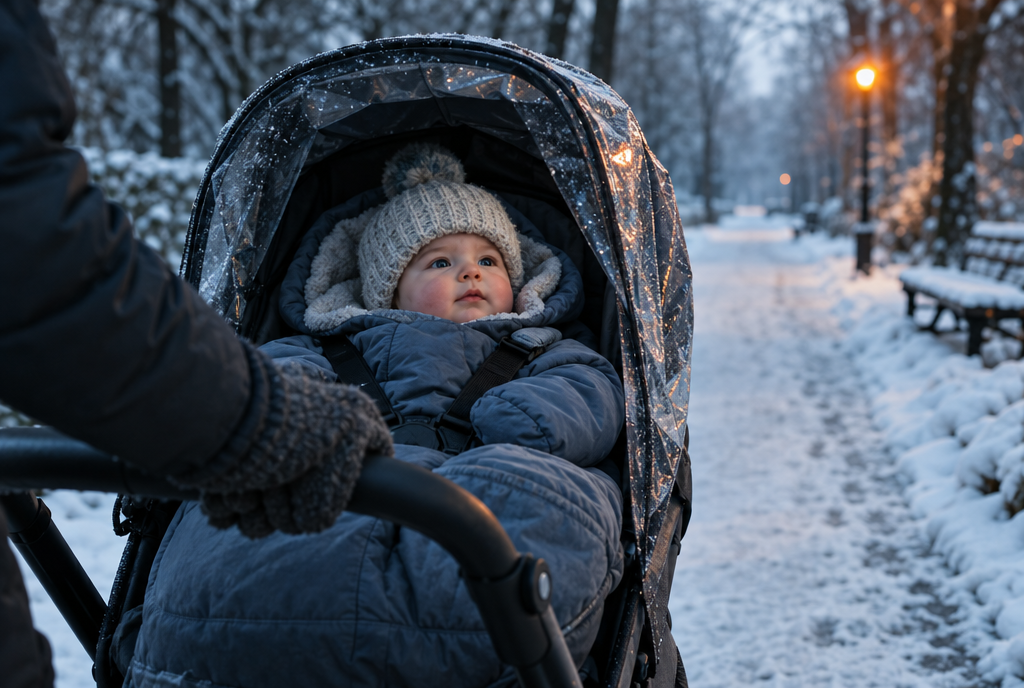
How to dress a baby for cold weather, outdoors and at night
The American Academy of Pediatrics (AAP) says a baby only needs one more layer than you would wear in the same environment. Outdoors, add a hat, mittens and booties. For sleep, use layers or a wearable blanket instead of loose blankets, and do not put a hat on your baby indoors. Watch for sweating, a hot chest or flushed skin, which signal overheating.
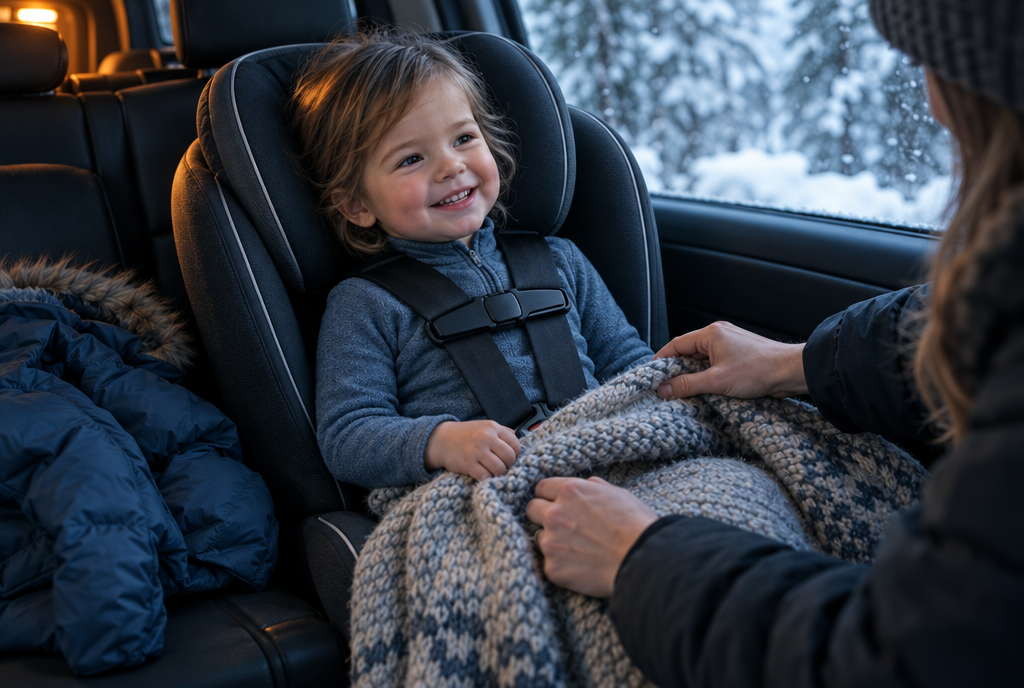
Winter coats and car seats: why puffy coats and harnesses don't mix
Bulky winter coats and snowsuits should not be worn under a car seat harness. In a crash, the padding flattens instantly and leaves slack, so a child can slip through the straps. The AAP and NHTSA recommend thin layers under a snug harness, then a blanket or the coat worn backwards over the buckled straps.
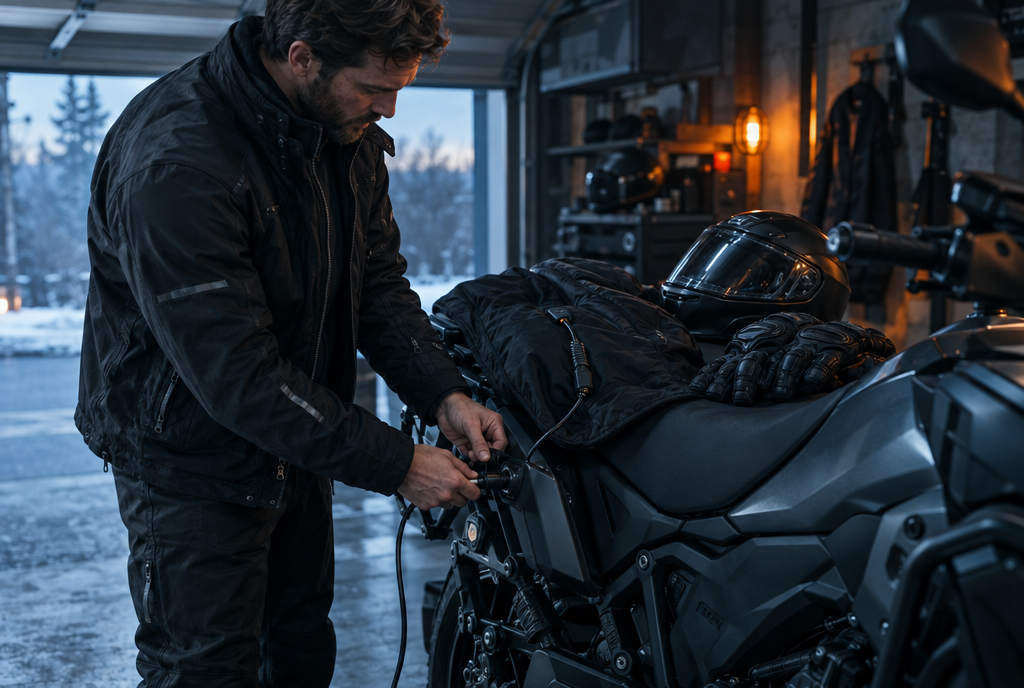
Heated and thermal gear for motorcycle riders: a buying guide
Most riders should start with wind protection and good layers, then add heated gear. Bike-powered 12V gear gives the most heat for as long as you ride, but only if your charging system has spare watts and the harness is fused correctly. Battery-powered gear needs no wiring and works off the bike, with shorter runtime. A controller lets you match heat to speed and temperature.
Keeping kids warm outdoors: layers, limits and warning signs
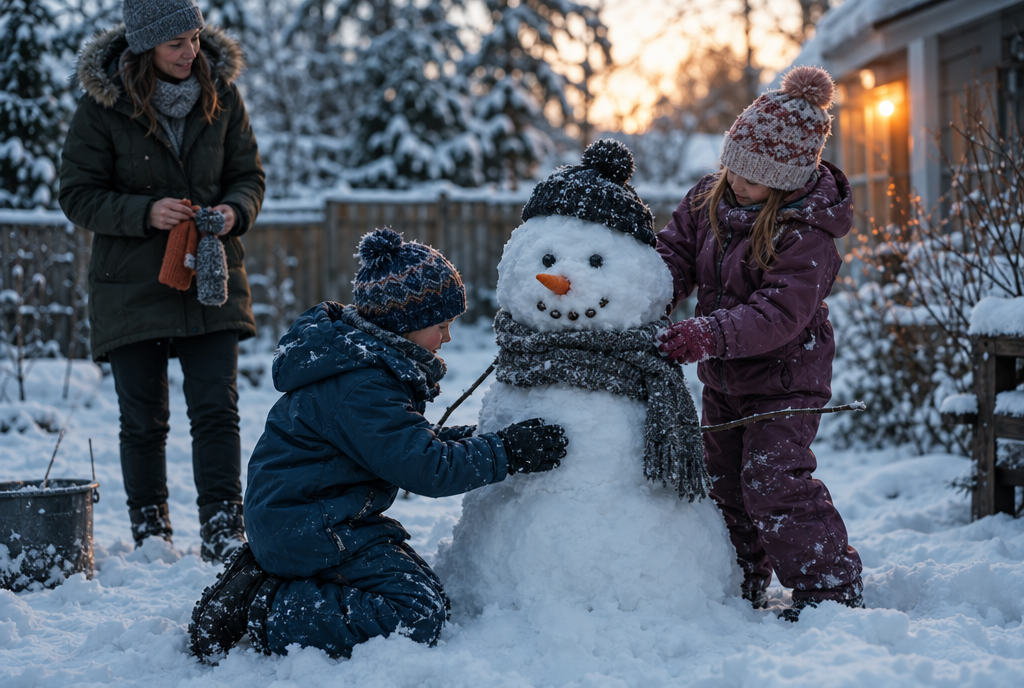
To dress kids for cold weather, the American Academy of Pediatrics (AAP) recommends several thin layers plus insulated boots, mittens or gloves, and a hat. Young children usually need one more layer than an adult in the same conditions. Change wet clothing right away, limit outdoor time with regular indoor breaks, and avoid outdoor play when temperatures or wind chills fall below -15°F.
Ice fishing warmth: what to buy for hard water
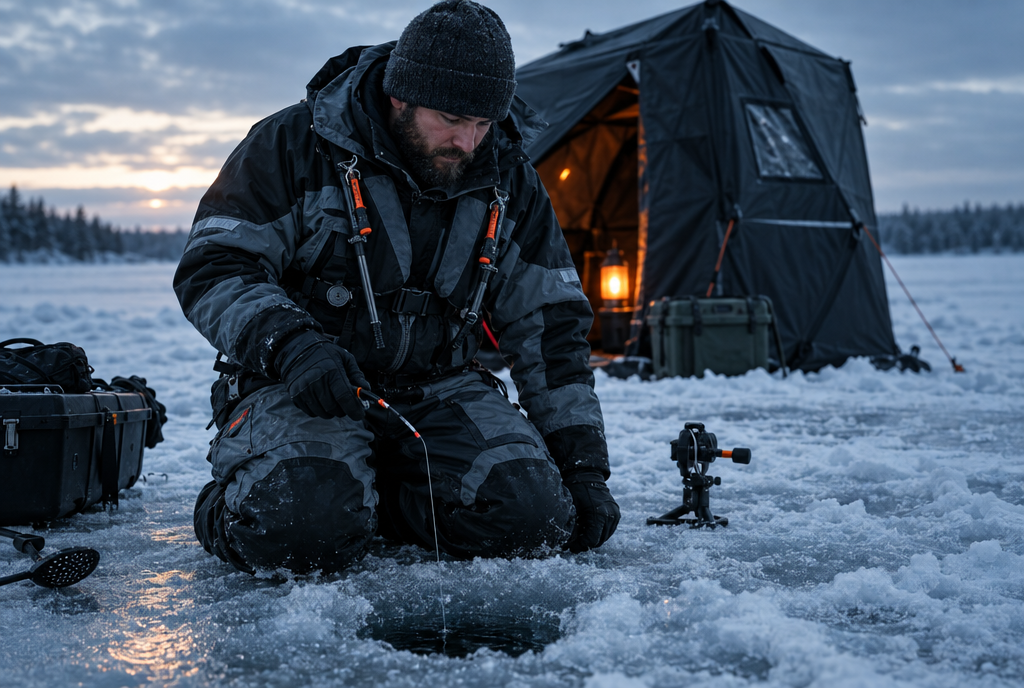
For ice fishing, buy safety and warmth together: a flotation-assist jacket and bib suit or a foam life jacket, ice picks, cleats and a way to check thickness, then insulated waterproof boots, a two-glove system, and layers underneath. If you heat a shelter, choose a heater rated for indoor use, keep vents open, and run a carbon monoxide detector.
How cold should your bedroom be for sleep?
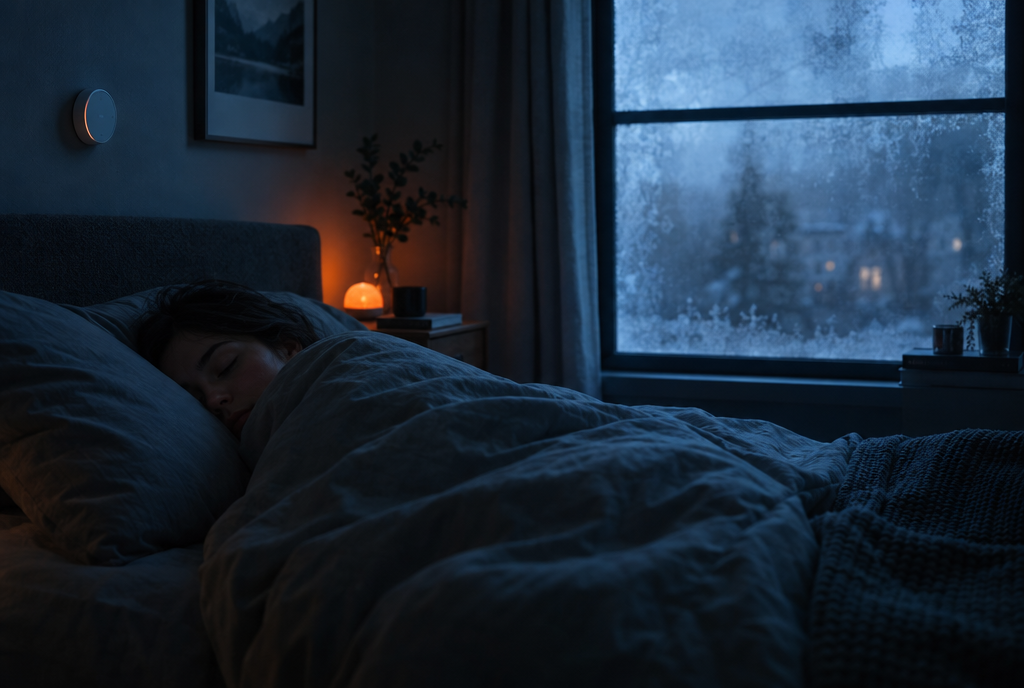
For most healthy adults, the best temperature for sleep is a cool room of about 60 to 68 degrees Fahrenheit (15 to 20 degrees Celsius), with 65 degrees a common starting point. A cool room supports the natural drop in core temperature that comes with sleep. Older adults often sleep better warmer, and babies have their own safe range.
Staying warm in the stand or blind: a hunter's buying guide
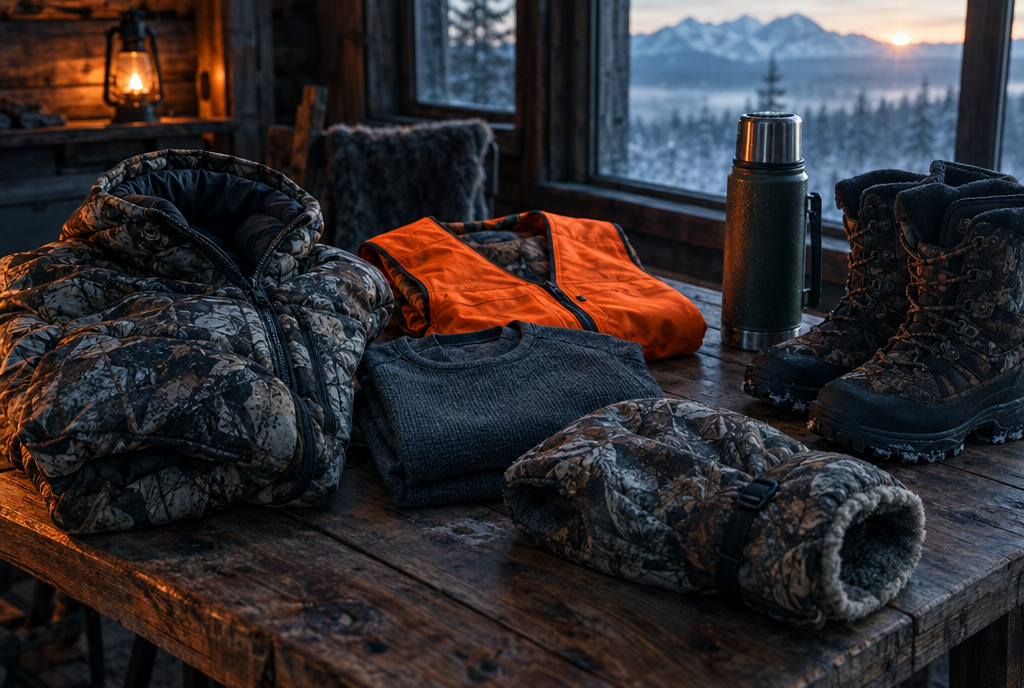
For cold hunts, spend first on warm, dry feet and a packable insulating layer you put on at the stand, then on a merino or synthetic base layer, a quiet windproof outer layer, and a hand muff. Heated or warmer-pocket vests are the next upgrade for long sits. Check your state's blaze orange rules before choosing outer layers.
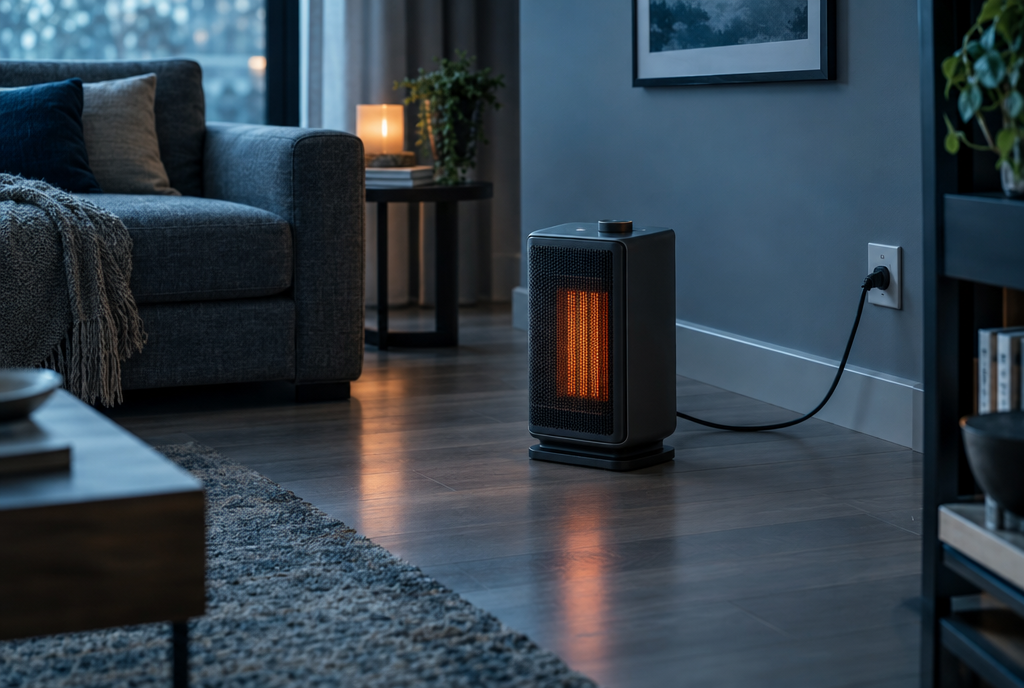
Space heater safety: what to know before you plug one in
Space heater safety comes down to a few rules. Keep the heater at least 3 feet from anything that can burn, plug it directly into a wall outlet, and choose a model with a safety certification mark and automatic shut-off. Turn it off when you leave the room or go to sleep. Fuel-burning heaters also need proper venting and a working carbon monoxide alarm.
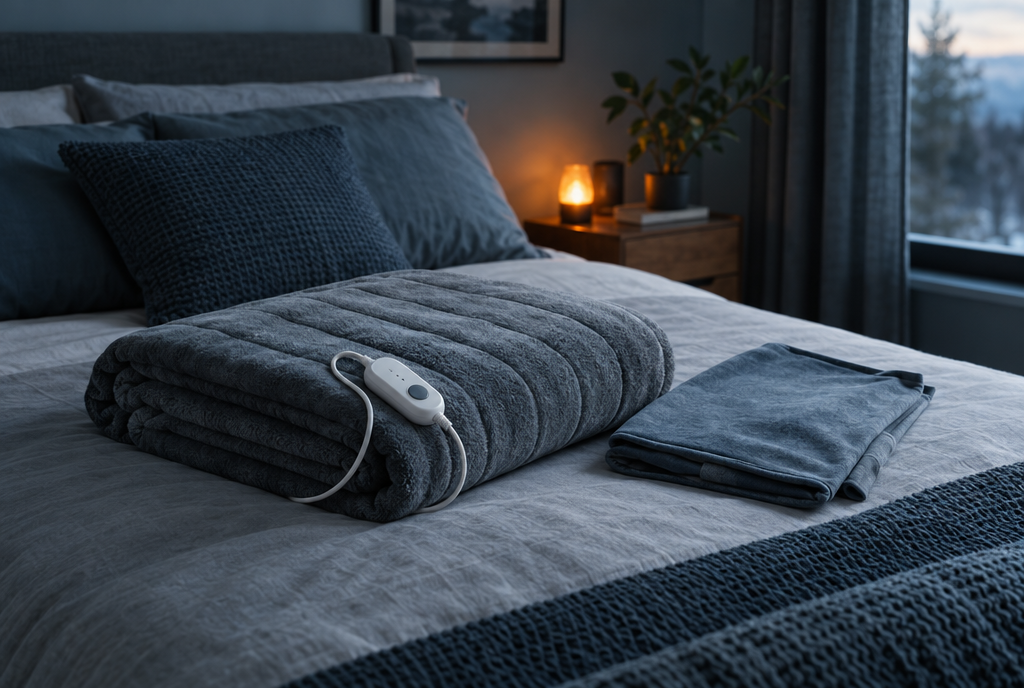
Are electric blankets and heating pads safe?
Electric blankets and heating pads are safe for most adults when the product is in good condition, used flat, and switched off or on a timer before sleep. The main risks are fire, mostly from blankets over ten years old, and burns from long contact with warm surfaces. People who cannot feel heat well, including many with diabetes or neuropathy, and infants should not use them.
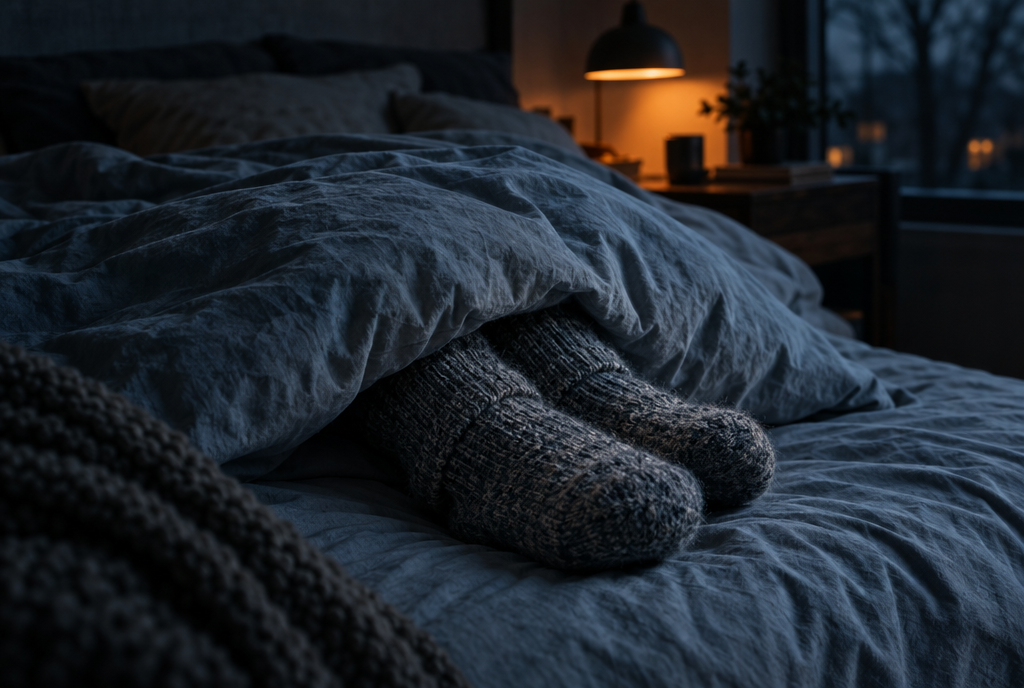
Cold feet at night: why it happens and how to sleep warm
Cold feet at night usually mean the small blood vessels in your feet are still narrowed to hold heat in your core, just when your body wants to release heat through the feet to fall asleep. Loose bed socks, a pre-warmed bed, and a warm bath one to two hours before bed help most people. Numbness, pain or one colder foot deserve a clinician's attention.
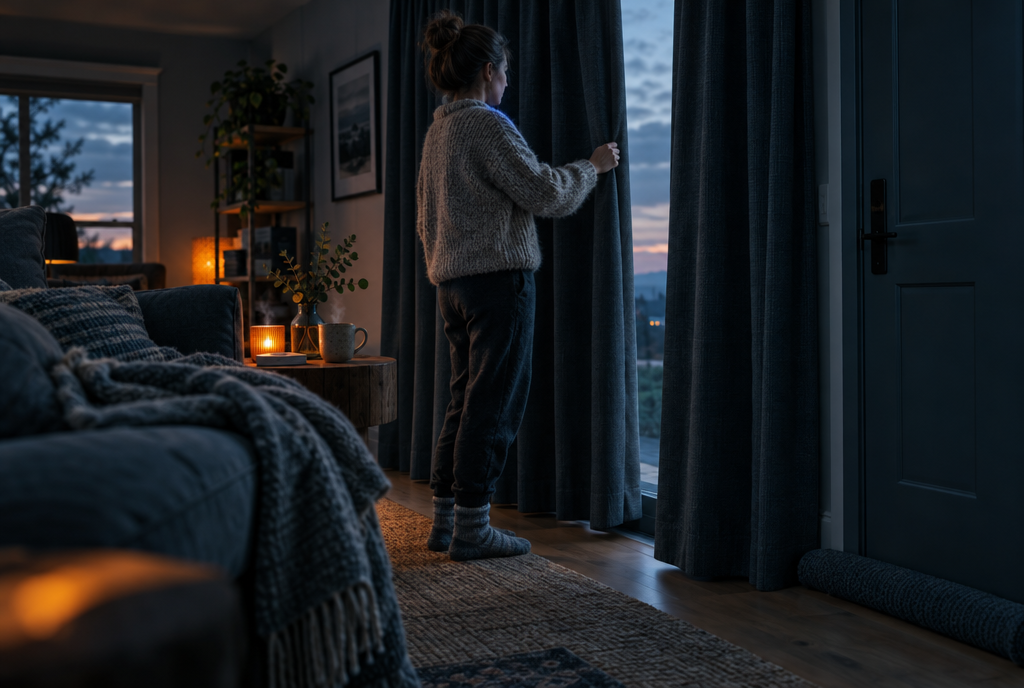
How to stay warm at home without turning up the heat
To stay warm at home without turning up the heat, warm your body first: wear loose layers, keep your core, head and feet covered, eat regular meals and get up to move every hour. Then keep heat in: block drafts, close curtains at night, open sunny ones by day and heat only the room you use. Keep that room warm enough for health, especially for older adults and babies.
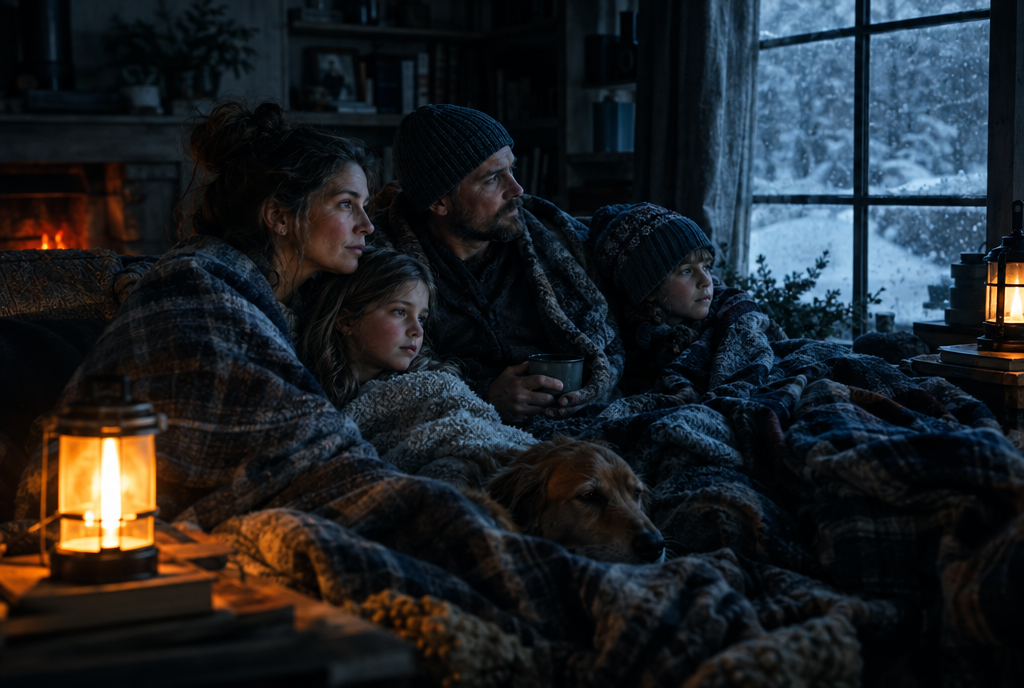
How to stay warm when the power goes out in winter
To stay warm without power, move everyone into one small room, close it off, and dress in loose layers with hats, socks and blankets. Eat regular meals, sip warm nonalcoholic drinks and keep moving. Never heat your home with a gas oven, grill, camp stove or generator indoors, because they produce deadly carbon monoxide. If the house keeps getting colder, go to a warming center.
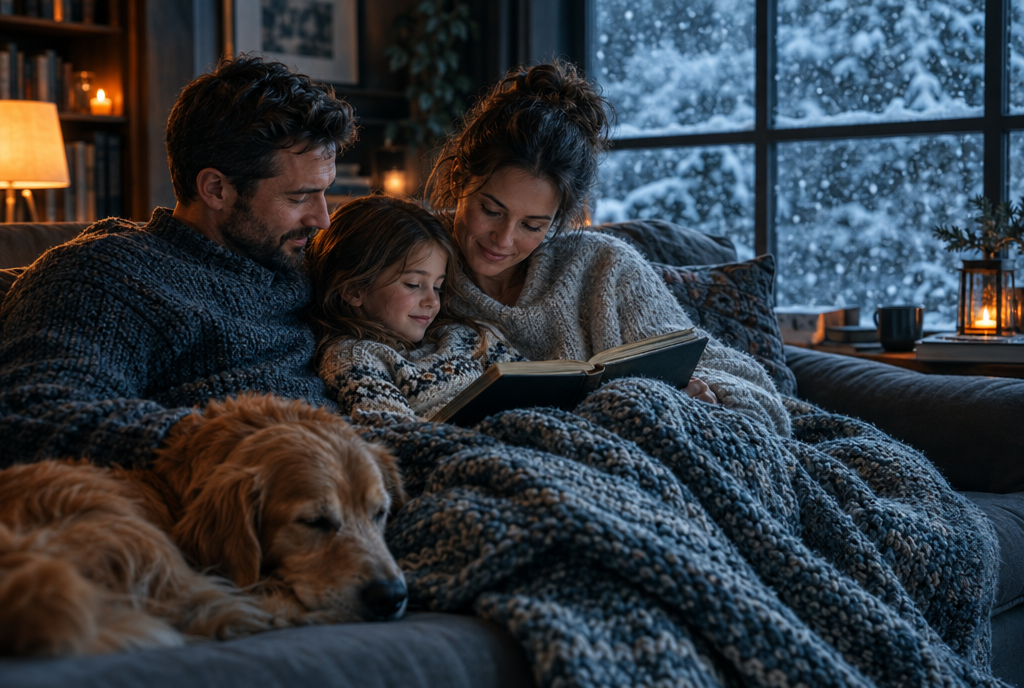
Staying warm at home and with family: a complete winter guide
To stay warm in winter at home, keep living spaces heated to a safe level, dress everyone in layers, and use every heat source carefully. Keep space heaters away from anything that can burn, never run generators or grills indoors, and install carbon monoxide alarms. Give babies one more layer than adults, keep bulky coats out of car seats, and plan ahead for outages and travel.
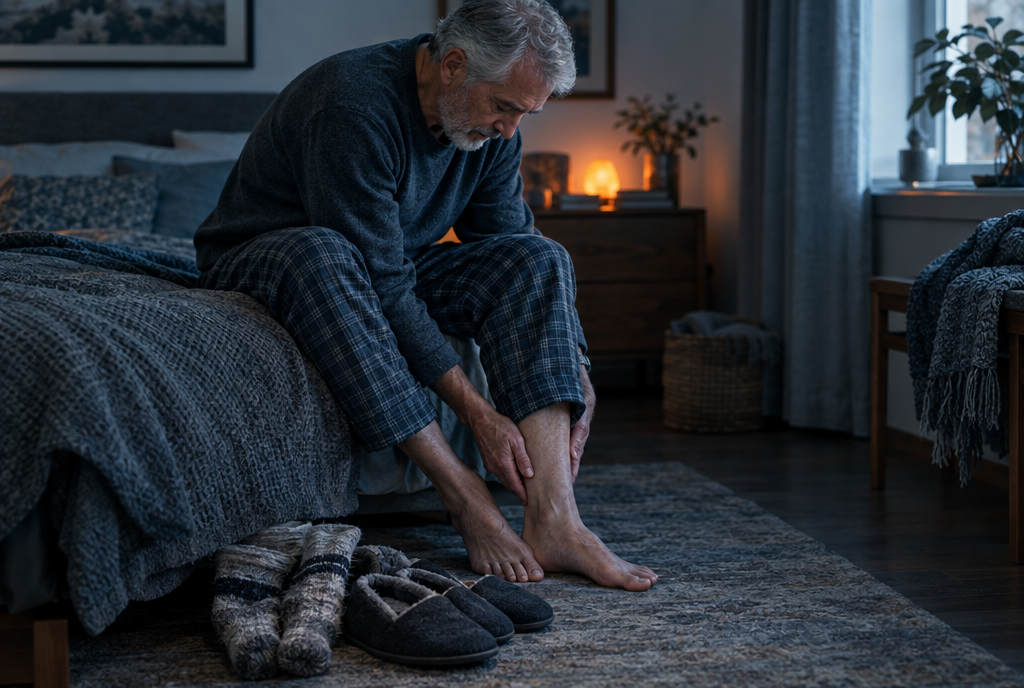
Heated clothing with diabetes or neuropathy: safety first
Heated clothing can be used by many people with diabetes, but neuropathy changes the risk. When nerves cannot sense heat properly, a heated panel, sock or hand warmer can burn skin without warning. Talk to your clinician first, avoid direct heat on numb areas, especially the feet, use the lowest effective setting, keep fabric between heat and skin, and check your skin every time.
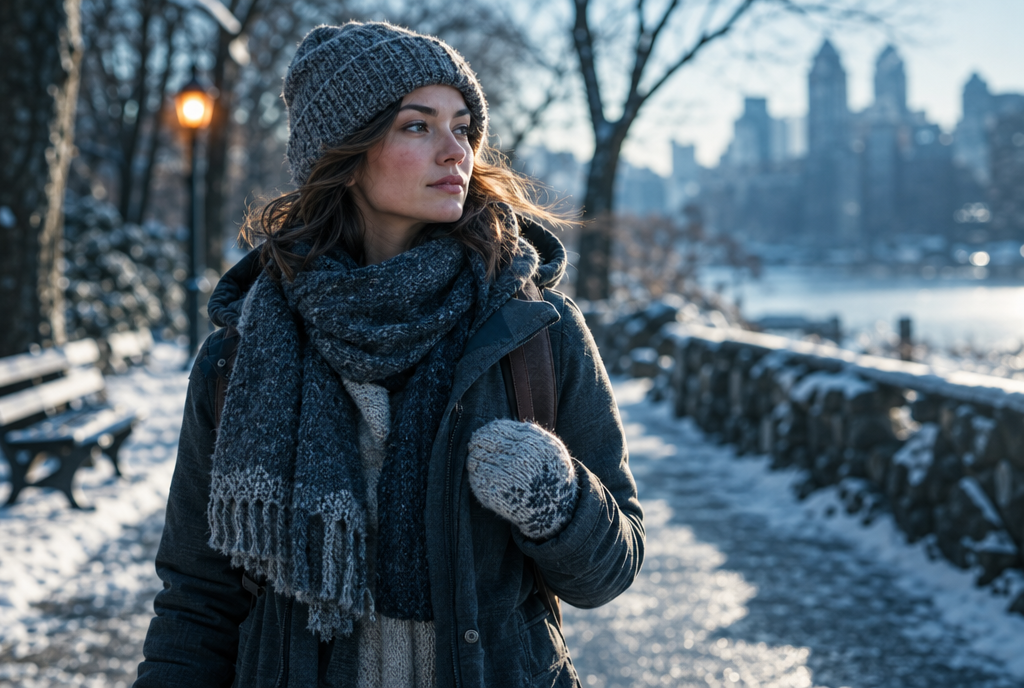
Scleroderma, lupus and cold: living well in cold weather
Cold sensitivity is one of the most common experiences in scleroderma and lupus, mostly through secondary Raynaud's. Nearly 90% of people with scleroderma have Raynaud's symptoms, and it affects up to one-third of people with lupus. Living well in the cold means warming the whole body, protecting fragile skin, avoiding sudden temperature changes and reporting sores early to your care team.

Cold intolerance: thyroid, anemia, chemotherapy and other causes
Cold intolerance is an abnormal sensitivity to cold temperatures. MedlinePlus lists its main causes as anemia, hypothyroidism, blood vessel problems such as Raynaud's, anorexia nervosa, problems with the brain's temperature center and chronic severe illness. Some cancer drugs, notably oxaliplatin, also make people very sensitive to cold. A clinician can usually narrow the cause with an exam and blood tests.
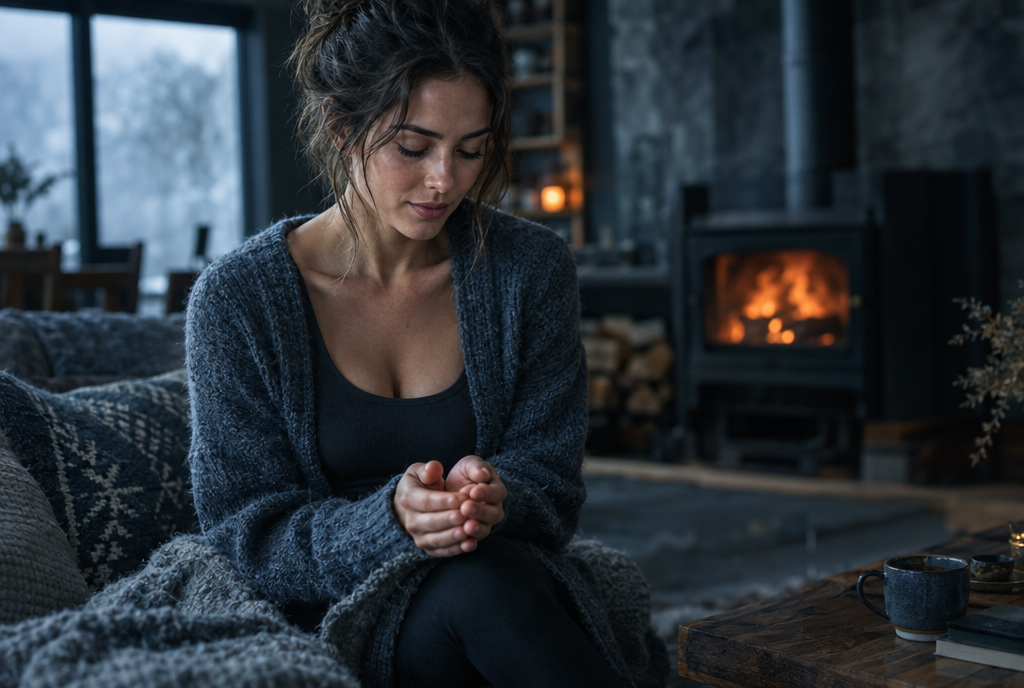
Why keeping your core warm helps cold hands
Your body gives up hand warmth first when it senses cold. To protect core temperature, the hypothalamus narrows blood vessels in the skin, and fingers cool quickly. Keeping the torso warm reduces that signal, so the body has less reason to hold warm blood back from the hands. That is why Raynaud's organizations advise warming the whole body, especially the core, not only the fingers.
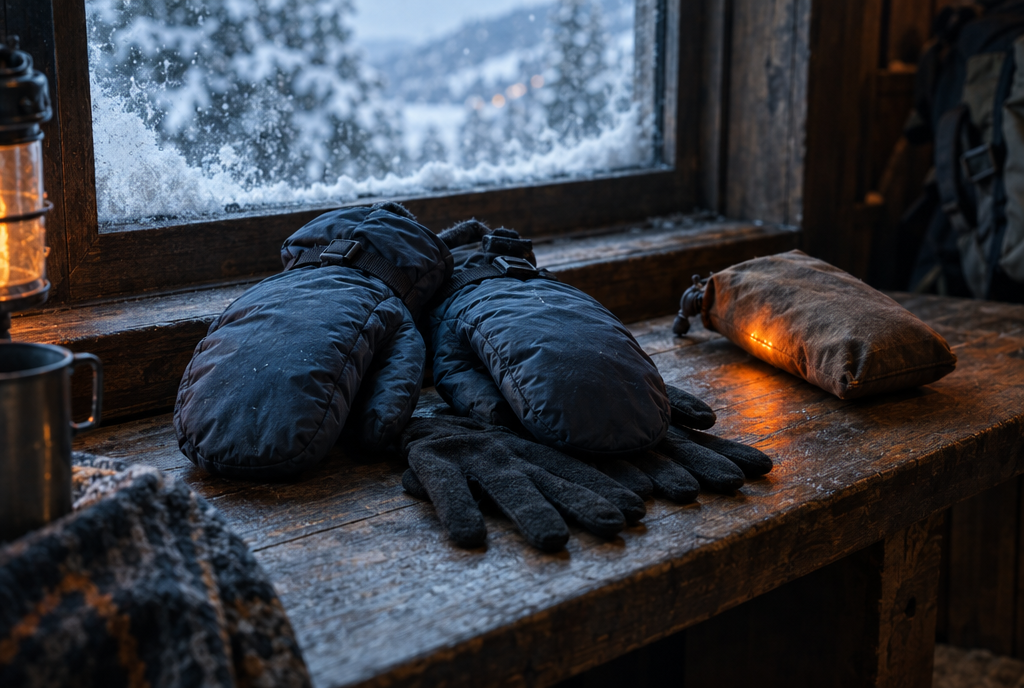
Gloves and mittens for Raynaud's: what to look for
For Raynaud's, mittens are usually warmer than gloves because fingers share heat inside one space. The most practical setup is a thin liner glove under an insulated, windproof mitten, with room for a hand warmer and a long cuff. Heated gloves suit some people, but no glove works well if the rest of the body is cold, so pair hand protection with core warmth.
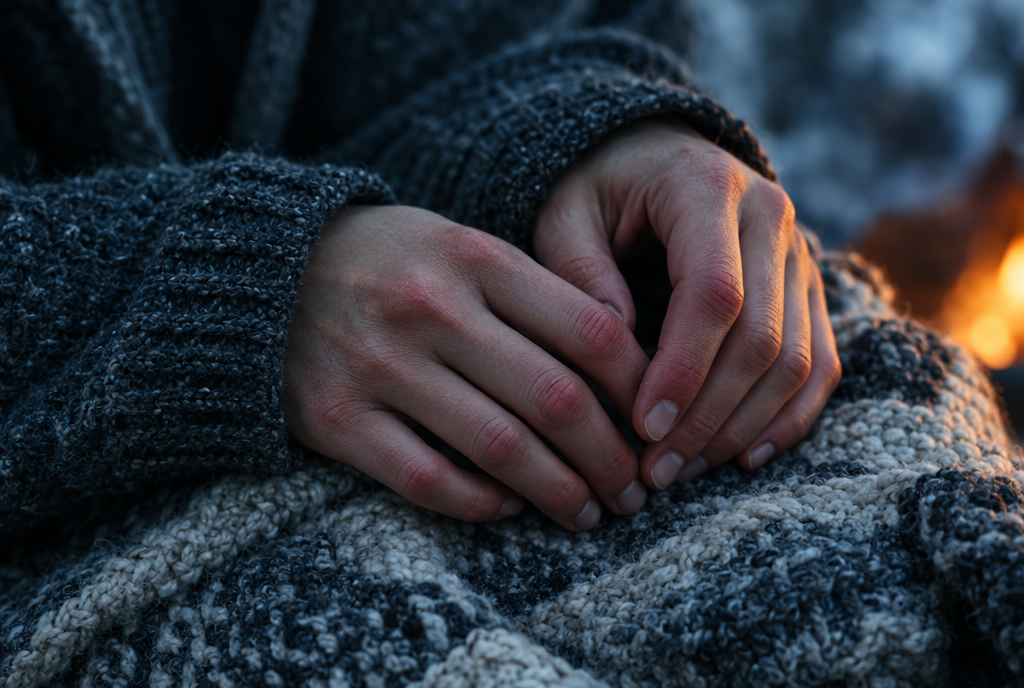
Raynaud's vs chilblains, acrocyanosis and other look-alikes
Raynaud's causes short episodes in which fingers or toes turn white, then blue, then red. Chilblains are itchy red or purple patches that appear hours after cold. Acrocyanosis is persistent, usually painless blue discoloration. Erythromelalgia is red, burning skin triggered by warmth. Cold urticaria causes itchy welts within minutes. Buerger's disease is a tobacco-linked artery disease that can mimic Raynaud's.