
Knowledge
Sourced guides on how the body stays warm, how patients and clinicians are kept comfortable, how crews work safely in cold and heat, and how warming gear works. Pick the theme closest to your world.
Ready to choose gear? Browse all buyer’s guides →
Free tools: wind chill and frostbite calculator, cold work warm-up schedule, what to wear by temperature, which warmth setup is right for you? and the warmth runtime and cost calculator. All tools and data →
Science of Warmth
For anyone who wants to understand how the body makes, keeps and loses heat.
Start here
Popular
All Science of Warmth articles →
Healthcare
For clinicians, perioperative teams, hospital leaders, and patients before and after surgery.
Start here
- Patient warming and perioperative hypothermia
- Thermal comfort for clinicians
- For patients: surgery and recovery
Popular
- How to stay warm in the operating room
- What is perioperative hypothermia?
- Forced-air vs conductive warming

Work and Duty
For employers, safety leads, crews, service members and EMS.
Start here
Popular
All Work and Duty articles →
Everyday Life and Health
For people who feel the cold, and for daily life outdoors.
Start here
- Cold sensitivity and Raynaud’s
- Staying warm in everyday life
- Staying warm at home and with family
- Staying warm with a health condition or disability
- Medications and feeling cold
Popular
All Everyday Life and Health articles →
Heat and Cooling
For hot jobs, heavy protective gear and personal heat sensitivity.
Start here
Popular
All Heat and Cooling articles →
Technology and Gear
For choosing, using and caring for warming gear.
Start here
Popular
All Technology and Gear articles →All articles
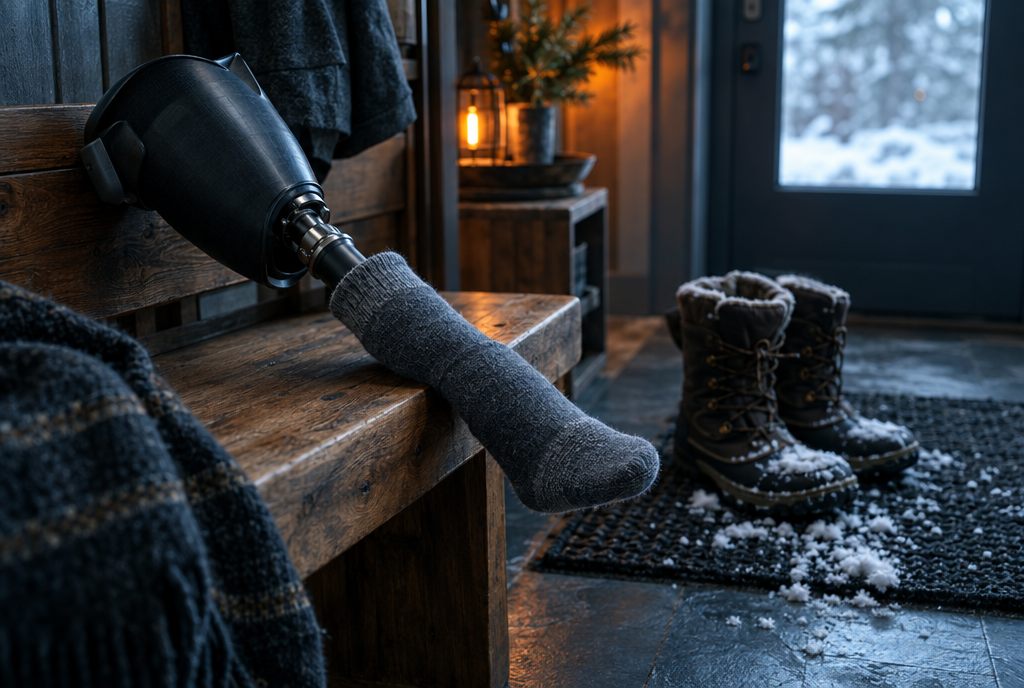
Cold weather with a prosthesis: residual limb, socket and skin
Cold weather can make a residual limb painful, change how the socket fits as limb volume shifts, and trap sweat when you move from the cold into heated rooms. Keep the limb covered and dry, carry extra prosthetic socks, check your skin every morning and night, and keep batteries warm. Never put heat directly on skin with reduced sensation.
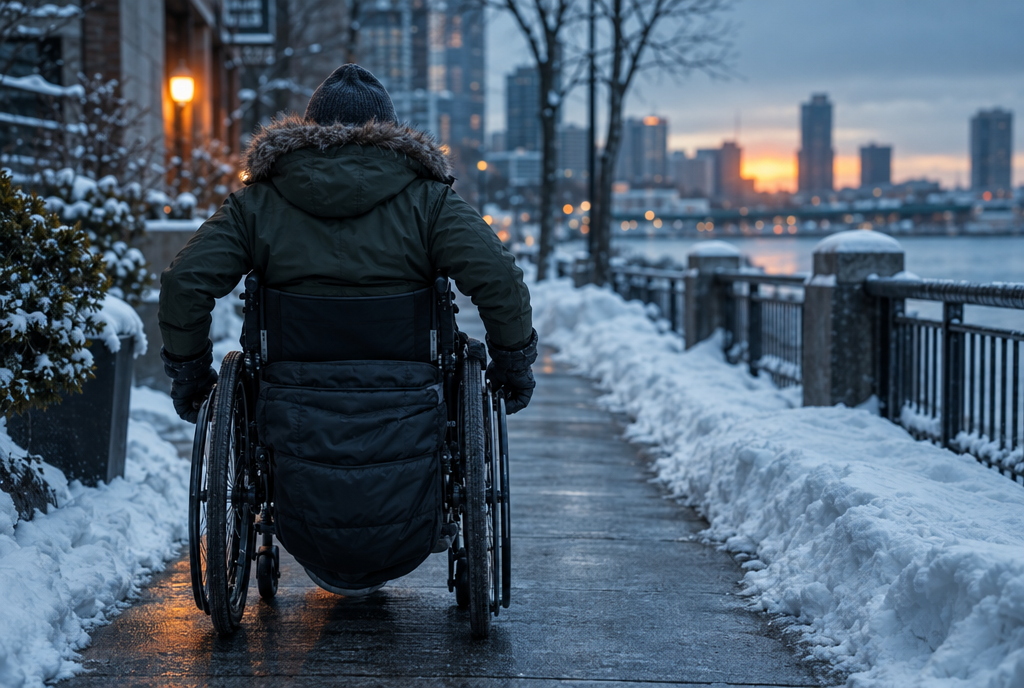
Staying warm in a wheelchair
To stay warm in a wheelchair, wear loose layers of wool or synthetic fabric, add a hat, warm socks and lined waterproof boots, and cover your lap and legs with a wheelchair poncho or zippered blanket. Use gloves that still grip the push rims. Charge power chairs every night, and keep heat sources off skin you cannot feel well.
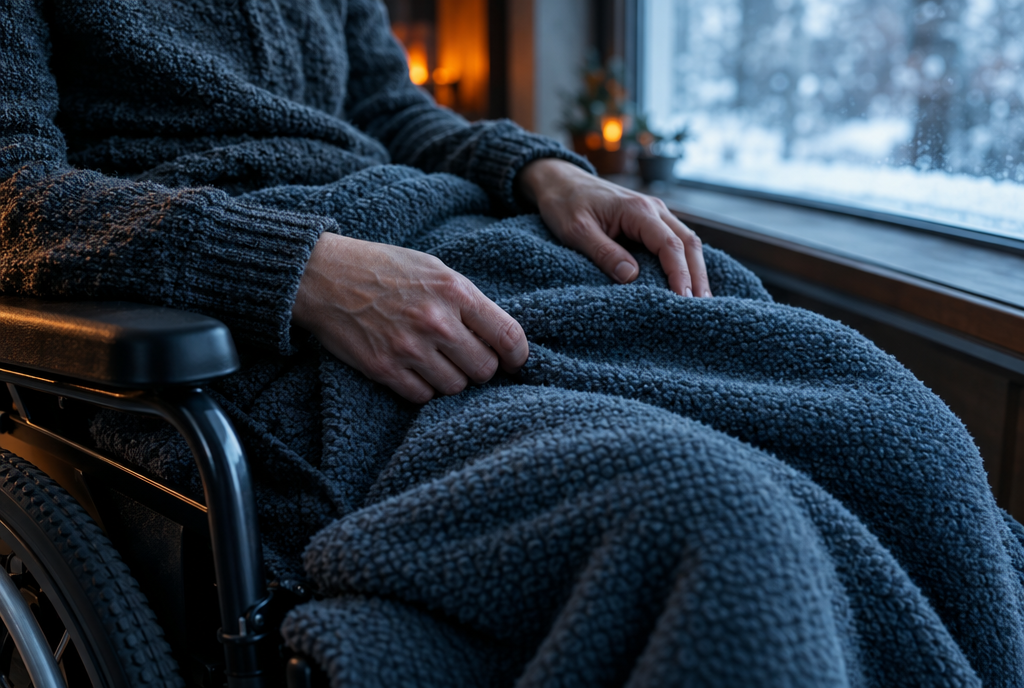
Temperature regulation after spinal cord injury (poikilothermia)
After a spinal cord injury, especially at or above T6, the brain loses much of its connection to the skin, blood vessels and sweat glands below the injury. Shivering and sweating work only above that level, so body temperature tends to drift with the room or the weather. This is called poikilothermia. Managing it means controlling the environment, dressing well and avoiding direct heat sources.
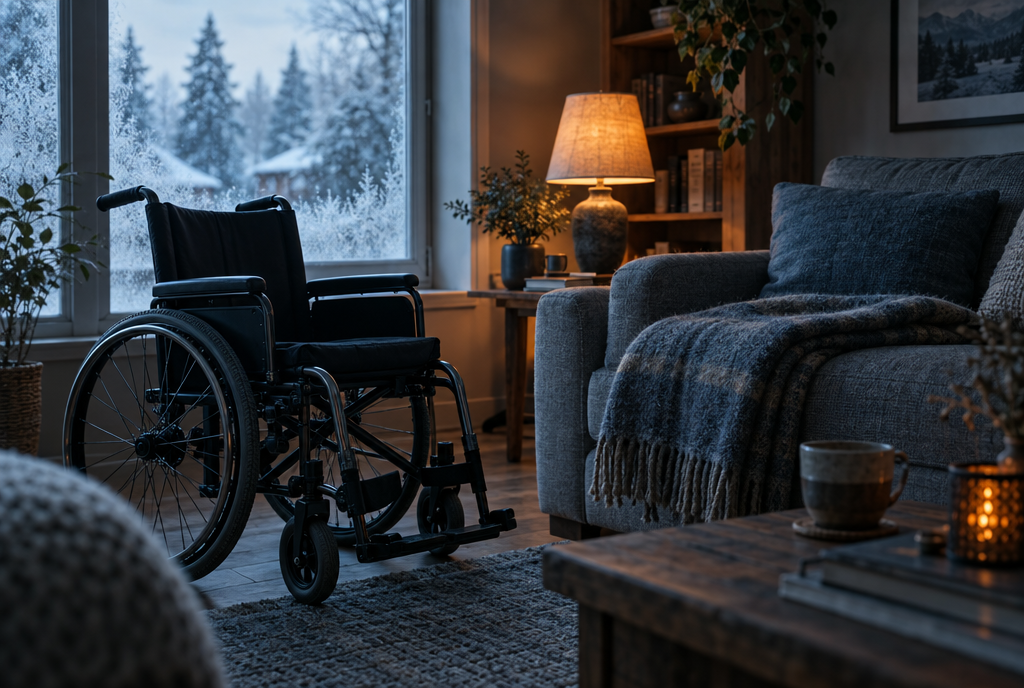
Staying warm with a health condition or disability: start here
Many health conditions and disabilities change how the body makes heat, holds on to it or senses it. Nerve damage, poor circulation, numb skin, some medicines and moving less all play a part. The safest approach is similar across conditions: keep the home warm, hold in body heat with layers, keep direct heat off skin that cannot feel it, eat and drink regularly, and know the signs of hypothermia.
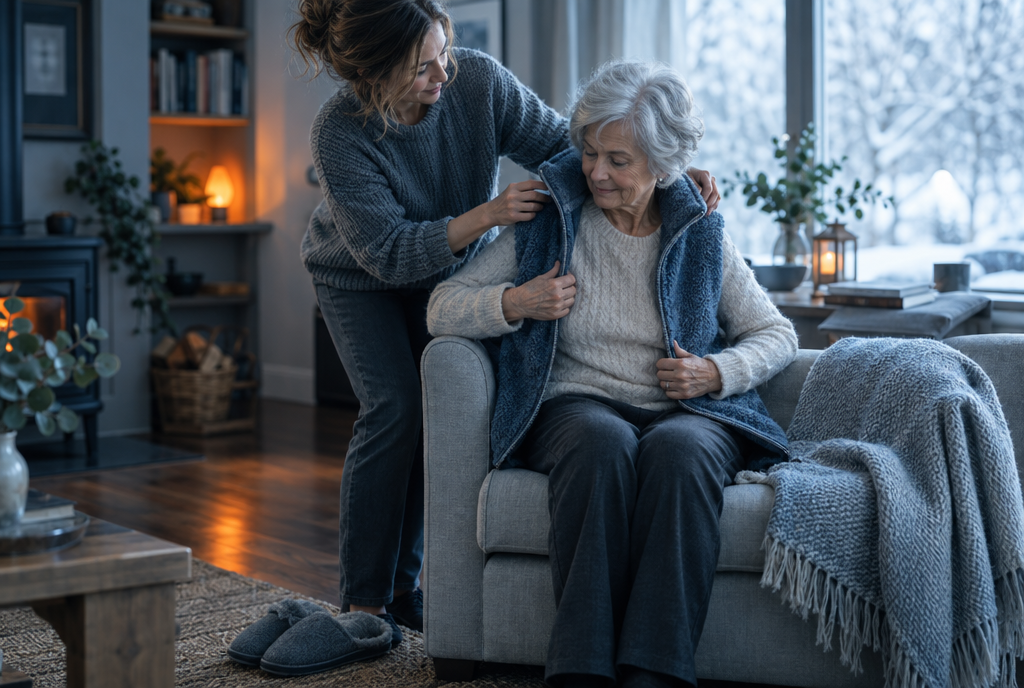
Warm gifts for an older parent: comfortable and safe choices
The best warm gifts for an elderly parent are easy to put on, safe to use alone and suited to where they spend the day: soft layers with simple fastenings, a lap throw, warm socks and closed-back slippers with grippy soles, and bedding for cool nights. Anything that heats should have automatic shut-off and simple controls, and should never sit on skin they cannot feel well.

How to stay warm on a winter commute without overheating indoors
To stay warm on a winter commute without overheating, dress in thin removable layers instead of one heavy coat, choose outer layers with full zippers you can open, and cover your head, hands and neck for the cold stretches. Vent or remove a layer before you start to sweat, especially on crowded trains, because damp clothing chills you once you step back outside.
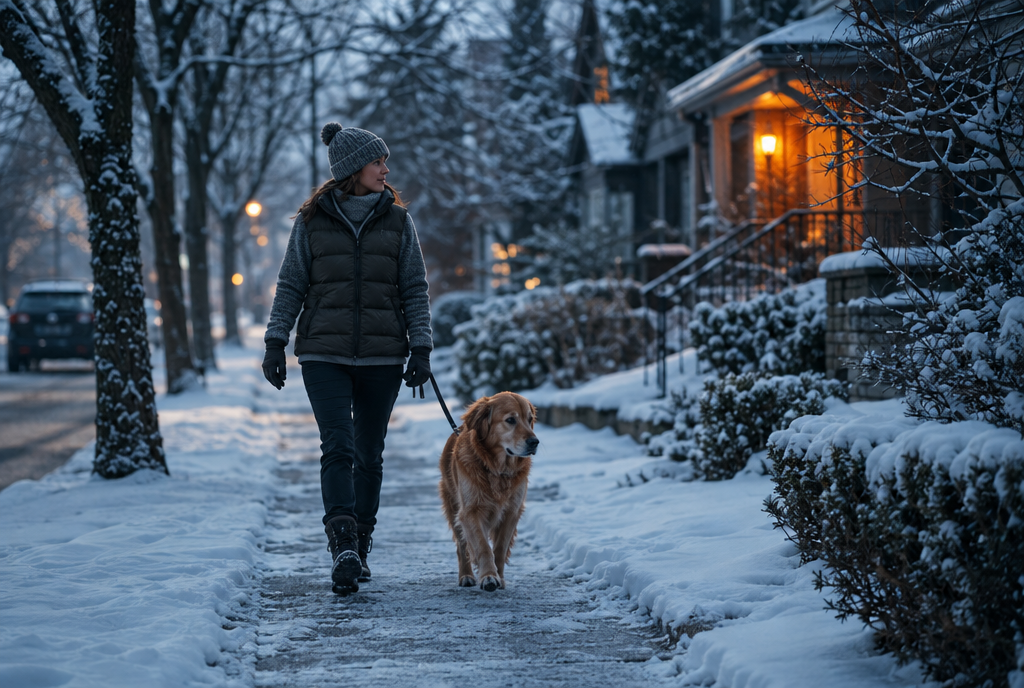
Staying warm on short trips outside: dog walks, chores and errands
To stay warm on a dog walk or quick chore, dress as if you will be out longer than planned: a warm core layer, a windproof shell, a hat, gloves and a face covering. Wear boots with real traction for ice. Keep a grab-and-go kit by the door, and treat snow shoveling as hard exercise, not a small errand.
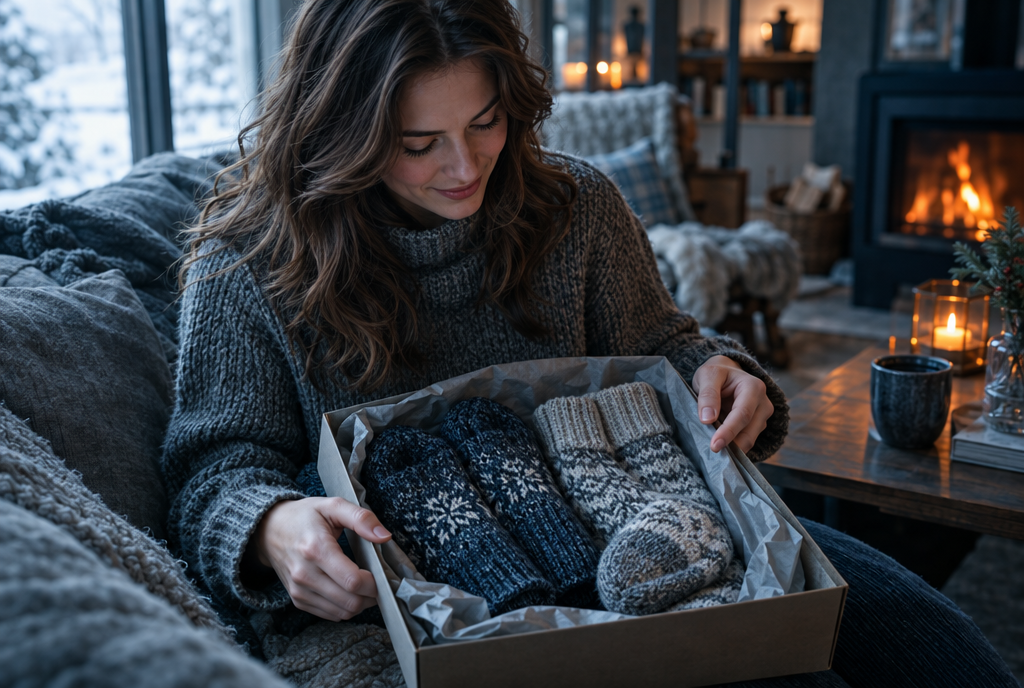
Gifts for someone with Raynaud's: warmth that fits daily life
Good gifts for someone with Raynaud's help them stay warm through ordinary moments: a core layer or wrap, mittens with liners, thermal socks, insulated mugs, gloves for the freezer and warm bedtime layers. Raynaud's groups advise keeping the whole body warm, not just the fingers, so layers for the torso and neck are often as welcome as anything for the hands.
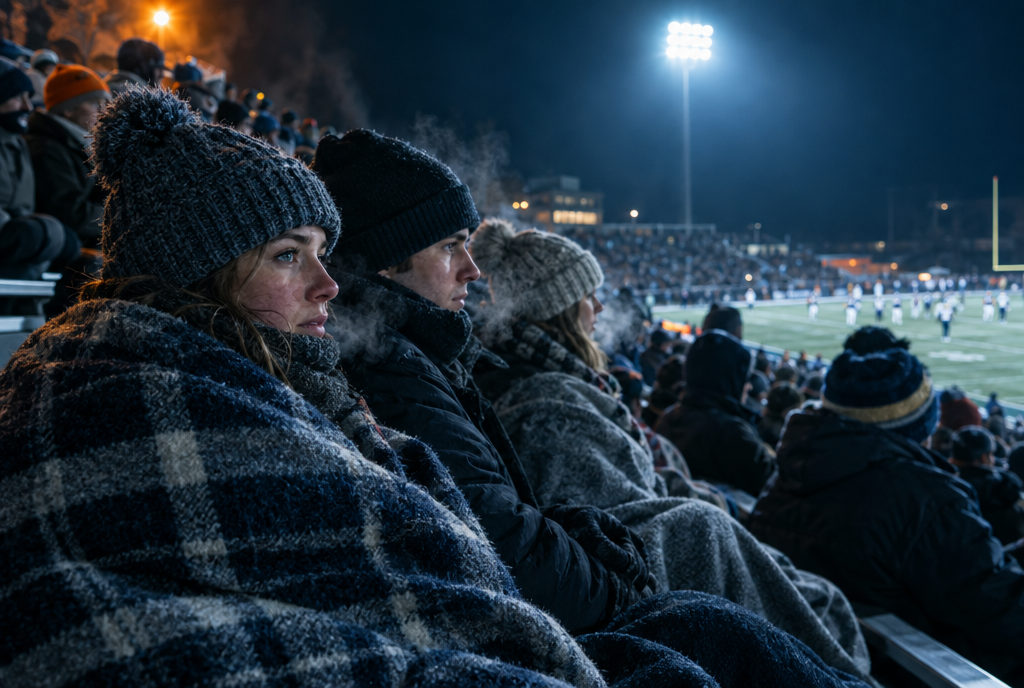
How to stay warm at a football game and other outdoor sporting events
To stay warm at a football game, sit on an insulated seat pad so cold bleachers cannot pull heat from your body, then wear loose layers under a windproof shell. Cover your feet, hands and head and keep them dry, bring warmers if the venue allows them, drink warm non-alcoholic fluids and take short warm-up walks. The same plan works for any outdoor sporting event.

Feeling cold or hot during pregnancy: what is normal and how to stay comfortable
Many people feel warmer than usual during pregnancy because metabolism, blood volume and blood flow to the skin all rise. Feeling always cold during pregnancy is less typical and can be linked to anemia, an underactive thyroid, low blood pressure, poor sleep or inactivity. Gentle warming and cooling are fine, but avoid anything that raises core temperature, such as hot tubs and saunas.
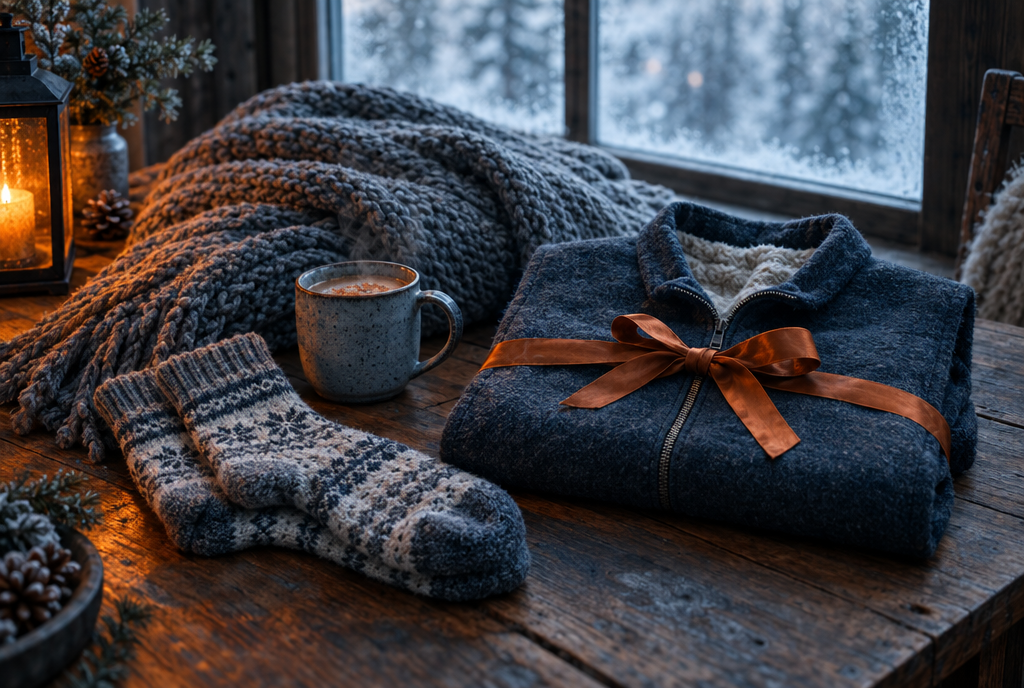
Gifts for someone who is always cold: what actually helps
The best gifts for someone who is always cold match where they feel it: a layer for the torso at home or the office, warm socks and slippers for cold floors, a mitten-and-liner setup for the commute, and safe bedtime warmth. Look for layers they will wear daily, simple controls and auto shut-off on anything that plugs in or heats up.
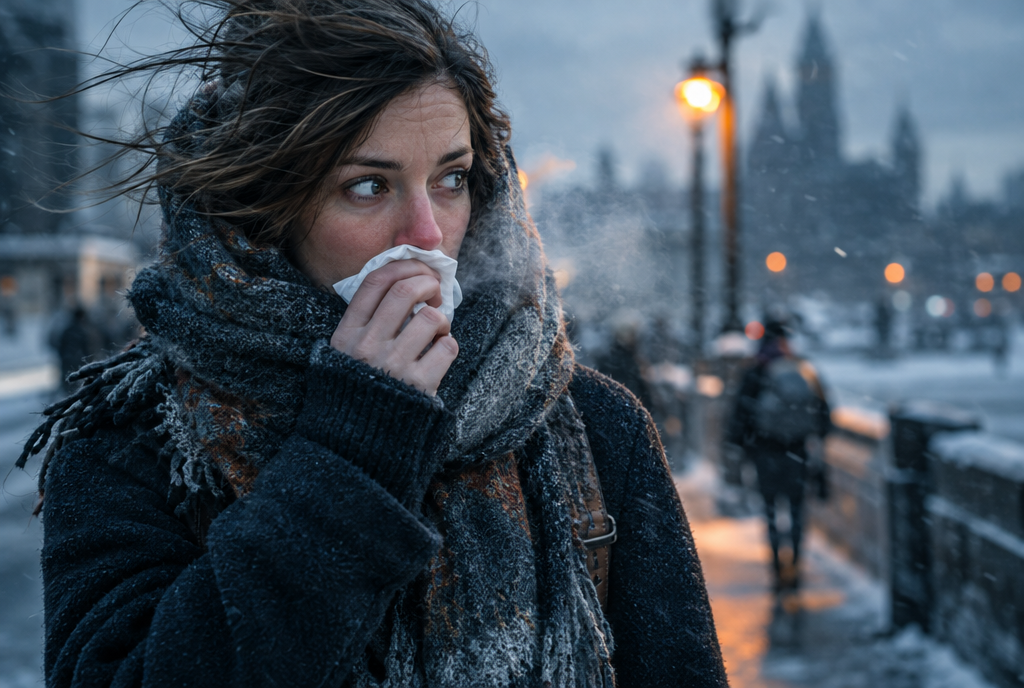
Can you catch a cold (or get a cold) from being cold?
You cannot get a cold from being cold alone, because colds are caused by viruses, most often rhinoviruses. Being chilled may still matter. Research suggests that cooling the body or the inside of the nose can weaken local defenses, making it easier for a virus you have already picked up to take hold and cause symptoms.
Do hot drinks actually warm you up?
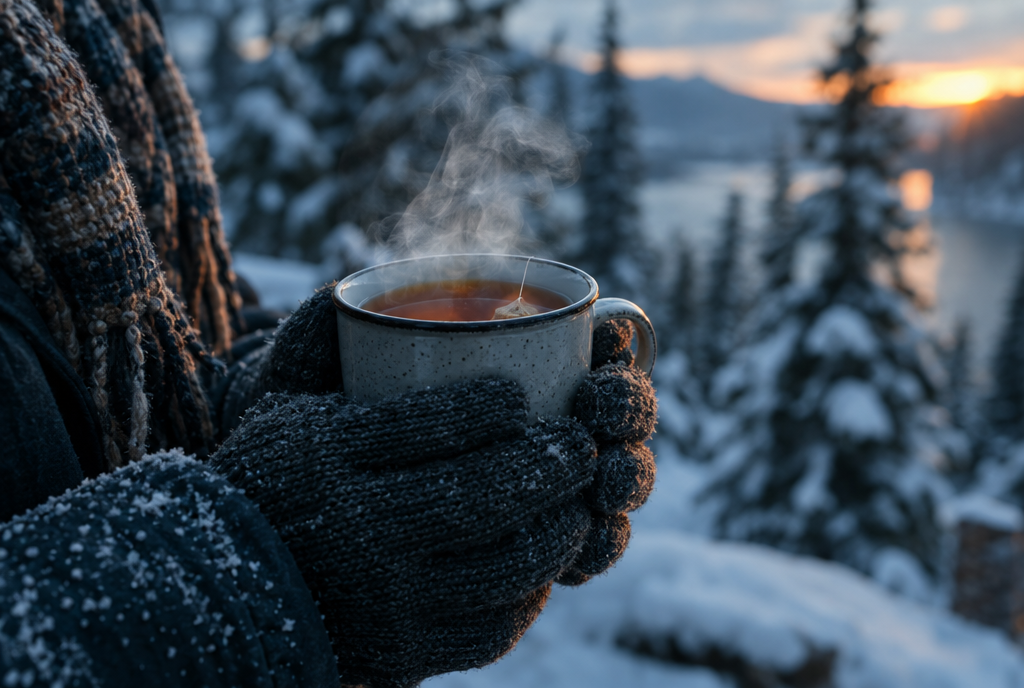
Partly true. A hot drink makes you feel warmer and adds a small amount of heat, but not enough to meaningfully raise core temperature on its own. In the cold, its comfort and, if sweetened, its calories help more than its heat. In hot, dry conditions, research suggests a hot drink can even reduce stored body heat by triggering extra sweating.

Winter hiking and camping: how to stay warm day and night
To stay warm winter camping, hike in light wicking layers so you do not sweat, then add insulation as soon as you stop. At night, insulate from the ground with sleeping pads totaling an R-value of about 5.5 or more for very cold conditions, choose a bag rated below the expected low, change into dry clothes, eat, and warm up before getting in.
How to keep an elderly person warm safely
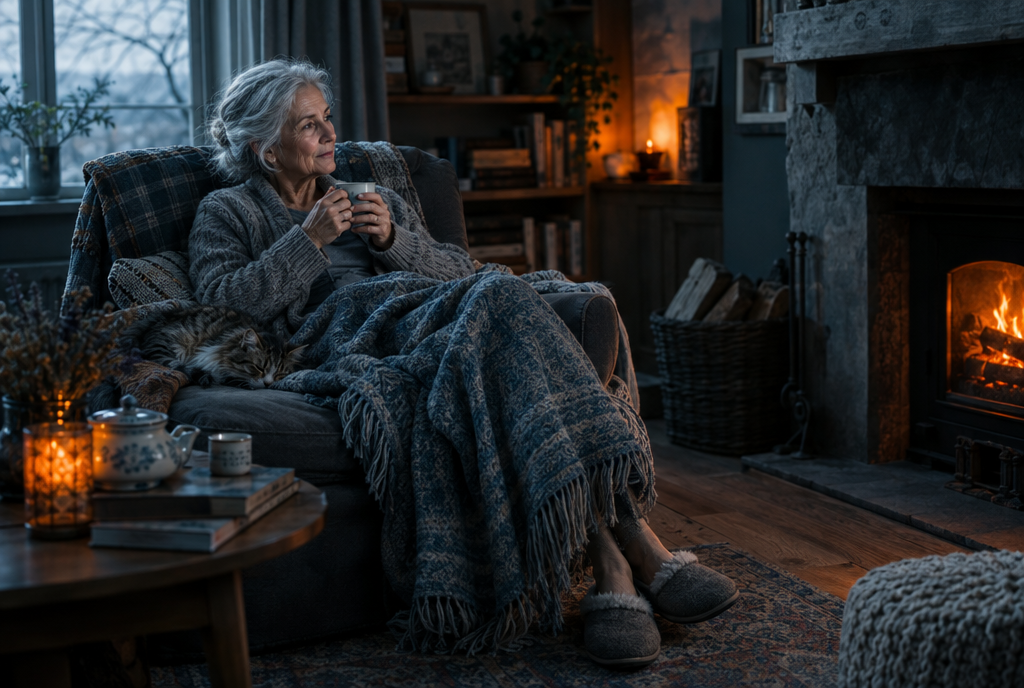
To keep an elderly person warm safely, keep the home heated to at least 68 to 70°F, dress them in loose layers with socks, slippers and a hat, and offer warm meals and drinks. Check on them often, because older adults can develop hypothermia indoors without noticing. Use heating pads, electric blankets and heaters cautiously, since reduced sensation and some medications raise the risk of burns.

Does alcohol warm you up? What drinking does to body heat
No. Alcohol makes you feel warmer, but it does not warm you up. It widens blood vessels in the skin, which brings warm blood to the surface and creates a flush of warmth while your core loses heat faster. It also dulls the brain's temperature control and can weaken shivering, which raises the risk of hypothermia in the cold.

How to stay warm at work in a cold office
To stay warm in a cold office, add a thin base layer under your work clothes, keep a vest or cardigan at your desk, and wear warm socks and closed shoes. Warm your hands with a hot drink, take short walking breaks, and move away from vents. If you want a space heater, check your workplace rules first, and raise persistent cold with facilities.

Riding a motorcycle in the cold: warmth and heated gear
Riding in the cold is harder than it feels at a standstill because speed creates its own wind chill. Stay warm by blocking wind completely with a windproof outer layer, layering insulation underneath, sealing gaps at the neck and wrists, and adding heated gear for long rides. Cold slows reaction time, so if you start shivering or feel clumsy, get off the road and warm up.
Do you lose most of your body heat through your head?
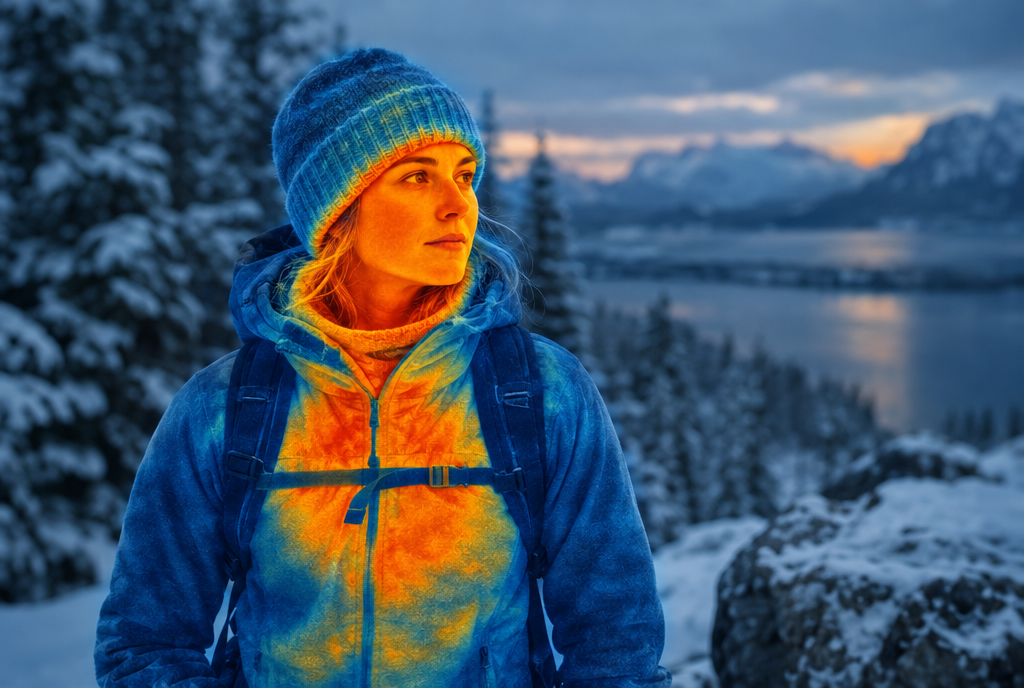
No. You do not lose most of your body heat through your head. An uncovered head loses heat at roughly the same rate as any other patch of exposed skin, so its share is close to its share of your surface area, often cited as about 7 to 10 percent. A hat still matters when the head is the main part left bare.

Staying warm skiing and snowboarding without overheating
To stay warm skiing without overheating, wear a wicking merino or synthetic base layer, a light insulating mid layer, and a waterproof shell with vents, then adjust with zippers rather than extra bulk. Open vents on hard runs and close everything plus a neck gaiter for the lift. Wear one pair of thin ski socks, mittens on cold days, and never cotton.