
Knowledge
Sourced guides on how the body stays warm, how patients and clinicians are kept comfortable, how crews work safely in cold and heat, and how warming gear works. Pick the theme closest to your world.
Ready to choose gear? Browse all buyer’s guides →
Free tools: wind chill and frostbite calculator, cold work warm-up schedule, what to wear by temperature, which warmth setup is right for you? and the warmth runtime and cost calculator. All tools and data →

Science of Warmth
For anyone who wants to understand how the body makes, keeps and loses heat.
Start here
Popular
All Science of Warmth articles →
Healthcare
For clinicians, perioperative teams and hospital leaders.
Start here
Popular
- How to stay warm in the operating room
- What is perioperative hypothermia?
- Forced-air vs conductive warming
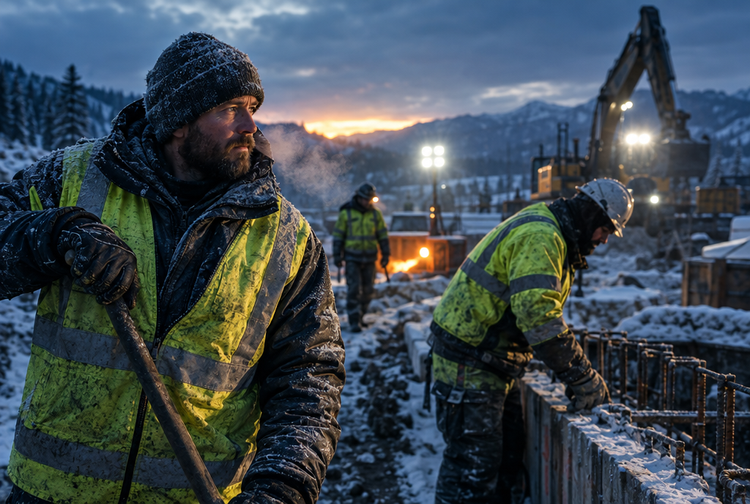
Work and Duty
For employers, safety leads, crews, service members and EMS.
Start here
Popular
All Work and Duty articles →
Everyday Life and Health
For people who feel the cold, and for daily life outdoors.
Start here
- Cold sensitivity and Raynaud’s
- Staying warm in everyday life
- Staying warm at home and with family
- Staying warm with a health condition or disability
Popular
All Everyday Life and Health articles →
Heat and Cooling
For hot jobs, heavy protective gear and personal heat sensitivity.
Start here
Popular
All Heat and Cooling articles →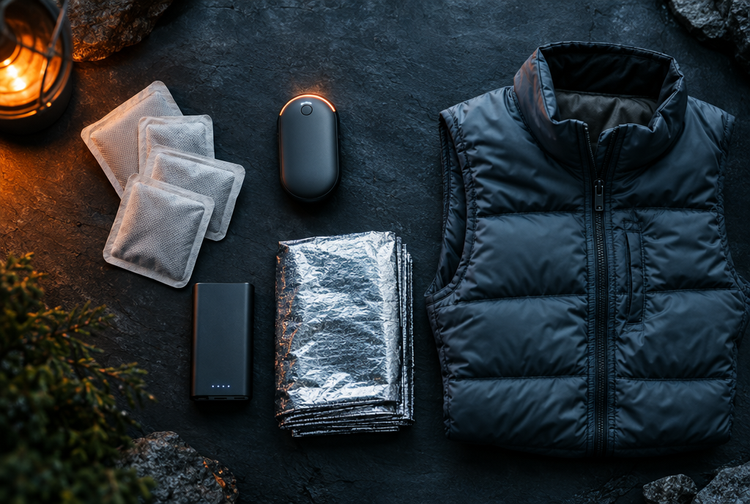
Technology and Gear
For choosing, using and caring for warming gear.
Start here
Popular
All Technology and Gear articles →All articles
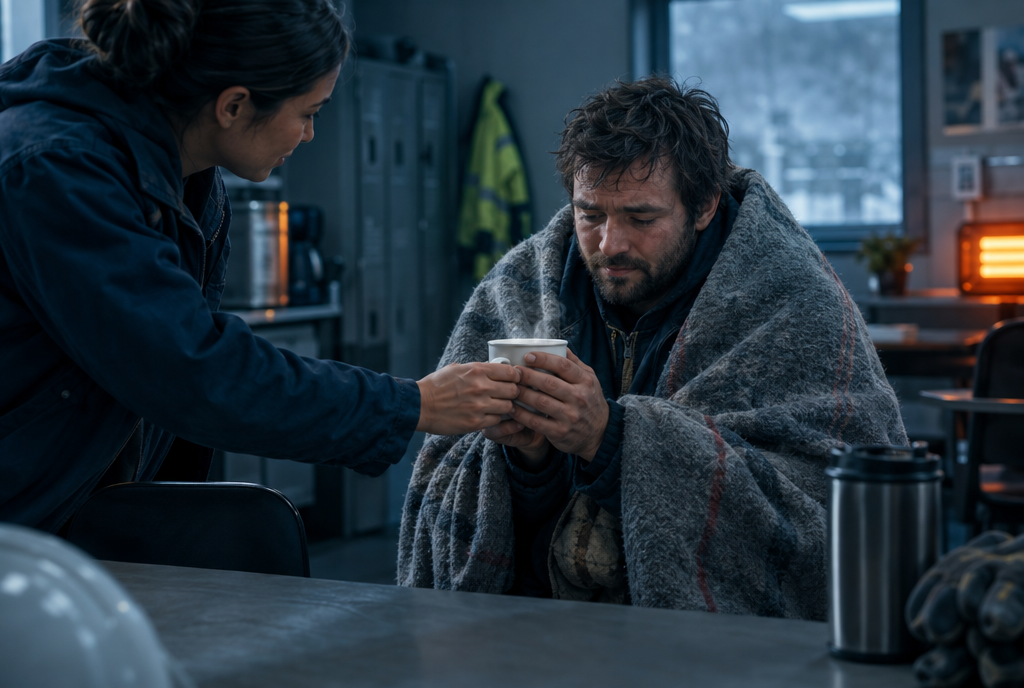
Cold stress symptoms and first aid: hypothermia, frostbite, trench foot
Cold stress shows up as shivering, fatigue, clumsiness and confusion (hypothermia), numb, tingling, pale or waxy skin (frostbite), and red, swollen, numb feet after wet cold (trench foot). First aid starts the same way: get the person out of the cold, remove wet clothing, warm them gently and call for medical help. Never rub frostbitten skin or use direct high heat.
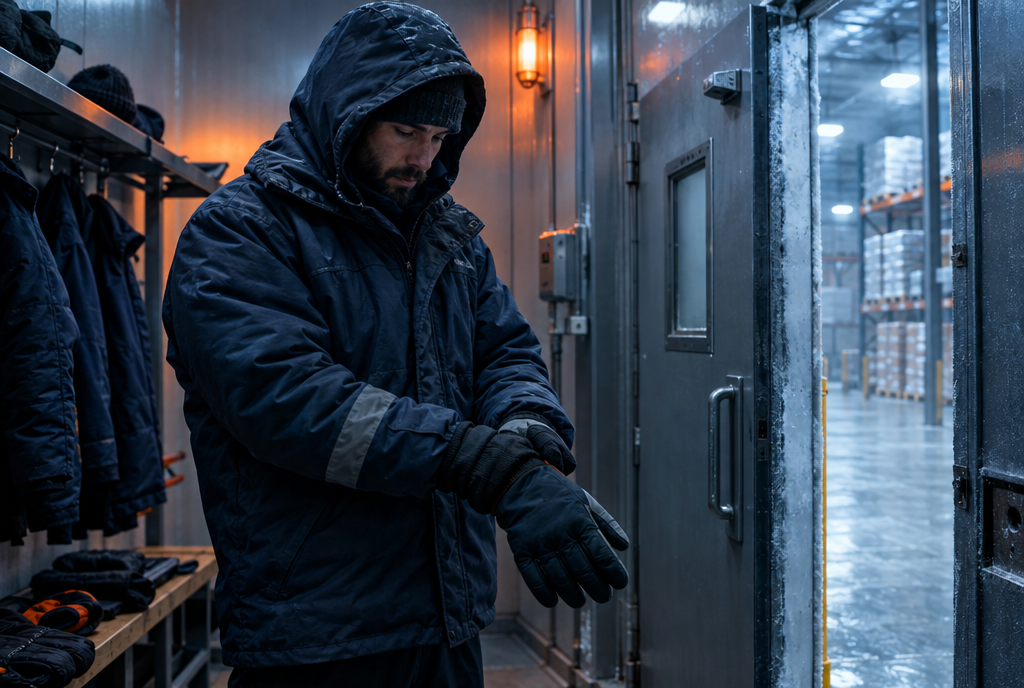
What to wear in a freezer warehouse: a layering guide
Dress for a freezer warehouse in three layers: a moisture-wicking base of wool or synthetic fabric, an insulating middle layer or freezer suit, and a wind-resistant outer layer. Add insulated gloves with liners, an insulated hat or hood, and insulated boots with dry socks. Avoid cotton, open layers before you sweat, and change damp items at every break.

How to stay warm at home without turning up the heat
To stay warm at home without turning up the heat, warm your body first: wear loose layers, keep your core, head and feet covered, eat regular meals and get up to move every hour. Then keep heat in: block drafts, close curtains at night, open sunny ones by day and heat only the room you use. Keep that room warm enough for health, especially for older adults and babies.
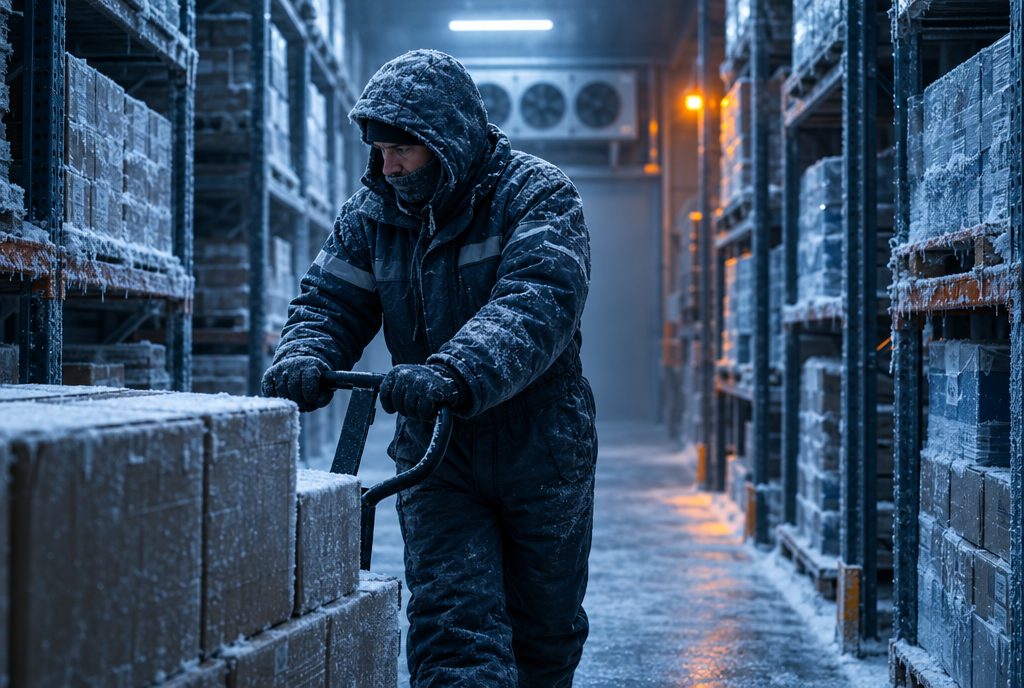
Working in a freezer: health risks and how to manage them
Working in a freezer is manageable when exposure is controlled, but it carries real risks: cold, painful hands and lost dexterity, frostbite on exposed or damp skin, whole-body cooling toward hypothermia, and strain from repeated moves between cold and warm zones. Research on cold store workers links long, repeated exposure to symptoms, while limited, well-managed entries show fewer lasting effects.
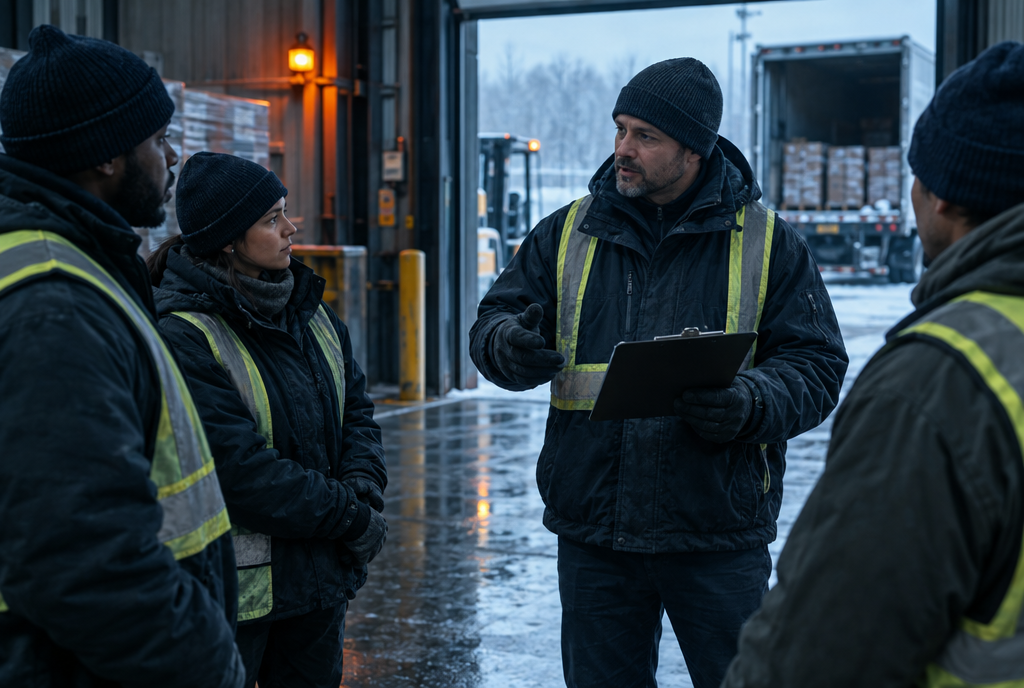
What OSHA says about cold stress (and what it does not)
OSHA has no specific standard for cold stress and sets no minimum working temperature. Employers are covered by the General Duty Clause, Section 5(a)(1) of the OSH Act, which requires a workplace free from recognized hazards likely to cause death or serious harm, including cold. The PPE standard's hazard assessment and training duties also apply, while ordinary winter clothing is excepted from employer payment.

How to stay warm when the power goes out in winter
To stay warm without power, move everyone into one small room, close it off, and dress in loose layers with hats, socks and blankets. Eat regular meals, sip warm nonalcoholic drinks and keep moving. Never heat your home with a gas oven, grill, camp stove or generator indoors, because they produce deadly carbon monoxide. If the house keeps getting colder, go to a warming center.
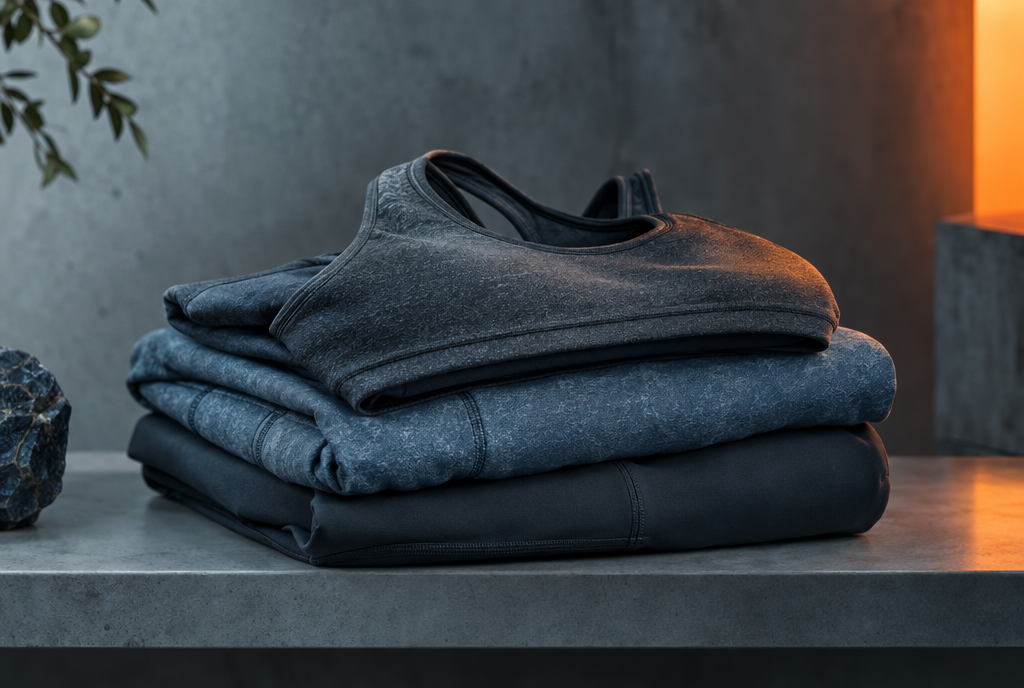
Far-infrared clothing and Celliant: what the evidence says
Far-infrared (FIR) clothing contains mineral particles that absorb body heat and re-emit part of it as infrared energy. Physics allows a small effect on how heat moves, but a passive fabric cannot create energy. Controlled studies are few, small and mixed: some report modest changes in recovery or fatigue measures, and none show large warmth or health benefits. Read bold claims with caution.

Phase-change materials in clothing, explained
Phase-change materials (PCMs) are substances, often waxes, that melt and solidify near skin temperature. In clothing they are sealed in microcapsules or fibers. When you warm up, they absorb heat as they melt; when you cool down, they release it as they solidify. The effect is real but small and temporary, smoothing temperature swings rather than supplying lasting warmth.

Staying warm at home and with family: a complete winter guide
To stay warm in winter at home, keep living spaces heated to a safe level, dress everyone in layers, and use every heat source carefully. Keep space heaters away from anything that can burn, never run generators or grills indoors, and install carbon monoxide alarms. Give babies one more layer than adults, keep bulky coats out of car seats, and plan ahead for outages and travel.

Aerogel in clothing: how the thinnest insulation works
Aerogel is a solid made mostly of air, about 99.8% by volume, locked inside a nanoscale silica network. The tiny pores stop air from moving and carrying heat, so aerogel insulates well in very thin layers. In clothing it is usually bonded into flexible blankets or composites, which suits gloves, boots and slim jackets, though breathability, durability and cost remain trade-offs.
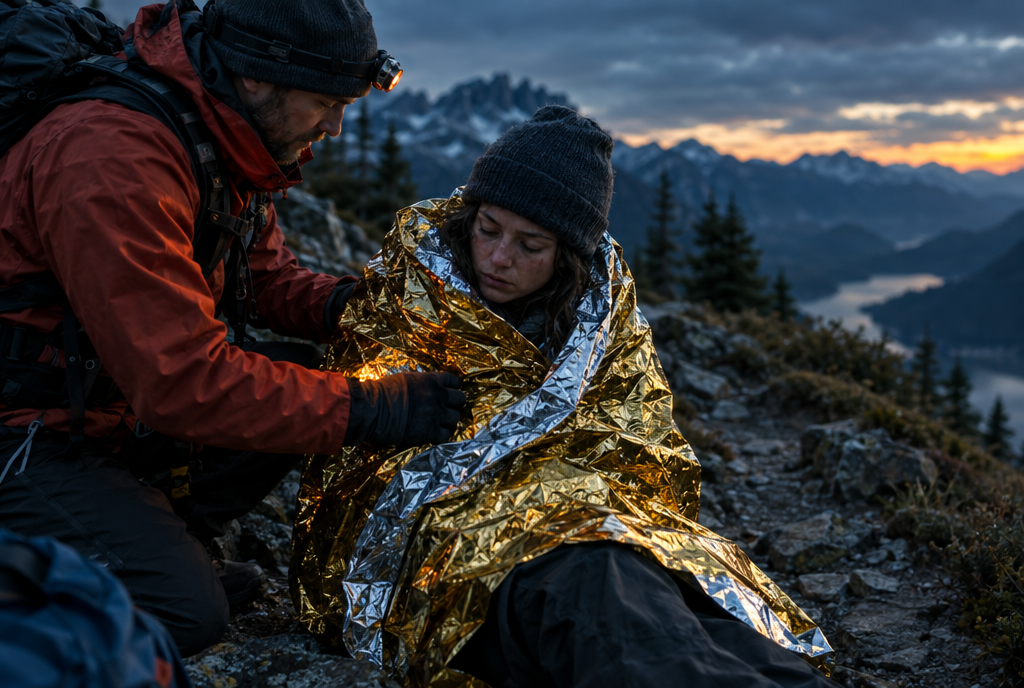
How space blankets work, and what they cannot do
A space blanket is a thin plastic film coated with vaporized aluminum. It works mainly by reflecting the infrared heat your body radiates back toward you, and secondarily by blocking wind and trapping moist air, which cuts convective and evaporative loss. It adds almost no insulation, so it cannot stop heat draining into cold ground and works best combined with a pad and insulating layers.
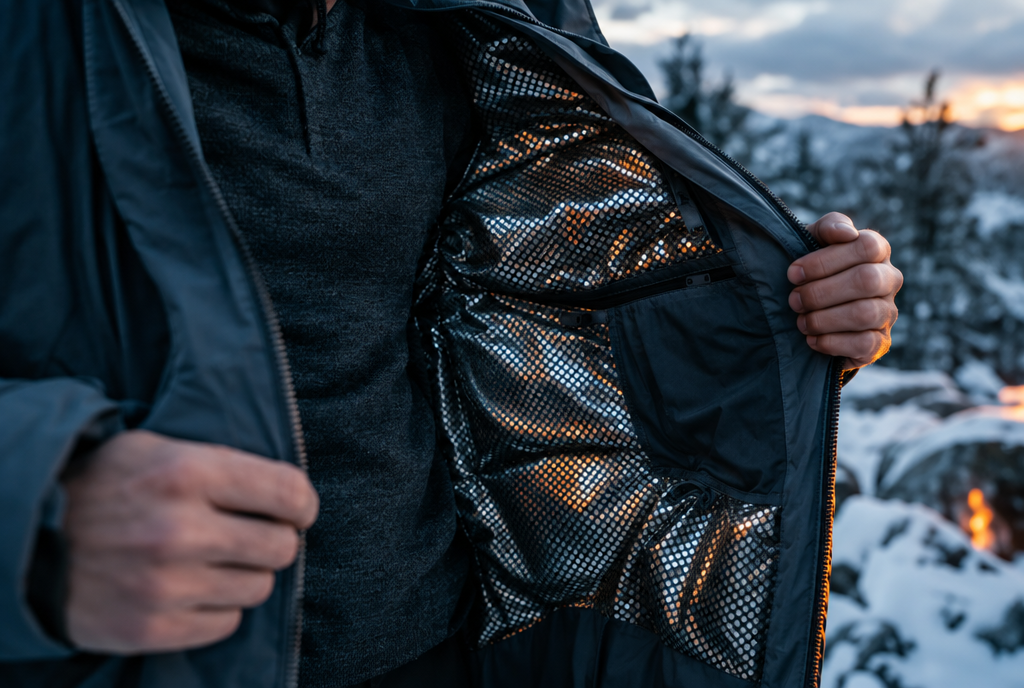
Do heat-reflective linings like Omni-Heat actually work?
Yes, but modestly and conditionally. A heat-reflective lining such as Omni-Heat reduces the infrared heat your body radiates outward, so less warmth escapes through the jacket. The benefit is real, typically a percentage improvement rather than a dramatic one, and it is largest when radiant loss dominates, when the lining sits over good insulation with an air gap, and when paired with a heat source.

How to choose a heated or thermal vest: fit, zones and features
The best heated vest is the one that fits your use: snug enough for the panels to reach your body, heating zones where you feel cold, a battery with enough watt-hours for your day, and evidence of safety testing. Start by deciding whether you need added heat at all, then judge fit, zones, battery, safety and care, in that order.
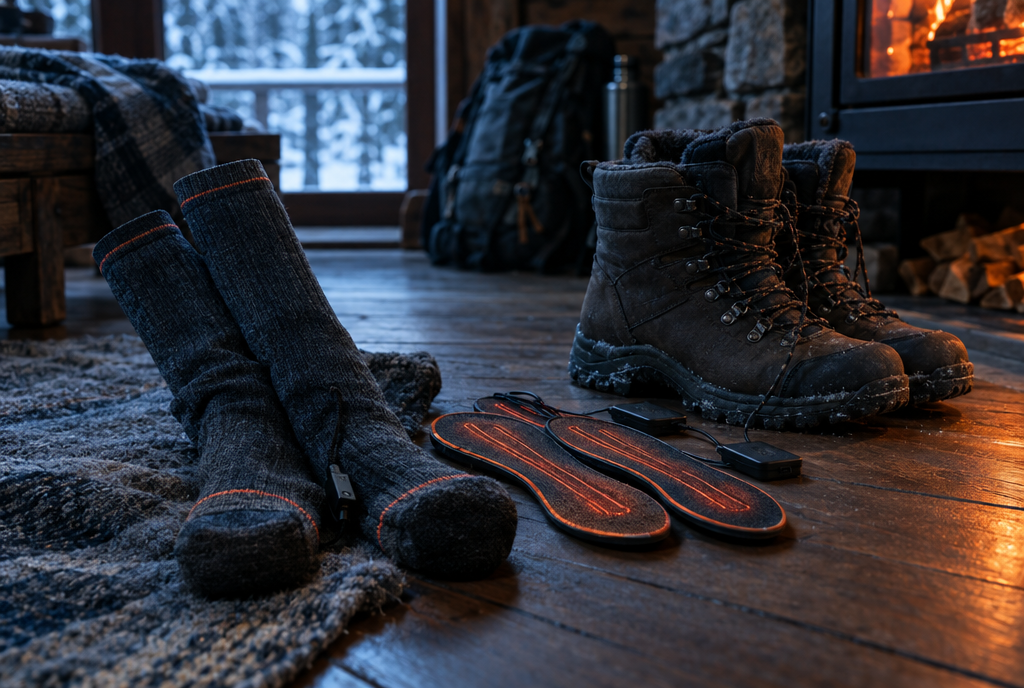
Heated socks vs heated insoles
Heated socks usually warm the toes and top of the foot and work in almost any footwear, but they must be washed with care and carry the battery at the cuff. Heated insoles warm the sole from underneath, move easily between boots and hide the electronics, but take up room in the boot. Both carry burn and battery risks worth checking before you buy.
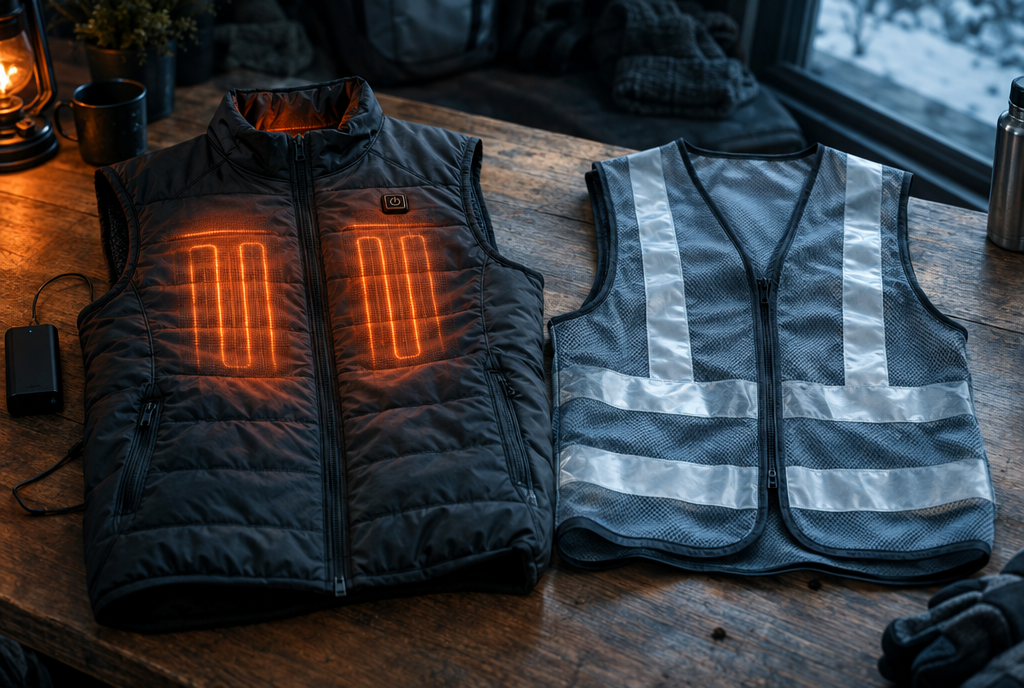
Battery-heated vs battery-free warmth: how to choose
Battery-heated clothing adds heat on demand and is best when you are still for long periods in real cold. Battery-free warmth, from insulation, heat-reflective linings and air-activated warmers, works by slowing heat loss or adding chemical heat, with no charging, less to fail and simpler travel. Many people get the best result by combining them: good layers first, added heat only where needed.
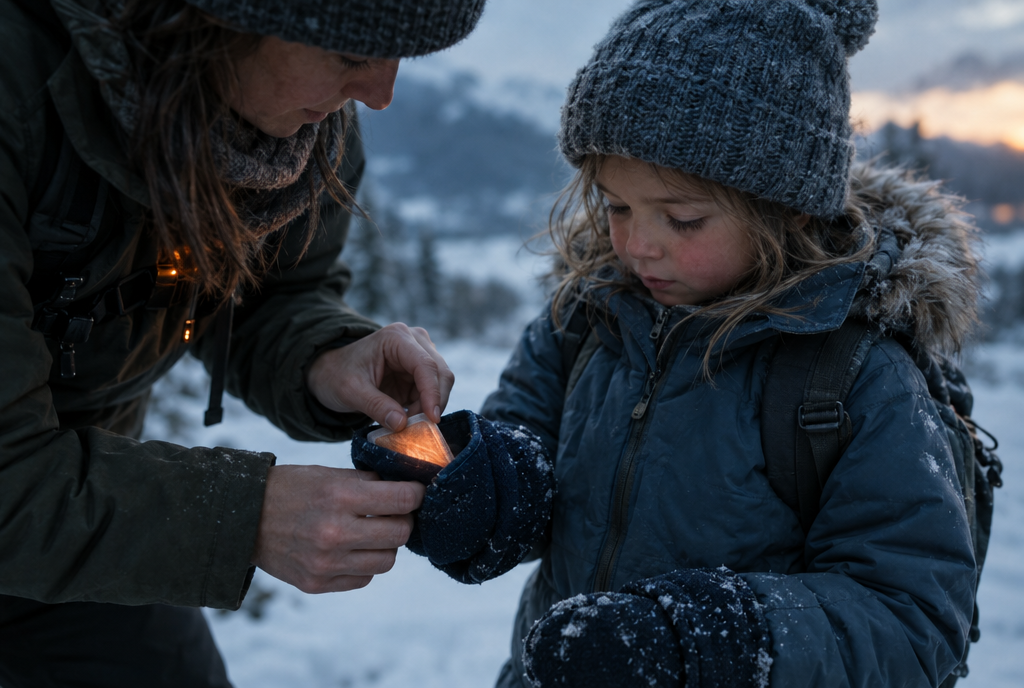
Are hand warmers safe? Skin, sleep, kids and pregnancy
Hand warmers are safe for most people when used as directed: inside a glove, pocket or over a layer of clothing, never directly on bare skin for long periods and never while asleep. They can reach temperatures well above the point where skin is injured, so children, older adults, people with diabetes or reduced sensation, and pregnant people need extra care.
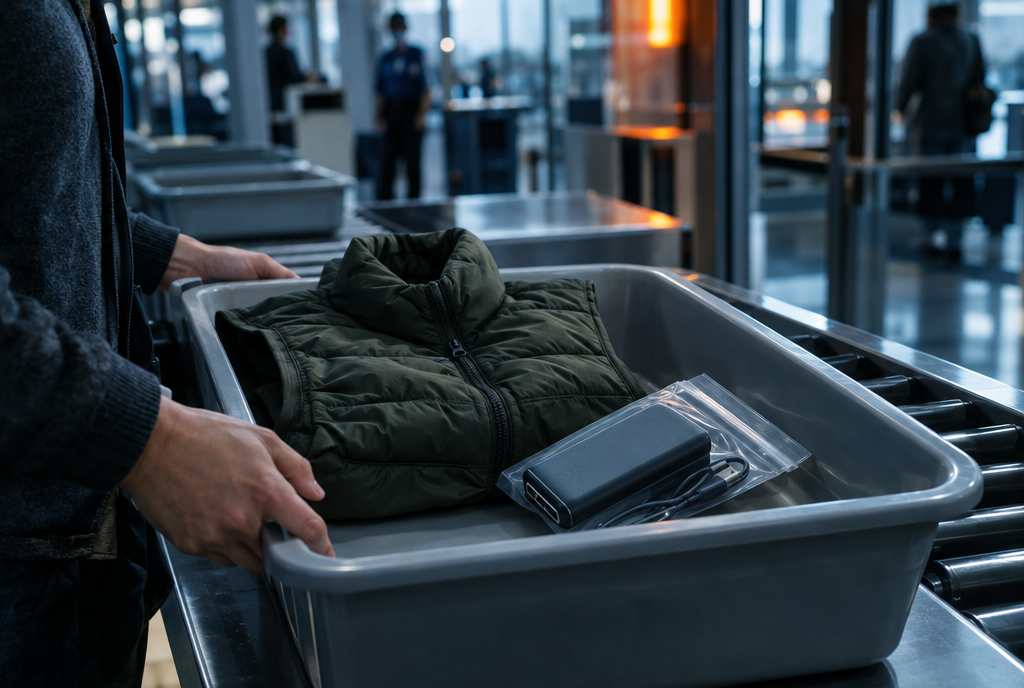
Flying with heated clothing: TSA and airline battery rules
You can fly with a heated vest or jacket, but the lithium-ion battery must travel in the cabin, never in checked baggage when it is a spare. Under FAA rules, packs up to 100 watt-hours need no airline approval, packs from 101 to 160 Wh need airline approval with a limit of two spares, and larger packs are forbidden.
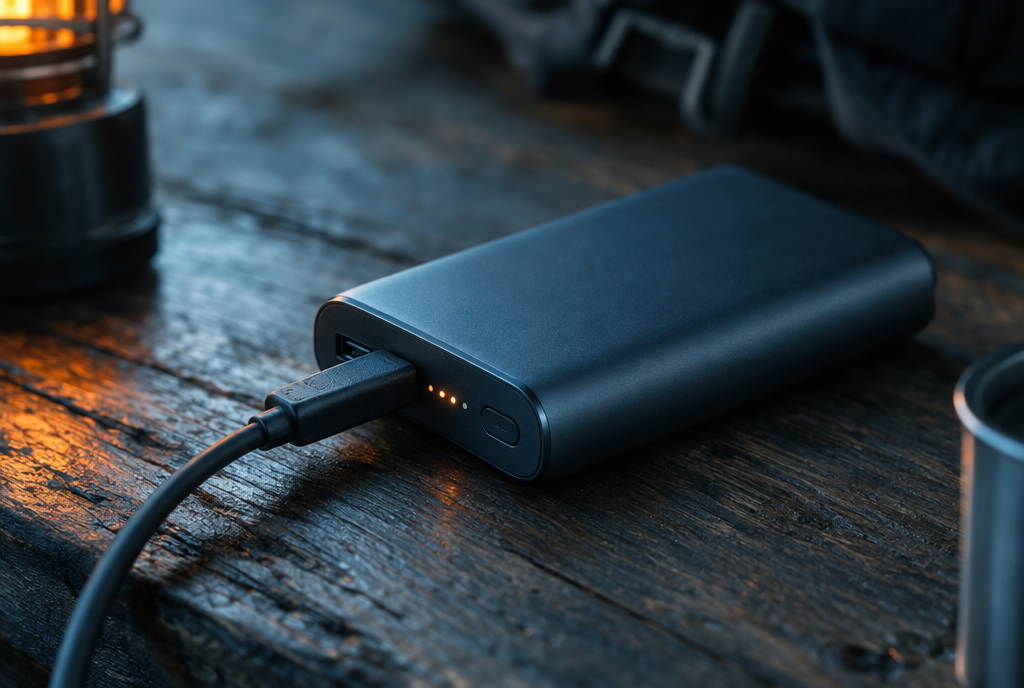
Heated vest batteries explained: volts, mAh, watt-hours and runtime
A heated vest battery's real capacity is its watt-hours (Wh), which you get by multiplying volts by amp-hours. Runtime is roughly that energy divided by how many watts the heating panels draw on a given setting. Milliamp-hours (mAh) alone can mislead, because packs run at different voltages, and cold weather temporarily cuts how much energy a lithium-ion pack can deliver.
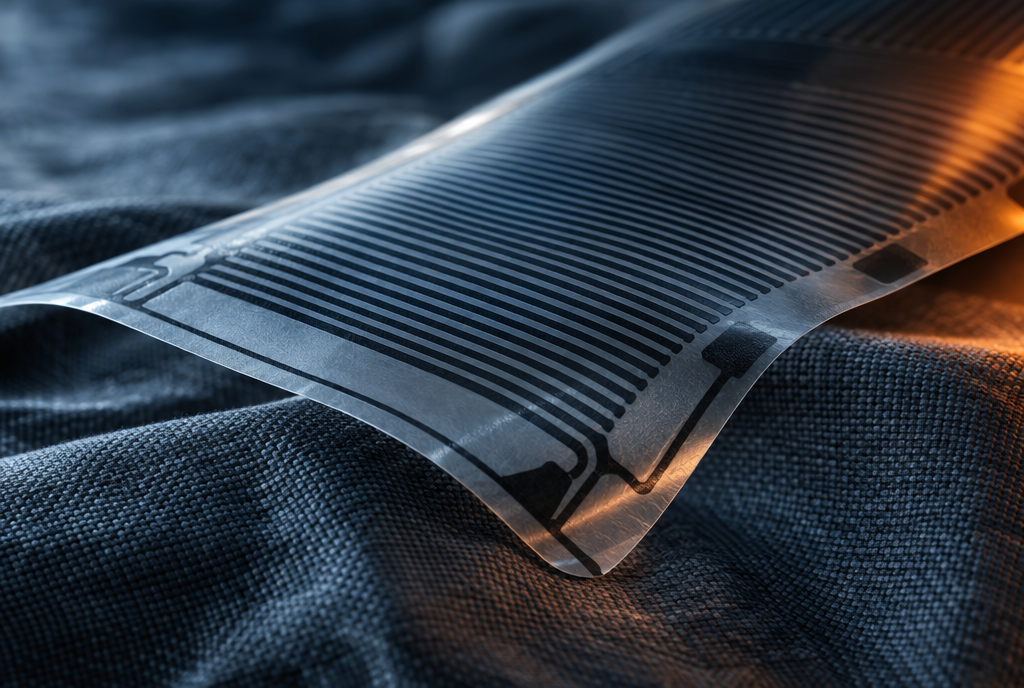
PTC self-regulating heaters in wearables, explained
A PTC (positive temperature coefficient) heater is an element whose electrical resistance rises sharply as it warms. As it heats, less current flows, so heat output drops on its own near a designed switching temperature. In wearables, PTC films and inks provide built-in temperature limiting without a separate sensor, but the set point is fixed at manufacture and does not replace good design.
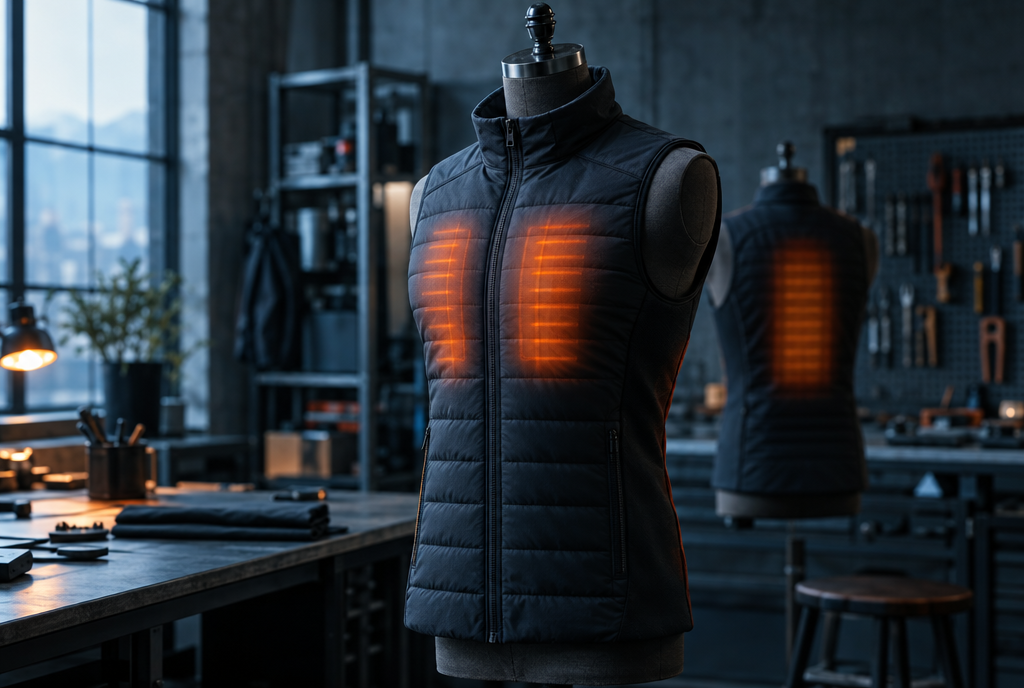
How heated vests work: carbon fiber, wire and batteries
A heated vest works like a small, flexible electric blanket. A rechargeable battery pushes current through thin heating elements, usually carbon fiber or metal alloy wire, sewn into panels at the chest, back or collar. The elements resist the current and turn electrical energy into heat. A controller sets the heat level, and the vest's insulation holds that heat near your core.