
Knowledge
Sourced guides on how the body stays warm, how patients and clinicians are kept comfortable, how crews work safely in cold and heat, and how warming gear works. Pick the theme closest to your world.
Ready to choose gear? Browse all buyer’s guides →
Free tools: wind chill and frostbite calculator, cold work warm-up schedule, what to wear by temperature, which warmth setup is right for you? and the warmth runtime and cost calculator. All tools and data →

Science of Warmth
For anyone who wants to understand how the body makes, keeps and loses heat.
Start here
Popular
All Science of Warmth articles →
Healthcare
For clinicians, perioperative teams and hospital leaders.
Start here
Popular
- How to stay warm in the operating room
- What is perioperative hypothermia?
- Forced-air vs conductive warming
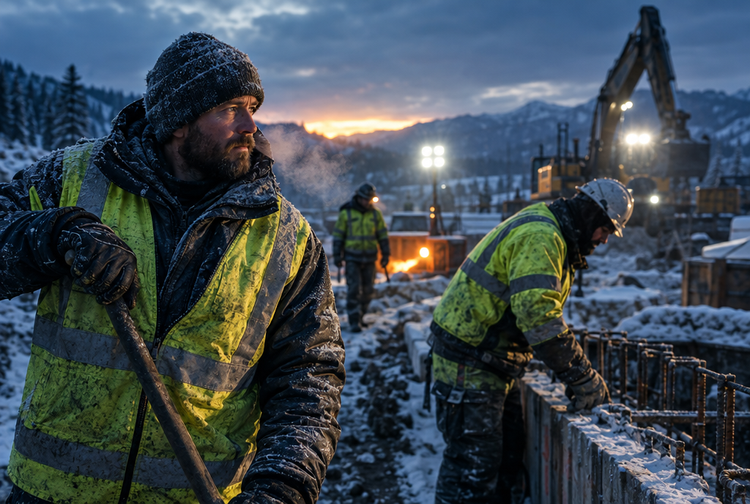
Work and Duty
For employers, safety leads, crews, service members and EMS.
Start here
Popular
All Work and Duty articles →
Everyday Life and Health
For people who feel the cold, and for daily life outdoors.
Start here
- Cold sensitivity and Raynaud’s
- Staying warm in everyday life
- Staying warm at home and with family
- Staying warm with a health condition or disability
Popular
All Everyday Life and Health articles →
Heat and Cooling
For hot jobs, heavy protective gear and personal heat sensitivity.
Start here
Popular
All Heat and Cooling articles →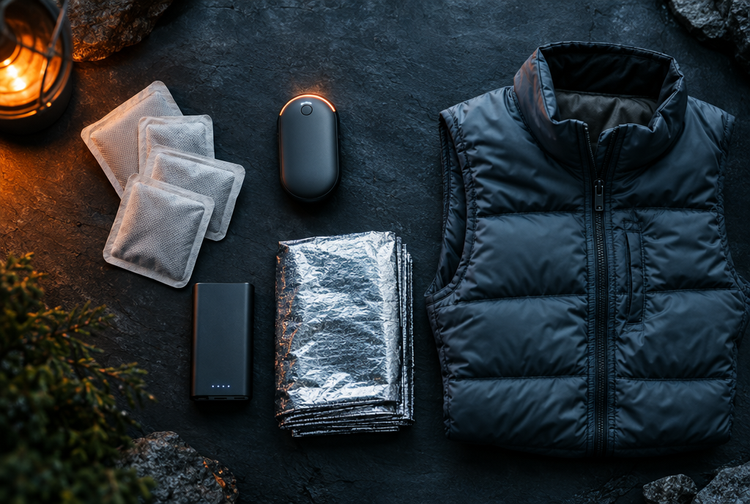
Technology and Gear
For choosing, using and caring for warming gear.
Start here
Popular
All Technology and Gear articles →All articles
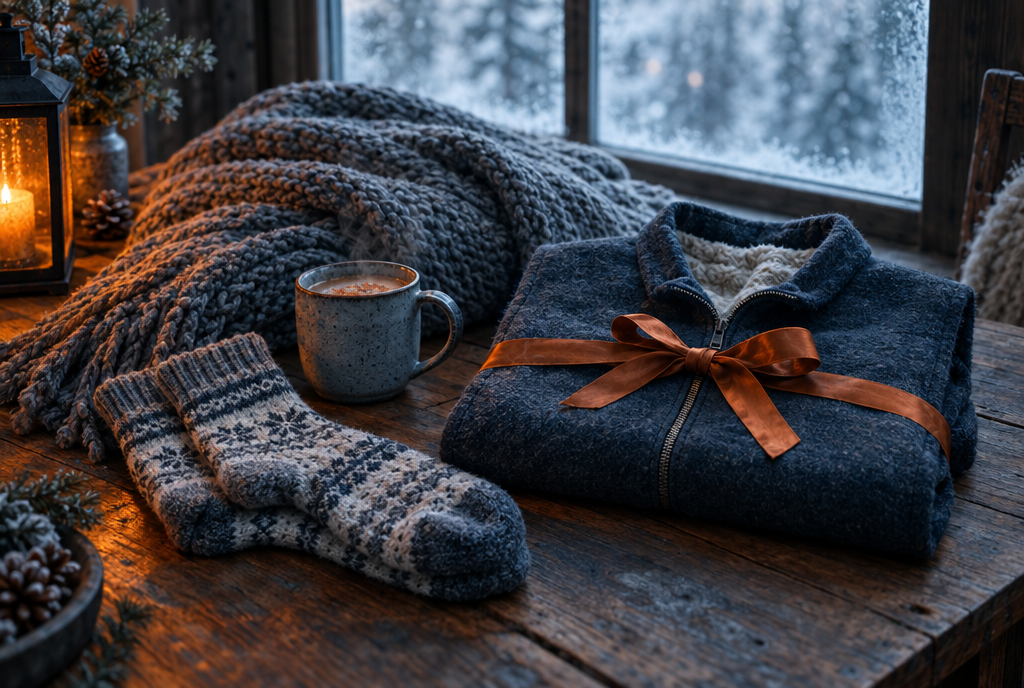
Gifts for someone who is always cold: what actually helps
The best gifts for someone who is always cold match where they feel it: a layer for the torso at home or the office, warm socks and slippers for cold floors, a mitten-and-liner setup for the commute, and safe bedtime warmth. Look for layers they will wear daily, simple controls and auto shut-off on anything that plugs in or heats up.

Cooling under PPE, gowns and body armor
Body armor, surgical gowns and protective suits trap heat because they block sweat evaporation and add weight. Cooling under them works best with phase-change, ice or liquid-cooled vests, which cool by conduction rather than evaporation. Studies show these vests improve comfort and cut heat storage, but packs can run out in under an hour under heavy gear, so planned swaps matter.
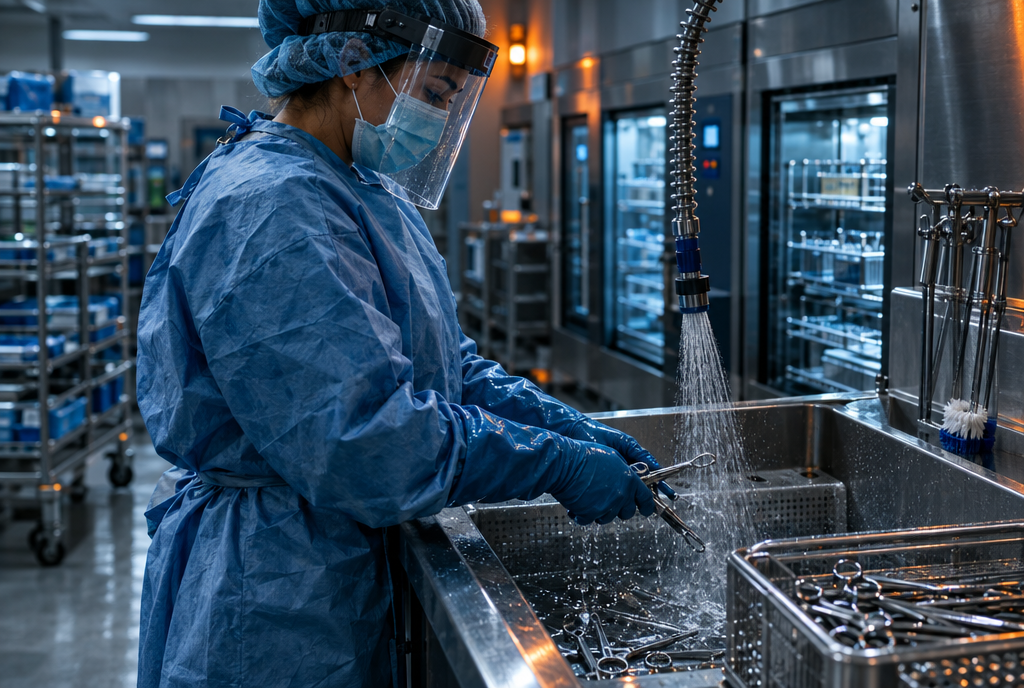
Sterile processing temperature rules and how SPD teams stay comfortable
Sterile processing departments set temperature by area. Under ASHRAE Standard 170 (2013 edition as amended by Addendum h), decontamination rooms are designed for 60°F to 73°F, clean workrooms for 68°F to 73°F with humidity at or below 60%, and sterile storage for a maximum of 75°F and 60% humidity. Decontamination runs cool largely because technicians work in heavy, fluid-resistant PPE that traps body heat.
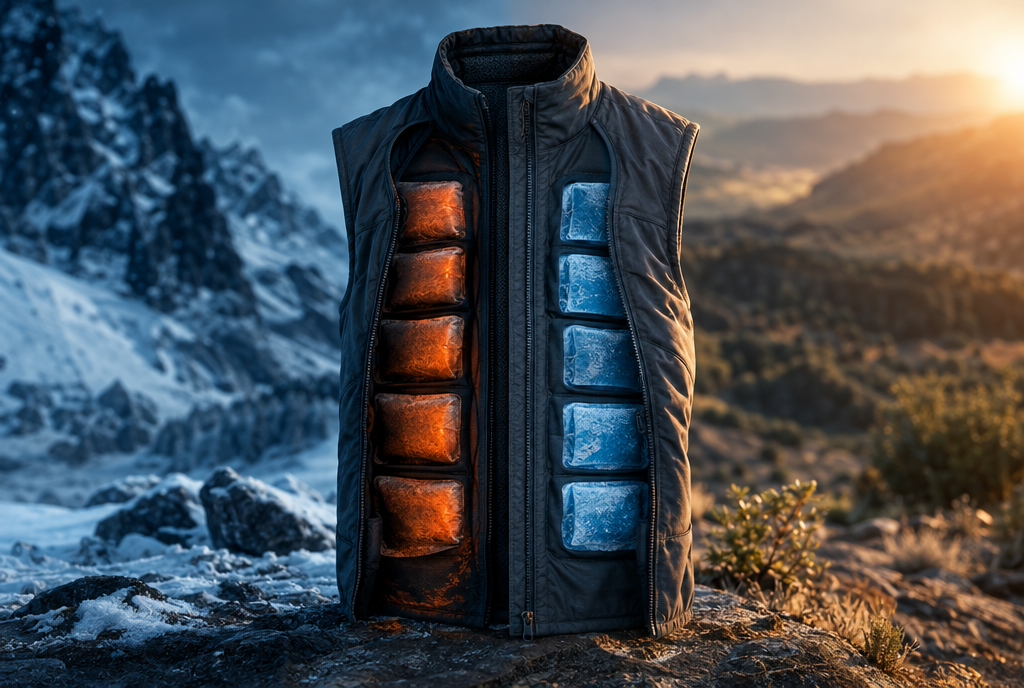
One garment, two seasons: modular heating and cooling explained
A modular heating and cooling garment is an insulated vest or harness with interior pockets that accept either warming inserts, such as air-activated warmers or battery heaters, or cooling inserts, such as ice or phase-change packs. Insulation slows heat flow in both directions, so the same shell can hold warmth in during winter and keep a cold pack's cooling directed at the body in summer.
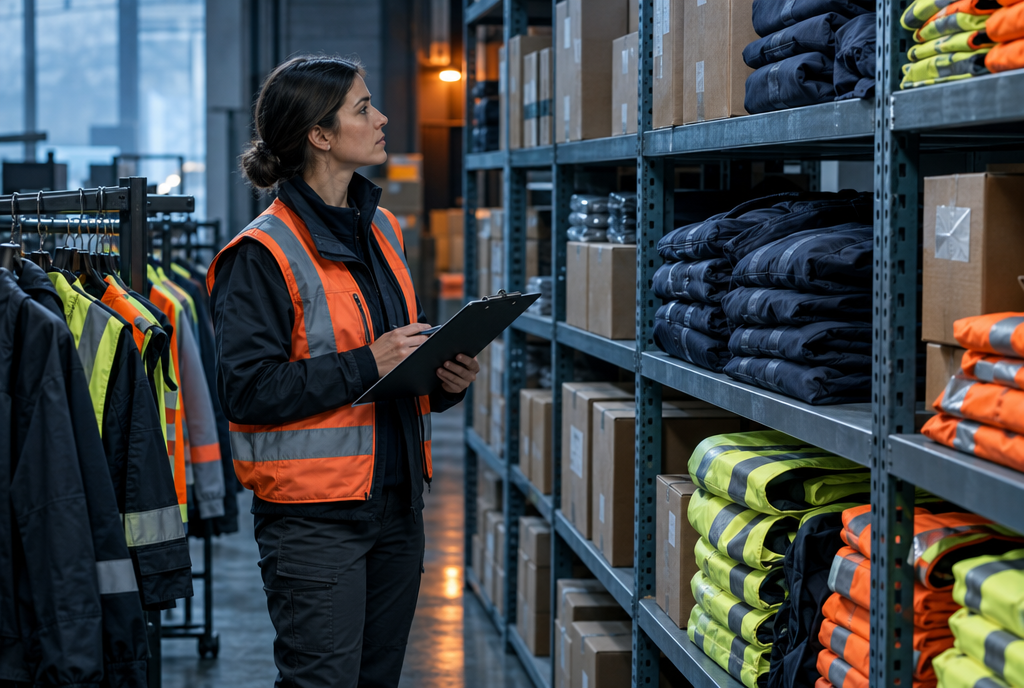
Buying thermal gear for a team: an employer's bulk purchasing guide
To buy cold weather gear for employees in bulk, start with a needs assessment by job, not a single catalog order. Run a sizing session and a short wear trial, send suppliers a written spec sheet, then negotiate minimum order quantities, warranty, returns and replacement terms. Plan laundering and, for battery-heated items, a controlled charging area before the first box arrives.
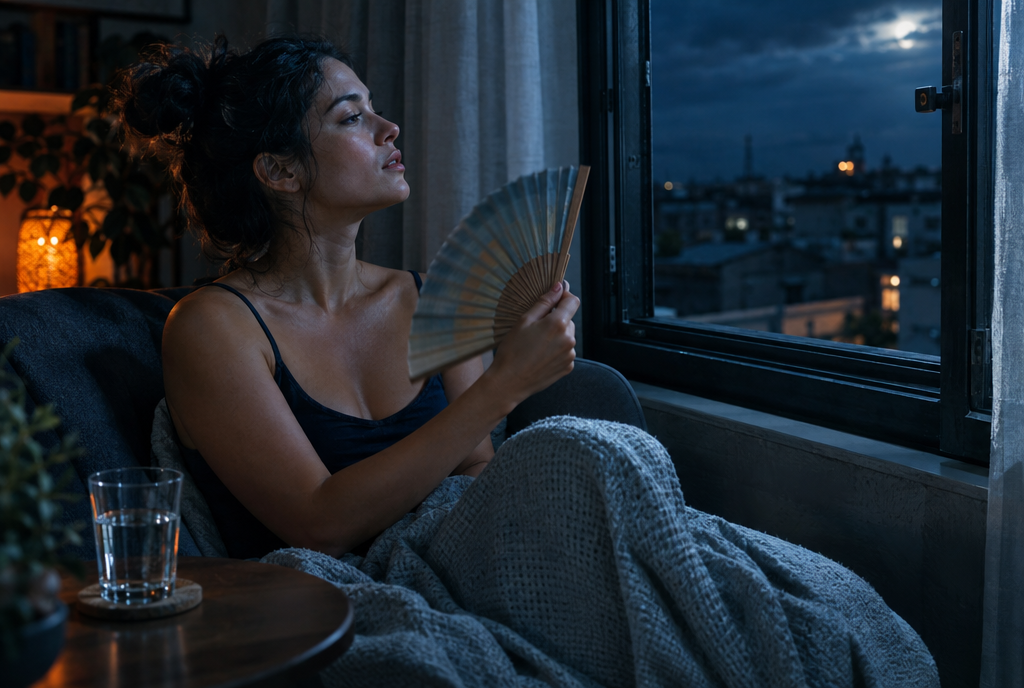
Hot flashes and personal cooling: what helps
Hot flashes happen when falling estrogen makes the brain's temperature control more sensitive, triggering sudden flushing and sweating. Fans, layers, a cool bedroom and wearable cooling can make episodes more comfortable. The evidence is clear on one point, though: The Menopause Society does not recommend cooling techniques as a treatment for hot flashes, and effective treatments exist, so bothersome symptoms deserve a clinician's input.
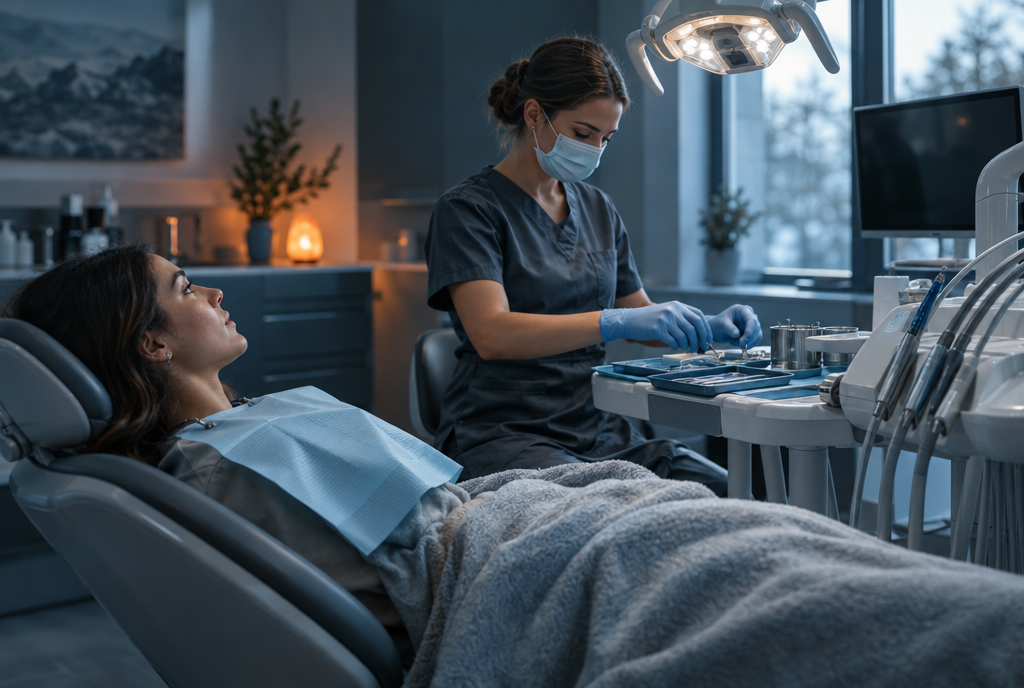
Why dental offices feel cold, and how patients and dental teams stay comfortable
Dental offices often feel cold because the room is set for a team that is moving, standing under bright lights and wearing gowns, masks, gloves and eye protection, while the patient lies still in a reclined chair. Stillness and nervousness both cool the hands and feet. Patients can bring a layer or ask for a blanket; practices can offer blankets and set zones sensibly.
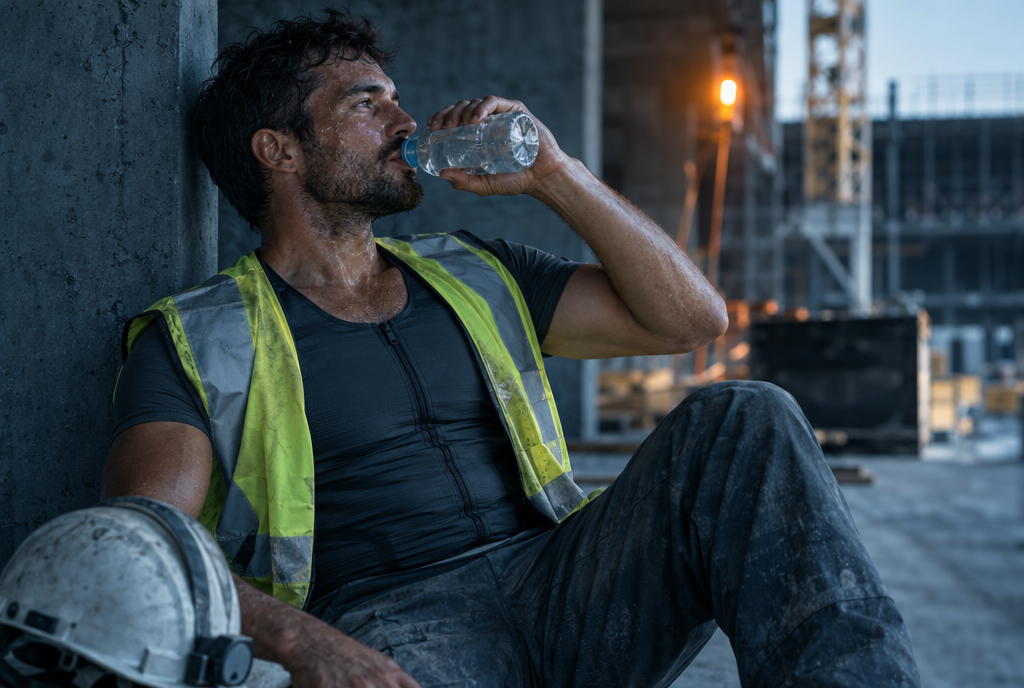
Cooling vests for construction and industrial workers
On construction and industrial sites, the most practical cooling vests are phase-change or hybrid designs with swappable packs, because they work in humid heat and under protective gear. Evaporative vests suit dry climates and light tasks. Research on construction workers suggests cooling vests are most useful during rest breaks, helping crews unload heat before the next work bout, alongside water, shade and acclimatization.
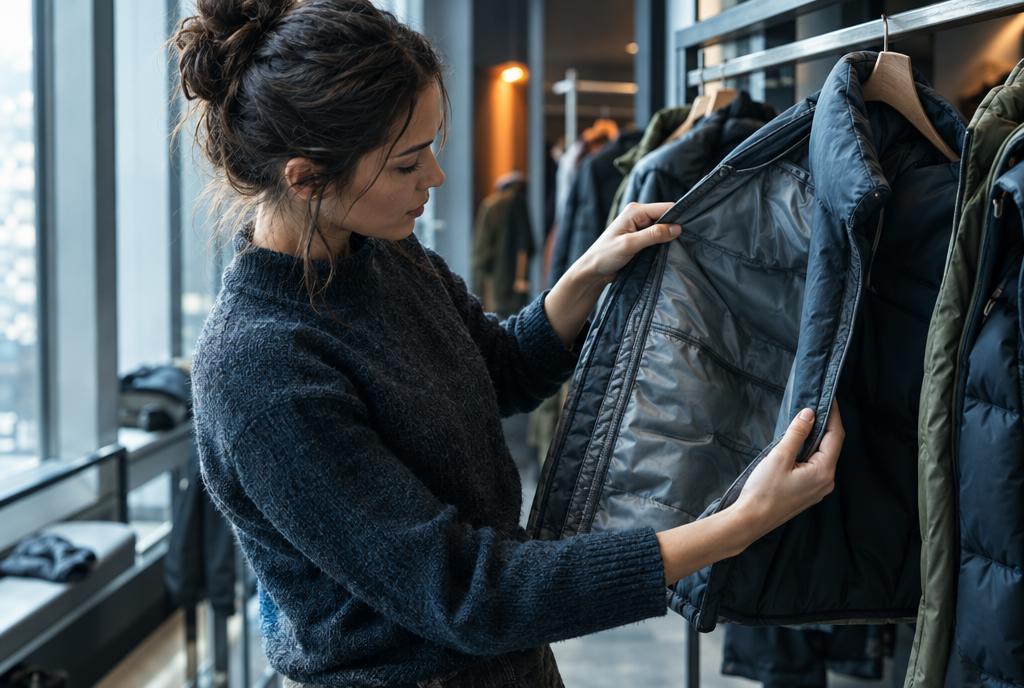
Before you buy: a checklist for any warming garment
Before buying any warming garment, check seven things: the use case, safety marks and recall history, fit over your real layers, the care label, the written warranty and return terms, whether your workplace or airline allows it, and the cost over a full season. The checklist works for heated, heat-reflective, insulated and warmer-pocket garments alike.
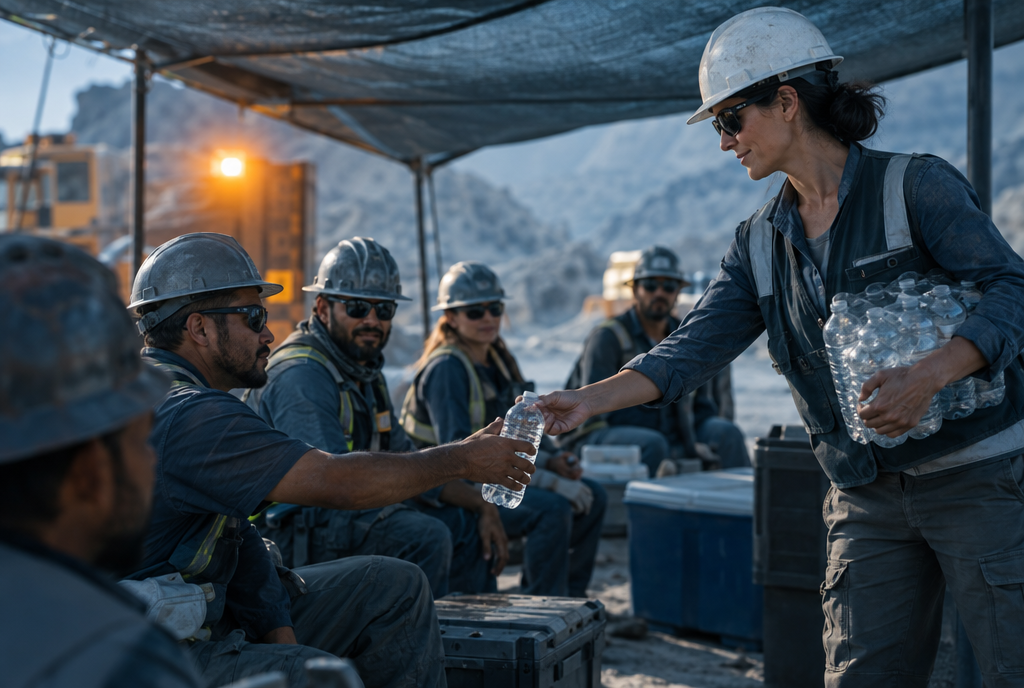
Preventing heat stress at work: guidance for employers
Employers prevent heat stress with a written plan built on water, rest, shade, gradual acclimatization, training and a ready emergency response, backed by engineering controls such as ventilation and shade. As of September 2026, OSHA's proposed federal heat rule is not final, but employers remain responsible for heat hazards under the General Duty Clause and a revised National Emphasis Program.

Why dialysis and infusion patients feel cold, and how clinics keep them comfortable
Feeling cold during dialysis is common and usually has several overlapping causes: some of your blood is circulating outside your body, the dialysate may be set slightly cool to help keep blood pressure stable, anemia reduces heat production, your access arm stays uncovered, and you sit still for hours. Infusion patients face similar factors. Layers, blankets and a word with your care team usually help.
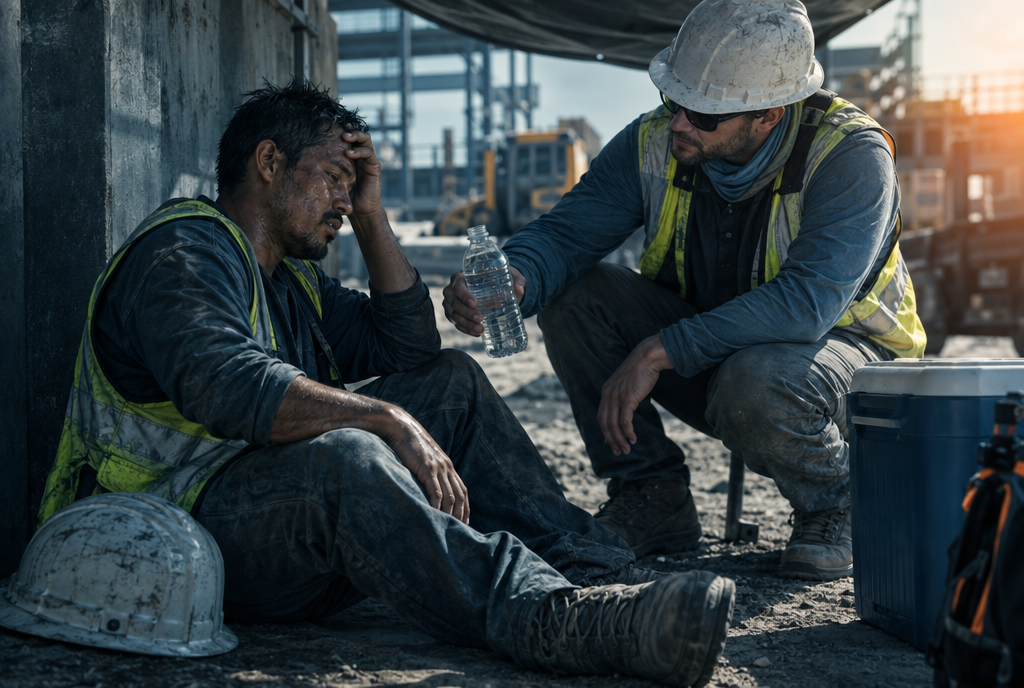
Heat stress vs heat exhaustion vs heat stroke
Heat stress is the total heat load from weather, work and clothing. Heat exhaustion is an illness it can cause, with heavy sweating, headache, nausea, dizziness and weakness. Heat stroke is a medical emergency: the body's temperature control fails, core temperature can exceed 106°F, and confusion, slurred speech, seizures or collapse follow. Suspected heat stroke means calling 911 and cooling the person immediately.
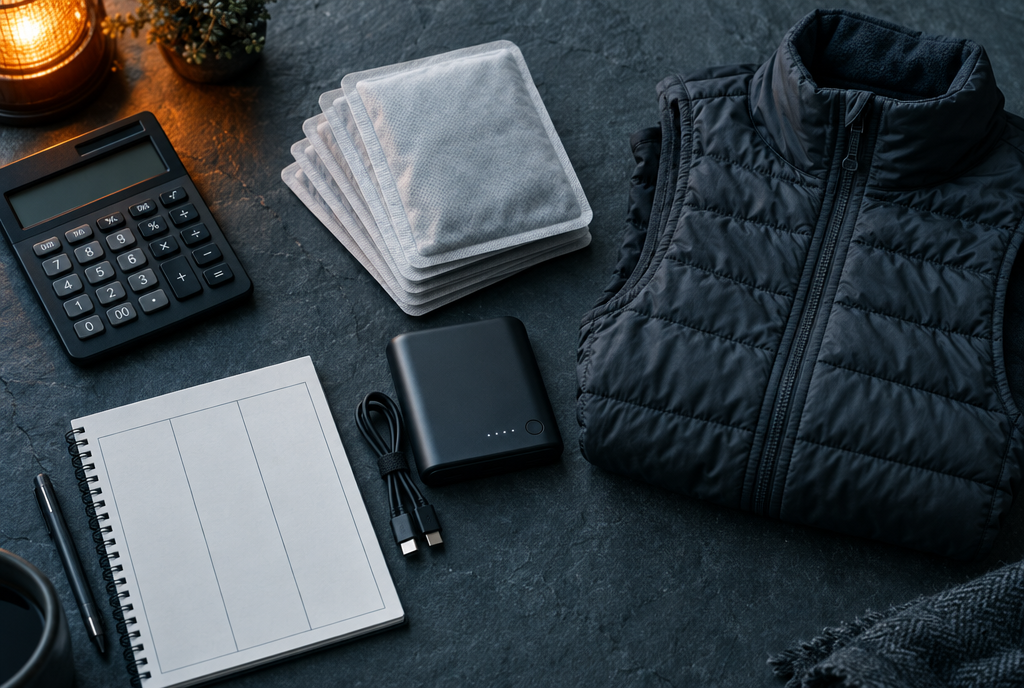
What does warmth cost per shift? Disposable warmers vs battery vs heat-reflective
Over a season, disposable warmers cost little per shift but add up with every shift, while a battery-heated vest costs more up front and very little to run. Using listed prices and a 100-shift illustrative season, one pair of warmers a shift runs about $69 to $149 per worker, and a $180 heated vest pays back in about two to three seasons.
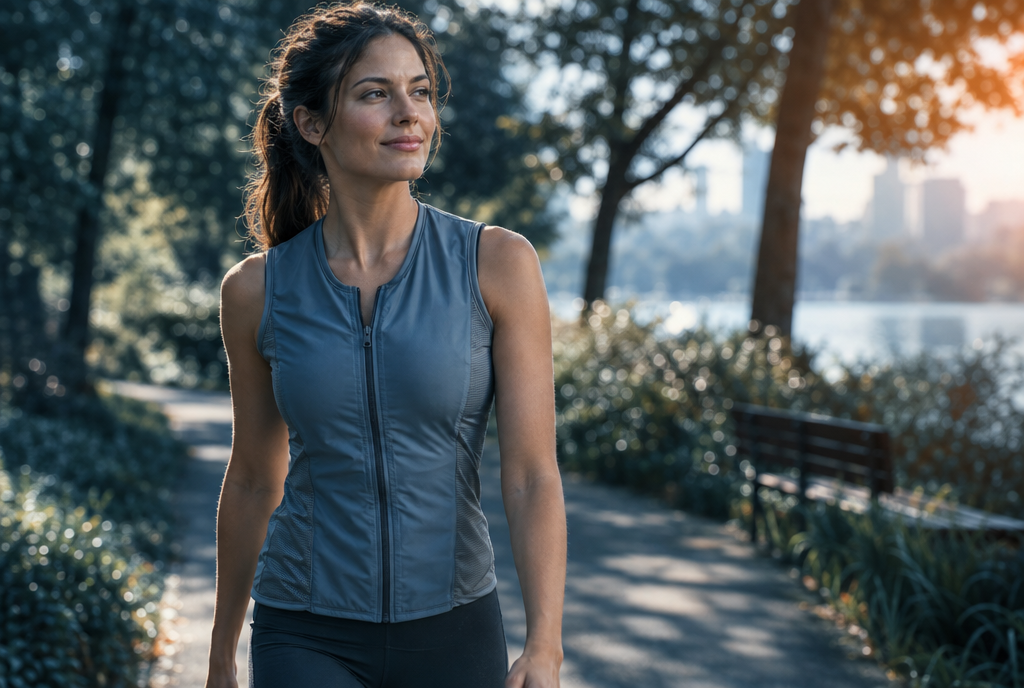
Cooling vests and heat sensitivity in multiple sclerosis
Many people with multiple sclerosis find that heat temporarily worsens their symptoms, a response called Uhthoff's phenomenon. Cooling vests help keep body temperature down and support comfort in hot weather and during exercise. A 2023 review of 13 studies found cooling garments improved walking and mobility in people with MS. Cooling supports comfort; it is not a treatment for MS itself.
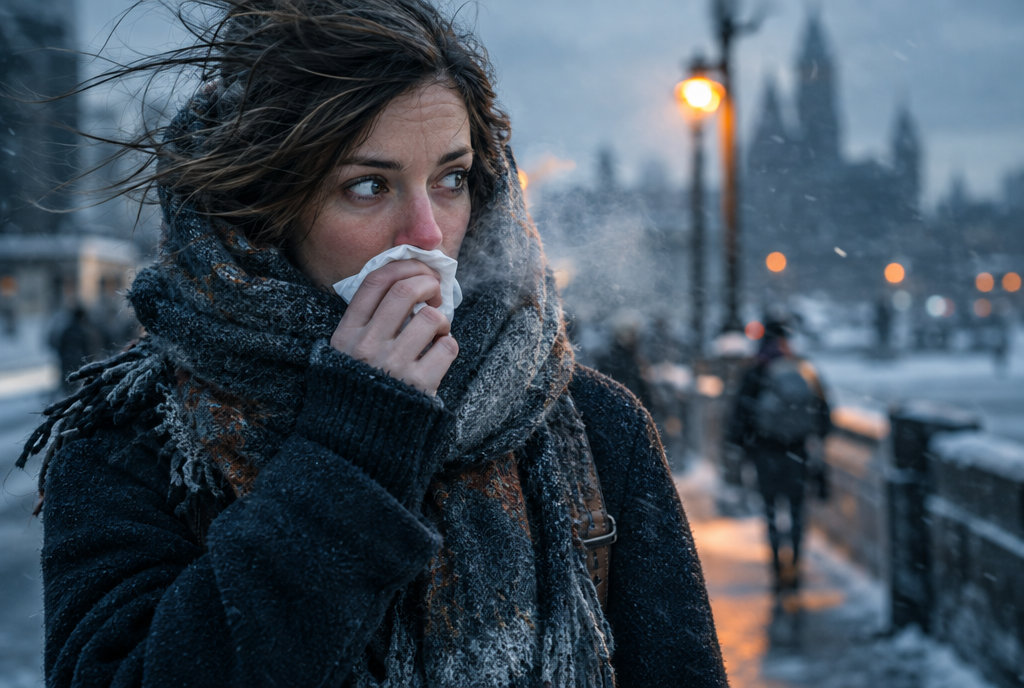
Can you catch a cold from being cold?
Partly. Being cold cannot give you a cold by itself, because colds are caused by viruses, most often rhinoviruses. But research suggests that chilling the body or the inside of the nose may weaken local defenses, making it easier for a virus you have already picked up to take hold and cause symptoms.
Phase-change cooling vests: how they work and how long they last
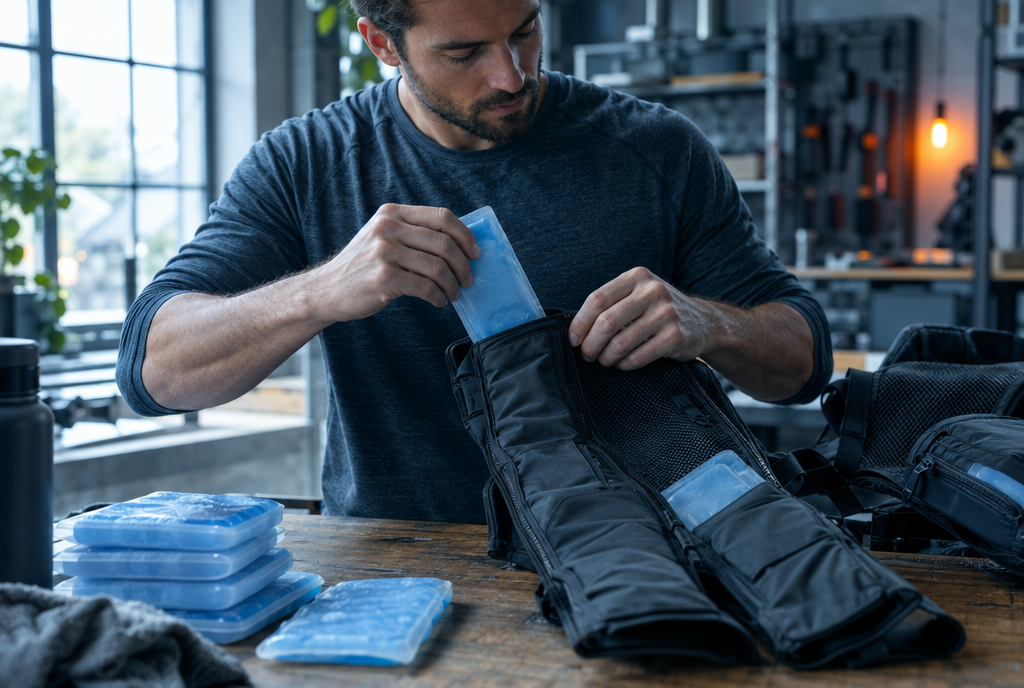
A phase-change cooling vest holds packs of a material that absorbs heat as it melts, staying at a fixed temperature, often in the 20s Celsius, until it has fully liquefied. That gives steady, comfortable cooling instead of the harsh cold of ice. Runtime depends on pack mass and heat load: in one study under a heavy protective suit at 40°C, packs lasted about 50 minutes.
How many hours of warmth do you need? Planning heat by shift length
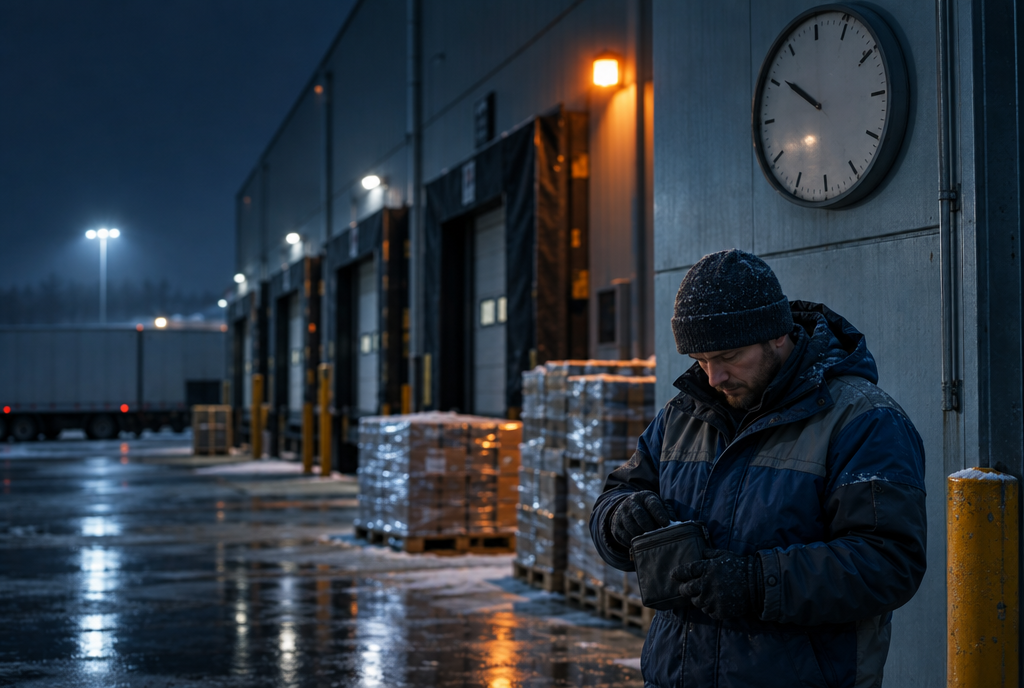
Plan warmth for the hours you are actually cold, not the length of the shift. As labeled by their makers, air-activated hand warmers run up to about 10 hours and body warmers up to 18, while one 35 Wh heated vest pack is rated at about 3 hours on high and 10 on low. Cold, heat setting and a passive base layer change those numbers.
How cooling vests work: evaporative, ice, phase-change and active
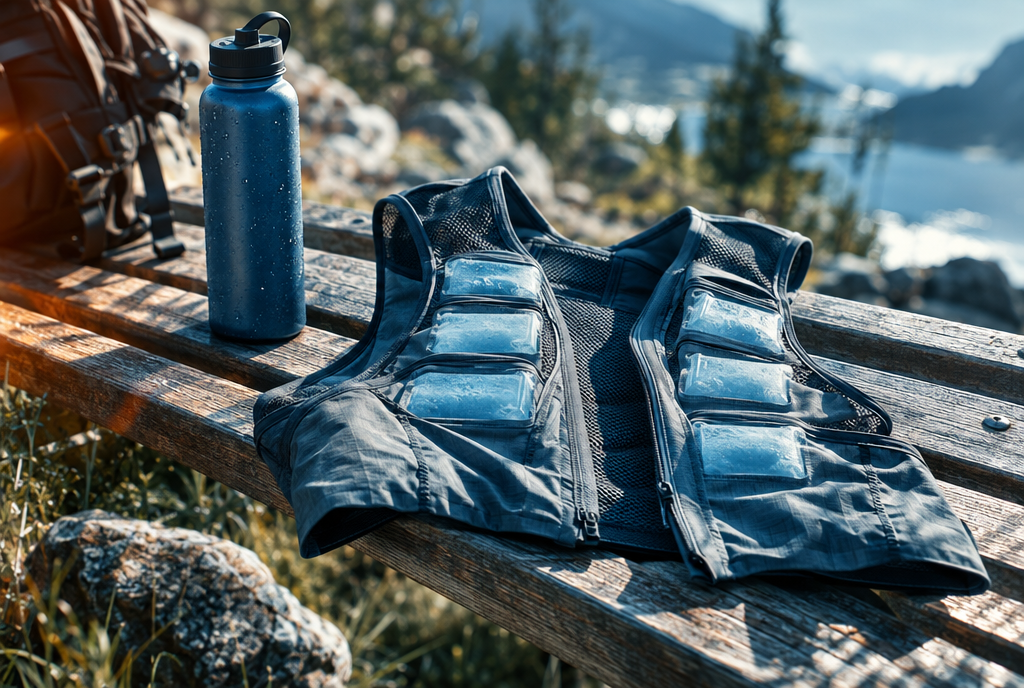
Cooling vests move heat out of the torso in one of four ways. Evaporative vests cool as soaked fabric dries. Ice and gel vests pull heat into frozen packs. Phase-change vests use packs that absorb heat while melting at a set temperature. Active vests pump chilled liquid or air through the garment. Each type trades cooling power against runtime, weight and humidity tolerance.
Do hot drinks actually warm you up?
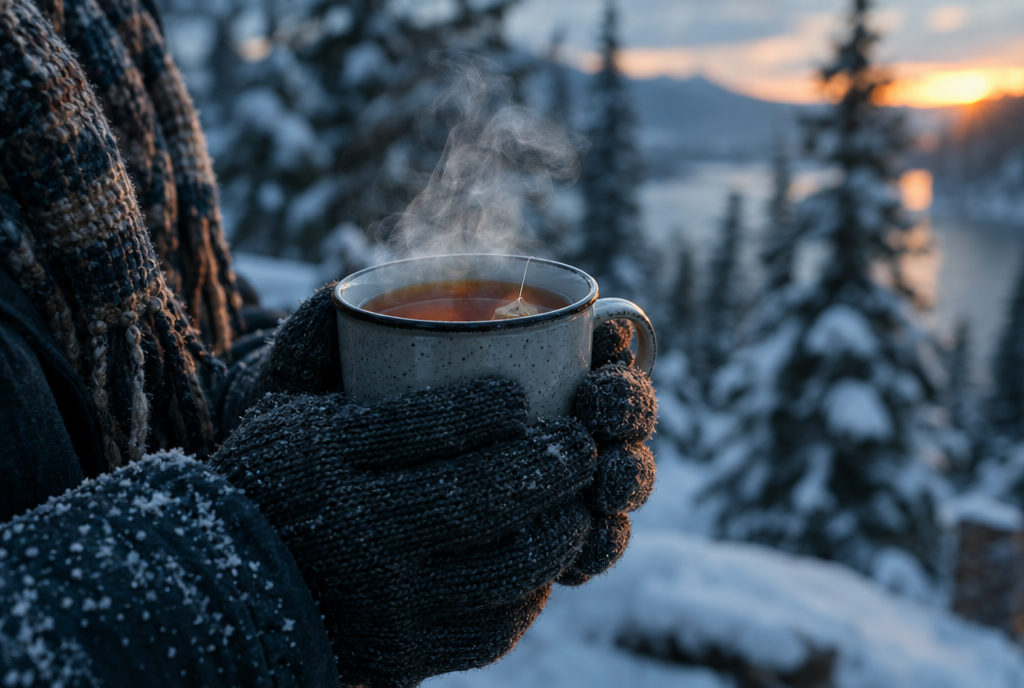
Partly true. A hot drink makes you feel warmer and adds a small amount of heat, but not enough to meaningfully raise core temperature on its own. In the cold, its comfort and, if sweetened, its calories help more than its heat. In hot, dry conditions, research suggests a hot drink can even reduce stored body heat by triggering extra sweating.

Winter hiking and camping: how to stay warm day and night
To stay warm winter camping, hike in light wicking layers so you do not sweat, then add insulation as soon as you stop. At night, insulate from the ground with sleeping pads totaling an R-value of about 5.5 or more for very cold conditions, choose a bag rated below the expected low, change into dry clothes, eat, and warm up before getting in.