
Knowledge
Sourced guides on how the body stays warm, how patients and clinicians are kept comfortable, how crews work safely in cold and heat, and how warming gear works. Pick the theme closest to your world.
Ready to choose gear? Browse all buyer’s guides →
Free tools: wind chill and frostbite calculator, cold work warm-up schedule, what to wear by temperature, which warmth setup is right for you? and the warmth runtime and cost calculator. All tools and data →
Science of Warmth
For anyone who wants to understand how the body makes, keeps and loses heat.
Start here
Popular
All Science of Warmth articles →
Healthcare
For clinicians, perioperative teams and hospital leaders.
Start here
Popular
- How to stay warm in the operating room
- What is perioperative hypothermia?
- Forced-air vs conductive warming
Work and Duty
For employers, safety leads, crews, service members and EMS.
Start here
Popular
All Work and Duty articles →
Everyday Life and Health
For people who feel the cold, and for daily life outdoors.
Start here
- Cold sensitivity and Raynaud’s
- Staying warm in everyday life
- Staying warm at home and with family
- Staying warm with a health condition or disability
Popular
All Everyday Life and Health articles →
Heat and Cooling
For hot jobs, heavy protective gear and personal heat sensitivity.
Start here
Popular
All Heat and Cooling articles →
Technology and Gear
For choosing, using and caring for warming gear.
Start here
Popular
All Technology and Gear articles →All articles
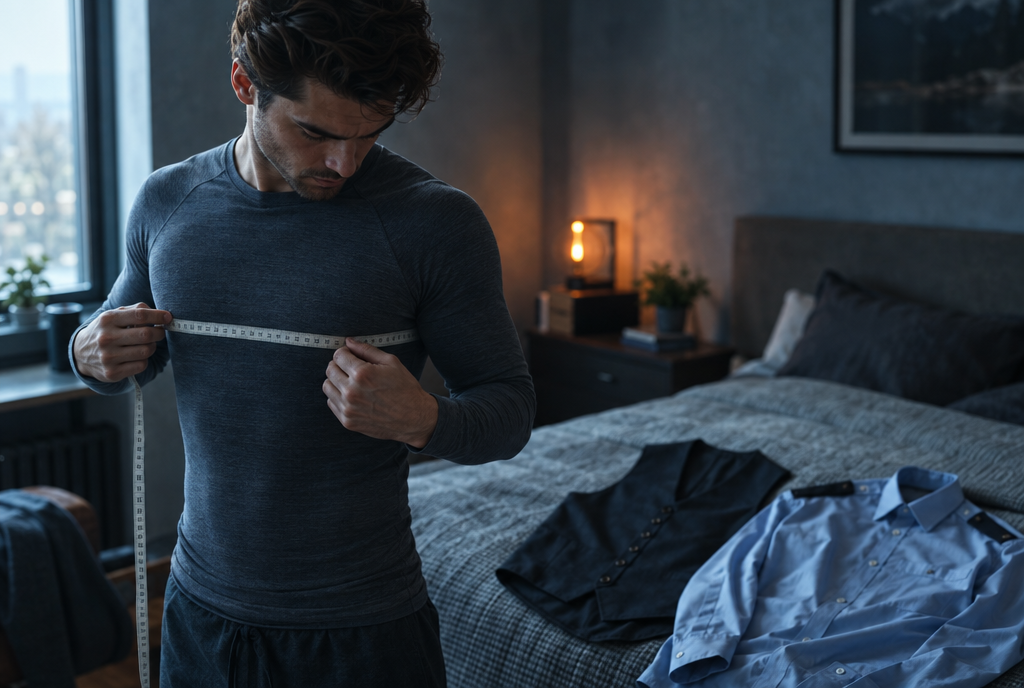
How to size a thermal vest to wear under scrubs, uniforms or body armor
To size a thermal vest for wear under scrubs, a uniform or body armor, measure your chest at its fullest point over the base layer you will actually wear, then compare it with the maker's chart. Aim for close contact without compression, a length that stays tucked under the outer layer, and no added bulk that changes how scrubs or armor fit.
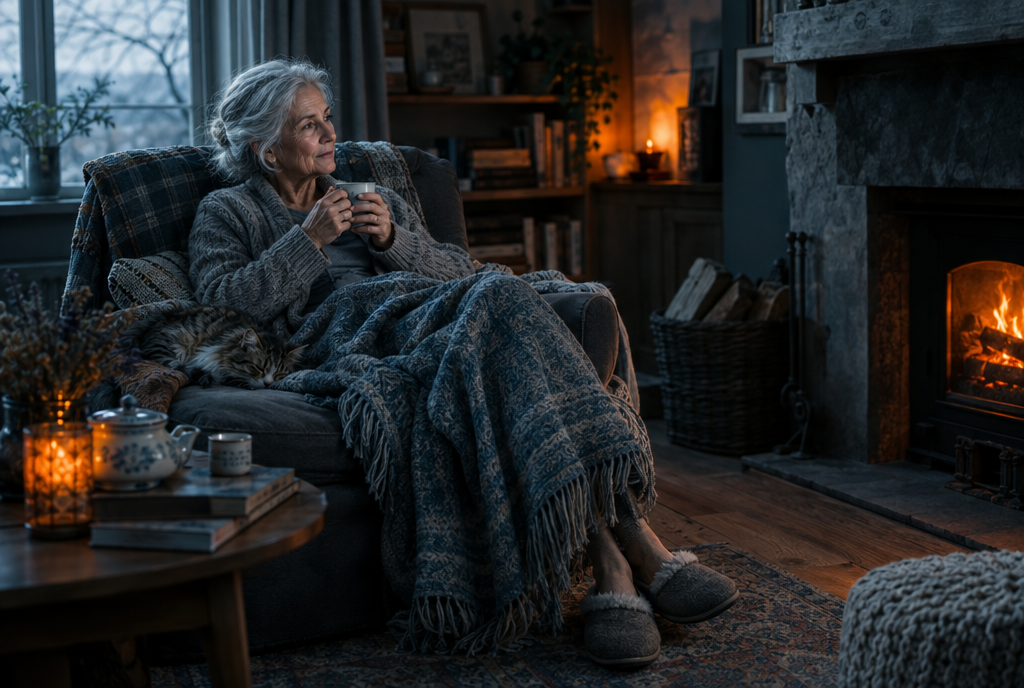
How to keep an elderly person warm safely
To keep an elderly person warm safely, keep the home heated to at least 68 to 70°F, dress them in loose layers with socks, slippers and a hat, and offer warm meals and drinks. Check on them often, because older adults can develop hypothermia indoors without noticing. Use heating pads, electric blankets and heaters cautiously, since reduced sensation and some medications raise the risk of burns.
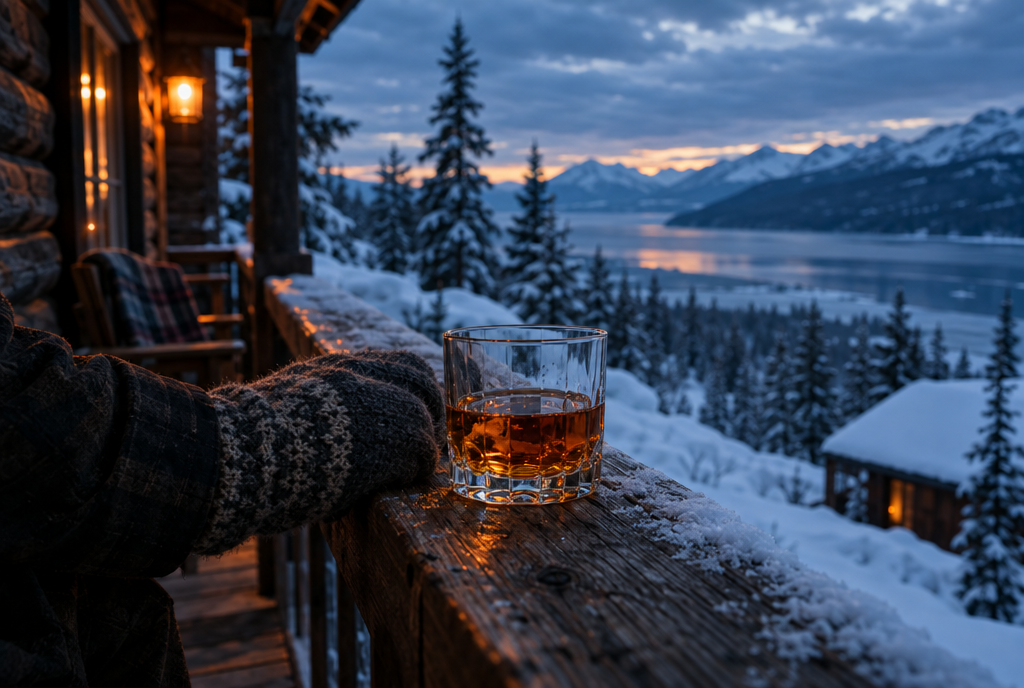
Does alcohol warm you up? What drinking does to body heat
No. Alcohol makes you feel warmer, but it does not warm you up. It widens blood vessels in the skin, which brings warm blood to the surface and creates a flush of warmth while your core loses heat faster. It also dulls the brain's temperature control and can weaken shivering, which raises the risk of hypothermia in the cold.

How to stay warm at work in a cold office
To stay warm in a cold office, add a thin base layer under your work clothes, keep a vest or cardigan at your desk, and wear warm socks and closed shoes. Warm your hands with a hot drink, take short walking breaks, and move away from vents. If you want a space heater, check your workplace rules first, and raise persistent cold with facilities.

How to get a thermal vest approved for use in the OR or clinical areas
To get a thermal vest approved for the OR or other clinical areas, start with your facility's written attire policy. Then take a short, documented request to the people who own each question: infection prevention for fabric and laundering, perioperative leadership for where it may be worn, value analysis for unit purchases, and biomedical or safety staff for anything with a battery.
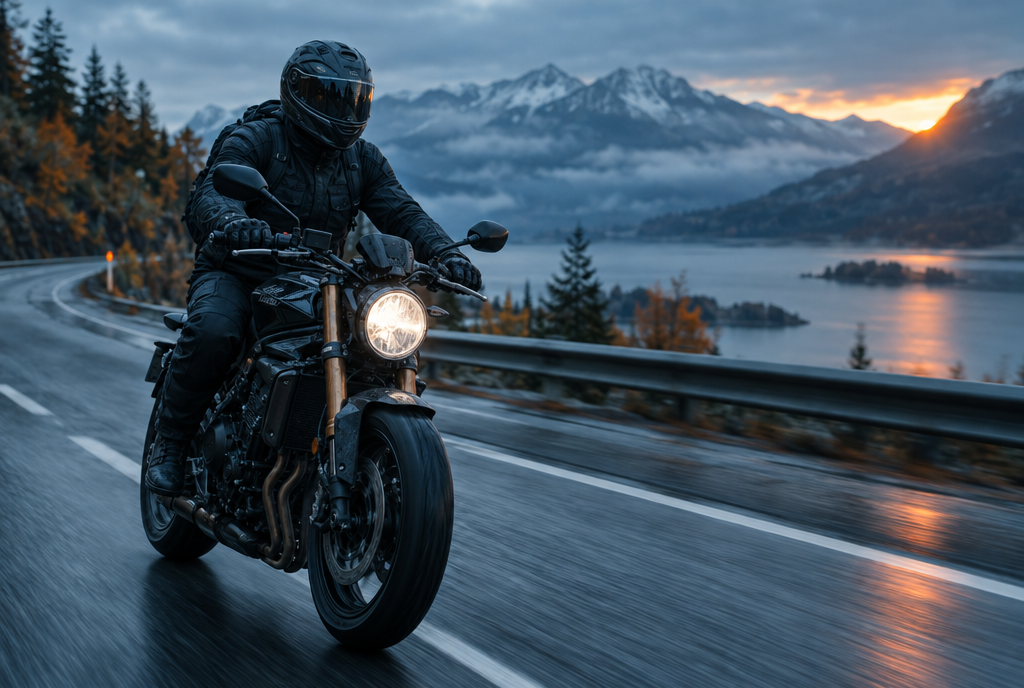
Riding a motorcycle in the cold: warmth and heated gear
Riding in the cold is harder than it feels at a standstill because speed creates its own wind chill. Stay warm by blocking wind completely with a windproof outer layer, layering insulation underneath, sealing gaps at the neck and wrists, and adding heated gear for long rides. Cold slows reaction time, so if you start shivering or feel clumsy, get off the road and warm up.
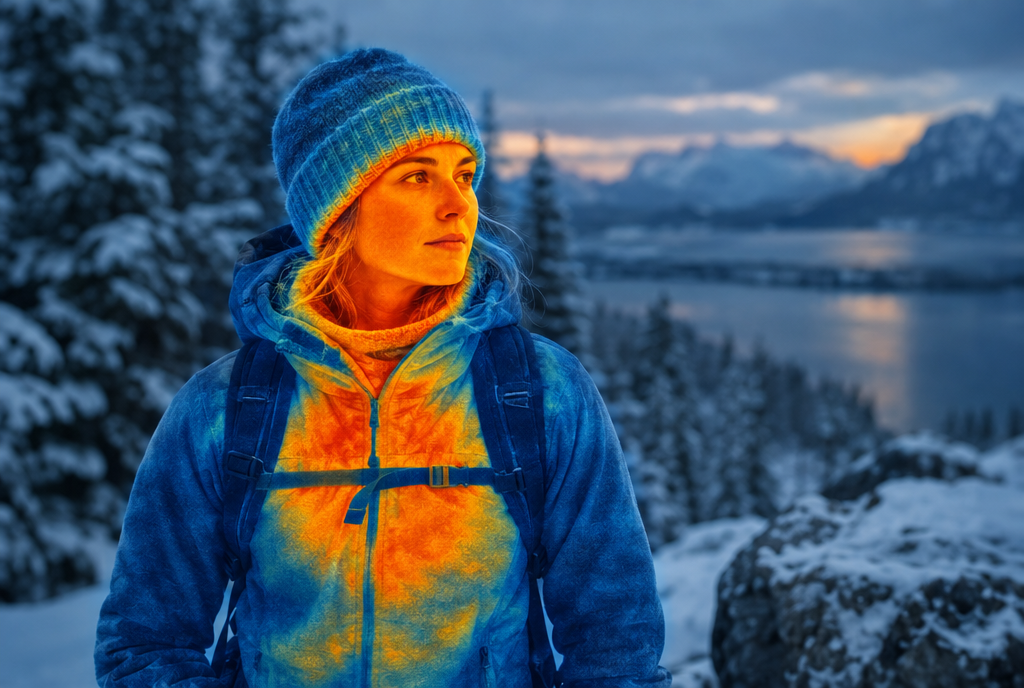
Do you lose most of your body heat through your head?
No. You do not lose most of your body heat through your head. An uncovered head loses heat at roughly the same rate as any other patch of exposed skin, so its share is close to its share of your surface area, often cited as about 7 to 10 percent. A hat still matters when the head is the main part left bare.
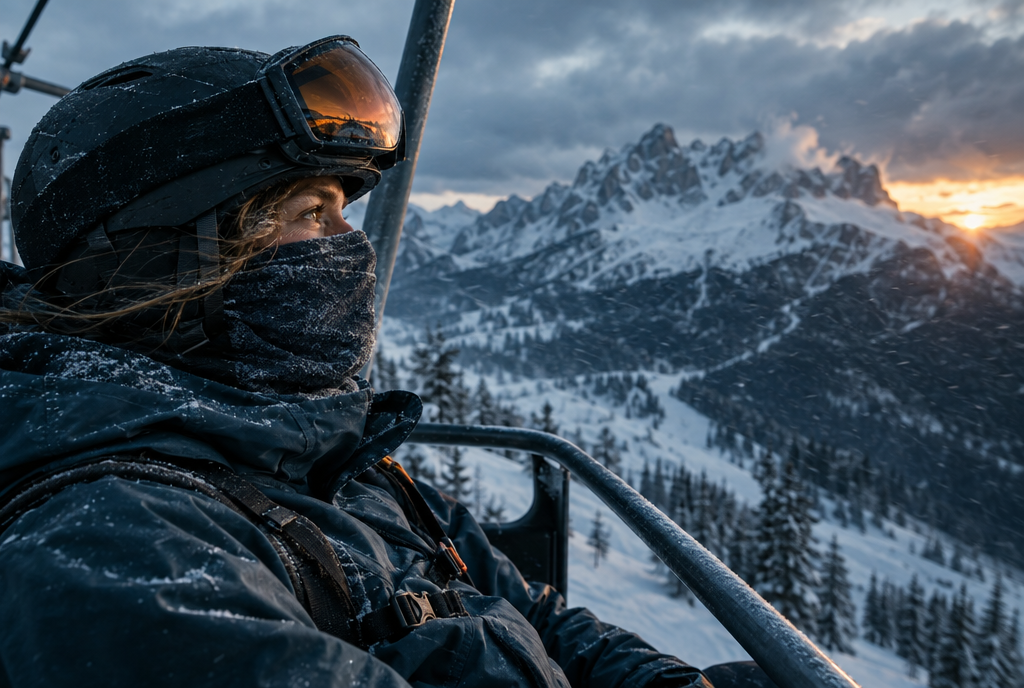
Staying warm skiing and snowboarding without overheating
To stay warm skiing without overheating, wear a wicking merino or synthetic base layer, a light insulating mid layer, and a waterproof shell with vents, then adjust with zippers rather than extra bulk. Open vents on hard runs and close everything plus a neck gaiter for the lift. Wear one pair of thin ski socks, mittens on cold days, and never cotton.
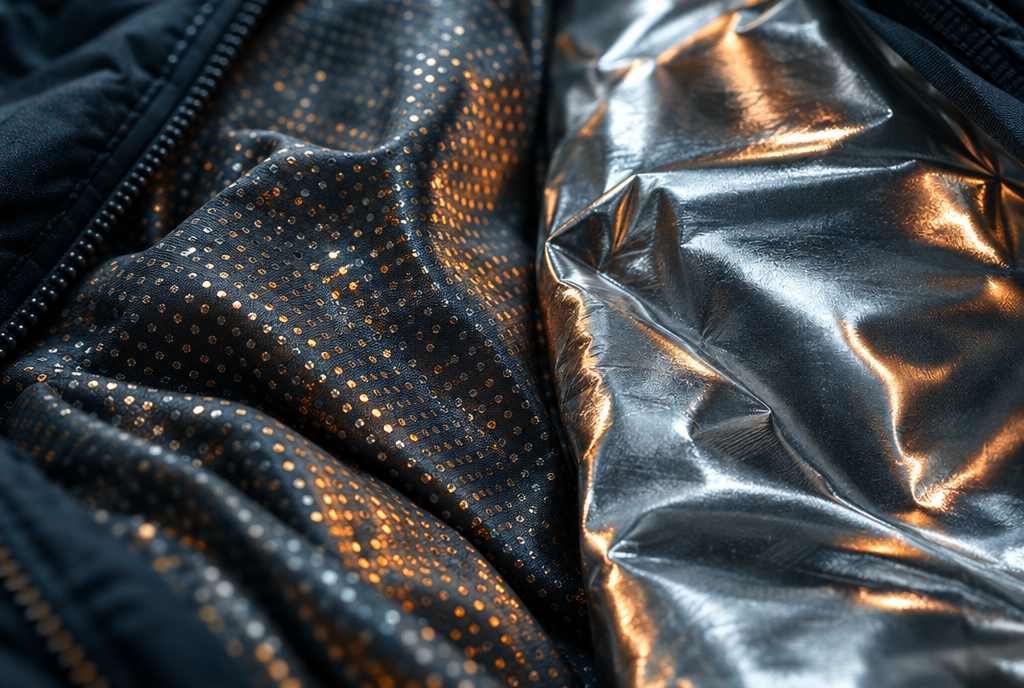
Heat-reflective jacket linings compared: dots, full foil and film
Heat-reflective linings differ mainly in how much of the surface is metal. Dot patterns trade some reflection for breathability, continuous metallized layers reflect more but can trap sweat unless perforated or breathable, and laminated films sit between the two depending on construction. Judge any lining by its metal coverage, a stated emittance measured to a named test method, and how it handles moisture.
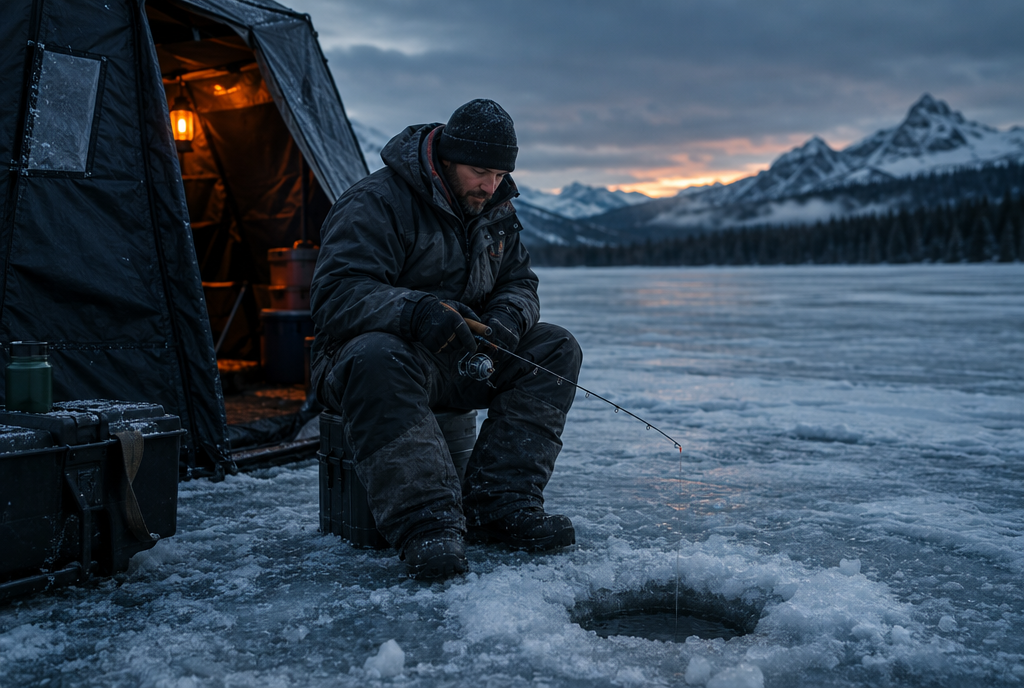
How to stay warm ice fishing
To stay warm ice fishing, dress in wicking, insulating and windproof layers, wear insulated rubber-soled boots with wool socks, and get off the ice surface by standing or sitting on insulation. Block the wind with a shelter, keep your hands dry, and eat and drink regularly. If you use a heater, choose one rated for indoor use, ventilate, and run a carbon monoxide detector.
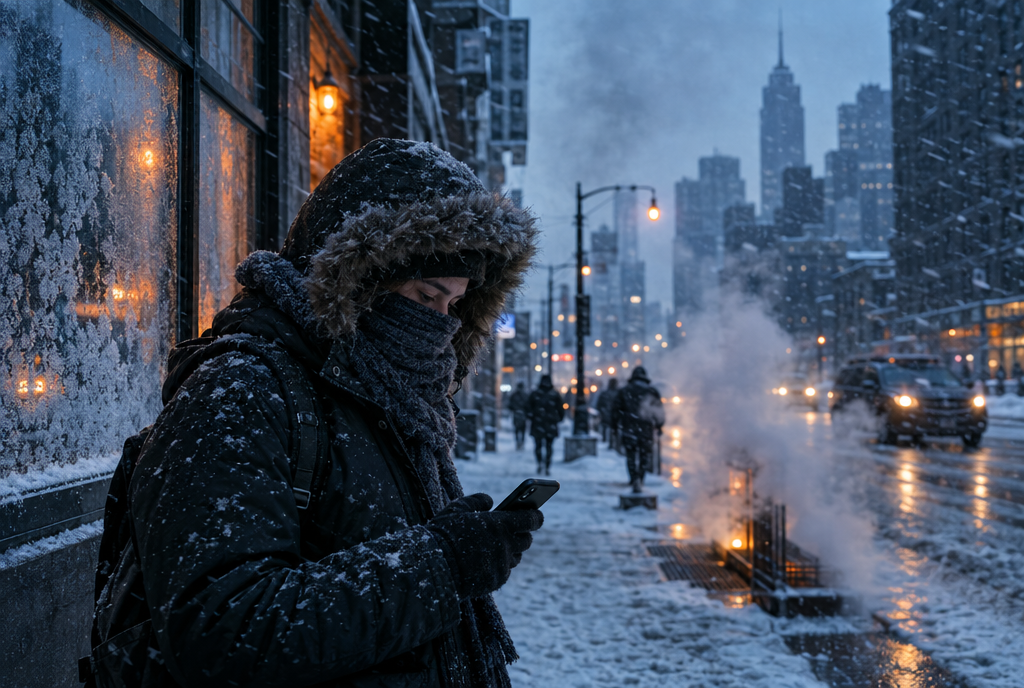
Extreme cold warnings explained: what the alerts mean and what to do
An Extreme Cold Warning is the National Weather Service's most serious cold alert. It means dangerously cold air temperatures or wind chills are expected or already happening. Avoid going outside; if you must, dress in layers, cover all exposed skin and tell someone where you are. A watch means the danger is possible, and an advisory means hazardous cold below warning level.
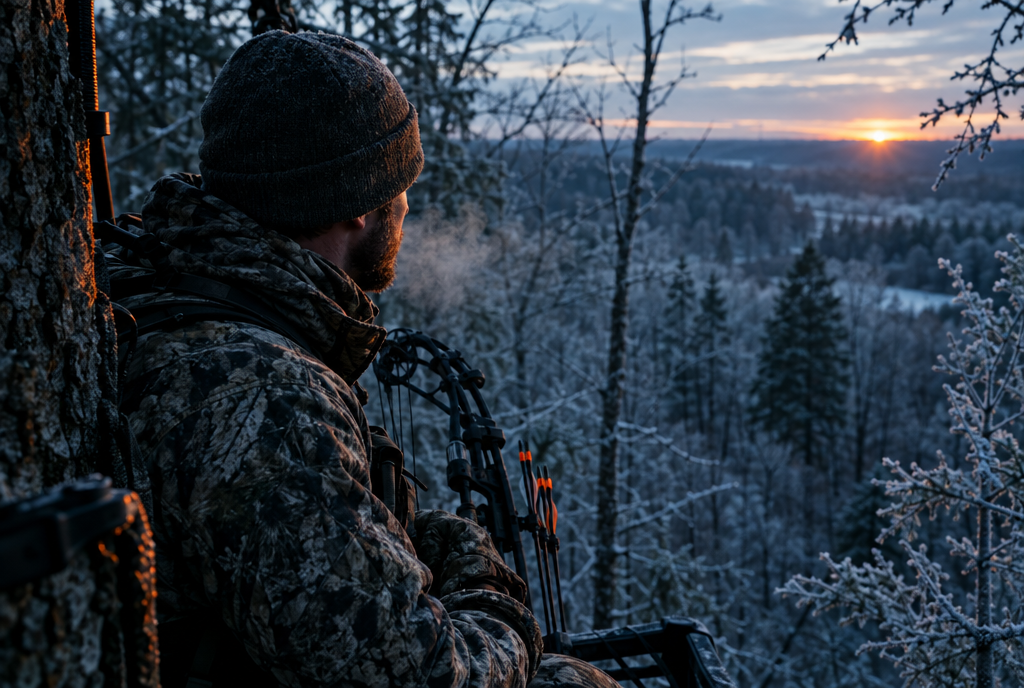
How to stay warm while hunting, from treestand to blind
To stay warm while hunting, walk in cool and carry your insulation, because sweat soaked into clothing on the approach is what chills you later on stand. Once you sit, add a windproof insulated layer, a hat, and warm boots, and use hand and toe warmers before your extremities get cold. Eat, drink, and get up and move if you start shivering hard.
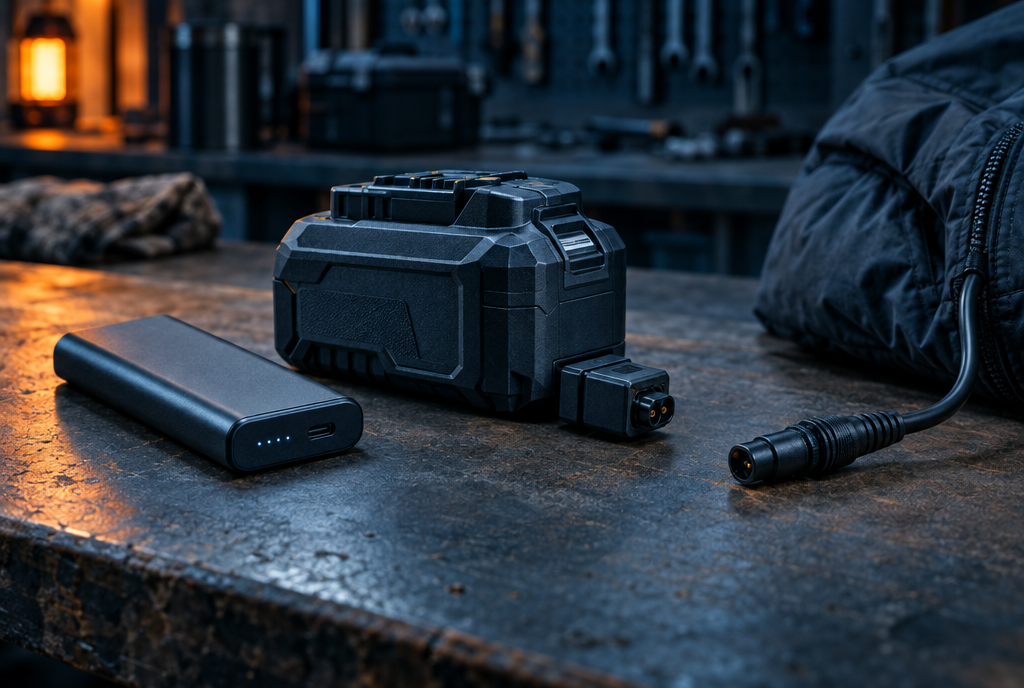
7.4V vs 12V heated gear: is more voltage better?
Not by itself. Heat output depends on watts, which designers can reach at 7.4V or 12V. A 12V system often supports more heating zones or higher peak output, and tool-battery gear lets you share packs, but runtime depends on watt-hours divided by watts, not voltage. Choose on rated watts, pack watt-hours, weight, and the battery ecosystem you already own.
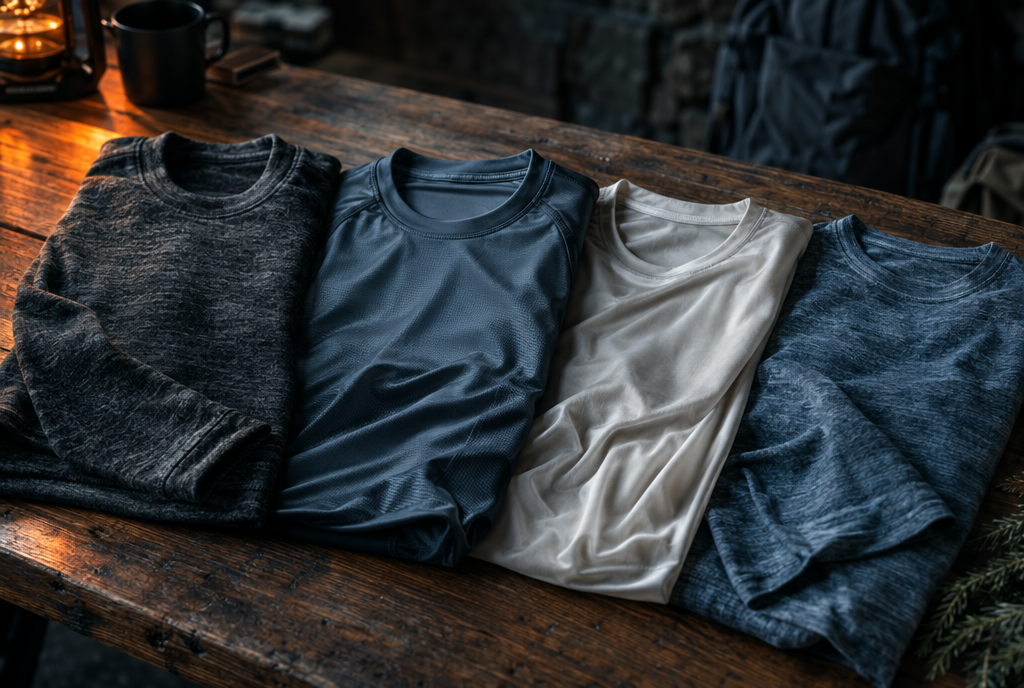
Base layer materials compared: merino, synthetic, silk and cotton
The best base layer for cold weather is merino wool or a synthetic such as polyester, chosen by activity. Synthetics wick sweat fastest and dry quickest, so they suit hard exertion. Merino feels warm when slightly damp and resists odor over several days of wear. Silk is light and soft for low-exertion use. Cotton holds moisture and dries slowly, so avoid it in the cold.
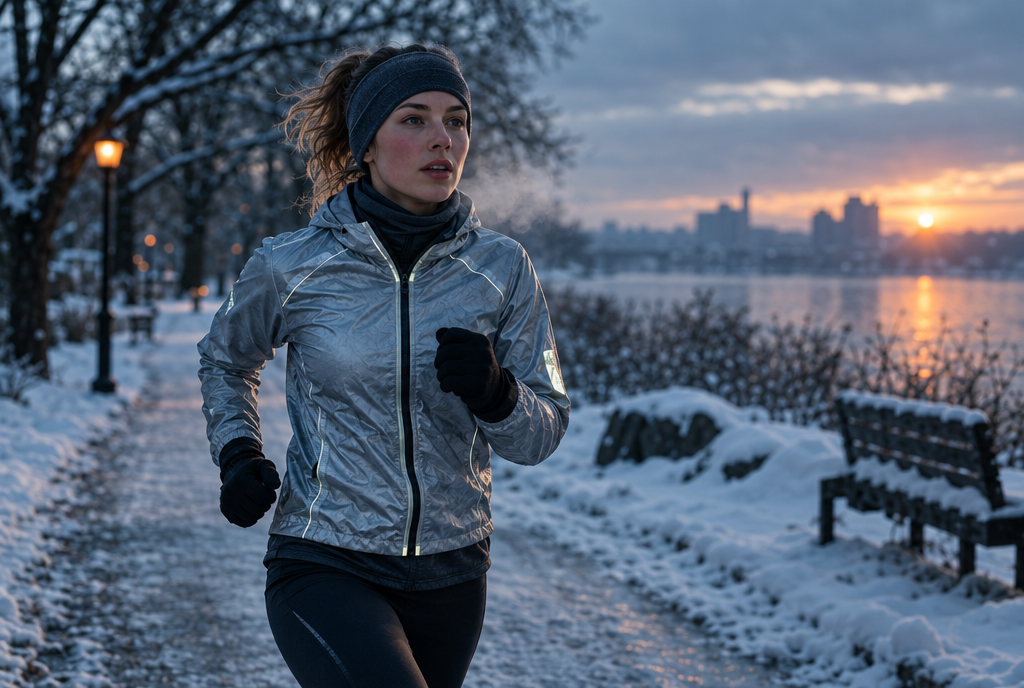
Winter running and walking: how to layer for the cold
For cold-weather running, dress as if it is about 20 degrees warmer than the actual temperature, so you feel slightly chilly at the start. Wear a wicking base layer, an insulating layer as it gets colder, and a wind-resistant shell, plus gloves and a hat below about 40°F. Walkers make less heat, so they need warmer layers than runners.
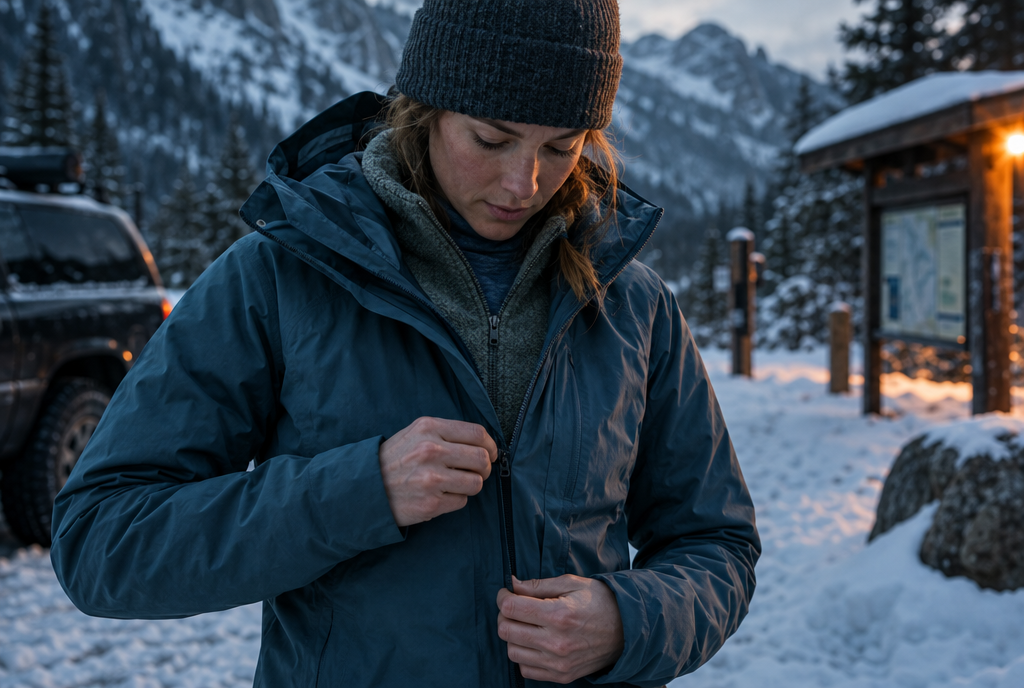
How to layer for cold weather: base, mid and shell
Layering for cold weather means wearing three kinds of clothing that each do one job. A snug base layer moves sweat off your skin, an insulating mid layer such as fleece, down or synthetic fill holds warm air, and an outer shell blocks wind and precipitation. Because each layer comes off or goes on independently, you can stay warm without getting soaked in sweat.
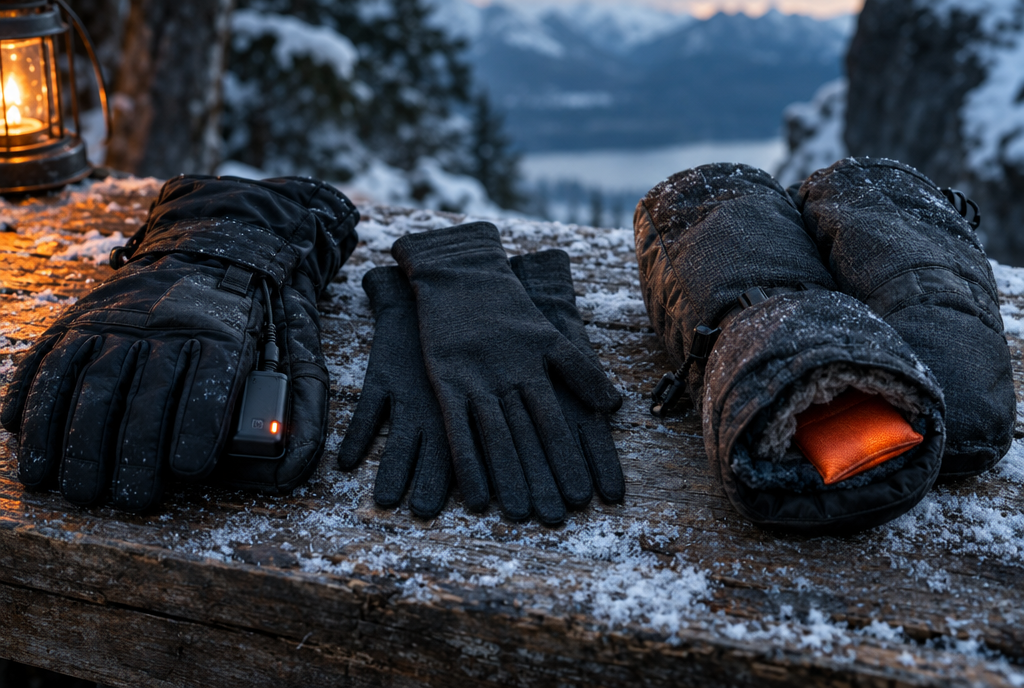
Heated gloves vs glove liners vs mittens with warmer pockets
Choose on how much finger work you do. Heated gloves give adjustable heat with moderate dexterity but add battery weight and cost. Glove liners keep fingers covered for fine tasks but add little warmth alone. Mittens with a warmer pocket are the warmest simple option for waiting and walking, with the least dexterity. Many people use a liner under a mitten and add heat when needed.

How clothing warmth is tested: hot plates, manikins and emittance
Clothing warmth is tested at three levels. Fabrics are measured on sweating guarded hotplates (ISO 11092) for thermal and vapor resistance. Complete outfits are measured on heated thermal manikins (ASTM F1291, ISO 15831), with results in clo. Heat-reflective surfaces are rated for emittance with instruments such as portable emissometers (ASTM C1371). Each test answers a different question.
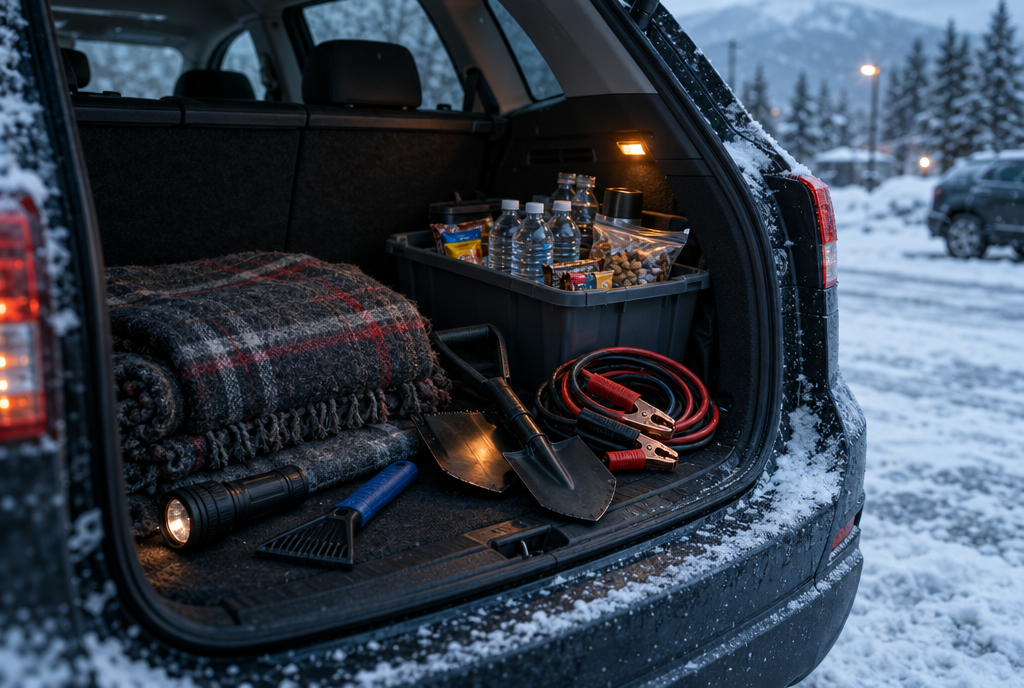
Winter car emergency kit: what to keep in your car
A winter car emergency kit should keep you warm, visible and able to get moving: blankets or a sleeping bag, extra hats, mittens and boots, water and snacks, a flashlight, a phone charger, a first aid kit, a shovel, an ice scraper, sand or kitty litter, jumper cables and flares or reflective triangles. If stranded, stay with the car and keep the tailpipe clear.
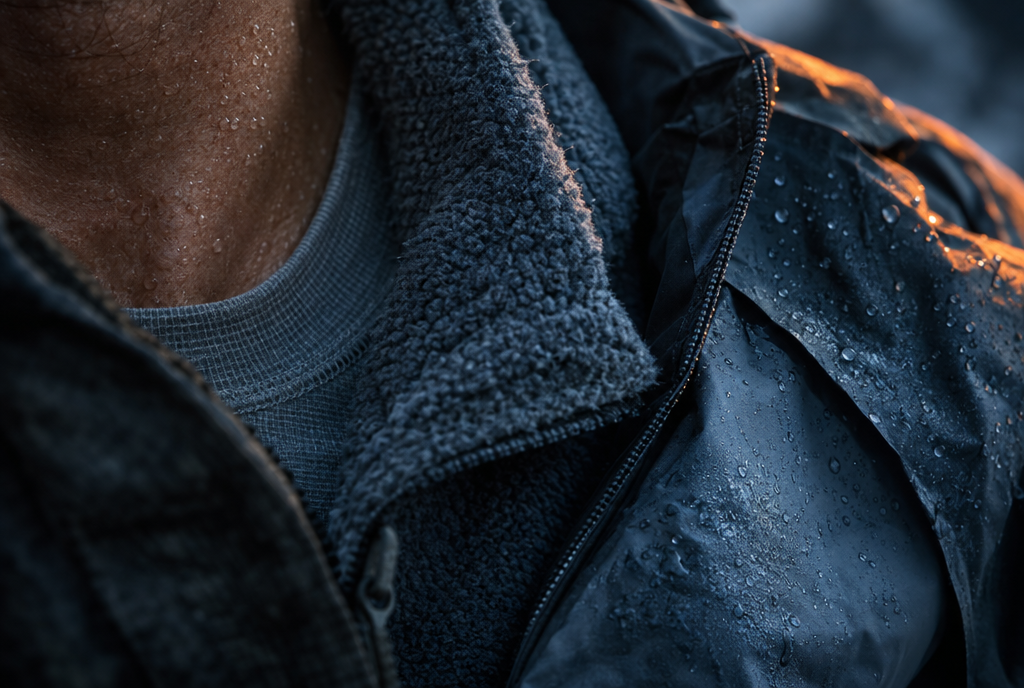
The clothing microclimate: the air layer that decides how warm you feel
The clothing microclimate is the thin layer of air trapped between your skin and your clothing. Its temperature, humidity and thickness largely decide how warm and dry you feel. Comfortable conditions are often described as about 32°C and 50% relative humidity. Still air in gaps of up to about a centimeter insulates well; wind, movement and moisture disrupt it.