
Knowledge
Sourced guides on how the body stays warm, how patients and clinicians are kept comfortable, how crews work safely in cold and heat, and how warming gear works. Pick the theme closest to your world.
Ready to choose gear? Browse all buyer’s guides →
Free tools: wind chill and frostbite calculator, cold work warm-up schedule, what to wear by temperature, which warmth setup is right for you? and the warmth runtime and cost calculator. All tools and data →
Science of Warmth
For anyone who wants to understand how the body makes, keeps and loses heat.
Start here
Popular
All Science of Warmth articles →
Healthcare
For clinicians, perioperative teams and hospital leaders.
Start here
Popular
- How to stay warm in the operating room
- What is perioperative hypothermia?
- Forced-air vs conductive warming
Work and Duty
For employers, safety leads, crews, service members and EMS.
Start here
Popular
All Work and Duty articles →
Everyday Life and Health
For people who feel the cold, and for daily life outdoors.
Start here
- Cold sensitivity and Raynaud’s
- Staying warm in everyday life
- Staying warm at home and with family
- Staying warm with a health condition or disability
Popular
All Everyday Life and Health articles →
Heat and Cooling
For hot jobs, heavy protective gear and personal heat sensitivity.
Start here
Popular
All Heat and Cooling articles →
Technology and Gear
For choosing, using and caring for warming gear.
Start here
Popular
All Technology and Gear articles →All articles
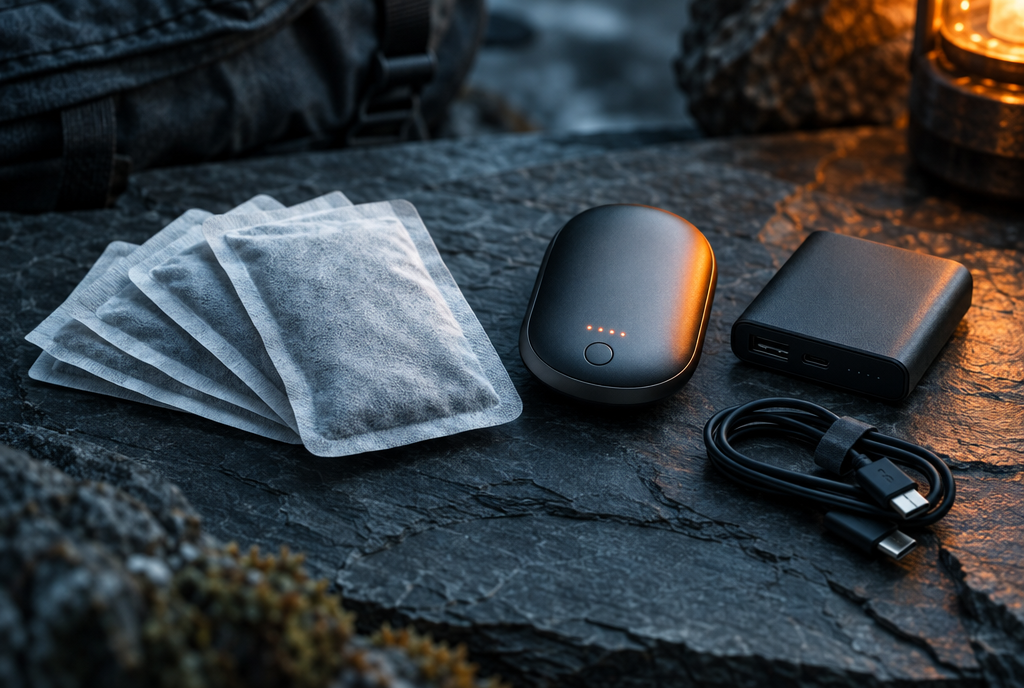
Battery heat vs air-activated warmers: cost and runtime compared
If you use warmers only a few days a year, air-activated packs cost less and need no charging. If you use them most days of the season, rechargeable battery warmers usually pay for themselves within about 50 to 100 days of use, because a charge costs under a cent. The trade-offs are shorter runtime per charge, cold-weather battery loss and battery disposal.
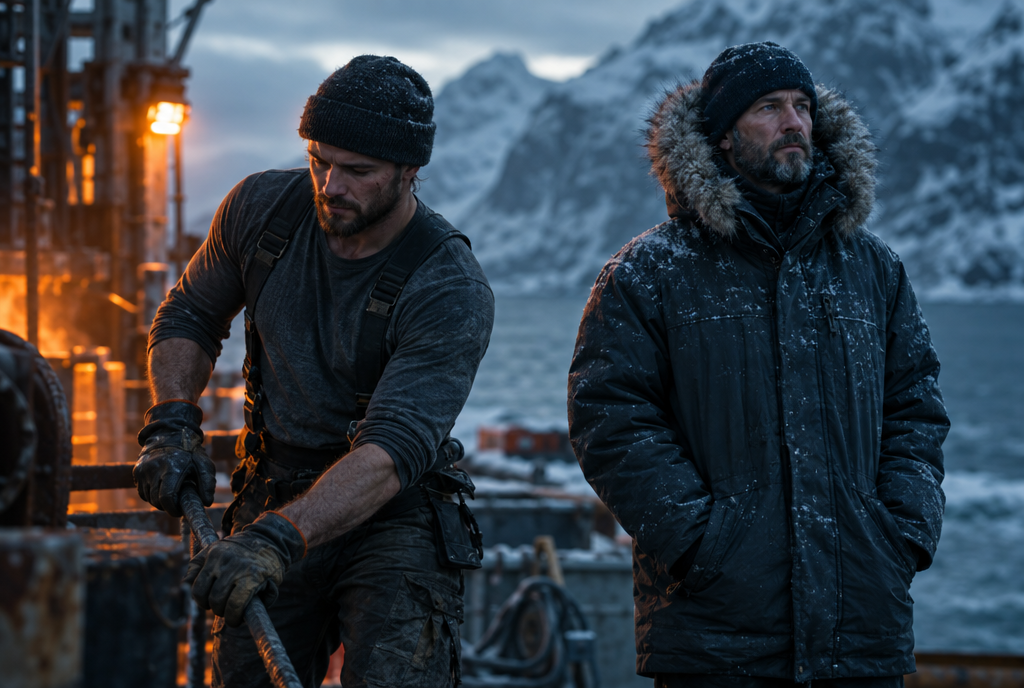
Military cold-weather layering principles for any cold job
Military cold-weather layering rests on one idea: stay warm without getting wet. The Army's COLD rule says keep clothing clean, avoid overheating, wear it loose and in layers, and keep it dry. In practice that means a wicking base, removable insulation, a wind or waterproof shell, and a heavy insulated layer added only when you stop moving.
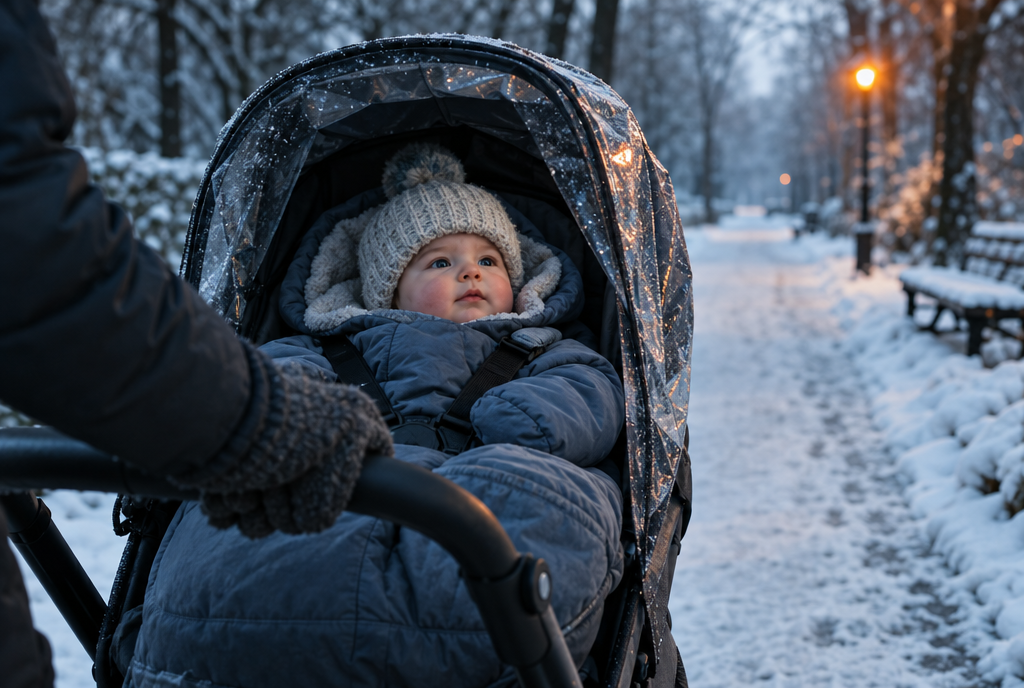
How to dress a baby for cold weather, outdoors and at night
The American Academy of Pediatrics (AAP) says a baby only needs one more layer than you would wear in the same environment. Outdoors, add a hat, mittens and booties. For sleep, use layers or a wearable blanket instead of loose blankets, and do not put a hat on your baby indoors. Watch for sweating, a hot chest or flushed skin, which signal overheating.
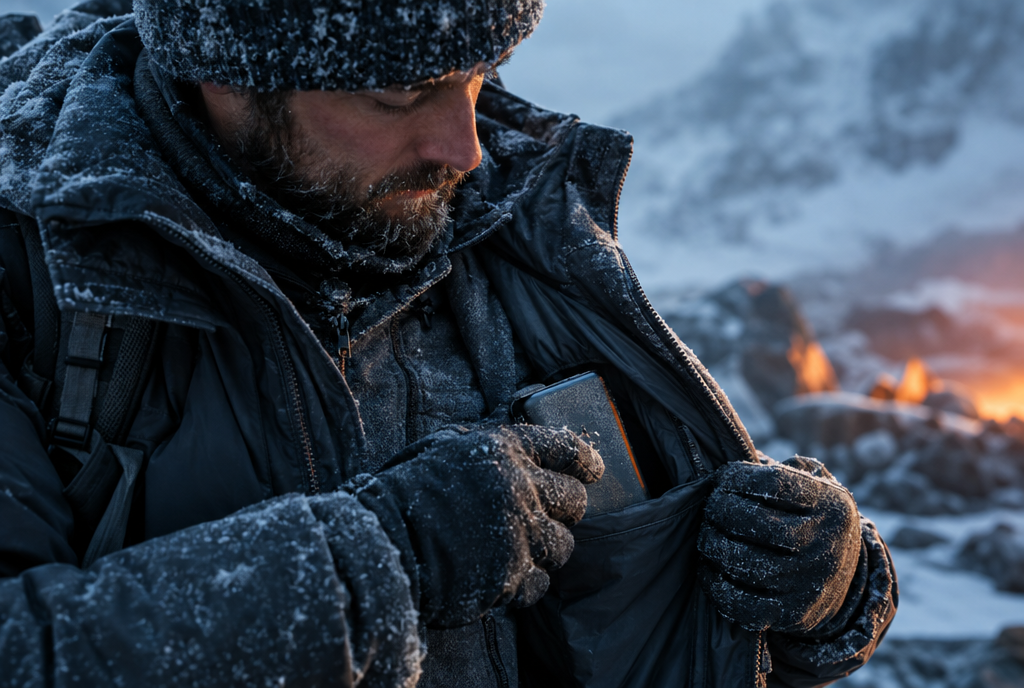
How cold affects batteries in wearables and field gear
Cold slows the chemistry inside a battery, so it delivers less capacity and power until it warms up. Battery University reports that a battery giving full capacity at 27 °C typically gives about half at minus 18 °C. The loss is mostly temporary, but charging lithium-ion cells below freezing can cause permanent damage through lithium plating.
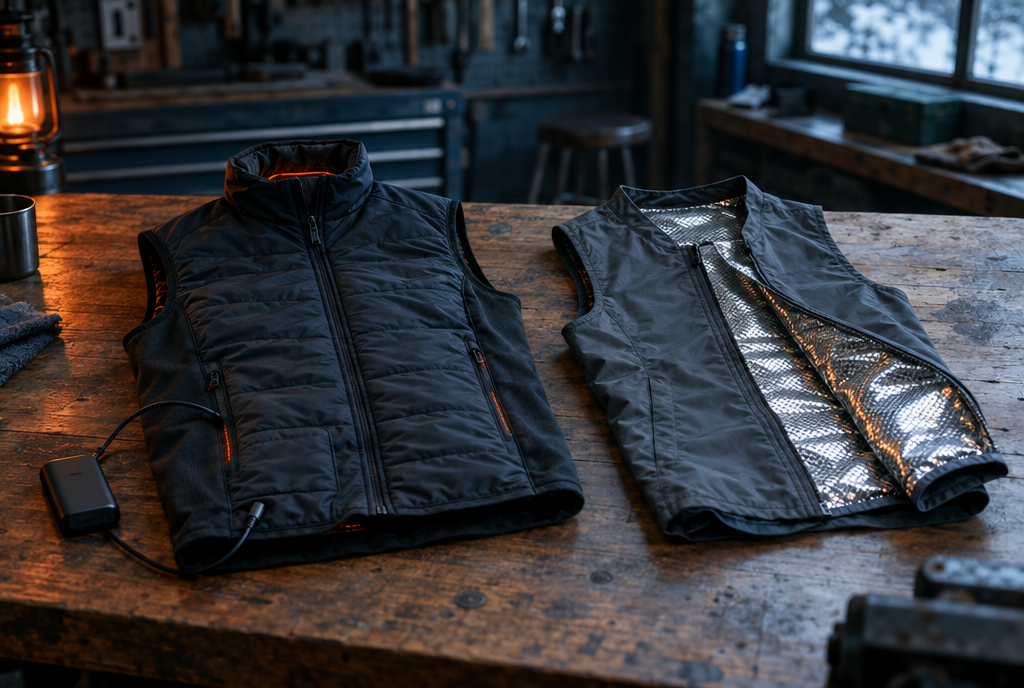
Heated vest vs heat-reflective vest: which to buy for which job
Buy a heated vest when you stand or sit still in real cold for hours and can charge every day. Buy a heat-reflective vest when you move a lot, work where batteries need approval, get wet, or want a layer that never runs down. Many buyers end up with a heat-reflective or insulated vest plus pockets for added heat on the coldest days.
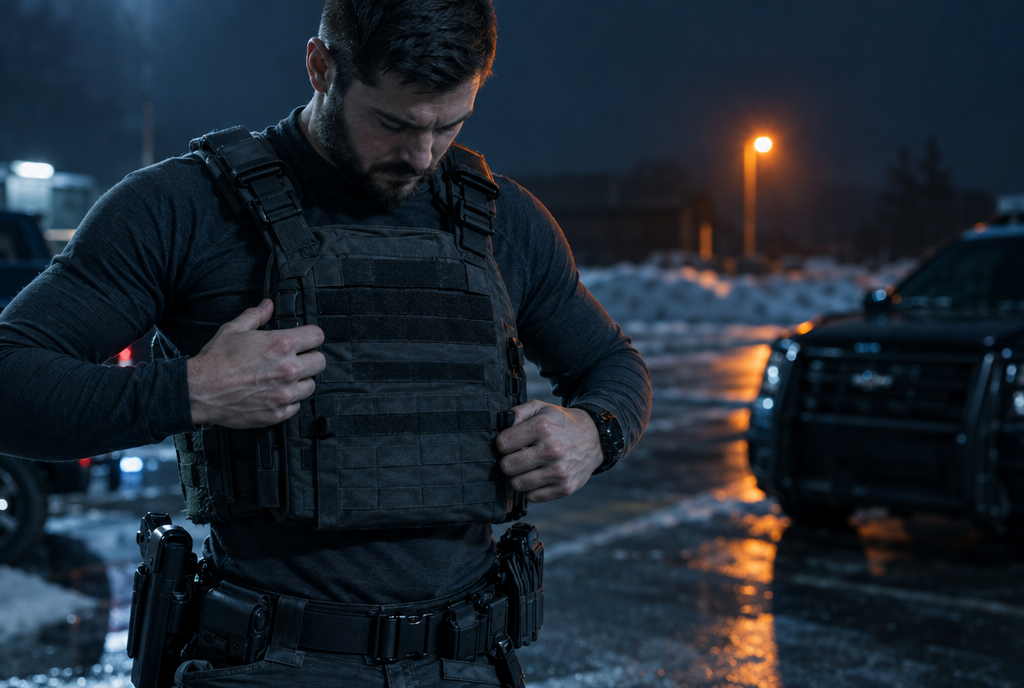
Staying warm under body armor and duty gear
Staying warm under body armor is mostly about managing sweat. A carrier blocks ventilation and presses on anything worn beneath it, so the usual approach is a thin, moisture-managing base layer under the armor, insulation added over the kit when you stop moving, and, where policy allows, low-profile heat sources placed so nothing hot is pressed against bare skin.
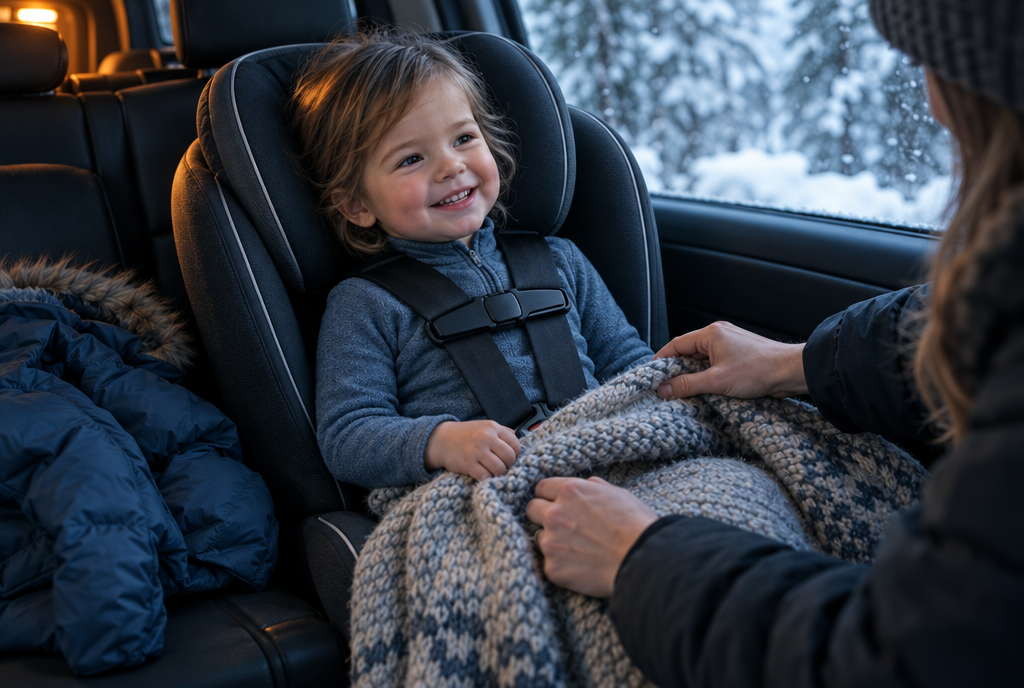
Winter coats and car seats: why puffy coats and harnesses don't mix
Bulky winter coats and snowsuits should not be worn under a car seat harness. In a crash, the padding flattens instantly and leaves slack, so a child can slip through the straps. The AAP and NHTSA recommend thin layers under a snug harness, then a blanket or the coat worn backwards over the buckled straps.
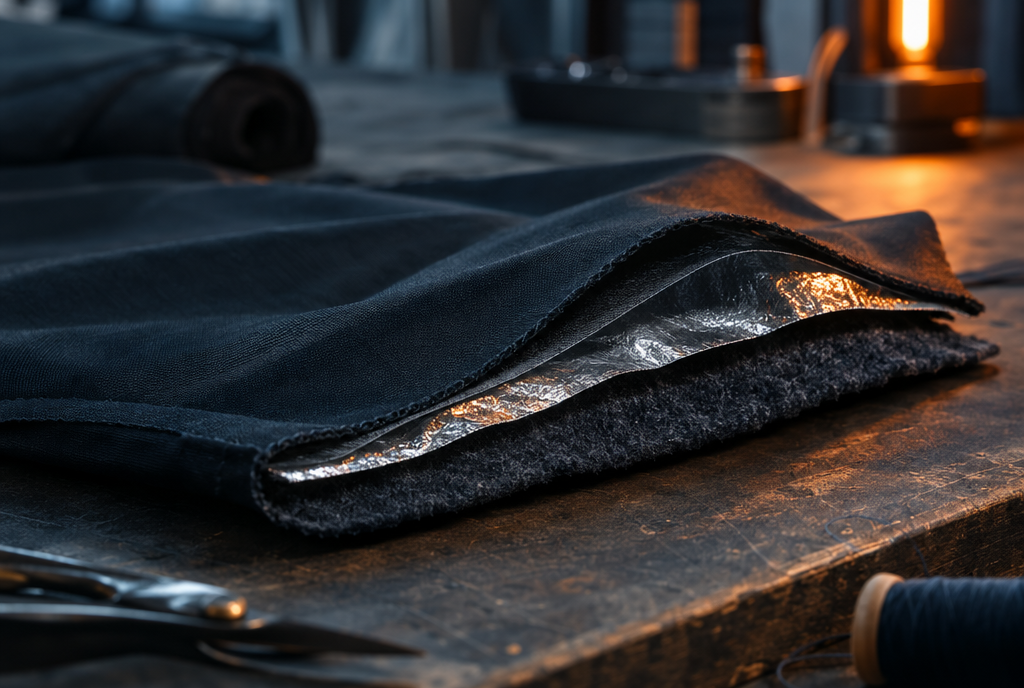
Radiant barriers in clothing: how they work and when they matter
A radiant barrier in clothing is a thin, low-emissivity metallic layer that reflects infrared heat radiated by your body back toward you and radiates little heat outward itself. It works only when it faces an air space, and it addresses radiant heat loss, not conduction, wind or evaporation. It matters most in still, cold conditions and in low-bulk layers.
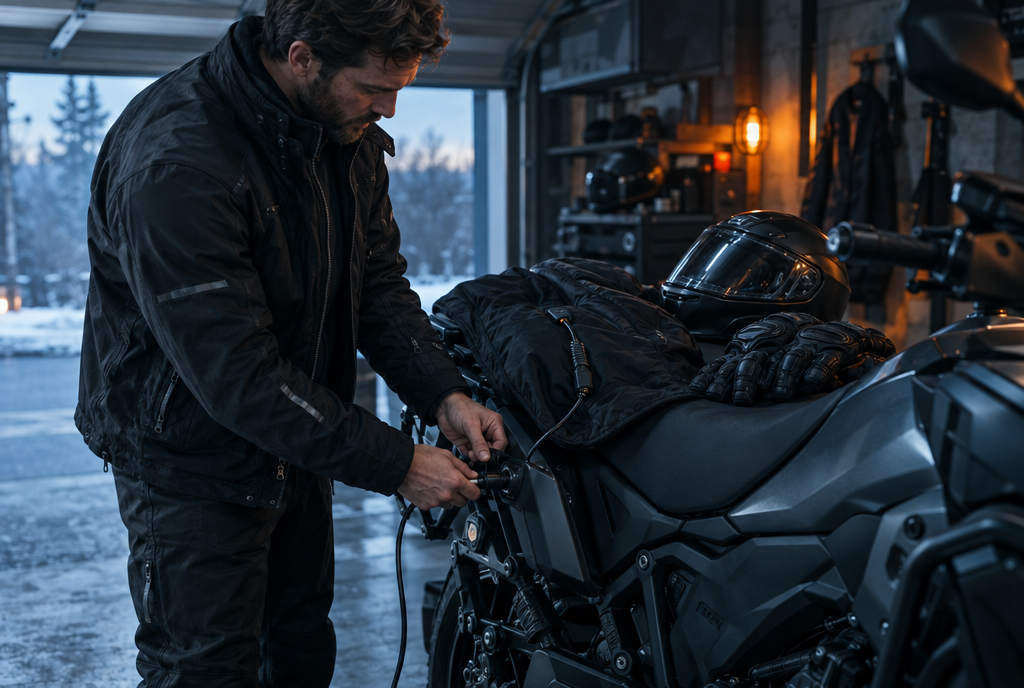
Heated and thermal gear for motorcycle riders: a buying guide
Most riders should start with wind protection and good layers, then add heated gear. Bike-powered 12V gear gives the most heat for as long as you ride, but only if your charging system has spare watts and the harness is fused correctly. Battery-powered gear needs no wiring and works off the bike, with shorter runtime. A controller lets you match heat to speed and temperature.
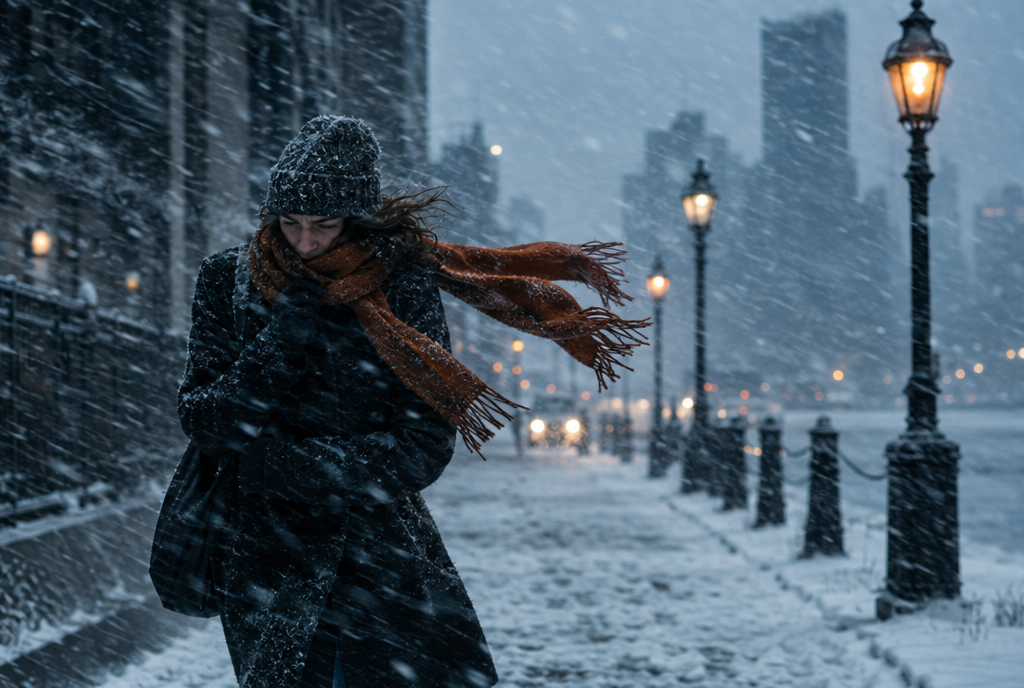
Wind chill explained: what the number really means
Wind chill is the temperature it feels like on exposed skin when wind and cold combine. Wind strips away the thin layer of warm air around your skin, so skin cools faster than it would in still air. The U.S. National Weather Service index, in use since November 2001, models heat loss from a face at walking pace and estimates how quickly frostbite can occur.
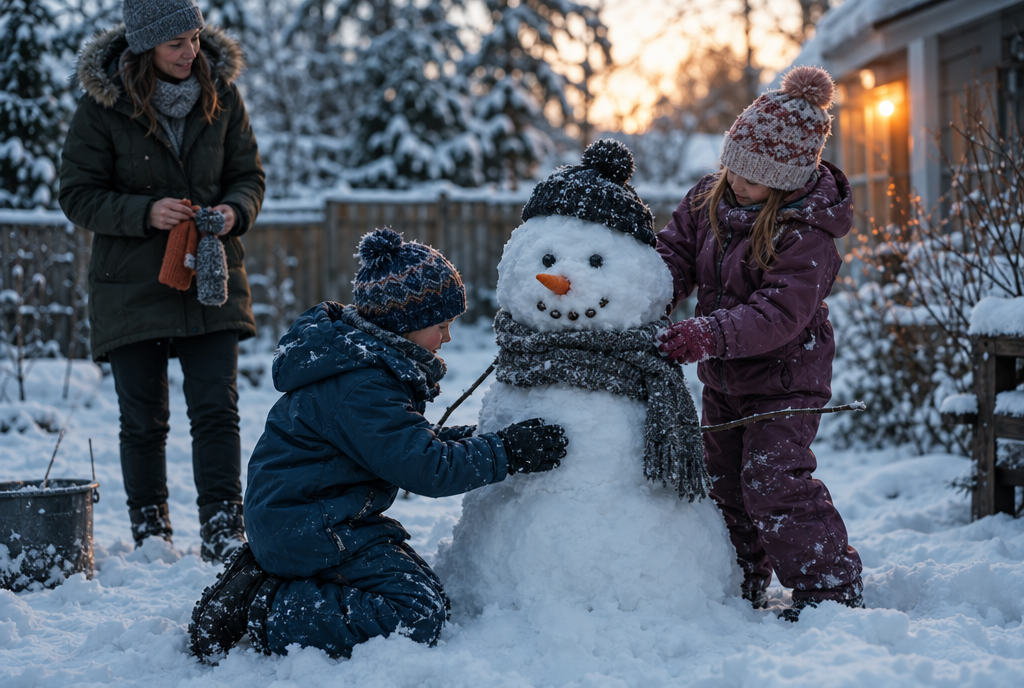
Keeping kids warm outdoors: layers, limits and warning signs
To dress kids for cold weather, the American Academy of Pediatrics (AAP) recommends several thin layers plus insulated boots, mittens or gloves, and a hat. Young children usually need one more layer than an adult in the same conditions. Change wet clothing right away, limit outdoor time with regular indoor breaks, and avoid outdoor play when temperatures or wind chills fall below -15°F.
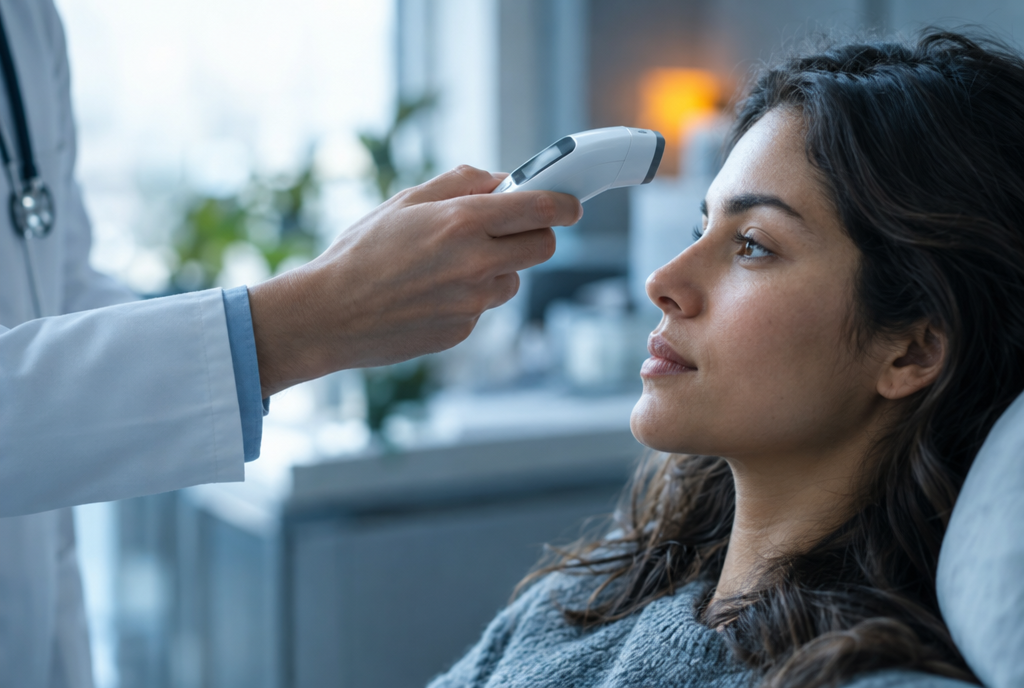
Normal body temperature and how thermoregulation works
Normal adult body temperature is a range, roughly 97 to 99°F (about 36.1 to 37.2°C), not a single number. It varies by person, time of day, age and where it is measured. The hypothalamus keeps core temperature in that range by adjusting skin blood flow, sweating and shivering. Below 95°F (35°C) is hypothermia, and above 100.4°F (38°C) is generally considered a fever.
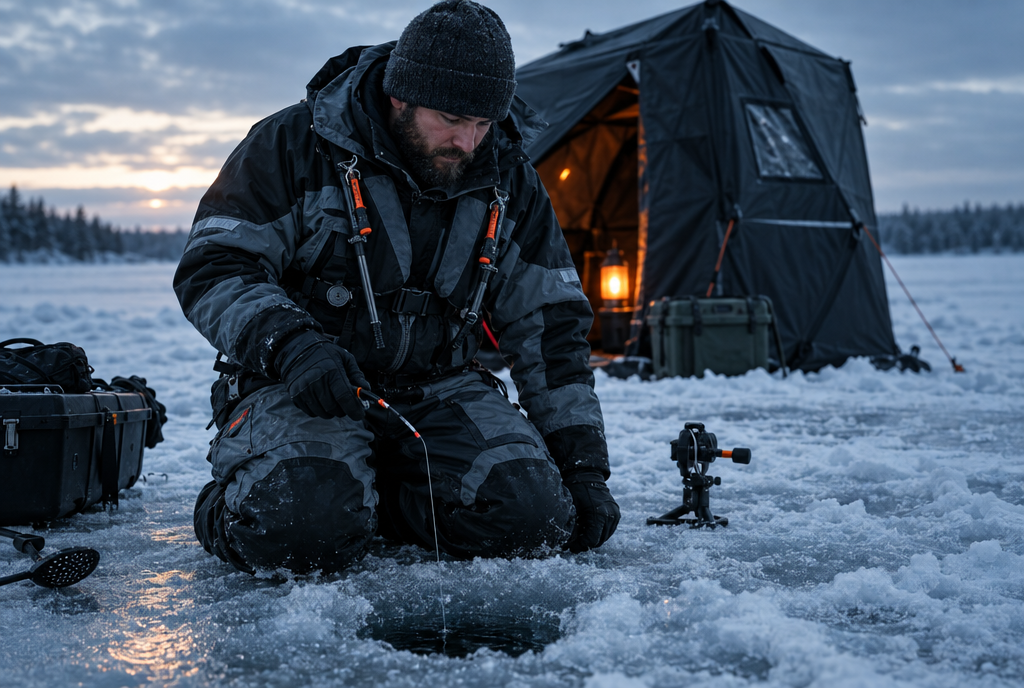
Ice fishing warmth: what to buy for hard water
For ice fishing, buy safety and warmth together: a flotation-assist jacket and bib suit or a foam life jacket, ice picks, cleats and a way to check thickness, then insulated waterproof boots, a two-glove system, and layers underneath. If you heat a shelter, choose a heater rated for indoor use, keep vents open, and run a carbon monoxide detector.
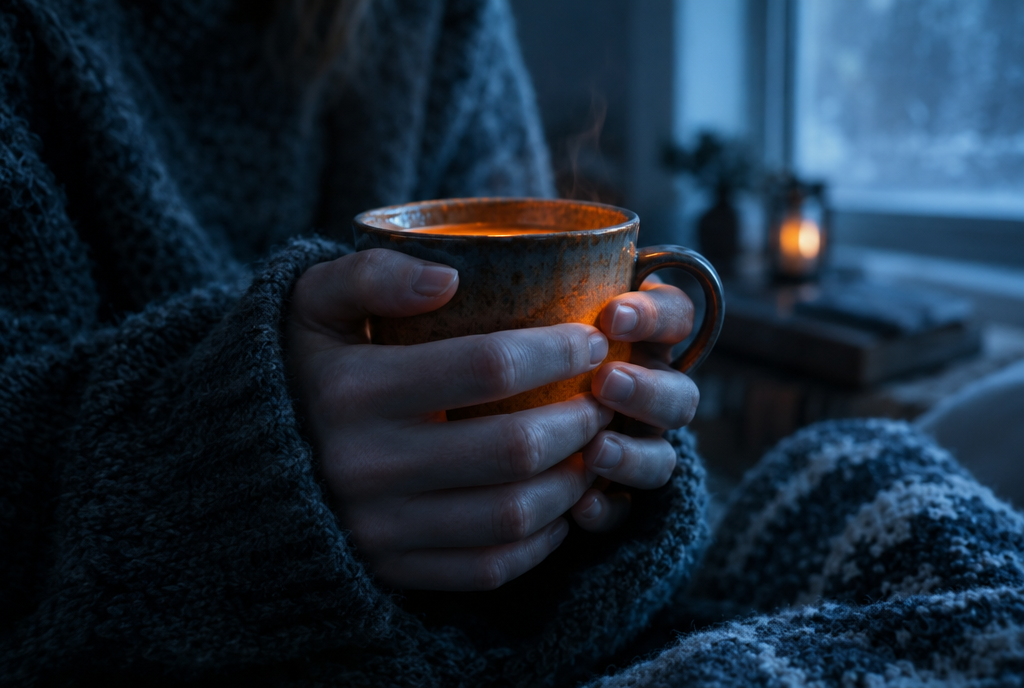
Why your hands and feet get cold first
Hands and feet get cold first because, when the body senses cold, it narrows blood vessels in the skin of the extremities to keep warm blood near the vital organs. Fingers and toes also have a large surface area for their small volume and sit far from the core, so they lose heat quickly once warm blood flow drops.
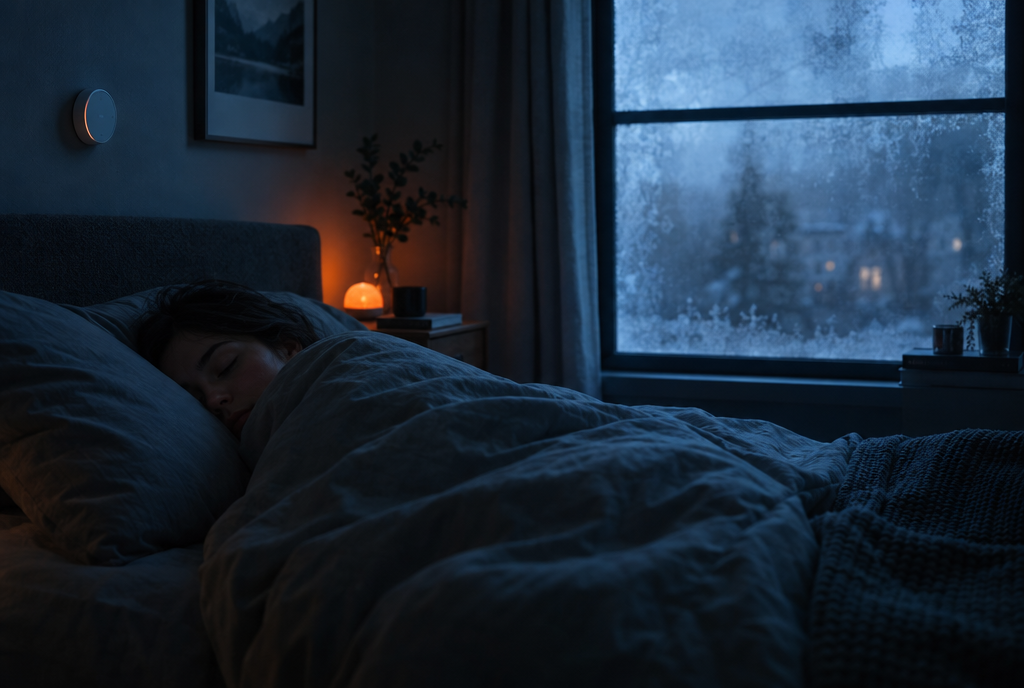
How cold should your bedroom be for sleep?
For most healthy adults, the best temperature for sleep is a cool room of about 60 to 68 degrees Fahrenheit (15 to 20 degrees Celsius), with 65 degrees a common starting point. A cool room supports the natural drop in core temperature that comes with sleep. Older adults often sleep better warmer, and babies have their own safe range.
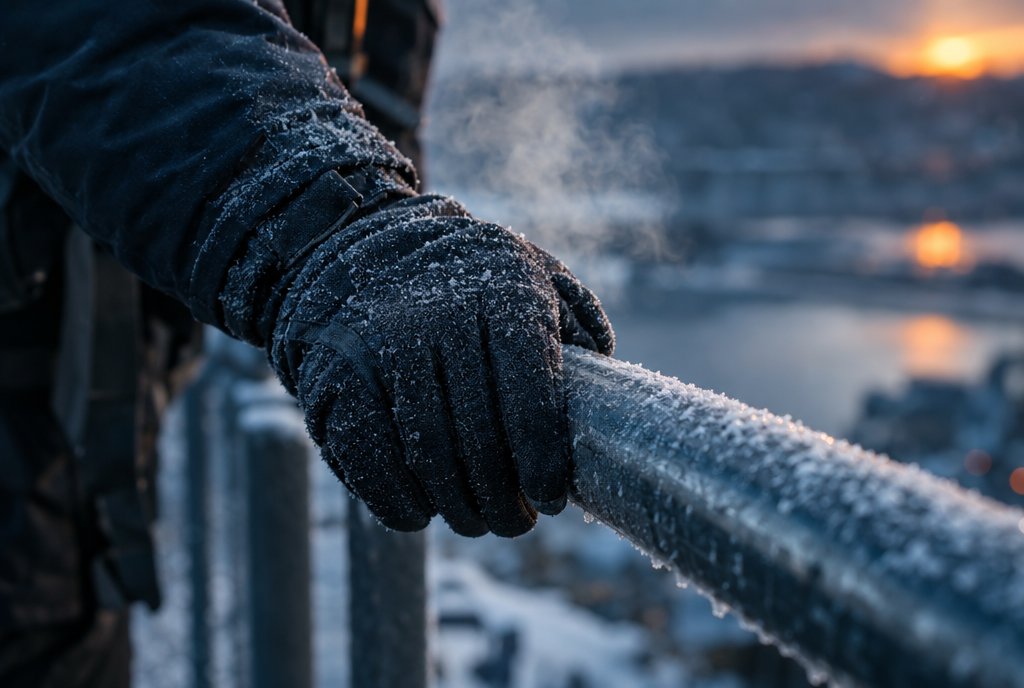
Conductive heat loss: why cold surfaces drain warmth so fast
Conductive heat loss is the transfer of body heat directly into a colder object you touch, such as a metal tool, cold ground, a wet shirt or water. Its rate depends on the temperature difference, contact area and the material's thermal conductivity. Water conducts heat roughly 25 times better than air, and metals conduct far more, which is why they drain warmth so quickly.
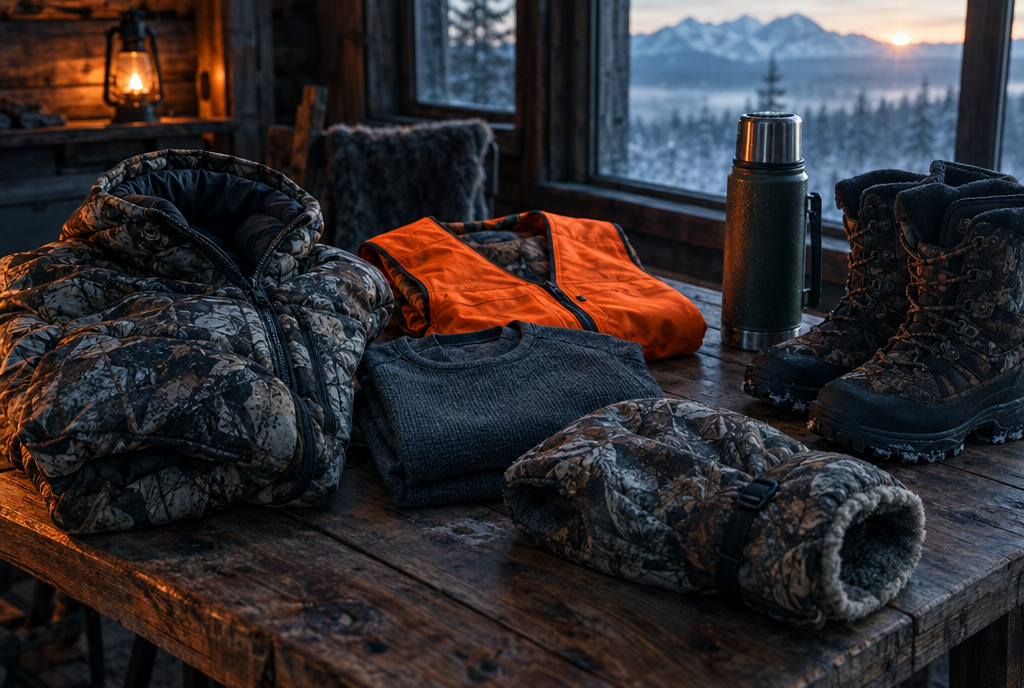
Staying warm in the stand or blind: a hunter's buying guide
For cold hunts, spend first on warm, dry feet and a packable insulating layer you put on at the stand, then on a merino or synthetic base layer, a quiet windproof outer layer, and a hand muff. Heated or warmer-pocket vests are the next upgrade for long sits. Check your state's blaze orange rules before choosing outer layers.
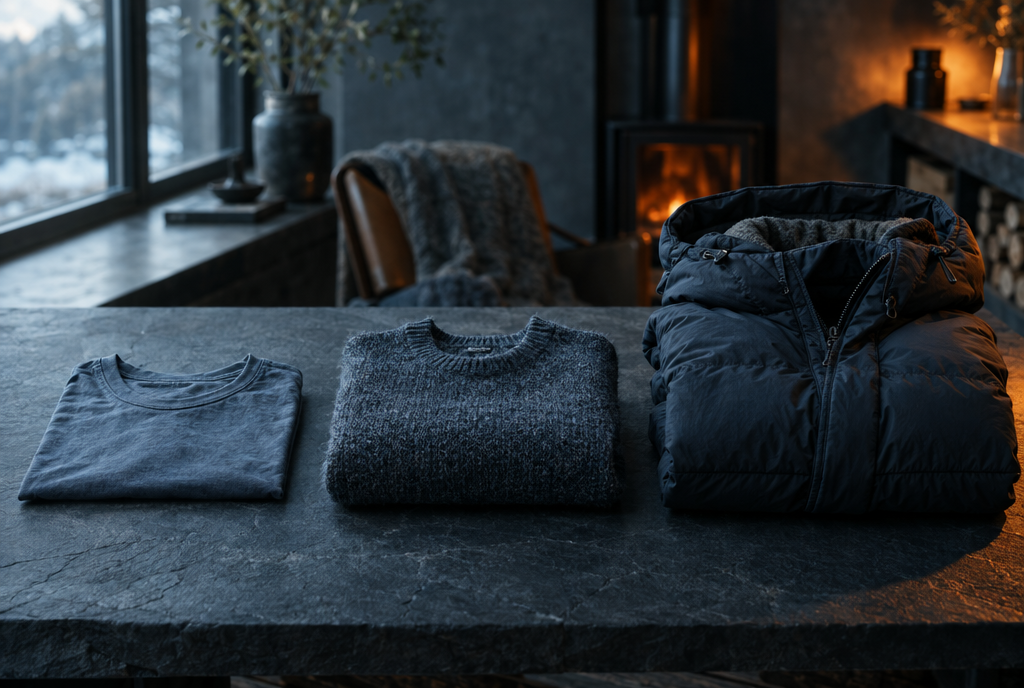
What is a clo? Clothing warmth ratings explained
A clo is the standard unit of clothing insulation. One clo equals a thermal resistance of 0.155 square meter kelvin per watt, roughly the insulation of a typical business suit, and a nude body is 0 clo. Higher clo means more resistance to dry heat loss. Values are measured on heated manikins and are used in comfort standards such as ASHRAE 55.
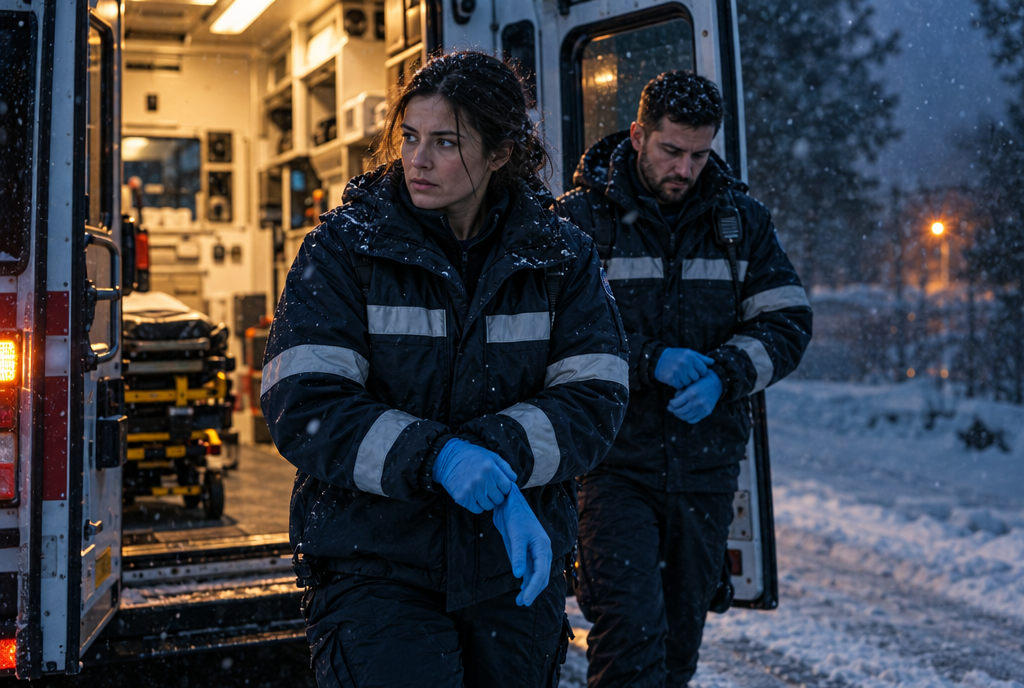
Cold-weather gear for EMS crews: what to buy for winter calls
EMS crews stay warmest with a system built for constant transitions: a wicking base layer, a light insulating mid layer that comes off easily in the heated rig, a fluid-resistant outer shell that can be cleaned or laundered after contamination, sturdy insulated boots, and a glove system that separates exam gloves for patient care from insulated gloves for scene work.
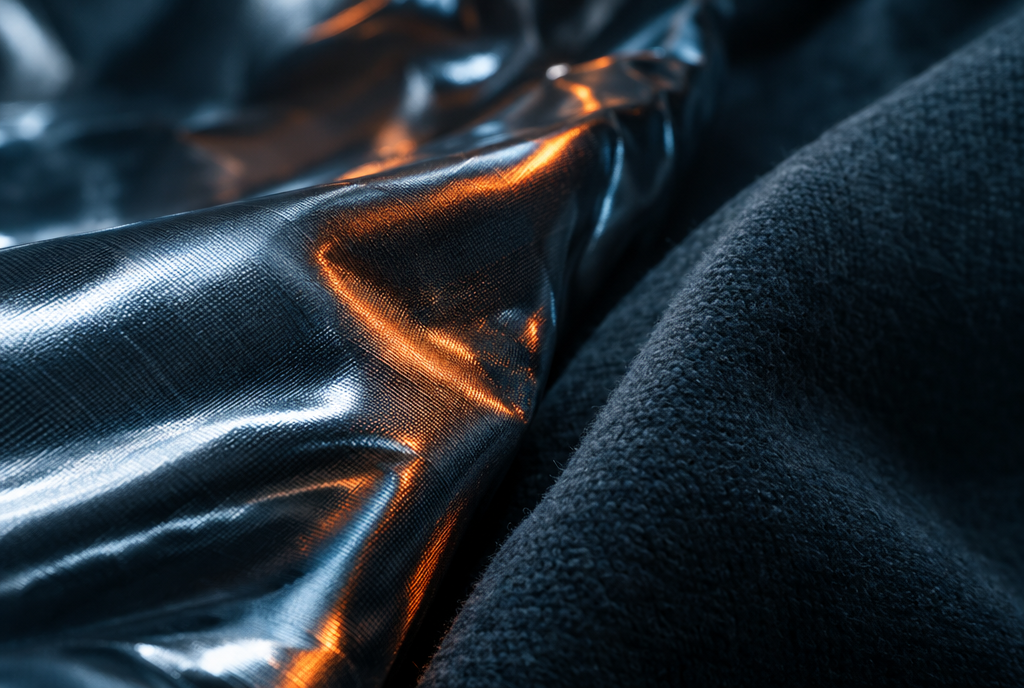
Emissivity, reflectance and absorptance explained
Emissivity is a number from 0 to 1 that describes how efficiently a surface gives off thermal (infrared) radiation compared with a perfect emitter at the same temperature. For opaque materials, emissivity and reflectance add up to 1, so a surface with low emissivity reflects most incoming infrared. Human skin sits near 0.98, while bright aluminum can be as low as 0.02 to 0.03.