
Knowledge
Sourced guides on how the body stays warm, how patients and clinicians are kept comfortable, how crews work safely in cold and heat, and how warming gear works. Pick the theme closest to your world.
Ready to choose gear? Browse all buyer’s guides →
Free tools: wind chill and frostbite calculator, cold work warm-up schedule, what to wear by temperature, which warmth setup is right for you? and the warmth runtime and cost calculator. All tools and data →
Science of Warmth
For anyone who wants to understand how the body makes, keeps and loses heat.
Start here
Popular
All Science of Warmth articles →
Healthcare
For clinicians, perioperative teams and hospital leaders.
Start here
Popular
- How to stay warm in the operating room
- What is perioperative hypothermia?
- Forced-air vs conductive warming
Work and Duty
For employers, safety leads, crews, service members and EMS.
Start here
Popular
All Work and Duty articles →
Everyday Life and Health
For people who feel the cold, and for daily life outdoors.
Start here
- Cold sensitivity and Raynaud’s
- Staying warm in everyday life
- Staying warm at home and with family
- Staying warm with a health condition or disability
Popular
All Everyday Life and Health articles →
Heat and Cooling
For hot jobs, heavy protective gear and personal heat sensitivity.
Start here
Popular
All Heat and Cooling articles →
Technology and Gear
For choosing, using and caring for warming gear.
Start here
Popular
All Technology and Gear articles →All articles
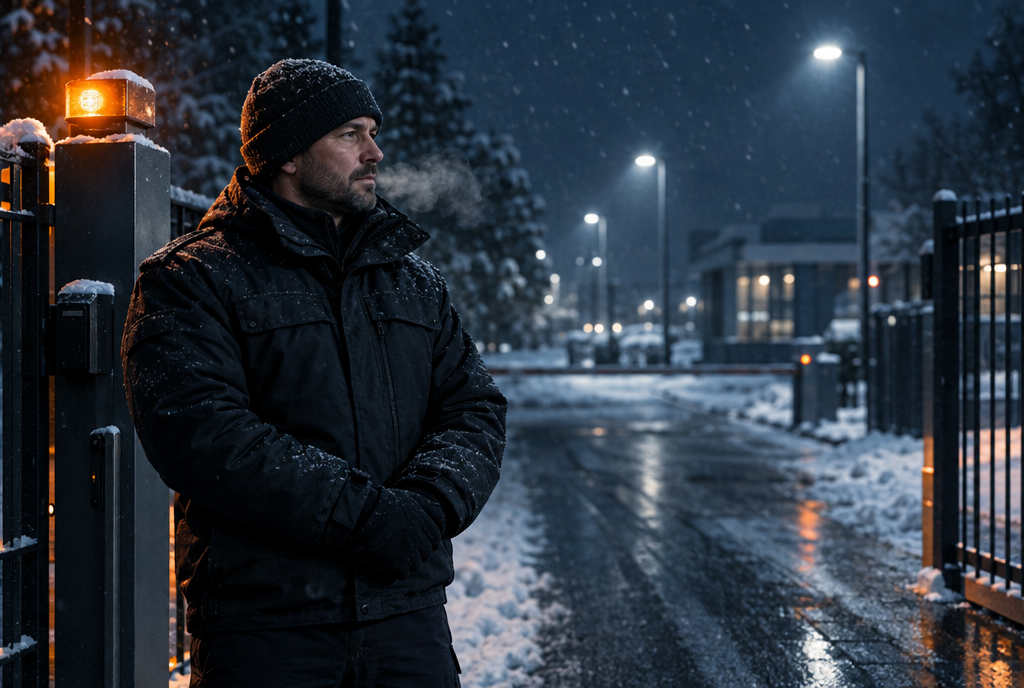
Cold-weather gear for police and security officers: a buyer's guide
For winter duty, buy in this order: a thin wicking base layer that fits under armor, a low-bulk insulated vest or fleece that fits under the duty jacket, insulated waterproof boots with wool socks, and two weights of gloves you have trained in. Add heated or warmer-pocket gear for long static posts, and confirm everything with your department's uniform policy.
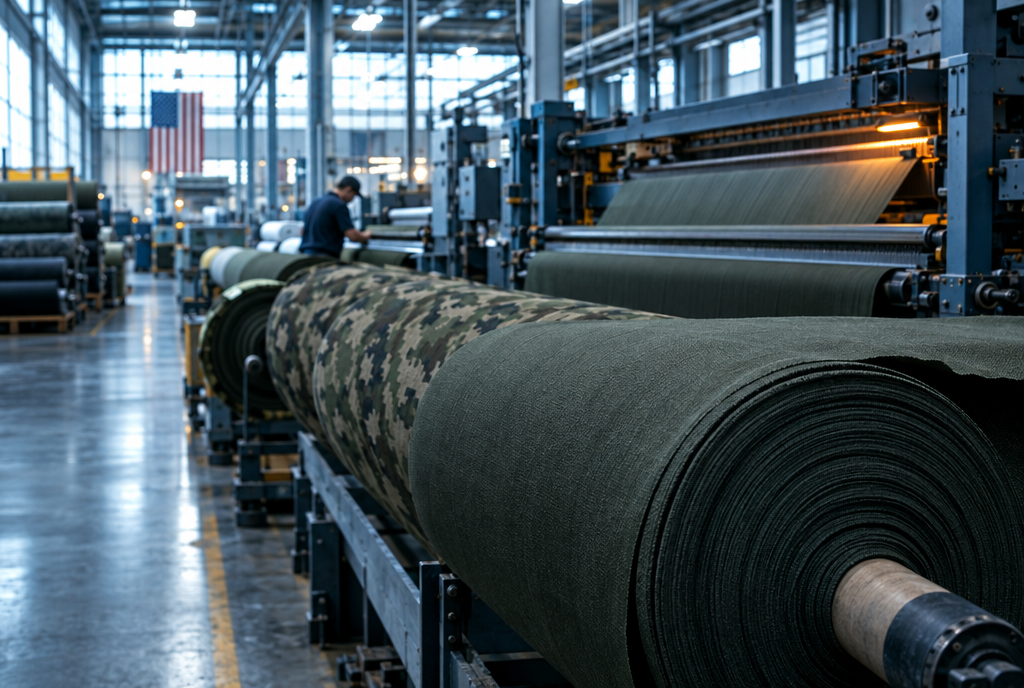
The Berry Amendment and military textiles, explained
The Berry Amendment is a US law that bars the Department of Defense from spending its funds on clothing, textiles, food and certain other items unless they are grown, reprocessed, reused or produced in the United States. For textiles, the requirement reaches back through fabric to fibers and yarns. It is codified at 10 U.S.C. 4862 (formerly 2533a) and implemented through DFARS 252.225-7012.
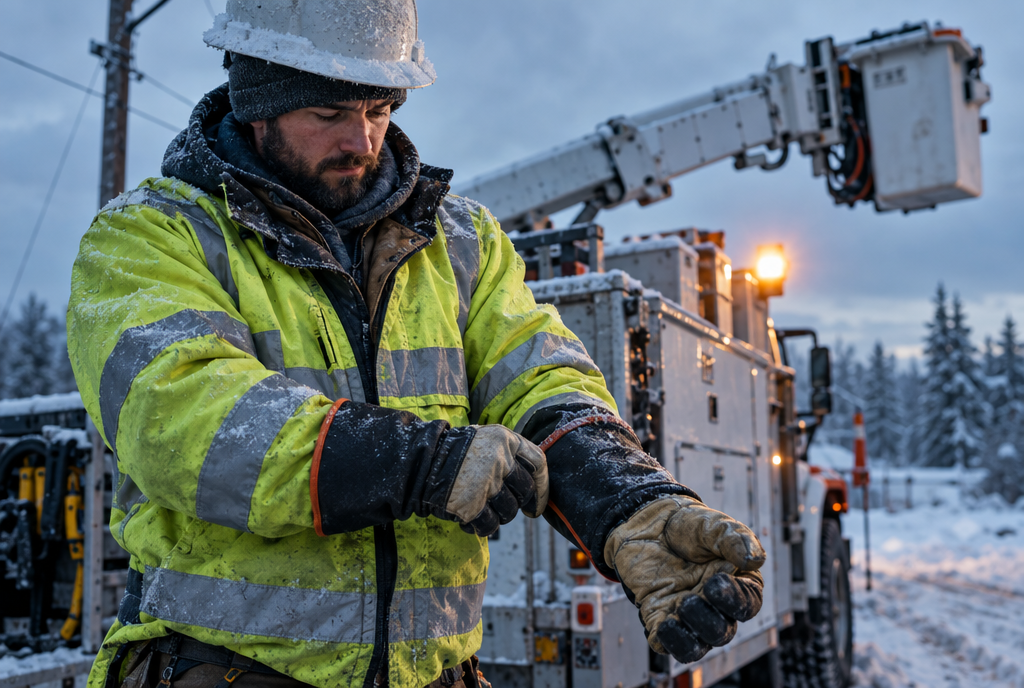
Winter gear for construction and utility crews: what to buy
Buy winter work gear around the rules your outer layer must meet. Hi-vis stays outermost wherever traffic or equipment is present. Where arc flash is a hazard, every layer must be non-melting and the outer layer arc-rated. Within those limits, choose thin core warmth that fits under a harness, gloves matched to each task, and batteries you can charge somewhere warm.
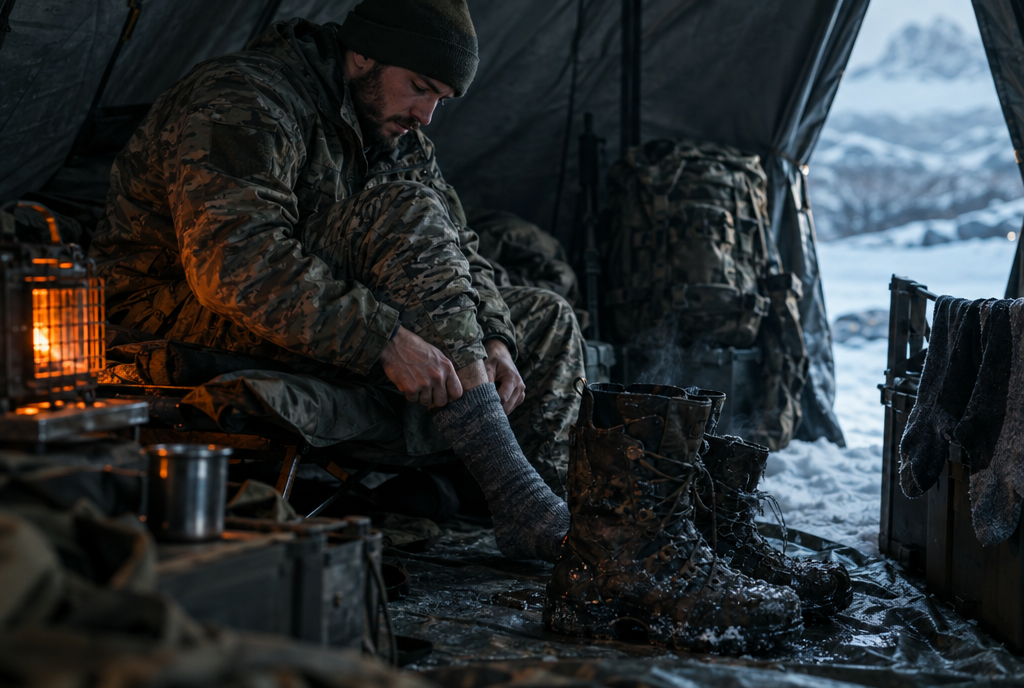
Non-freezing cold injury: the quiet threat to troops and workers
Non-freezing cold injury (NFCI) is damage to nerves, blood vessels and tissue, usually in the feet, caused by hours of cold, wet exposure above freezing. Trench foot and immersion foot are the classic forms. The Army describes risk at air temperatures of 32 to 55 °F, and the CDC notes trench foot can occur up to 60 °F if feet stay wet.
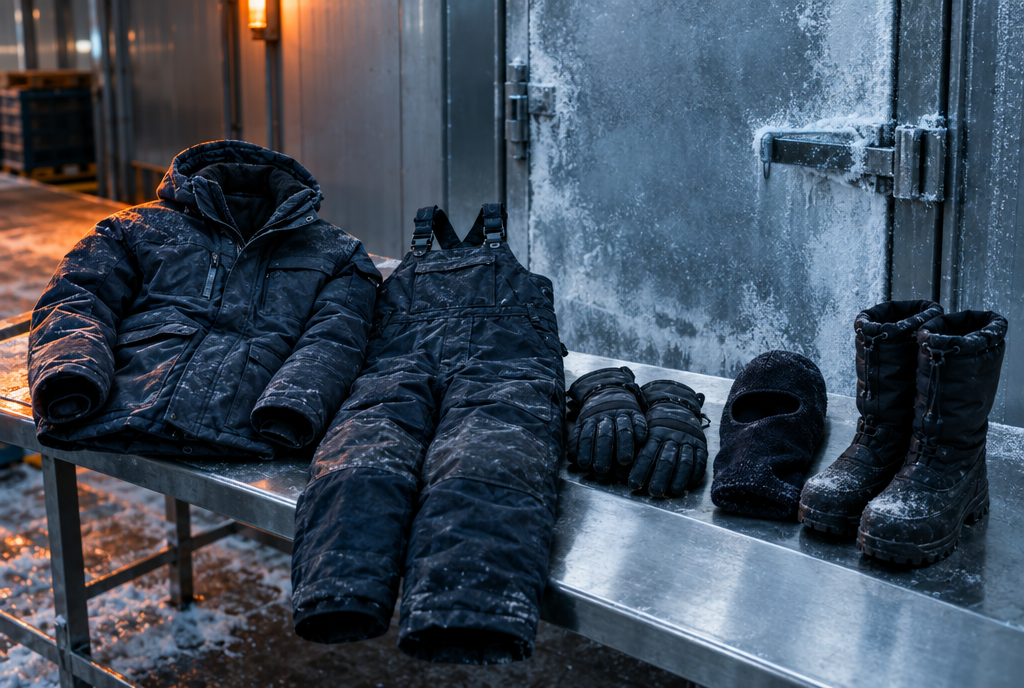
Cold storage and freezer worker gear: a buyer's guide by zone
Buy cold storage PPE by zone and by time spent inside. Coolers near 0°C usually need warm layers, dexterity gloves and warm footwear. Freezers need an insulated suit or jacket and bib, liner plus insulated gloves or mittens, insulated boots and a head cover. Blast freezers need the most insulation plus strict warm-up breaks, because no PPE alone is enough there.
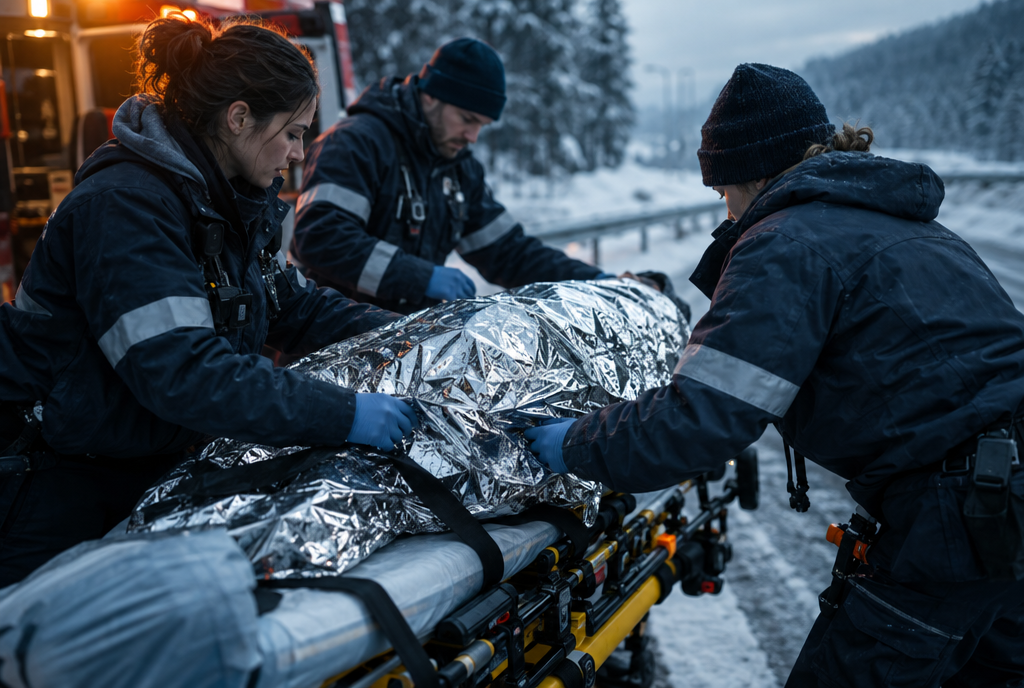
Prehospital hypothermia prevention: blankets, wraps and active warmers
Prehospital hypothermia prevention works in layers: get the patient off cold ground, remove wet clothing, block wind and moisture, add insulation, then add external heat to the torso without direct skin contact. Heat-reflective wraps and vapor barriers limit loss; insulated wraps trap still air; chemical and battery warmers add heat. Military guidance rates simple space blankets as the least effective option on their own.

Warm layers for dentists, hygienists and assistants: a buying guide
Dental team members should buy warmth that lives under the protective gown or lab coat: a thin base layer or close-fitting vest, with sleeves that stay clear of glove cuffs. Warm hands between patients, then perform hand hygiene before gloving. Choose layers the practice can launder under its policy, and for a team, approve a short list of options rather than one item for everyone.
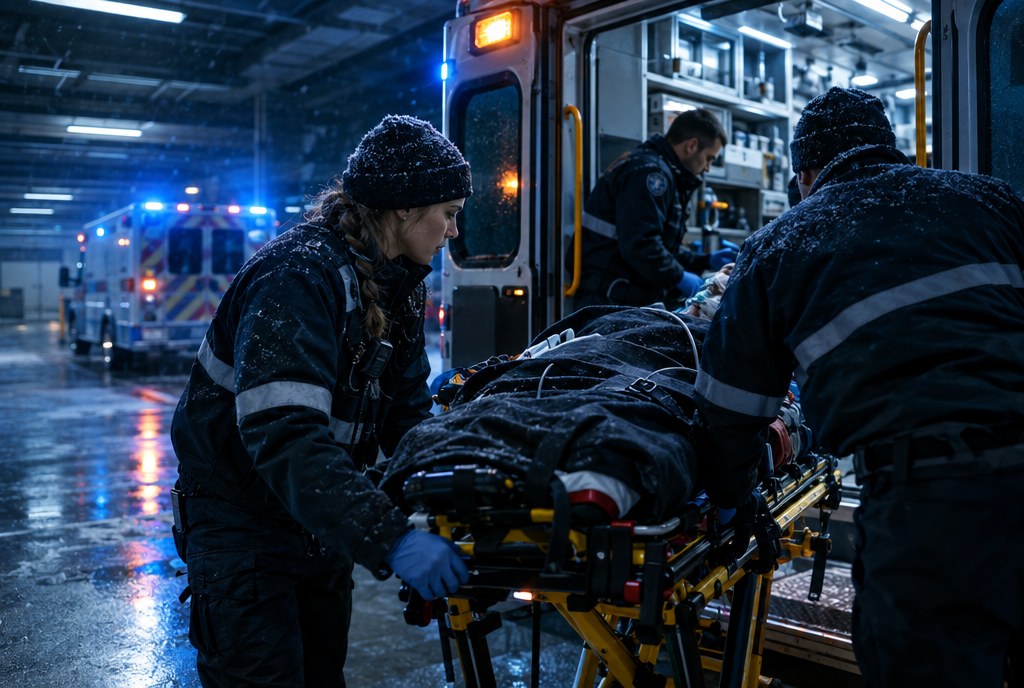
Hypothermia in trauma and the lethal triad
The lethal triad is the combination of hypothermia, acidosis and coagulopathy in severely injured patients. Each worsens the others: cold slows clotting enzymes, poor perfusion causes acidosis, and uncontrolled bleeding deepens both. Military trauma guidance reports that hypothermic trauma patients die at about twice the rate of similarly injured patients with normal temperature, so heat loss is treated as a threat from the point of injury.
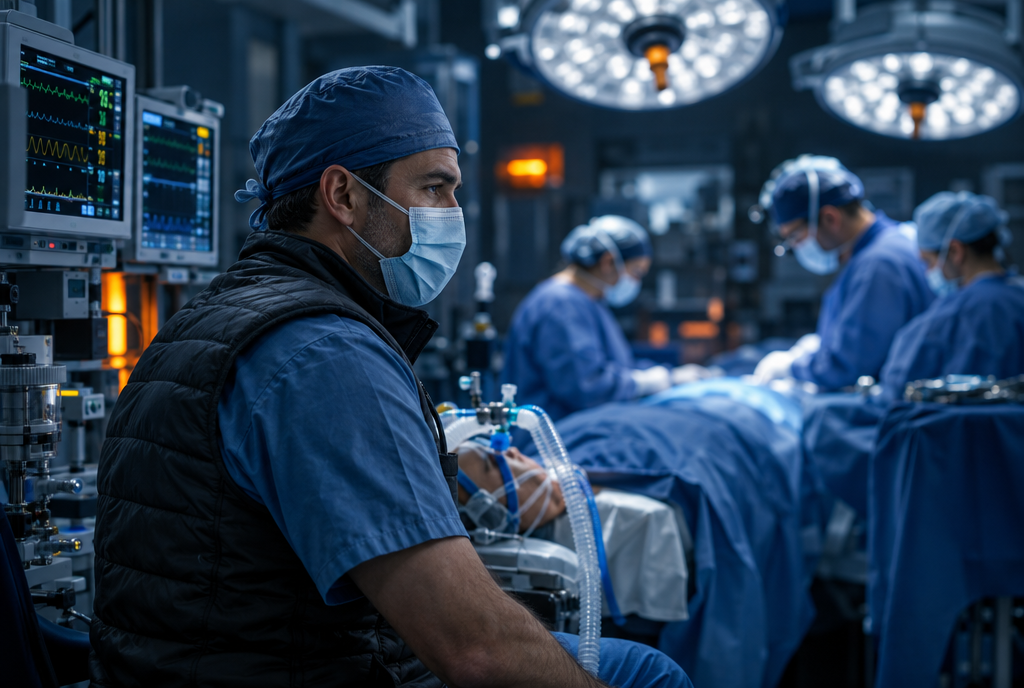
Thermal gear for anesthesia providers: what works at the head of the bed
Anesthesia providers are often the coldest people in the operating room: seated, in scrubs alone, near the supply airflow, for hours. Buy for that position. Prioritize core warmth, sleeves that stay clear of lines and monitors, low bulk at the chest and shoulders, quiet fabrics and closures, and heat you can adjust without leaving the patient. Passive layers avoid most battery policy questions.
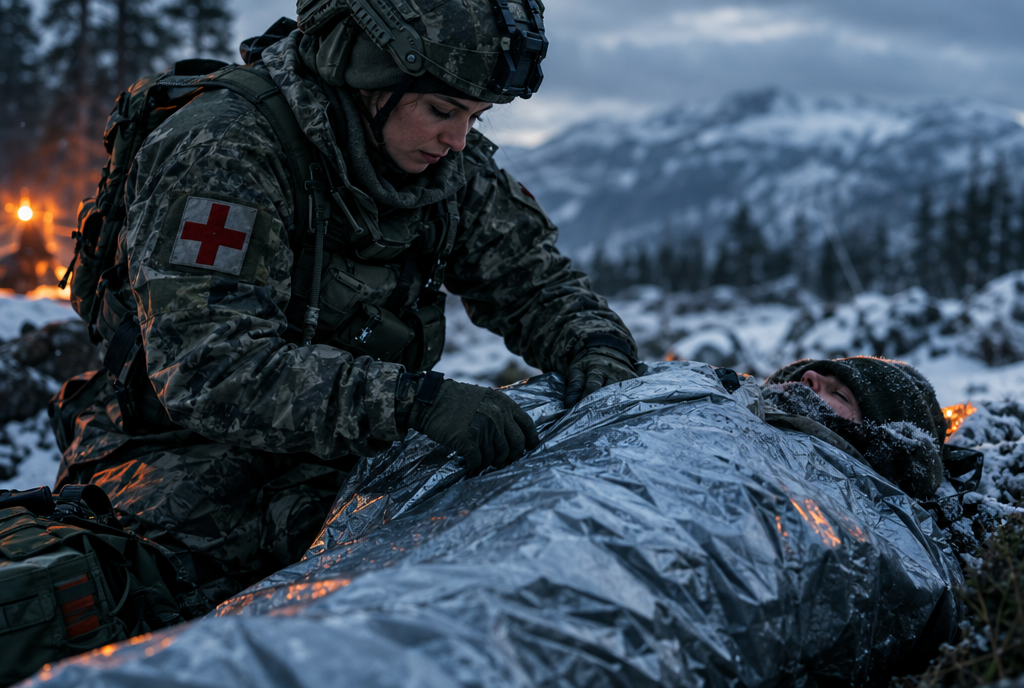
The Hypothermia Prevention and Management Kit (HPMK) explained
The Hypothermia Prevention and Management Kit (HPMK) is a compact casualty-warming kit used in military and tactical medicine. It pairs a chemical, air-activated heating liner with a hooded, heat-reflective vapor-barrier shell. Medics use it to limit heat loss in trauma casualties during care and evacuation. It is not insulated, so guidelines treat it as a short-term tool.
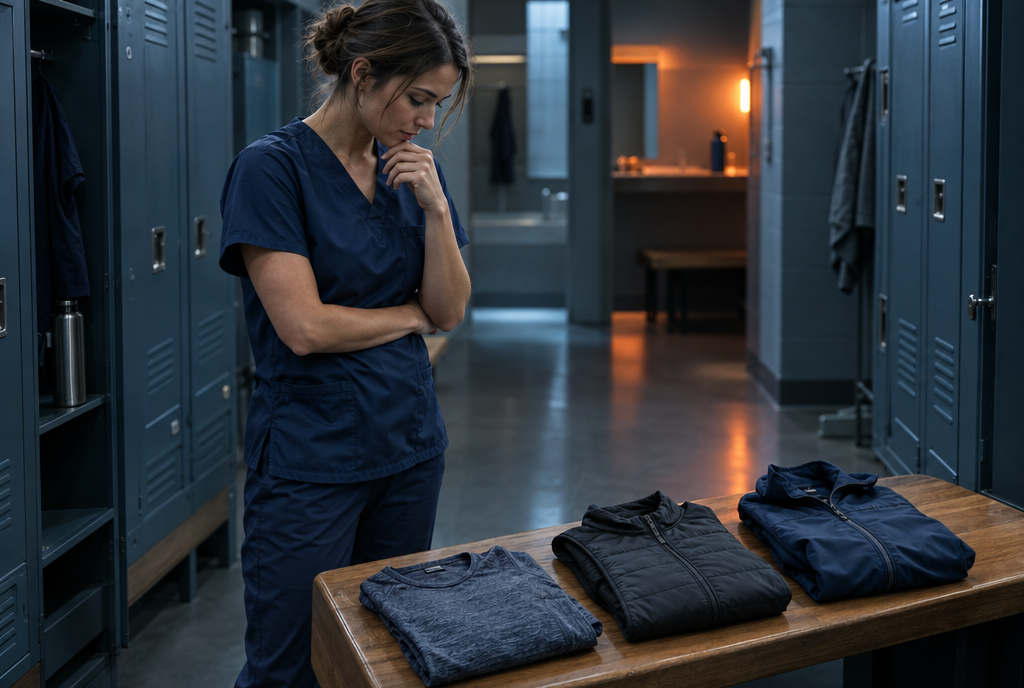
What nurses and OR staff should look for in thermal gear
To stay warm under scrubs, buy for your unit's rules first and warmth second: a close-fitting, low-lint base layer, a thin core vest that sits fully under the scrub top, and a warm-up jacket where arms may be covered. Choose fabrics you can launder the way your facility requires. Passive layers suit most units; battery-heated gear fits where devices are clearly allowed.
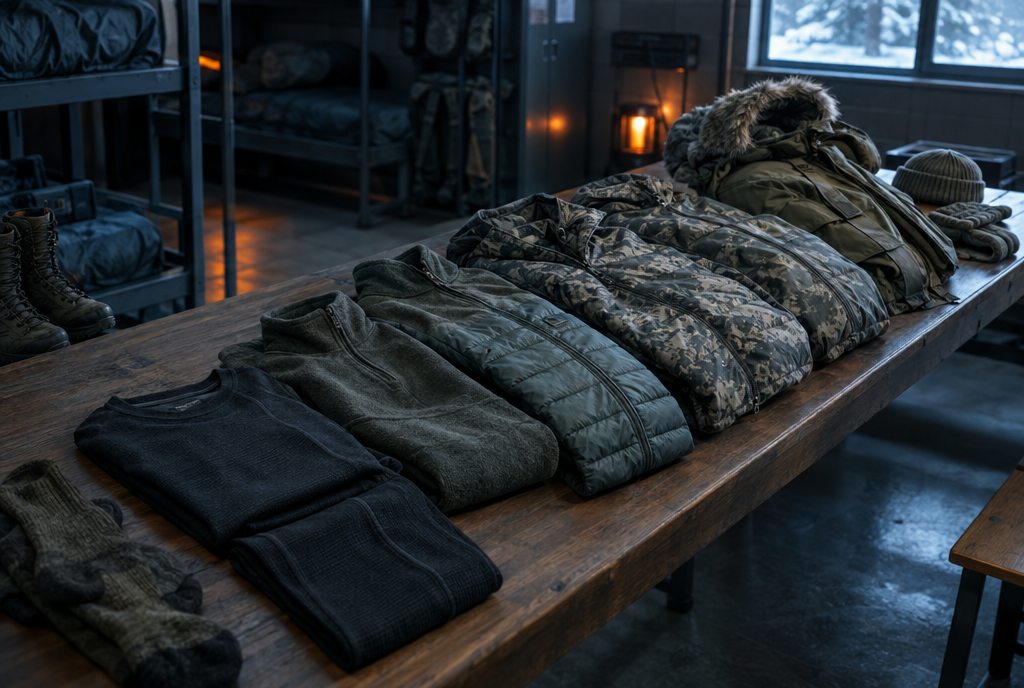
ECWCS levels 1 to 7 explained
The Extended Cold Weather Clothing System (ECWCS) Generation III is the US Army's 12-piece, seven-level layering system. Levels 1 and 2 are base layers, Level 3 is fleece, Level 4 a wind jacket, Level 5 soft shell, Level 6 a waterproof shell and Level 7 an insulated parka and trousers. The Army rates the full system for about minus 40 to plus 60 °F.
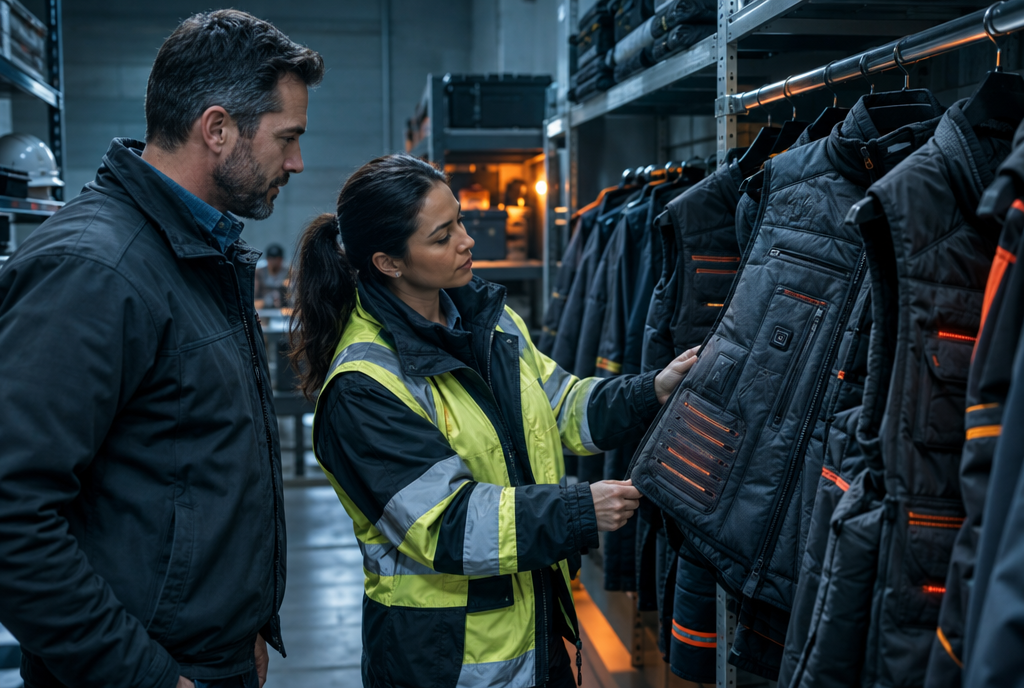
Building a heated and thermal PPE program: an employer checklist
A heated and thermal PPE program starts with a documented cold hazard assessment, then specifies garments that pass seven checks: battery safety and charging, washing and care, sizing and fit, dexterity, compatibility with hi-vis and other PPE, a structured pilot with real crews, and a realistic cost per shift. Heated gear should supplement engineering controls, warm-up breaks and good layering, not replace them.
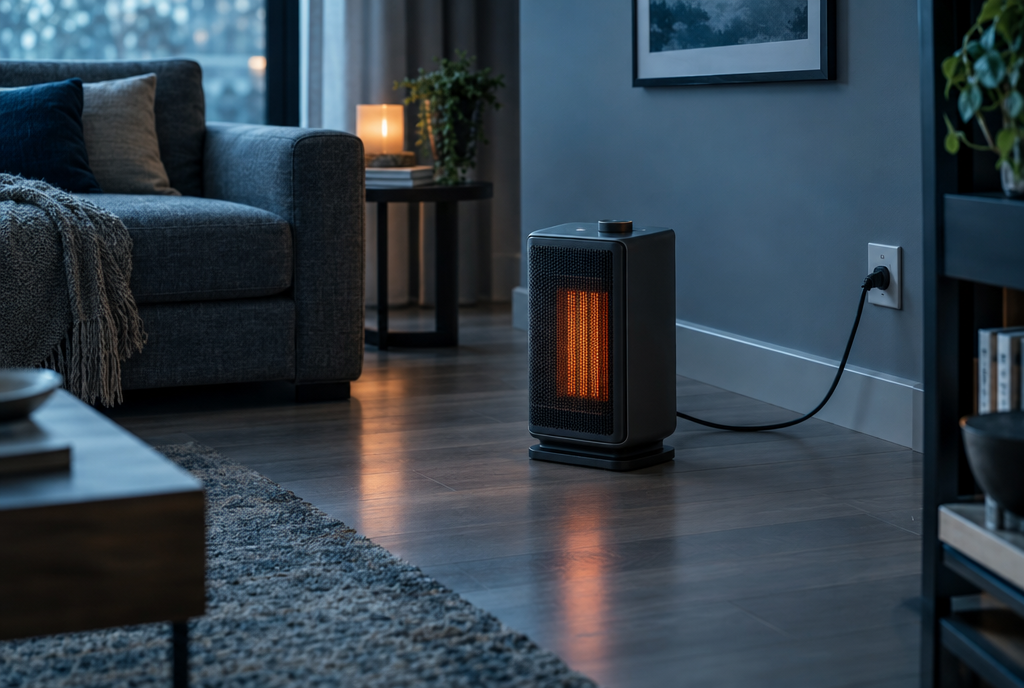
Space heater safety: what to know before you plug one in
Space heater safety comes down to a few rules. Keep the heater at least 3 feet from anything that can burn, plug it directly into a wall outlet, and choose a model with a safety certification mark and automatic shut-off. Turn it off when you leave the room or go to sleep. Fuel-burning heaters also need proper venting and a working carbon monoxide alarm.
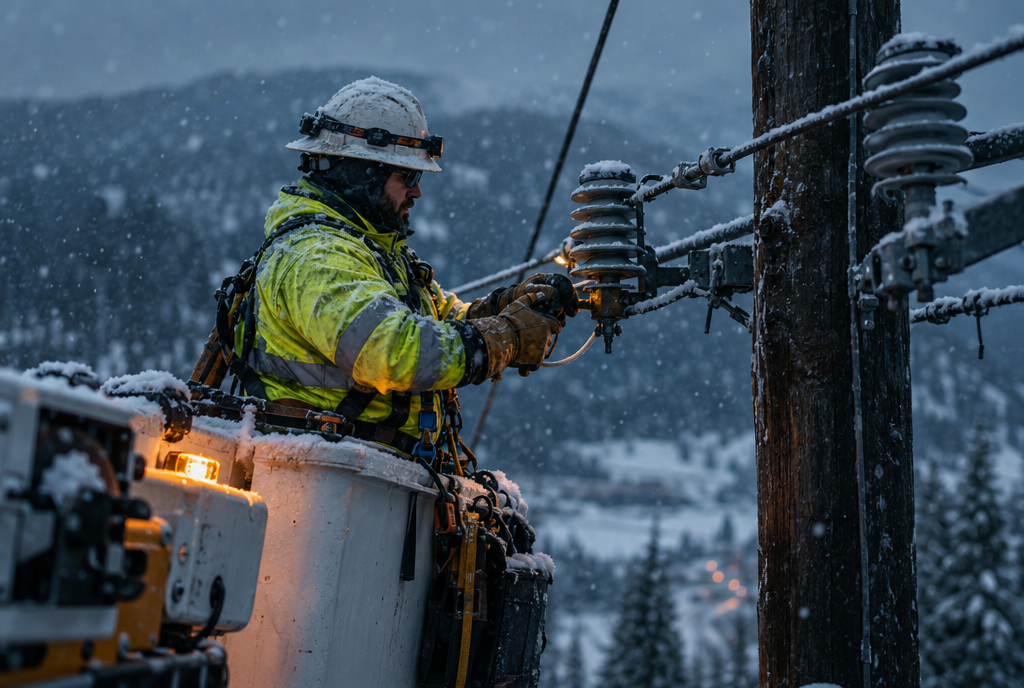
Winter work in utilities and construction: staying warm and safe
To stay warm working outside in winter, dress in three adjustable layers that fit under your harness and hi-vis, keep hands, feet and head dry and covered, and plan around wind chill rather than air temperature. Take warm-up breaks in a heated space, pair up to watch for early cold stress signs, and treat ice, winter driving and downed lines as part of the same plan.
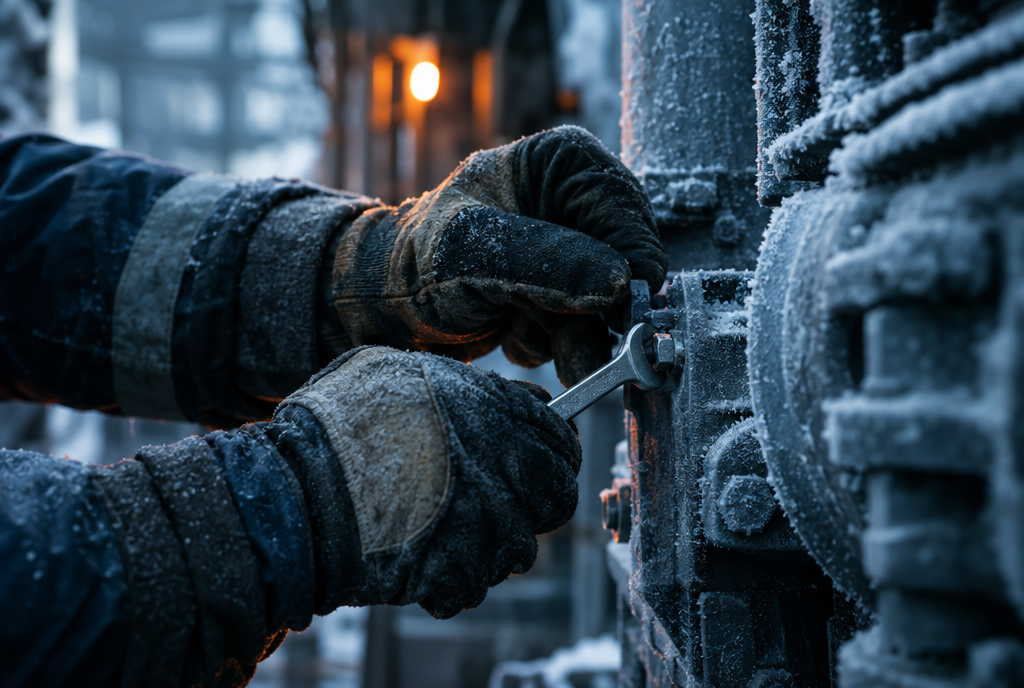
How cold affects worker dexterity, safety and productivity
Cold slows work long before it causes injury. As hands cool, finger sensitivity, grip and fine motor control fall, and muscles and joints stiffen. A 2025 study found sharp drops in manual dexterity once finger skin cooled to about 23°C, and a nationwide Italian study linked cold days to roughly 6,000 extra occupational injuries a year. Keeping hands and core warm protects both safety and output.
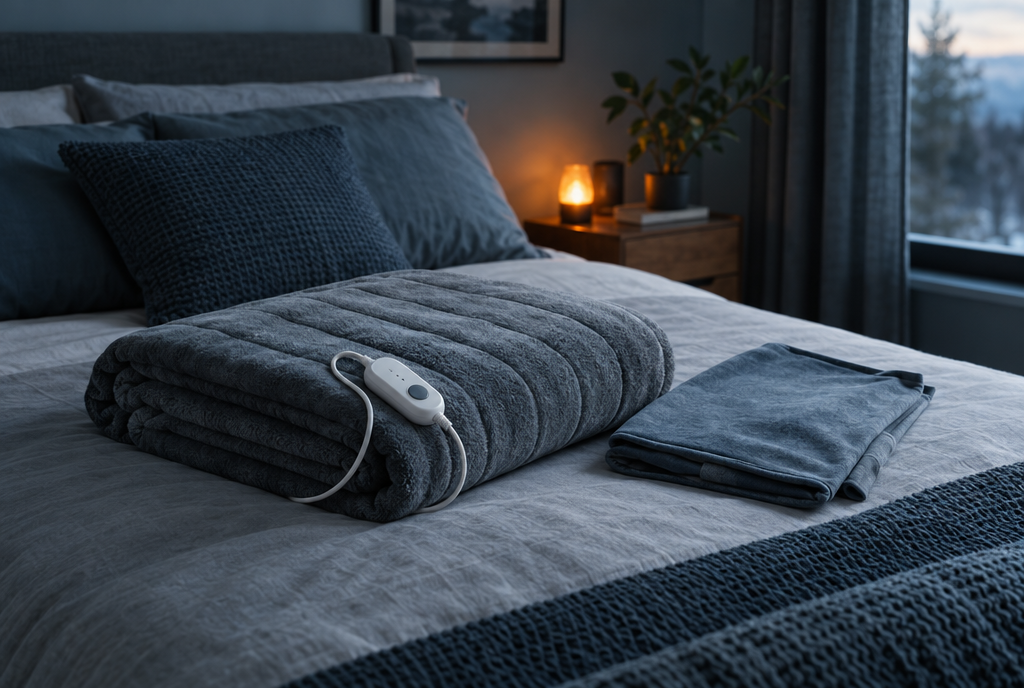
Are electric blankets and heating pads safe?
Electric blankets and heating pads are safe for most adults when the product is in good condition, used flat, and switched off or on a timer before sleep. The main risks are fire, mostly from blankets over ten years old, and burns from long contact with warm surfaces. People who cannot feel heat well, including many with diabetes or neuropathy, and infants should not use them.
Work and warm-up schedules for cold environments
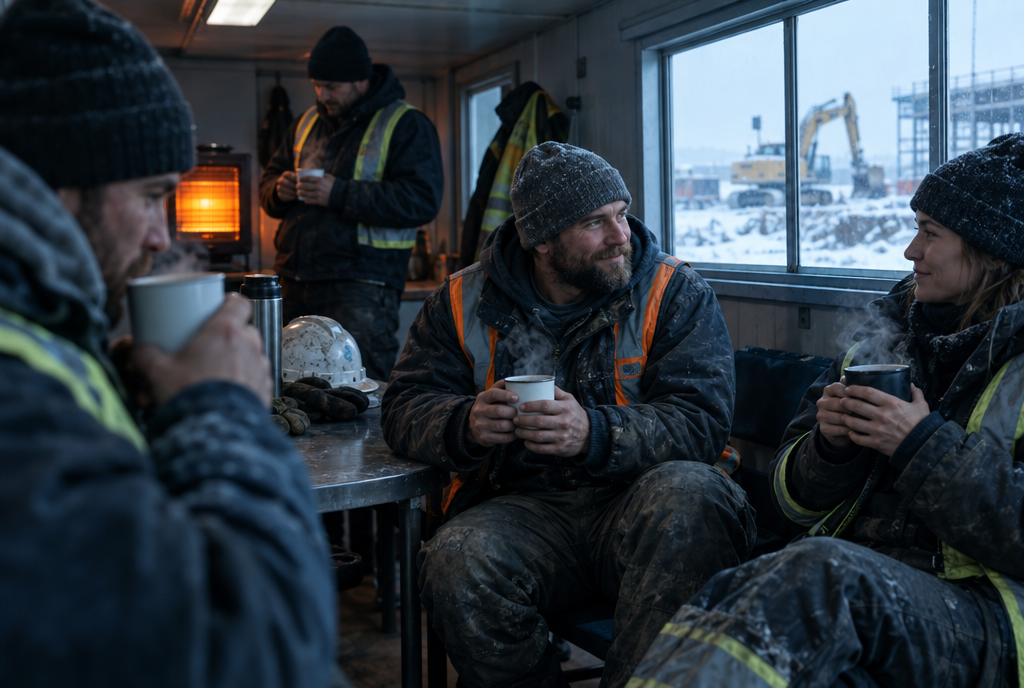
The most widely used cold work and warm-up schedule comes from the ACGIH Threshold Limit Value for cold stress. For moderate to heavy work over a four-hour period, it shortens the maximum work period and adds 10-minute warm-up breaks as air temperature falls and wind rises, starting at about -26°C (-15°F) with a 16 km/h (10 mph) wind, and stops non-emergency work at about -43°C (-45°F).
Frostbite vs frostnip vs chilblains: how to tell them apart
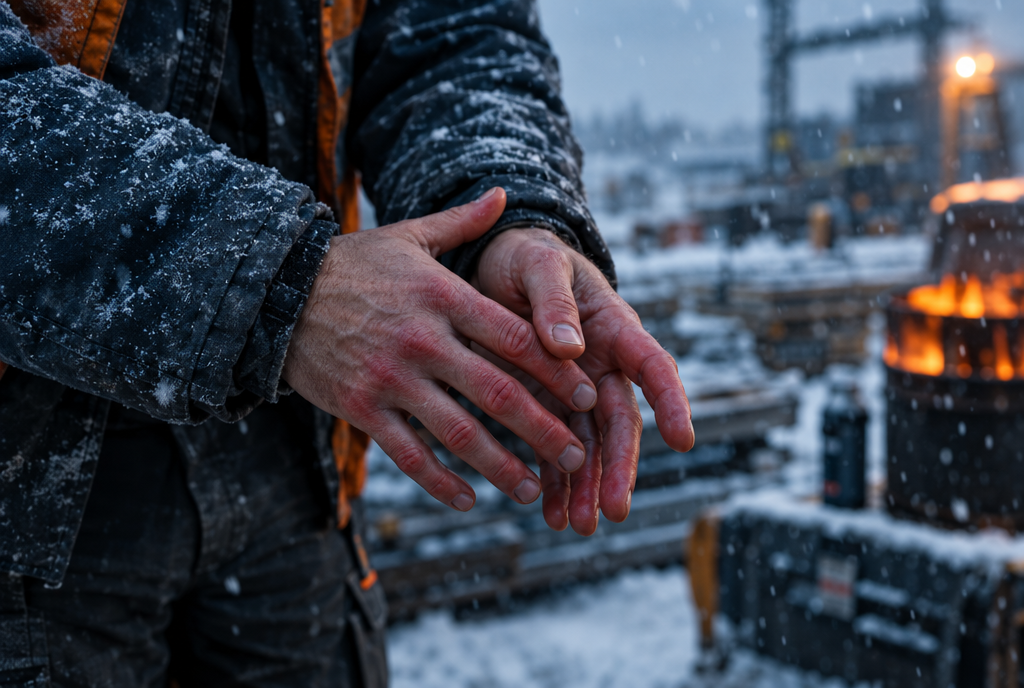
Frostnip and frostbite are freezing injuries: frostnip is the mild, temporary surface stage, while frostbite freezes skin and deeper tissue below 0°C (32°F) and can cause permanent damage. Chilblains are not freezing injuries; they are itchy, red or purple patches that appear hours after repeated exposure to cold, damp air above freezing, and usually clear in 2 to 3 weeks.
Cold feet at night: why it happens and how to sleep warm
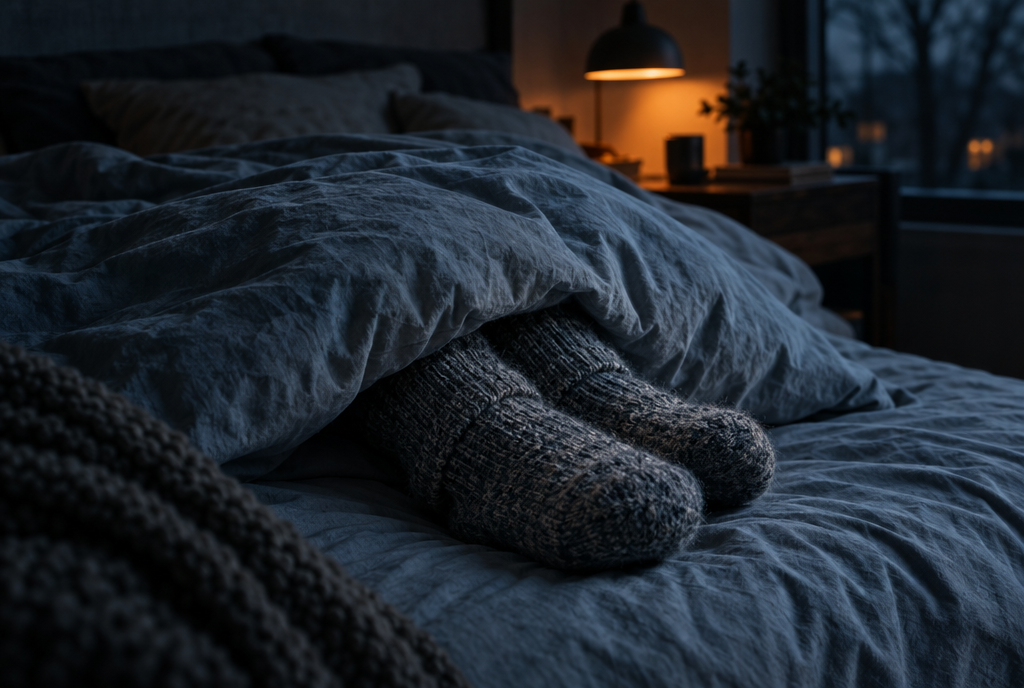
Cold feet at night usually mean the small blood vessels in your feet are still narrowed to hold heat in your core, just when your body wants to release heat through the feet to fall asleep. Loose bed socks, a pre-warmed bed, and a warm bath one to two hours before bed help most people. Numbness, pain or one colder foot deserve a clinician's attention.