
Knowledge
Sourced guides on how the body stays warm, how patients and clinicians are kept comfortable, how crews work safely in cold and heat, and how warming gear works. Pick the theme closest to your world.
Ready to choose gear? Browse all buyer’s guides →
Free tools: wind chill and frostbite calculator, cold work warm-up schedule, what to wear by temperature, which warmth setup is right for you? and the warmth runtime and cost calculator. All tools and data →
Science of Warmth
For anyone who wants to understand how the body makes, keeps and loses heat.
Start here
Popular
All Science of Warmth articles →
Healthcare
For clinicians, perioperative teams and hospital leaders.
Start here
Popular
- How to stay warm in the operating room
- What is perioperative hypothermia?
- Forced-air vs conductive warming
Work and Duty
For employers, safety leads, crews, service members and EMS.
Start here
Popular
All Work and Duty articles →
Everyday Life and Health
For people who feel the cold, and for daily life outdoors.
Start here
- Cold sensitivity and Raynaud’s
- Staying warm in everyday life
- Staying warm at home and with family
- Staying warm with a health condition or disability
Popular
All Everyday Life and Health articles →
Heat and Cooling
For hot jobs, heavy protective gear and personal heat sensitivity.
Start here
Popular
All Heat and Cooling articles →
Technology and Gear
For choosing, using and caring for warming gear.
Start here
Popular
All Technology and Gear articles →All articles
Does cold weather make arthritis and fibromyalgia pain worse?
Partly. Many people with arthritis or fibromyalgia say cold, damp weather makes their pain worse, and some studies find a real but modest link with humidity, wind and low air pressure. Temperature itself shows little consistent effect, and several large studies found no link at all. Your own pattern matters more than the average, and staying warm and active can help comfort.
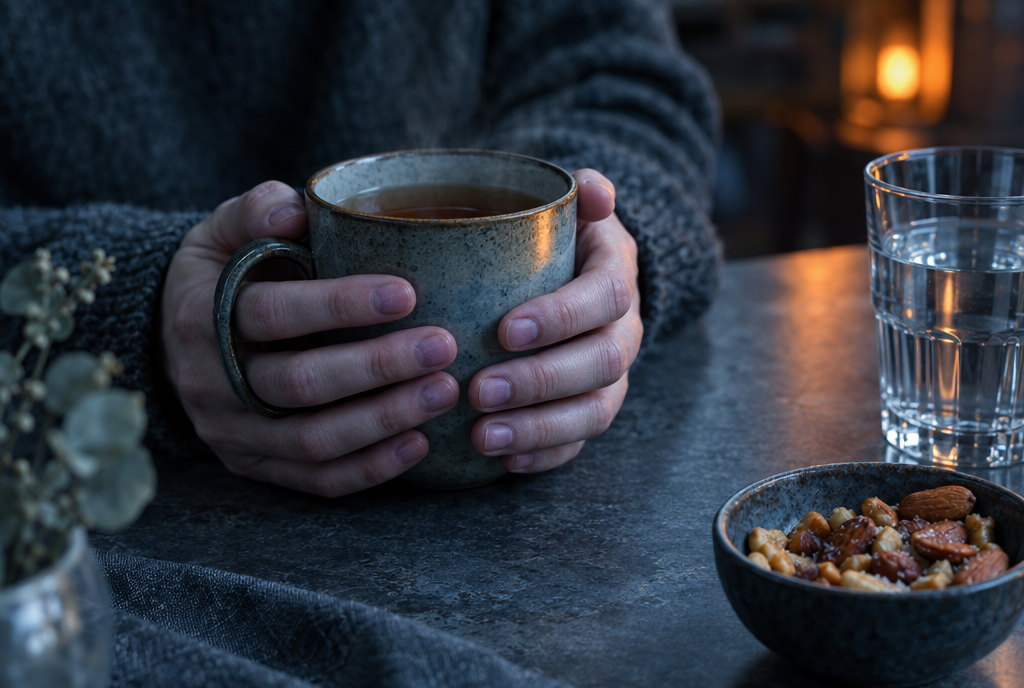
POTS and dysautonomia: cold hands and temperature swings
Cold hands and feet are common in POTS because the autonomic nervous system, which controls blood vessels and body temperature, does not adjust normally. Blood tends to pool in the lower body when upright, leaving hands and feet cold, pale or purple. Many people swing between too hot and too cold, so the aim is gentle, adjustable warmth that avoids overheating.
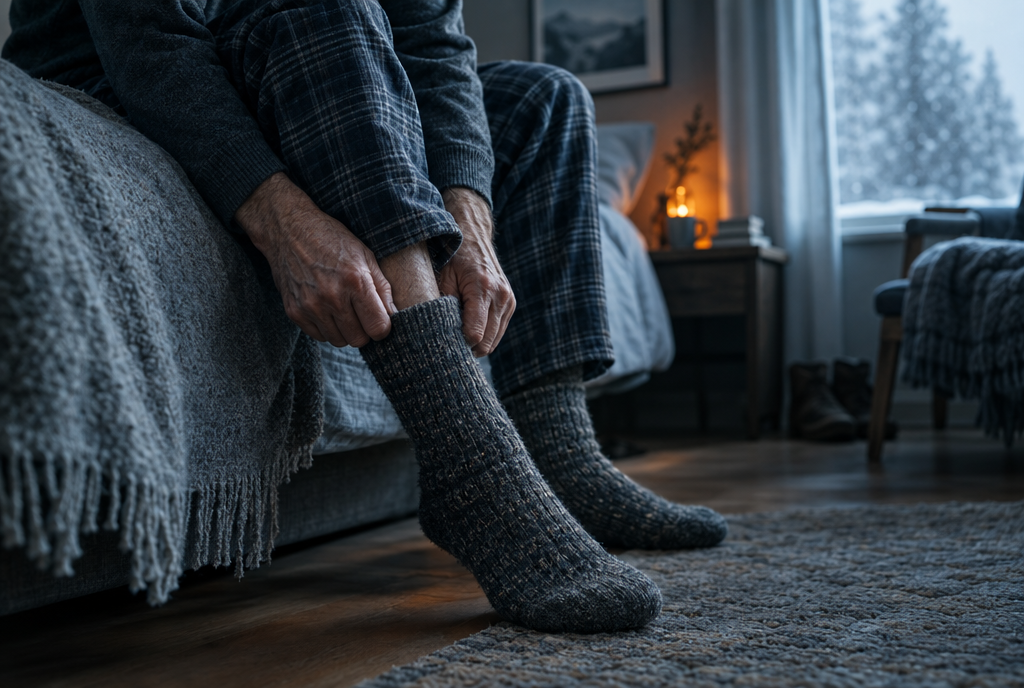
Parkinson's and body temperature
Feeling cold is common with Parkinson's because the disease affects the autonomic nervous system, which controls sweating, blood vessel tone and other parts of temperature regulation. Many people notice cold hands, feet or legs, or feel too cold or too hot when others feel fine. Steady layering, a warm home, movement and careful use of heat sources help most.

MS and cold weather
Cold weather can make some MS symptoms temporarily worse, most often muscle stiffness, spasms, fatigue and walking. Cold sensitivity is less common than heat sensitivity in MS, and the change usually fades once you warm up again. The practical goal is to stay steadily warm with layers and a warm home, while protecting skin that may not feel heat properly.

Feeling cold on Ozempic, Wegovy and other GLP-1 medications
Some people say they feel colder on Ozempic, Wegovy and other GLP-1 medications, but the US prescribing information for Ozempic and Wegovy does not list feeling cold or chills as a side effect. Eating less and losing body fat are plausible contributors, because both are linked to lower heat production or less insulation. Cold that is persistent or extreme deserves a check with your clinician.
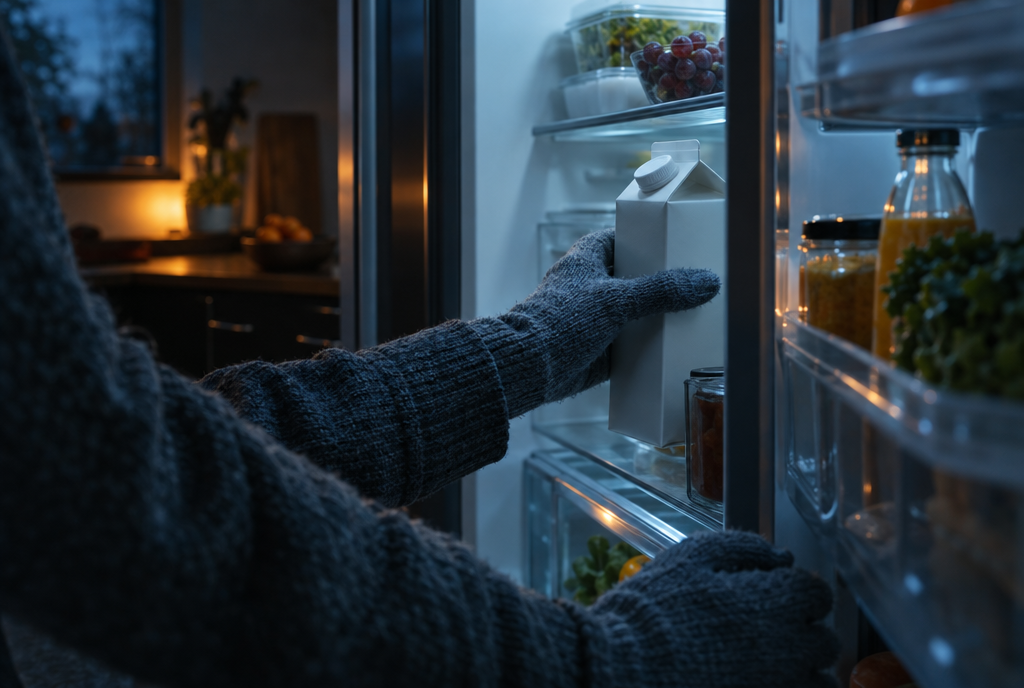
Cold sensitivity during and after chemotherapy, including oxaliplatin
Cold sensitivity during chemotherapy is most closely linked to oxaliplatin, which can make cold drinks, cold air and cold surfaces trigger tingling, numbness, cramping or throat tightness, often within hours of an infusion and for several days afterward. It usually fades after treatment ends. Room temperature drinks, gloves, scarves and layers help, and a fever during chemotherapy always needs an immediate call to your care team.
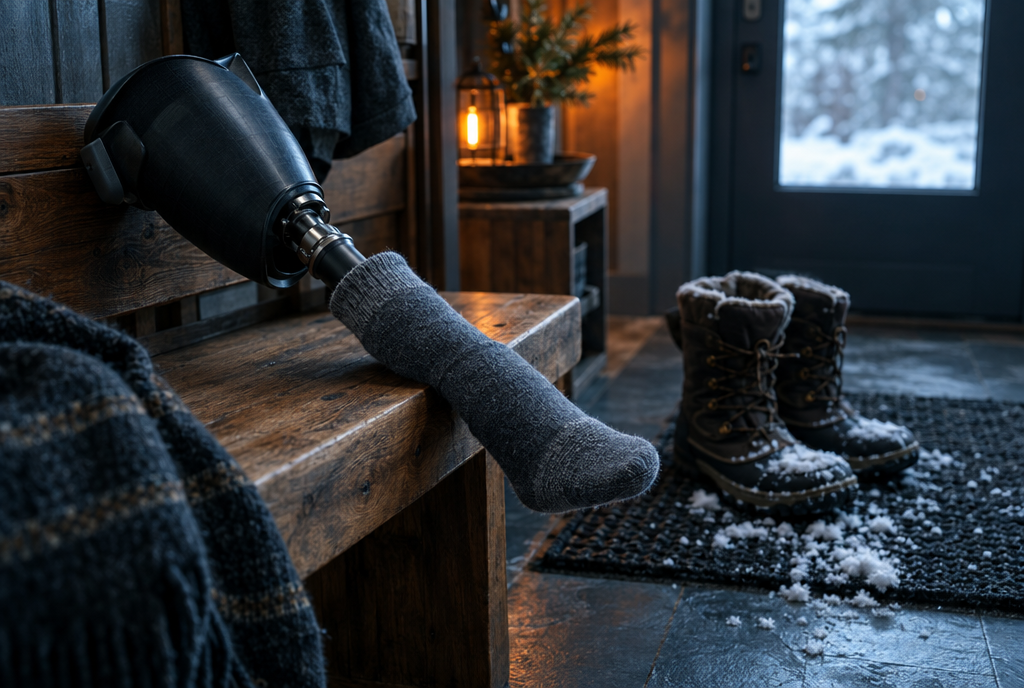
Cold weather with a prosthesis: residual limb, socket and skin
Cold weather can make a residual limb painful, change how the socket fits as limb volume shifts, and trap sweat when you move from the cold into heated rooms. Keep the limb covered and dry, carry extra prosthetic socks, check your skin every morning and night, and keep batteries warm. Never put heat directly on skin with reduced sensation.
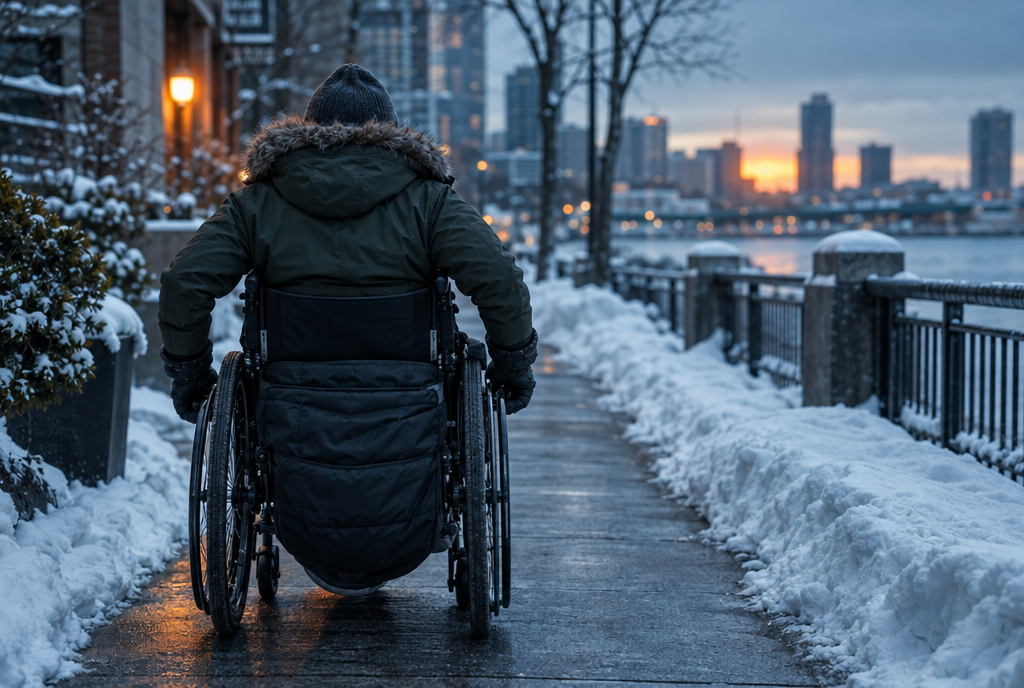
Staying warm in a wheelchair
To stay warm in a wheelchair, wear loose layers of wool or synthetic fabric, add a hat, warm socks and lined waterproof boots, and cover your lap and legs with a wheelchair poncho or zippered blanket. Use gloves that still grip the push rims. Charge power chairs every night, and keep heat sources off skin you cannot feel well.
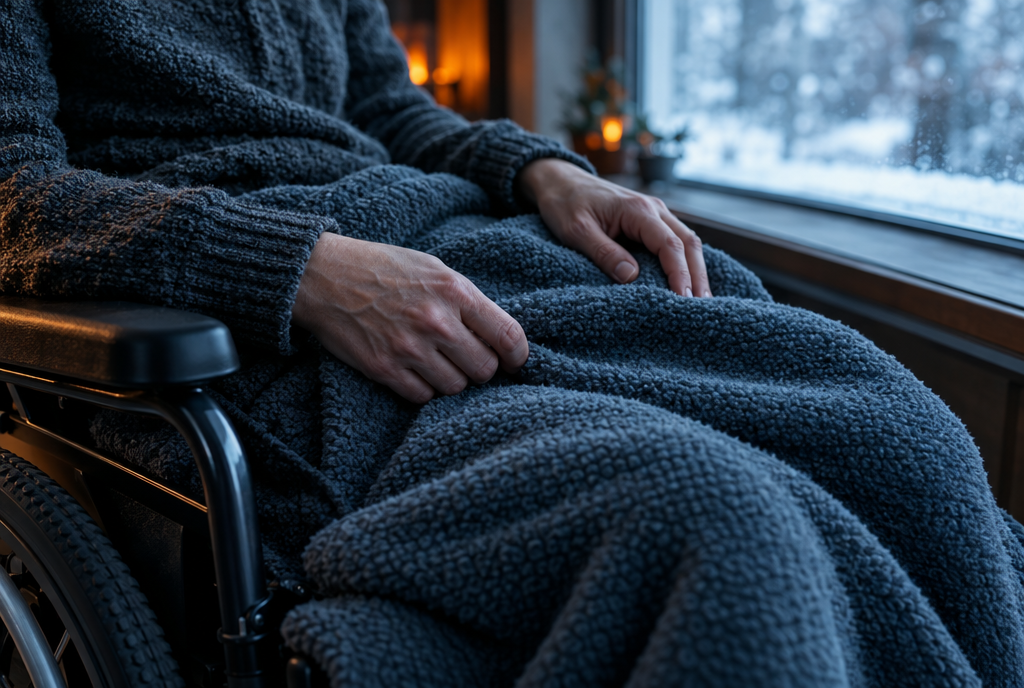
Temperature regulation after spinal cord injury (poikilothermia)
After a spinal cord injury, especially at or above T6, the brain loses much of its connection to the skin, blood vessels and sweat glands below the injury. Shivering and sweating work only above that level, so body temperature tends to drift with the room or the weather. This is called poikilothermia. Managing it means controlling the environment, dressing well and avoiding direct heat sources.
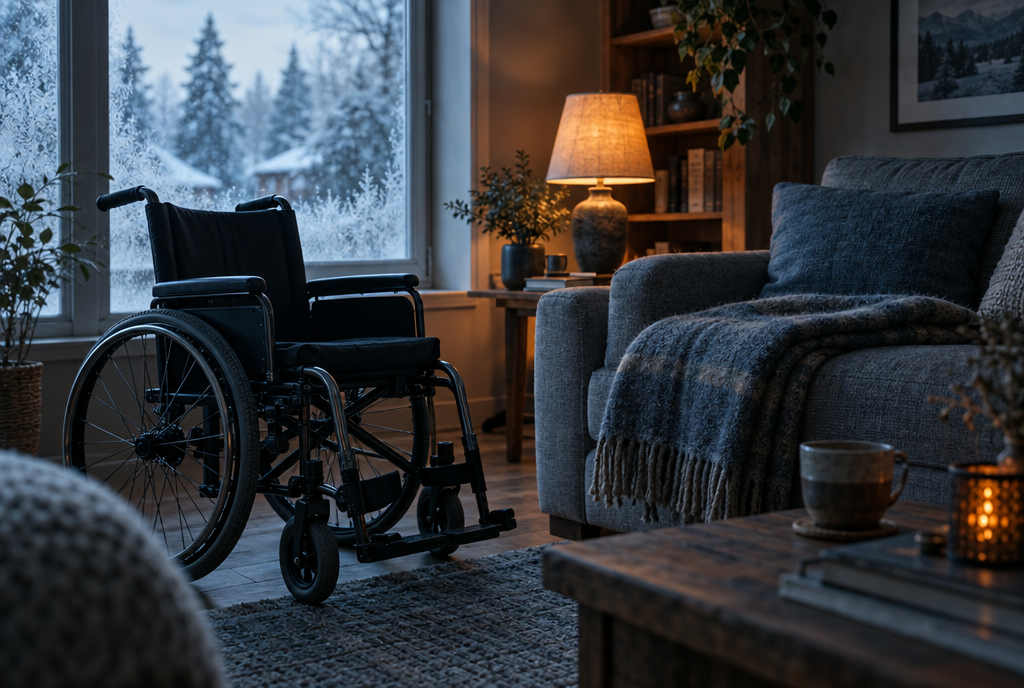
Staying warm with a health condition or disability: start here
Many health conditions and disabilities change how the body makes heat, holds on to it or senses it. Nerve damage, poor circulation, numb skin, some medicines and moving less all play a part. The safest approach is similar across conditions: keep the home warm, hold in body heat with layers, keep direct heat off skin that cannot feel it, eat and drink regularly, and know the signs of hypothermia.
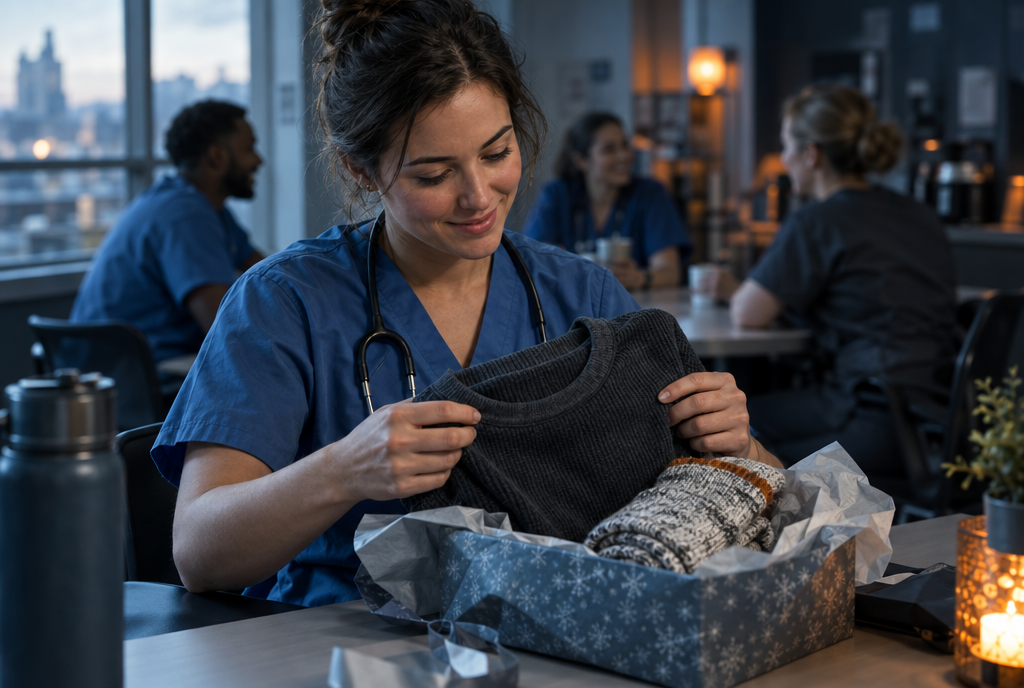
Gifts for nurses who work cold shifts
The best warm gifts for nurses split into two groups: items they can actually wear at work within their facility's attire policy, such as a low-lint base layer, warm socks in approved colors or a thin core layer under scrubs, and items for off shift, such as a warm commute layer or bedding for daytime sleep. Avoid bulky, hard-to-launder or battery-powered items unless their unit allows them.
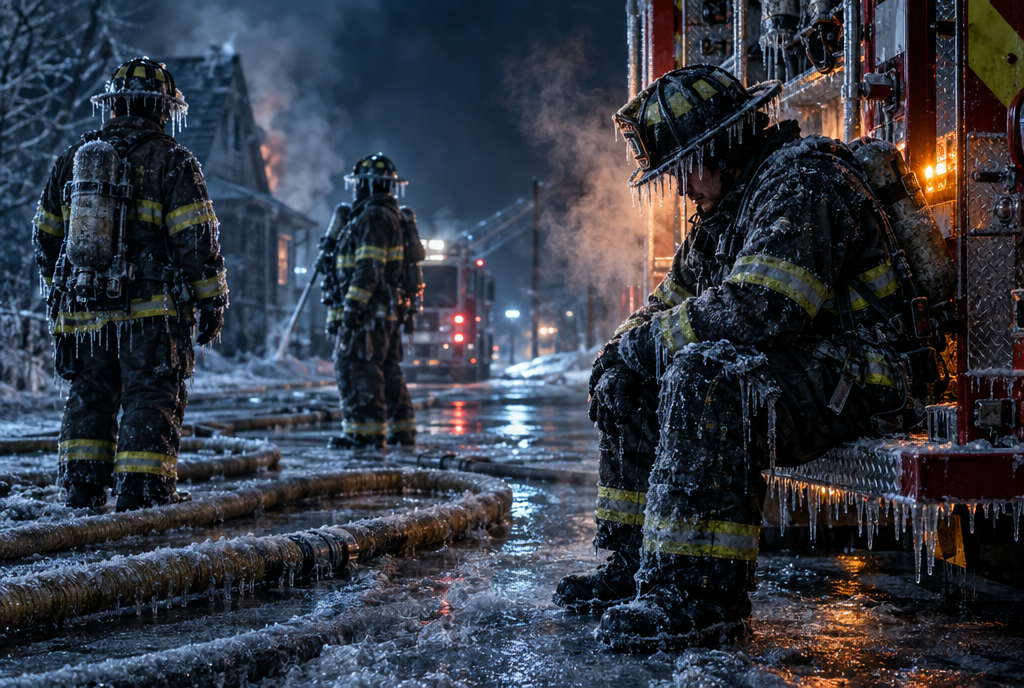
Firefighting in winter: cold, wet gear and rehab
Winter fires combine two opposite threats. Interior work soaks crews in sweat inside heavy turnout gear, then exterior work, water spray and wind chill them fast. Safe cold weather operations rely on early crew rotation, a heated and sheltered rehab area with dry layers and warm fluids, medical monitoring as NFPA 1584 describes, and constant attention to ice underfoot.
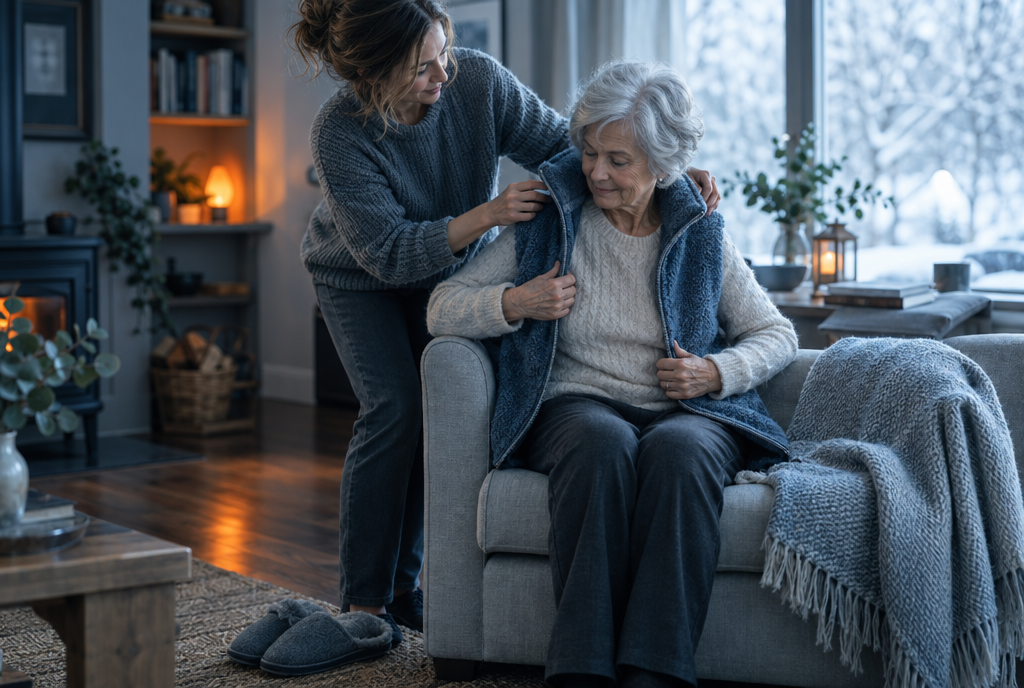
Warm gifts for an older parent: comfortable and safe choices
The best warm gifts for an elderly parent are easy to put on, safe to use alone and suited to where they spend the day: soft layers with simple fastenings, a lap throw, warm socks and closed-back slippers with grippy soles, and bedding for cool nights. Anything that heats should have automatic shut-off and simple controls, and should never sit on skin they cannot feel well.

How to stay warm on a winter commute without overheating indoors
To stay warm on a winter commute without overheating, dress in thin removable layers instead of one heavy coat, choose outer layers with full zippers you can open, and cover your head, hands and neck for the cold stretches. Vent or remove a layer before you start to sweat, especially on crowded trains, because damp clothing chills you once you step back outside.
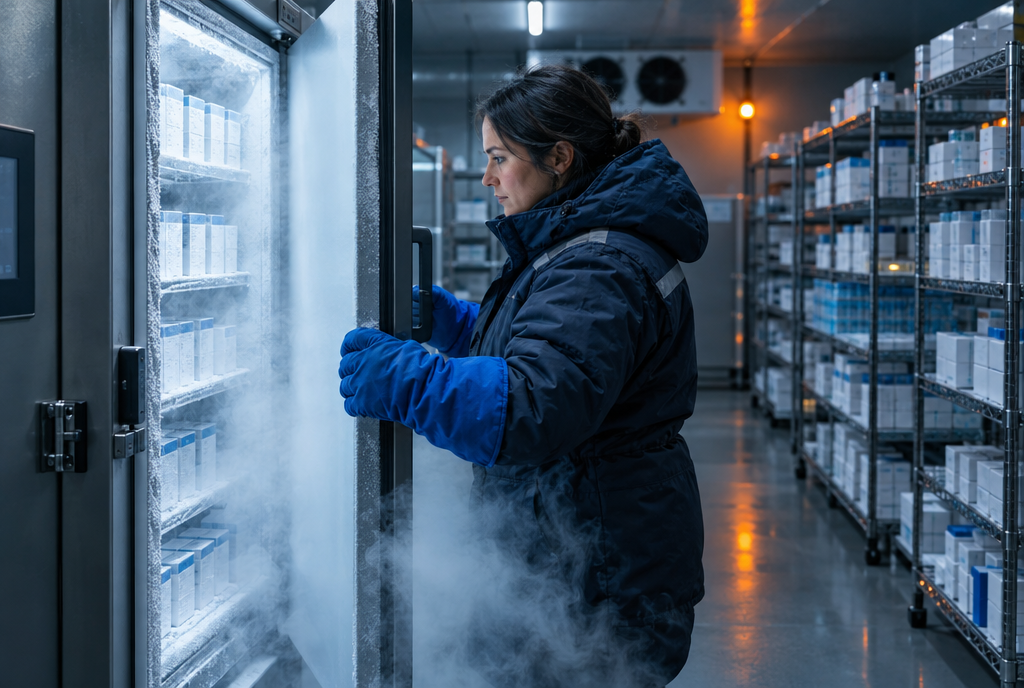
Working in the pharmaceutical cold chain: refrigerated rooms, freezers and ultra-cold storage
Working in pharmaceutical cold storage means two different kinds of cold. Refrigerated rooms at 2 to 8°C bring long, moderate exposure that calls for insulated layers and warm-up breaks. Ultra-cold freezers, dry ice and liquid nitrogen bring brief but extreme contact hazards, plus gas buildup, that call for cryogenic gloves, face protection, ventilation and training.
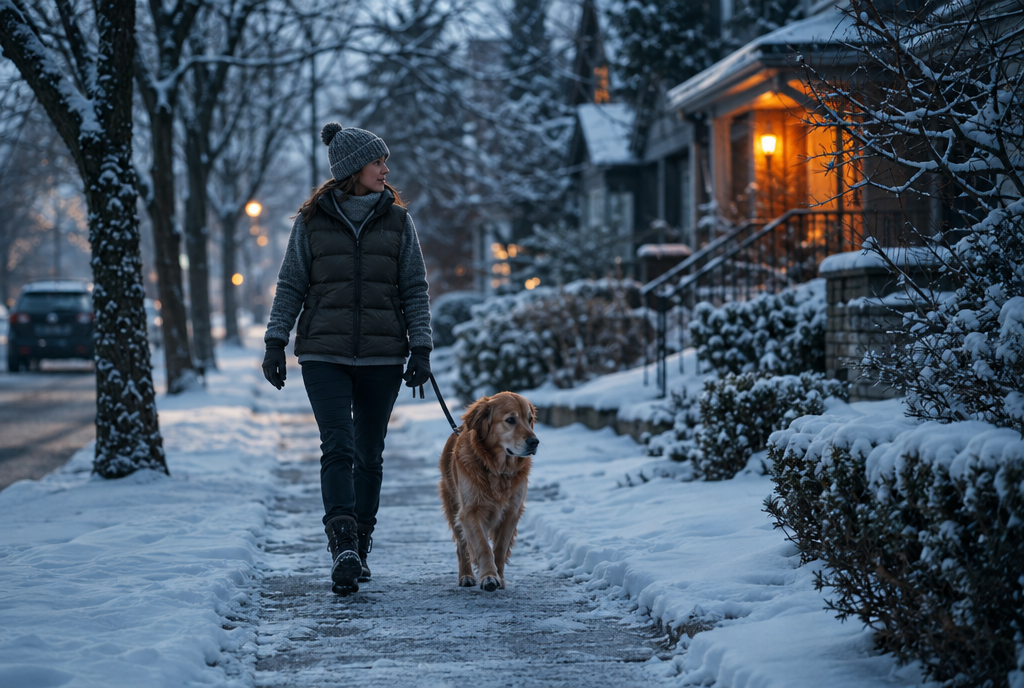
Staying warm on short trips outside: dog walks, chores and errands
To stay warm on a dog walk or quick chore, dress as if you will be out longer than planned: a warm core layer, a windproof shell, a hat, gloves and a face covering. Wear boots with real traction for ice. Keep a grab-and-go kit by the door, and treat snow shoveling as hard exercise, not a small errand.
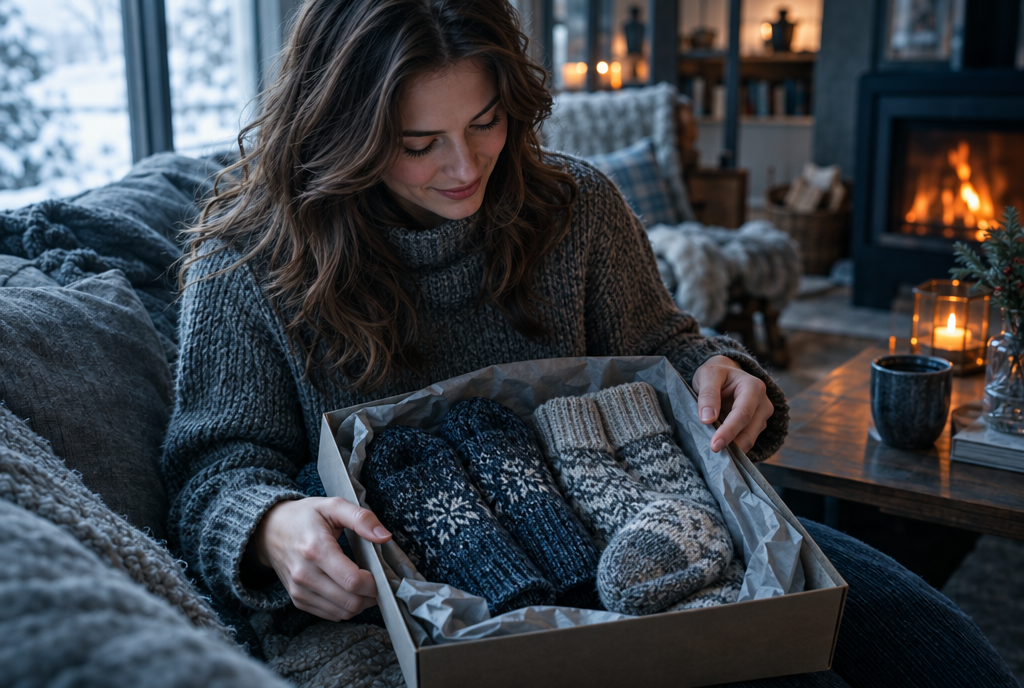
Gifts for someone with Raynaud's: warmth that fits daily life
Good gifts for someone with Raynaud's help them stay warm through ordinary moments: a core layer or wrap, mittens with liners, thermal socks, insulated mugs, gloves for the freezer and warm bedtime layers. Raynaud's groups advise keeping the whole body warm, not just the fingers, so layers for the torso and neck are often as welcome as anything for the hands.
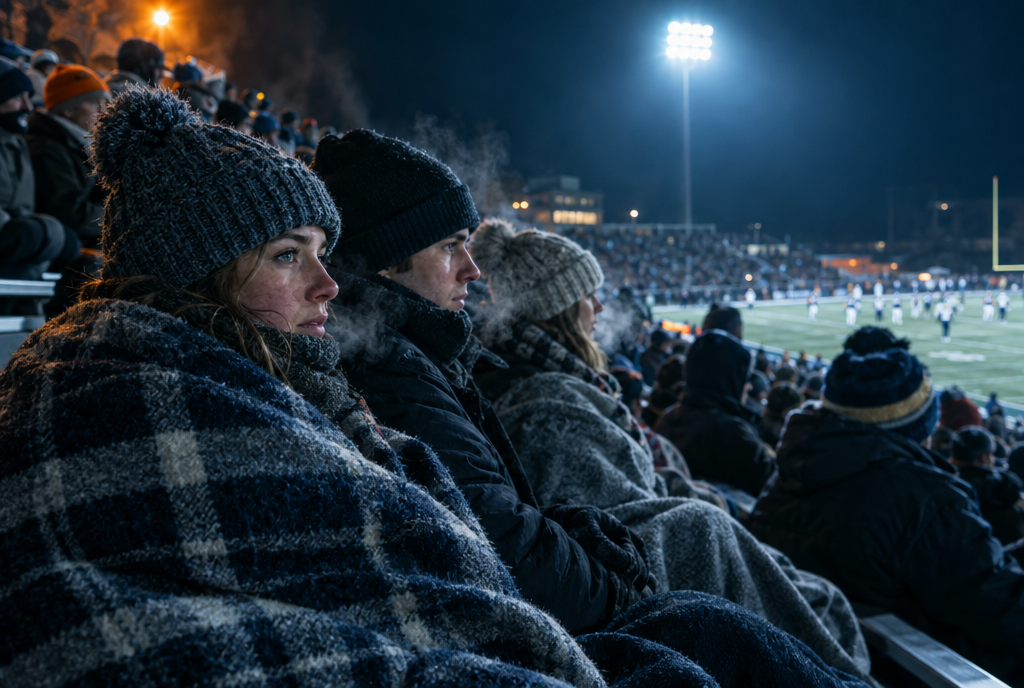
How to stay warm at outdoor sporting events and games
To stay warm at a football game or any outdoor sporting event, sit on an insulated seat pad so cold metal or concrete cannot pull heat from your body, then wear loose layers topped with a windproof shell. Keep feet, hands and head covered and dry, bring warmers or heated gear if the venue allows them, drink warm non-alcoholic fluids and plan short warm-up breaks.

Feeling cold or hot during pregnancy: what is normal and how to stay comfortable
Many people feel warmer than usual during pregnancy because metabolism, blood volume and blood flow to the skin all rise. Feeling always cold during pregnancy is less typical and can be linked to anemia, an underactive thyroid, low blood pressure, poor sleep or inactivity. Gentle warming and cooling are fine, but avoid anything that raises core temperature, such as hot tubs and saunas.
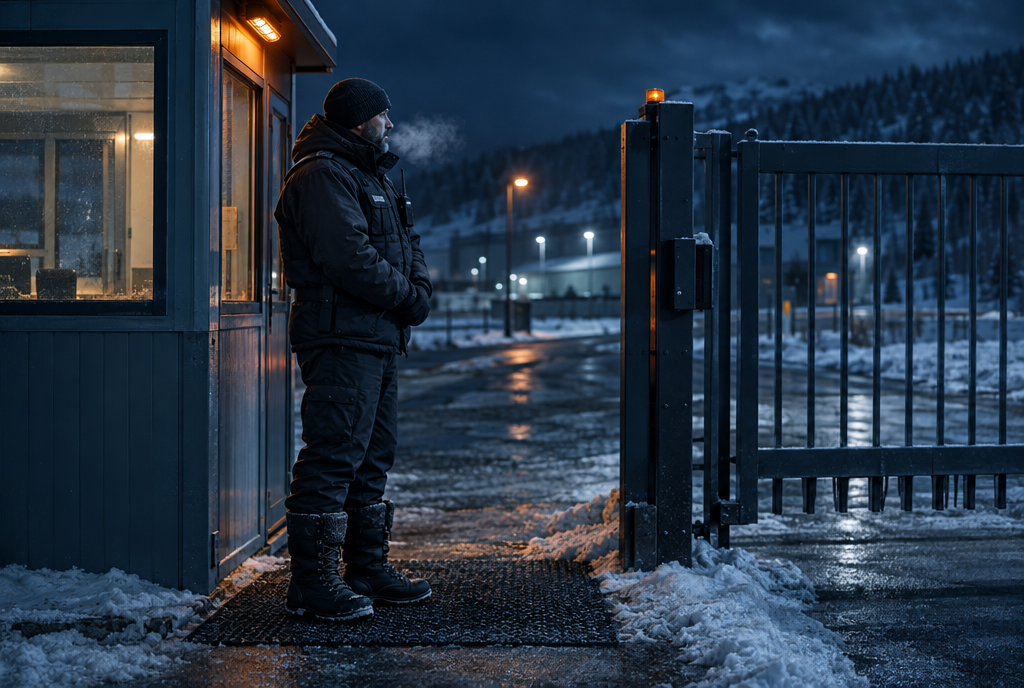
How to stay warm at a static post: security, checkpoints and traffic control
To stay warm standing outside all day, insulate yourself from the ground first with insulated boots and a mat, then block the wind with shelter or a windproof layer. Wear adjustable layers that fit under your uniform and duty gear, add a heat source if your post allows it, take scheduled warm-up breaks, and eat and drink warm, non-alcoholic fluids through the shift.